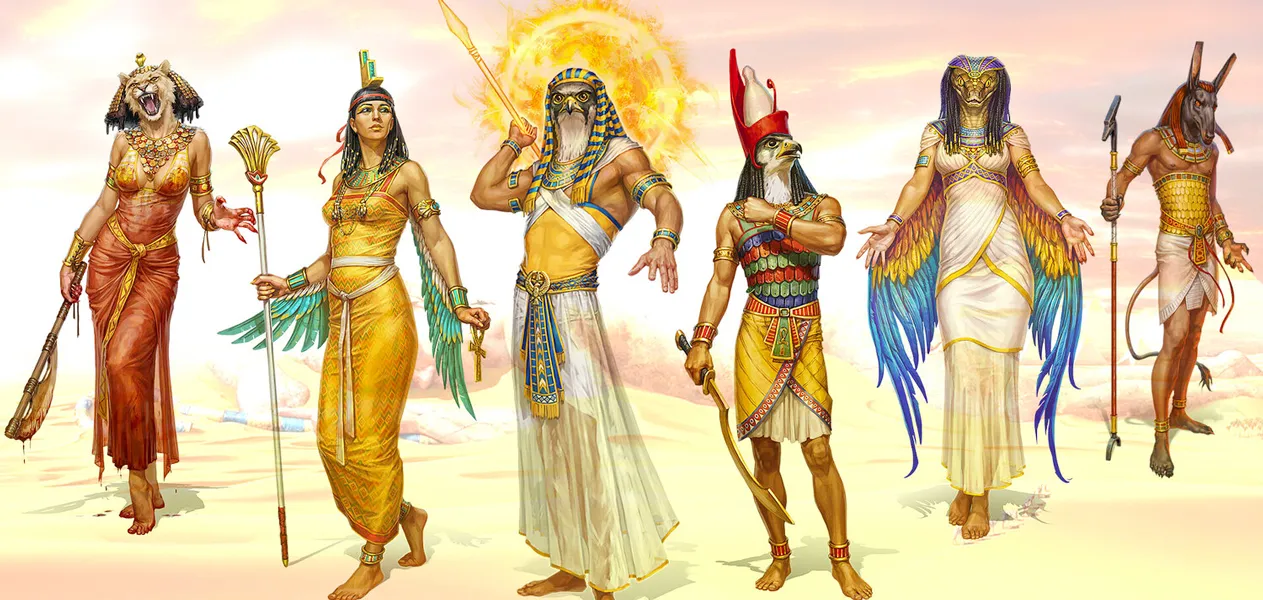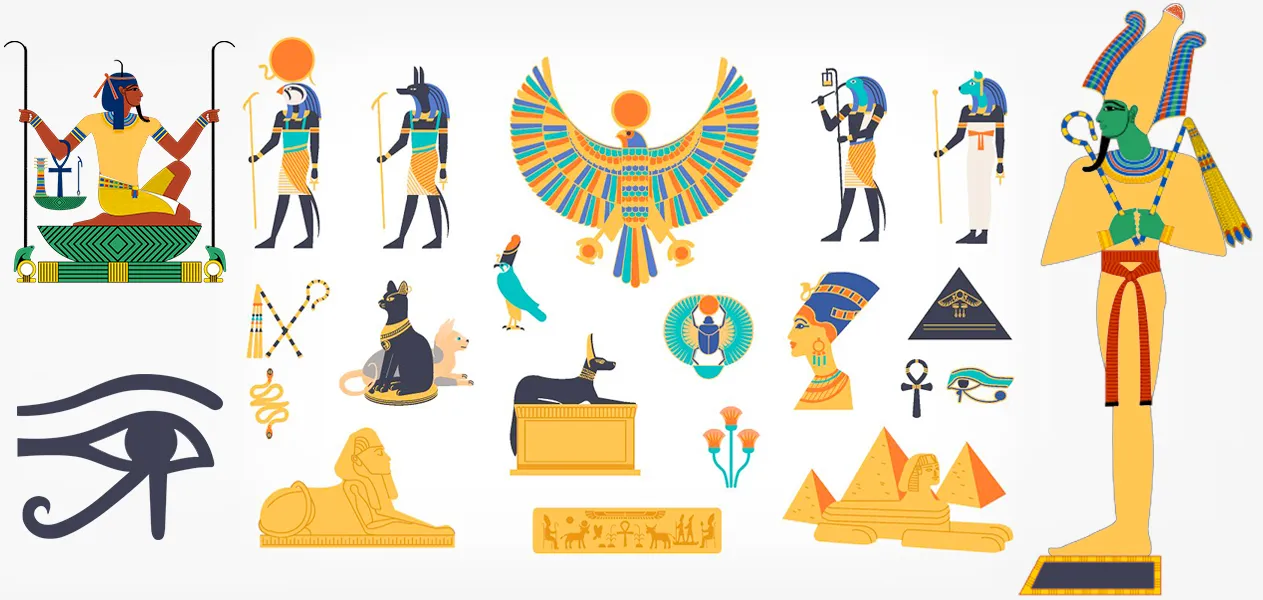




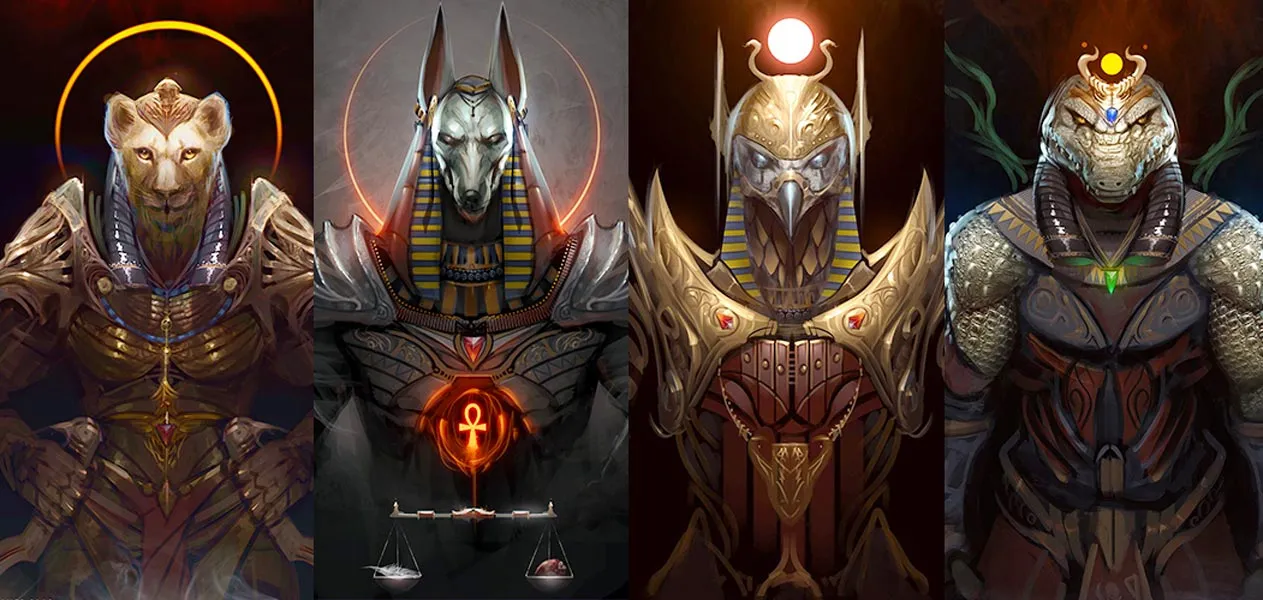
The gods of ancient Egypt sailed the sun across the sky, judged the souls of the dead, and brought the Nile flood that fed the land. For more than 3,000 years, they shaped every part of Egyptian life, from the pharaoh's throne to the humblest kitchen.
Egyptologists have identified more than 1,500 Egyptian deities by name. You cannot meet all of the Egyptian gods in one article, but this guide covers all the major Egyptian gods: a full Egyptian mythology gods and goddesses list, the most important gods and their families, detailed profiles of the best-known gods and goddesses, how the Egyptians worshipped them, and where you can still see them carved on temple walls today.

Egyptian Gods List: All the Major Egyptian Gods at a Glance
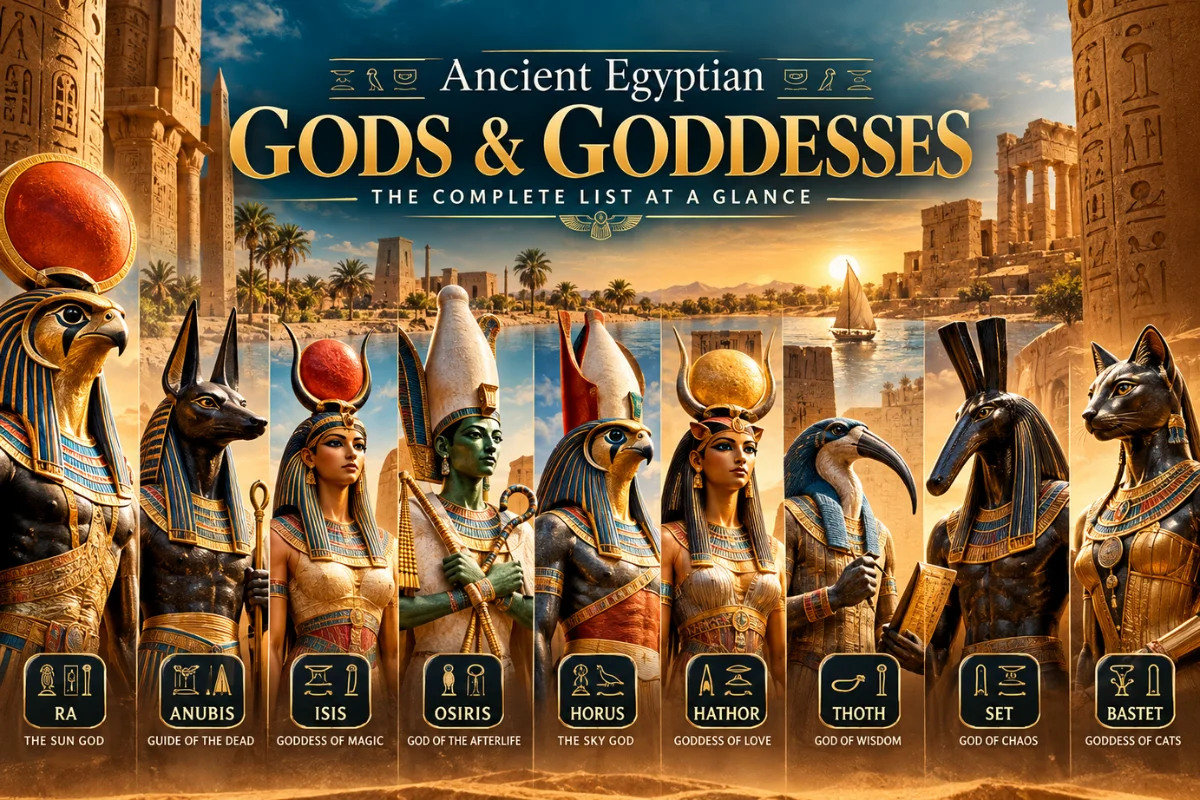
This table lists the Egypt gods names, roles and usual appearance of all Egyptian gods of national importance, arranged alphabetically.
|
God or goddess |
Domain |
Usually shown as |
|
Amun |
King of the gods, hidden power, Thebes |
Man with a tall double-plumed crown; sometimes a ram |
|
Anubis |
Mummification, cemeteries, guide of the dead |
Jackal or jackal-headed man |
|
Anuket |
The Nile at the First Cataract |
Woman with a tall feathered crown |
|
Apophis (Apep) |
Chaos, enemy of Ra |
Giant serpent |
|
Aten |
The sun disk |
Sun disk with rays ending in hands |
|
Atum |
Creator god of Heliopolis, the setting sun |
Man wearing the double crown |
|
Bastet |
Home, cats, women, protection |
Cat or cat-headed woman |
|
Bes |
Childbirth, families, protection from evil |
Bearded dwarf with a lion-like face |
|
Geb |
The earth |
Man lying beneath the sky goddess Nut, often green |
|
Hapi |
The Nile flood and fertility |
Fat man with blue or green skin and papyrus on his head |
|
Hathor |
Love, music, joy, motherhood |
Cow, or woman with cow horns and a sun disk |
|
Heka |
Magic |
Man with a twisted-rope symbol |
|
Horus |
The sky, kingship, protection |
Falcon or falcon-headed man with the double crown |
|
Isis |
Magic, motherhood, healing |
Woman with a throne-shaped headdress |
|
Khepri |
The rising sun, rebirth |
Scarab beetle or scarab-headed man |
|
Khnum |
Creation of humans, the Nile's source |
Ram-headed man at a potter's wheel |
|
Khonsu |
The moon, time |
Young man with a moon disk and sidelock |
|
Maat |
Truth, justice, cosmic order |
Woman with an ostrich feather on her head |
|
Meretseger |
Protector of the Theban necropolis |
Cobra or cobra-headed woman |
|
Min |
Fertility, the Eastern Desert |
Man with a raised arm and flail |
|
Montu |
War |
Falcon-headed man with a sun disk and two plumes |
|
Mut |
Motherhood, queen of the gods |
Woman with a vulture headdress |
|
Nefertum |
Perfume, the lotus, the first sunrise |
Young man with a lotus flower crown |
|
Neith |
War, weaving, creation |
Woman with the red crown and crossed arrows |
|
Nekhbet |
Protector of Upper Egypt and the king |
Vulture |
|
Nephthys |
Mourning, protection of the dead |
Woman with a house-and-basket headdress |
|
Nun |
The primeval waters of chaos |
Man holding up the solar boat |
|
Nut |
The sky |
Woman arching over the earth, covered in stars |
|
Osiris |
The afterlife, rebirth, the dead |
Mummified king with green or black skin |
|
Ptah |
Creation, craftsmen, Memphis |
Mummified man with a skullcap |
|
Ra |
The sun, creation, king of the gods |
Falcon-headed man with a sun disk |
|
Sekhmet |
War, plague and healing |
Lioness or lion-headed woman |
|
Serqet (Selket) |
Protection from venom, healing |
Woman with a scorpion on her head |
|
Seshat |
Writing, measurement, records |
Woman with a seven-pointed star headdress |
|
Set (Seth) |
Chaos, storms, the desert |
Man with the head of an unidentified "Set animal" |
|
Shu |
Air and light |
Man with an ostrich feather |
|
Sobek |
The Nile, crocodiles, power of the pharaoh |
Crocodile or crocodile-headed man |
|
Taweret |
Childbirth, mothers, babies |
Pregnant hippopotamus with lion and crocodile features |
|
Tefnut |
Moisture and rain |
Lioness-headed woman |
|
Thoth |
Writing, wisdom, the moon |
Ibis, ibis-headed man, or baboon |
|
Wadjet |
Protector of Lower Egypt and the king |
Cobra |
The Most Important Egyptian Gods
Out of hundreds of deities, a few were worshipped across the whole country for thousands of years. If you are looking for the main Egyptian gods, these are the ones every Egyptian knew.
5 Egyptian Gods Everyone Should Know
-
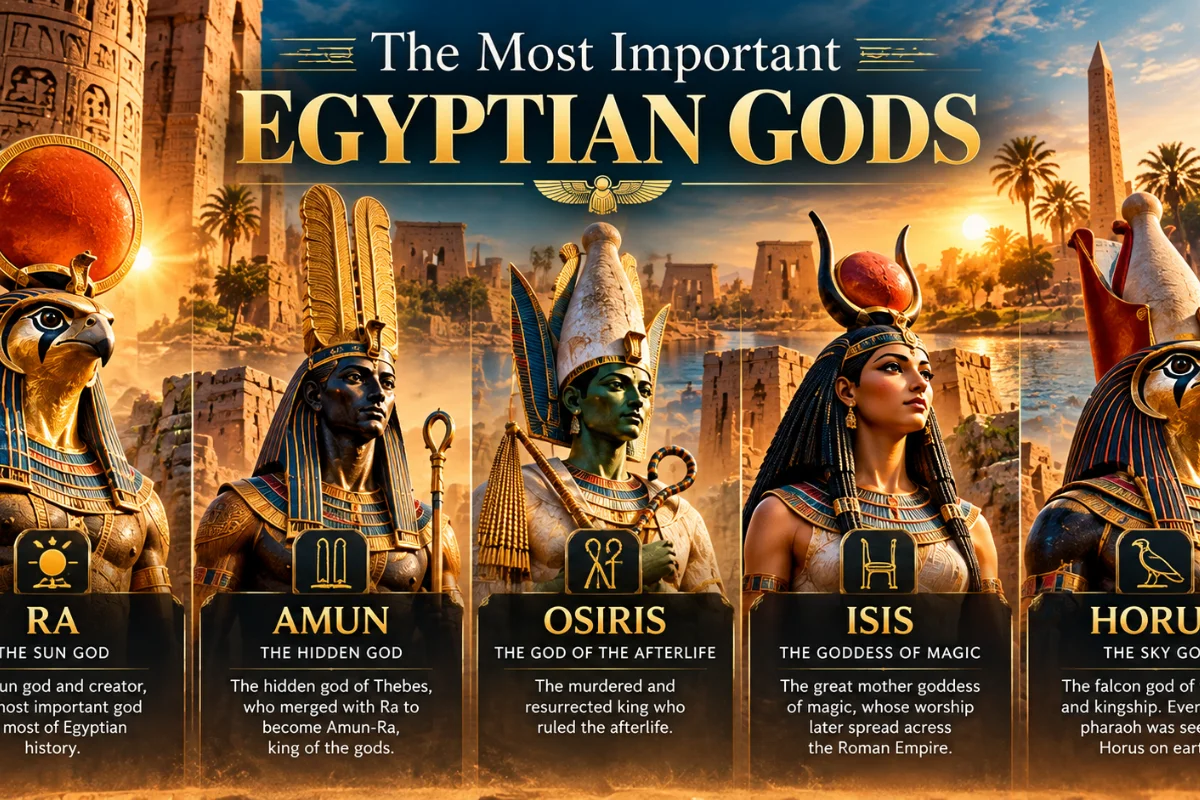
Ra: the sun god and creator, the most important god for most of Egyptian history.
-
Amun: the hidden god of Thebes, who merged with Ra to become Amun-Ra, king of the gods in the New Kingdom.
-
Osiris: the murdered and resurrected king who ruled the afterlife.
-
Isis: the great mother goddess of magic, whose worship later spread across the Roman Empire.
-
Horus: the falcon god of the sky and kingship. Every living pharaoh was seen as Horus on earth.
Close behind them come Anubis, Thoth, Hathor, Ptah and Maat, each with temples, priests and festivals of their own. Together these ten are the most important Egyptian gods to know before visiting Egypt's temples.
Who Is the Egyptian God Of…? Quick Answers
|
Who is the Egyptian god of… |
Answer |
|
The sun |
Ra (also Atum, Khepri and the Aten) |
|
Death and the afterlife |
Osiris, with Anubis as god of mummification |
|
War |
Montu, Sekhmet and Neith |
|
Love and music |
Hathor |
|
Wisdom and writing |
Thoth (with Seshat) |
|
Chaos and storms |
Set |
|
The sky |
Horus and Nut |
|
The Nile flood |
Hapi |
|
The moon |
Khonsu and Thoth |
|
Cats and the home |
Bastet |
|
Creation |
Atum, Ptah, Amun and Khnum, depending on the city |
|
Childbirth |
Taweret and Bes |
Families of Egyptian Gods
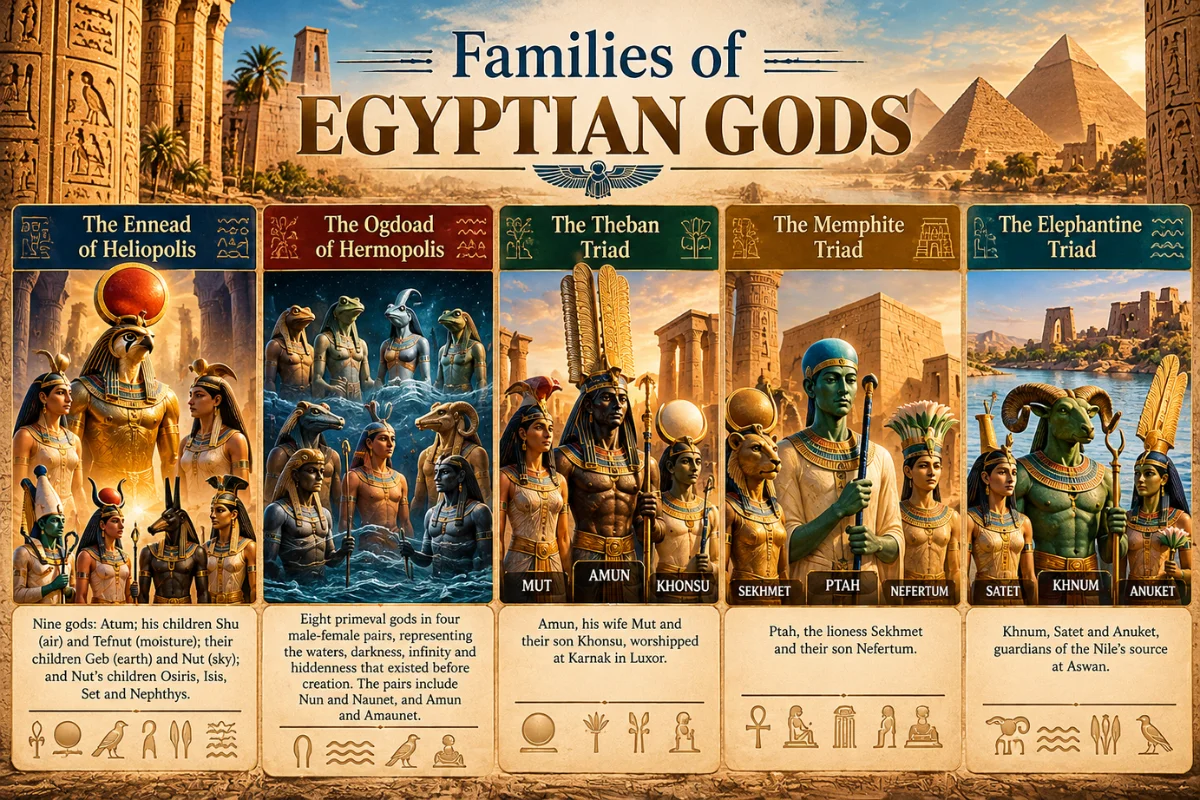
Egyptians often organized their gods into families, and each great religious center had its own.
-
The Ennead of Heliopolis: nine gods. They are the creator Atum; his children Shu (air) and Tefnut (moisture); their children Geb (earth) and Nut (sky); and Nut's children Osiris, Isis, Set and Nephthys.
-
The Ogdoad of Hermopolis: eight primeval gods in four male-female pairs, representing the waters, darkness, infinity and hiddenness that existed before creation. The pairs include Nun and Naunet, and Amun and Amaunet.
-
The Theban Triad: Amun, his wife Mut and their son Khonsu, worshipped at Karnak in Luxor.
-
The Memphite Triad: Ptah, the lioness Sekhmet and their son Nefertum.
-
The Elephantine Triad: Khnum, Satet and Anuket, guardians of the Nile's source at Aswan.
Explore the stories behind these families in our guide to ancient Egyptian mythology.
Ancient Egyptian God Ra (Atum)
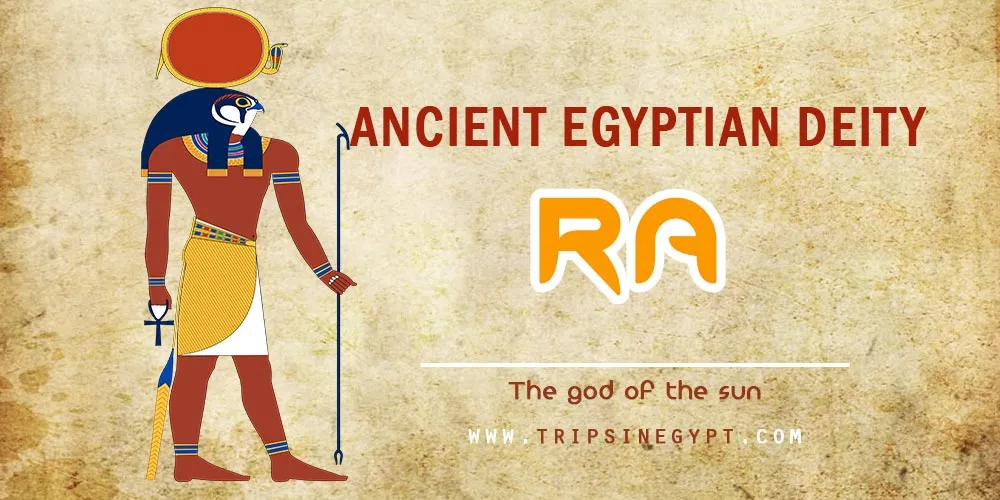
Ra was the sun god and the most important creator god for most of Egyptian history. Each day he sailed across the sky in his solar boat, and each night he journeyed through the underworld, where he fought the chaos serpent Apophis before being reborn at dawn.
Ra was usually shown as a man with the head of a falcon, crowned with a sun disk encircled by a cobra. His great cult center was Heliopolis, now part of northeastern Cairo, where he was merged with the creator Atum as Ra-Atum. Atum represented the evening sun and Khepri the morning sun. From the Fourth Dynasty onward, pharaohs took the title "Son of Ra".
Ancient Egyptian God Amun (Amun-Ra)
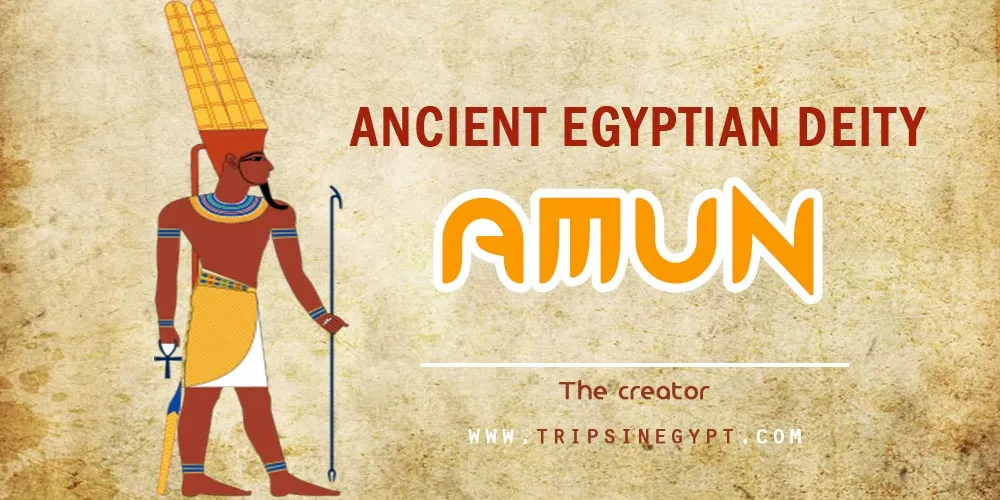
Amun, whose name means "the hidden one", began as a local god of Thebes. When Theban kings reunited Egypt in the Middle and New Kingdoms, Amun rose to national importance and merged with Ra as Amun-Ra, king of the gods.
He was shown as a man wearing a crown with two tall plumes, and sometimes as a ram. His temple at Karnak became the largest religious complex ever built in Egypt, and his priests grew so wealthy that they rivaled the pharaohs in power.
Ancient Egyptian God Osiris
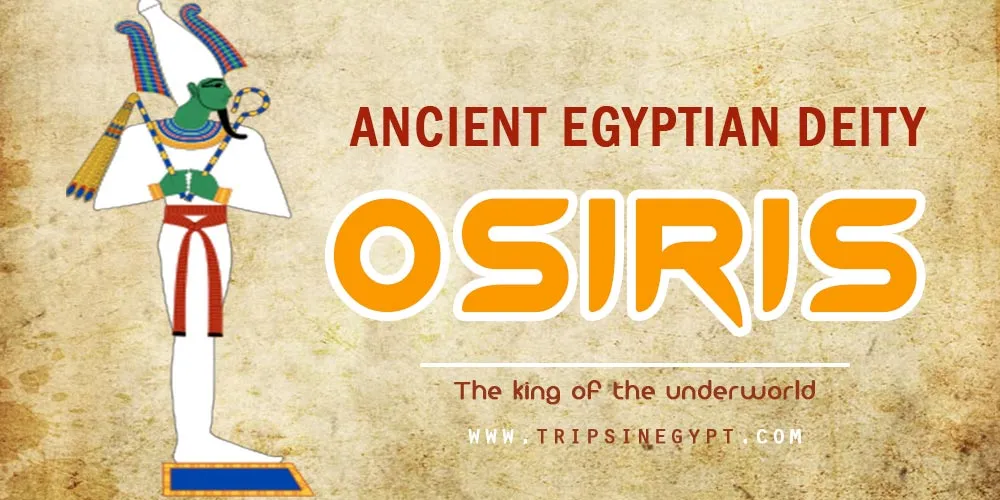
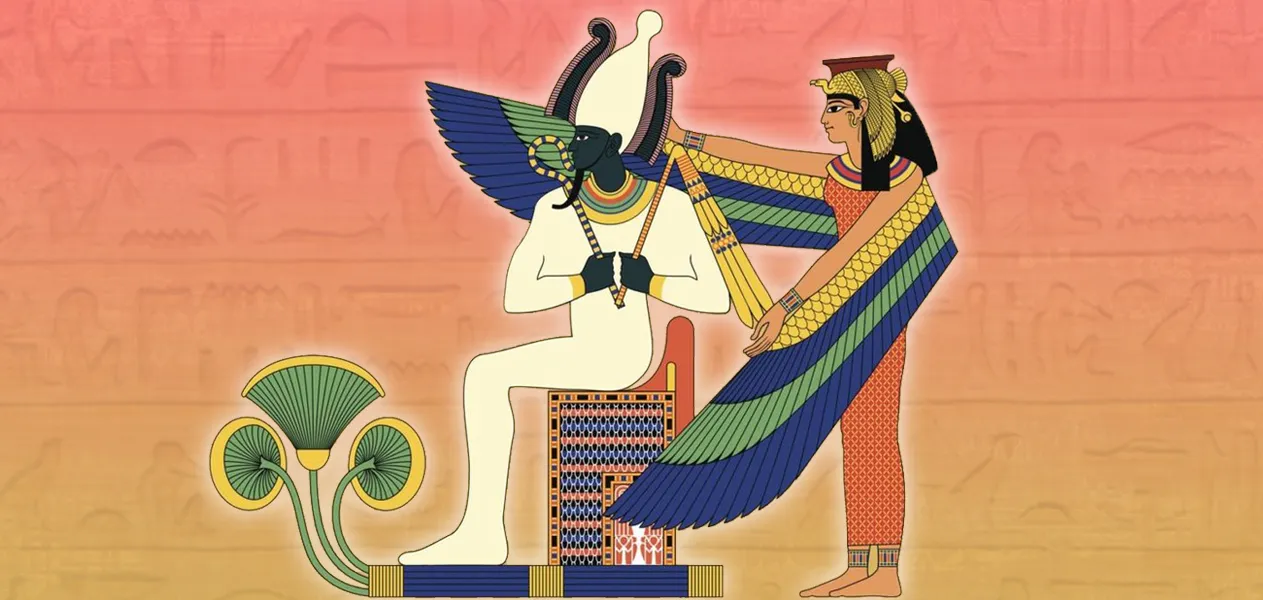
Osiris was the god of the afterlife, the dead and rebirth. According to myth, he ruled Egypt as a wise king until his jealous brother Set murdered him and scattered his body. His wife Isis gathered the pieces and restored him to life long enough to conceive their son, Horus.
Osiris then became king of the underworld, presiding over the judgement of the dead. He was shown as a mummified king with green or black skin, symbols of new growth and the fertile Nile mud, holding the crook and flail. His main cult center was Abydos, where many Egyptians wished to be buried near his tomb.
Ancient Egyptian Goddess Isis
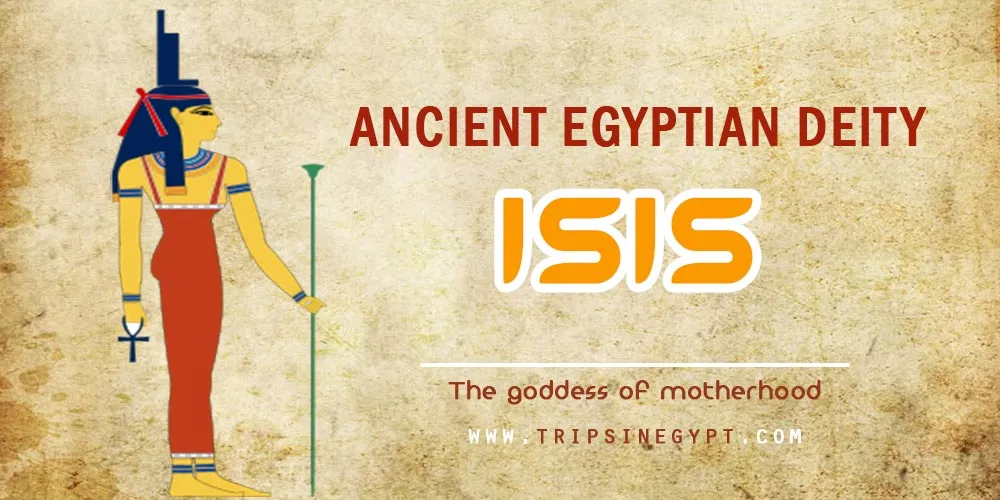
Isis was the goddess of magic, motherhood and healing, and one of the most loved deities of Egypt. Her devotion to Osiris and her protection of the infant Horus made her the ideal mother and wife. Her name means "throne", and she wore a throne-shaped headdress.
Her worship spread far beyond Egypt, with temples built as far away as Rome and London. Her great temple at Philae, near Aswan, was one of the last places where the ancient religion was practiced, until the 6th century AD.
Ancient Egyptian God Horus
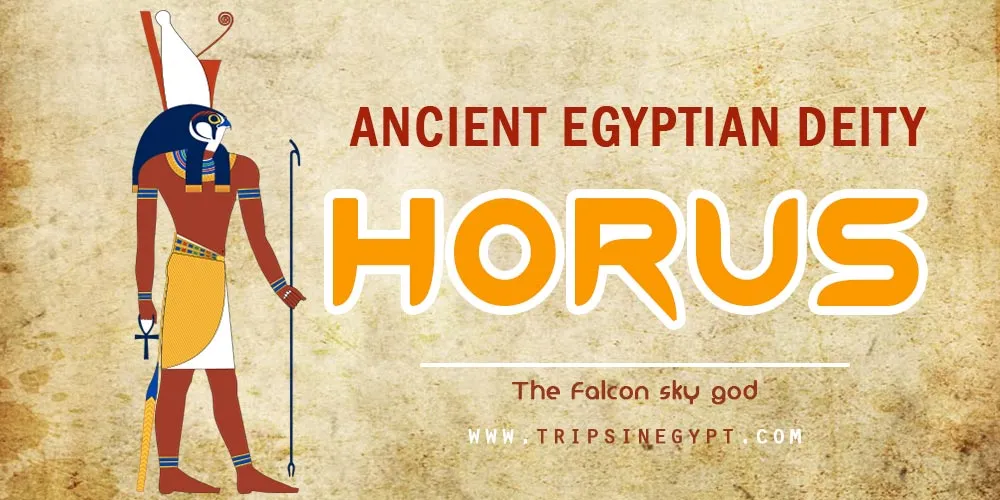
Horus, the falcon-headed son of Osiris and Isis, was the god of the sky and of kingship. According to The Contendings of Horus and Seth, he fought his uncle Set for 80 years to avenge his father and win the throne of Egypt.
During the struggle, Set injured Horus's eye, which was later restored. It became the famous protective symbol explained in our guide to the Eye of Horus. Every living pharaoh was believed to be the earthly form of Horus. His best-preserved temple stands at Edfu.
Ancient Egyptian God Set
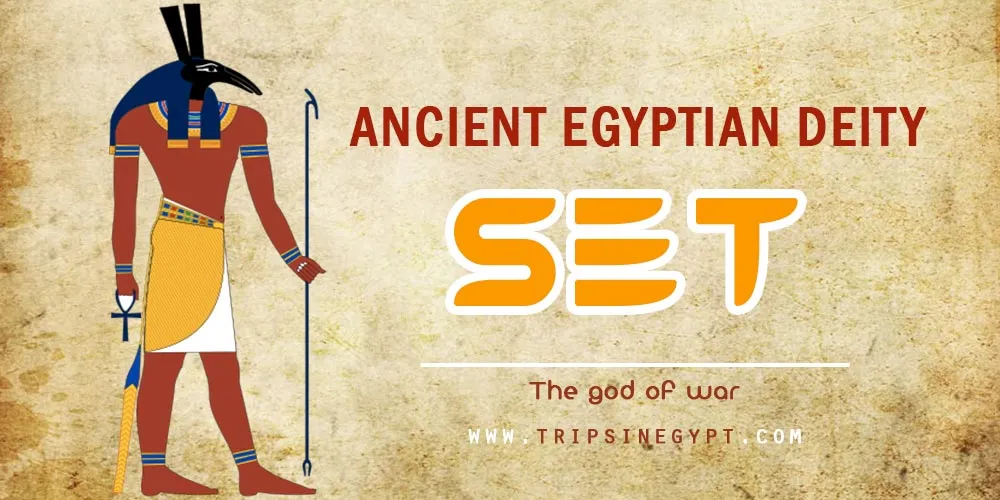
Set, or Seth, was the god of chaos, storms, the desert and foreigners. He was shown with the head of a mysterious creature with a curved snout and tall, square-tipped ears, known simply as the "Set animal", which no one has identified with certainty.
Set is best known as the murderer of his brother Osiris, but he was not purely evil. Each night he stood at the prow of Ra's solar boat and defended it from the serpent Apophis. Several pharaohs, including Seti I, whose name means "man of Set", honored him.
Ancient Egyptian God Anubis
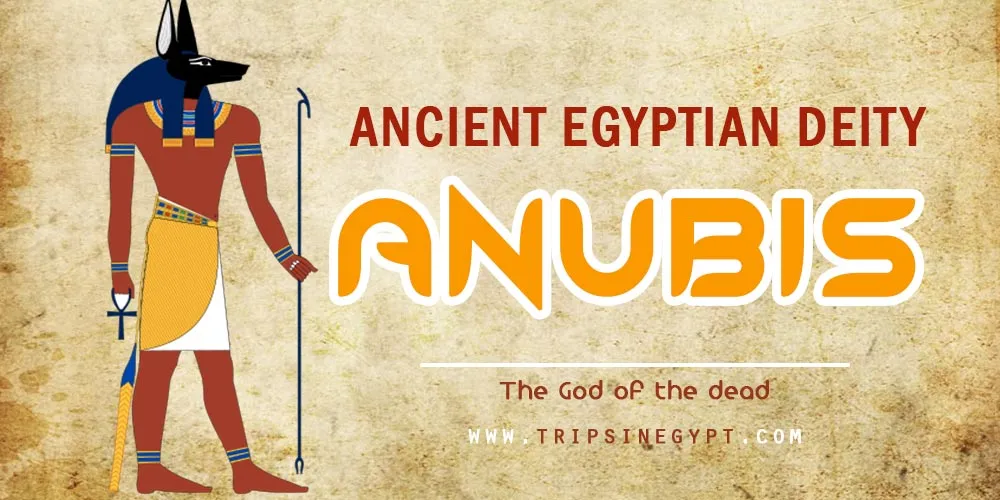
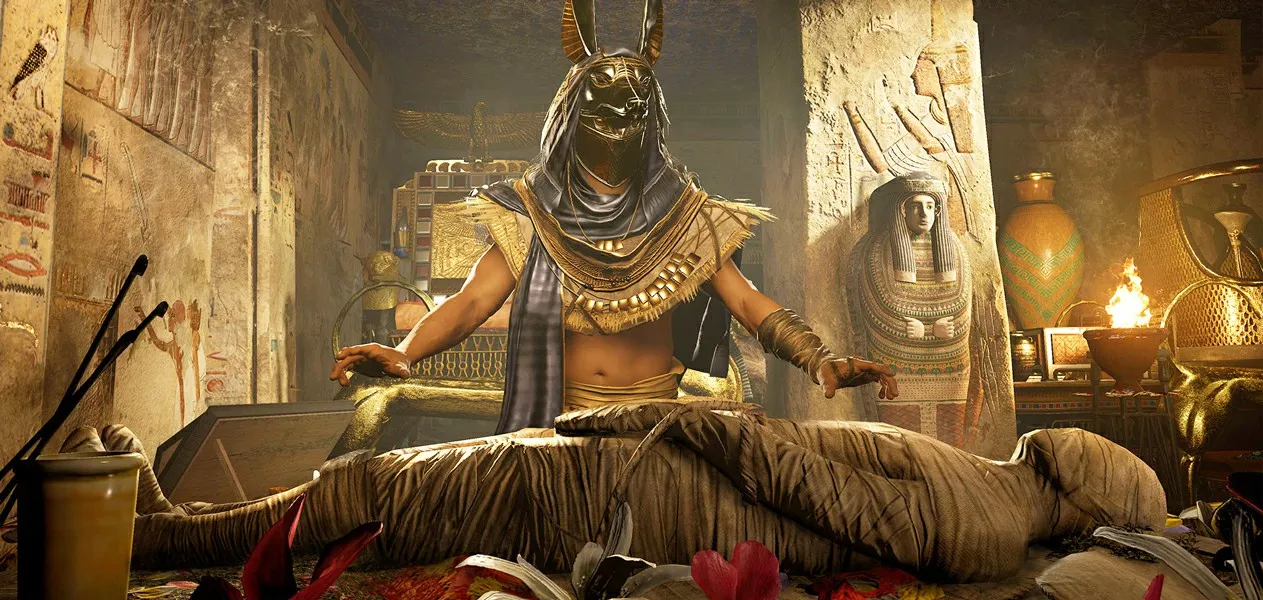
Anubis was the god of mummification and protector of cemeteries, shown as a black jackal or a jackal-headed man. Jackals roamed the desert edges where Egyptians buried their dead, and the black color recalled the fertile Nile soil and rebirth.
Anubis guided the souls of the dead and supervised the weighing of the heart in the Hall of Two Truths. In later myth he was called the son of Osiris and Nephthys, and embalming priests wore jackal masks to play his role during mummification.
Ancient Egyptian God Thoth
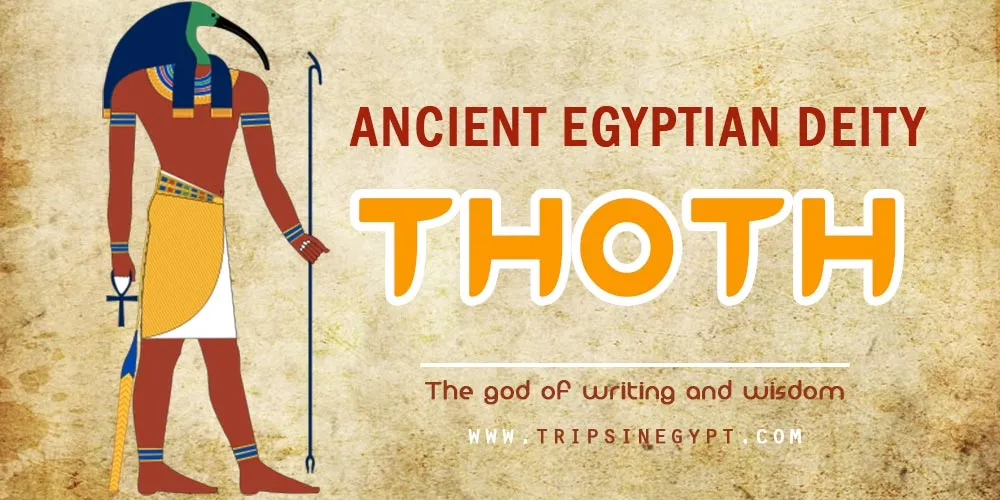
Thoth was the god of writing, wisdom, the moon and magic, and the patron of scribes. He was shown as an ibis-headed man or as a baboon, and his main cult center was Hermopolis in Middle Egypt.
In the judgement of the dead, Thoth recorded the result of the weighing of the heart. In one myth told by the Greek writer Plutarch, he won extra moonlight from the moon in a game. That created five extra days in the year, which allowed the sky goddess Nut to give birth to Osiris, Horus the Elder, Set, Isis and Nephthys.
Ancient Egyptian Goddess Maat
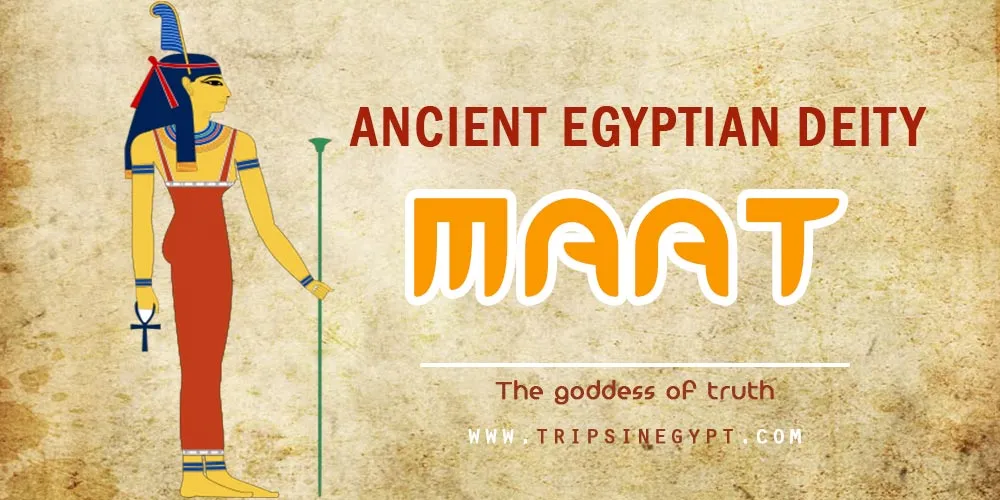
Maat was both a goddess and an idea: the principle of truth, justice, balance and cosmic order that held the universe together. She was shown as a woman wearing a single ostrich feather.
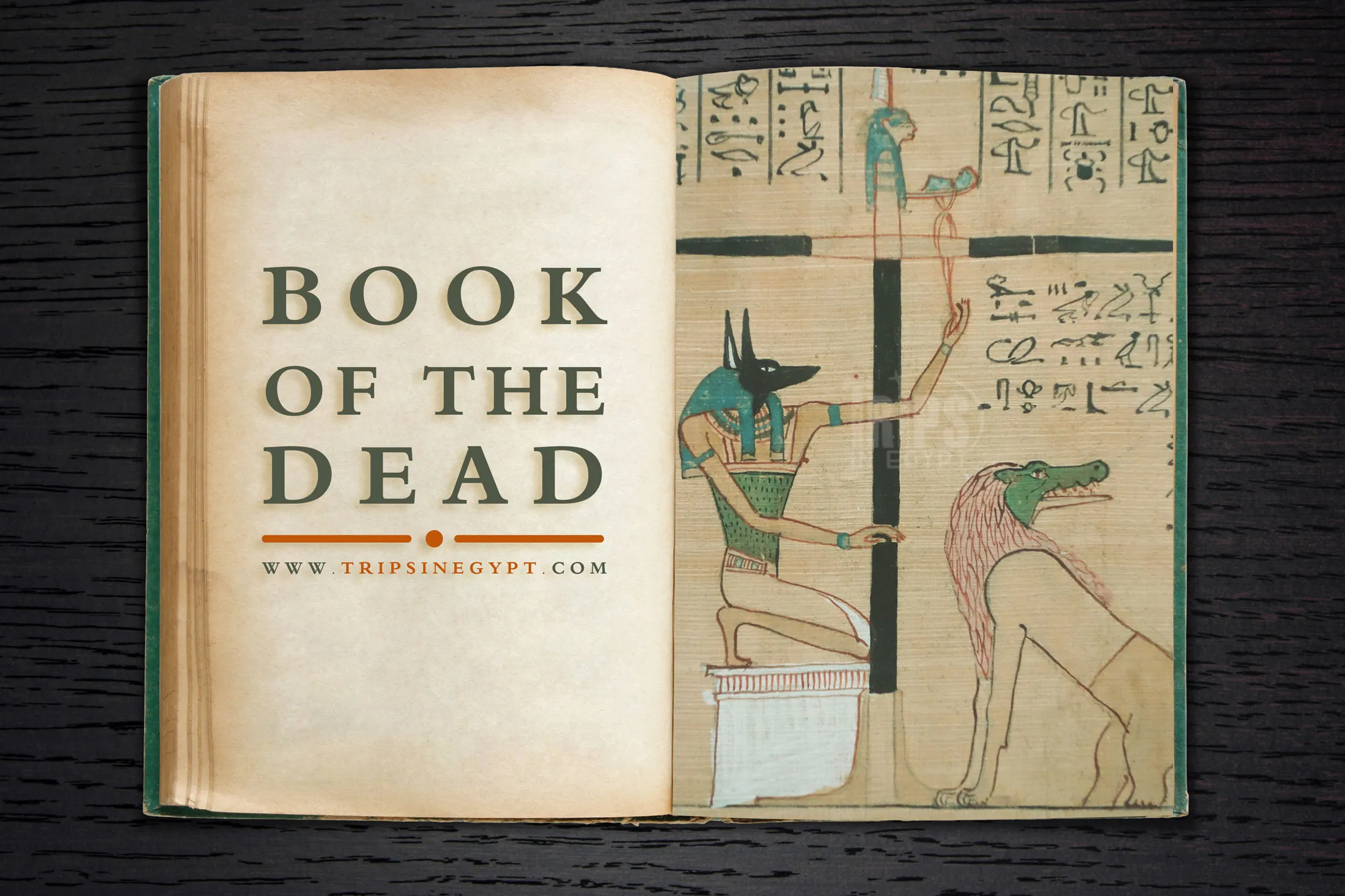
Every pharaoh's first duty was to uphold Maat and drive out chaos. In the afterlife, the dead person's heart was weighed against her feather, a scene described in Spell 125 of the Book of the Dead. A heart in balance led to eternal life.
Ancient Egyptian God Ptah
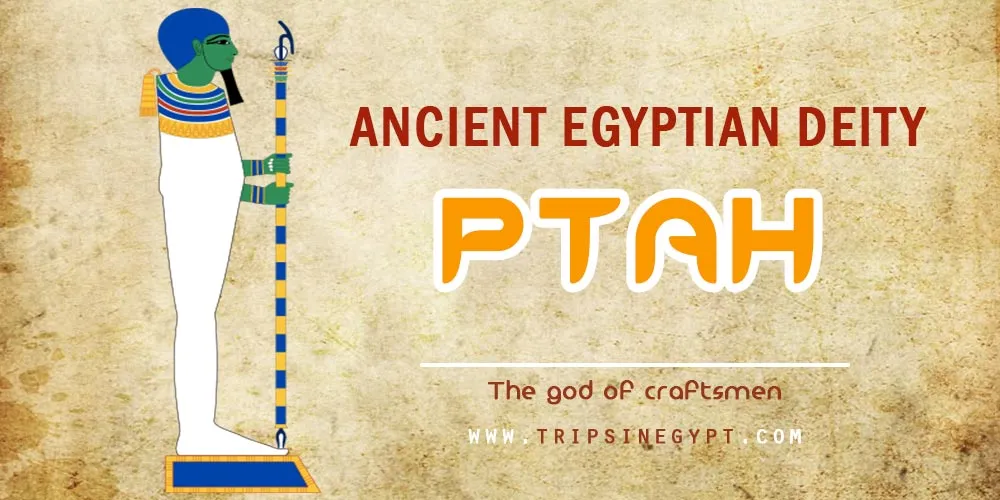
Ptah was the creator god of Memphis, Egypt's first capital, and the patron of craftsmen, builders and artists. He was shown as a mummified man wearing a close-fitting skullcap and holding a staff.
According to the Memphite creation story, Ptah created the world by thinking it in his heart and speaking it with his tongue. His temple at Memphis was called Hut-ka-Ptah, "the house of the spirit of Ptah", which the Greeks turned into Aigyptos, the origin of the word "Egypt".
Ancient Egyptian Goddess Hathor
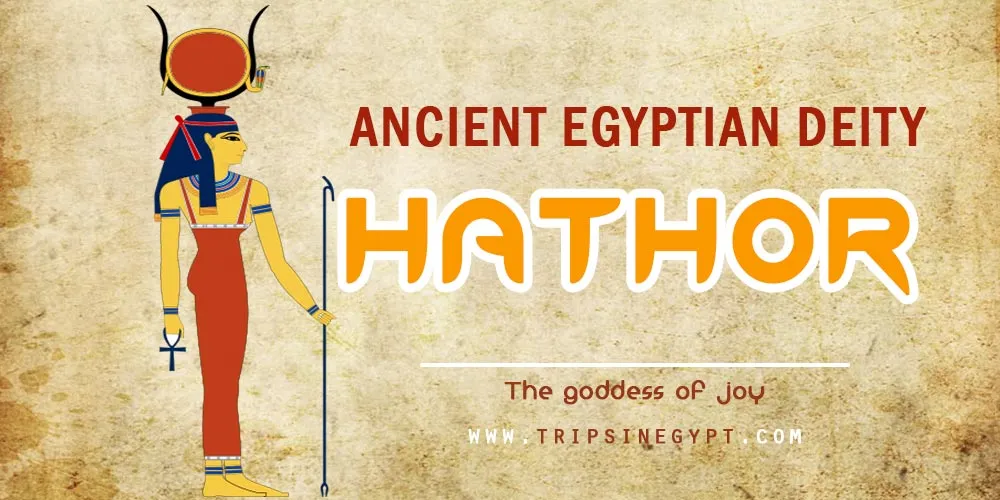
Hathor was the goddess of love, music, dance, joy and motherhood. She was shown as a cow, or as a woman wearing cow horns with a sun disk between them, and was sometimes called the "Eye of Ra".
She also welcomed the dead into the afterlife, especially in the Theban hills. Her finest temple, at Dendera, has a famous ceiling of astronomical carvings, and miners honored her as the "Lady of Turquoise" at Serabit el-Khadim in Sinai.
Ancient Egyptian Goddess Bastet
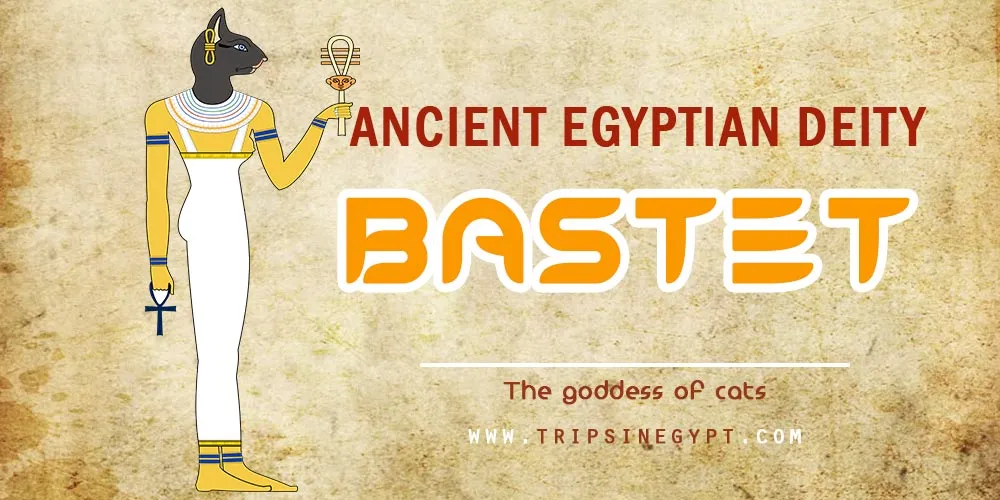
Bastet was the goddess of the home, cats, women and protection. Early images show her as a lioness, but from about the first millennium BC she was usually shown as a cat or a cat-headed woman. Her cult center was Bubastis in the Nile Delta, where Herodotus described huge festivals in her honor.
Cats were so respected that killing one could bring severe punishment, and thousands were mummified as offerings to her. A later legend recorded by the Greek writer Polyaenus claims the Persian king Cambyses II won the Battle of Pelusium in 525 BC by placing cats in front of his army. Historians treat the story as legend rather than fact.
Ancient Egyptian God Sobek
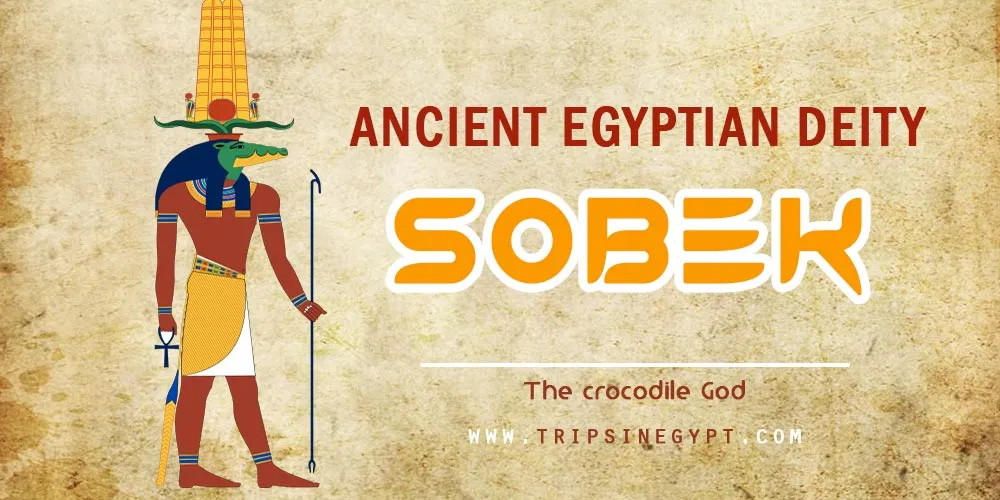
Sobek was the crocodile god of the Nile, linked to fertility, water and the strength of the pharaoh. He was shown as a crocodile or a crocodile-headed man, and was sometimes merged with Ra as Sobek-Ra.
His main cult centers were in the Faiyum and at Kom Ombo, where his temple, shared with Horus the Elder, overlooks the Nile. A museum beside it displays real mummified crocodiles, once kept and fed by priests as living images of the god.
More Egyptian Gods and Goddesses You Should Know
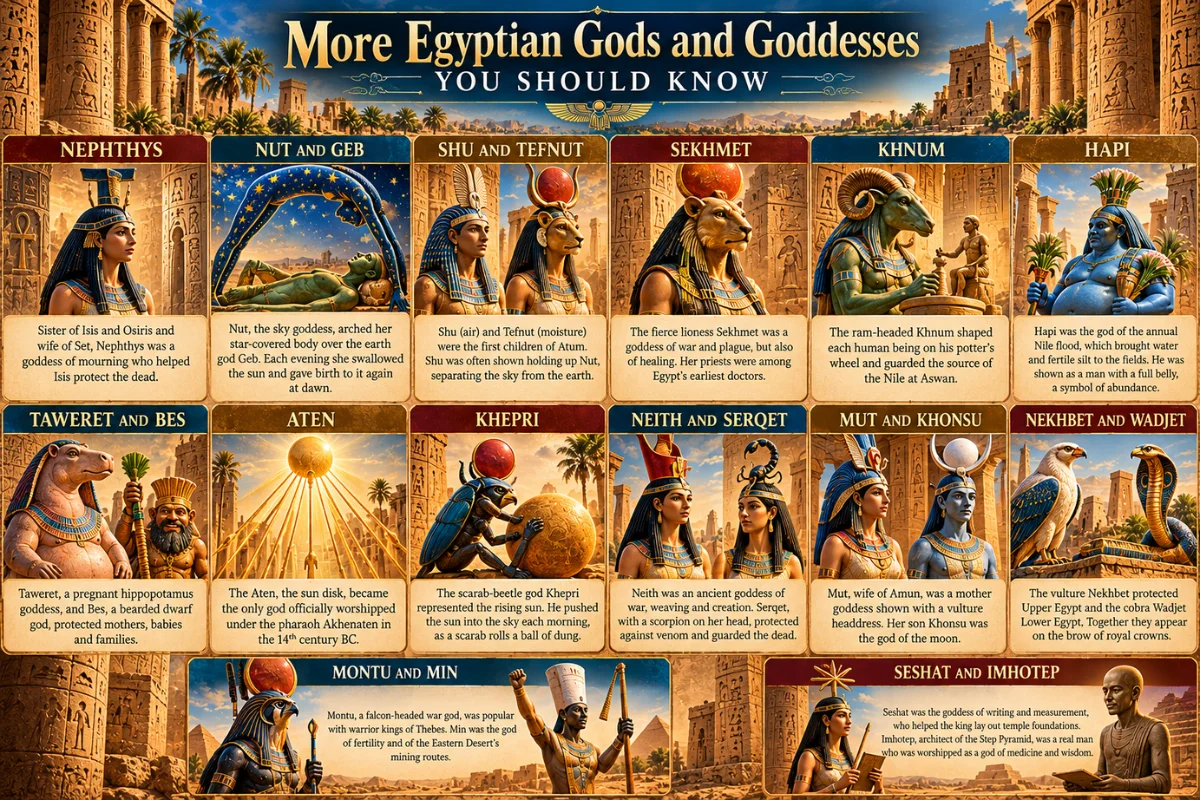
Nephthys
Sister of Isis and Osiris and wife of Set, Nephthys was a goddess of mourning who helped Isis protect the dead. She guarded the canopic jar of the lungs alongside the god Hapy.
Nut and Geb
Nut, the sky goddess, arched her star-covered body over the earth god Geb. Each evening she swallowed the sun and gave birth to it again at dawn, a scene painted on many tomb ceilings.
Shu and Tefnut
Shu (air) and Tefnut (moisture) were the first children of Atum. Shu was often shown holding up Nut, separating the sky from the earth.
Sekhmet
The fierce lioness Sekhmet was a goddess of war and plague, but also of healing. Her priests were among Egypt's earliest doctors. In myth, Ra sent her to punish humanity and stopped her only by tricking her into drinking red-dyed beer.
Khnum
The ram-headed Khnum shaped each human being on his potter's wheel and guarded the source of the Nile at Aswan. His temple at Esna still stands.
Hapi
Hapi was the god of the annual Nile flood, which brought water and fertile silt to the fields. He was shown as a man with a full belly, a symbol of abundance.
Taweret and Bes
Taweret, a pregnant hippopotamus goddess, and Bes, a bearded dwarf god, protected mothers, babies and families. Their images were common in Egyptian homes.
Aten
The Aten, the sun disk, became the only god officially worshipped under the pharaoh Akhenaten in the 14th century BC, one of history's earliest experiments with worshipping a single god. Egypt returned to its traditional gods after his death.
Khepri
The scarab-beetle god Khepri represented the rising sun. He pushed the sun into the sky each morning, as a scarab rolls a ball of dung.
Neith and Serqet
Neith was an ancient goddess of war, weaving and creation, worshipped at Sais. Serqet, with a scorpion on her head, protected against venom and guarded the dead. Both protected the canopic jars that held the organs of mummies.
Mut and Khonsu
Mut, wife of Amun, was a mother goddess shown with a vulture headdress. Her son Khonsu was the god of the moon, and his temple still stands within Karnak.
Nekhbet and Wadjet
The vulture Nekhbet protected Upper Egypt and the cobra Wadjet Lower Egypt. Together they appear on the brow of royal crowns, including Tutankhamun's golden mask.
Montu and Min
Montu, a falcon-headed war god, was popular with warrior kings of Thebes. Min was the god of fertility and of the Eastern Desert's mining routes.
Seshat and Imhotep
Seshat was the goddess of writing and measurement, who helped the king lay out temple foundations. Imhotep, architect of the Step Pyramid, was a real man who was worshipped as a god of medicine and wisdom more than 2,000 years after his death.
How Did the Ancient Egyptians Worship Their Gods?
Temples were seen as the homes of the gods, not as places for public worship. Inside the innermost sanctuary, a statue of the god was washed, dressed, perfumed and offered food every day by priests acting on behalf of the pharaoh. Ordinary people rarely entered the temple's inner halls.
Ordinary Egyptians met their gods at festivals, when statues were carried out in sacred boats. During the Opet Festival in Thebes, for example, the statues of Amun, Mut and Khonsu traveled from Karnak to Luxor Temple. At home, families prayed to protective gods such as Bes and Taweret, wore amulets, and left offerings at small household shrines.
Where to See the Egyptian Gods in Egypt Today
Egypt's great temples still show the gods exactly as their worshippers saw them, carved and painted on walls and columns. Many of the finest are in and around the city of Luxor and further south toward Aswan.
|
Temple |
Gods worshipped there |
Location |
|
Karnak Temple |
Amun, Mut and Khonsu |
Luxor |
|
Luxor Temple |
Amun, Mut and Khonsu |
Luxor |
|
Dendera Temple |
Hathor |
North of Luxor |
|
Abydos Temple of Seti I |
Osiris, Isis, Horus and others |
North of Luxor |
|
Esna Temple |
Khnum |
South of Luxor |
|
Edfu Temple |
Horus |
Between Luxor and Aswan |
|
Kom Ombo Temple |
Sobek and Horus the Elder |
North of Aswan |
|
Philae Temple |
Isis |
Aswan |
These Trips in Egypt tours take you to the temples where the gods come to life:
|
Tour |
Highlights |
Price |
|
The temples of Hathor and Osiris |
From $70 |
|
|
Amun's great temple by night |
From $55 |
|
|
Karnak, Luxor Temple and the Valley of the Kings |
From $105 |
|
|
The temples of Khnum, Horus and Sobek |
From $90 |
|
|
The island temple of Isis at night |
From $65 |
The gods' temples in the south are also natural stops for a trip to Aswan, the Nubian city, and for most Nile cruises between Luxor and Aswan.
Conclusion
The ancient Egyptian gods were not distant figures but living presences who raised the sun, filled the Nile and welcomed the dead into eternity. Learning their names and stories turns every temple wall in Egypt into a page of a great illustrated book.
Stand beneath the columns of Karnak at sunset, and you will understand why the Egyptians believed their gods would live forever.
Ready to meet the gods of Egypt in person? Discover Karnak, Edfu, Philae and more on one of our Egypt tour packages, guided by expert Egyptologists who bring every myth to life.

5 Days Cairo And Hurghada Trip
Amazing 4 Nights Cairo and Hurghada Trip Itinerary 5 Days Cairo and Hurghada trip wil...
- Duration 5 Days / 4 Nights
- Location Cairo & Hurghada
- Type Historical & Recreational Tour
From$690/per person
View Tour
6 Days Cairo, Alexandria & Faiyum Tour
Unforgettable Cairo, Alexandria & Faiyum Adventure in Six Days 6 Days Cairo, Alex...
- Duration 6 Days / 5 Nights
- Location Cairo - Alexandria - Fayum
- Type Historical Tour
From$720/per person
View Tour
10 Days Cairo, Faiyum & Nile Cruise Holiday
Breathtaking 10 Days Journey of A Lifetime in Egypt 10 Days Cairo, Faiyum & Nile...
- Duration 10 Days / 9 Nights
- Location Cairo, Luxor, Aswan & Faiyum
- Type Classic Tour
From$1350/per person
View Tour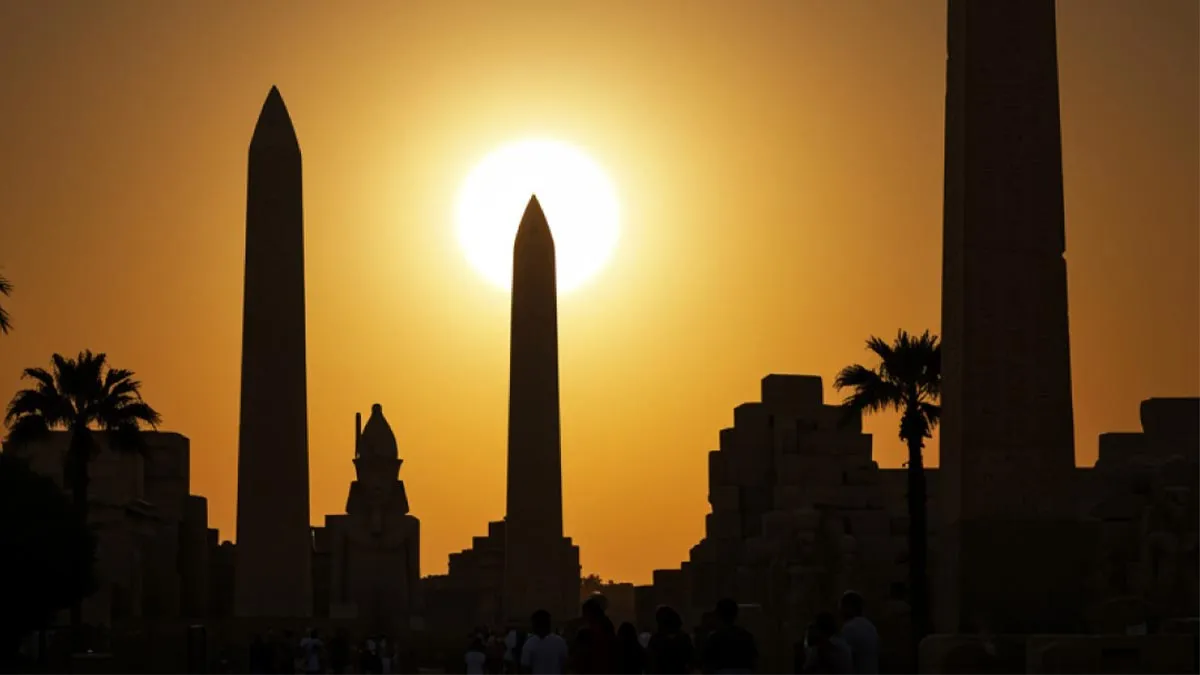 SOLD OUT
Ultimate 7-Day Egypt Solar Eclipse Experience with Hurghada 2027
Enjoy a 7-Day Egypt Solar Eclipse Tour with Hurghada 2027 6 Nights Egypt Solar Ecli...
- Duration 7 Days / 6 Nights
- Location Cairo / Giza / Luxor / Hurghada
- Type Astronomical Tour
Sold Out
View Details