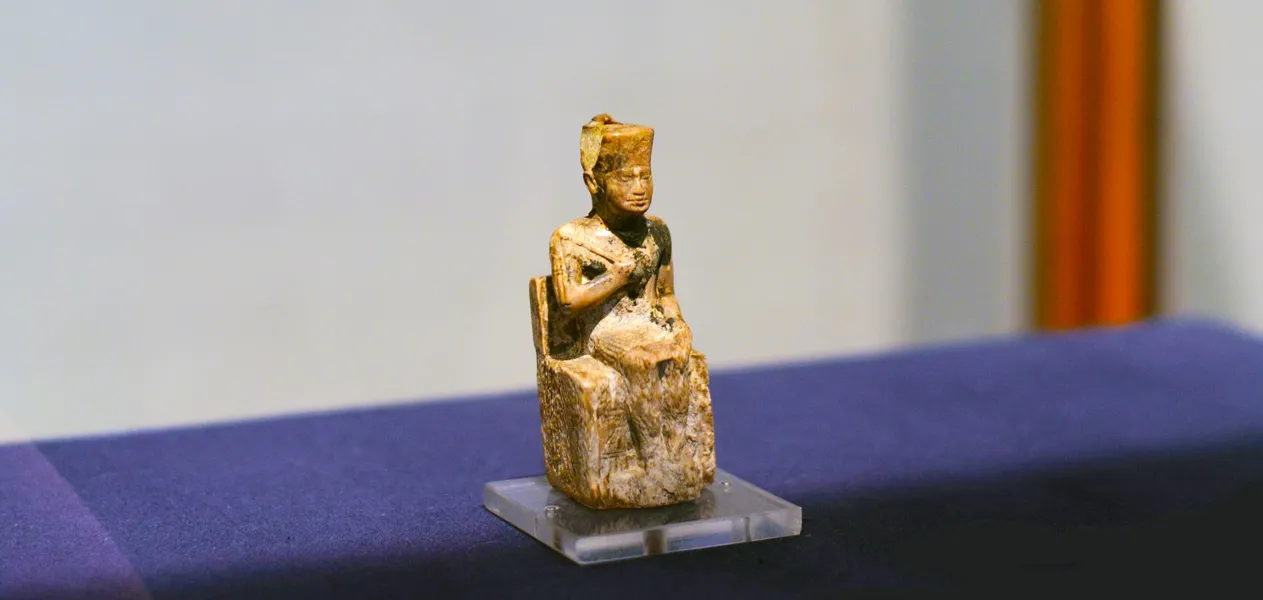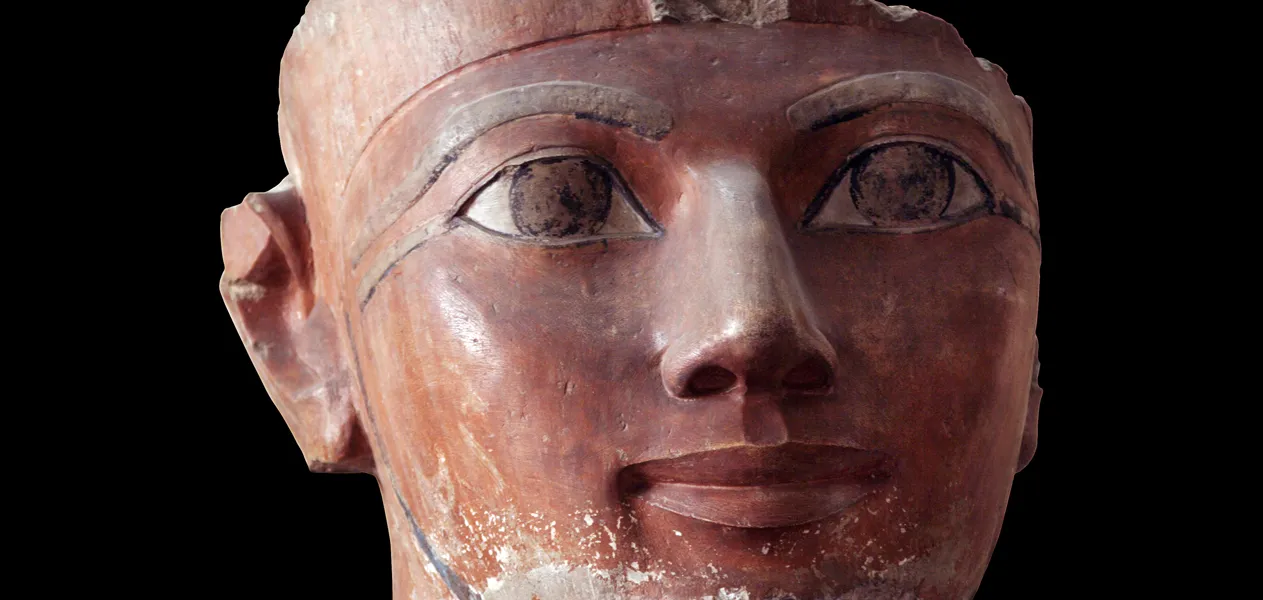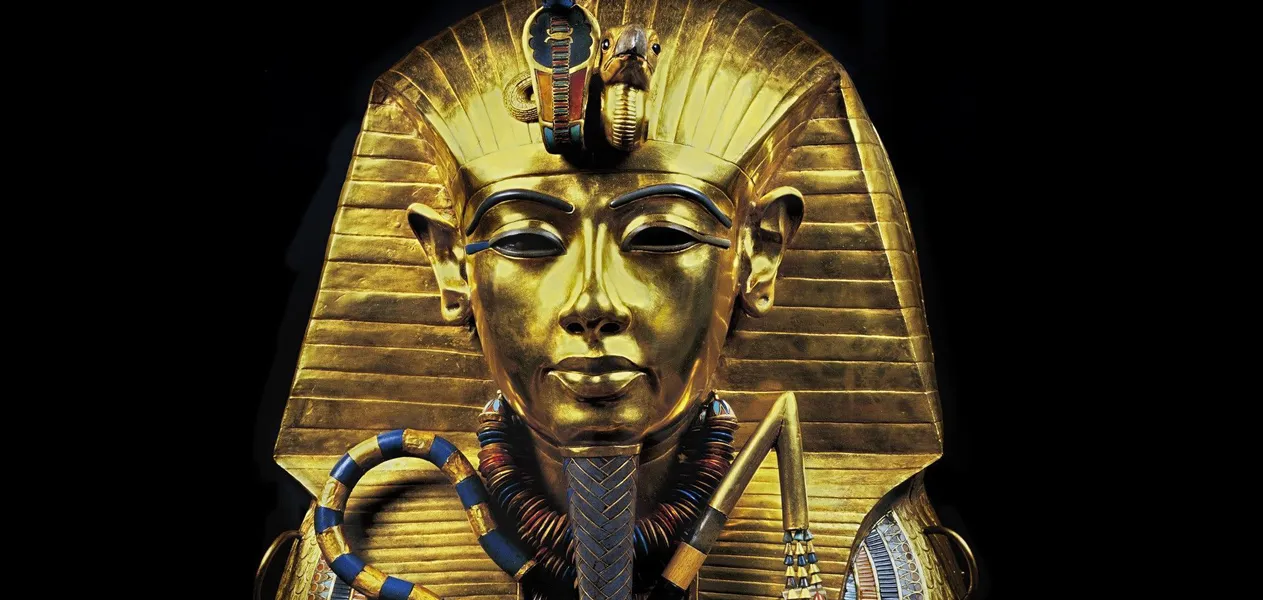




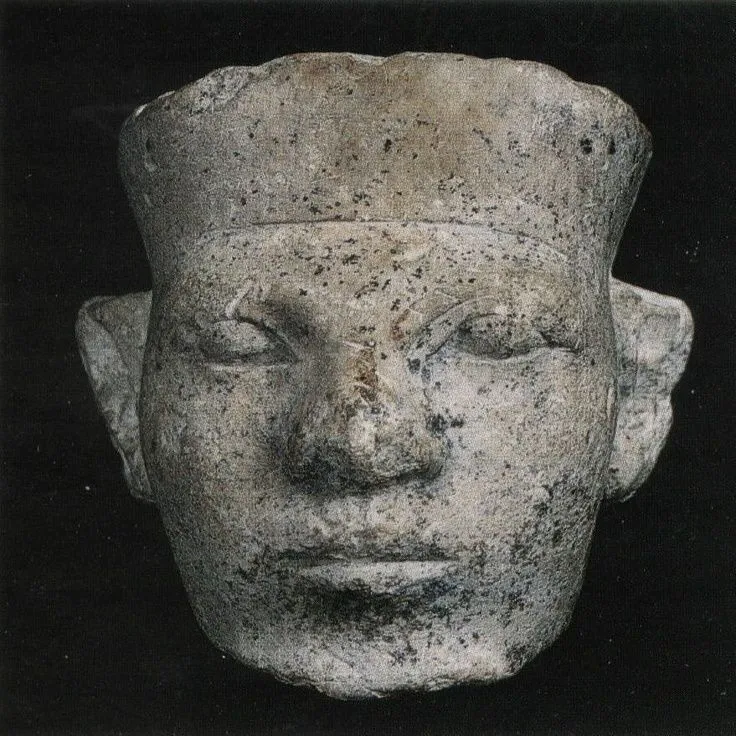
King Menes is remembered in Egyptian tradition as the ruler who united Upper and Lower Egypt and stood at the beginning of Egypt's First Dynasty. His name became closely associated with the birth of the unified Egyptian state and the beginning of pharaonic rule.
The historical identity of Menes is still debated because no contemporary monument securely identifies an early ruler by that exact name. The strongest archaeological candidate is Narmer, although some scholars have also connected Menes with Narmer's successor, Hor-Aha.
This guide explains who was Menes, explores the Menes-Narmer debate, presents 10 facts about King Menes, examines the King Menes crown and Double Crown, and covers his birth, death, appearance, pronunciation, tomb, Memphis, and long-lasting legacy.

Who Was Menes?
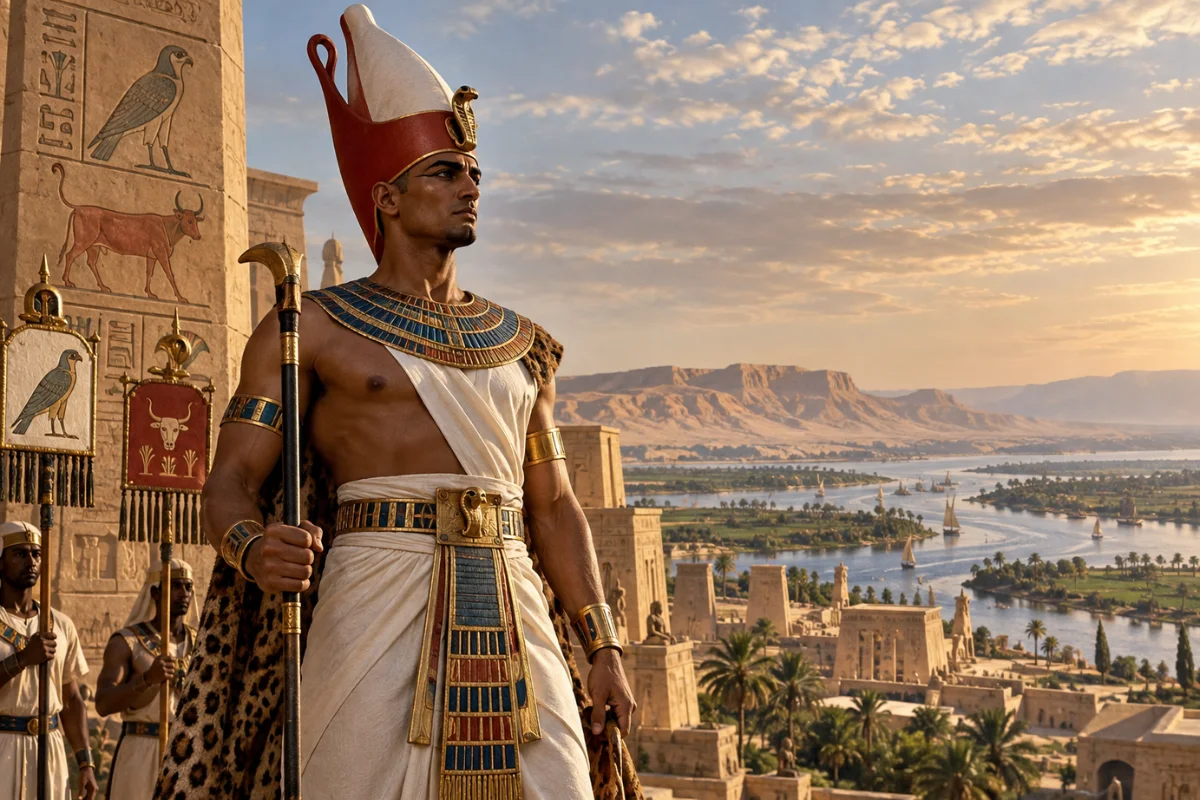
King Menes was the ruler later Egyptian traditions remembered as the first king of unified Egypt and the founder of the First Dynasty. His name became a symbol of the political transformation that brought the Nile Valley and Nile Delta under one central royal authority.
The difficulty is that Menes appears mainly in sources written long after the beginning of dynastic Egypt. Contemporary archaeological evidence instead records rulers such as Narmer and Hor-Aha, which has created an ongoing debate about the true historical identity behind the name Menes.
The clearest way to answer the question "Who was Menes?" is that Menes was the traditional founder of unified Egypt, while Narmer is the historical ruler most commonly associated with the process that created the first Egyptian kingdom.
Readers who want to explore this event in greater detail can discover the story of King Menes and the Unification Battle of Egypt, which focuses specifically on the rise of unified kingship.
King Menes at a Glance
|
Fact |
Detail |
|
Traditional name |
Menes |
|
Most likely historical identity |
Narmer, although Hor-Aha has also been proposed |
|
Period |
Late Predynastic / Early Dynastic Egypt |
|
Approximate date |
Around 3100 BC |
|
Dynasty |
Traditionally First Dynasty |
|
Famous for |
Unification of Upper and Lower Egypt |
|
Major artifact |
Narmer Palette |
|
Royal symbols |
White Crown and Red Crown |
|
Important sites |
Abydos, Nekhen and Memphis |
|
Probable Narmer burial |
Umm el-Qa'ab, Abydos |
10 Facts About King Menes
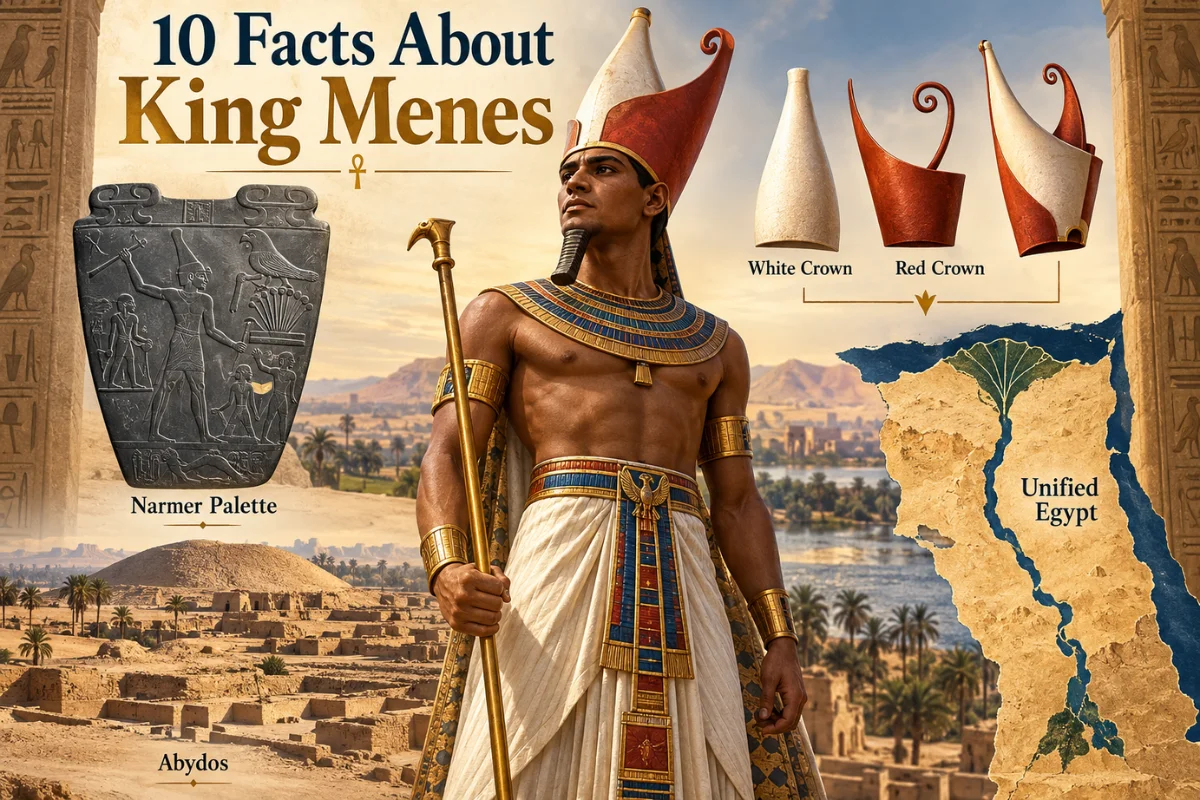
These 10 facts about King Menes explain why he remains one of the most important and debated rulers in the earliest period of ancient Egyptian history.
-
Menes is traditionally regarded as Egypt's first king. Later Egyptian records placed him at the beginning of the First Dynasty and remembered him as the ruler who established political unity between Upper and Lower Egypt.
-
Menes may have been Narmer. Narmer is the strongest archaeological candidate because his surviving monuments and royal imagery are closely associated with the formation of unified kingship in Egypt.
-
Hor-Aha is another possible candidate. Some scholars have suggested that Menes could instead have been Narmer's successor, meaning the traditional name may not correspond directly to only one ruler.
-
He lived around 3100 BC. This period marks the transition from Predynastic Egypt into the Early Dynastic age, when Egypt became increasingly centralized under royal authority.
-
Menes is associated with the unification of Egypt. Later tradition credited him with bringing Upper and Lower Egypt together and establishing the political structure that later pharaohs inherited.
-
The Narmer Palette is the most important artifact connected with his story. It shows Narmer wearing the crowns of both Egyptian regions and presenting himself as a victorious ruler.
-
The White and Red Crowns became enduring royal symbols. They represented Upper and Lower Egypt and later developed into the combined Double Crown associated with unified kingship.
-
Menes is linked with the beginning of the First Dynasty. His traditional position at the start of dynastic history made him a foundational figure in later Egyptian memory.
-
Narmer's burial is associated with Abydos. Chambers B17 and B18 at Umm el-Qa'ab are generally identified as the burial place of Narmer.
-
His legacy lasted for thousands of years. Later Egyptians continued to remember Menes as the ruler who stood at the beginning of their dynastic civilization and unified kingdom.
The political and religious imagery that developed during this early period became part of the wider system of ancient Egyptian symbols that remained central to royal culture for thousands of years.
History of King Menes
Before Egypt became one kingdom, political centers developed independently in the Nile Delta in the north and Upper Egypt in the south. Over time, powerful southern rulers expanded their political and military influence farther north along the Nile.
During the late fourth millennium BC, this process intensified as early kings competed for territory, resources and control of important trade routes. Narmer appeared near the end of this long transformation and became strongly associated with the emergence of a centralized Egyptian state.
Earlier rulers such as Iry-Hor, Ka, and possibly Scorpion II show that political unification began before Narmer's reign. This makes it unlikely that Egypt was united through one single battle or one dramatic event.
The formation of unified Egypt was probably a gradual process involving warfare, alliances, trade, religious authority and expanding royal administration. Narmer may therefore represent the ruler who completed or consolidated a process that had already been developing for generations.
This transformation created the political foundation on which later ancient Egyptian cities developed into major administrative, religious and economic centers.
Was Menes the Same Person as Narmer?
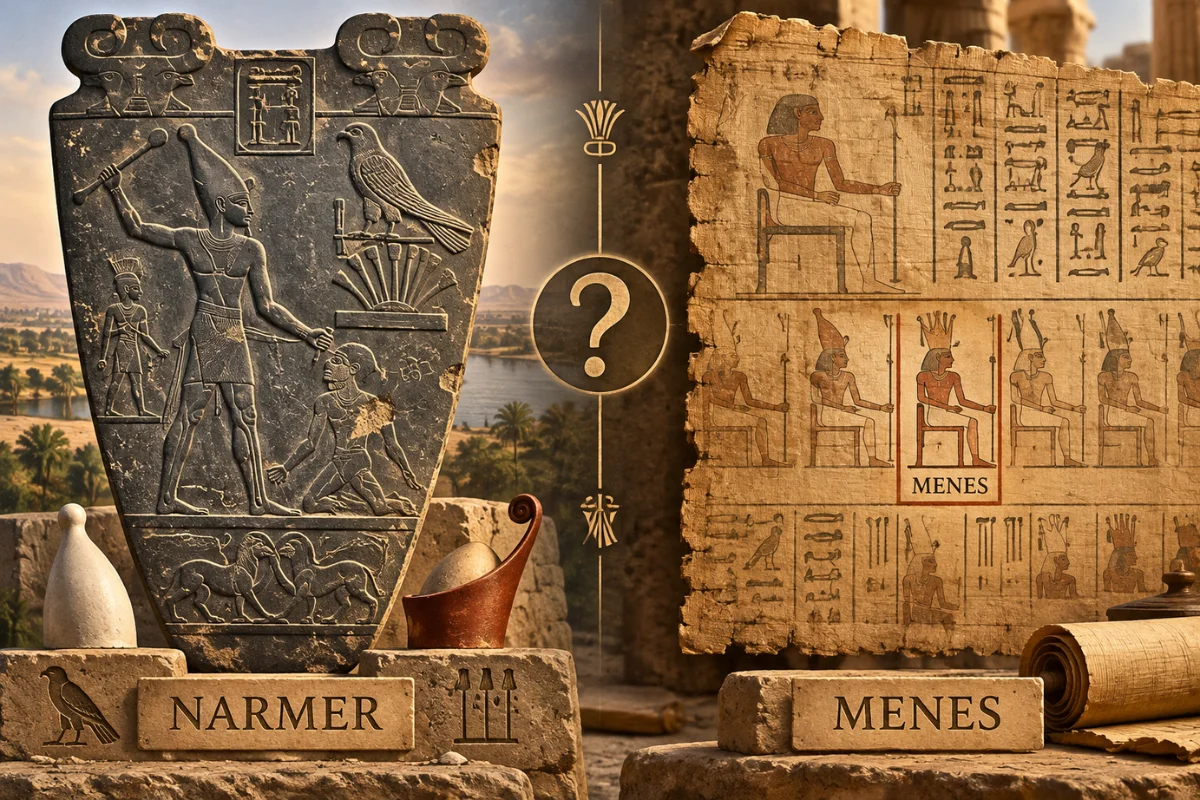
Whether Menes and Narmer were the same person remains one of the most important debates in the study of Egypt's earliest dynastic rulers. Later records preserve the name Menes, while contemporary archaeological evidence more clearly records Narmer.
Many scholars identify Menes with Narmer because Narmer stands at the beginning of dynastic Egypt and is strongly associated with the unification of Upper and Lower Egypt. His monuments also display the symbols of royal authority over both regions.
Other researchers have suggested that Menes may instead have been Hor-Aha, Narmer's successor. Because the available evidence does not provide a completely definitive answer, it is better to present the identification as a strong possibility rather than an absolute fact.
The safest conclusion is that Narmer is the strongest archaeological candidate for Menes, while the name Menes represents the traditional founder remembered by later generations of Egyptians.
What Is Menes Known For?
Menes is best known for being remembered as the ruler who united Upper and Lower Egypt and stood at the beginning of the First Dynasty. His traditional role connects him directly with the creation of one centralized Egyptian kingdom.
He is also associated with the origins of dynastic kingship, the rise of royal administration and the early use of symbols that later became standard throughout Egyptian history. These developments helped shape the political and religious identity of ancient Egypt.
This is why searches such as "what is Menes?", "who is Menes?", and "who was Menes?" all point toward the same central historical question: who was the ruler behind the beginning of unified dynastic Egypt?
King Menes Crown: What Crown Did Menes Wear?
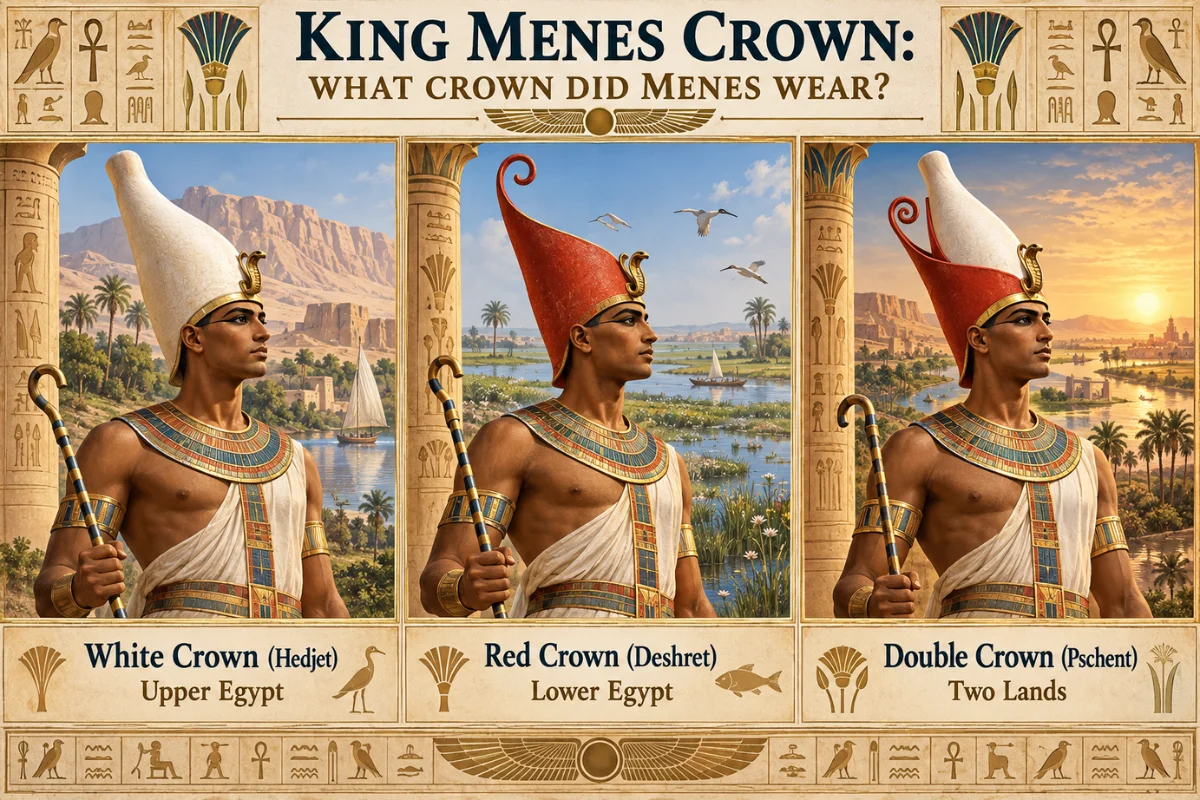
The King Menes crown is closely connected with the political symbolism of Egypt's unification. Royal crowns were not simply decorative objects; they communicated which part of Egypt a king ruled and how he presented his authority.
White Crown of Upper Egypt
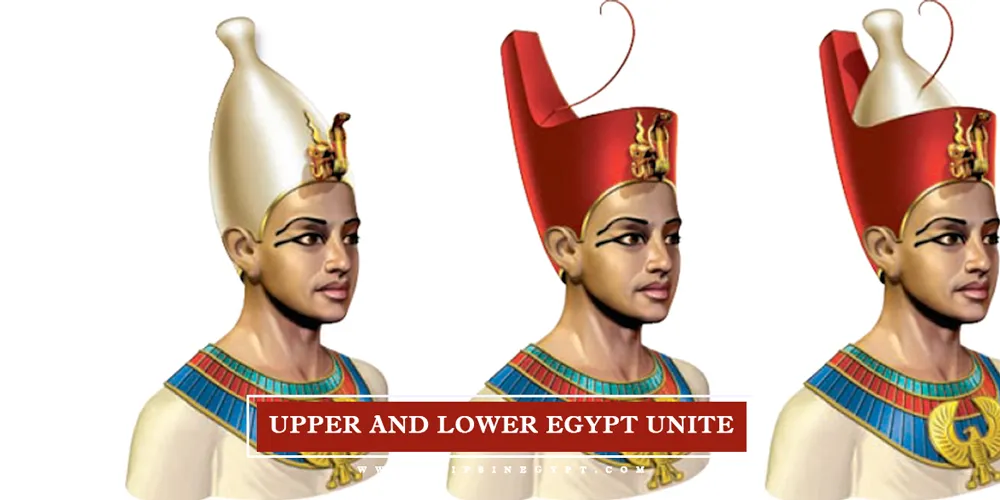
The tall white Hedjet represented Upper Egypt, the southern part of the country along the Nile Valley. Narmer is shown wearing this crown in the famous smiting scene on the Narmer Palette.
This image presents the king as a powerful ruler exercising authority over defeated enemies while symbolically representing Upper Egypt. The White Crown later remained one of the most recognizable symbols of Egyptian kingship.
Red Crown of Lower Egypt
The Deshret was the Red Crown associated with Lower Egypt, especially the Nile Delta in the north. Narmer wears this crown on the opposite side of the Narmer Palette during a ceremonial procession.
By showing the same ruler in both crowns, the palette visually connects Narmer with authority over both regions. This is one of the reasons the artifact is so important for understanding the symbolism of early Egyptian unification.
King Menes Double Crown
The Double Crown, later known as the Pschent, combined the White and Red Crowns into one royal headdress. It became the symbolic crown of a ruler who controlled both Upper and Lower Egypt.
However, the Narmer Palette does not show Narmer wearing the combined Double Crown itself. Instead, it shows him wearing the White Crown on one side and the Red Crown on the other, which together communicate his authority over the Two Lands.
The combined Double Crown became standard in later Egyptian royal imagery and belonged to a much wider language of ancient Egyptian art and symbolism used to communicate royal power.
King Narmer's Name and Meaning
The name Narmer appears inside a serekh, an early royal frame associated with a king's Horus name. The symbols used to write the name are generally interpreted as a catfish and a chisel.
The exact meaning of the name remains debated because ancient Egyptian words and names do not always translate cleanly into modern English. Proposed interpretations have included meanings similar to "fierce catfish" or "striking catfish."
The later name Menes is commonly connected with the Egyptian form Meni and has traditionally been interpreted as something similar to "He Who Endures" or "The Enduring One."
The difference between the two names is one of the main reasons historians continue to debate whether Menes and Narmer were exactly the same ruler or whether Menes represented a later traditional identity.
How Do You Pronounce Menes?
The English pronunciation of Menes is commonly given approximately as MEE-neez or MEN-eez, depending on the pronunciation convention being followed.
The exact ancient Egyptian pronunciation cannot be reconstructed with complete certainty because ancient Egyptian writing usually recorded consonants rather than full vowel sounds.
For this reason, different modern books and educational sources may pronounce the name slightly differently while still referring to the same traditional ruler.
What Did King Menes Look Like?
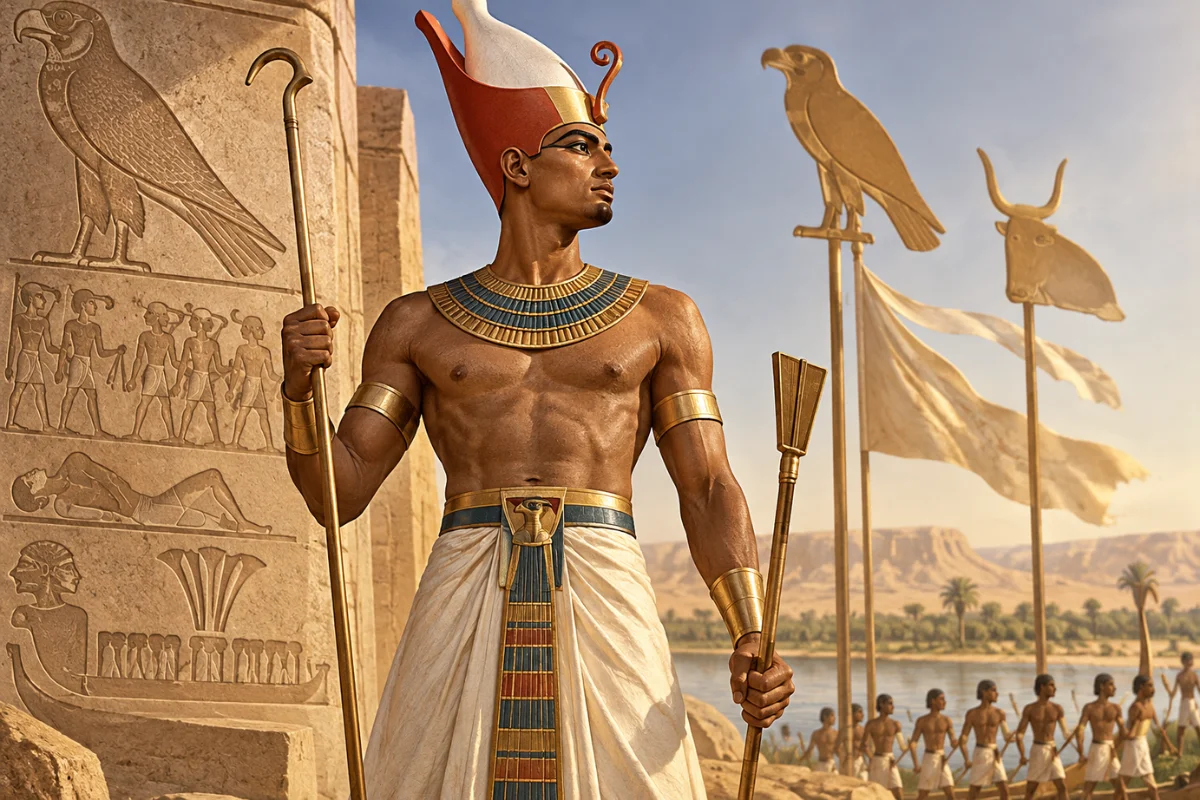
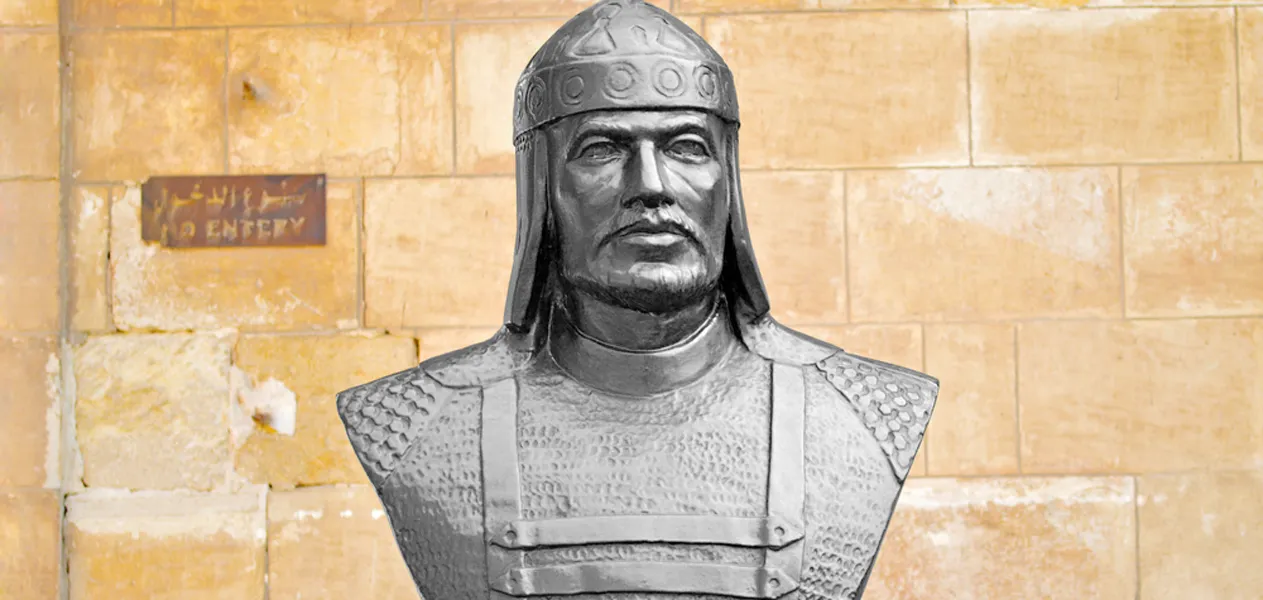
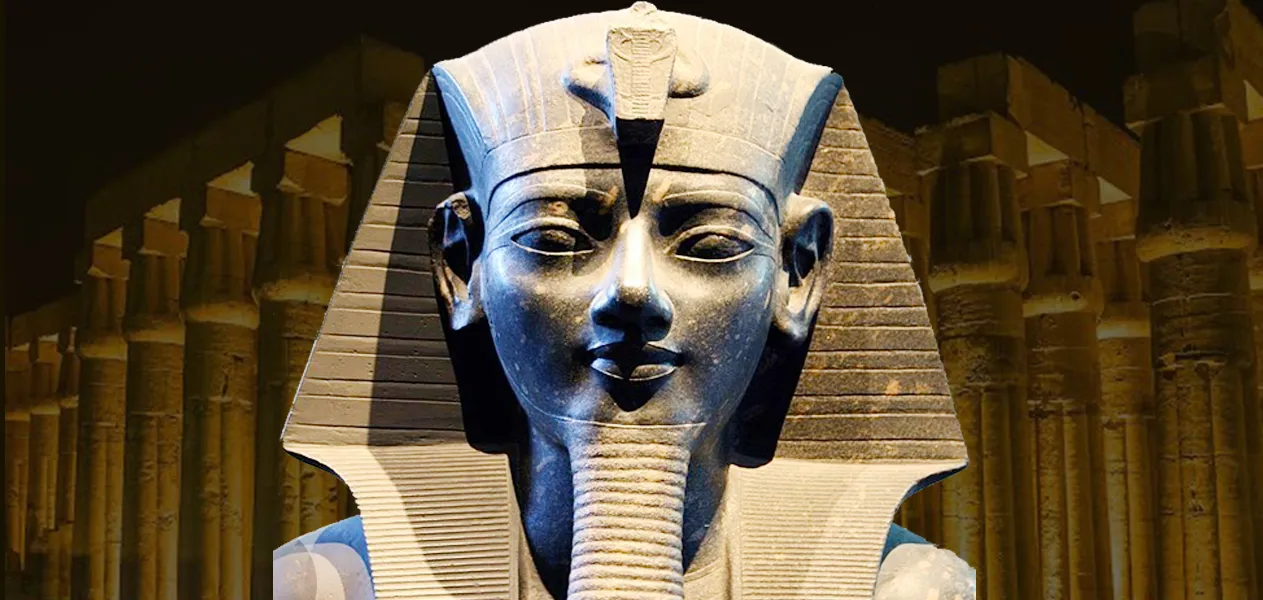
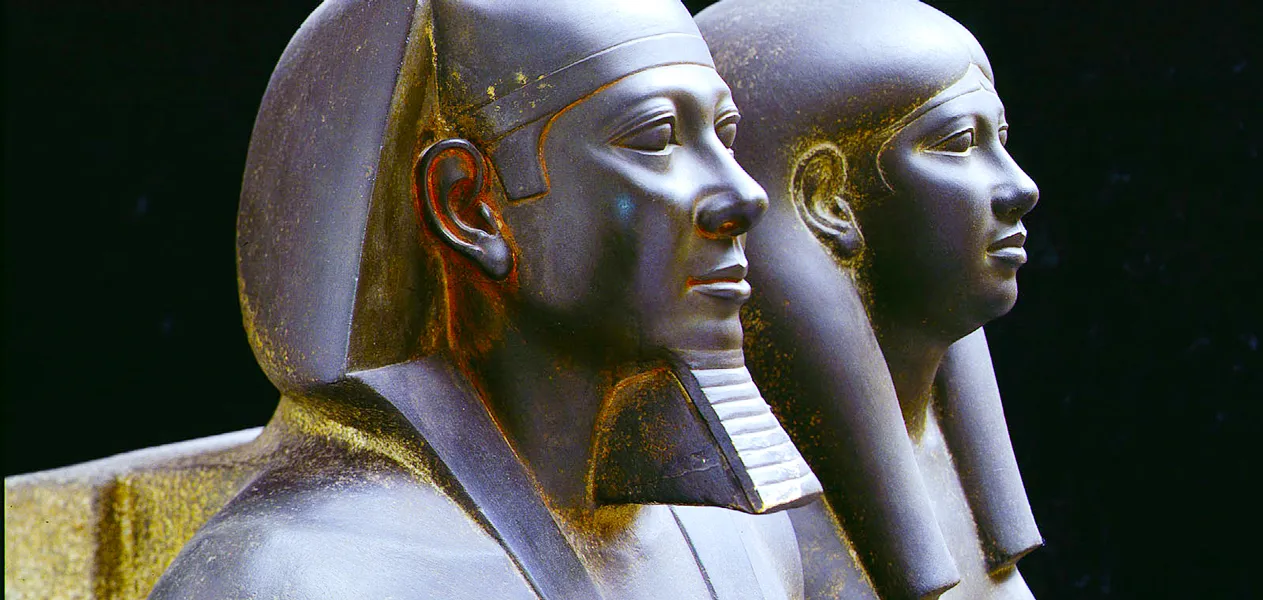
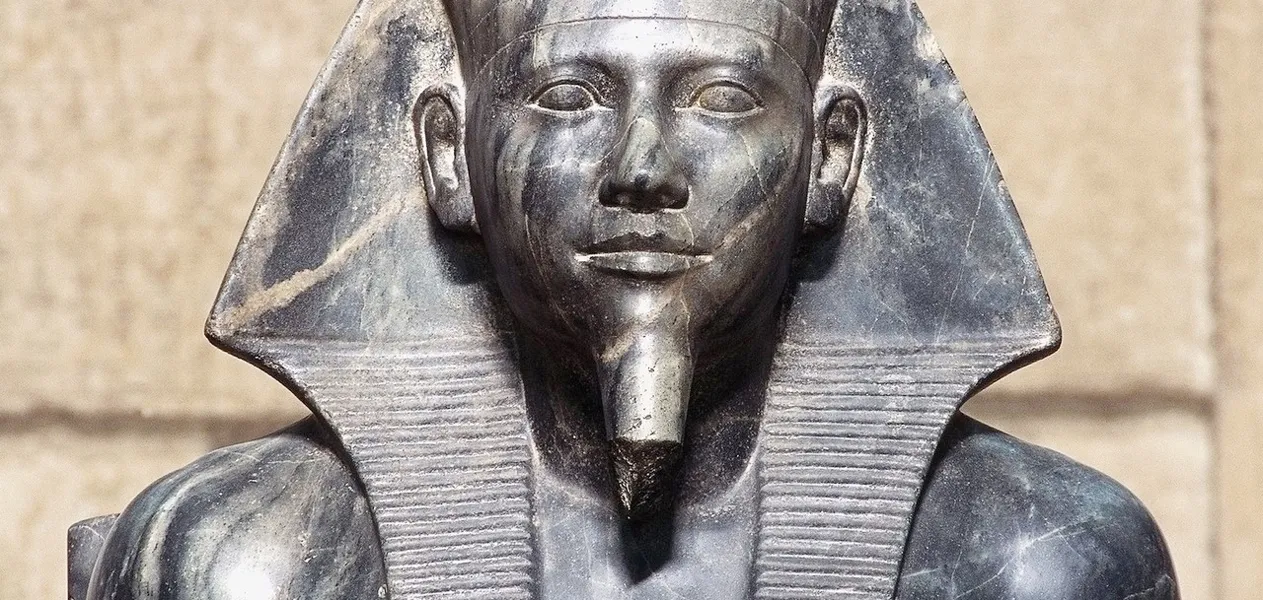
We do not know exactly what King Menes looked like because no surviving realistic portrait can be securely identified as the historical Menes.
If Menes was Narmer, his most famous representations appear on the Narmer Palette and other early royal objects. These images show a powerful king wearing ceremonial crowns and performing royal actions.
Early Egyptian royal art was highly symbolic rather than realistically portrait-like. The king was shown larger than other figures and presented according to conventions designed to communicate power, victory and divine authority.
For that reason, surviving images can tell us much more about how early kingship was represented than about Narmer's actual facial features or physical appearance.
King Narmer Palette
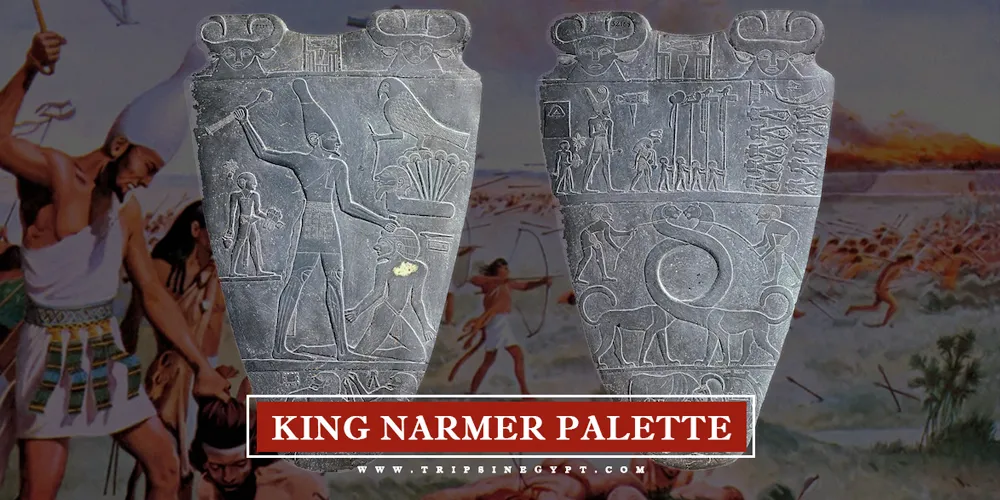
The Narmer Palette is one of the most important surviving artifacts from the beginning of ancient Egyptian history. It dates to around the time when centralized kingship was emerging and the Two Lands were being brought under unified rule.
Narmer's name appears at the top inside a serekh, placed between bovine heads. On one side, the king wears the White Crown of Upper Egypt and raises a mace over a defeated enemy.
On the opposite side, Narmer wears the Red Crown of Lower Egypt and takes part in a royal procession. Below him are intertwined mythical animals, while another scene shows a bull attacking a fortified settlement.
The palette is often connected with the unification of Egypt, but historians are cautious about treating every image as a literal record of one historical event. Its primary importance is as an early expression of royal power and unified kingship.
The original Narmer Palette can be seen at The Egyptian Museum in Cairo, whose collections preserve major artifacts from several periods of ancient Egyptian history.
How Did King Menes Unite Upper and Lower Egypt?
Menes was remembered by later Egyptian traditions as the ruler who united Upper and Lower Egypt and created one kingdom under a single ruler.
The archaeological evidence surrounding Narmer shows a king claiming authority over both regions. His appearance in the White Crown and Red Crown on opposite sides of the Narmer Palette is one of the clearest surviving symbols of this political transformation.
However, the unification of Egypt probably did not happen through one single battle. Earlier rulers had already expanded political influence, developed trade networks and established royal institutions before Narmer.
It is therefore more accurate to understand Egyptian unification as a process that took place over several generations, with Narmer either completing or strongly consolidating that development.
You can explore the subject in greater depth in our complete guide to the unification of Upper and Lower Egypt, including the traditional role attributed to King Menes.
King Menes and the Founding of Memphis
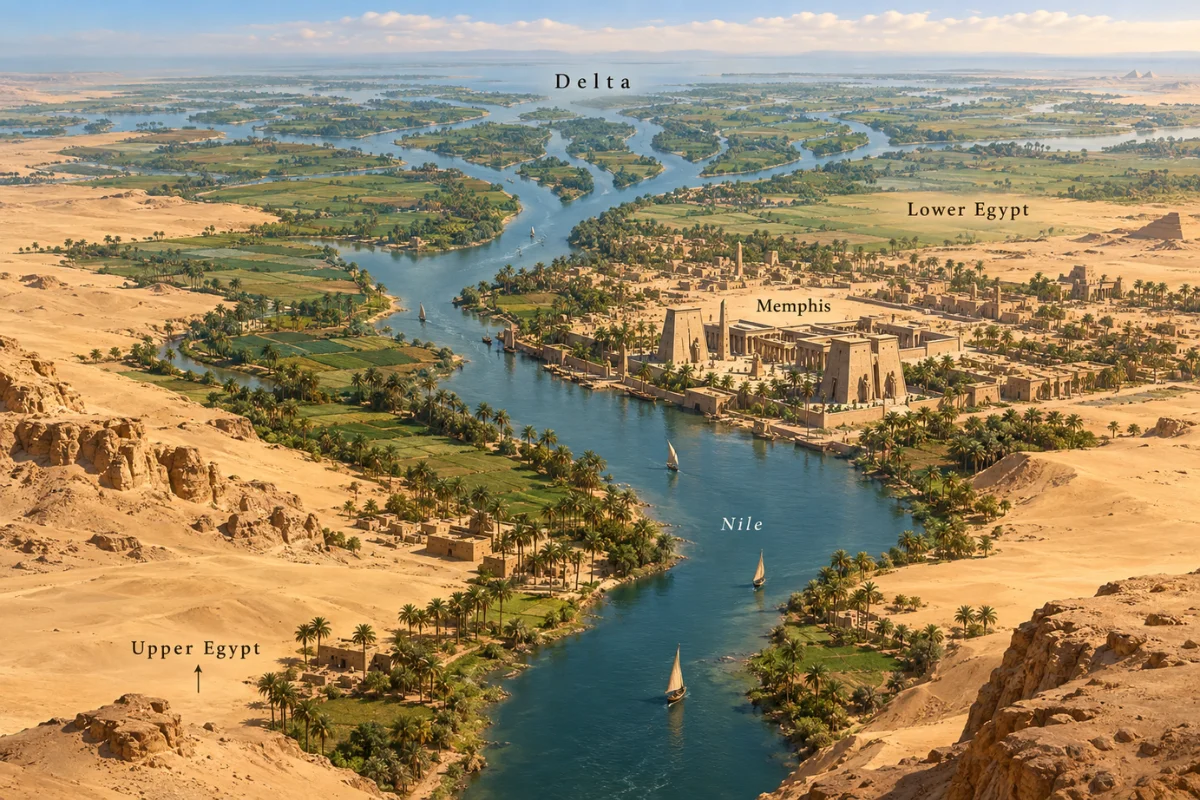
Later Egyptian and classical traditions credited Menes with establishing Memphis, one of the most important cities in ancient Egyptian history. The city was located near the strategic boundary between Upper and Lower Egypt.
Its position made it ideal for controlling movement between the Nile Valley and Delta. A ruler based there could oversee trade, administration, agriculture and communication across both regions of the newly unified kingdom.
Because the historical identity of Menes remains uncertain, it is safer to say that later traditions credited Menes with founding Memphis rather than presenting the story as a completely proven archaeological fact.
Memphis later became a major political, religious and administrative center and remained important throughout many periods of Egyptian history. You can learn more about its monuments and historical role in our complete guide to Memphis Egypt City.
When Was King Menes Born?
The exact date of King Menes' birth is unknown because no contemporary document records his birth year, childhood or age when he became ruler.
If Menes is identified with Narmer, he lived near the end of the fourth millennium BC and ruled around 3100 BC, during the transition into Egypt's Early Dynastic Period.
Any modern source giving Menes a precise birth year should therefore be treated cautiously, because the available archaeological evidence does not support an exact date.
What can be said with more confidence is that the ruler associated with Menes belonged to the generation that witnessed the final stages of Egypt's political unification.
King Menes Death: When Did King Menes Die?
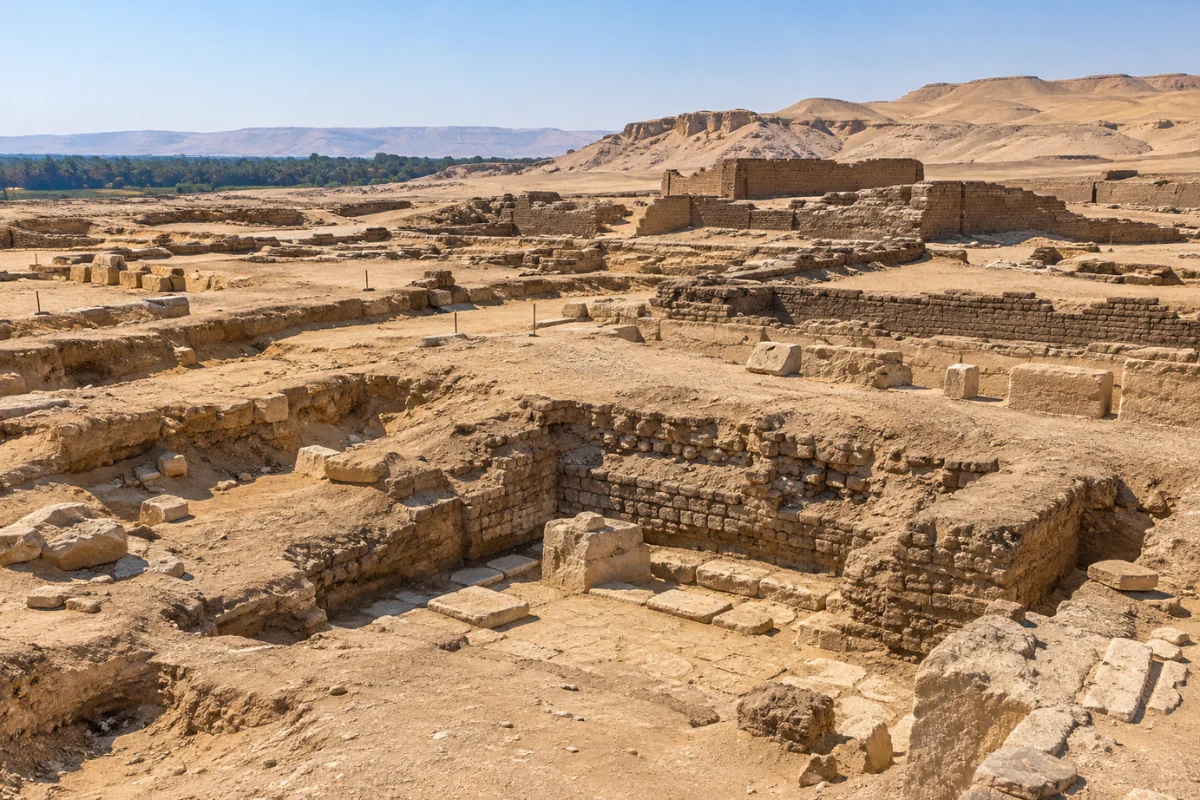
The exact circumstances of King Menes' death are unknown, and no contemporary inscription records precisely how or when the ruler died.
Later ancient traditions preserved dramatic stories, including the claim that Menes was killed by a hippopotamus. These accounts were written much later and cannot be treated as secure historical evidence.
If Menes was Narmer, he likely died near the beginning of the First Dynasty, shortly after the period around 3100 BC. However, historians cannot give a precise death year with certainty.
There is also no reliable contemporary evidence explaining how Narmer died, which means any detailed story about the death of Menes should be presented as tradition rather than established history.
The Tomb of King Menes
If Menes is identified with Narmer, his burial is generally associated with chambers B17 and B18 at Umm el-Qa'ab in Abydos, one of the most important royal cemeteries of early Egypt.
The tomb is modest when compared with the enormous pyramids and rock-cut royal tombs of later periods. It consists of connected mud-brick-lined chambers that reflect the simpler funerary architecture of the Early Dynastic Period.
Archaeological material from Abydos has played a major role in reconstructing the sequence of Egypt's earliest rulers and understanding how royal burial traditions developed.
Because the identification of Menes with Narmer is still debated, it is more accurate to describe the site as Narmer's probable tomb rather than calling it unquestionably the tomb of Menes.
Travelers interested in exploring Abydos can also discover our Dendera and Abydos tour from Luxor, which visits one of Upper Egypt's most important archaeological areas.
Is King Menes Mentioned in the Bible?
King Menes is not directly named in the Bible, and there is no biblical passage that clearly identifies Menes or Narmer as a named historical figure.
Some older historical works attempted to connect Menes with biblical chronologies or early figures associated with Egypt. These comparisons are later interpretations rather than direct evidence from the biblical text.
The Bible includes many references to Egypt and several Egyptian rulers, but it does not provide a specific reference to Menes by name.
For the search "King Menes in the Bible", the most accurate answer is therefore that Menes is not explicitly mentioned in the biblical text.
King Menes in Arabic
King Menes is commonly written in Arabic as الملك مينا, while he is also sometimes described as الملك مينا موحد القطرين, meaning Menes the unifier of the Two Lands.
Narmer is usually written in Arabic as الملك نارمر, and Arabic historical discussions often connect the names مينا and نارمر because of the debate over whether they refer to the same ruler.
This difference in naming reflects the same historical question found in English-language scholarship: whether the traditional Menes should be identified directly with Narmer or with another early king.
Why Was King Menes Important?
King Menes became one of the most important figures in Egyptian tradition because he represented the beginning of unified kingship and the opening of Egypt's dynastic age.
The period associated with Menes and Narmer saw the growth of centralized government, stronger royal administration and increasingly standardized symbols of kingship across Egypt.
The White Crown, Red Crown, royal serekh and victory imagery associated with Narmer became part of a political visual language that Egyptian kings continued to use for thousands of years.
Whether Menes was Narmer or another closely related ruler, his traditional role represents the transformation of Egypt from separate regional powers into one of the ancient world's most enduring states.
Readers interested in the visual language created by Egypt's kings can explore our guide to Ancient Egyptian Art for more about royal imagery, symbolism and artistic conventions.
Conclusion
King Menes stands at the boundary between Egyptian tradition and archaeological history. Later generations remembered him as the founder of the First Dynasty and the ruler responsible for unifying Upper and Lower Egypt.
Archaeological evidence gives us Narmer as the strongest historical ruler connected with that transformation, while Hor-Aha remains another possibility in the long-running debate over Menes' true identity.
The question of whether Menes and Narmer were exactly the same person may never be answered with complete certainty, but the historical importance of this period is unquestionable.
The political unity, royal symbolism and centralized institutions created around this time formed the foundations of pharaonic civilization for thousands of years.
Travelers who want to experience Egypt's archaeological heritage in person can explore our Egypt tour packages, which combine major historical sites across Cairo, Luxor, Aswan and beyond.
You can also continue through the heart of ancient Upper Egypt aboard one of our Nile River cruises, combining the Nile landscape with temples and archaeological sites between Luxor and Aswan.

5 Days Cairo And Hurghada Trip
Amazing 4 Nights Cairo and Hurghada Trip Itinerary 5 Days Cairo and Hurghada trip wil...
- Duration 5 Days / 4 Nights
- Location Cairo & Hurghada
- Type Historical & Recreational Tour
From$690/per person
View Tour
6 Days Cairo, Alexandria & Faiyum Tour
Unforgettable Cairo, Alexandria & Faiyum Adventure in Six Days 6 Days Cairo, Alex...
- Duration 6 Days / 5 Nights
- Location Cairo - Alexandria - Fayum
- Type Historical Tour
From$720/per person
View Tour
10 Days Cairo, Faiyum & Nile Cruise Holiday
Breathtaking 10 Days Journey of A Lifetime in Egypt 10 Days Cairo, Faiyum & Nile...
- Duration 10 Days / 9 Nights
- Location Cairo, Luxor, Aswan & Faiyum
- Type Classic Tour
From$1350/per person
View Tour SOLD OUT
Ultimate 7-Day Egypt Solar Eclipse Experience with Hurghada 2027
Enjoy a 7-Day Egypt Solar Eclipse Tour with Hurghada 2027 6 Nights Egypt Solar Ecli...
- Duration 7 Days / 6 Nights
- Location Cairo / Giza / Luxor / Hurghada
- Type Astronomical Tour
Sold Out
View Details