



Queen Nefertari was the first and most beloved Great Royal Wife of King Ramses II, one of the most powerful pharaohs of the 19th Dynasty. Her painted tomb in the Valley of the Queens and her temple at Abu Simbel keep her memory alive after more than 3,000 years. This guide explains who Nefertari was, her titles, her love story with Ramses, how she died and where to see her today.

Who Was Queen Nefertari?
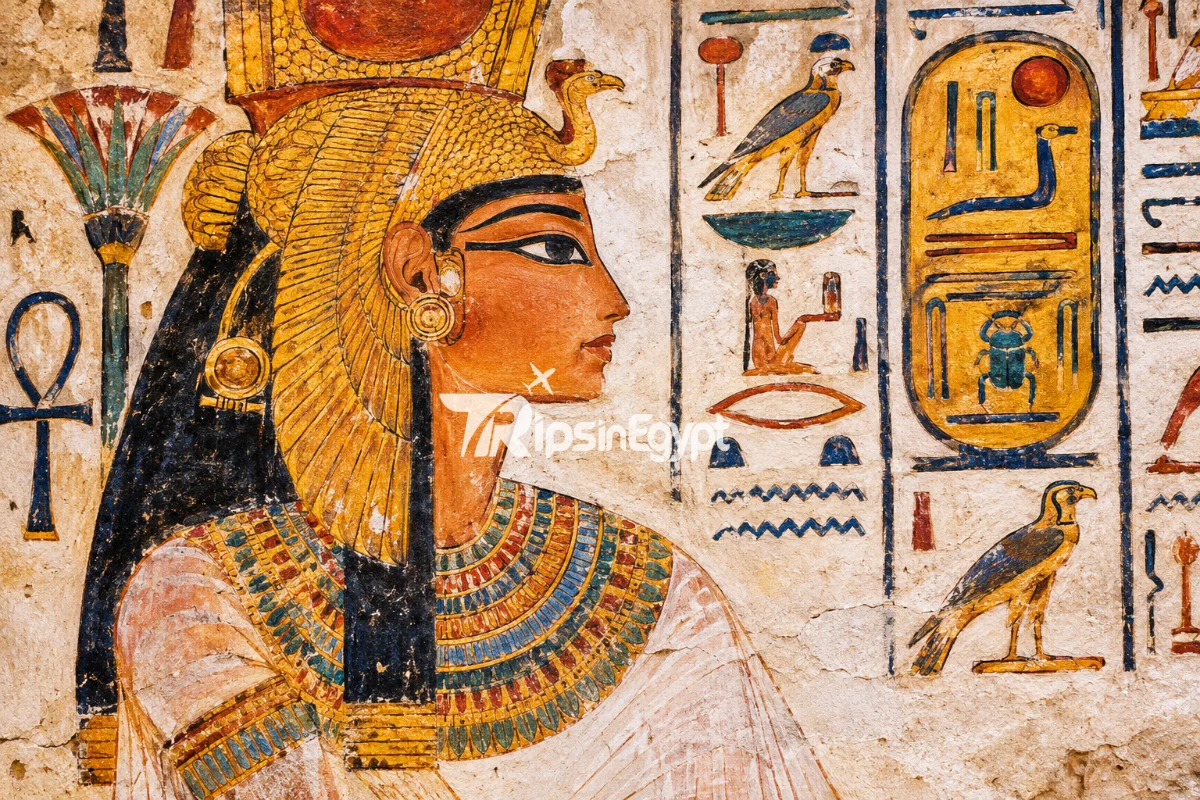
Nefertari was an Egyptian queen of the 13th century BC and the chief wife of Ramses II, who ruled from about 1279 to 1213 BC. She married him before he became king and held the title of Great Royal Wife for roughly the first two decades of his reign.
She appears beside Ramses on temple walls, in correspondence with foreign courts and on monuments from the Delta to Nubia. Few Egyptian queens were honored so publicly by their husbands, and her tomb is widely regarded as one of the most beautiful in the Valley of the Queens.
What Does the Name Nefertari Mean?
The name Nefertari is usually translated as Beautiful Companion or "the most beautiful of them". Her full name was Nefertari Meritmut, with Meritmut meaning Beloved of Mut, the mother goddess of Thebes and wife of Amun.
Older books may spell her name Nefertary, Nefretiri or Nofretari because ancient Egyptian writing generally omitted vowels, leaving modern scholars to reconstruct them.
The Titles of Nefertari
Nefertari carried a long list of royal titles that reflected her status and the affection of Ramses II. These included Hereditary Princess, Great of Praises, Sweet of Love, Lady of Grace, Great King's Wife, his Beloved, Lady of the Two Lands, Lady of All Lands, Wife of the Strong Bull, God's Wife and Mistress of Upper and Lower Egypt.
Her most famous phrase was not an official title but a dedication at Abu Simbel, where Ramses described her as the one for whom the sun shines.
Why Is Queen Nefertari Important?
Nefertari is important because she shows the high political, religious and ceremonial status a royal woman could hold during the New Kingdom. She appeared beside the king in official scenes, participated in religious ceremonies and corresponded with the Hittite royal court.
Her tomb contains some of the finest surviving paintings from ancient Egypt, while her temple at Abu Simbel is one of the rare monuments where a queen's statues stand at the same height as those of the king. Her public role also reflects the wider position of women in ancient Egypt.
The Life of Queen Nefertari
Little is known about Nefertari's childhood or her parents. Her title of Hereditary Princess suggests that she came from an important noble family, probably connected with Thebes, although no surviving inscription identifies her father or mother.
A knob bearing the name of Pharaoh Ay, who ruled roughly half a century before her marriage, was discovered inside her tomb. This led some writers to suggest a family connection, but most Egyptologists consider the evidence too weak to identify her as a descendant of the late 18th Dynasty royal family.
Ramses II and Nefertari Love Story
Nefertari married Ramses II while he was still crown prince under his father Seti I, probably when both were teenagers, although their exact ages are unknown. Ramses later had several Great Royal Wives, but Nefertari remained the leading queen during her lifetime.
Their relationship is often described as one of the great love stories of ancient Egypt because Ramses placed her image beside his on important monuments and built both a magnificent tomb and a temple in her honor. His dedication at Abu Simbel provides some of the strongest evidence for the affection he showed her publicly.
Popular quotations presented online as love poems written by Ramses to Nefertari are modern adaptations rather than inscriptions from her tomb. The stronger historical evidence comes from the monuments themselves.
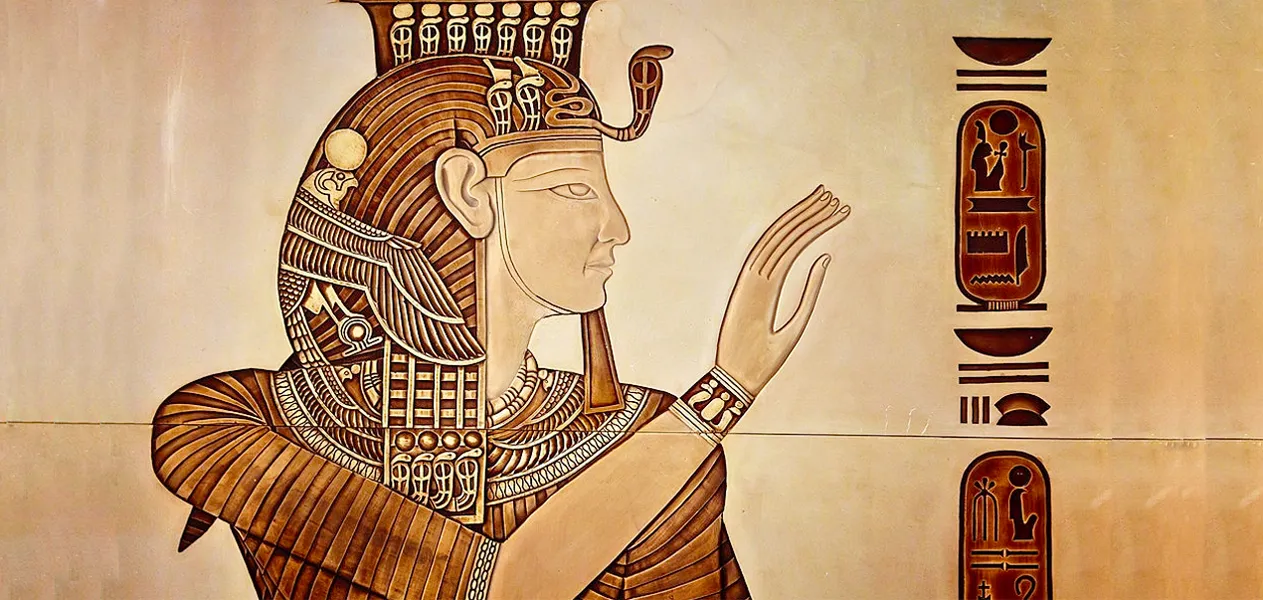
In Luxor, Nefertari appears beside Ramses on reliefs and statues, sometimes holding ritual objects or making offerings to the gods. Her image also appears at Karnak, the Ramesseum and Abu Simbel.
Children of Nefertari
Nefertari bore Ramses II at least four sons and two daughters. Her eldest son, Amunherkhepeshef, became the first crown prince, while her other known sons included Pareherwenemef, Meryre and Meryatum, who later became High Priest of Ra at Heliopolis.
Her daughters were Meritamen and Henuttawy. Meritamen later became a Great Royal Wife herself and appears in several monuments connected with the royal family.
None of Nefertari's sons succeeded Ramses II because the king lived for more than six decades and outlived many of his children. The throne eventually passed to Merneptah, a son of Queen Isetnofret.
Nefertari and the Hittite Peace
Ramses II fought the Hittite Empire for years, most famously at the Battle of Kadesh around 1274 BC. The conflict eventually led to a peace treaty around 1259 BC, one of the earliest surviving international peace agreements.
Nefertari participated in the diplomacy that followed. Clay tablets discovered at the Hittite capital of Hattusa preserve letters she sent to Queen Puduhepa, wishing her peace and good health.
One letter also records gifts from Nefertari, including a twelve-strand gold necklace and dyed royal linen. The correspondence shows that the queen played her own role in maintaining relations between Egypt and the Hittite court.
How Did Nefertari Die?
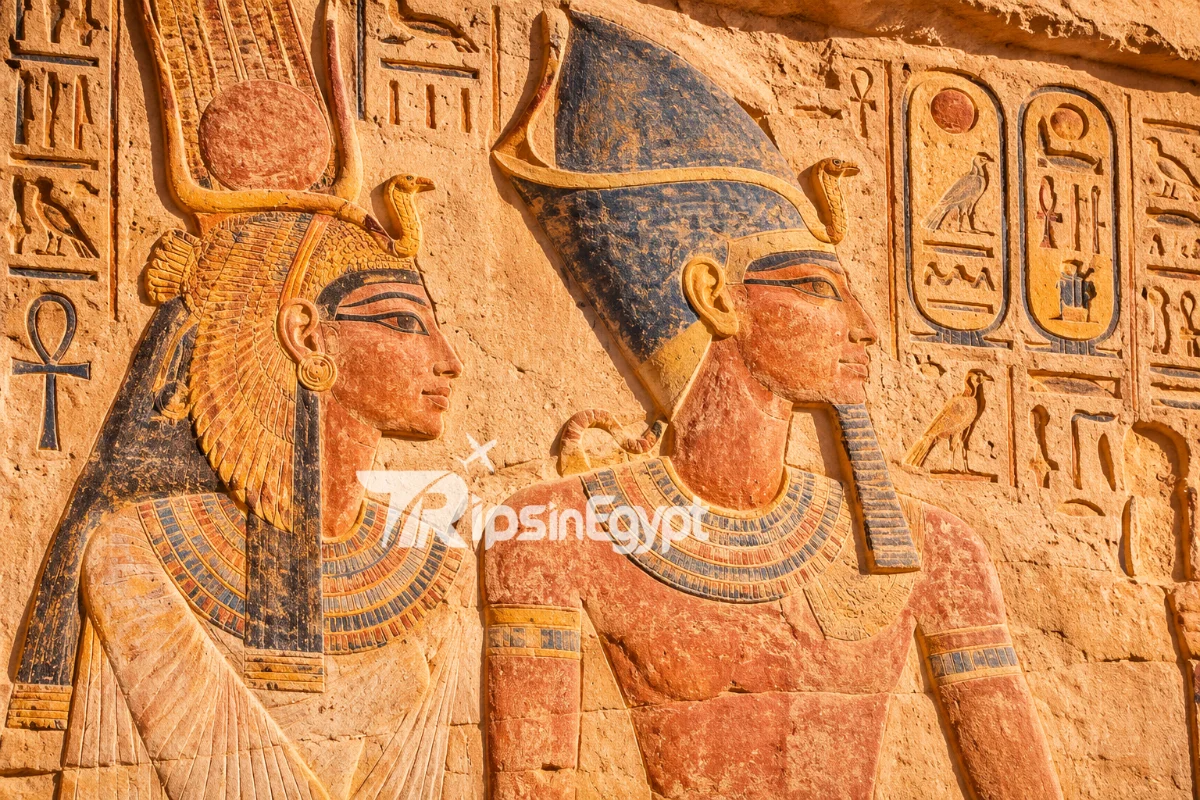
No surviving Egyptian text records how Nefertari died, so her exact cause of death remains unknown. She was still alive around the 24th year of Ramses II's reign, approximately 1255 BC, when the Abu Simbel temples were inaugurated, but she disappears from the historical record soon afterward.
In one inauguration scene, her daughter Meritamen appears in her place, leading some scholars to suggest that Nefertari was already ill or had died. She was probably in her 40s, while Isetnofret later became the leading queen at court.
What Happened to Nefertari's Mummy?
Nefertari's tomb was robbed in antiquity, and most of her mummy and burial equipment disappeared. When Italian archaeologist Ernesto Schiaparelli opened QV66 in 1904, he found fragments of the burial, including pieces of the sarcophagus, wooden shabti figures, sandals and parts of two mummified legs.
These remains are now housed in the Egyptian Museum of Turin. A scientific study published in 2016 concluded that the knees most likely belonged to Nefertari and came from a woman aged around 40 or older who stood approximately 165 centimeters tall.
What Did Nefertari Really Look Like?
Because Nefertari's mummy did not survive intact, no reliable reconstruction can show her real face with certainty. The surviving portraits in her tomb and temples are idealized royal images rather than realistic portraits.
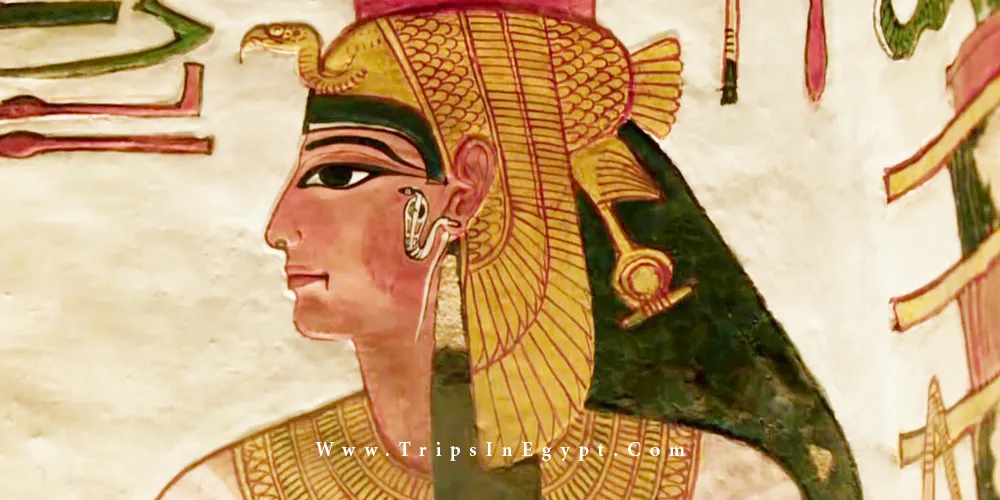
They show a slender queen with dark eyes, elaborate jewelry, long robes and crowns associated with Isis and Hathor. Modern facial reconstructions are therefore artistic interpretations based on these depictions rather than confirmed likenesses.
The Tomb of Nefertari
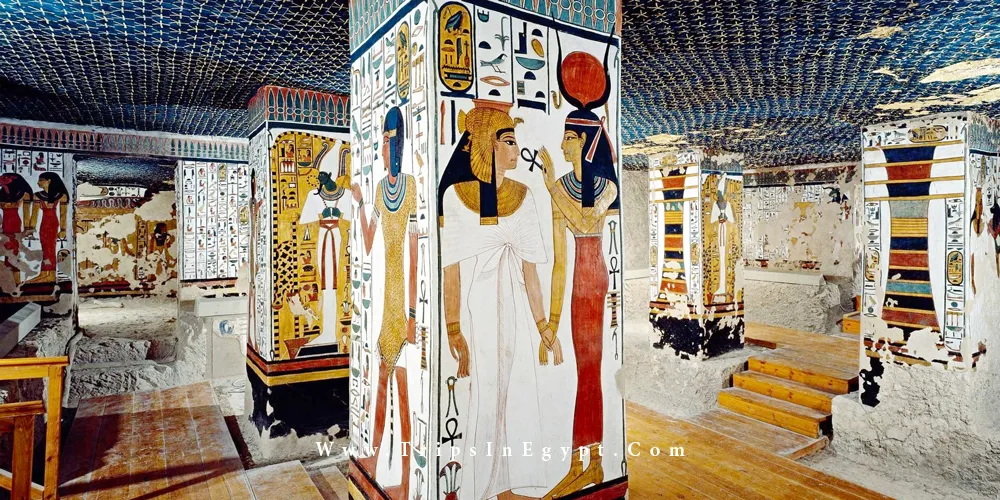
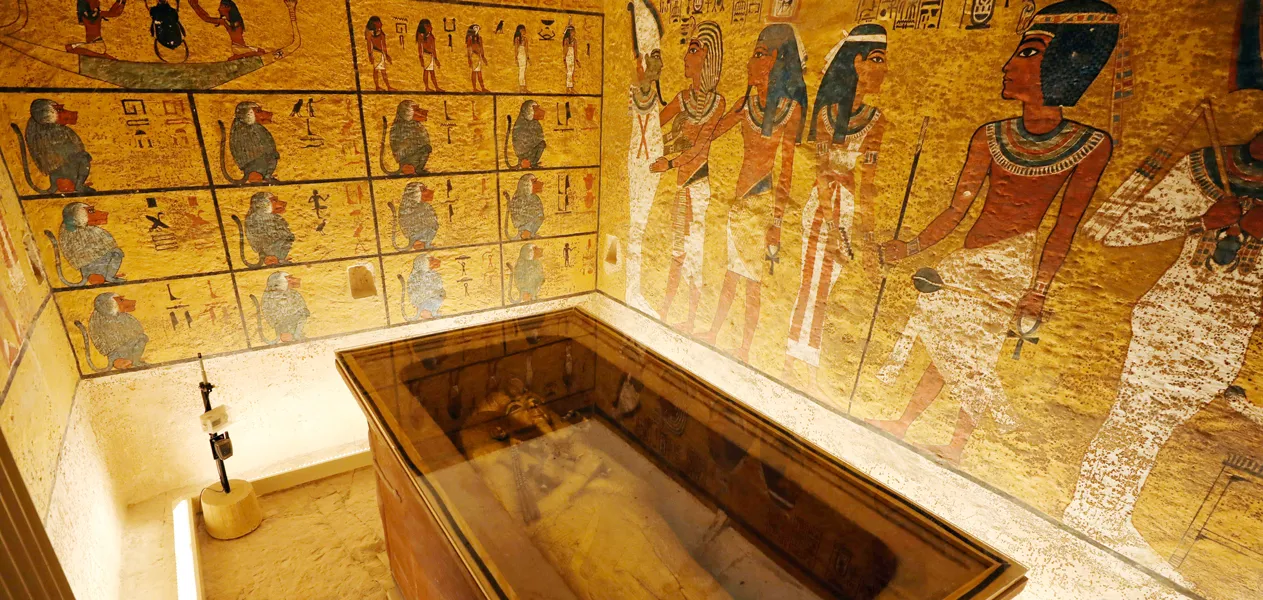
Ramses II built Nefertari's tomb, known as QV66, in the Valley of the Queens on Luxor's west bank. It is one of the largest and most beautifully decorated tombs in the necropolis, with around 520 square meters of painted surfaces.
The tomb includes an upper level, descending stairways and a burial chamber supported by four pillars. Ancient thieves removed most of the grave goods, but much of the extraordinary painted decoration survived, including the famous blue ceilings covered with yellow stars.
Paintings and the Book of the Dead
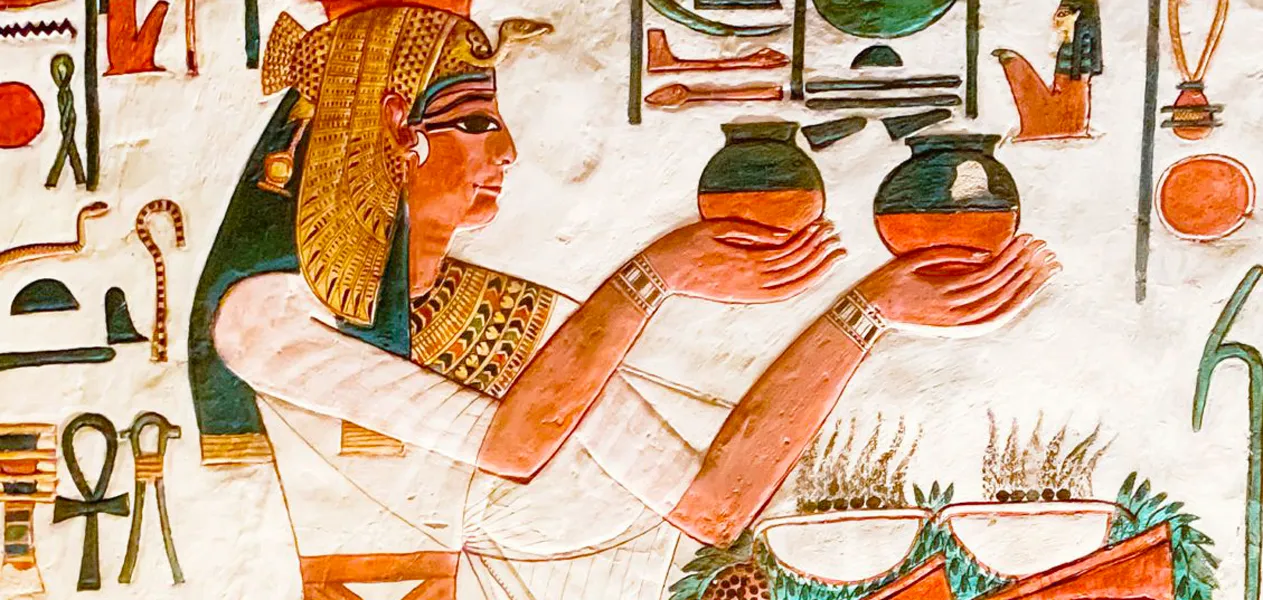
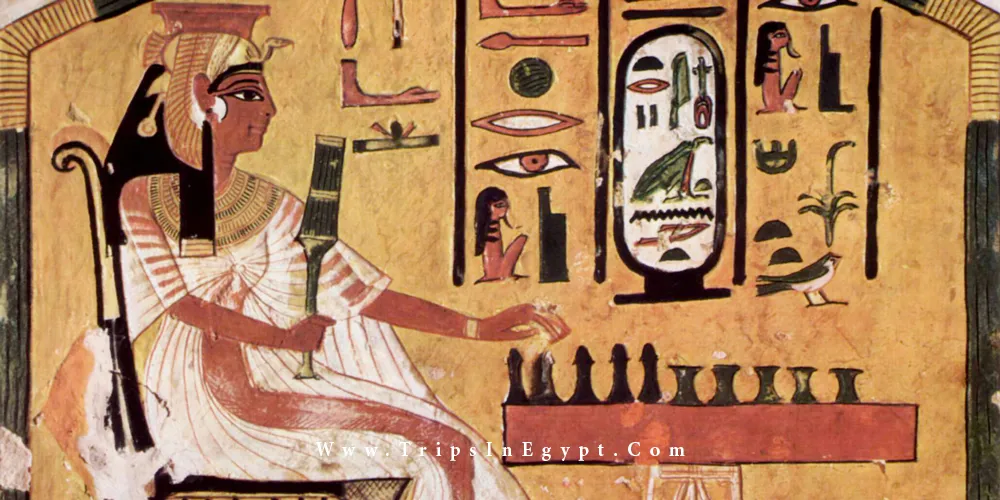
The walls depict Nefertari traveling through the afterlife with gods including Isis, Osiris, Hathor, Anubis and Thoth. One famous scene shows her playing the board game senet, while another presents her before Thoth with a scribe's palette.
The inscriptions come from the Book of the Dead, whose spells were intended to guide and protect the deceased through the underworld.
Some paintings show Nefertari wearing the vulture crown and tall plumes linked with Isis and Hathor, emphasizing her sacred royal status.
The tomb is important both for its exceptional color and for the extraordinary technical skill of the artists who worked under Ramses II. Salt and humidity damaged parts of the decoration over time, leading to a major conservation project between 1986 and 1992.
The Getty Conservation Institute and Egyptian Antiquities Organization stabilized and cleaned the paintings without repainting them, making QV66 an important example of modern archaeological conservation.
Visiting the Tomb of Nefertari Today
Visitor access is carefully controlled to protect the paintings, and QV66 normally requires a separate premium ticket in addition to the Valley of the Queens entry. Visits are usually brief, while photography rules may change.
The best time to visit is early in the morning before larger groups arrive. Many travelers combine Nefertari's tomb with the Valley of the Kings and the Temple of Hatshepsut during a full day on Luxor's west bank.
The Temple of Queen Nefertari
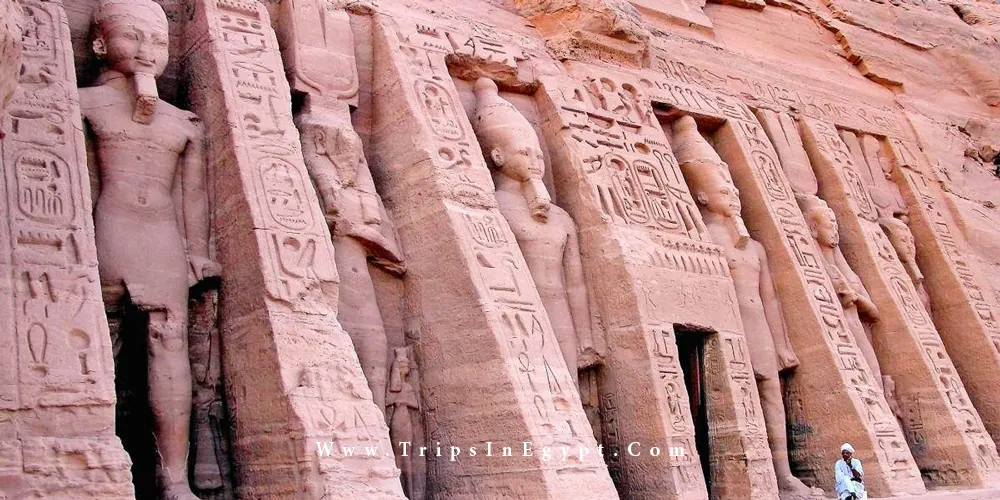
Ramses II constructed two rock-cut temples at Abu Simbel in Nubia near Egypt's southern border. The Great Temple honored Ramses and several major gods, while the smaller temple was dedicated to Nefertari and Hathor of Ibshek.
It is one of the rare Egyptian temples specifically dedicated to a reigning queen. Together, the temples of Abu Simbel form one of Egypt's most famous archaeological sites, with Nefertari's temple standing roughly 100 meters north of the Great Temple.
The Facade and Statues
The facade of the Small Temple contains six colossal standing statues, each approximately ten meters tall. Four represent Ramses II and two represent Nefertari.
The queen's statues are nearly the same height as the king's, an unusual feature in Egyptian royal art. Smaller figures representing their children stand beside the legs of the colossal statues.
Inside, a hall supported by six pillars decorated with the face of Hathor leads toward the sanctuary. The inscription on the facade describes the building as a temple created for Nefertari, for whom the sun shines.
During the Abu Simbel Sun Festival, visitors gather nearby to witness the solar alignment inside Ramses II's Great Temple.
Moving the Temples of Abu Simbel
The creation of the Aswan High Dam threatened Abu Simbel with flooding from the rising waters of Lake Nasser.
An international UNESCO-led rescue campaign cut both temples into large blocks and reconstructed them on higher ground between 1964 and 1968. The new location stands approximately 65 meters higher and around 200 meters farther back than the original cliff.
The operation remains one of the greatest achievements in modern archaeological conservation. Our guide explaining how Abu Simbel was relocated covers the engineering process in detail.
Enjoy Best Tours to Egypt
The easiest way to follow Nefertari's story is to combine Luxor and Abu Simbel in one journey. Travelers can visit her tomb on Luxor's west bank and then travel from Aswan to stand before her temple at Abu Simbel.
Our Egypt tour packages combine these monuments with other major archaeological sites across Egypt.
Day Trip to Abu Simbel from Cairo by Plane includes return flights, transfers and a guided visit to the Great Temple of Ramses II and the Small Temple of Nefertari. From $505.
Full Day Tour to Luxor West Bank visits the Valley of the Kings, Temple of Hatshepsut and Colossi of Memnon and can serve as a base for adding the Valley of the Queens with your guide. From $60.
10 Days Cairo, Faiyum & Nile Cruise Holiday combines Cairo, Faiyum and a Nile cruise between Luxor and Aswan through the landscape ruled by Ramses II and Nefertari. From $1,350.
5 Days Cairo And Hurghada Trip combines Cairo's major monuments and museums with snorkeling and desert activities in Hurghada. From $690.
6 Days Cairo, Alexandria & Faiyum Tour combines Egypt's major museums and archaeological attractions with Alexandria and Faiyum. From $720.
Interesting Facts about Queen Nefertari
Nefertari's fame has grown far beyond the surviving historical evidence, so separating facts from later legends is important. She was the first Great Royal Wife of Ramses II and held that position for roughly 24 years as his wife rather than ruling independently.
Her tomb is frequently described as the finest in the Valley of the Queens, while her Small Temple at Abu Simbel is one of ancient Egypt's most unusual monuments dedicated to a royal woman.
Are Nefertari and Nefertiti the Same?
No. Queen Nefertiti was the wife of Akhenaten during the 18th Dynasty, while Nefertari lived roughly seventy years later as the wife of Ramses II in the 19th Dynasty.
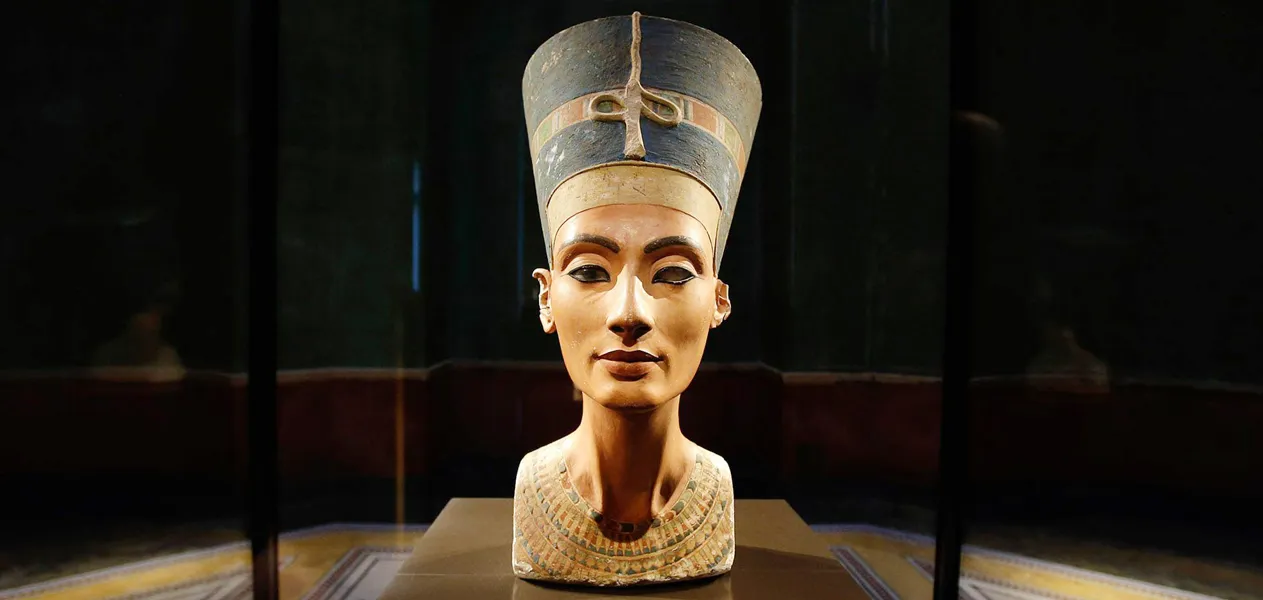
Their names both contain nefer, an Egyptian word associated with beauty, which helps explain the confusion. Nefertiti is famous for her painted bust and the Aten religious revolution, while Nefertari is best known for QV66 and her temple at Abu Simbel.
Was Queen Nefertari in Love with Moses?
There is no historical evidence that Nefertari knew Moses. The idea comes largely from the 1956 film The Ten Commandments, where a fictionalized princess called Nefretiri is portrayed as loving Moses before marrying Ramses.
The Bible does not identify the pharaoh of the Exodus by name, and no Egyptian record connects Moses with Nefertari. The romance is therefore a Hollywood story rather than established history.
More Facts About Queen Nefertari
Nefertari is one of the relatively few Egyptian queens known through surviving diplomatic correspondence. Her letters to the Hittite royal court provide rare evidence of a queen participating directly in international relations.
Her tomb was discovered in 1904 and later underwent six years of conservation work. The surviving parts of her mummy are kept in Turin rather than Egypt.
She is frequently shown holding a sistrum, a sacred musical instrument associated with Hathor. Some tomb scenes also show her in contexts involving writing and sacred texts, which has led scholars to suggest that she may have been literate, although this cannot be proven.
Among the many Egyptian pharaohs who honored royal wives, few created monuments for a queen as impressive as those Ramses II built for Nefertari.
Queen Nefertari remains one of the most admired women of ancient Egypt. She was the first wife of Ramses II, a mother of princes, a diplomat who wrote to the Hittite queen and the owner of a tomb whose colors still glow today. Seeing her painted image in the Valley of the Queens and her statues at Abu Simbel explains why Ramses remembered her as the one for whom the sun shines.

5 Days Cairo And Hurghada Trip
Amazing 4 Nights Cairo and Hurghada Trip Itinerary 5 Days Cairo and Hurghada trip wil...
- Duration 5 Days / 4 Nights
- Location Cairo & Hurghada
- Type Historical & Recreational Tour
From$690/per person
View Tour
6 Days Cairo, Alexandria & Faiyum Tour
Unforgettable Cairo, Alexandria & Faiyum Adventure in Six Days 6 Days Cairo, Alex...
- Duration 6 Days / 5 Nights
- Location Cairo - Alexandria - Fayum
- Type Historical Tour
From$720/per person
View Tour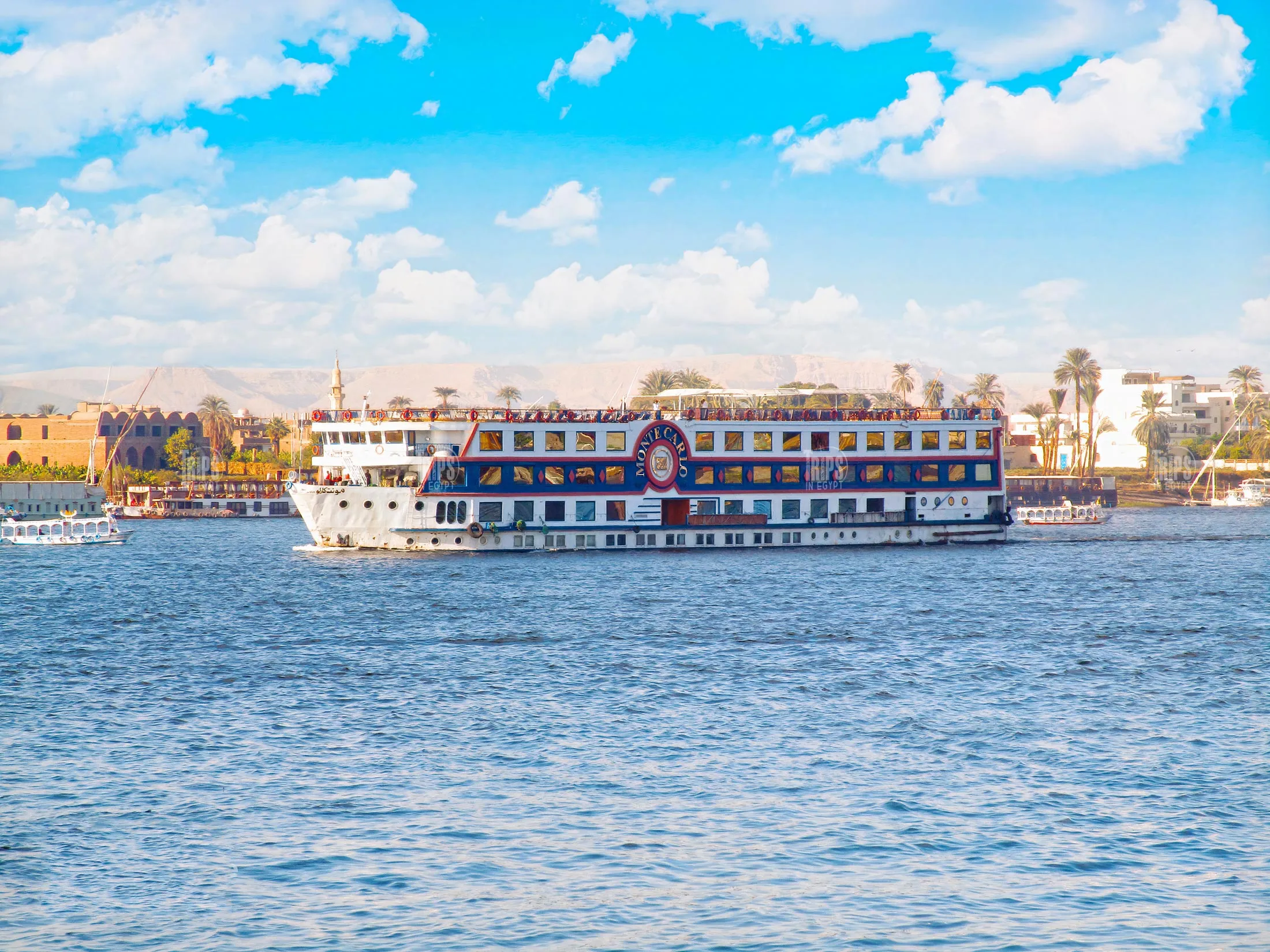
10 Days Cairo, Faiyum & Nile Cruise Holiday
Breathtaking 10 Days Journey of A Lifetime in Egypt 10 Days Cairo, Faiyum & Nile...
- Duration 10 Days / 9 Nights
- Location Cairo, Luxor, Aswan & Faiyum
- Type Classic Tour
From$1350/per person
View Tour SOLD OUT
Ultimate 7-Day Egypt Solar Eclipse Experience with Hurghada 2027
Enjoy a 7-Day Egypt Solar Eclipse Tour with Hurghada 2027 6 Nights Egypt Solar Ecli...
- Duration 7 Days / 6 Nights
- Location Cairo / Giza / Luxor / Hurghada
- Type Astronomical Tour
Sold Out
View Details