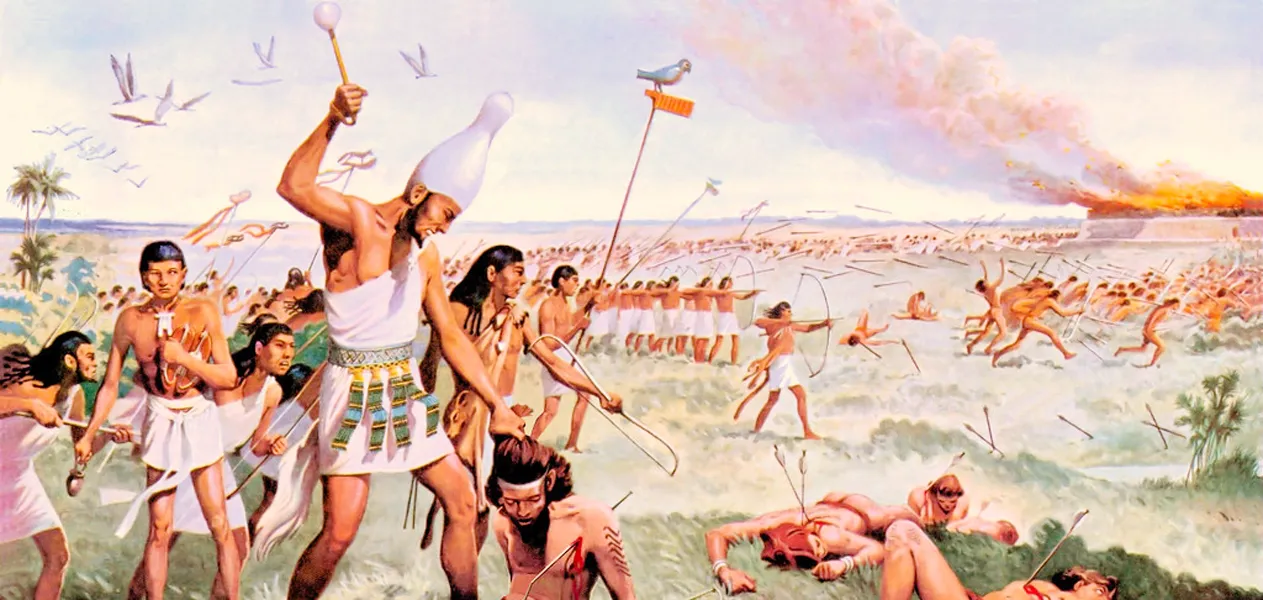




The Battle of Kadesh is the best-documented battle of the ancient world. In 1274 BC, Pharaoh Ramesses II led the Egyptian army against the Hittite king Muwatalli II at the city of Kadesh, in what is now Syria. It may have been the largest chariot battle ever fought. In this guide, you will learn why it happened, how it was fought, who won, and how it led to one of history’s earliest peace treaties.

What Was the Battle of Kadesh?
The Battle of Kadesh was a clash between the two great powers of the Late Bronze Age: New Kingdom Egypt, led by Ramesses II (also written Ramses II), and the Hittite Empire of Anatolia, led by Muwatalli II. It took place in 1274 BC, in the fifth year of Ramesses’s reign, beside the city of Kadesh on the Orontes River in western Syria. Both empires wanted control of the trade routes and city-states of the Levant, and Kadesh was the key to the region. It was a defining moment of Egypt’s New Kingdom empire.
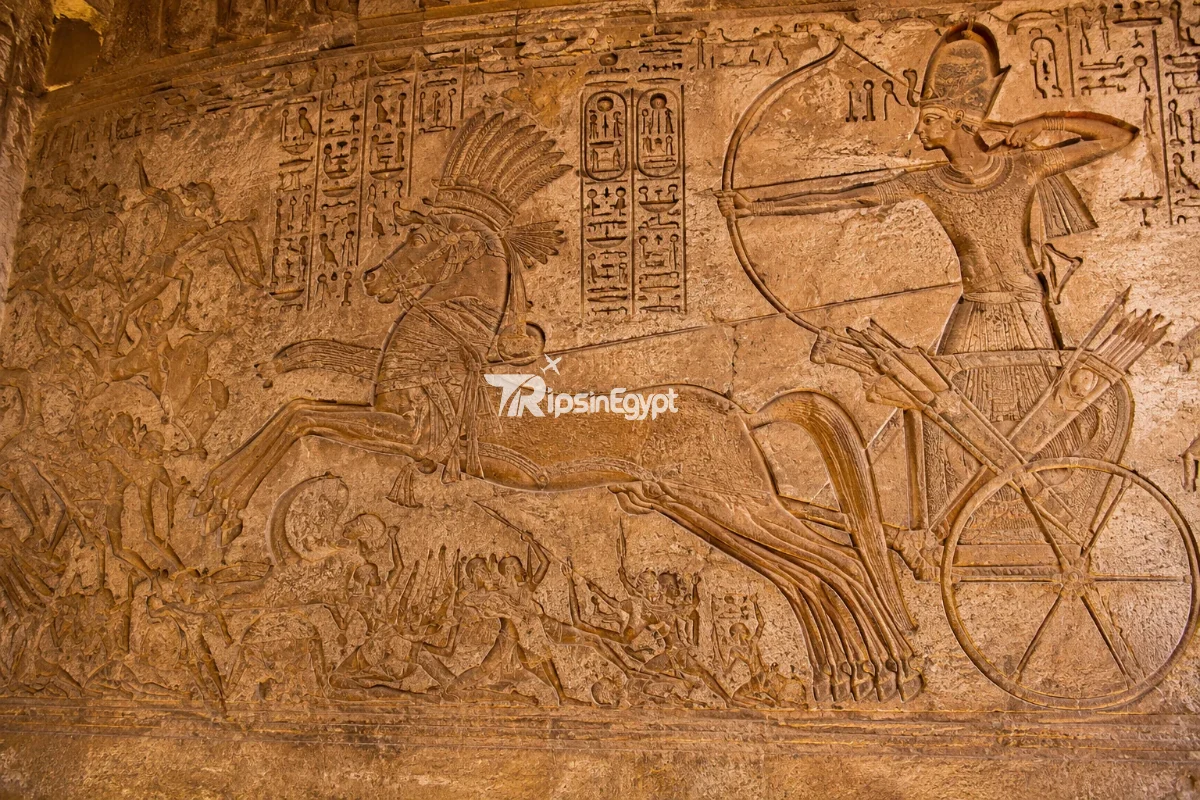
Where was the Battle of Kadesh? The ancient city stood on a mound now called Tell Nebi Mend, south-west of the modern city of Homs, where the Orontes meets a smaller stream. The fighting took place on the plain around the city. We know the battle so well because Ramesses II had his version carved on the walls of five great temples, and it was also recorded in Egyptian poems and reports. Hittite letters and the later peace treaty add the other side of the story, making Kadesh unusually well documented for its age.
The Hittites and the Egyptians
The rivalry between Egypt and the Hittites grew over a century. Under Thutmose III, around 1450 BC, Egypt conquered much of Canaan and southern Syria and fought several times against Kadesh, then an ally of Egypt’s rival, Mitanni. The Hittites, an empire based at Hattusa in central Anatolia, later destroyed Mitanni and pushed south. During the reign of Akhenaten, the Hittite king Suppiluliuma I won over Kadesh and the kingdom of Amurru, on the Syrian coast, and Egypt lost much of its northern empire.
The pharaohs of the 19th Dynasty set out to win it back. Ramesses II’s father, Seti I, marched north and briefly took Kadesh, leaving a victory stela there, but the city soon returned to the Hittite side. By the time Ramesses II came to the throne in 1279 BC, the Egyptian-Hittite war had become a contest between two equal superpowers. Each saw Syria as its natural sphere of influence, and neither would accept the other’s control of the cities between them.
Why Did the Battle of Kadesh Happen?
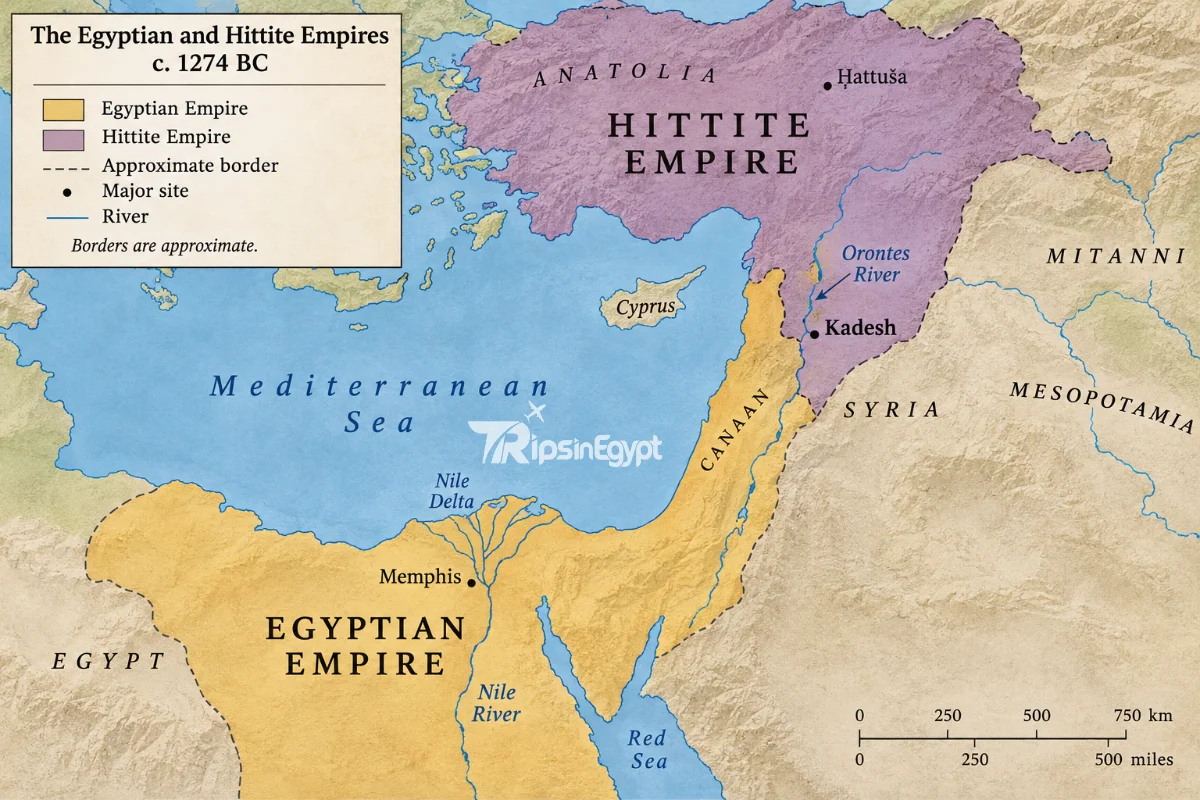
The Battle of Kadesh happened because both empires wanted the same land. Syria and Canaan sat on the trade routes between Mesopotamia, Anatolia and Egypt, carrying copper, timber, horses and luxury goods. The cities there paid tribute to whichever empire protected them, so control meant wealth. Kadesh was especially important because it guarded the Orontes valley, the main route between the Hittite lands in the north and the Egyptian provinces in the south. A pharaoh who held Kadesh could defend Egypt far from home, as earlier kings of the Ancient Egyptian battles era had learned.
The immediate cause came in Ramesses’s fourth year. He campaigned along the coast, and the ruler of Amurru, Benteshina, switched his loyalty from the Hittites to Egypt. For Muwatalli II, this was a direct challenge, and he gathered a huge army of his own troops and allies to win Amurru back. For Ramesses, a young king eager to prove himself, taking Kadesh would restore the empire of Thutmose III. In the spring of his fifth year, he marched north from the Delta with four divisions, heading straight for the city.
Armies, Chariots and Weapons at Kadesh
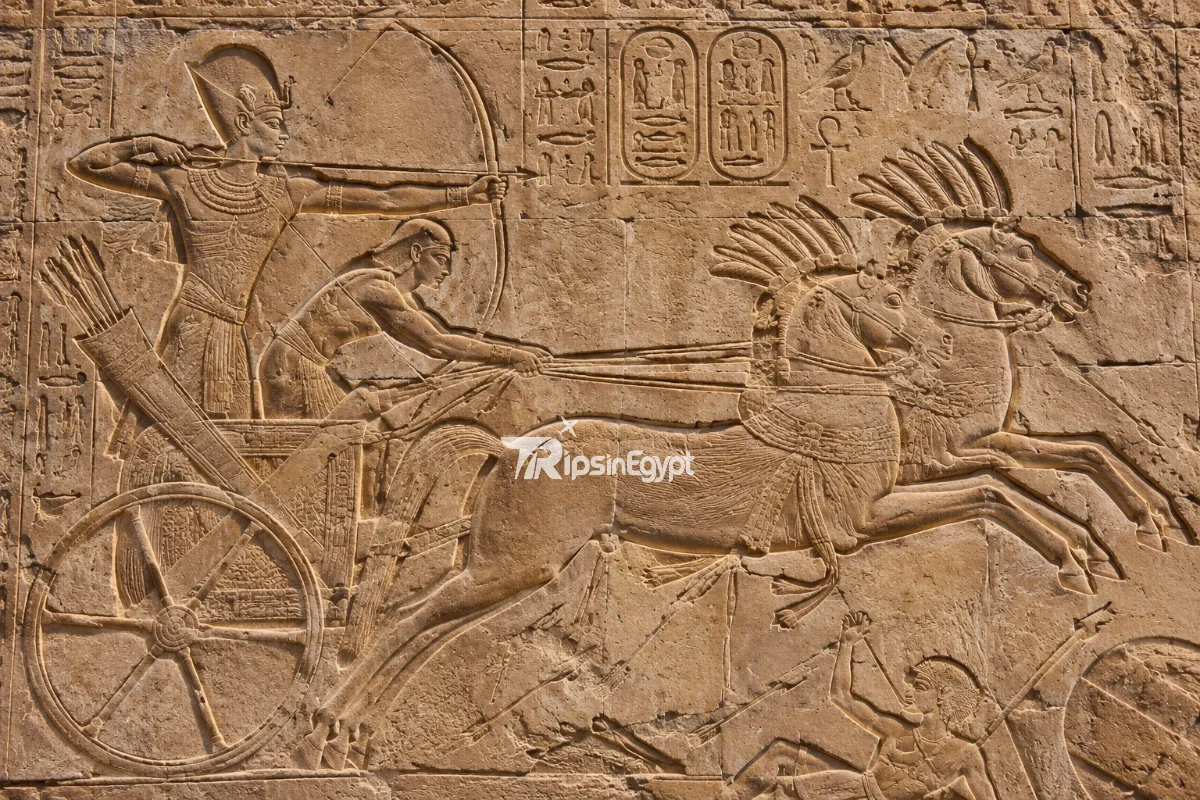
How big were the armies at Kadesh? The figures come mainly from Ramesses II’s own inscriptions, so historians treat them with care. The Egyptian army probably had around 20,000 men in four divisions named after the gods Amun, Ra, Ptah and Seth, plus an elite force called the Ne’arin. The Egyptian texts say Muwatalli brought 2,500 chariots in the first attack, and later 1,000 more, with two large infantry groups of about 18,000 and 19,000 men. With several thousand chariots on the field, Kadesh is often described as the largest chariot battle in history.
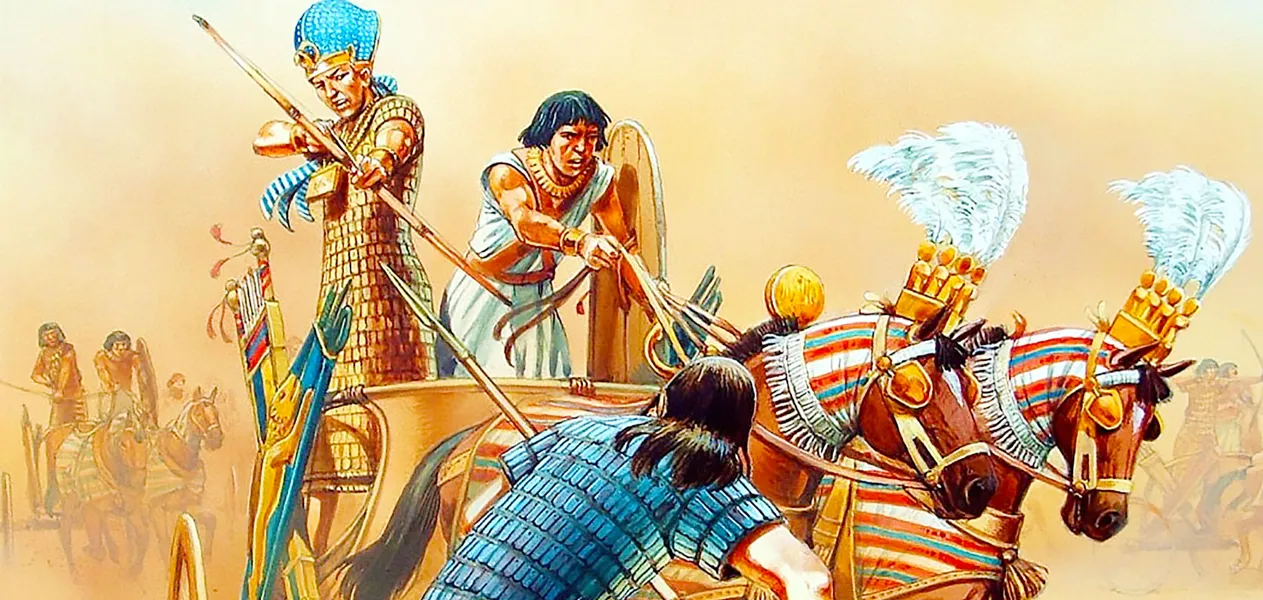
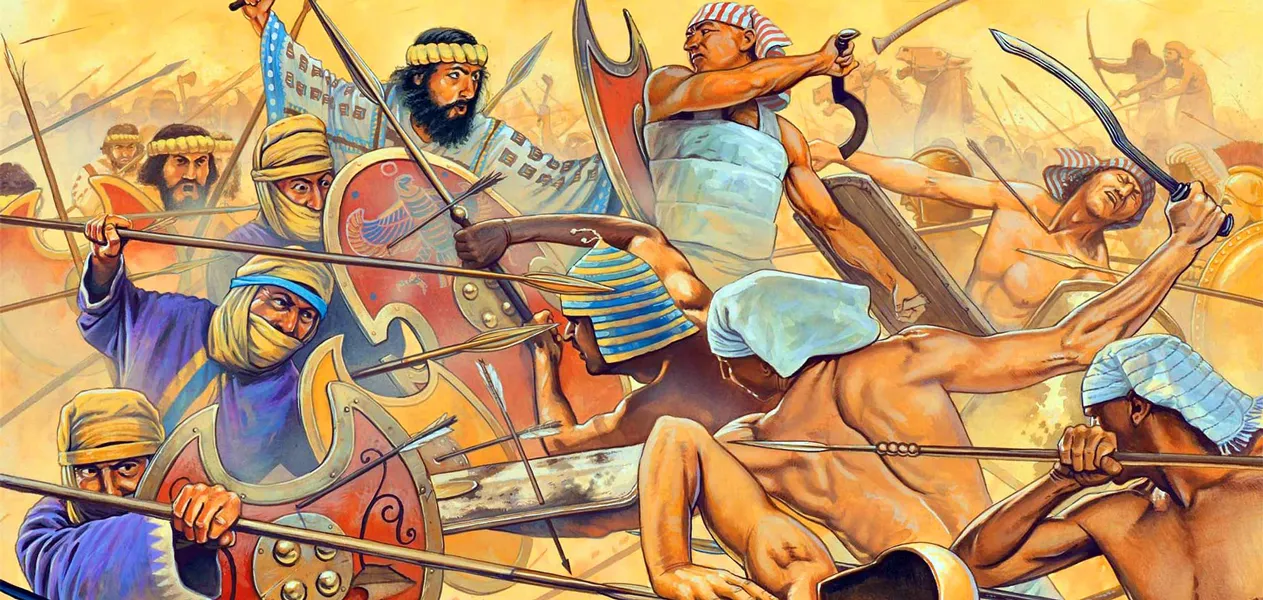
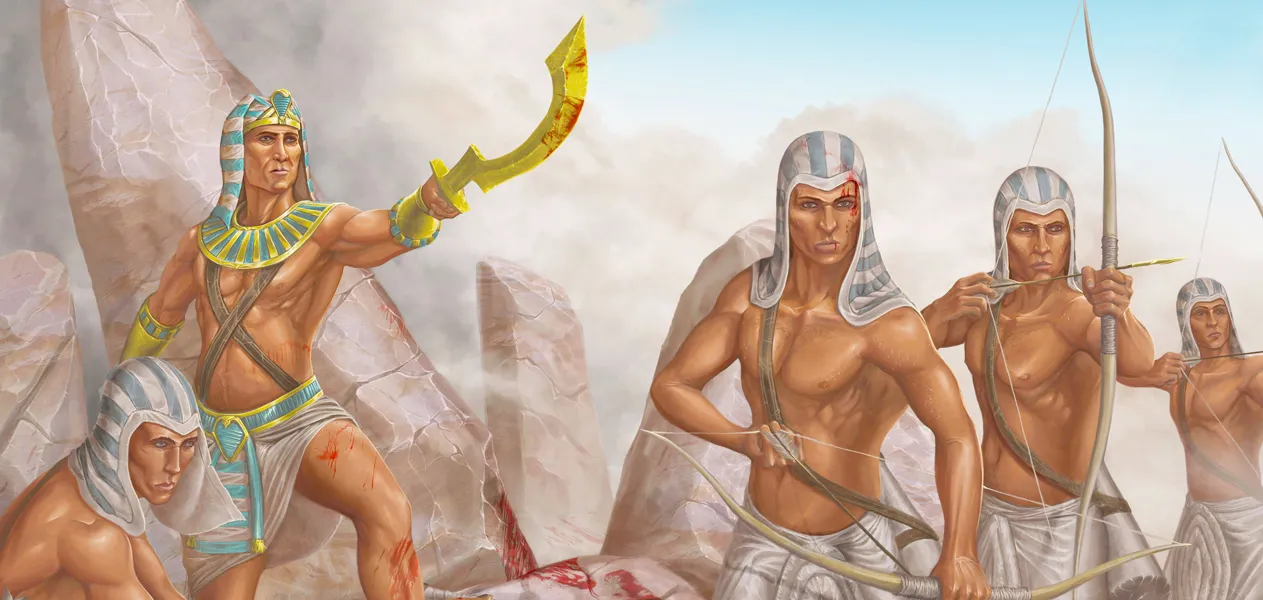
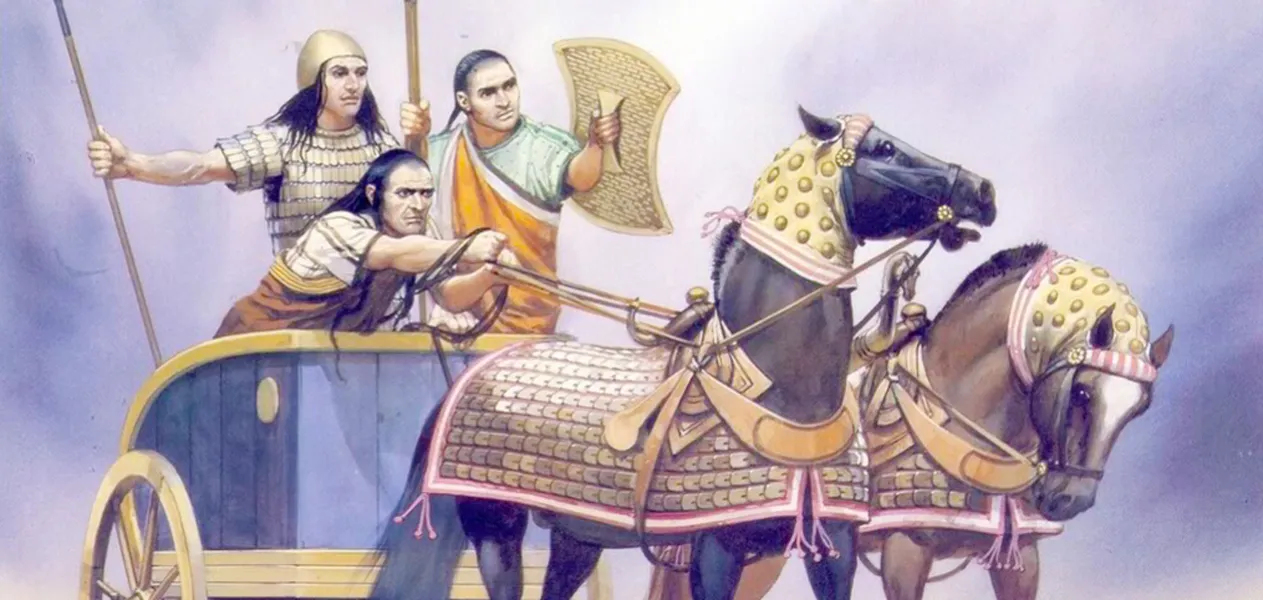
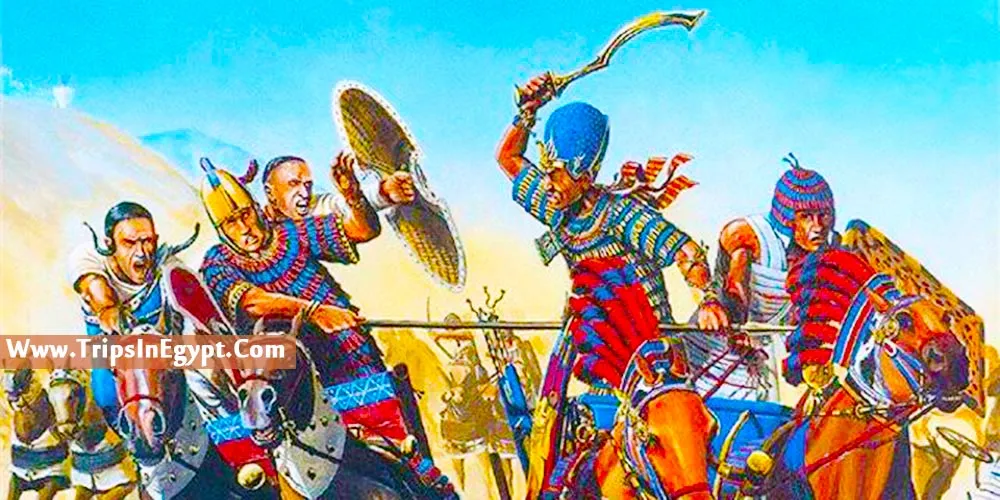
The two sides fought in different ways. Egyptian chariots were light and fast, with two men: a driver and an archer armed with a powerful composite bow. Hittite chariots were heavier and carried three men, adding a shield-bearer or spearman, which made them strong in a charge. Infantry on both sides fought with spears, daggers and axes, and Egyptian soldiers also carried the curved khopesh sword. Most weapons were bronze. The Hittites are famous for early ironworking, but iron weapons played little part at Kadesh, despite a popular myth.
The Strategy of King Ramses Against the Hittites
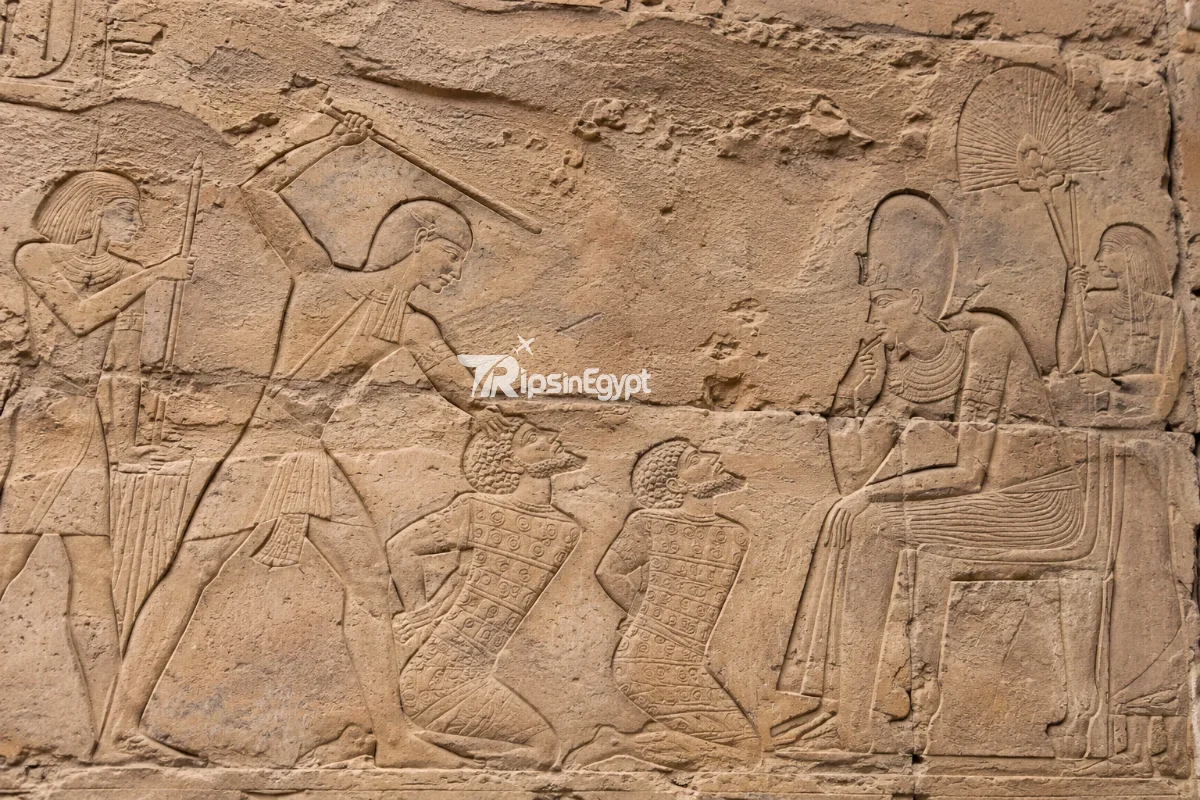
Ramesses II’s plan was to move fast and take Kadesh before the Hittites arrived. Near the city, his army met two Shasu nomads, who told him Muwatalli was still far to the north, near Aleppo. Trusting them, Ramesses hurried ahead with the Amun division and set up camp north-west of Kadesh, while the Ra, Ptah and Seth divisions followed miles behind. In fact, the Shasu were Hittite spies. Muwatalli’s whole army was hidden just behind the city, on the other side of the Orontes, waiting for the Egyptians to spread out.
Too late, Egyptian scouts captured two Hittite soldiers, who revealed the truth. At that moment, the Hittite chariots crossed the river and struck the Ra division on the march, scattering it, then crashed into Ramesses’s camp. According to his own account, the pharaoh, abandoned by most of his troops, prayed to Amun and charged the enemy again and again. His survival was saved by the arrival of the Ne’arin, who struck the Hittites from the west, while many attackers stopped to loot the camp. The Ptah division arrived by evening, and the Egyptians held the field.
Who Won the Battle of Kadesh?
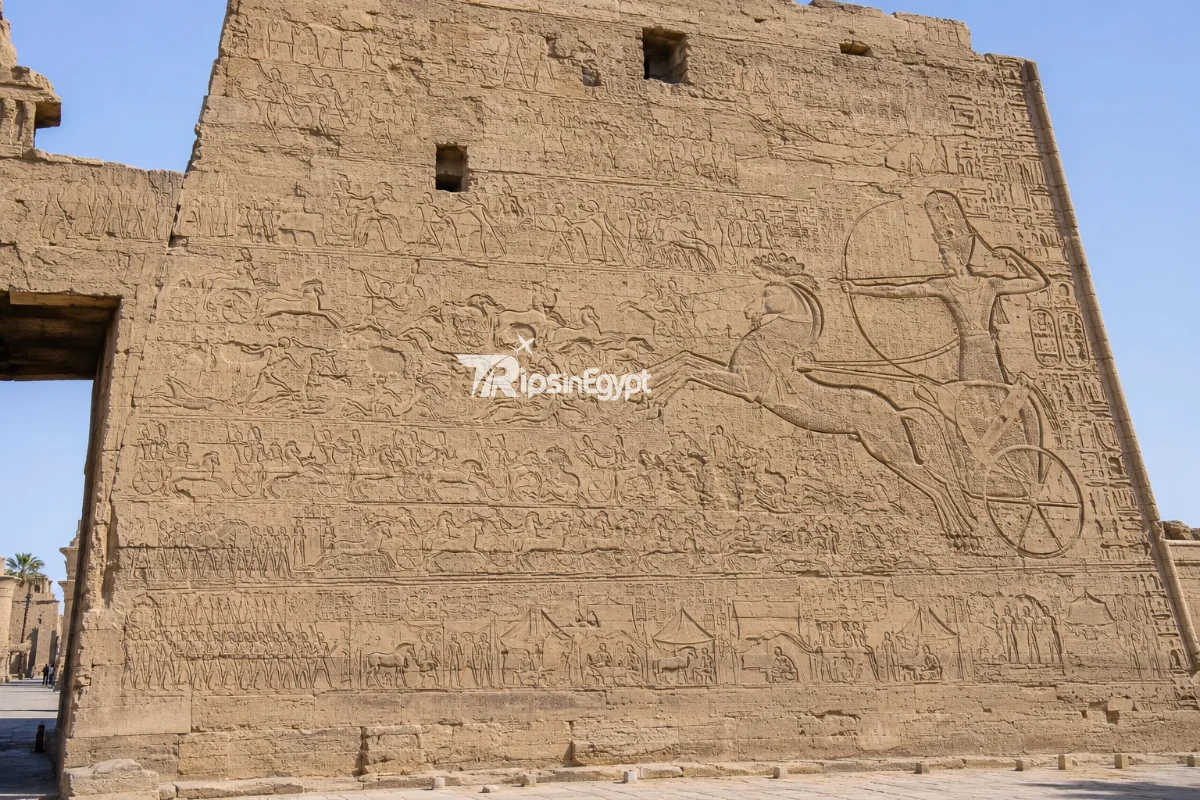
Who won the Battle of Kadesh? Neither side won a clear victory, and most historians call it a draw. On the second day, the armies fought again without a decisive result. According to the Egyptian account, Muwatalli then offered a truce, and Ramesses accepted. Ramesses returned home and celebrated a great victory on temple walls across Egypt, because he had escaped a trap and beaten off the Hittite attack. Hittite records, in turn, treated the campaign as a success, and the outcome on the ground favored them.
What was the outcome of the Battle of Kadesh? The Egyptians did not capture Kadesh, which stayed in Hittite hands, and Amurru soon returned to Hittite control. The Hittites even pushed further south, into the region around Damascus, for a time. The two empires were evenly matched, and each claimed it had won. In the years that followed, Ramesses led more campaigns into Canaan and Syria, winning some cities back, but neither side could defeat the other. That stalemate set the stage for peace.
The Peace Treaty of Kadesh
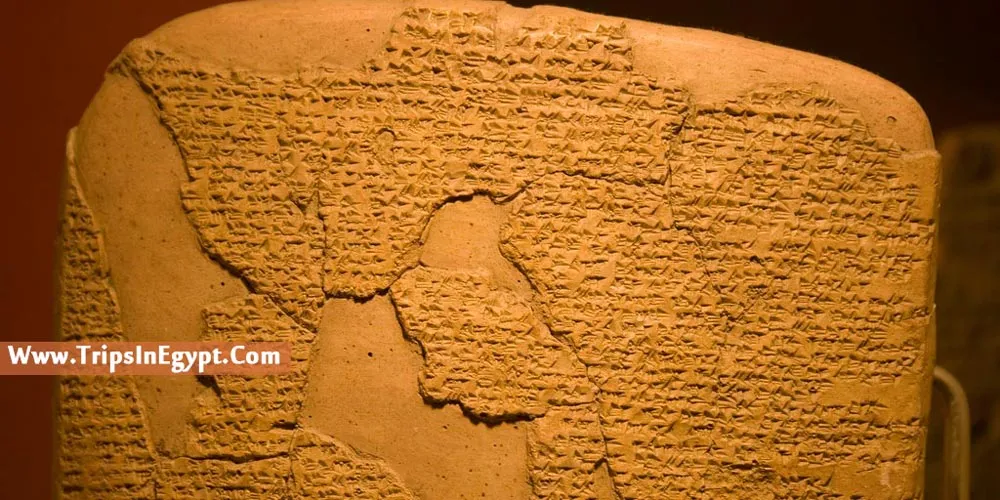
The peace came about sixteen years after the battle, around 1259 BC, in the 21st year of Ramesses II. By then, Muwatalli II had died, and after a struggle for the throne, his brother Hattusili III became king. Facing the rising power of Assyria in the east, Hattusili needed peace in the south, and Ramesses was ready to accept. The two kings agreed a treaty, often called the Treaty of Kadesh, although it was made long after the battle. It is one of the earliest peace treaties whose text survives.
Its terms were remarkably modern. The two kings promised never to attack each other, to help each other against enemies or rebels, and to return fugitives, who were to be treated humanely. The Egyptian version was carved on the walls of Karnak Temple and the Ramesseum. The Hittite version, written in Akkadian on clay tablets, was found at Hattusa in modern Turkey in the early 20th century and is now in the Istanbul Archaeology Museums. A replica hangs at the United Nations in New York as a symbol of early diplomacy.
Why did peace with the Hittites help strengthen Egypt’s economy? The treaty ended decades of costly campaigns, so Egypt could spend its wealth on building rather than war. Trade and diplomatic gifts moved freely between the two courts, and the kings and queens wrote letters to each other, including Ramesses’s queen Nefertari. In about 1245 BC, Ramesses married a Hittite princess, who took the Egyptian name Maathorneferure. The long peace helped pay for the great building works of his reign, from Abu Simbel to the Ramesseum.
Why Was the Battle of Kadesh Important?
Why was the Battle of Kadesh important? First, it is the earliest battle for which we know the tactics, the troop movements and the positions of the armies in detail, so military historians still study it. Second, it shows the limits of chariot warfare and the importance of scouting, since a single false report nearly destroyed the Egyptian army. Third, it led to the Egyptian-Hittite peace treaty, a milestone in international diplomacy. Finally, it shaped the image of Ramesses II, who used it to present himself as Egypt’s greatest warrior king.
What was Ramses II’s most famous battle? Kadesh, without doubt, because he made sure no one would forget it. What is the oldest battle in the world? It is impossible to know, but the Battle of Megiddo, fought by Thutmose III around 1457 BC, is usually called the first battle recorded in reliable detail, about two centuries before Kadesh. Kadesh is the best-documented of these early battles. Its legacy lives on in stone, in the reliefs and poems Ramesses commissioned, which turned a narrow escape into one of the most famous stories of the ancient world.
Battle of Kadesh Timeline
The key dates follow the most widely used chronology. Some scholars place every date a few years earlier.
-
c. 1457 BC: Thutmose III defeats a coalition led by the king of Kadesh at Megiddo.
-
c. 1340s BC: In Akhenaten’s time, the Hittites win over Kadesh and Amurru.
-
c. 1290 BC: Seti I briefly takes Kadesh back for Egypt.
-
1279 BC: Ramesses II becomes pharaoh.
-
1275 BC: Amurru switches to Egypt’s side in Ramesses’s fourth year.
-
1274 BC: The Battle of Kadesh, in Ramesses’s fifth year, ends in a draw.
-
c. 1259 BC: Ramesses II and Hattusili III sign the peace treaty.
-
c. 1245 BC: Ramesses marries a Hittite princess, sealing the peace.
Battle of Kadesh Facts
Here are five Battle of Kadesh facts that surprise most readers:
-
It began with a trick. Two spies posing as deserters convinced Ramesses the Hittites were far away.
-
Ramesses recorded it five times. The battle is carved at Abu Simbel, the Ramesseum, Luxor Temple, Karnak and Abydos.
-
The main fighting lasted about two days. The whole campaign, from Egypt to Syria and back, took several months.
-
Nobody knows how many died. No reliable casualty figures survive from either side.
-
Its treaty is at the United Nations. A replica of the Hittite tablet hangs at the UN headquarters in New York.
Battle of Kadesh Reliefs: Where to See Them in Egypt
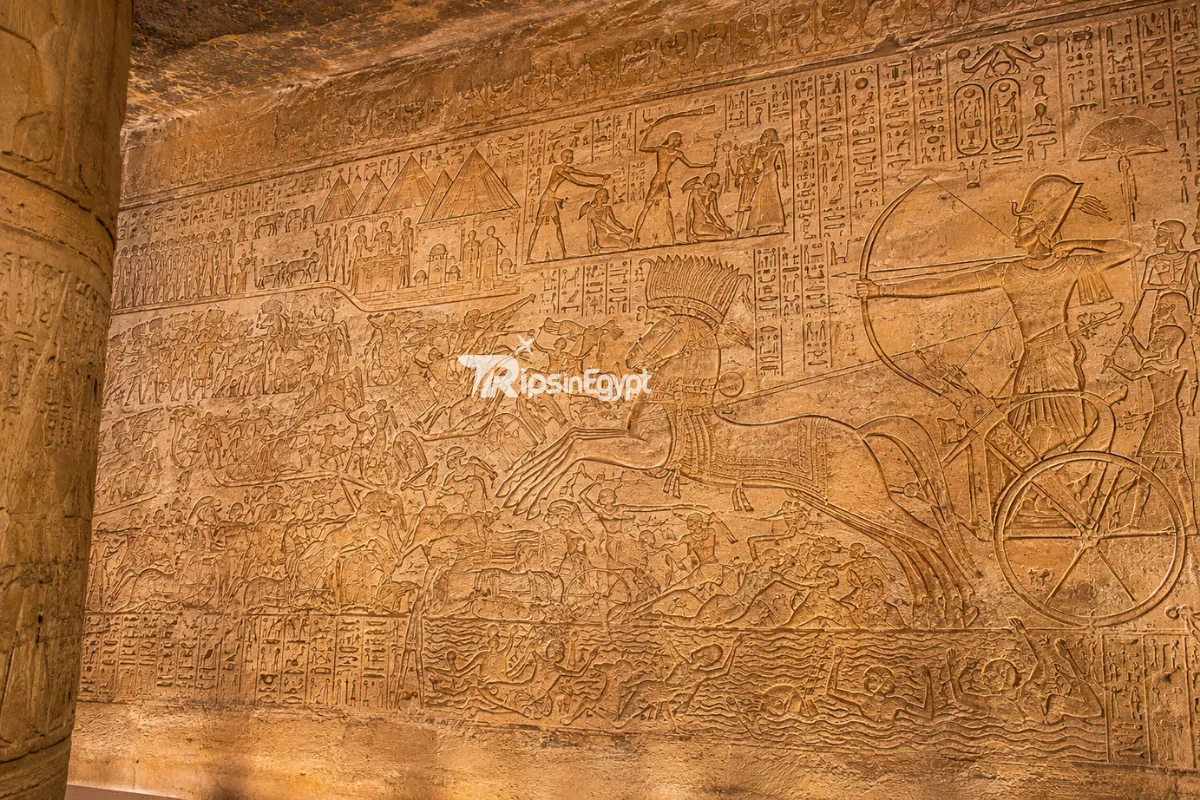
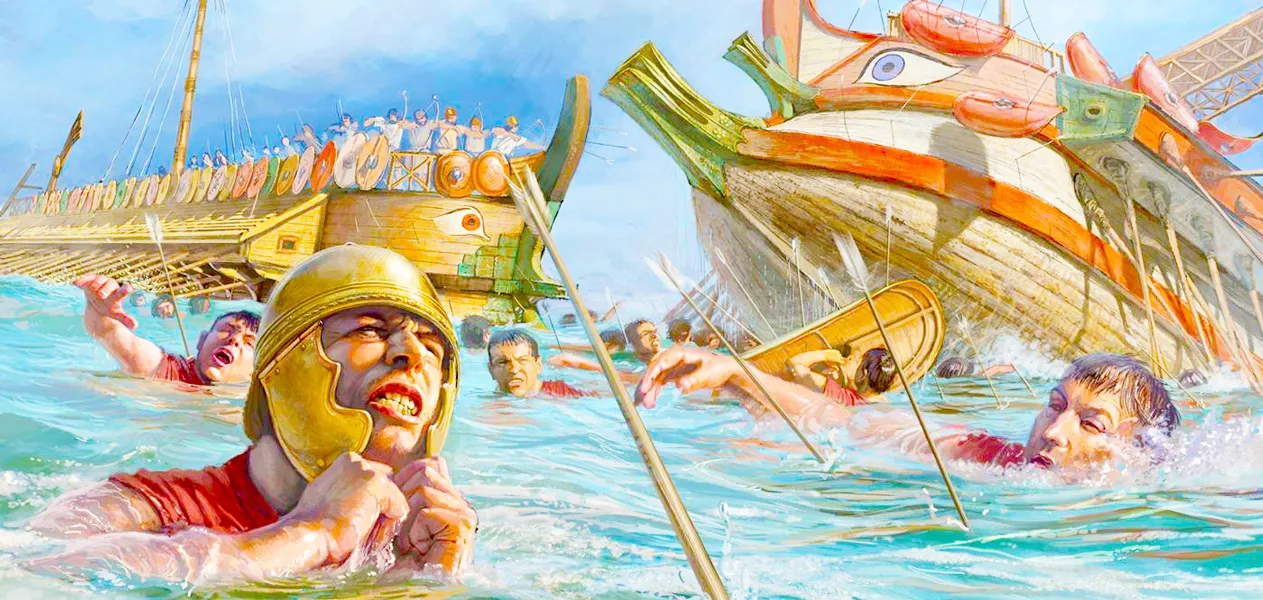
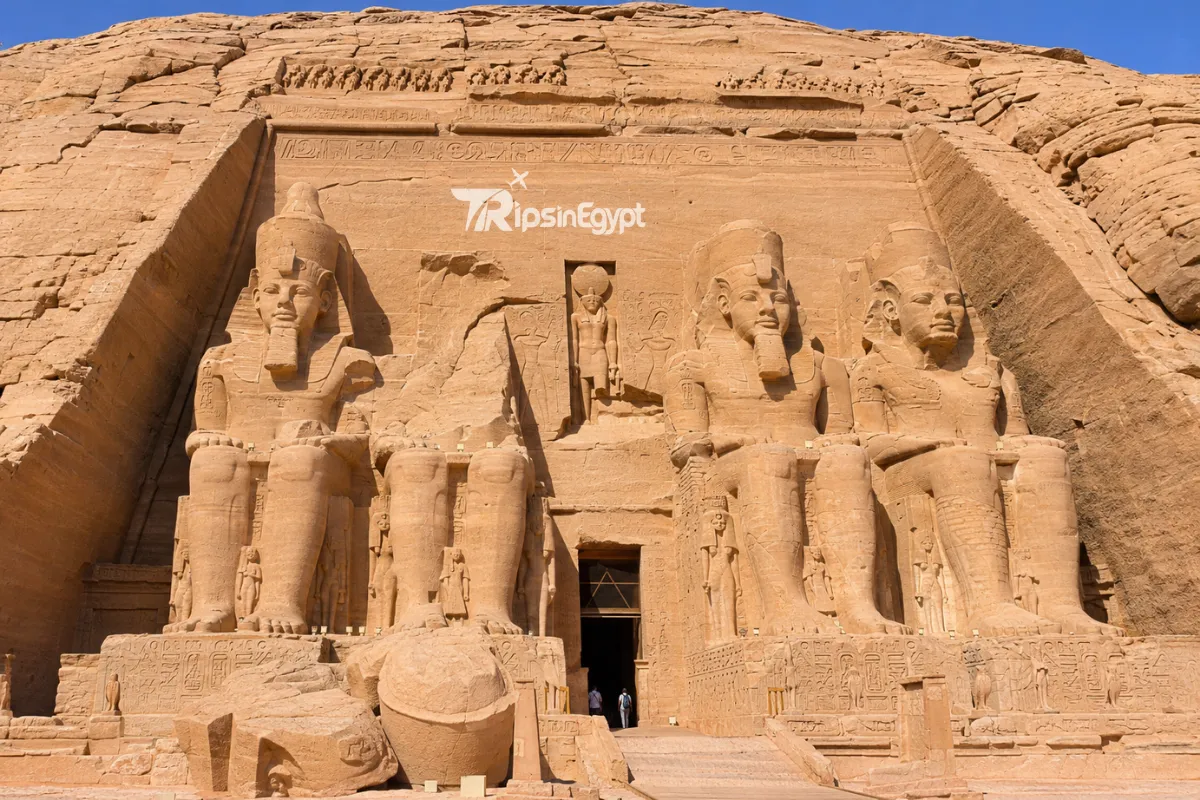
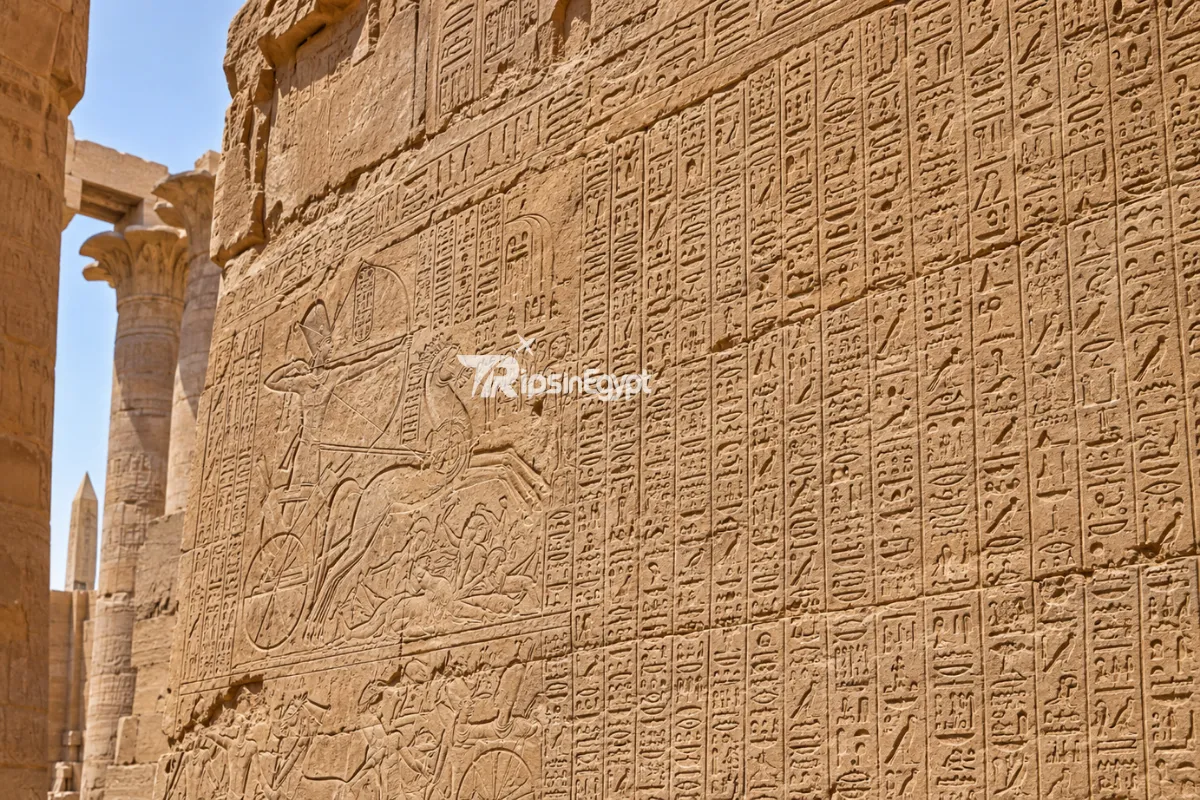
The most complete Battle of Kadesh relief is inside the Great Temple of Abu Simbel, on the north wall of the great pillared hall. It shows the whole story like a giant comic strip: the Egyptian camp, the spies being beaten, the Hittite chariot charge, Ramesses in his chariot and Hittite soldiers falling into the Orontes. It is one of the finest examples of ancient Egyptian battle art. Abu Simbel is also one of Egypt’s most beautiful temples, which makes it the best place to see the battle with your own eyes.
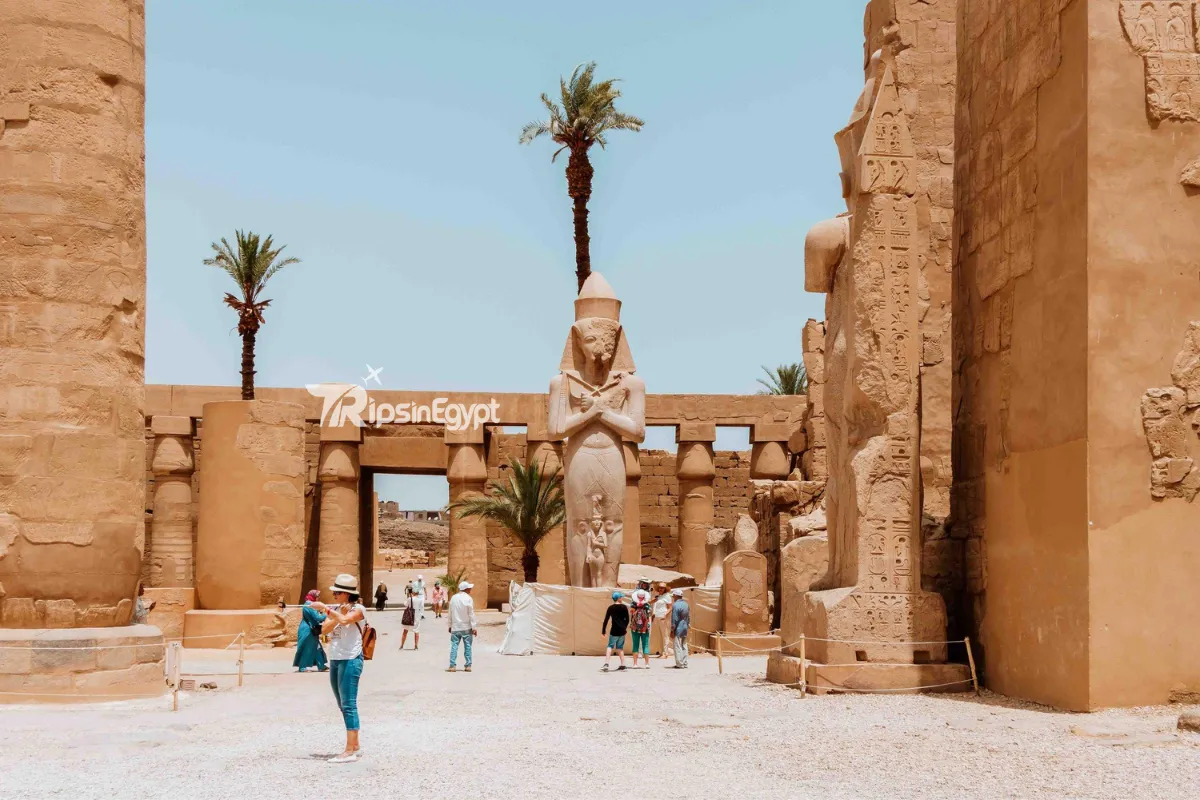
In Luxor, you can see Kadesh scenes on the first pylon of Luxor Temple and on the walls of the Ramesseum, Ramesses II’s memorial temple on the West Bank, which also shows the battle in vivid detail. Karnak Temple holds the text of the Kadesh poem and the Egyptian copy of the peace treaty, and Ramesses II’s temple at Abydos has more battle scenes. A guide can help you read the reliefs, point out the spies, the camp and the river, and explain how a pharaoh turned a close escape into a legendary victory on stone.
See the Kadesh Reliefs on an Egypt Tour
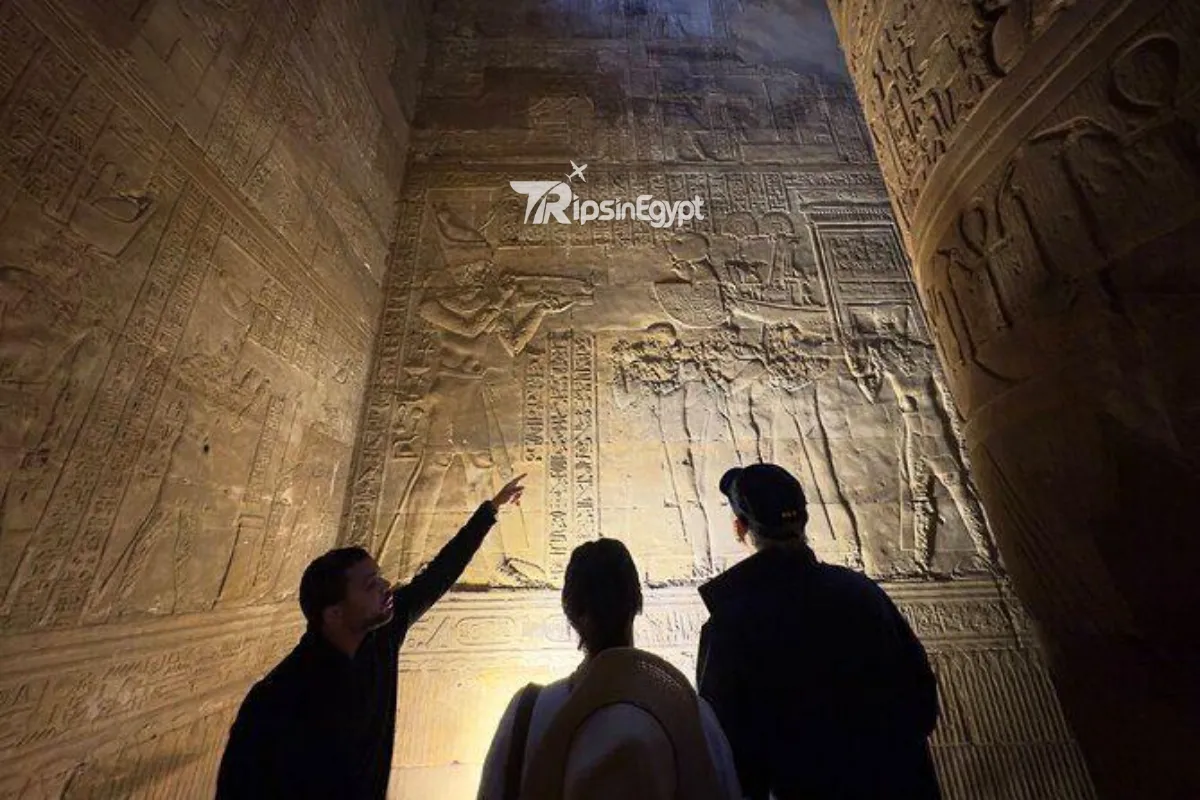
The best way to bring the Battle of Kadesh to life is to stand in front of the reliefs Ramesses II carved to celebrate it. Our guided tours visit Abu Simbel, Luxor Temple and Karnak with expert Egyptologists who know every scene. If you want to see all the great monuments of Ramesses in one journey, explore our Egypt tour packages, which combine Cairo and the pyramids with a cruise between Luxor and Aswan and a visit to Abu Simbel.
Day Trip from Aswan to Abu Simbel by Car: A full day from Aswan through the desert to the two temples of Abu Simbel, where the great hall holds the most complete Kadesh relief, with lunch back in Aswan. It is the easiest way to see the battle scenes. From $95.
Day Trip to Abu Simbel from Cairo by Plane: Fly from Cairo to Aswan and on to Abu Simbel to see the temples of Ramesses II and Nefertari, then return to Cairo the same evening. It suits travelers short on time who still want to see Ramesses’s masterpiece. From $505.
Full Day Tour to Luxor East & West Bank: The Valley of the Kings, Hatshepsut Temple and the Colossi of Memnon, then Karnak and Luxor Temple, where Kadesh scenes and the treaty text survive. It is a full day among the monuments of Ramesses’s capital. From $115.
4 Day Family Nile Cruise From Aswan with Abu Simbel: Three nights on a Nile cruise from Aswan to Luxor, with Abu Simbel, Philae, Kom Ombo, Edfu, Karnak and the Valley of the Kings. It is a relaxed way to see Ramesses’s greatest temples. From $585.
The Battle of Kadesh began with a trick, nearly ended in disaster, and finished as a draw that changed history. It gave the world its first detailed battle record and one of its earliest surviving peace treaties between two great powers. Today, you can follow the story on the temple walls Ramesses carved, from Abu Simbel to Luxor, ideally between relaxing days on one of our Nile cruise holidays.

5 Days Cairo And Hurghada Trip
Amazing 4 Nights Cairo and Hurghada Trip Itinerary 5 Days Cairo and Hurghada trip wil...
- Duration 5 Days / 4 Nights
- Location Cairo & Hurghada
- Type Historical & Recreational Tour
From$690/per person
View Tour
6 Days Cairo, Alexandria & Faiyum Tour
Unforgettable Cairo, Alexandria & Faiyum Adventure in Six Days 6 Days Cairo, Alex...
- Duration 6 Days / 5 Nights
- Location Cairo - Alexandria - Fayum
- Type Historical Tour
From$720/per person
View Tour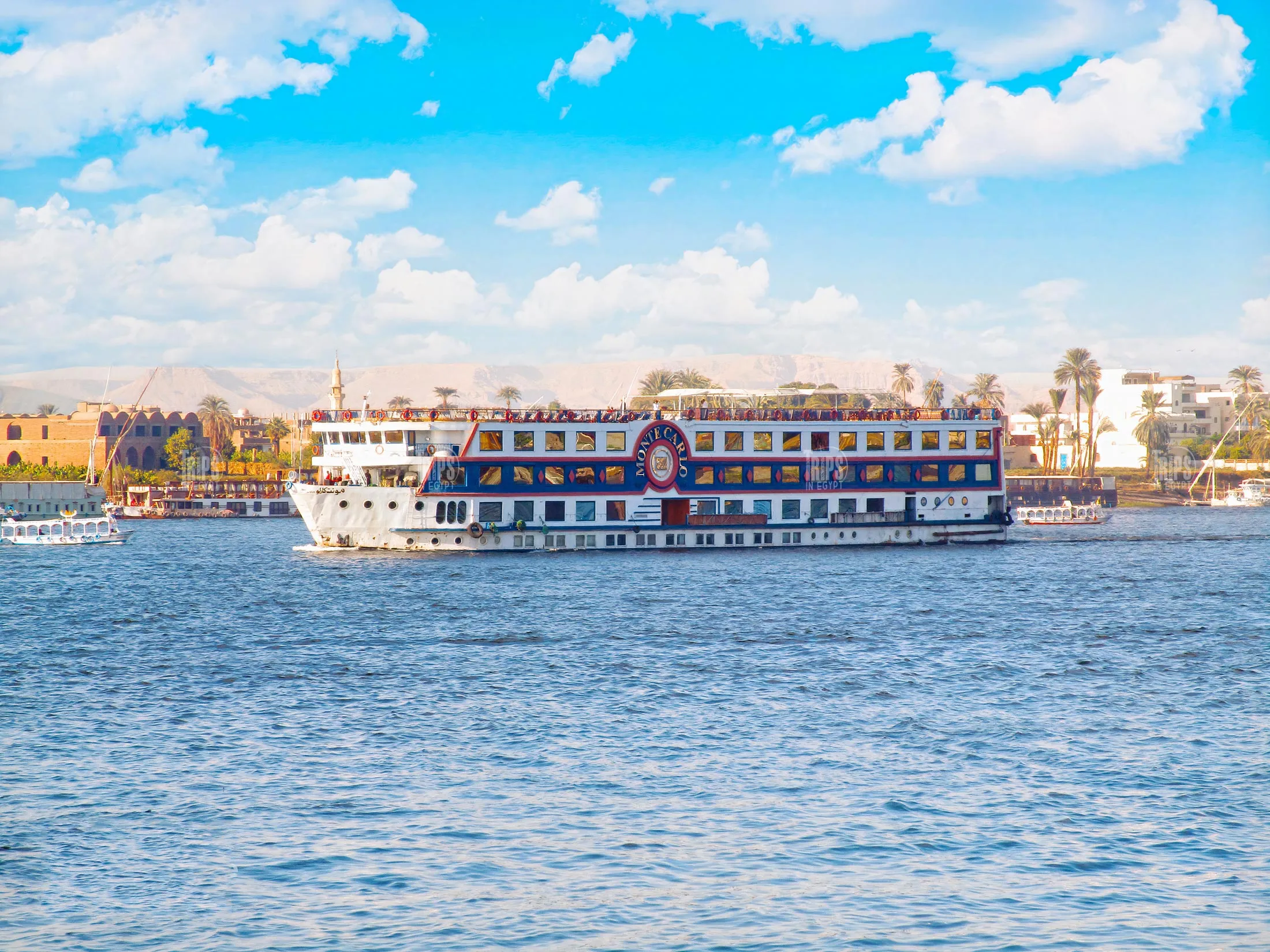
10 Days Cairo, Faiyum & Nile Cruise Holiday
Breathtaking 10 Days Journey of A Lifetime in Egypt 10 Days Cairo, Faiyum & Nile...
- Duration 10 Days / 9 Nights
- Location Cairo, Luxor, Aswan & Faiyum
- Type Classic Tour
From$1350/per person
View Tour SOLD OUT
Ultimate 7-Day Egypt Solar Eclipse Experience with Hurghada 2027
Enjoy a 7-Day Egypt Solar Eclipse Tour with Hurghada 2027 6 Nights Egypt Solar Ecli...
- Duration 7 Days / 6 Nights
- Location Cairo / Giza / Luxor / Hurghada
- Type Astronomical Tour
Sold Out
View Details