



Few pharaohs divided Egypt like Amenhotep IV. Within five years of taking the throne, he changed his name to Akhenaten, turned away from Amun and the old gods, and built a brand-new capital city in the desert for a single god, the sun disc Aten. This guide covers exactly who Amenhotep IV really was, his achievements, his wife Nefertiti, his real face, his troubles, his tomb, and how he died.

Who Was Amenhotep IV?
Amenhotep IV was an 18th Dynasty pharaoh of the New Kingdom who ruled Egypt for about 17 years, from around 1353 to 1336 BC. He is better known as Akhenaten, the name he took in his fifth regnal year when he made the Aten, the disc of the sun, the center of Egyptian religion.
He was the son of Amenhotep III and Queen Tiye, the husband of Nefertiti, and most likely the father of Tutankhamun. After his death, later kings tore down his monuments and left his name off the official king lists, so he was almost forgotten until archaeologists rediscovered his city in the 19th century.
Amenhotep IV at a Glance
| Fact | Details |
|---|---|
| Birth name | Amenhotep, "Amun is satisfied" |
| Later name | Akhenaten, "Effective for the Aten" |
| Dynasty | 18th Dynasty, New Kingdom |
| Reign | About 1353 to 1336 BC (17 years) |
| Parents | Amenhotep III and Queen Tiye |
| Great Royal Wife | Nefertiti |
| Other known wife | Kiya |
| Children | Six daughters with Nefertiti; probably Tutankhamun |
| Capital | Akhetaten (Tell el-Amarna) |
| God | The Aten (sun disc) |
| Tomb | Royal Tomb at Amarna; possibly reburied in KV55 |
Amenhotep IV Early Life
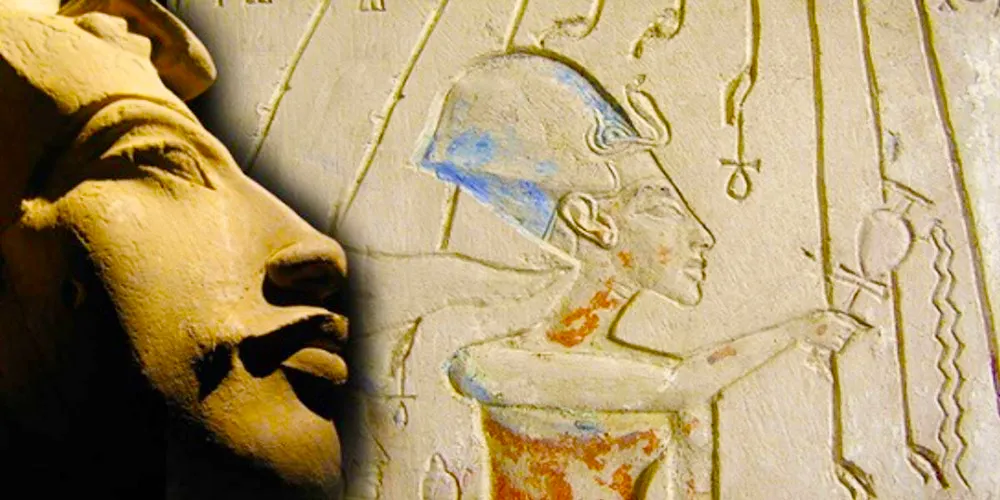
Amenhotep IV was the younger son of Amenhotep III, one of Egypt's wealthiest kings, and his influential wife Tiye. His elder brother, Crown Prince Thutmose, died young, leaving Amenhotep as heir. Some scholars believe father and son ruled together for a time, but the length of any co-regency is still debated.
He began his reign in Thebes, the religious heart of Egypt. His first projects decorated the southern gateway of the temple of Amun-Re with scenes of the king worshipping the sun god Re-Horakhty.
Soon he went further. East of the main temple at Karnak, he built a group of temples for the Aten, the largest called the Gempaaten, "the Aten is found." They were built with small, standard-sized sandstone blocks known as talatat, which were quicker to carry and lay.
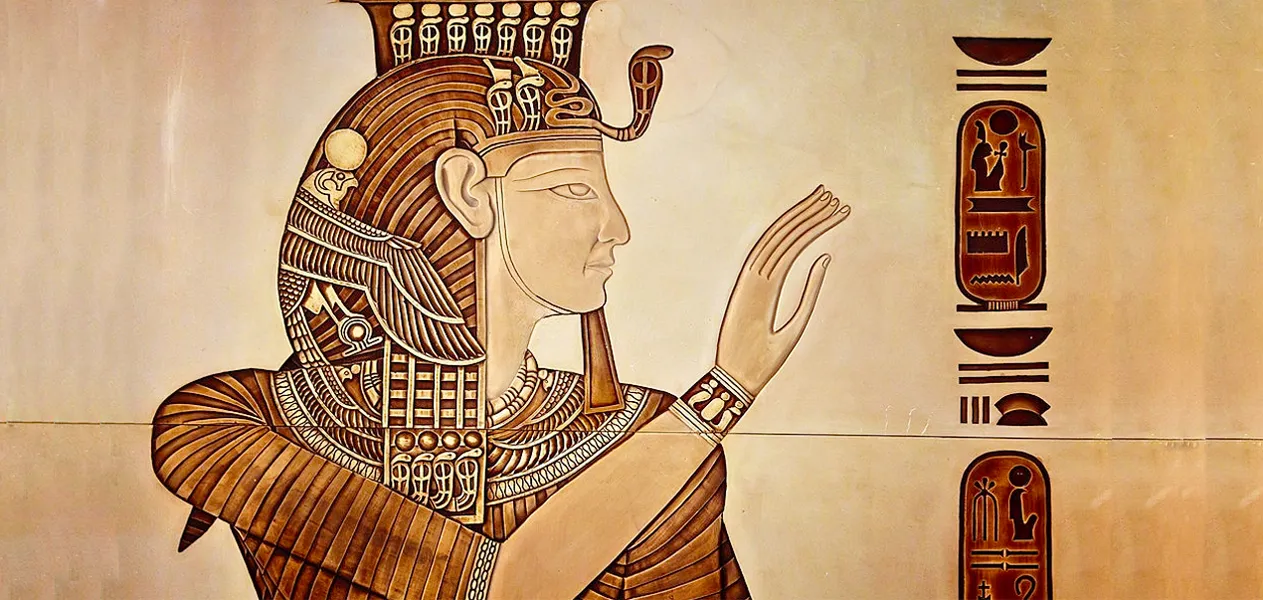
One of these temples, the Hwt-benben, was dedicated to Nefertiti, who is shown leading offerings to the Aten on her own. Such a prominent role for a queen was highly unusual.
How Amenhotep IV Became Akhenaten
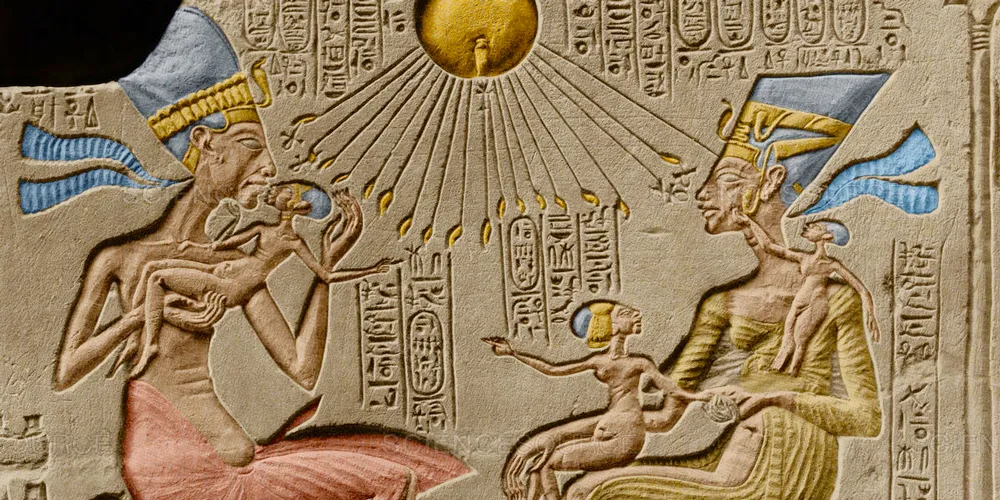
In his fifth regnal year, Amenhotep IV changed his name to Akhenaten, usually translated as "Effective for the Aten" or "Beneficial to the Aten." The new name marked a complete break with Amun, the god of Thebes whose priests controlled vast wealth.
The Aten was shown as a sun disc with rays ending in small hands, offering the sign of life to the royal family. Akhenaten presented himself and Nefertiti as the only link between the Aten and the people, so ordinary Egyptians were expected to worship the god through the royal couple.
In the following years, the king's agents closed or neglected many temples, and the name of Amun was chiseled off monuments across Egypt. Many scholars describe this as one of the earliest known forms of monotheism, although some prefer henotheism, since other gods were not always denied outright.
The Amarna Letters
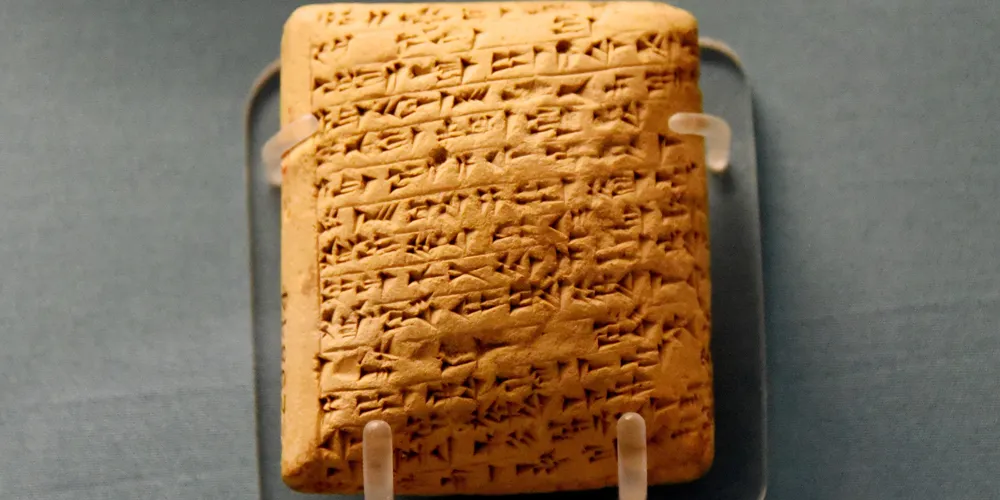
The Amarna Letters are a collection of about 380 clay tablets found at Amarna in 1887. Most are written in cuneiform in Akkadian, the diplomatic language of the time, and record correspondence between the Egyptian court and the great powers of Babylon, Mitanni, Assyria and the Hittites.
Many letters come from Egypt's vassal rulers in Canaan and Syria. Rib-Hadda of Byblos wrote repeatedly asking for help against Abdi-Ashirta of Amurru and later his son Aziru, who were expanding their power and drifting toward the Hittites.
Aziru was eventually summoned to Egypt and held there for some time before being allowed to return as the Hittite threat grew in the north. The letters suggest that Egypt's influence in the region weakened during this period.
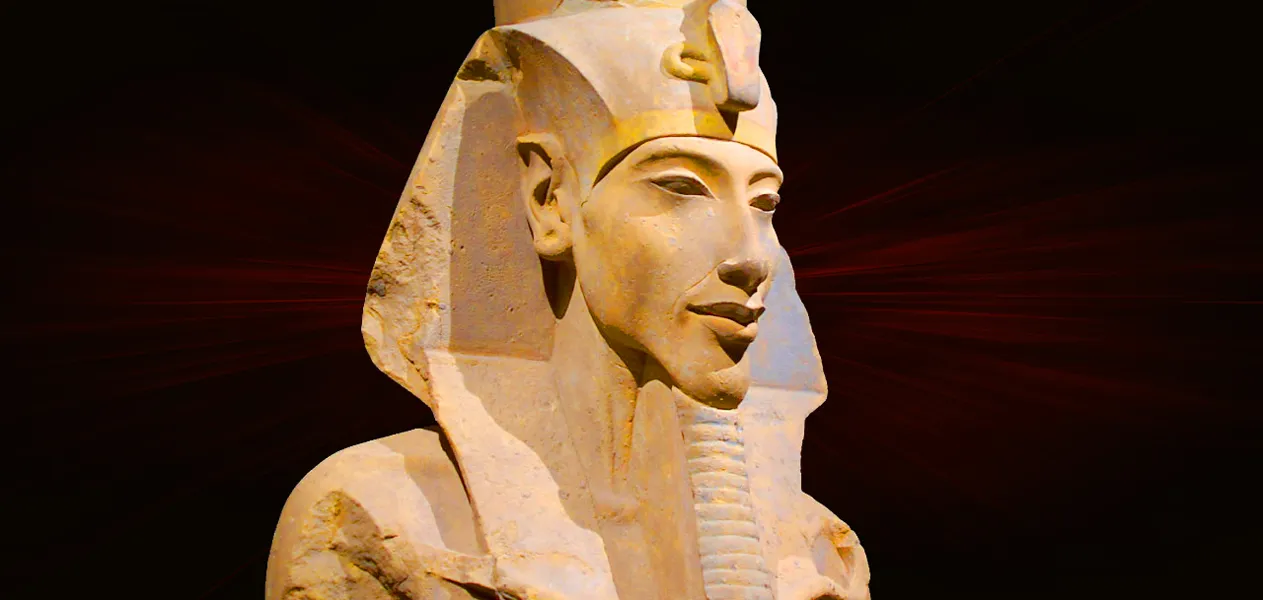
The letters show the king's diplomacy at work, but they also show a new style of court life. In Amarna art, the royal family was shown with long faces, slender necks, narrow waists and full hips, often in relaxed family scenes beneath the rays of the Aten.
The Illness of King Akhenaten
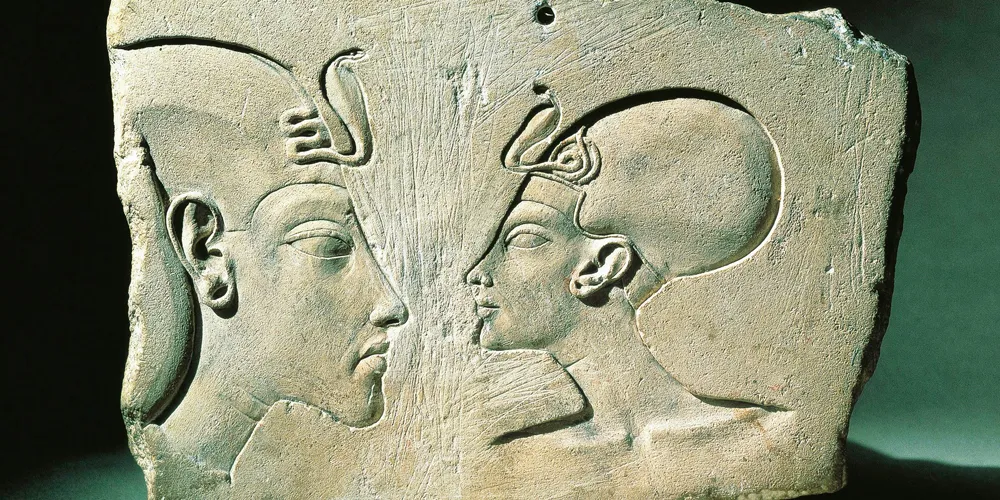
Akhenaten's unusual appearance in art led some researchers to suggest that he suffered from a genetic condition, such as Marfan syndrome or a hormonal disorder. These theories were based on his long skull, elongated face and limbs, and wide hips.
However, a major 2010 study of royal mummies, which used DNA and CT scans on the KV55 mummy thought to be Akhenaten, found no clear evidence of Marfan syndrome or similar disorders. Many Egyptologists now see the style as a deliberate artistic and religious choice, perhaps showing the king as both father and mother of his people, like the Aten itself.
Achievements of King Amenhotep IV
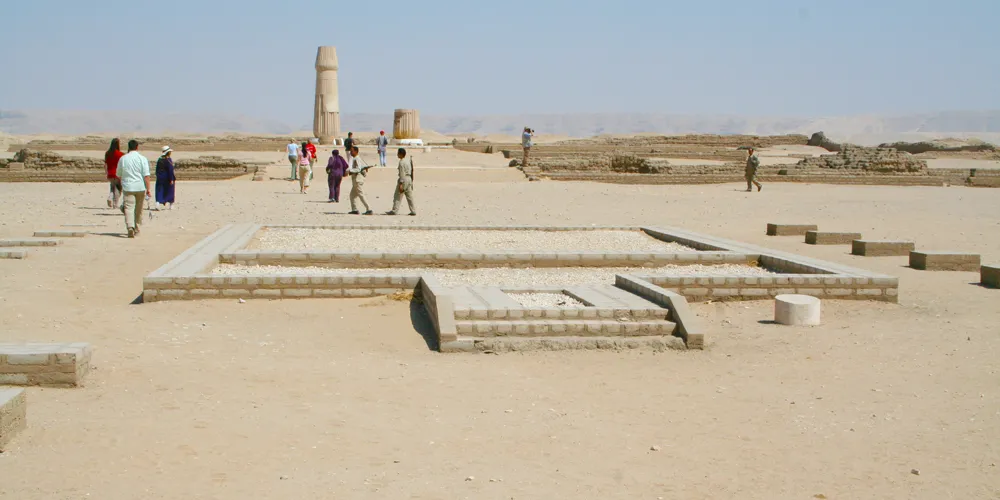
Akhenaten's achievements changed Egyptian religion, art and history, even though most of his reforms were reversed after his death.
1. He Started a New Religion Centered on One God
Akhenaten raised the Aten above all other ancient Egyptian gods and made it the focus of state worship. This is often described as the world's first recorded attempt at monotheism. Some writers have compared it with later faiths, but there is no proven link between the Aten cult and the origins of Judaism or Christianity.
2. He Established the City of Amarna
In his fifth year, Akhenaten founded a new capital called Akhetaten, "Horizon of the Aten," on an empty stretch of the Nile's east bank, about halfway between Memphis and Thebes. Today the site is known as Tell el-Amarna, in Minya Governorate. Boundary stelae carved into the cliffs mark the city's limits, and estimates of its population range from about 20,000 to 50,000 people.
3. He Promoted a New Style of Art
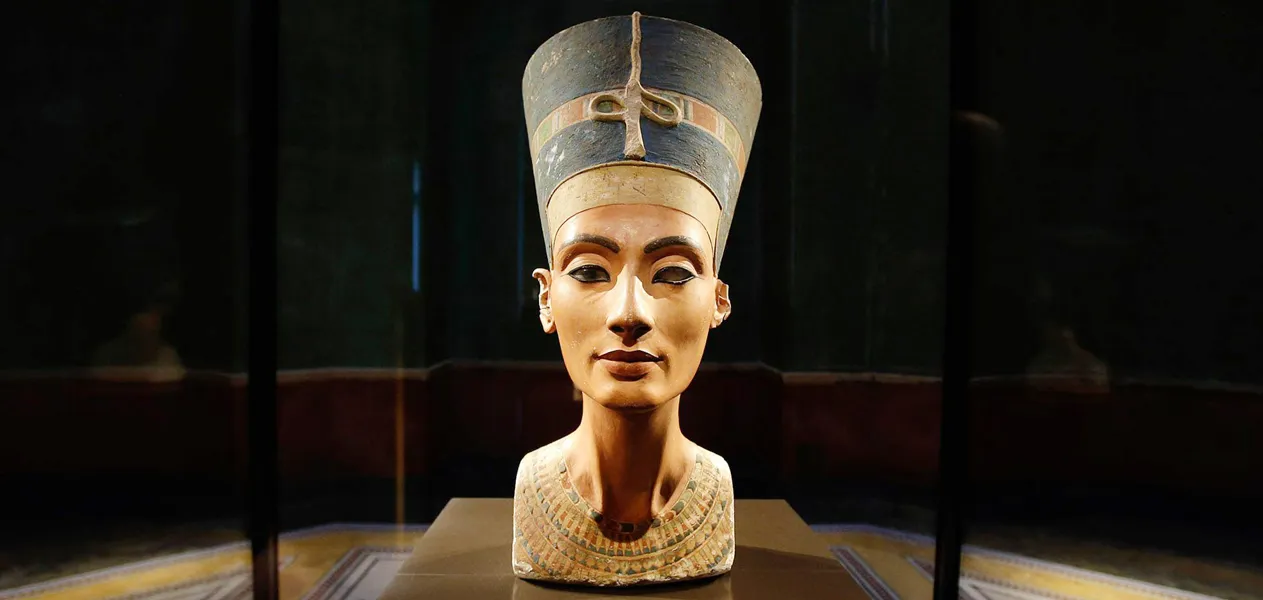
Amarna art broke centuries of rules set by traditional ancient Egyptian art. Instead of stiff, idealized poses, artists showed the king kissing his daughters, eating with his family and playing with his children. The sculptor Thutmose worked in this era, and his workshop at Amarna held the famous painted bust of Nefertiti, found in 1912.
4. He Wrote, or Inspired, the Great Hymn to the Aten
The Great Hymn to the Aten, carved in the tomb of the official Ay at Amarna, praises the sun as the creator of all life. It is one of the most beautiful religious texts of ancient Egypt, and scholars have long noted similarities with Psalm 104 of the Bible.
5. He Gave Royal Women a New Place
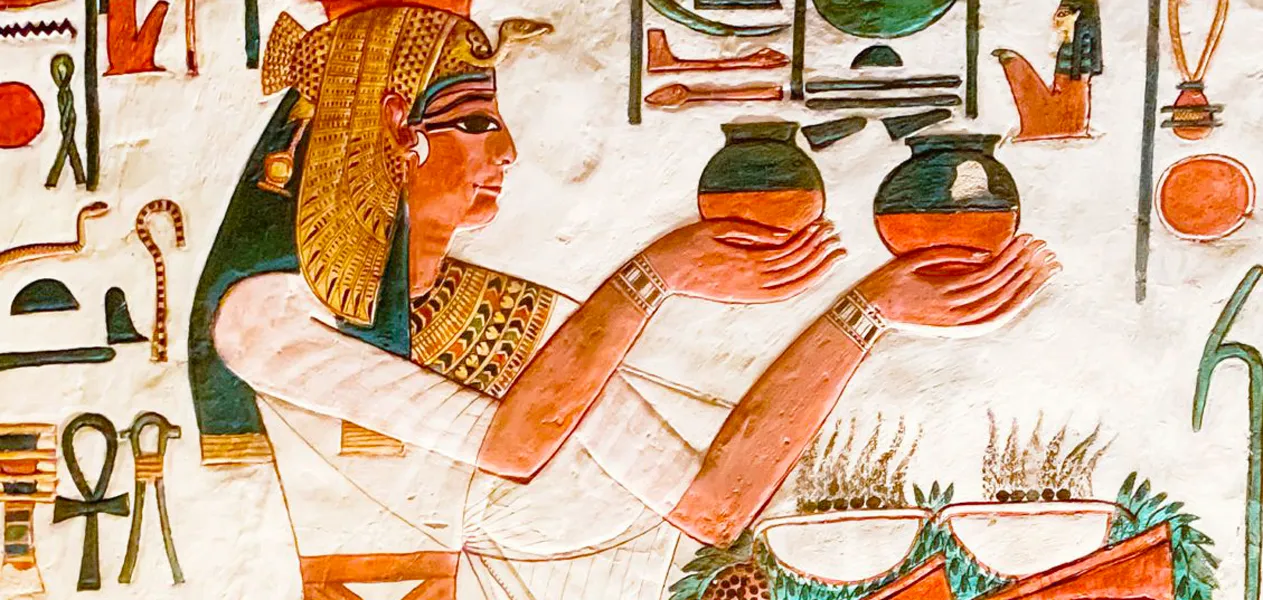
Nefertiti appears beside the king in almost every scene, sometimes wearing a king's crown or striking down enemies, which was a royal role. Her prominence makes the Amarna period one of the most important for understanding the power of royal women in Egypt.
6. He Left a Unique Diplomatic Archive
The Amarna Letters are among the most valuable records of international relations in the ancient world. They name kings, gifts, marriages and quarrels across the Near East in the 14th century BC.
Akhenaten's Wife and Family
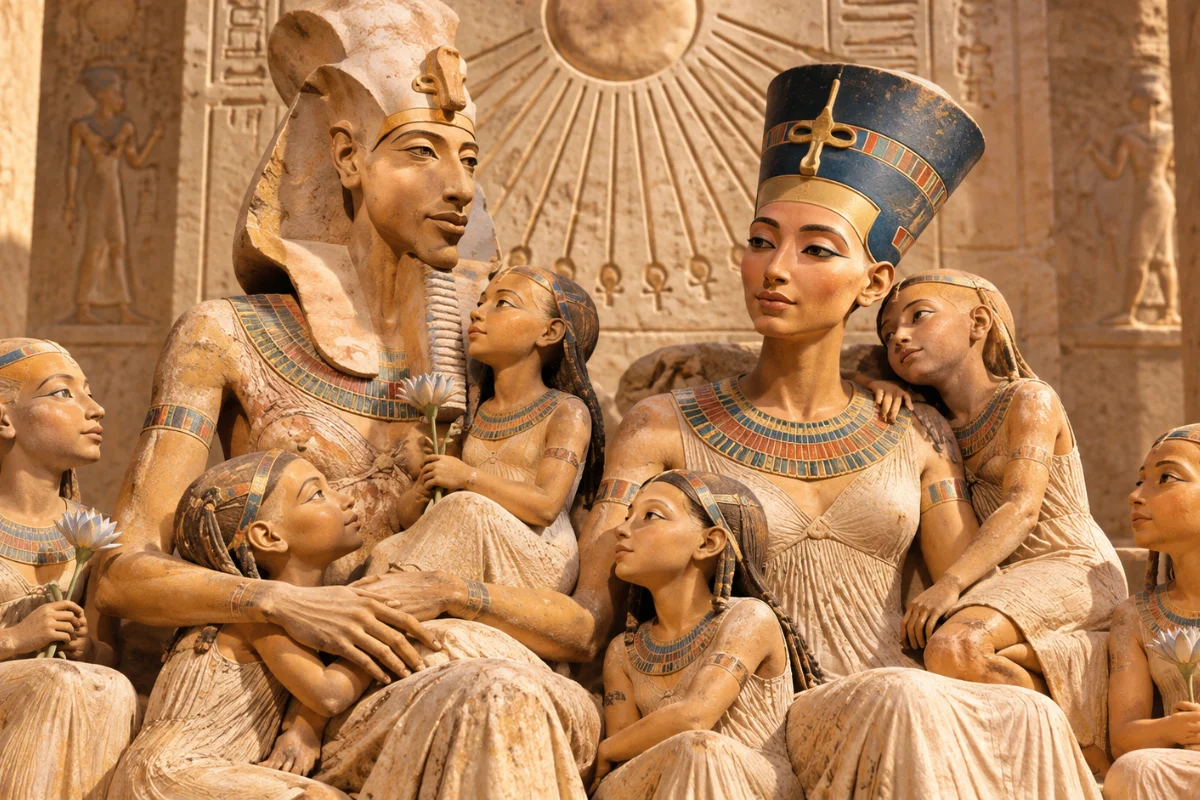
Akhenaten's Great Royal Wife was Nefertiti, whose name means "the beautiful one has come." Together they had six daughters: Meritaten, Meketaten, Ankhesenpaaten, Neferneferuaten Tasherit, Neferneferure and Setepenre.
He also had a secondary wife named Kiya, who was given the title "Greatly Beloved Wife." She disappears from the records late in his reign, and her images were later recarved for one of his daughters.
His most famous son is almost certainly Tutankhamun, born Tutankhaten. DNA tests published in 2010 identified the KV55 mummy as Tutankhamun's father, and most researchers think that mummy is Akhenaten. The same study suggested that Tutankhamun's mother was a sister of the KV55 man, known only as the "Younger Lady." Her name is still debated.
His third daughter, Ankhesenpaaten, later married Tutankhamun and became Queen Ankhesenamun. You can follow the rest of the family story in our guide to King Tutankhamun.
Amenhotep IV's Real Face
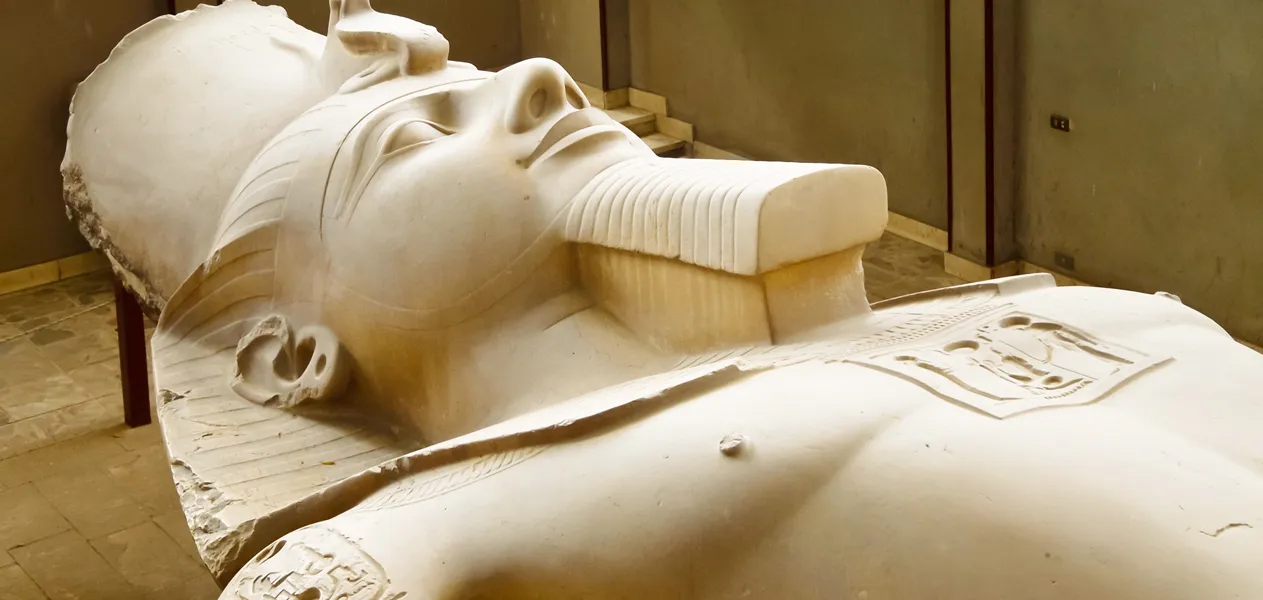
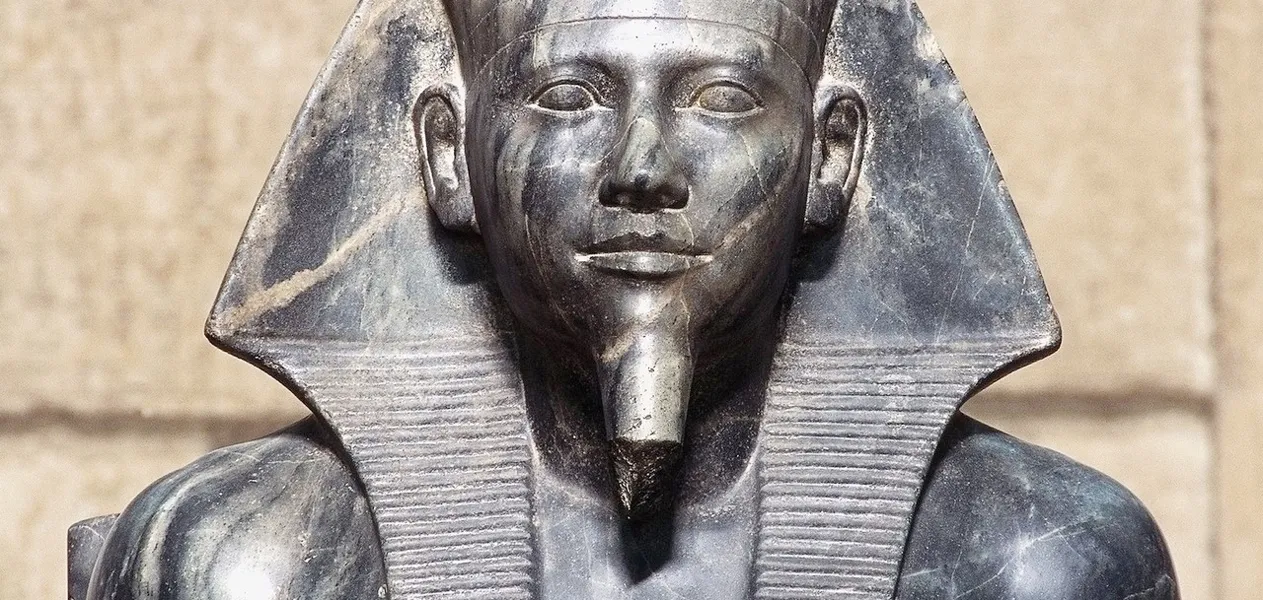
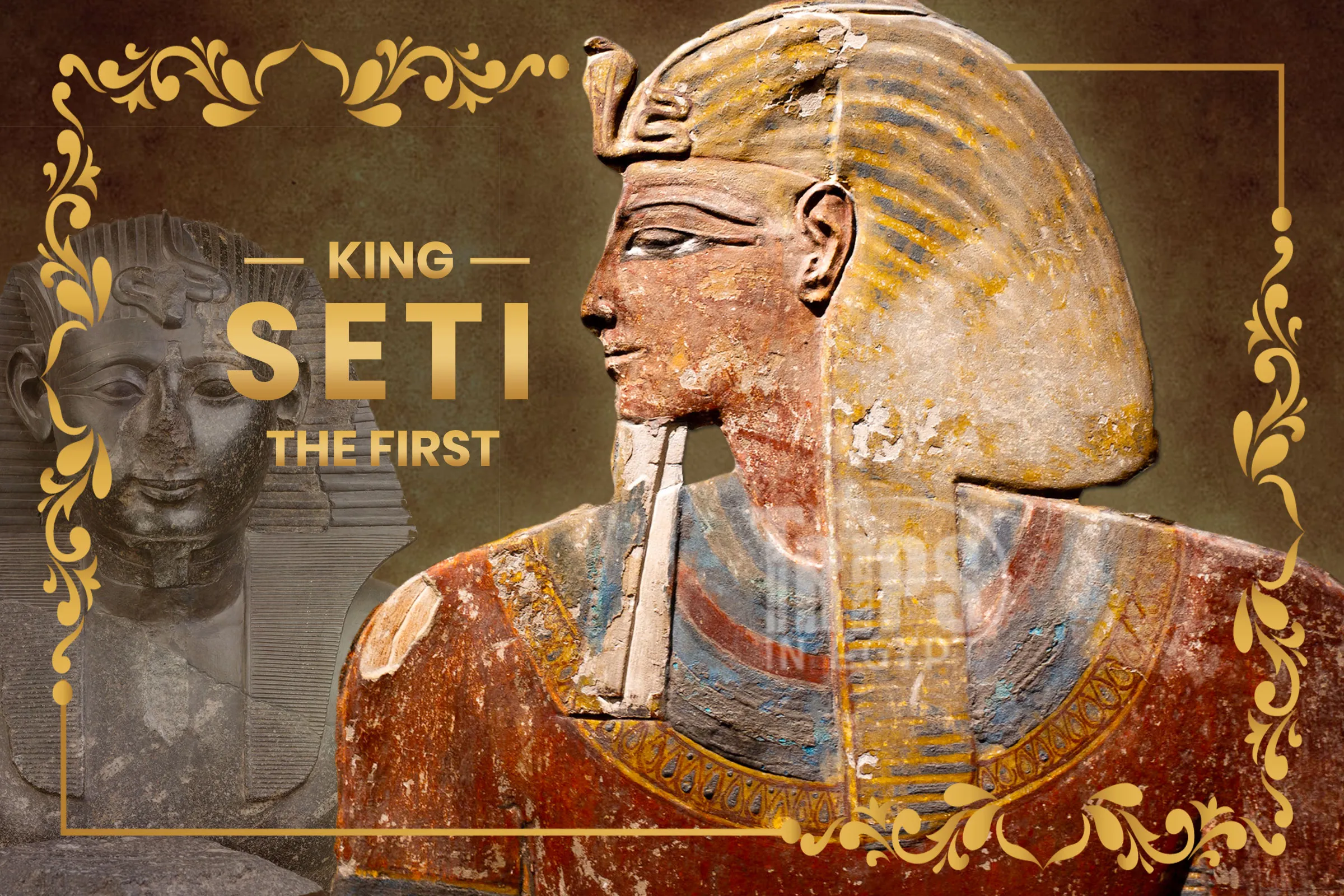
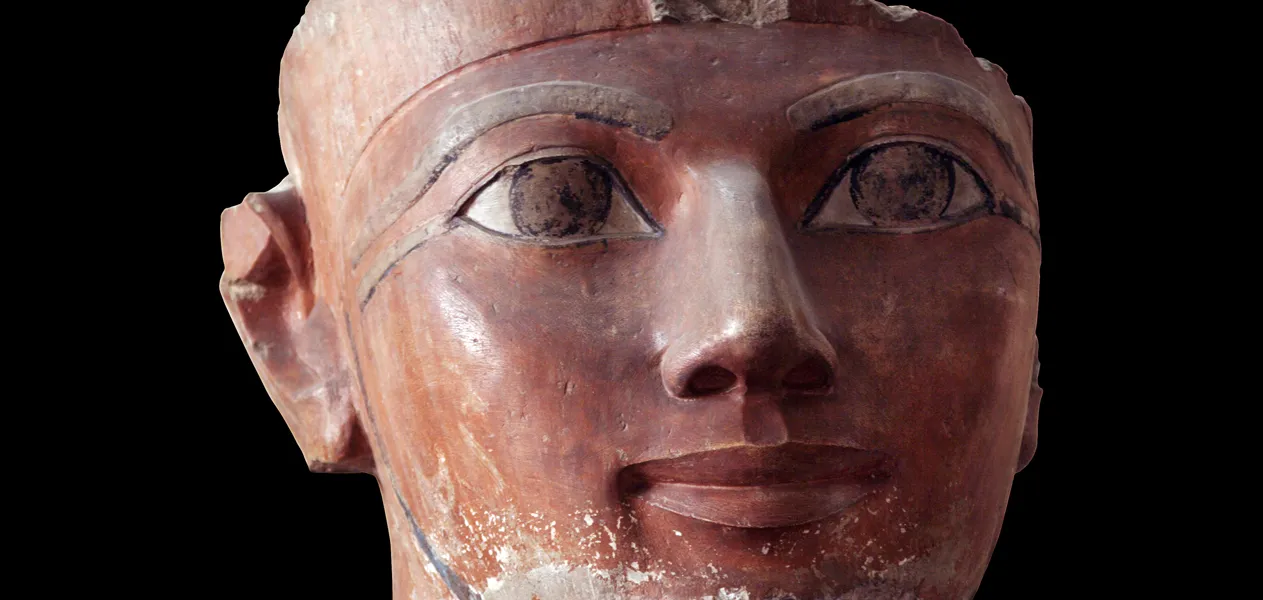
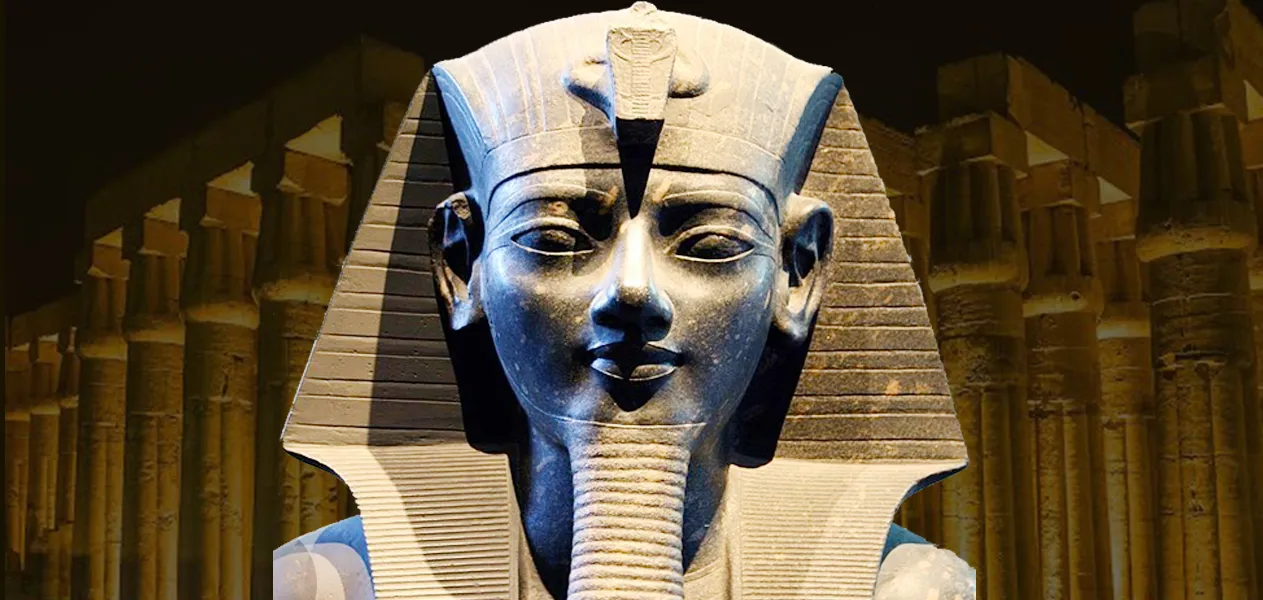
No one can know exactly what Akhenaten looked like, because Amarna art exaggerated his features on purpose. His early colossal statues from Karnak show a long, narrow face with full lips and heavy-lidded eyes. Later portraits from the Amarna workshops are softer and more naturalistic.
Forensic artists have also made facial reconstructions based on the skull of the KV55 mummy. These show a man with a slim face and a strong jaw. Because the identity of the KV55 mummy is not fully proven, they should be seen as informed estimates rather than certain portraits.
Some of Akhenaten's most striking statues are now in Egypt's great museums. Our guide to the Grand Egyptian Museum covers the best collections of New Kingdom royal art.
Troubles During Akhenaten's Reign
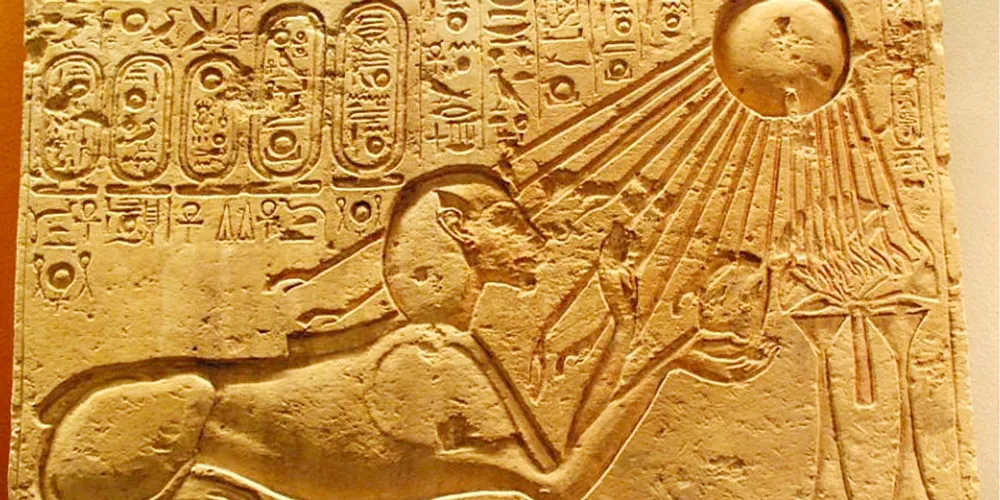
His reforms came at a price, and many problems grew during the second half of his reign.
1. The Decline of Imperial Power
Akhenaten led few known military campaigns. The Amarna Letters show vassals in Canaan and Syria pleading for troops that rarely arrived, while the Hittites gained ground in the north. Egypt lost some of its influence in the region.
2. People Did Not Fully Accept the New Religion
The Aten had no myths, no statues in human form and few festivals for ordinary people. Excavations at Amarna found household figures of traditional gods such as Bes and Taweret, which suggests many people kept their old beliefs at home.
3. The New Religion Strained the Economy
Temples were not only places of worship but also huge employers, landowners and storehouses. Closing them and moving the court to Amarna disrupted jobs, offerings and the wealth that had flowed through the temples of Amun.
4. A Wave of Illness
Letters from the period mention plague spreading across the Near East. Some historians think disease may also have struck Egypt and the royal family, as several of Akhenaten's daughters disappear from the records in his final years.
How Did Akhenaten Die?
Akhenaten died in his 17th regnal year, around 1336 BC. No record explains how. Because his mummy has never been identified with complete certainty, his cause of death remains unknown. Theories include illness, possibly linked to the epidemics of the time, but none can be proven.
How Old Was Akhenaten When He Died?
His exact age at death is unknown. If he came to the throne as a young man and ruled for 17 years, he was probably in his 30s or 40s when he died. Age estimates for the KV55 mummy vary widely, from the mid-20s to the mid-40s, depending on the study and method.
What Happened After Akhenaten?
After a short reign by Smenkhkare and a ruler called Neferneferuaten, possibly Nefertiti herself, the young Tutankhaten came to the throne. He changed his name to Tutankhamun, returned the court to Memphis and Thebes, and restored the old gods.
Later kings, especially Horemheb, dismantled Akhenaten's temples and reused thousands of talatat blocks inside the pylons at Karnak. Akhenaten's name was left off the official king lists, and later texts avoid his name, calling him "the enemy" or "that criminal of Akhetaten."
King Amenhotep IV Tomb
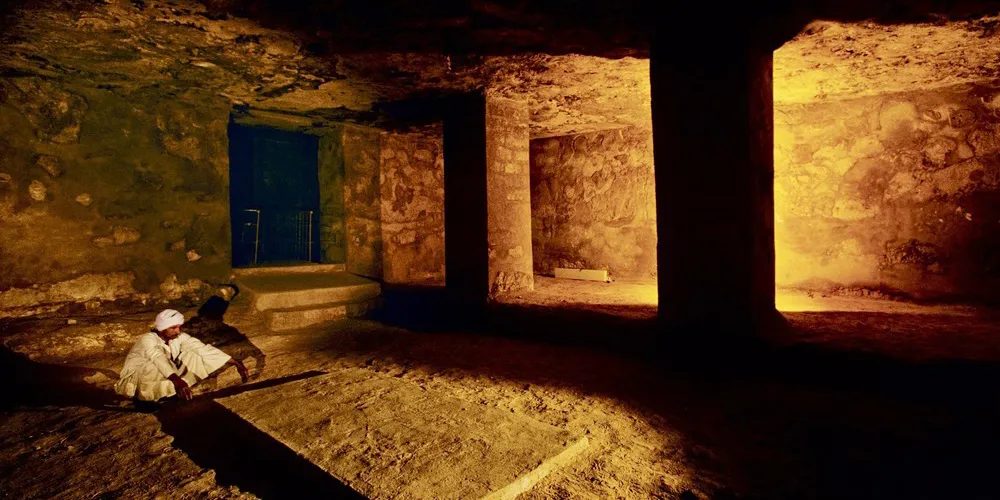
Akhenaten's tomb is not in the Valley of the Kings. He was first buried in the Royal Tomb at Amarna, cut into a remote valley known as the Royal Wadi, east of his city. It was found by local villagers in the 1880s and later cleared by archaeologists.
-
Entrance stairway and corridor: a long descending corridor cut into the rock.
-
Well shaft: a deep pit that protected the burial and collected rainwater.
-
Side chambers (alpha, beta and gamma): a suite for family members, including reliefs showing the royal family mourning a princess, probably Meketaten.
-
Unfinished rooms: chambers that may have been meant for Nefertiti or other relatives.
-
Burial chamber: a pillared hall where the king's granite sarcophagus once stood.
Fragments of Akhenaten's red granite sarcophagus have been pieced back together and are now in the Egyptian Museum in Cairo. Instead of protective goddesses, figures of Nefertiti were carved at its corners, and it remains one of the most unusual royal objects among the museums of Egypt.
Akhenaten's Tomb and KV55
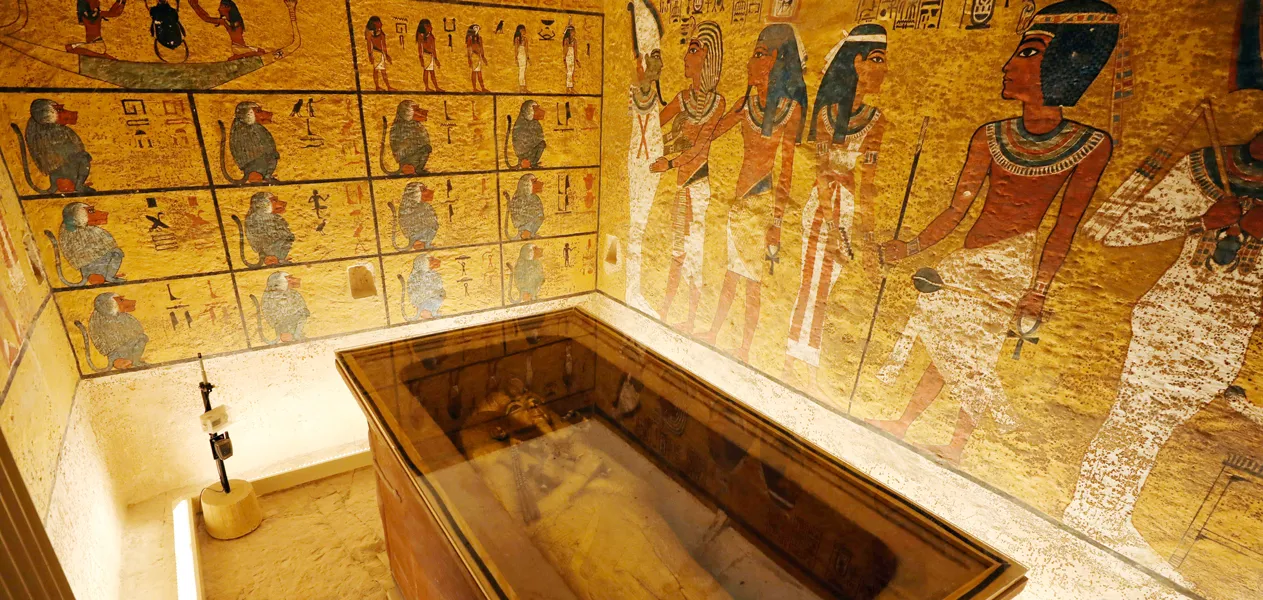
After the Amarna era ended, Akhenaten's body was probably moved to Thebes for safety. In 1907, Edward Ayrton, working for Theodore Davis, found a small, damaged tomb in the Valley of the Kings, known as KV55. It held a coffin with its name cut out and a mummy that DNA studies link to Tutankhamun's father. Most researchers now think this is Akhenaten, although some still argue for Smenkhkare. Tutankhamun's own tomb, discovered in 1922, lies only a short walk away.
10 Fun Facts About Akhenaten
-
His original name, Amenhotep, honored Amun, the god he later rejected.
-
He was not the eldest son. His brother Thutmose died before him.
-
His city of Akhetaten was built in only a few years and abandoned soon after his death.
-
His temples had no roof over the main altars, so worship took place in direct sunlight.
-
The famous bust of Nefertiti was found in a sculptor's workshop in his city.
-
He is probably the father of Tutankhamun, one of the best-known pharaohs today.
-
His name was left off the official lists of Egyptian pharaohs for more than 3,000 years.
-
Thousands of his talatat blocks were later found hidden inside the pylons of Karnak.
-
His reign produced the earliest known archive of international diplomatic letters.
-
Scholars still debate whether his god was truly the only one he allowed.
Unforgettable Memories in Egypt
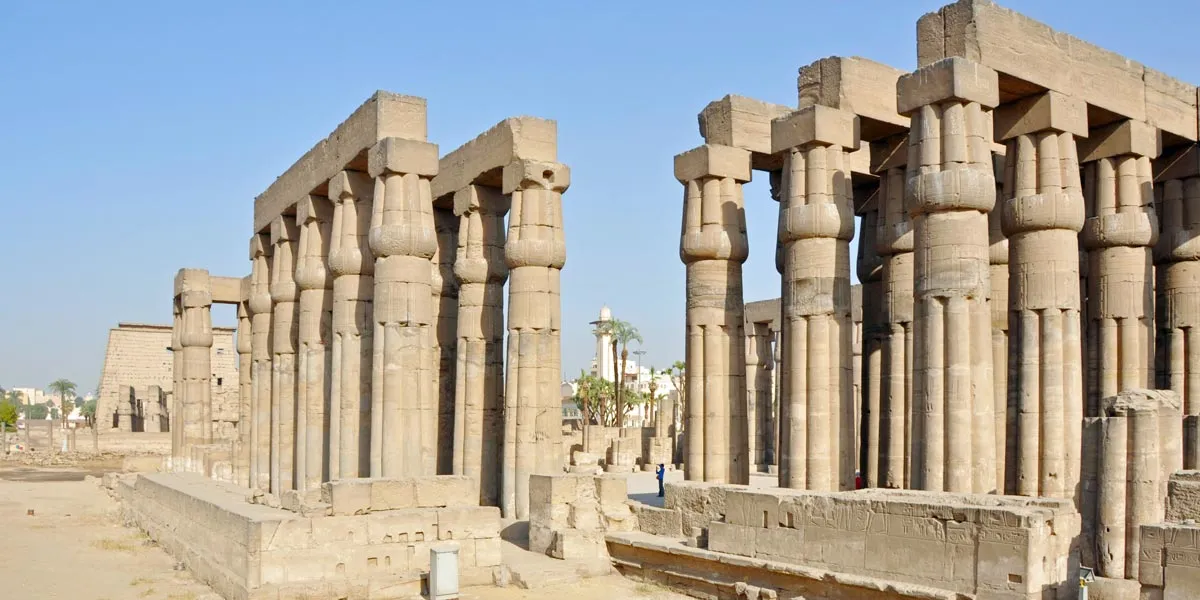
Akhenaten's story begins at Karnak, where his first temples to the Aten once stood. You can walk the same temple grounds on our Day Trip to Luxor East Bank, which covers Karnak and Luxor Temple.
Akhenaten is only one chapter of Egypt's long story. Our Egypt travel packages combine Cairo's museums with the temples of Luxor and Aswan.
Conclusion
Amenhotep IV ruled Egypt for only 17 years, yet his reign still fascinates the world. As Akhenaten, he raised the Aten above the old gods, built a capital in the desert, freed artists from ancient rules and stood beside a queen of rare power. His successors tried to erase him, but his ruined city, his letters and his son's golden tomb have kept his memory alive under the Egyptian sun.
Day Trip to Luxor East Bank
Unforgettable Day Trip to Luxor East Bank Day trip to Luxor East Bank is a royal adve...
- Duration 1 Day
- Location Luxor
- Type Historical Tour
From$115/per person
View Tour
Full Day Tour to Luxor West Bank
Wonderful Full-Day Tour to Luxor West Bank Full-Day tour to Luxor West Bank will open...
- Duration 1 Day
- Location Luxor
- Type Historical Tour
From$60/per person
View Tour
Day Tour from Luxor to Edfu & Kom Ombo
Day Tour from Luxor to Edfu & Kom Ombo Day tour from Luxor to Edfu & Kom Ombo...
- Duration 1 Day
- Location Aswan
- Type Historical Tour
From$115/per person
View Tour
Luxor Hot Air Balloon Ride
Breathtaking Luxor Hot Air Balloon Ride Luxor Hot Air Balloon Ride will feel like a d...
- Duration 1 Day
- Location Luxor
- Type Historical Tour
From$80/per person
View Tour