



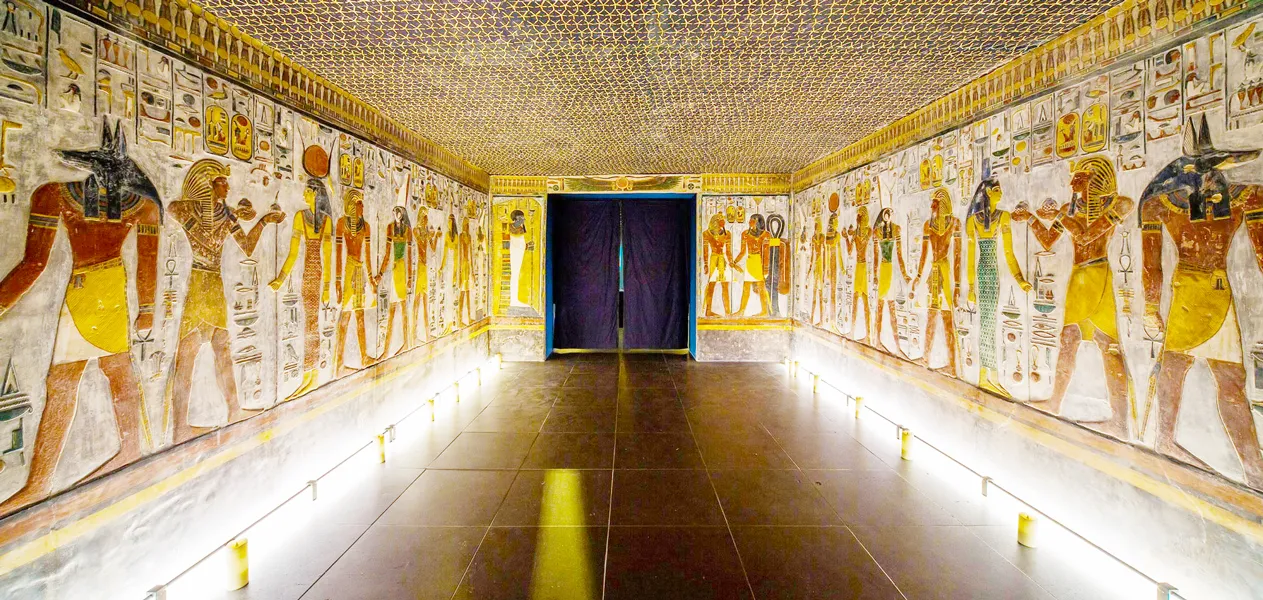
The Valley of the Kings is the royal cemetery of Egypt’s New Kingdom, hidden in the desert hills on Luxor’s west bank. For nearly 500 years, pharaohs such as Thutmose I, Seti I, Ramesses II and Tutankhamun were buried here in painted tombs cut deep into the rock. In this guide, you will find the key facts, how many tombs there are, the famous ones to see, and how to plan your visit.

What Is the Valley of the Kings and Why Is It Important?
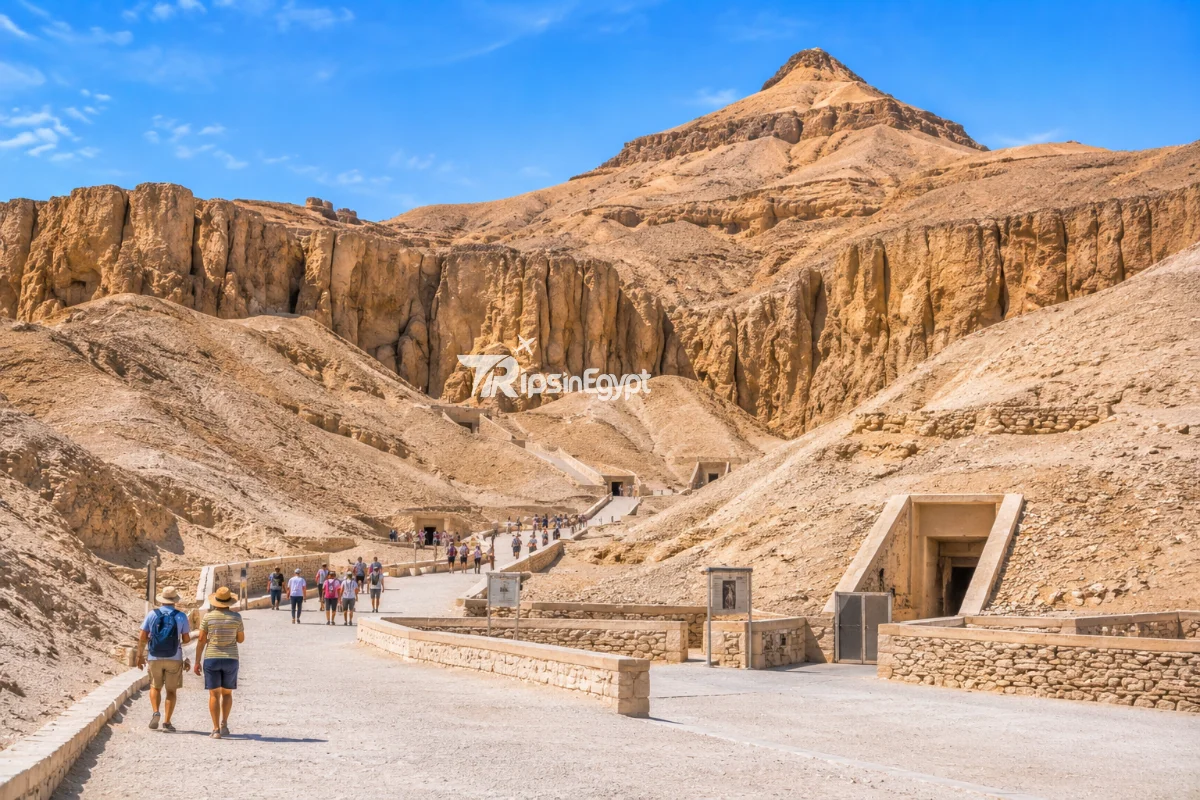
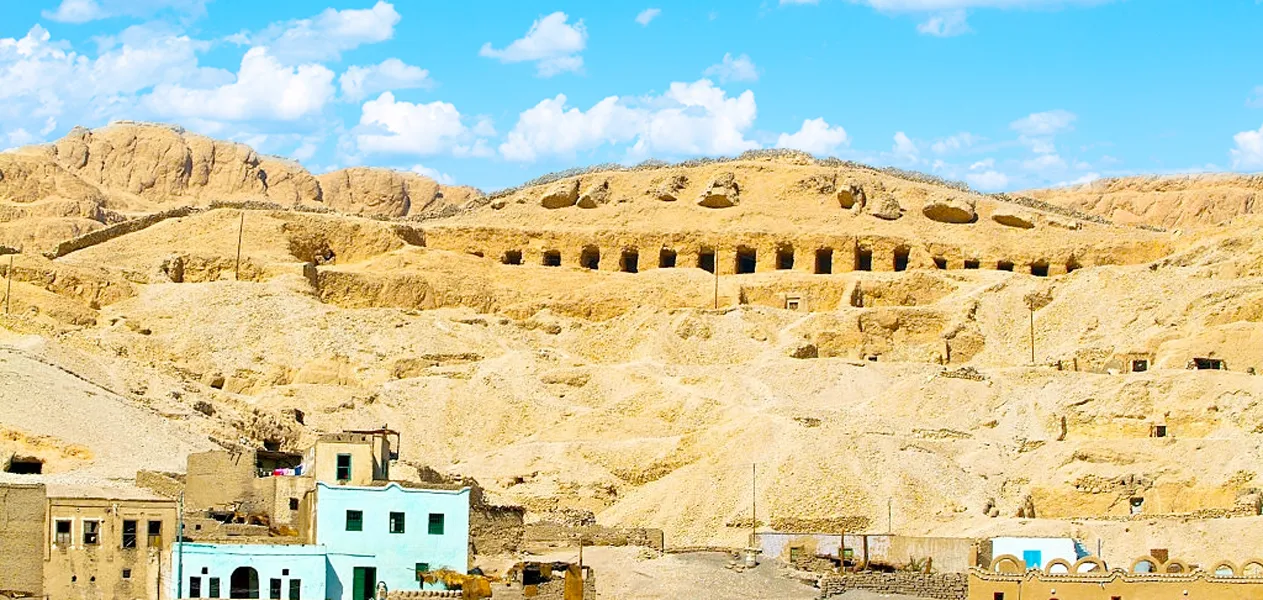
The Valley of the Kings is a dry desert valley on the west bank of the Nile at Luxor, where the kings of the 18th, 19th and 20th Dynasties were buried between about 1539 and 1075 BC. Instead of building pyramids, these rulers ordered long tombs cut into the limestone and covered with painted texts that guided them through the underworld. Locals call it Wadi el-Muluk or Biban el-Muluk, “the Gates of the Kings”, after the tomb doorways in the cliffs. Its ancient name was “The Great and Majestic Necropolis of the Millions of Years of Pharaoh in the West of Thebes”.
The valley matters because it holds the burials of the most powerful rulers of the Egypt New Kingdom, Egypt’s age of empire. Its tomb paintings are the best surviving record of how Egyptians imagined the journey of the sun and the king through the night. The difference from the pyramids is time and design. The Giza pyramids were built about 1,000 years earlier as huge visible monuments near Memphis, while the Valley of the Kings tombs were hidden underground near Thebes. The pyramid-shaped peak of El-Qurn above the valley may have echoed that older tradition.
Valley of the Kings History
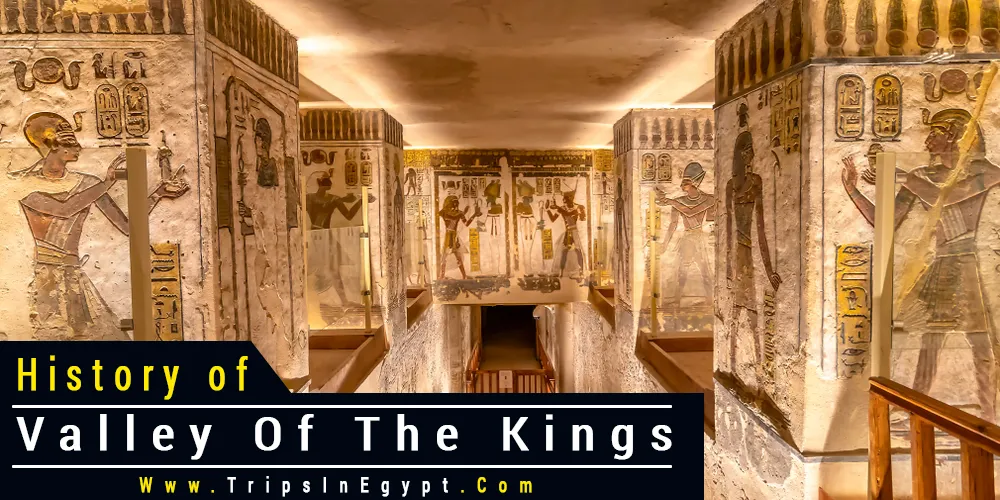
Thutmose I is the first king known to have chosen the valley, around 1500 BC. His architect Ineni wrote that he supervised the cutting of the king’s cliff tomb “alone, no one seeing, no one hearing”. Secrecy and the natural protection of the hills made the valley ideal. The tombs were dug and decorated by a skilled community of craftsmen who lived in the village of Deir el-Medina nearby. Royal burials continued under the Ramesside kings until the reign of Ramesses XI, the last king whose tomb was cut there, at the end of the 20th Dynasty.
After the New Kingdom, priests moved many royal mummies to safer hiding places, and later travelers rediscovered the open tombs. Greek and Roman visitors left more than 2,100 graffiti on the walls, so the valley was already a famous attraction 2,000 years ago. Scholars of Napoleon’s expedition mapped it in 1799, Giovanni Belzoni found the tomb of Seti I in 1817, and the American Theodore Davis financed many discoveries between 1902 and 1914. Howard Carter’s discovery of Tutankhamun’s tomb in 1922 made the valley world-famous, and UNESCO listed it in 1979 as part of Ancient Thebes with its Necropolis.
Discoveries still continue today. In 1995, Kent Weeks and the Theban Mapping Project revealed the true size of KV5, and new chambers called KV63 and KV64 were found in 2005 and 2011. In 2025, a British and Egyptian team announced the tomb of Thutmose II in the western wadis, about 2.5 km west of the valley. It was the first king’s tomb identified since Tutankhamun’s. Each find adds to the story and shows that the hills of Luxor still hold secrets that keep archaeologists, and travelers, coming back.
Valley of the Kings Location and Map
The Valley of the Kings lies on the west bank of the Nile opposite modern Luxor, ancient Thebes, in the hills behind the temple of Deir el-Bahari. Its coordinates are about 25.74° N, 32.60° E. Many people search for “Cairo Valley of the Kings”, but the valley is not in Cairo. It is about 500 km south of the capital, roughly a one-hour flight. From hotels on Luxor’s east bank, the drive across the bridge takes about 30 to 45 minutes. The valley has two branches: the East Valley, where most tombs and visitors are, and the quieter West Valley.
Most travelers combine the valley with the Hatshepsut Temple at Deir el-Bahari and the Colossi of Memnon, which together make the classic Luxor west bank day. You can arrive on a guided tour, by taxi from your hotel, or on a shore excursion from a Nile cruise, since most cruises dock at Luxor. From the visitor centre at the entrance, a small electric tram carries visitors to the tomb area. The map embedded below shows the valley’s position in relation to Luxor and the Nile.
Valley of the Kings Facts
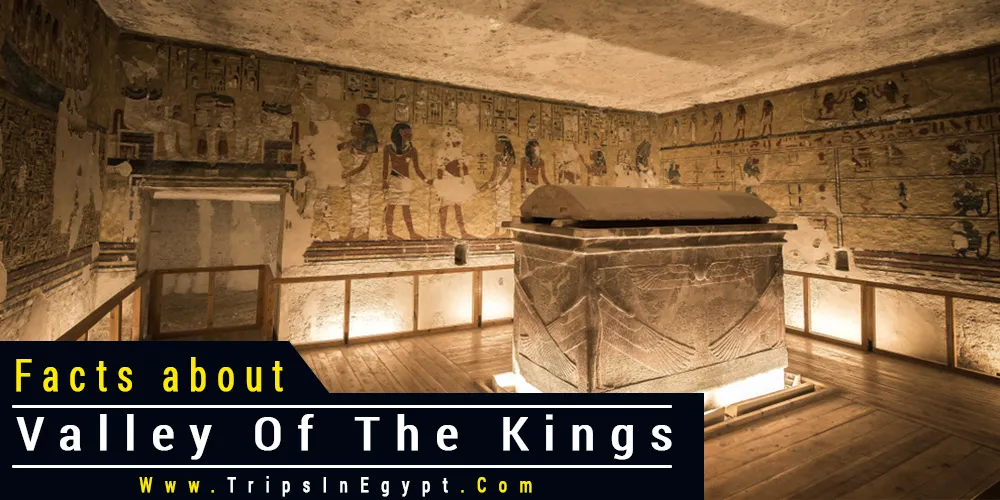
These are the 10 facts about the Valley of the Kings that visitors ask about most. Together they explain why this small desert valley ranks among the most famous archaeological sites on earth.
-
It was used for nearly 500 years. Royal tombs were cut there from about 1539 to 1075 BC, from Thutmose I to Ramesses XI.
-
It holds more than 60 tombs. The East Valley tombs are numbered KV1 to KV64, and the West Valley adds a few more.
-
Not all tombs belong to kings. Only about two dozen were made for pharaohs; others belonged to queens, princes, nobles and storage pits.
-
Tutankhamun’s tomb is KV62. Found in 1922, it was the only royal tomb discovered almost intact.
-
The deepest tomb belongs to Hatshepsut. KV20 runs for more than 200 m, with its burial chamber about 97 m below the surface.
-
The largest tomb is KV5. Built for the sons of Ramesses II, it has more than 120 corridors and chambers.
-
Seti I’s tomb is the finest. KV17 is one of the longest and best-decorated tombs in Egypt.
-
The workers had their own village. Craftsmen lived at Deir el-Medina and passed their skills from father to son.
-
Tourists visited in Roman times. Over 2,100 Greek and Latin graffiti survive on the tomb walls.
-
It is a UNESCO World Heritage Site. It was listed in 1979 with the rest of ancient Thebes.
How Many Tombs Are in the Valley of the Kings?
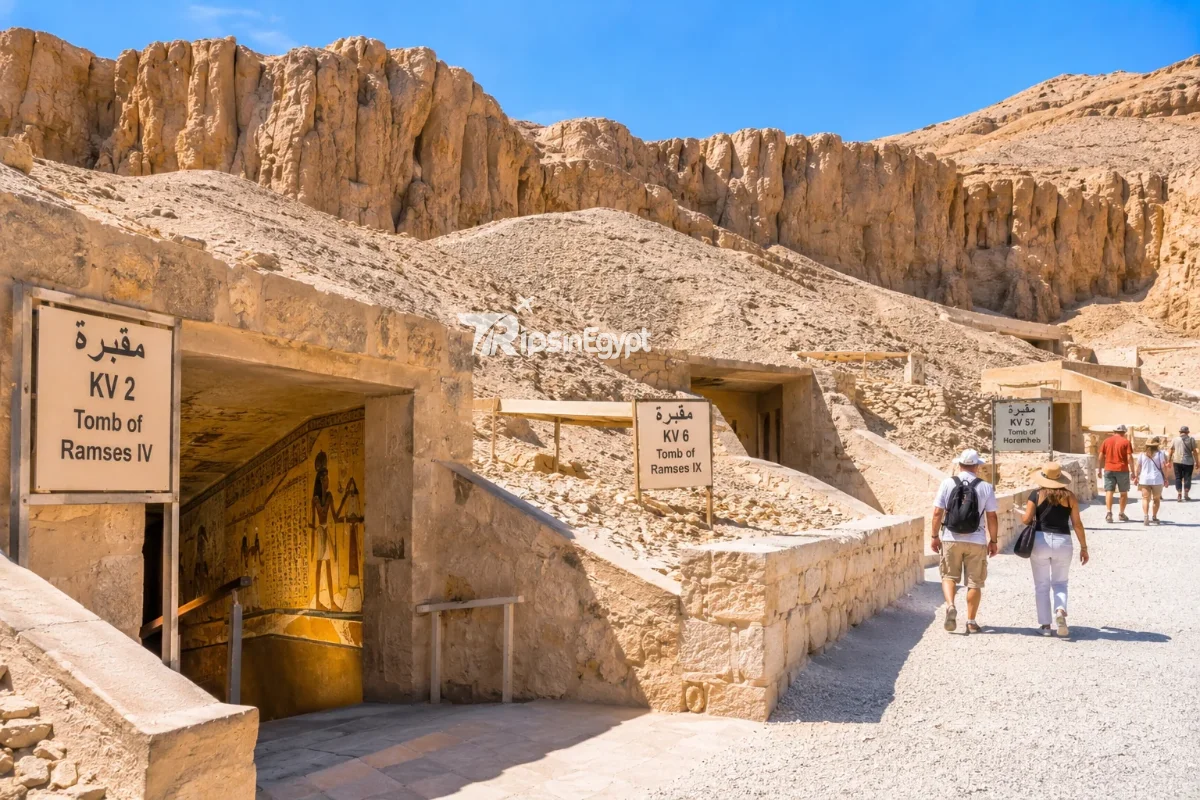
There are about 65 numbered tombs and chambers in the Valley of the Kings. Archaeologists label the East Valley tombs KV1 to KV64 in the order they were recorded, and the West Valley tombs carry WV numbers, such as WV22 for Amenhotep III and WV23 for Ay. On top of these, there are around 20 unfinished pits that were started and then abandoned. Only about two dozen tombs were made for kings, so many numbered tombs belonged to royal family members, nobles and officials, while some were simple pits used to store burial goods.
There is no exact count of how many bodies were buried in the valley, because most tombs were robbed in ancient times. Near the end of the New Kingdom, priests gathered the royal mummies and reburied them in hidden caches. One cache, in the tomb of Amenhotep II (KV35), held more than a dozen mummies, while another at Deir el-Bahari (DB320) held about 40 royal mummies and coffins. Most of these kings now rest in the National Museum of Egyptian Civilization in Cairo. Tutankhamun is the only king whose mummy still lies in his own tomb in the valley.
Famous Tombs in the Valley of the Kings
The valley holds dozens of tombs, but a handful stand out for their history, size or decoration. The table below lists the tombs travelers ask about most, with their numbers, so you can match them with the signs on site. Not all of them are open at the same time, because the antiquities authorities rotate tombs to protect the paintings. The sections that follow tell the story of the most famous burials, from the first king in the valley to the last.
|
Tomb |
Owner |
Why it matters |
|
KV62 |
Tutankhamun |
Found almost intact in 1922; the king’s mummy is still inside |
|
KV17 |
Seti I |
The finest painted tomb in the valley |
|
KV9 |
Ramesses V and VI |
Spectacular astronomical ceilings |
|
KV11 |
Ramesses III |
Long corridor with famous harpist scenes |
|
KV2 |
Ramesses IV |
Bright colors and ancient Greek graffiti |
|
KV20 |
Hatshepsut and Thutmose I |
The deepest and longest tomb |
|
KV34 |
Thutmose III |
Stick-figure Amduat scenes in a hidden cliff tomb |
|
KV57 |
Horemheb |
Unfinished scenes that show how tombs were painted |
|
KV7 |
Ramesses II |
One of the largest royal tombs, under long restoration |
|
KV5 |
Sons of Ramesses II |
The largest tomb, with over 120 chambers (closed) |
|
KV4 |
Ramesses XI |
The last royal tomb cut in the valley |
|
WV23 |
Ay |
The only West Valley tomb that is usually open |
Tomb of Thutmose I
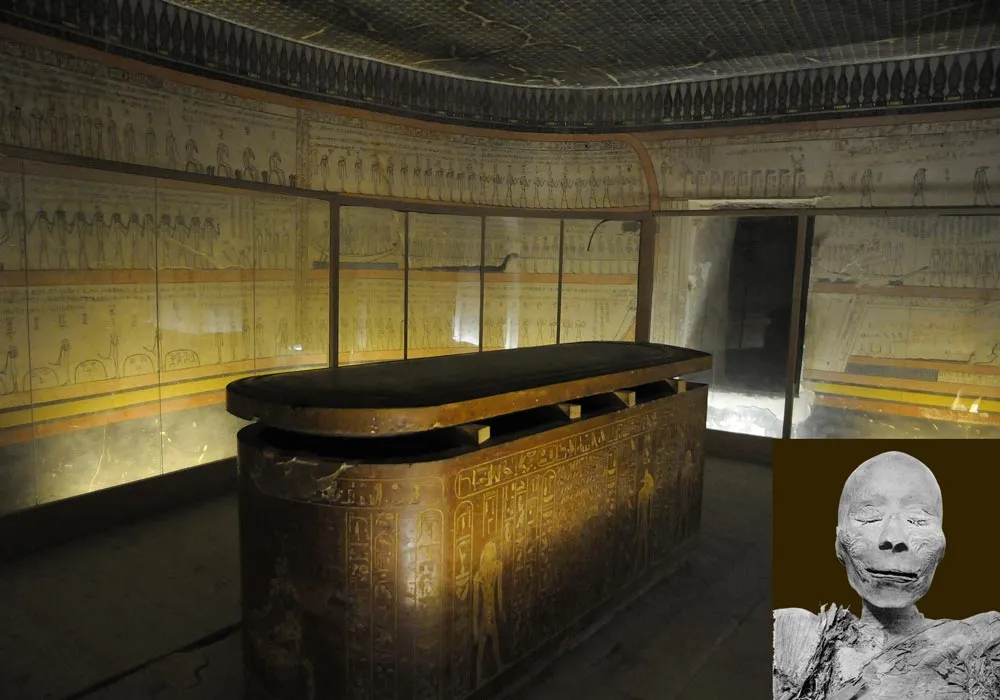
Thutmose I was the first pharaoh known to be buried in the Valley of the Kings, around 1500 BC. Earlier kings had been buried in pyramids or tombs that robbers could easily find, so he chose a hidden rock-cut tomb instead. His architect Ineni proudly recorded that the work was done in secret. Egyptologists still debate which tomb was his first: it may have been KV20, later enlarged by his daughter Hatshepsut, or KV38, a tomb where Thutmose III later reburied him. Either way, his choice set the pattern for the next five centuries.
Tomb of King Ramses II
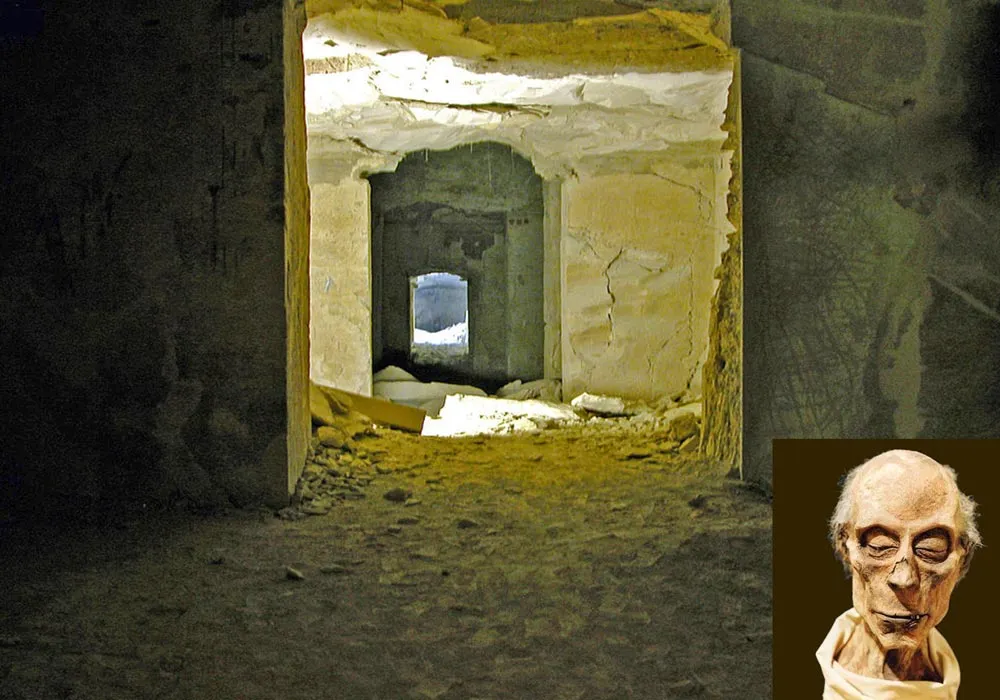
Ramses II, the greatest king of the 19th Dynasty, was buried in KV7, one of the largest royal tombs in the valley. It lies opposite KV5, the huge tomb he built for his many sons, and close to KV8 of his son and successor Merenptah. KV7 was once decorated with scenes from the Book of the Dead, the Litany of Ra and the Opening of the Mouth ritual. Over the centuries, flash floods filled it with debris and damaged much of the painting. Conservation work has been under way for years, so ask on site whether it is open.
Tomb of Queen Hatshepsut
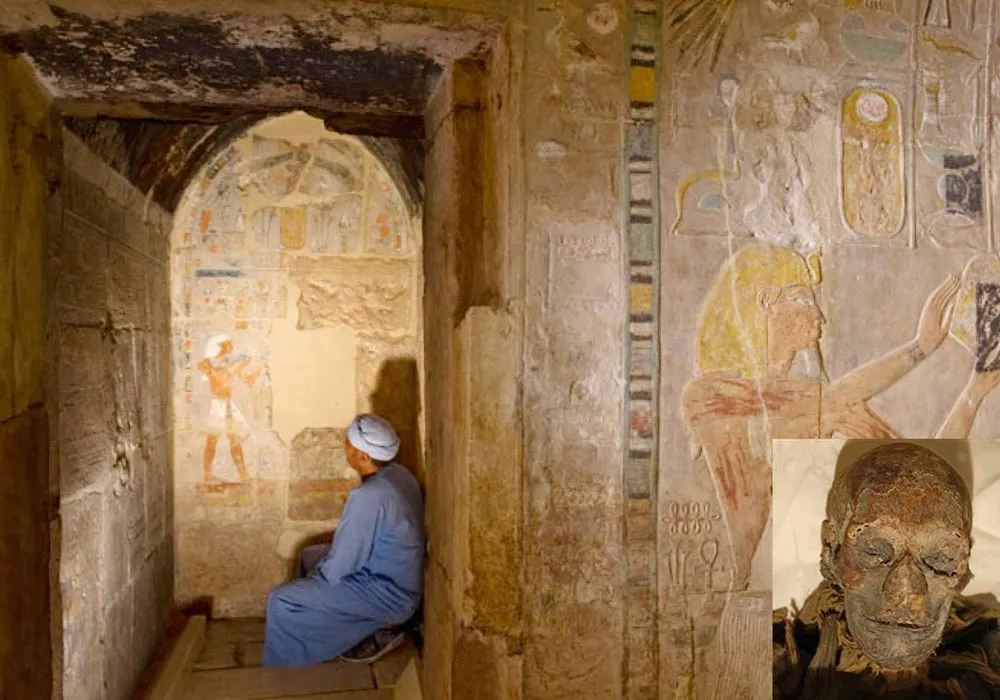
As king, Queen Hatshepsut used KV20, the longest and deepest tomb in the valley. It runs for more than 200 m and curves down to a burial chamber about 97 m below the surface, lying roughly behind her temple at Deir el-Bahari. The tomb is undecorated except for painted limestone blocks. Howard Carter cleared it in 1903 and 1904 and found two quartzite sarcophagi, one for Hatshepsut and one she prepared for her father Thutmose I. Her earlier tomb as queen, found by local villagers in 1916 in a remote cliff wadi, is a separate site.
Tomb of Seti I
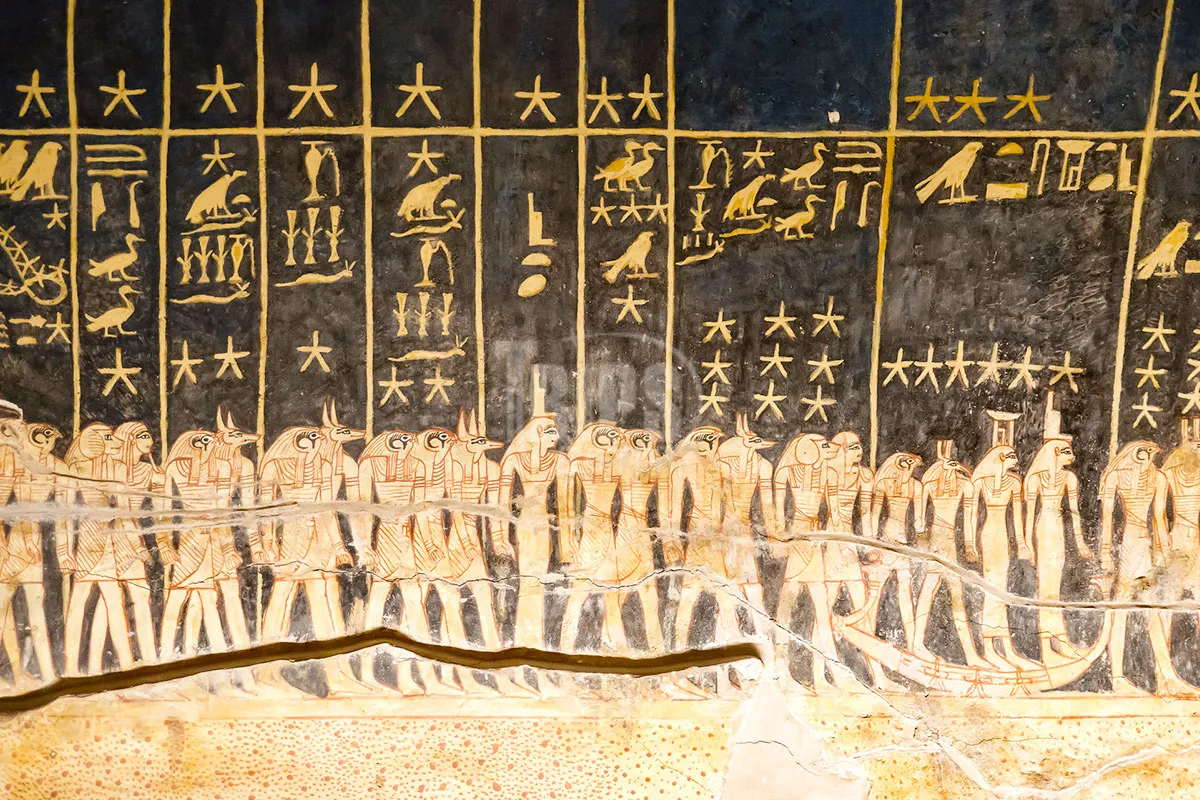
The tomb of Seti I (KV17), father of Ramesses II, is the most beautiful in the Valley of the Kings. Giovanni Belzoni discovered it in 1817, and its long corridors and halls are covered from top to bottom with finely carved and painted reliefs. They show the king with the gods and the full texts of the underworld books. Its decoration is so delicate that it needs a special ticket, which helps control visitor numbers. For anyone who loves ancient art, the tomb of Seti I is often the highlight of a visit to the valley.
Tomb of King Ramses XI
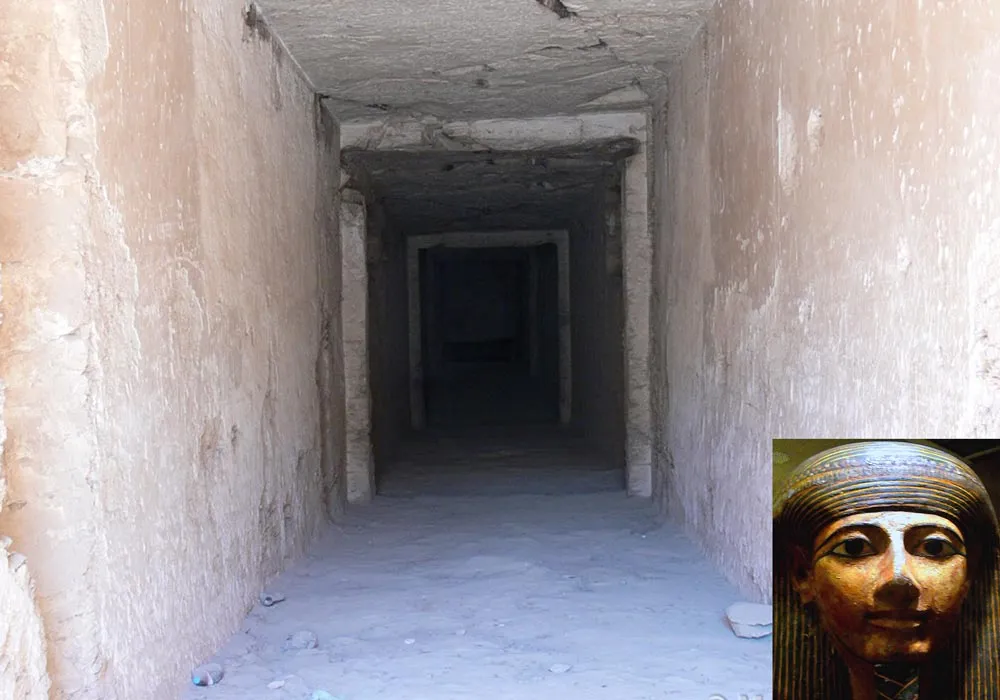
Ramses XI, the last king of the 20th Dynasty, ordered KV4, the last royal tomb cut in the Valley of the Kings. Its entrance and long corridor were finished, but the pillared hall and burial chamber were left rough and incomplete, and only the entrance area received painted decoration. The king was probably never buried there. Later, priests used the tomb as a workshop while they gathered and rewrapped royal mummies, and centuries afterwards, Coptic Christians lived in it. KV4 marks the end of the valley’s royal story, after almost five centuries.
Tutankhamun’s Tomb in the Valley of the Kings
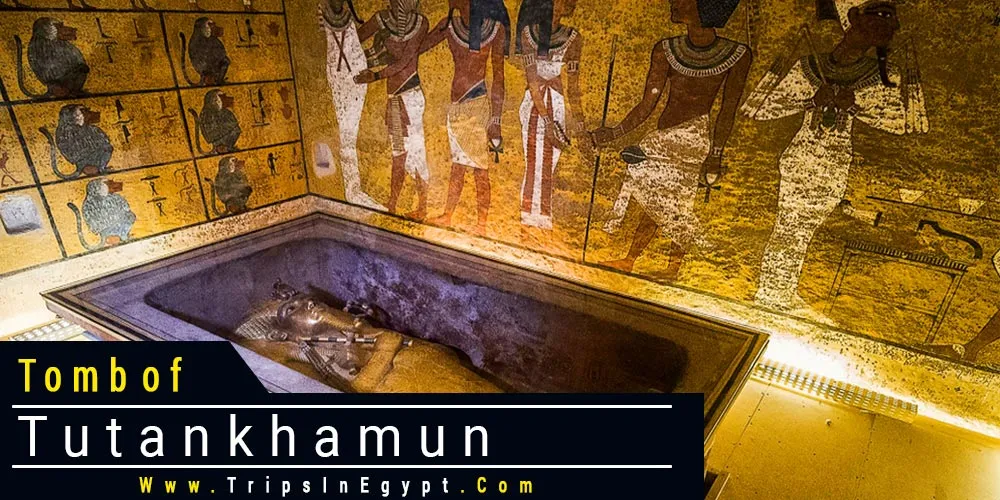
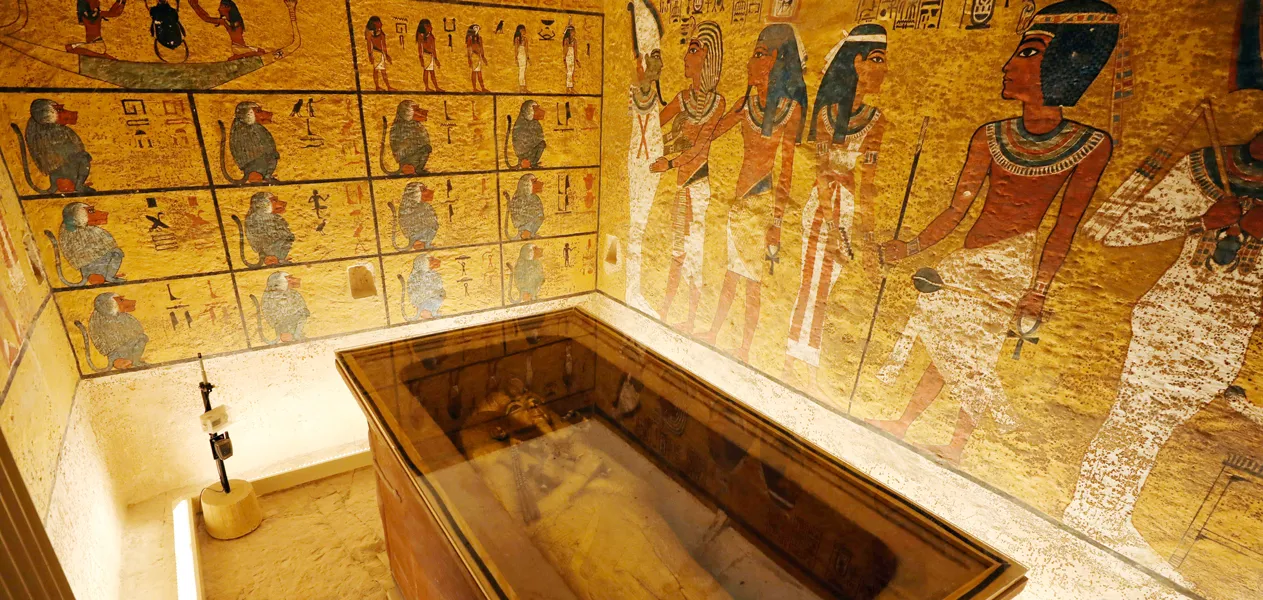
Yes, Tutankhamun is in the Valley of the Kings. His small tomb, KV62, lies near the centre of the East Valley, and his mummy still rests there in a climate-controlled case. The young King Tutankhamun ruled for about ten years in the 18th Dynasty, around 1332 to 1323 BC. His tomb survived because, about two centuries later, workers cutting the tomb of Ramesses VI piled their stone chips and huts over its entrance. This kept it hidden from robbers until the 20th century, when it became the most famous find in archaeology.
What Happened When Tutankhamun’s Tomb Was Discovered?
On 4 November 1922, Howard Carter’s workers found a step cut into the rock. Weeks later, with his sponsor Lord Carnarvon beside him, Carter looked into the antechamber and saw “wonderful things”. The team spent about ten years recording more than 5,000 objects, including the golden mask, shrines, chariots and jewelry. The full story is told in our Tutankhamun tomb discovery guide. Today, the treasures are displayed together in the Tutankhamun galleries of the Grand Egyptian Museum near Giza, while the mummy stays in Luxor.
When Lord Carnarvon died in Cairo in April 1923, after an infected mosquito bite, newspapers began writing about a mummy’s curse. The legend grew quickly, but the facts tell a calmer story. Howard Carter, who led the work, lived until 1939 and died at 64, and most of the team lived long lives. Today, the story is a popular part of Egypt’s folklore rather than a real concern for visitors, and you can read more about how it began in our article on the pharaohs’ curse.
What Does the Valley of the Kings Contain?
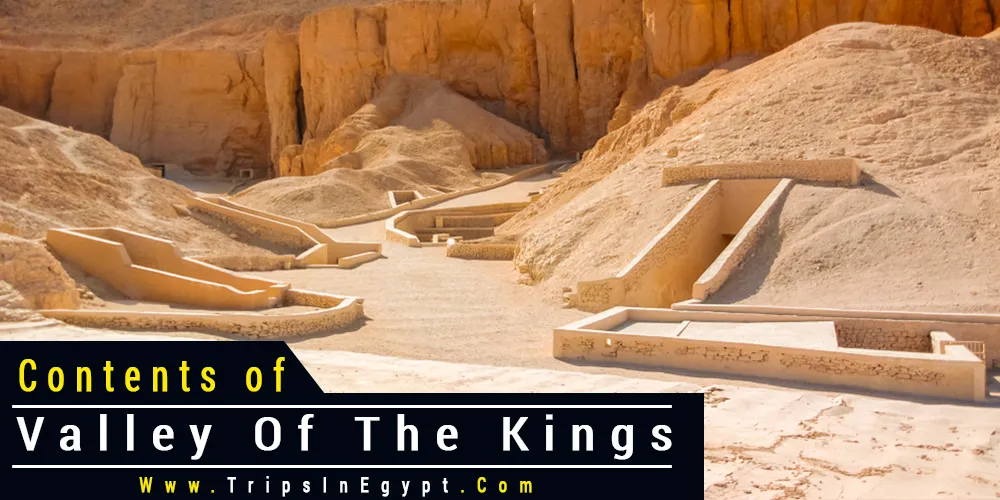
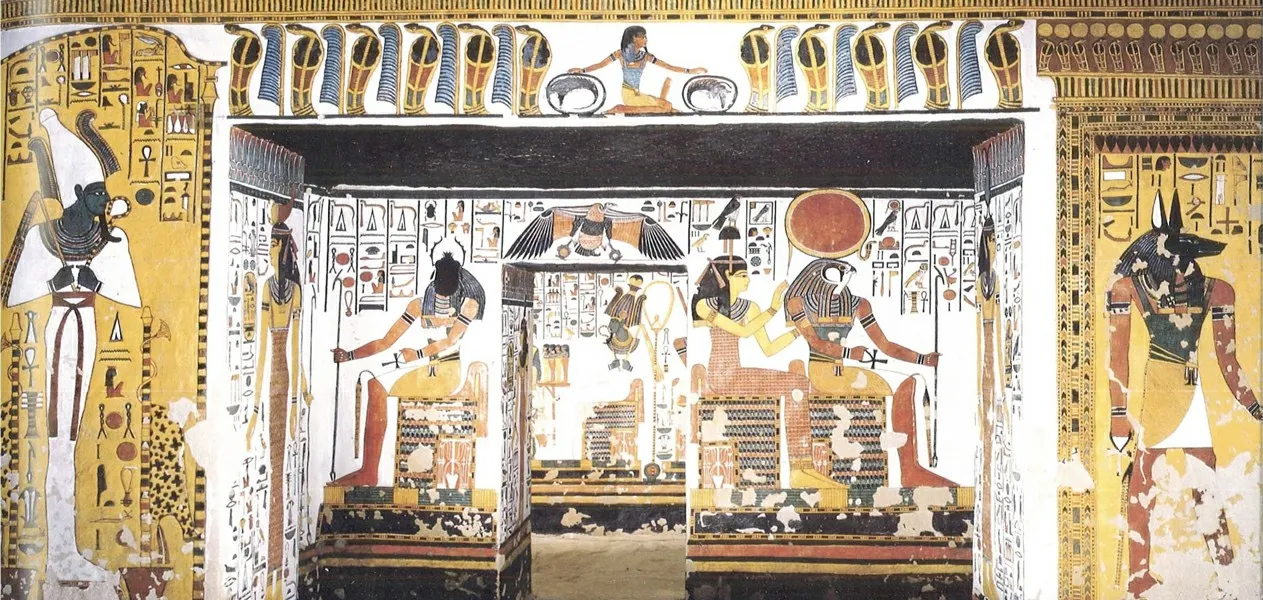
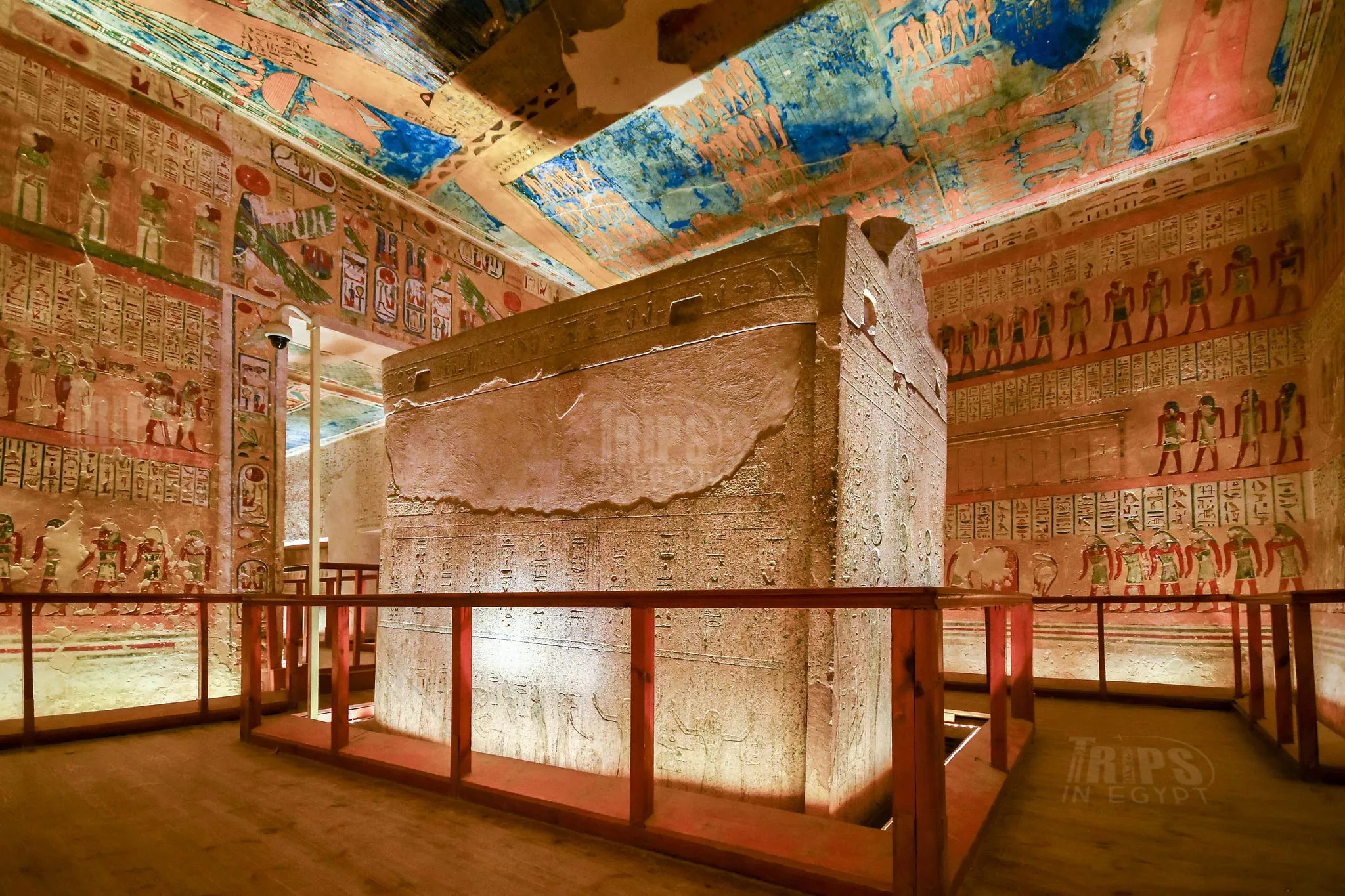
The Valley of the Kings contains rock-cut tombs, not temples. Each royal tomb follows a similar plan: a sloping corridor, pillared halls, a deep shaft to stop floods and robbers, and a burial chamber where the sarcophagus lay. The walls carry the books of the afterlife, such as the Amduat, the Book of Gates and the Litany of Ra, painted in bright colors that still look fresh. The valley is divided into two branches, the East Valley and the West Valley, each with its own character and tombs.
The East Tombs in the Valley of the Kings
The East Valley is the main valley, and it contains most of the tombs and all the popular visits. Here you will find the tombs of Tutankhamun, Seti I, Ramesses II, Ramesses III, Ramesses IV, Ramesses V and VI, Merenptah, Horemheb, Thutmose III and Amenhotep II. Alongside them are tombs of queens, princes and officials, such as Yuya and Tjuyu, the parents of Queen Tiye. Paths link the tomb entrances, and benches and shade make it easy to move between them. If you continue exploring, the Tomb of Ramses IV is one of the brightest tombs on the standard ticket.
The West Tombs in the Valley of the Kings
The West Valley, also called the Valley of the Monkeys after a scene of baboons in one tomb, is wider, quieter and holds only a few tombs. The most important is WV22, the tomb of Amenhotep III, one of the richest kings of the 18th Dynasty, which is not usually open. Nearby is WV23, the tomb of Ay, Tutankhamun’s successor, which visitors can enter with a separate ticket. The unfinished WV25 may have been started for Akhenaten before he moved his capital to Amarna. The West Valley suits travelers who enjoy a peaceful walk in the desert.
Visiting the Valley of the Kings: Tickets, Open Tombs and Tips
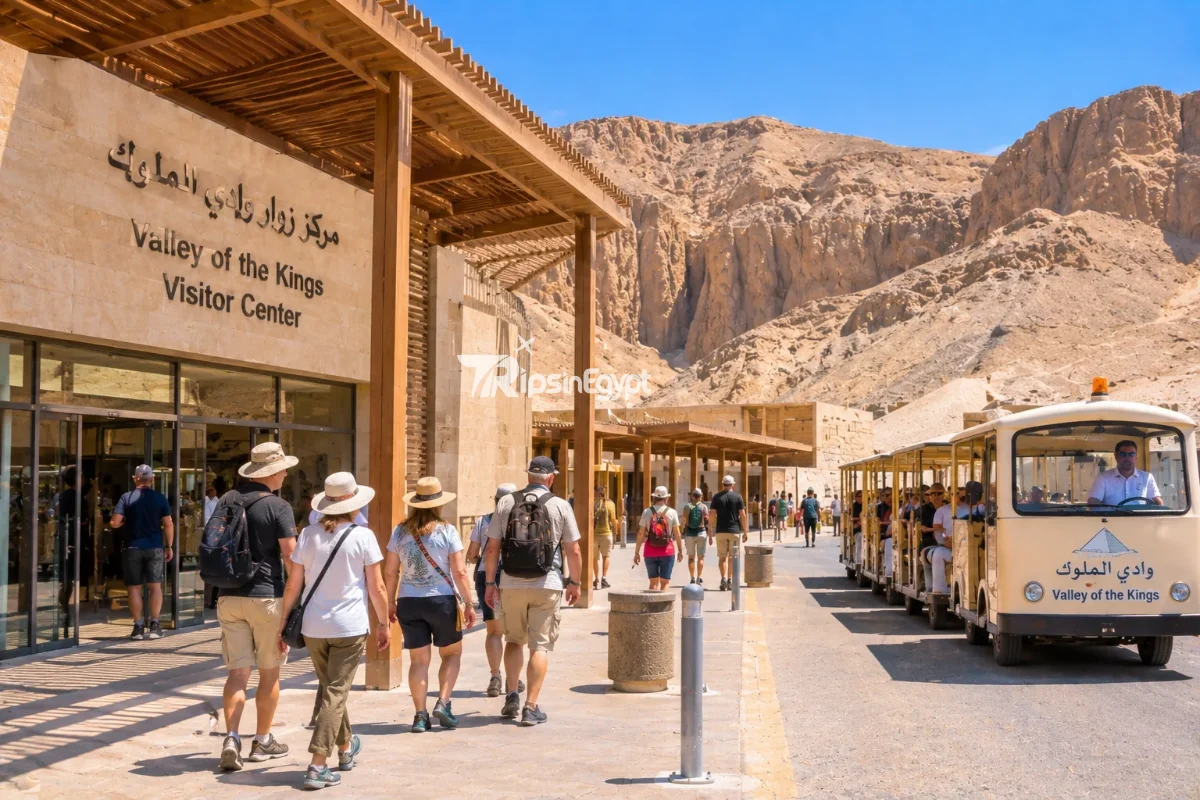
The Ministry of Tourism and Antiquities lists the Valley of the Kings ticket at 750 EGP for foreign adults and 375 EGP for students. The standard ticket covers three tombs from the open rotation. Special tombs need their own tickets: Tutankhamun (KV62) costs 700 EGP, Seti I (KV17) costs 2,000 EGP, and Ramesses V and VI (KV9) costs 220 EGP. The site is open daily from 6:00 AM to 5:00 PM. About 8 to 12 tombs are usually open at any time, and the list changes for conservation, so check the board at the entrance.
Is it worth going to the Valley of the Kings? Absolutely: nowhere else in Egypt can you walk inside so many painted royal tombs in one morning. Arrive early, when it is cooler and quieter, and plan two to three hours. Wear comfortable shoes and bring water, a hat and sunscreen. Personal photos with a phone, without flash, are generally allowed in most tombs, though rules can differ in the special tombs. Guides explain the tombs outside, because talking inside is limited, so a licensed Egyptologist is the best way to understand what you see. Combine the visit with the nearby Valley of the Queens for a full west bank day.
Valley of the Kings Tours
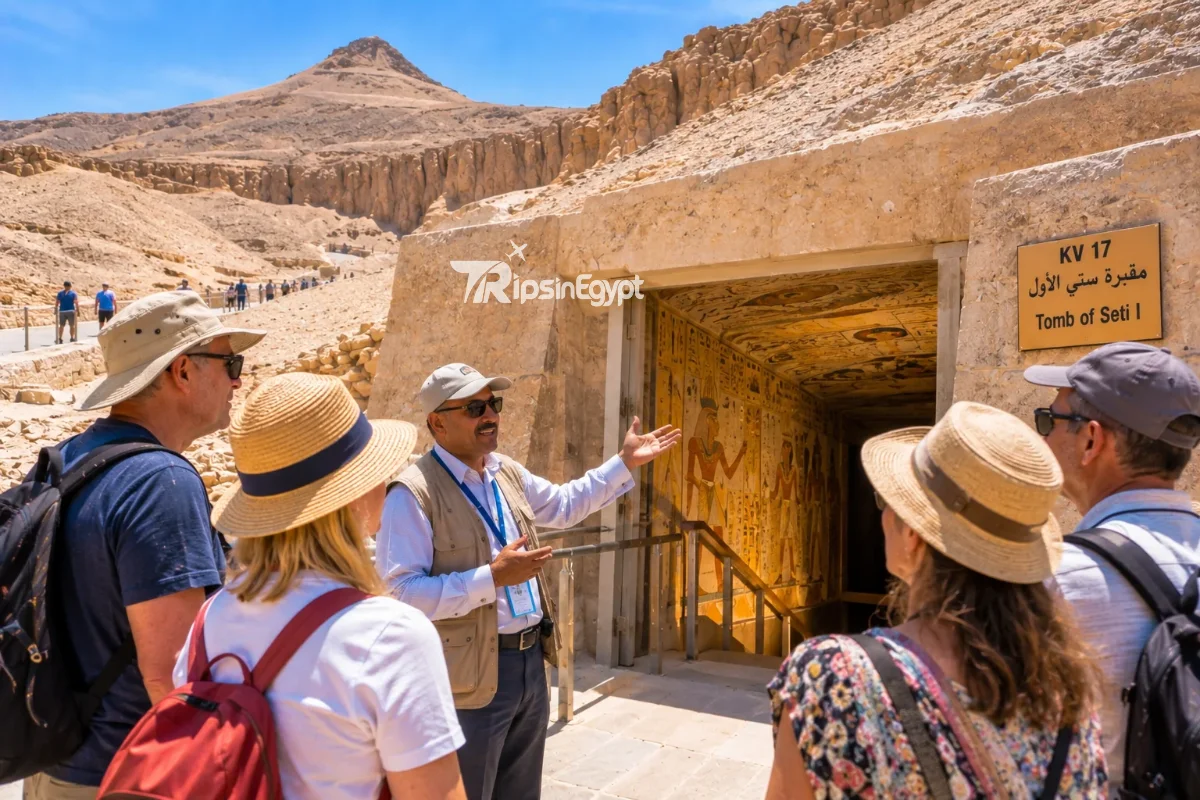
The easiest way to see the Valley of the Kings is on a guided tour with an Egyptologist, hotel transfers and entrance fees arranged for you. Whether you are staying in Luxor, flying in from Cairo or holidaying on the Red Sea, there is a trip that brings you into the royal tombs. For longer journeys, our Egypt tours combine Luxor’s west bank with Cairo, Aswan and the coast.
Full Day Tour to Luxor West Bank: A guided day on the west bank that visits the Valley of the Kings, the Hatshepsut Temple and the Colossi of Memnon. It is the simplest way to see the royal tombs if you are already staying in Luxor. From $60.
Private Luxor Day Trip from Hurghada: A private day from the Red Sea to the Valley of the Kings, the Hatshepsut Temple and the Colossi of Memnon, then lunch and the great Karnak Temple on the east bank. It is ideal for beach holidaymakers. From $120.
Charming Luxor Day Trip from Cairo by Plane: Fly from Cairo to Luxor in the morning, explore the Valley of the Kings, the Hatshepsut Temple and Karnak Temple with a guide, and fly back the same evening. It suits travelers with only one day for Luxor. From $475.
5 Days Nile Cruise Itinerary from Luxor: Sail from Luxor to Aswan on a comfortable cruise, with the Valley of the Kings on the second day and Edfu, Kom Ombo and Aswan’s sights included. Entrance fees and an Egyptologist guide are part of the package. From $460.
10 Days Cairo, Faiyum & Nile Cruise Holiday: Ten days that start with Cairo’s pyramids and Faiyum, then continue on a Nile cruise with a full day on Luxor’s west bank, including the Valley of the Kings. It is ideal for a first, complete trip to Egypt. From $1,350.
The Valley of the Kings is where Egypt’s greatest pharaohs chose to wait for eternity, hidden beneath a pyramid-shaped peak. Walking through its painted corridors, from Seti I’s masterpiece to Tutankhamun’s small but legendary tomb, is an experience few places on earth can match. Come early, pick your tombs well and let a good guide bring the stories to life. Then sail on with our Nile cruise packages from Luxor to Aswan.

5 Days Cairo And Hurghada Trip
Amazing 4 Nights Cairo and Hurghada Trip Itinerary 5 Days Cairo and Hurghada trip wil...
- Duration 5 Days / 4 Nights
- Location Cairo & Hurghada
- Type Historical & Recreational Tour
From$690/per person
View Tour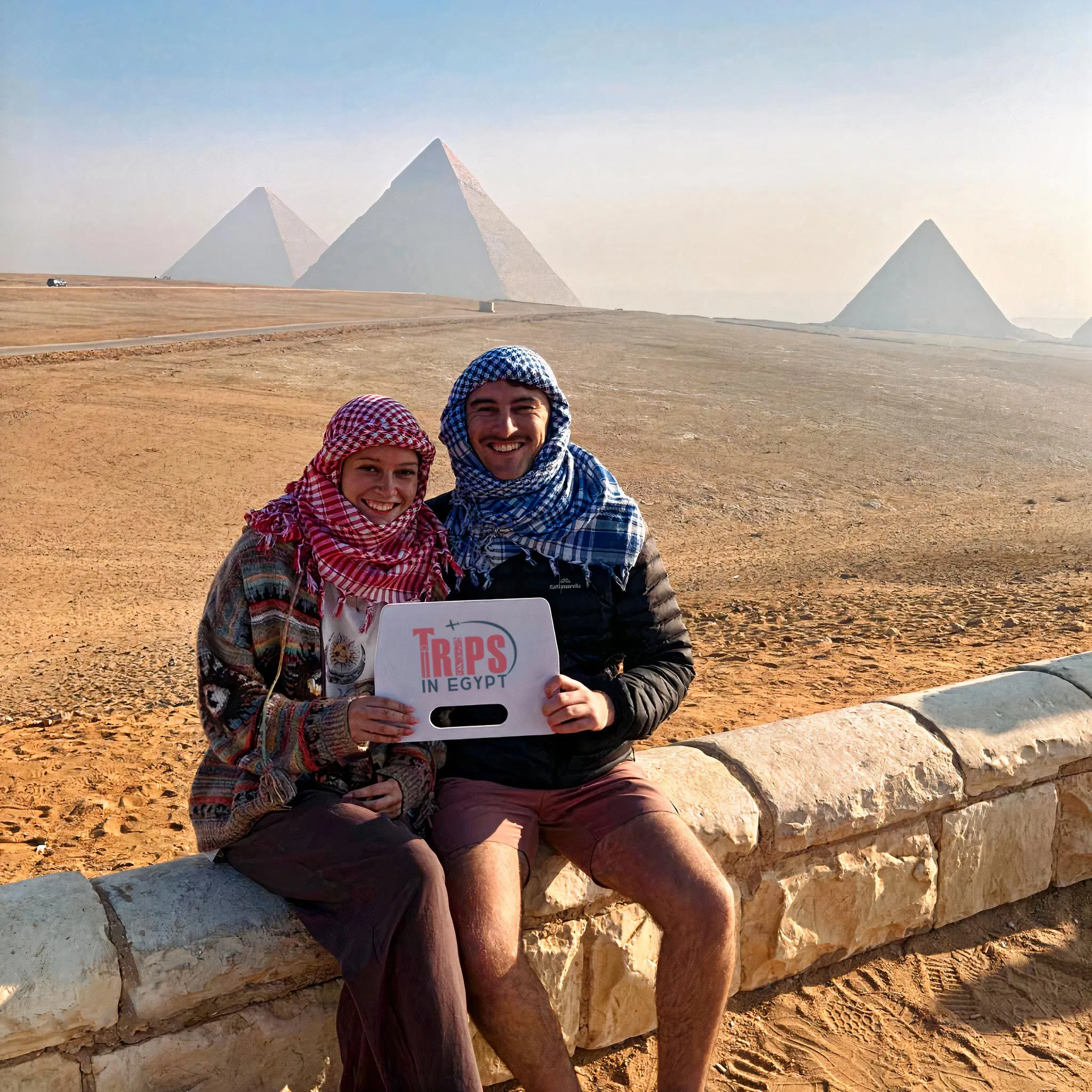
6 Days Cairo, Alexandria & Faiyum Tour
Unforgettable Cairo, Alexandria & Faiyum Adventure in Six Days 6 Days Cairo, Alex...
- Duration 6 Days / 5 Nights
- Location Cairo - Alexandria - Fayum
- Type Historical Tour
From$720/per person
View Tour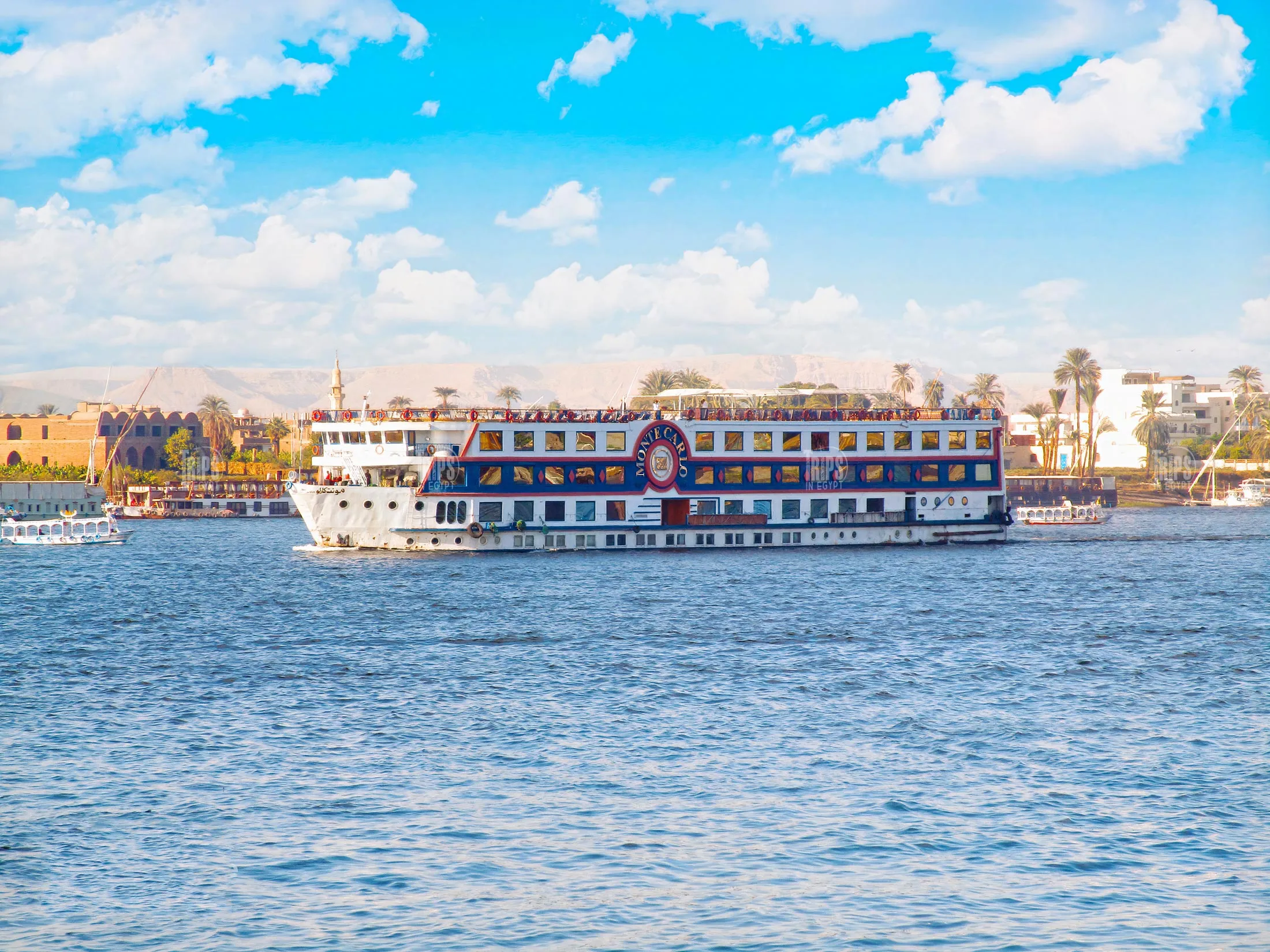
10 Days Cairo, Faiyum & Nile Cruise Holiday
Breathtaking 10 Days Journey of A Lifetime in Egypt 10 Days Cairo, Faiyum & Nile...
- Duration 10 Days / 9 Nights
- Location Cairo, Luxor, Aswan & Faiyum
- Type Classic Tour
From$1350/per person
View Tour SOLD OUT
Ultimate 7-Day Egypt Solar Eclipse Experience with Hurghada 2027
Enjoy a 7-Day Egypt Solar Eclipse Tour with Hurghada 2027 6 Nights Egypt Solar Ecli...
- Duration 7 Days / 6 Nights
- Location Cairo / Giza / Luxor / Hurghada
- Type Astronomical Tour
Sold Out
View Details