



The Hyksos invasion of Egypt marks the first time foreign kings ruled the Nile Delta. Around 1650 BC, rulers of Western Asian origin took power at Avaris and ruled northern Egypt for about a century as the 15th Dynasty. Their rule ended when the Theban king Ahmose I captured Avaris and reunited the country. In this guide, you will learn who they were, how long they ruled and why their story still matters.

Who Were the Hyksos?
The Hyksos, pronounced “HIK-soss”, were a ruling group of Western Asian origin, most likely from the Levant, the region of Canaan along the eastern Mediterranean. Their name comes from the Egyptian phrase heqau khasut, meaning “rulers of foreign lands”, a title the Egyptians had long used for foreign chiefs. The Greek form “Hyksos” reached us through the Egyptian priest Manetho, who wrote a history of Egypt in the 3rd century BC. He translated it as “shepherd kings”, although that meaning is now considered a later misunderstanding.
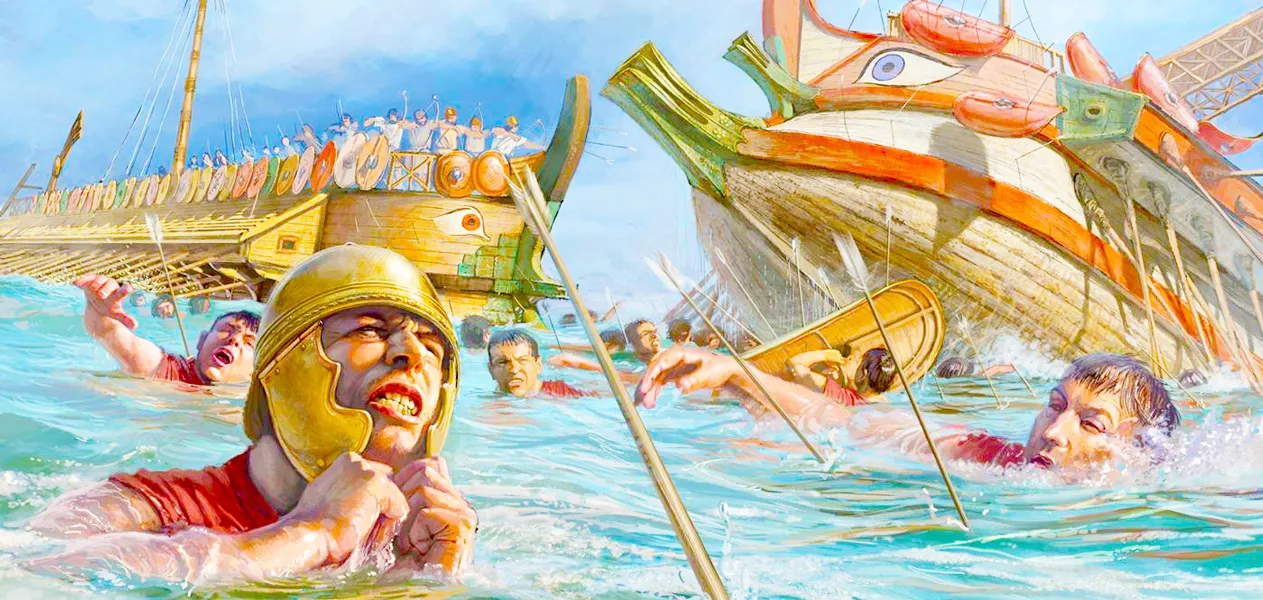
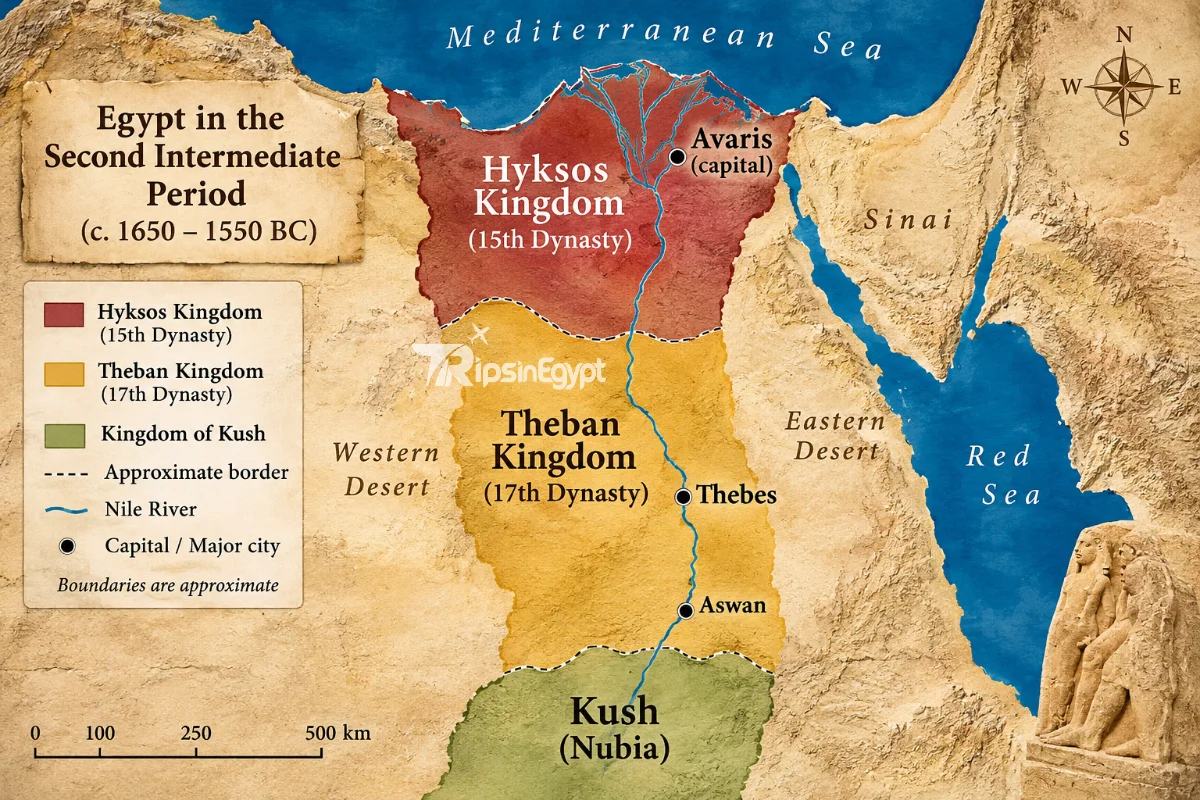
The Hyksos made their capital at Avaris, the modern site of Tell el-Dab’a in the eastern Delta, close to the easternmost branch of the Nile River. Excavations there, led for decades by the Austrian archaeologist Manfred Bietak, revealed houses, temples and burials in a Levantine style, including donkeys buried at tomb entrances. Avaris was a busy port with ships from Cyprus, Crete and the Levant. From this base, the 15th Dynasty controlled Lower Egypt and parts of Middle Egypt, while local Egyptian kings continued to rule at Thebes in the south.
When Did the Hyksos Invade Egypt?
The Hyksos came to power in Egypt around 1650 BC, during the Second Intermediate Period, a time of divided rule between the Middle and New Kingdoms. They ruled northern Egypt for about a century, until around 1550 BC, when the Theban kings began the final war against them. The Turin King List, a papyrus written about 400 years later, gives six Hyksos kings a total of 108 years. Exact dates vary between scholars by a few decades, so all of these figures should be read as approximate.
Did the Hyksos really invade Egypt? Ancient writers described a violent invasion, but modern research tells a more gradual story. People from the Levant had been settling in the eastern Delta since the late Middle Kingdom, working as traders, soldiers and craftsmen. A 2020 study of strontium isotopes in tooth enamel from Avaris found that many people buried there were born outside Egypt, a pattern that suggests long-term immigration rather than a single army. Most historians now see the Hyksos rise as a takeover from within, by a community already living in Egypt, not a sudden conquest from outside.
Why Were the Hyksos Able to Take Over Egypt?
The main reason was the weakness of Egypt itself. By the end of the 13th Dynasty, royal power had broken down, with many short-lived kings, and parts of the Delta were ruled by local dynasties. A strong Levantine community in the eastern Delta already controlled trade routes to Canaan and the Mediterranean. When central authority faded, its leaders were well placed to take control. They did not need to conquer all of Egypt by force, because much of the north had already slipped out of the hands of the kings who once ruled from the region near Memphis.
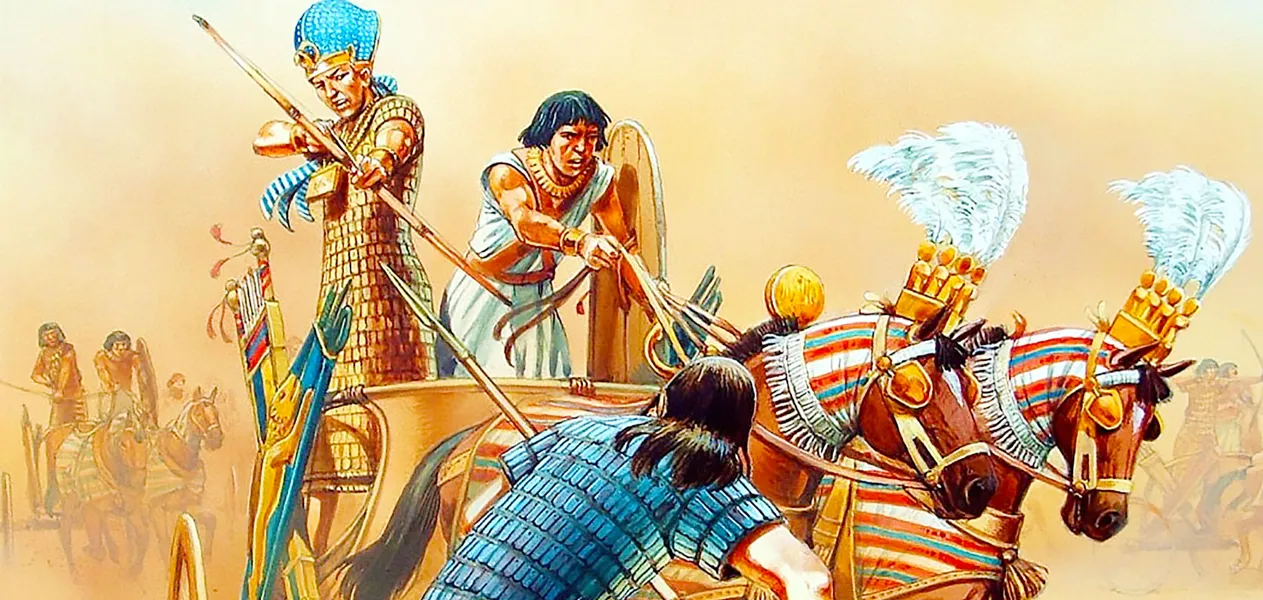
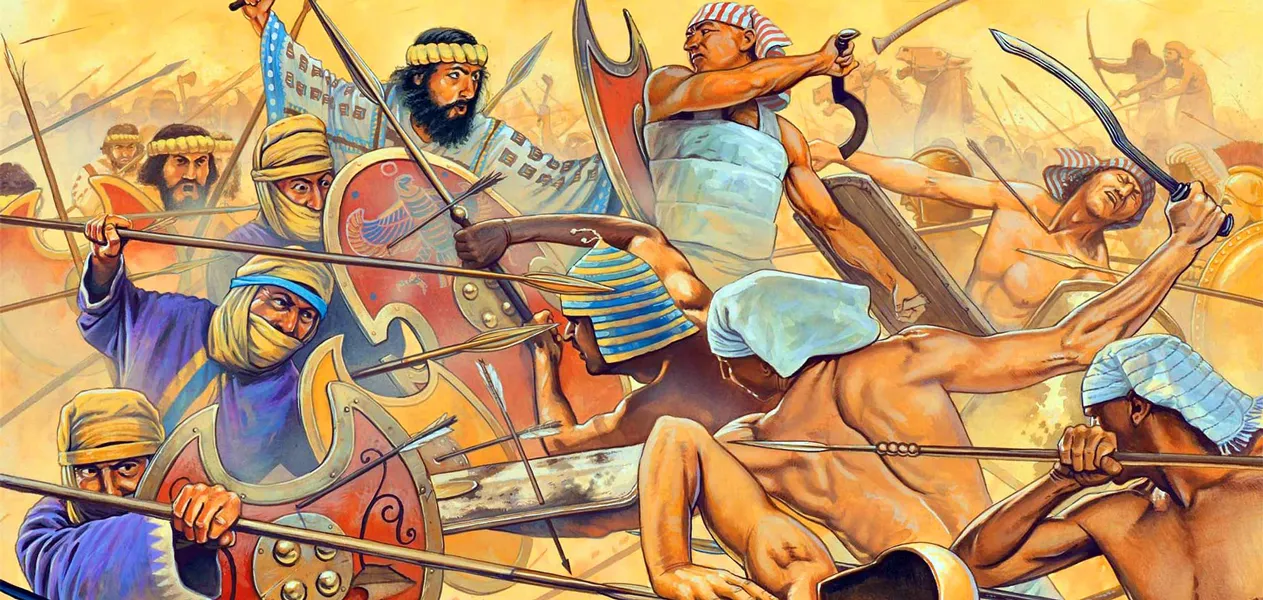
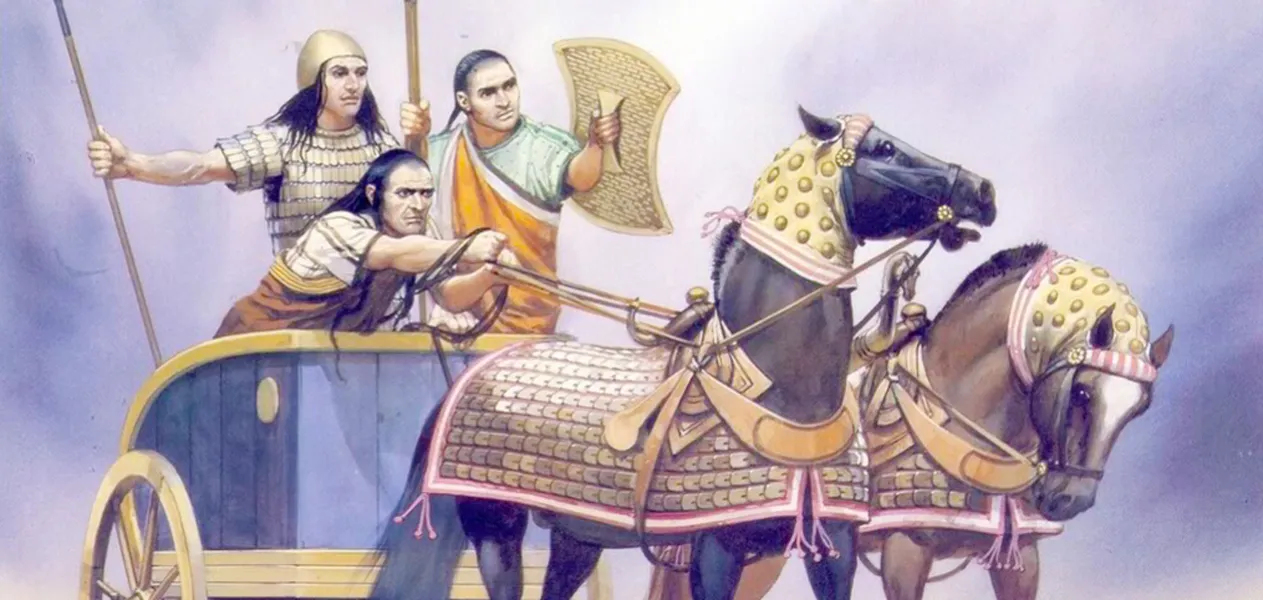
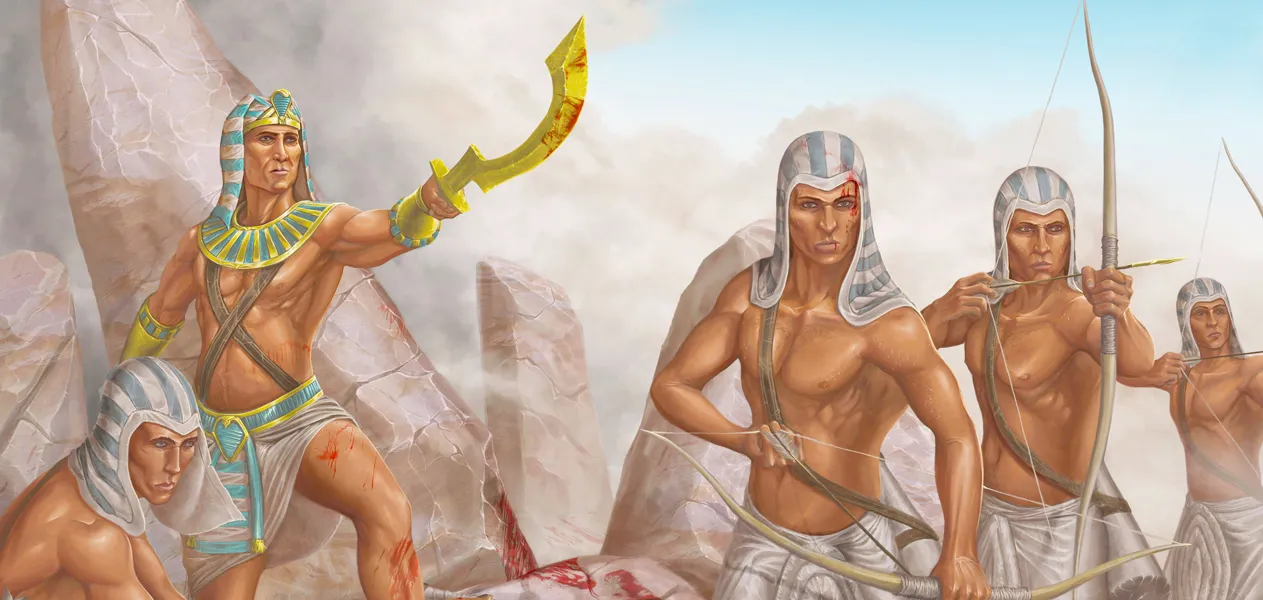
The Hyksos also had military advantages. Horses and light chariots, which were rare or unknown in earlier Egypt, became common in this period, as did the powerful composite bow and new bronze weapons. Historians still debate how much of this technology the Hyksos introduced, but it gave their armies an edge, and the Egyptians adopted it quickly. They also kept the support of local Egyptian officials, adopted Egyptian royal titles and worshipped Egyptian gods, which made their rule easier for ordinary Egyptians to accept.
Interesting Facts About the Hyksos Invasion
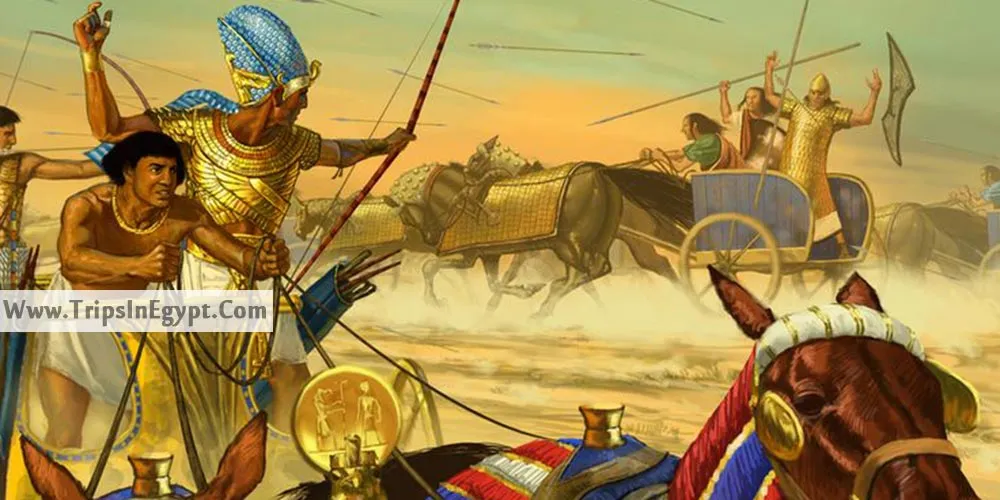
The Hyksos did not destroy Egyptian culture. Instead, they ruled as pharaohs, using Egyptian hieroglyphs, royal names and court titles. Their chief god was Seth, the Egyptian god of storms and foreign lands, whom they linked with the Canaanite storm god Baal. The most powerful Hyksos kings were Khyan and Apepi, also known as Apophis, who reigned for about 40 years. Objects carrying Khyan’s name have been found as far away as Crete and Anatolia, showing how widely his kingdom traded, and many scarab seals of Hyksos rulers survive across the Delta and the Levant.
Some of the most important Egyptian texts were copied under their rule. The famous Rhind Mathematical Papyrus, now in the British Museum, was copied by a scribe named Ahmes in the 33rd year of Apepi, from an older Middle Kingdom original. Trade flourished, and new crops, musical instruments and weaving techniques may have entered Egypt at this time. The Hyksos also built fine temples at Avaris, mixing Egyptian and Levantine styles. Here are five facts worth remembering:
-
“Hyksos” means “rulers of foreign lands”, not “shepherd kings” as Manetho believed.
-
They ruled for about 108 years, according to the Turin King List.
-
Their capital, Avaris, is today’s Tell el-Dab’a in Egypt’s Sharqia Governorate.
-
They ruled as pharaohs, with Egyptian royal titles and hieroglyphic inscriptions.
-
A famous math papyrus, the Rhind Papyrus, was copied during the reign of the Hyksos king Apepi.
How Ahmose Beat the Hyksos Invasion
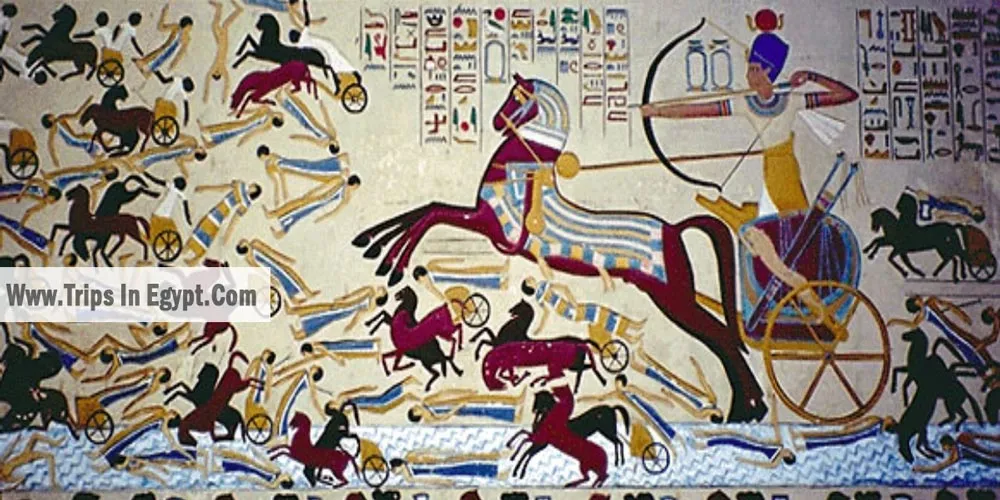
The war against the Hyksos was led by three generations of Theban kings. The first was Seqenenre Tao of the 17th Dynasty. A later Egyptian tale says the Hyksos king Apepi provoked him with a complaint about noisy hippopotami at Thebes. Seqenenre died violently, and a CT scan of his mummy, now in the National Museum of Egyptian Civilization, published in 2021, suggests he was killed in battle by weapons of a Hyksos type. His successor, Kamose, probably his son, carried the war north. His stelae, found at Karnak, describe how his men intercepted a messenger carrying a letter from Apepi asking the ruler of Kush to attack Thebes from the south.
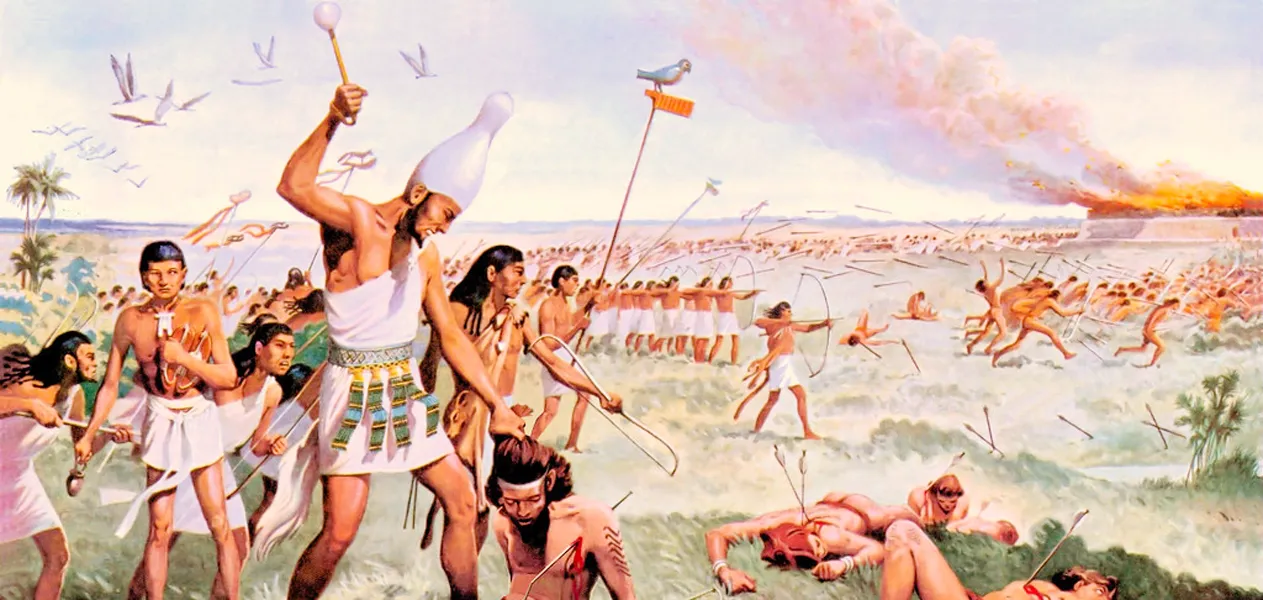
Kamose reached the area of Avaris but did not take it. The final victory belonged to Ahmose I, who was probably Seqenenre’s son and Kamose’s close relative. He rebuilt the army, and in the middle of his reign he moved north, took Memphis and cut Avaris off from Canaan. His soldier, Ahmose son of Ebana, describes several battles around the city in his tomb at El Kab, until Avaris fell. Ahmose then pursued the Hyksos into southern Canaan and took the fortress of Sharuhen after a three-year siege, ending their power for good. These are the clearest answers to who drove the Hyksos out of Egypt, and how.
How the Hyksos Invasion Changed the History of Egypt
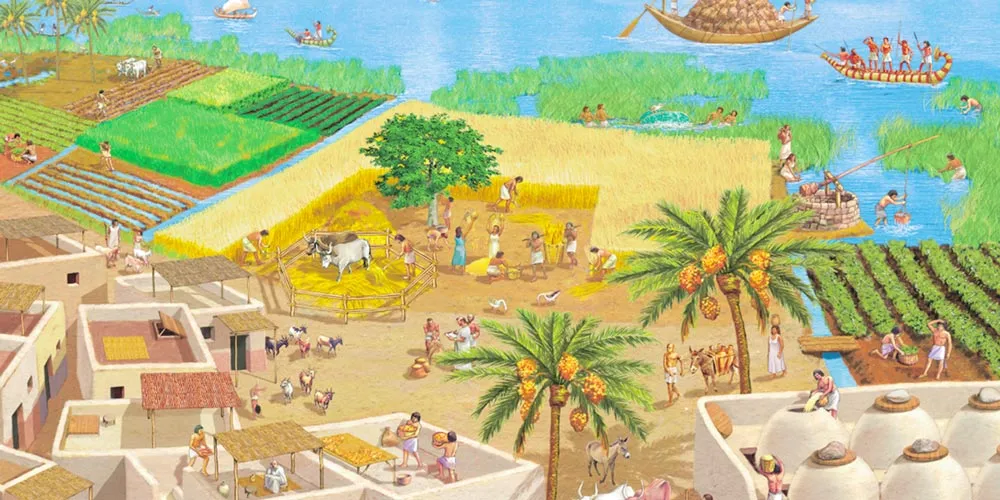
The significance of the Hyksos invasion of Egypt was enormous. Ahmose’s victory began the New Kingdom, about 1550–1070 BC, the most powerful age in Egyptian history. Determined never to be ruled by foreigners again, the Egyptians built a professional army with chariot troops and archers. They also pushed their borders outward, creating buffer zones in Nubia to the south and in the Levant to the northeast. The kings who followed Ahmose, such as Thutmose I and Thutmose III, carried Egyptian armies as far as the Euphrates in Syria and deep into Nubia.
Egypt also changed at home. Thebes became the religious capital, and its god, Amun, was worshipped as the king of the gods, Amun-Ra. Grateful kings gave him a share of the wealth and tribute from their campaigns, which turned Karnak Temple into the largest religious complex in Egypt. New contacts with the Mitanni, the Hittites, Babylon and Crete brought diplomats, merchants and craftsmen to Egypt. In this sense, the Hyksos period pushed Egypt out of isolation and into the international world of the Late Bronze Age.
Hyksos Invasion Timeline
This Hyksos invasion timeline brings the key events together. Dates are approximate, because Egyptologists use slightly different chronologies, but the order of events is well established from the Turin King List, royal stelae and the tomb of Ahmose son of Ebana. Read alongside the map above, it shows how a divided Egypt became, within one generation, the strongest power in the eastern Mediterranean. It also explains why the Theban kings of Luxor, the ancient city of Thebes, became the heroes of this story.
-
Around 1800–1700 BC: Levantine communities grow in the eastern Delta, especially at Avaris.
-
Around 1650 BC: Hyksos rulers take power at Avaris, founding the 15th Dynasty.
-
Around 1580–1550 BC: the Hyksos king Apepi rules the north, while Seqenenre Tao and then Kamose fight him from Thebes.
-
Around 1550 BC: Ahmose I becomes king of Thebes and later captures Memphis.
-
Middle of Ahmose’s reign: Avaris falls, then Sharuhen in southern Canaan after a three-year siege.
-
Afterwards: Egypt is reunited under the 18th Dynasty, and the New Kingdom begins.
How the Egyptians Remembered the Hyksos
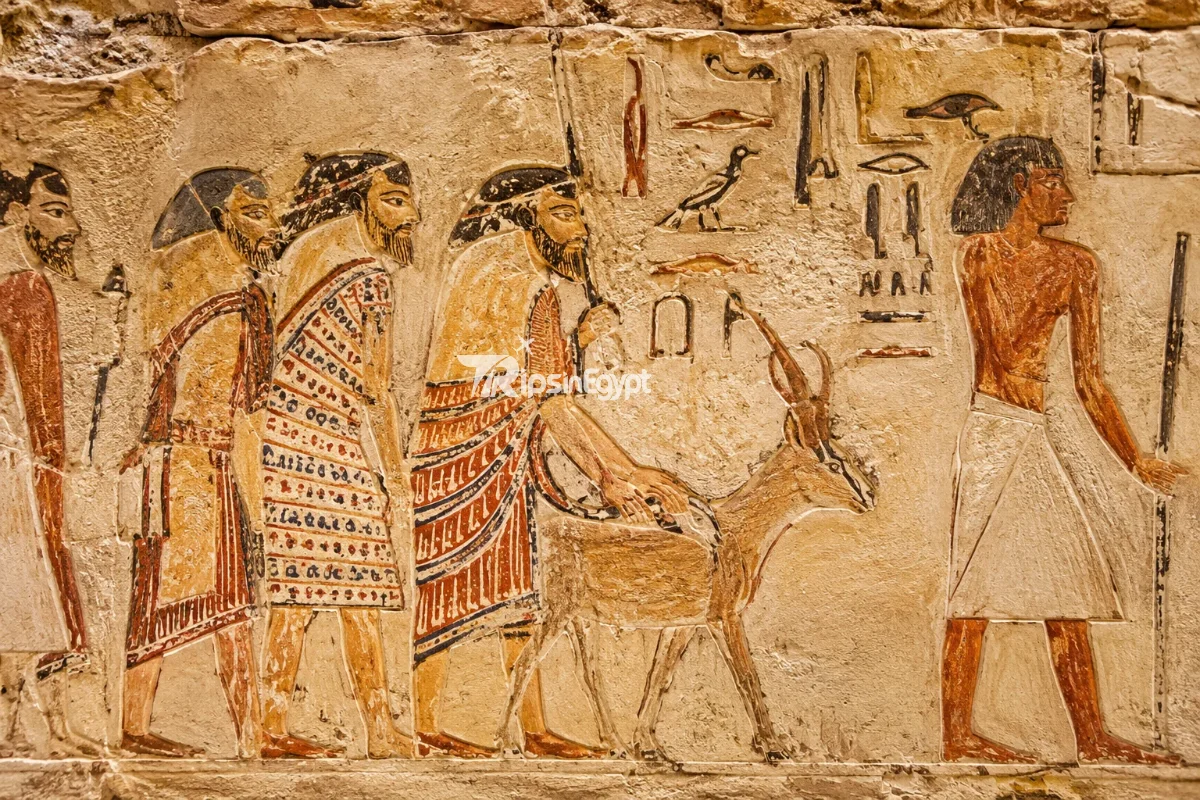
Why did the Egyptians hate the Hyksos? Mostly because later kings told the story that way. Kamose called himself a liberator, and the queen Hatshepsut, about 80 years after Ahmose, claimed in an inscription that the Hyksos had ruled “without Ra”. These were powerful political messages that made the Theban kings into saviors. In reality, the Hyksos left few portraits of themselves. Paintings such as the caravan of Western Asian travelers in a tomb at Beni Hasan, painted before their rise, show how Levantine people looked: colorful patterned clothes, sandals and dark hair, often with beards.
Were the Hyksos in the Bible? They are not named there. The Jewish historian Josephus, writing in the 1st century AD and quoting Manetho, linked them with the Israelites and the Exodus story, and some readers have connected Joseph’s rise in Egypt with this period of Asiatic rulers. Historians have found no clear evidence for either link, and the question remains open. The Hyksos story belongs among the ancient Egyptian battles that shaped the country, and it explains why Egypt’s later wars, from Megiddo to Kadesh, looked northeast.
Enjoy a Journey Through the Hyksos Story in Egypt
You can still follow the Hyksos story across Egypt. In Cairo, the Royal Mummies Hall of the National Museum of Egyptian Civilization displays the mummy of Seqenenre Tao, the king who died fighting them. In Luxor, the Luxor Museum shows the mummy of Ahmose I, and Karnak Temple reveals the wealth that his victory brought to Thebes. These places are easy to include in Egypt travel packages that link Cairo with Upper Egypt.
4 Days in Cairo Tour Package: Four days with the Giza Pyramids, the Grand Egyptian Museum and Saqqara, then a day with the Egyptian Museum, the National Museum of Egyptian Civilization, the Citadel and Islamic Cairo. It is a relaxed way to see Seqenenre Tao’s mummy. From $390.
Luxor Museum and Mummification Museum Tour: A short guided visit to the Luxor Museum, which displays the mummy of Ahmose I, and to the Mummification Museum on the Corniche, with lunch at a local restaurant. It suits travelers already staying in Luxor. From $65.
5 Days Nile Cruise Itinerary from Luxor: Four nights sailing from Luxor to Aswan, starting with Karnak and Luxor Temple, then the Valley of the Kings, Edfu, Kom Ombo and Philae. It shows the New Kingdom that rose after the Hyksos were defeated. From $460.
The Hyksos invasion of Egypt was less a single attack than a century of foreign rule that changed the country forever. It ended with Ahmose’s victory at Avaris and opened the way to the New Kingdom, Egypt’s age of empire and great temples. Follow that story from the royal mummies in Cairo to the temples of Thebes, and continue south on one of our Luxor and Aswan Nile cruises.

5 Days Cairo And Hurghada Trip
Amazing 4 Nights Cairo and Hurghada Trip Itinerary 5 Days Cairo and Hurghada trip wil...
- Duration 5 Days / 4 Nights
- Location Cairo & Hurghada
- Type Historical & Recreational Tour
From$690/per person
View Tour
6 Days Cairo, Alexandria & Faiyum Tour
Unforgettable Cairo, Alexandria & Faiyum Adventure in Six Days 6 Days Cairo, Alex...
- Duration 6 Days / 5 Nights
- Location Cairo - Alexandria - Fayum
- Type Historical Tour
From$720/per person
View Tour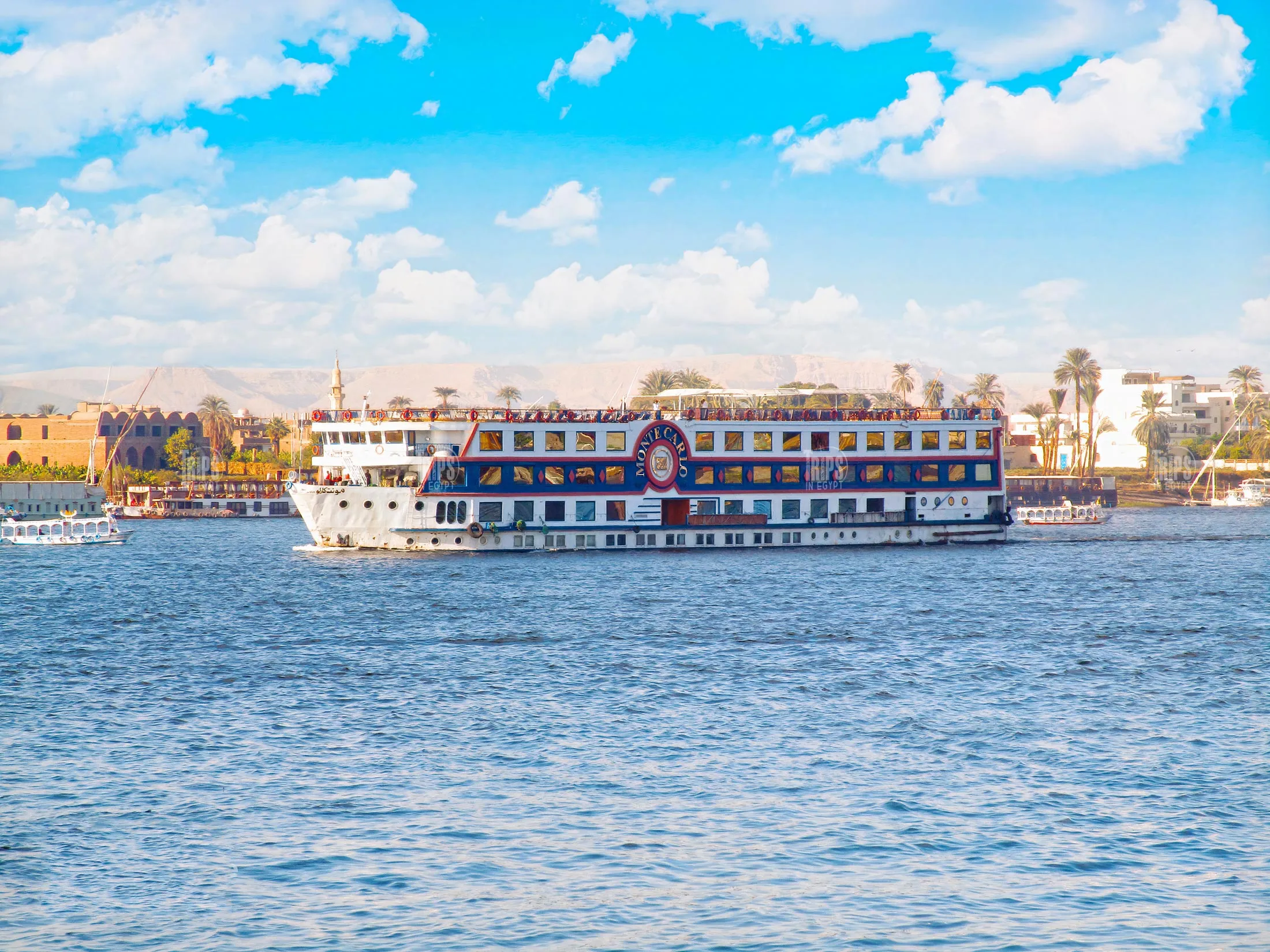
10 Days Cairo, Faiyum & Nile Cruise Holiday
Breathtaking 10 Days Journey of A Lifetime in Egypt 10 Days Cairo, Faiyum & Nile...
- Duration 10 Days / 9 Nights
- Location Cairo, Luxor, Aswan & Faiyum
- Type Classic Tour
From$1350/per person
View Tour SOLD OUT
Ultimate 7-Day Egypt Solar Eclipse Experience with Hurghada 2027
Enjoy a 7-Day Egypt Solar Eclipse Tour with Hurghada 2027 6 Nights Egypt Solar Ecli...
- Duration 7 Days / 6 Nights
- Location Cairo / Giza / Luxor / Hurghada
- Type Astronomical Tour
Sold Out
View Details