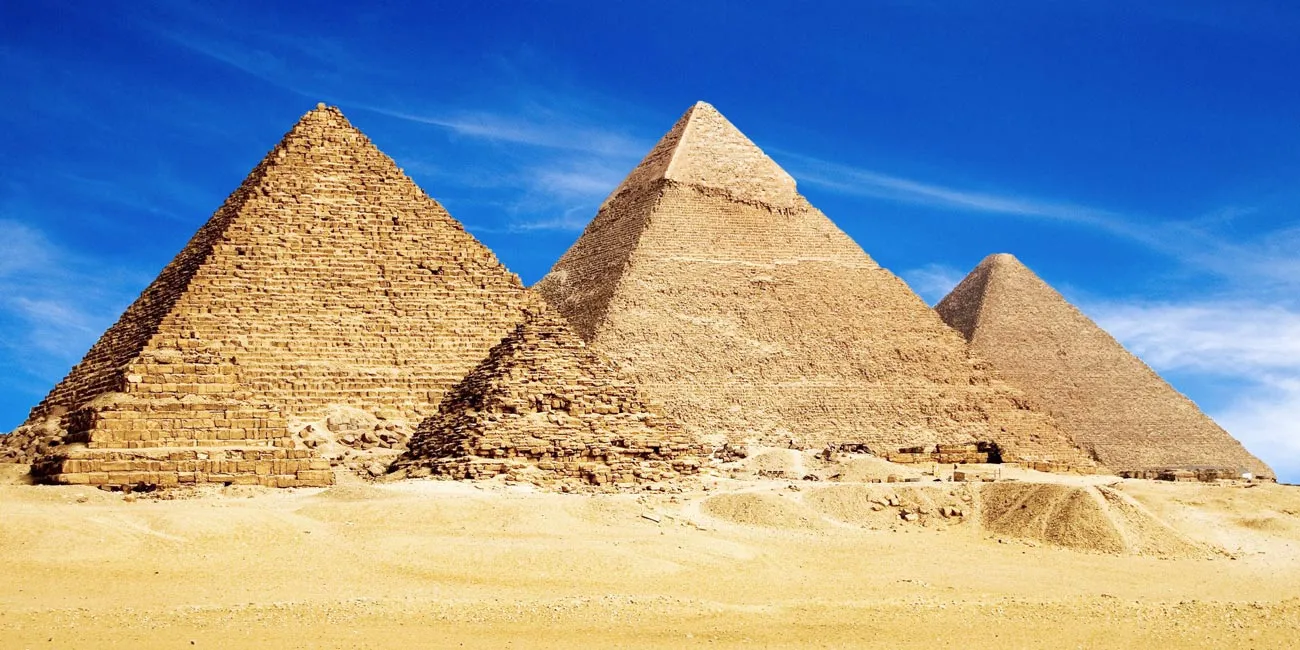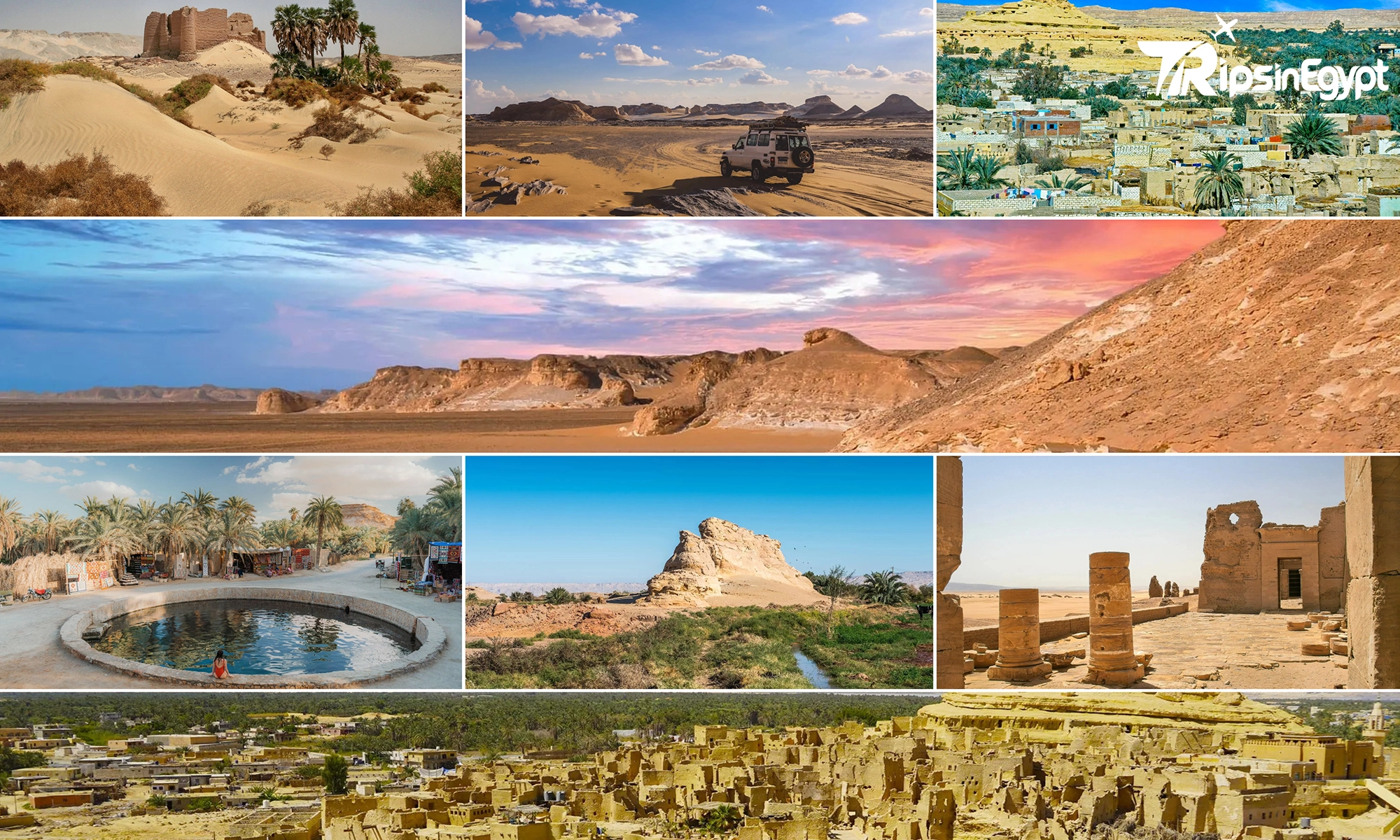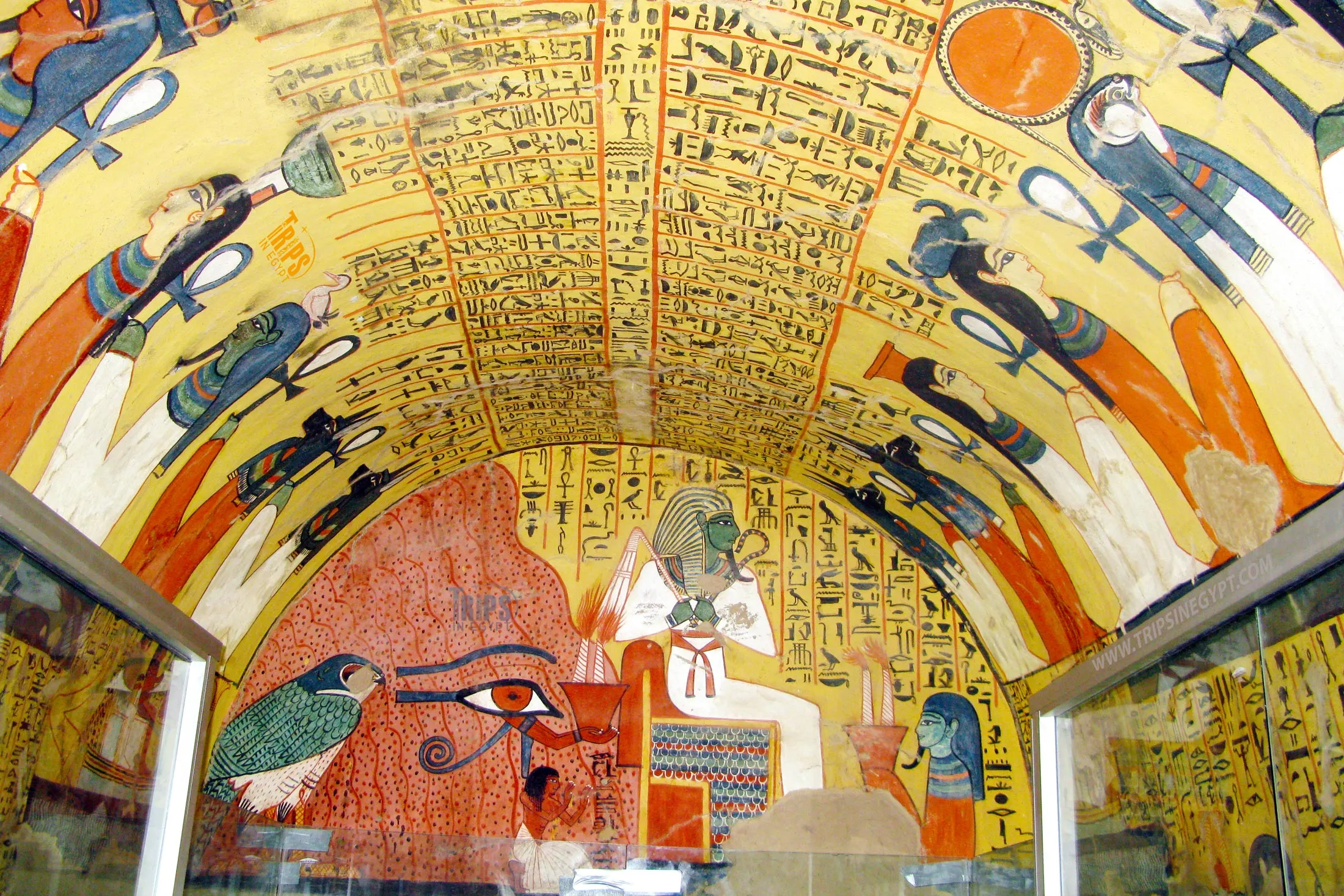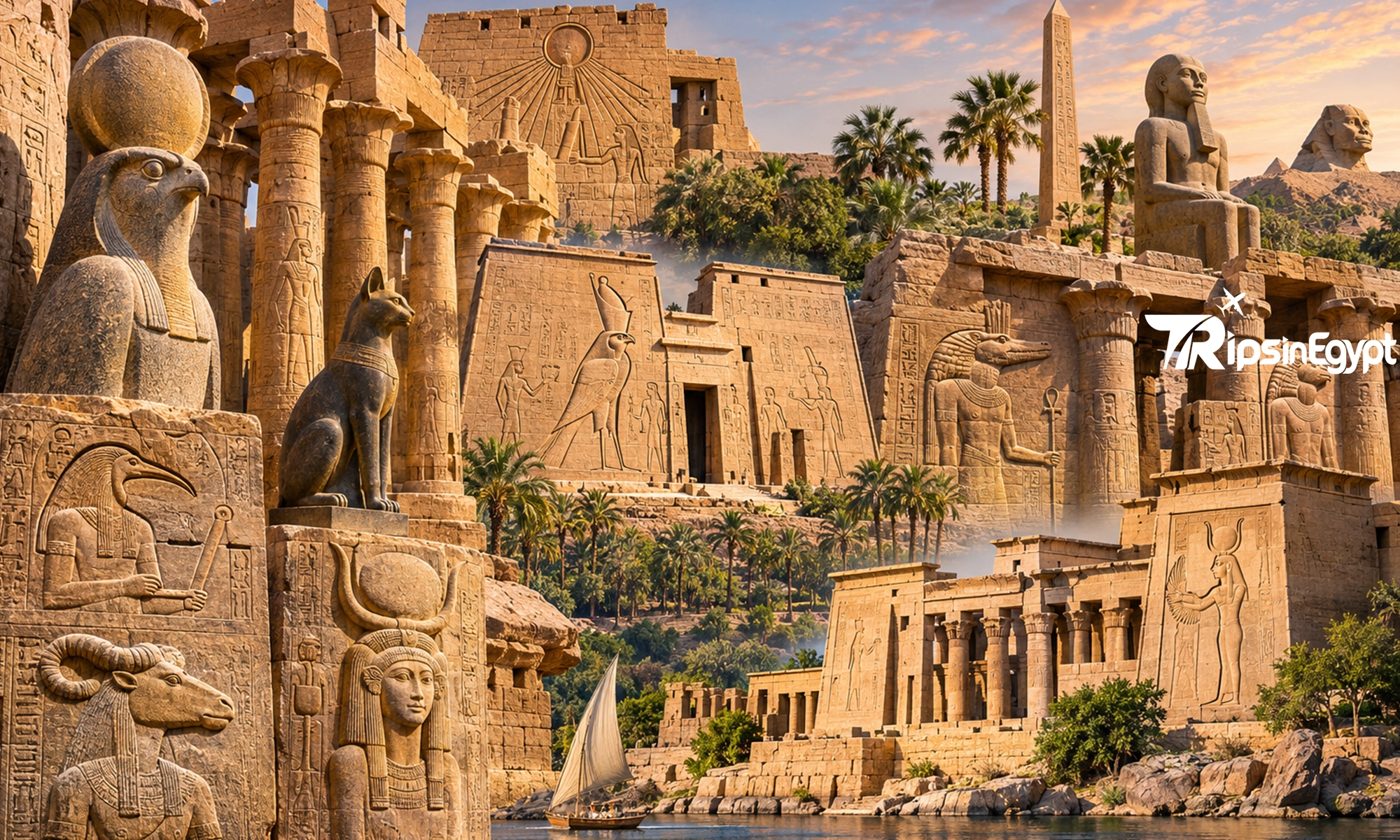




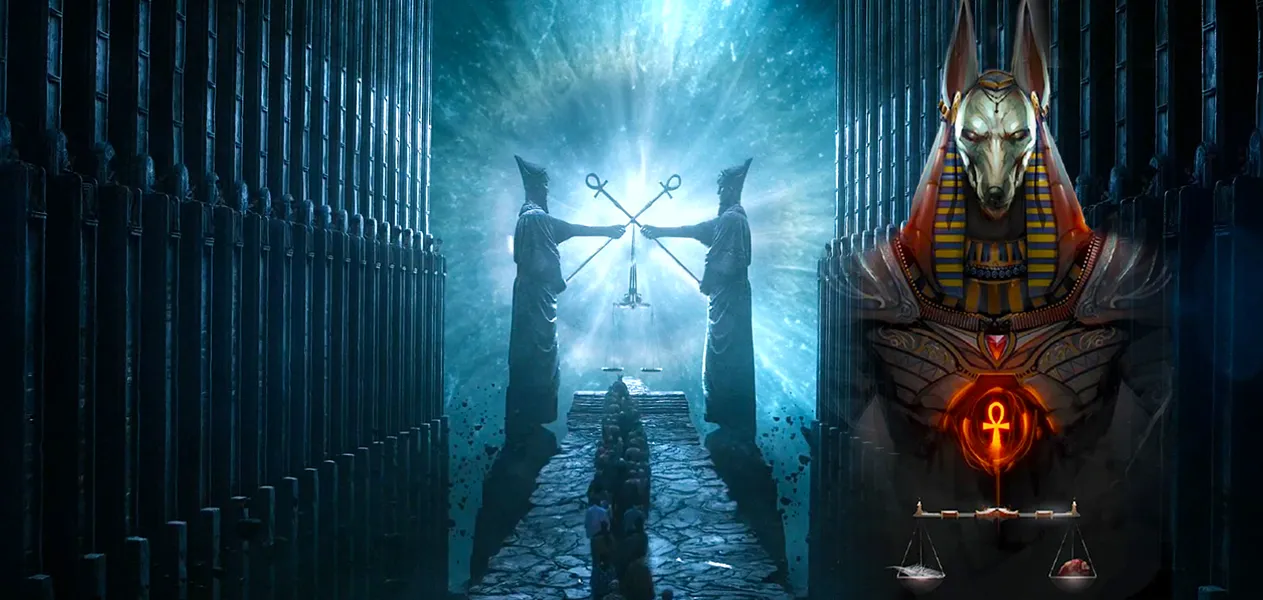
The Egyptian afterlife was a second existence after death, reached through the Duat, the judgement of the heart and the correct rituals performed on earth. For more than 3,000 years, Egyptians built tombs, preserved bodies and wrote magical texts to secure eternity. These ancient Egyptian afterlife beliefs shaped mummification, funerary art, sacred texts and some of Egypt's greatest monuments, from painted tombs to royal pyramids.

What Was the Ancient Egyptian Afterlife?
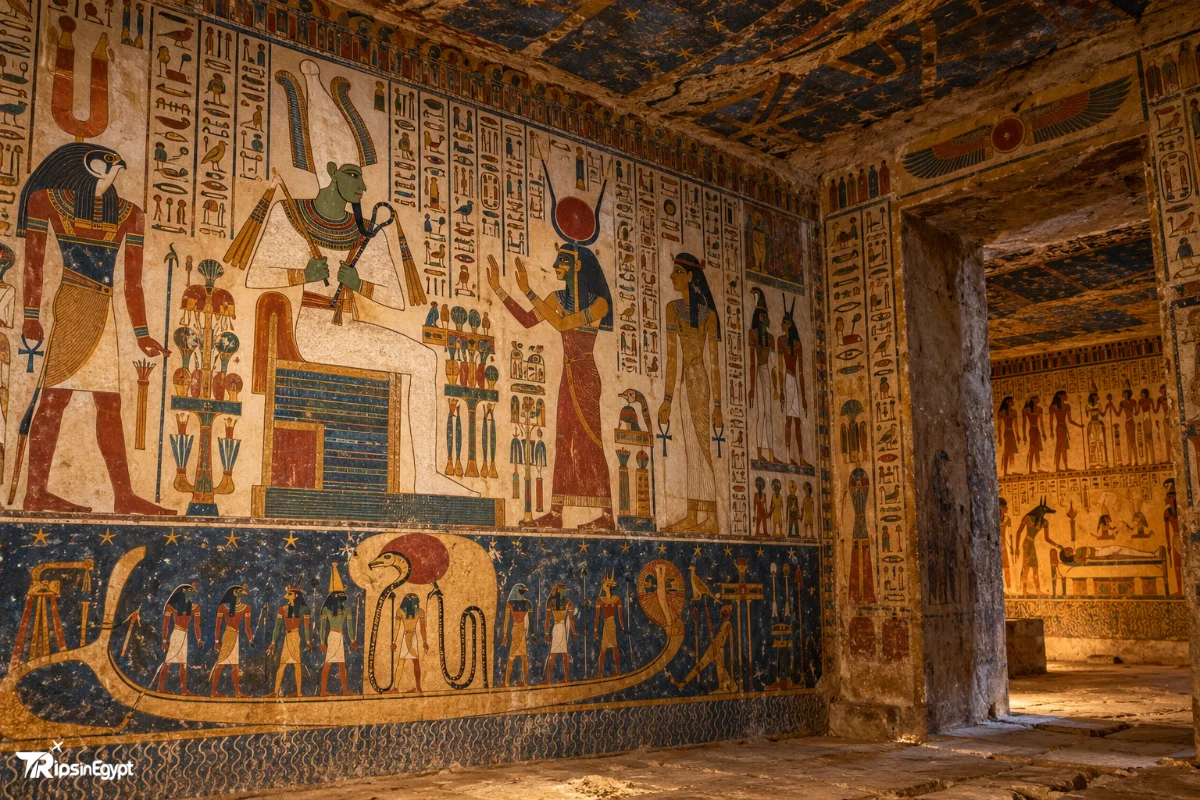
Ancient Egyptian afterlife beliefs held that death was a passage rather than an end. A person who received the proper burial, was protected by sacred spells and proved truthful at judgement could continue living forever in an ideal version of Egypt. Ideas about the next world changed over thousands of years, but three themes remained central: the Duat, eternal existence for the worthy and the possibility of rebirth.
Why Was the Afterlife So Important in Ancient Egypt?
The afterlife was so important in ancient Egypt because Egyptians regarded earthly life as only one stage of a longer existence.
Their natural world seemed to confirm the possibility of renewal. The sun disappeared every evening and returned each morning, while the Nile repeatedly renewed the agricultural land.
The story of Osiris and Isis provided one of the clearest mythological models. Osiris was murdered by Seth but restored through Isis and became ruler of the dead.
Living according to Ma'at, the principle of truth, justice and cosmic order, was equally important because a person's conduct on earth determined whether they could pass the final judgement.
Names for the Egyptian Afterlife
The Egyptian afterlife did not have only one name.
The Duat was the mysterious underworld through which the dead and the sun god traveled. It could contain rivers, caverns, gates, gods and dangerous supernatural beings.
Aaru, also called the Field of Reeds or Sekhet-Aaru, represented the paradise reached by the justified dead.
Egyptians also associated death with the West, or Imentet, because the sun disappeared there every evening and many cemeteries were constructed on the western side of the Nile.
The goddess Amentet personified the western realm and was sometimes shown welcoming the deceased into the next world.
Rebirth Not Reincarnation
Egyptian rebirth was different from reincarnation.
Ancient Egyptian texts do not describe people repeatedly returning to earth inside new human or animal bodies. Instead, the dead person hoped to be restored and transformed into a new eternal state.
The Greek historian Herodotus later claimed that Egyptians believed in transmigration of the soul, but Egyptian religious texts do not clearly support that interpretation.
The Book of the Dead includes spells that allowed a blessed spirit to take forms such as a falcon, lotus flower or heron. These transformations gave the deceased freedom of movement between divine realms rather than representing entirely new lives on earth.
How Do We Know Egyptians Believed in Life After Death?
Evidence for belief in life after death reaches back thousands of years.
Even Predynastic graves contained food, tools, pottery and jewelry placed beside the body, suggesting that the dead were expected to continue needing possessions.
Later periods produced monumental ancient Egyptian tombs, pyramids, preserved mummies, painted funerary scenes and thousands of spells written on walls, coffins and papyri.
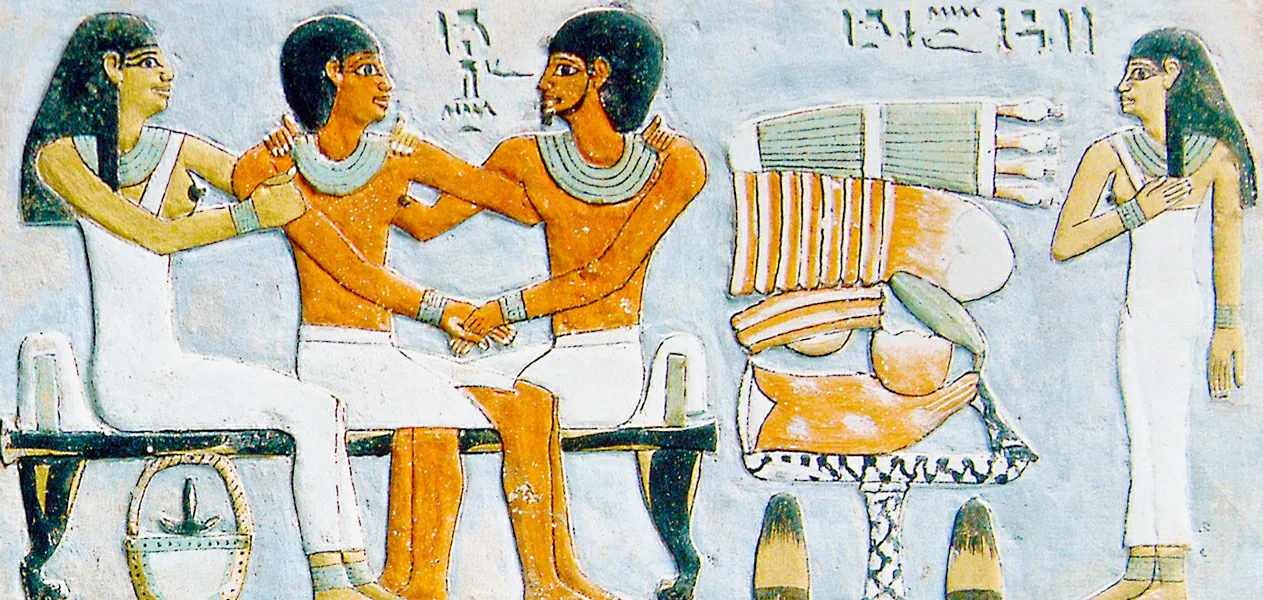
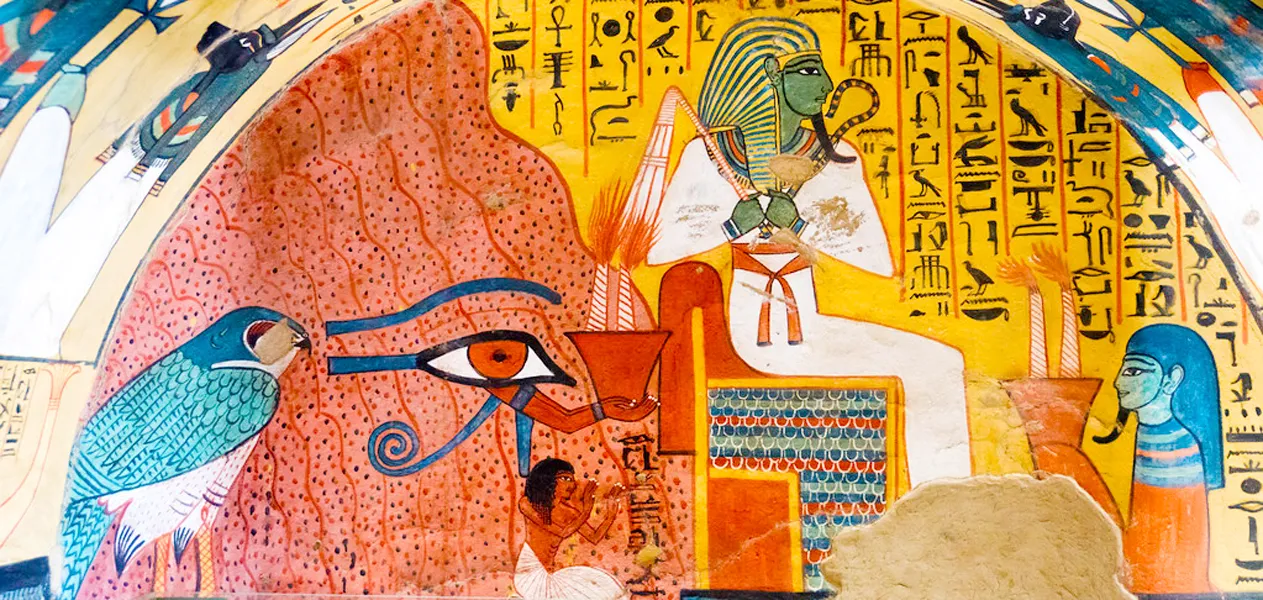
Tomb paintings show deceased people eating, farming, sailing and worshipping in another world.
Letters were even written to deceased relatives asking them for help, showing that Egyptians believed the dead remained active and could still influence the living.
The Soul in Egyptian Afterlife Beliefs
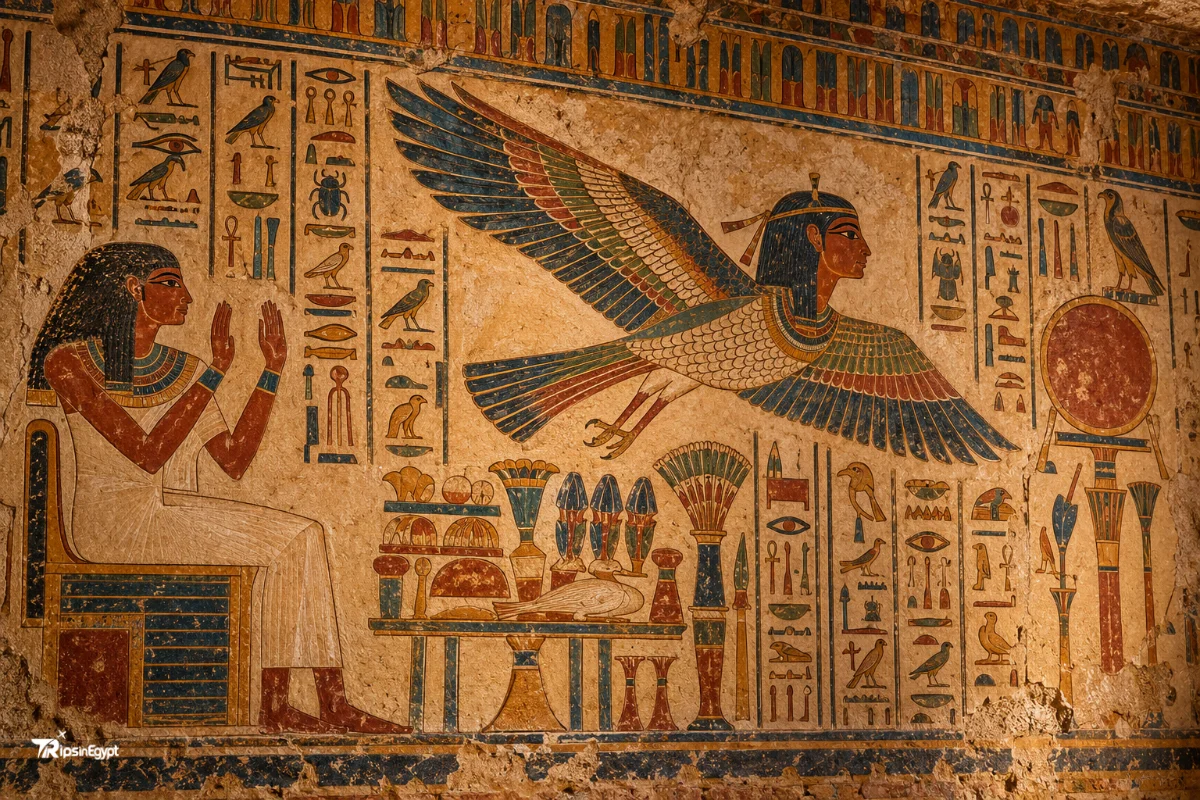
Egyptians did not think of a person as a body with a single soul. Human identity consisted of several physical and spiritual elements, and eternal life depended on preserving or successfully transforming each one. The destruction of the body, heart or even a person's written name could threaten continued existence. Understanding the ka, ba and akh explains why Egyptians devoted so much effort to mummification, tomb decoration and funerary offerings.
Ka Ba and Akh
The ka represented a person's vital life force. It came into existence at birth and continued after death.
Because the ka remained closely connected to the tomb, families provided food, drink and incense for it.
The ba represented personality and individuality. Artists depicted it as a bird with a human head.
Unlike the ka, the ba could leave the tomb, travel through the world and return to the body.
The akh was the transformed and effective spirit created after successful judgement and the reunion of the deceased's spiritual elements.
A justified person could become an akh and live among the gods, stars or in the Field of Reeds.
The Body Heart Name and Shadow
The physical body, or khat, had to remain intact because it provided a home for spiritual elements such as the ka and ba.
This requirement explains the development of mummification.
The ib, or heart, was particularly important because Egyptians considered it the center of thought, memory and moral character. It was normally left inside the mummy so it could be tested during judgement.
A person's ren, or name, also preserved identity. As long as a name continued to be spoken or written, the person remained alive in some form.
The shut, or shadow, was another essential element believed to contain part of a person's power.
Now We'll Introduce Some of the Funeral Practices
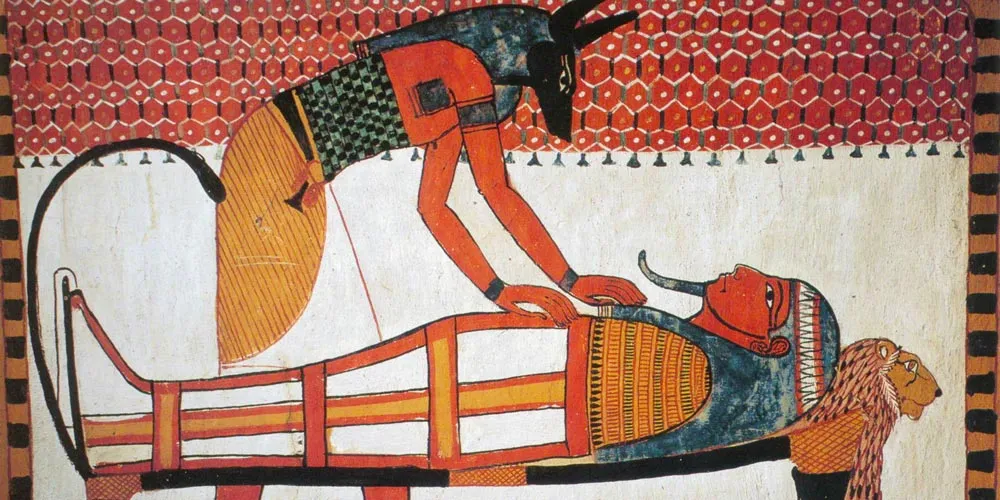
Funeral practices allowed the living to prepare the dead for eternity. Families, priests, embalmers and craftsmen created the tomb, preserved the body and supplied everything the deceased might need in the next world. Burial was therefore not simply disposal of the body. It was a carefully planned religious process designed to restore the senses, protect identity and prepare the deceased to face the gods.
1. The Tombs of Ancient Egyptian Afterlife
Wealthy Egyptians often began constructing their tombs while they were still alive.
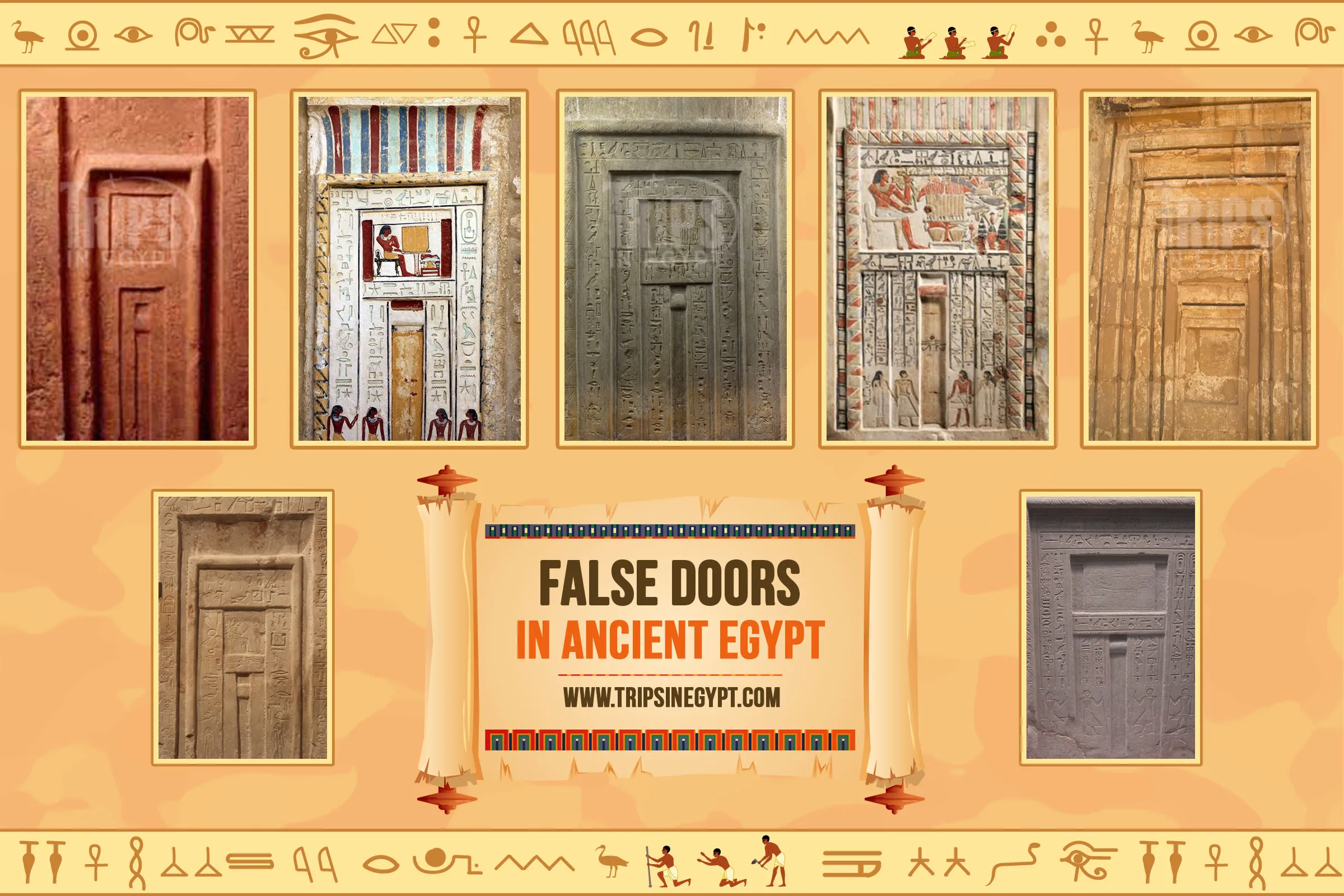
A tomb could function as an eternal home, with a burial chamber protecting the body and a chapel where relatives continued to bring offerings.
Walls contained scenes of food, agriculture, festivals, gods and daily life because images were believed to possess magical power.
During the Old Kingdom, kings were buried beneath pyramids. By the New Kingdom, royal burials moved into hidden rock-cut tombs in the Valley of the Kings.
The painted corridors of those tombs contain some of the most detailed surviving representations of the Egyptian afterlife.
2. Coffins of the Dead
Coffins protected the body physically and magically.
Old Kingdom coffins were often rectangular wooden or stone boxes. Some contained painted eyes that symbolically allowed the deceased to look outward.
By the New Kingdom, anthropoid coffins shaped like the human body became increasingly elaborate.
They could show the face of the deceased, wigs, jewelry, protective gods and long religious texts.
Wealthy individuals sometimes received several nested coffins inside a stone sarcophagus.
Tutankhamun's famous gold inner coffin weighs roughly 110 kilograms and remains one of the most spectacular surviving examples.
3. Mummification Process of the Dead
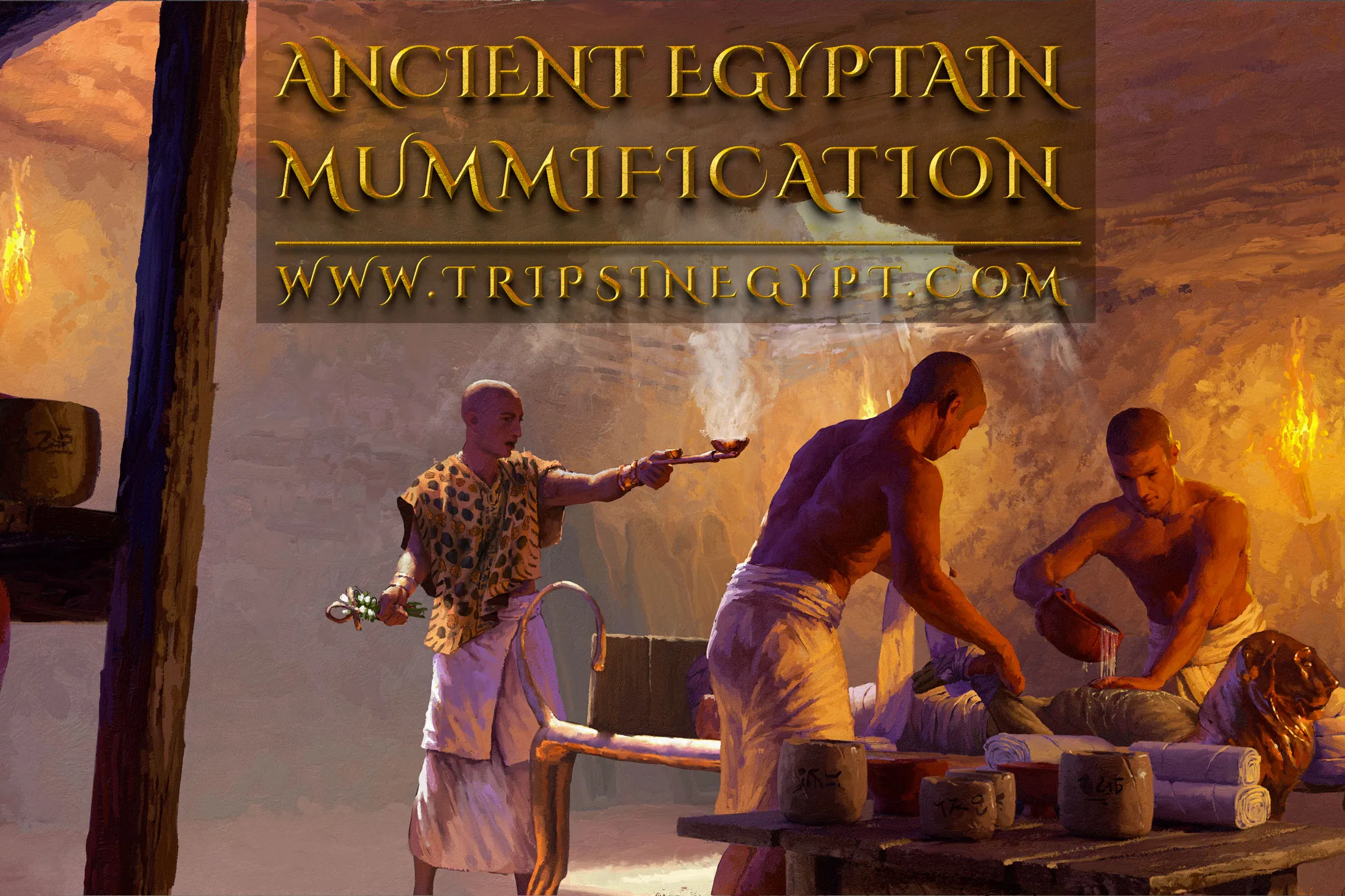
Mummification preserved the body so that the spiritual elements of the person could recognize and return to it.
A complete elite mummification process lasted approximately 70 days.
Embalmers removed the brain and most internal organs while normally leaving the heart inside the body for judgement.
The corpse was covered in natron for roughly 40 days to remove moisture.
It was then treated with oils and resins before being wrapped in many layers of linen.
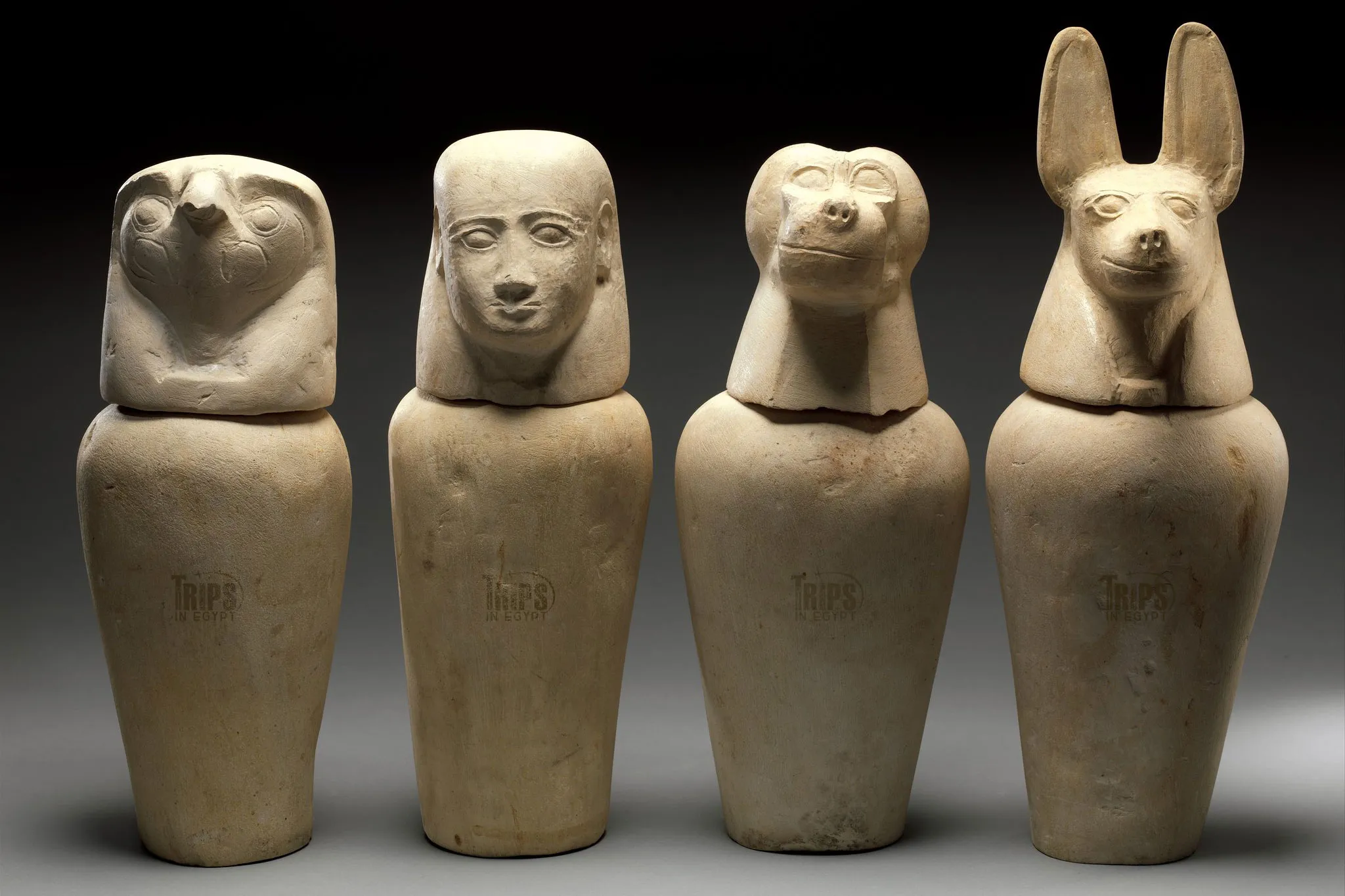
The lungs, liver, stomach and intestines could be stored in four canopic jars.
Our detailed guide to ancient Egyptian mummification explains the process in greater depth.
4. What Did Mummification Smell Like?
Mummification could smell surprisingly sweet, woody and spicy.
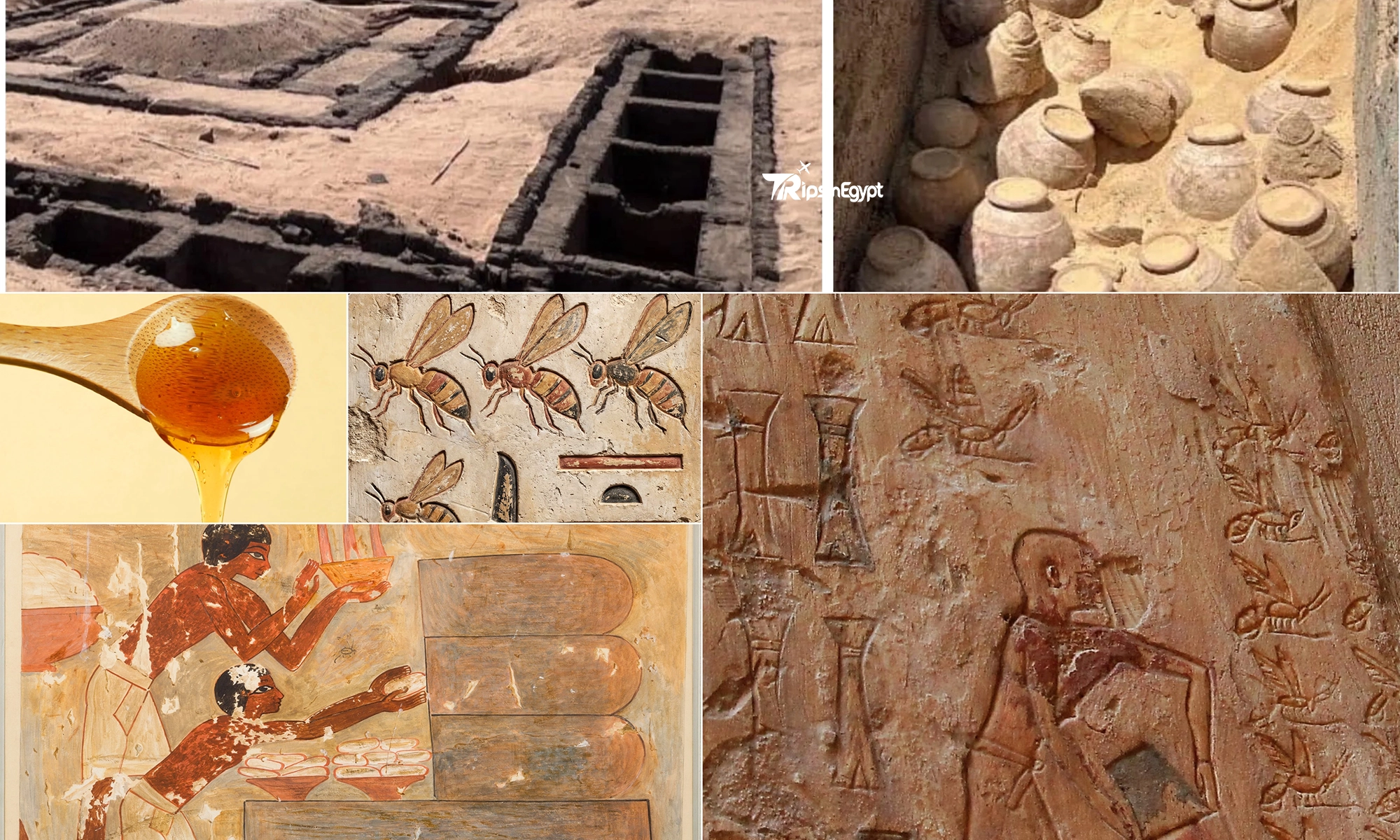
Scientific analysis of embalming materials has identified substances including beeswax, plant oils, animal fats, conifer resins, bitumen and aromatic tree resins.
Research on the embalming materials connected with the noblewoman Senetnay helped scientists reconstruct what has been described as a possible "scent of eternity".
Studies of preserved mummies have also described noticeable woody, spicy and sweet aromas.
These materials were not selected only for fragrance. Oils and resins had preservative properties and also carried symbolic and religious meanings.
5. The Opening of the Mouth Ceremony
Before burial, priests performed the Opening of the Mouth ceremony on the mummy or a funerary statue.
Special ritual tools were touched to the mouth, eyes and other parts of the body while priests recited spells.
The ceremony symbolically restored the senses so the dead person could breathe, see, speak, eat and drink again.
Royal tomb art sometimes shows the new king performing this ritual for his predecessor.
One famous scene appears in the tomb of King Tutankhamun, where Ay performs the ceremony for the deceased young pharaoh.
6. Funeral Offerings and What Egyptians Took to the Afterlife
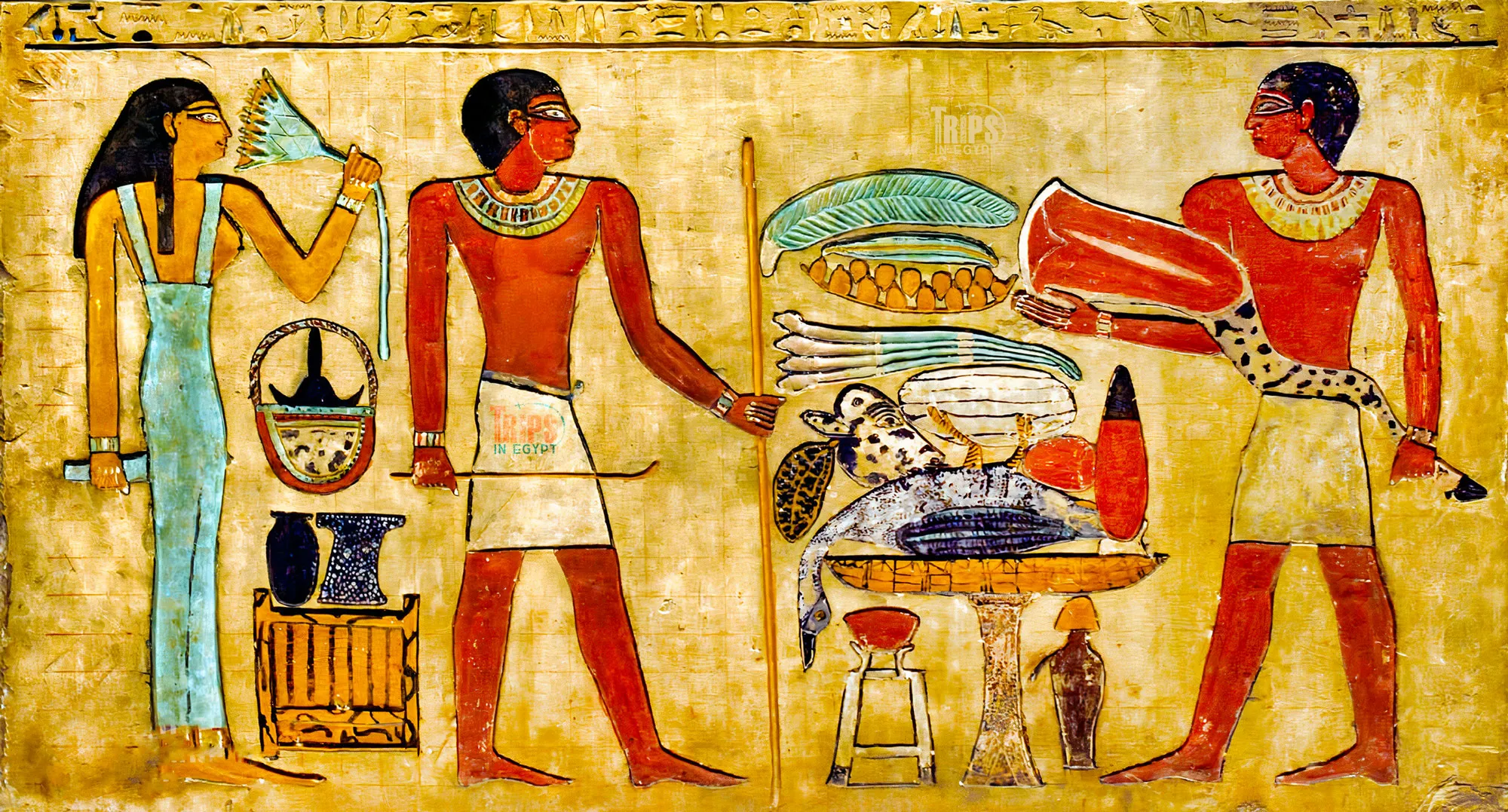
Ancient Egyptians placed many kinds of objects inside tombs.
These included food, drink, clothing, furniture, cosmetics, jewelry, amulets, games and model boats.
Wealthier burials also contained shabti figures, magical servants intended to perform agricultural labor for the deceased.
Some burials included hundreds of shabtis.
Tutankhamun's tomb contained more than 5,000 objects, demonstrating how extensively elite Egyptians prepared for the next world.
Families continued to visit tomb chapels after burial and bring real offerings.
Written offering formulas could magically provide food and drink if physical offerings eventually stopped.
Ancient Egyptian Afterlife Texts

Ancient Egyptian afterlife texts contained spells, hymns, maps and instructions intended to guide the dead toward eternal life. Their form changed dramatically through Egyptian history. Texts originally reserved for kings gradually became available to queens, officials and wealthy private individuals. Together, the Pyramid Texts, Coffin Texts, Book of the Dead and Books of the Netherworld form one of the richest surviving religious traditions of the ancient world.
1. Pyramid Texts
The Pyramid Texts are the earliest large collections of Egyptian funerary spells.
They first appeared inside royal pyramids near the end of the Old Kingdom.
The oldest extensive surviving group is carved inside the burial chamber of the Pyramid of Unas at Saqqara.
These texts describe the deceased king rising toward the sky, joining the stars, accompanying Ra and becoming associated with Osiris.
Initially reserved for kings, similar texts later appeared in pyramids belonging to queens and other members of the royal family.
Learn more about these monuments through our guide to the Egyptian pyramids.
2. The Coffin Texts About Ancient Egyptian Afterlife
During the First Intermediate Period and Middle Kingdom, funerary spells increasingly appeared on the interiors of wooden coffins.
More than a thousand spells are grouped under the modern name Coffin Texts.
These writings extended access to afterlife knowledge beyond royalty and introduced increasingly detailed descriptions of the Duat.
One particularly important group is the Book of Two Ways, which presents routes through the next world using both land and water.
It is sometimes described as one of the earliest surviving maps of an imagined afterlife landscape.
3. Book of the Dead
The Book of the Dead became especially popular during the New Kingdom.
Its Egyptian title is usually translated as Spells for Coming Forth by Day.
Around 200 spells are known, though no surviving papyrus contains every one.
Families selected combinations of spells and paid scribes to create personalized copies.
These scrolls often contained colorful illustrations showing gods, judgement scenes and the deceased moving through the afterlife.
The Papyrus of Ani is one of the best-known examples.
Our dedicated guide to the Egyptian Book of the Dead covers its spells, art and purpose in detail.
4. Books of the Netherworld
The Books of the Netherworld describe the sun god's journey through the Duat during the hours of darkness.
They became especially prominent in New Kingdom royal tombs.
The Amduat divides the nighttime journey into twelve hours.
The Book of Gates structures the underworld around twelve guarded gates.
Later compositions included the Book of Caverns and Book of the Earth.
These texts filled royal burial chambers with gods, demons, serpents, divine boats and scenes of cosmic rebirth.
The complete Book of Gates was also carved on the famous sarcophagus of Seti I.
The Egyptian Afterlife Journey Step by Step
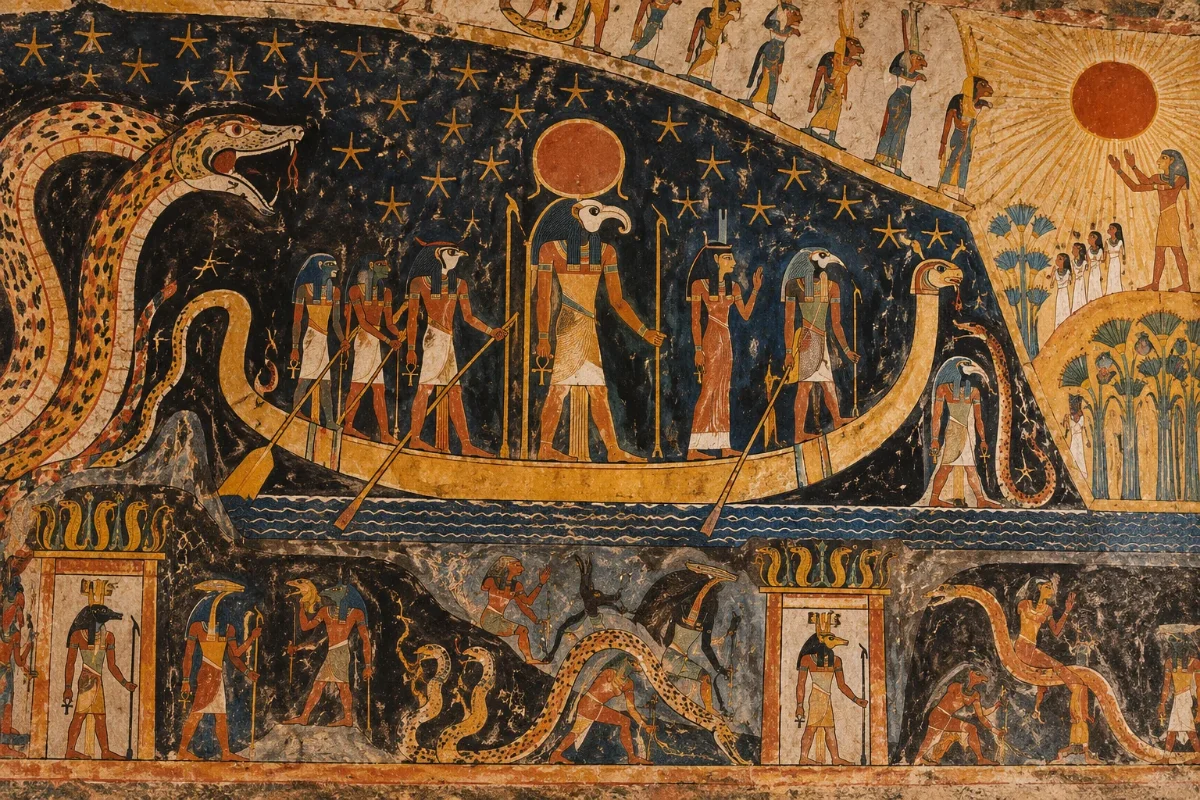
The Egyptian afterlife journey was a dangerous passage through the Duat in which knowledge, magic and divine protection were essential. Egyptian texts do not preserve one single universal route, and descriptions changed between periods. Yet several themes repeatedly appear: entering the western underworld, overcoming supernatural dangers, passing guarded gates, crossing water and finally reaching the judgement hall where the dead person's heart determined their eternal fate.
From Death to the Duat
After burial, the deceased entered the Duat, usually associated with the west where the sun disappeared each evening.
Anubis, the jackal-headed god associated with embalming and cemeteries, acted as one of the principal protectors and guides of the dead.
The Duat could contain deserts, caverns, rivers, lakes of fire, snakes, crocodiles and knife-wielding supernatural beings.
The deceased therefore required magical knowledge.
Spells gave the traveler the names of gods and guardians, protected the body and helped the soul overcome obstacles.
Knowing the correct name of a being or place often meant gaining magical power over it.
The 12 Gates of the Egyptian Underworld
The Book of Gates describes twelve divisions of the night represented by twelve gates.
Each gate was protected by divine guardians and serpents who admitted only those with the correct knowledge.
Ra crossed these regions every night aboard his solar barque.
The dead hoped to accompany him and share in his daily rebirth.
The greatest threat was Apophis, the enormous serpent of chaos that attempted to stop or consume the sun.
Divine beings repeatedly defeated Apophis so that Ra could emerge again in the east at sunrise.
The nightly victory of the sun became one of the strongest symbols of resurrection for the Egyptian dead.
The Egyptian Afterlife River and the Ferryman
Water played an important role in Egyptian ideas of the next world.
The Duat contained waterways that mirrored the Nile, while Ra traveled aboard a divine barque.
The Pyramid Texts describe a Winding Waterway that the deceased king needed to cross.
The Coffin Texts also describe routes that could be traveled by land or water.
Some spells required the deceased to call upon a supernatural ferryman.
The ferryman could demand magical knowledge, including the names of parts of the boat, before allowing passage.
Model boats placed in tombs helped ensure transportation in the next world.
Royal funerary complexes could even contain full-sized vessels, such as those associated with Khufu at Giza.
The Hall of Two Truths and the Field of Reeds
The journey eventually led toward the Hall of Two Truths, where the morality of the deceased was examined.
Those who successfully passed judgement became blessed spirits and could enter the Field of Reeds.
This paradise resembled an ideal Egypt.
There were fertile fields, irrigation canals, abundant crops, boats, food and reunions with family members.
The dead could continue familiar activities such as farming and sailing without the hardships of ordinary earthly life.
Shabti figures buried in tombs were expected to come alive and perform agricultural labor whenever the deceased was called to work.
Judging of the Dead
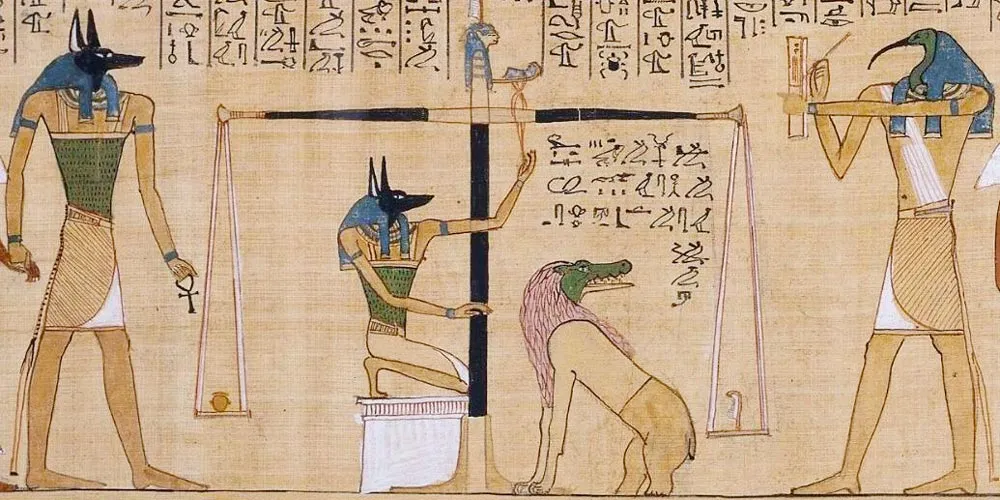
The final judgement determined whether a deceased person could enter eternal life. According to Egyptian mythology, in the afterlife the heart of the dead was weighed against the feather of Ma'at inside the Hall of Two Truths. Anubis supervised the weighing, Thoth recorded its result and Osiris presided over the final verdict. Our dedicated guide to the judgement of the dead in ancient Egypt explores the complete scene.
The Weighing of the Heart
The weighing of the heart became the most famous image of Egyptian afterlife judgement.
Anubis placed the heart of the deceased on one side of a balance and the feather of Ma'at on the other.
The feather represented truth, justice and cosmic order.
Thoth, god of writing and knowledge, recorded the result.
Osiris sat on his throne as ruler and judge of the dead.
If the heart balanced with the feather, the deceased was declared true of voice, or justified.
A heart scarab could be placed with the mummy carrying a spell asking the heart not to testify against its owner.
The 42 Judges and the Negative Confession
Before or during judgement, the deceased faced a group of 42 divine judges.
These figures were often associated with Egypt's 42 traditional nomes.
The deceased recited statements of innocence known as the Negative Confession.
Examples include declarations such as not stealing, killing, lying or polluting water.
Rather than describing commandments in the modern sense, these statements reveal the kinds of behavior Egyptians associated with Ma'at.
The deceased also needed to know the names of the judges and other supernatural figures.
Many ancient Egyptian gods and goddesses participated in funerary mythology and the protection of the dead.
Ammit and the Second Death
Failure at judgement meant more than punishment.
If the heart proved heavier than the feather, it could be given to Ammit, the Devourer of the Dead.
Ammit combined three dangerous animals familiar to Egyptians: a crocodile, lion and hippopotamus.
The person consumed by Ammit suffered the second death, meaning complete destruction of existence.
There was no rebirth and no eternal afterlife.
This fate represented one of the greatest fears in Egyptian religion.
Funerary images almost always show their owners successfully passing judgement because depicting the desired outcome was itself believed to possess magical power.
Journey to the Afterlife with Trips in Egypt
Travelers can still see Egyptian ideas of the afterlife preserved across tomb walls, coffins, papyri and temple reliefs.
The most spectacular examples appear in Luxor's royal necropolises, particularly the Valley of the Kings and Valley of the Queens, which can easily be included in a Nile cruise itinerary.
Full Day Tour to Luxor West Bank From $60 includes the royal tombs of the Valley of the Kings, Hatshepsut Temple and the Colossi of Memnon.
Half-Day Tour to Memphis Saqqara and Dahshur from Cairo From $100 explores Saqqara's funerary monuments, ancient Memphis and the pyramids of Dahshur.
10 Days Cairo Faiyum and Nile Cruise Holiday From $1,350 combines Cairo and Faiyum with a Nile cruise between Luxor and Aswan.
Longer Egypt tour packages make it possible to follow these beliefs from the pyramids and museums of Cairo to the painted tombs and temples of Upper Egypt.
Ancient Egyptian afterlife beliefs shaped almost everything Egypt left behind, from mummies and tomb paintings to the Book of the Dead and the pyramids themselves. Egyptians spent their lives preparing for eternity, hoping their hearts would balance against the feather of Ma'at. Walk through a royal tomb in the Valley of the Kings today, and that ancient hope for rebirth still survives in brilliant color across walls painted thousands of years ago.

5 Days Cairo And Hurghada Trip
Amazing 4 Nights Cairo and Hurghada Trip Itinerary 5 Days Cairo and Hurghada trip wil...
- Duration 5 Days / 4 Nights
- Location Cairo & Hurghada
- Type Historical & Recreational Tour
From$690/per person
View Tour
6 Days Cairo, Alexandria & Faiyum Tour
Unforgettable Cairo, Alexandria & Faiyum Adventure in Six Days 6 Days Cairo, Alex...
- Duration 6 Days / 5 Nights
- Location Cairo - Alexandria - Fayum
- Type Historical Tour
From$720/per person
View Tour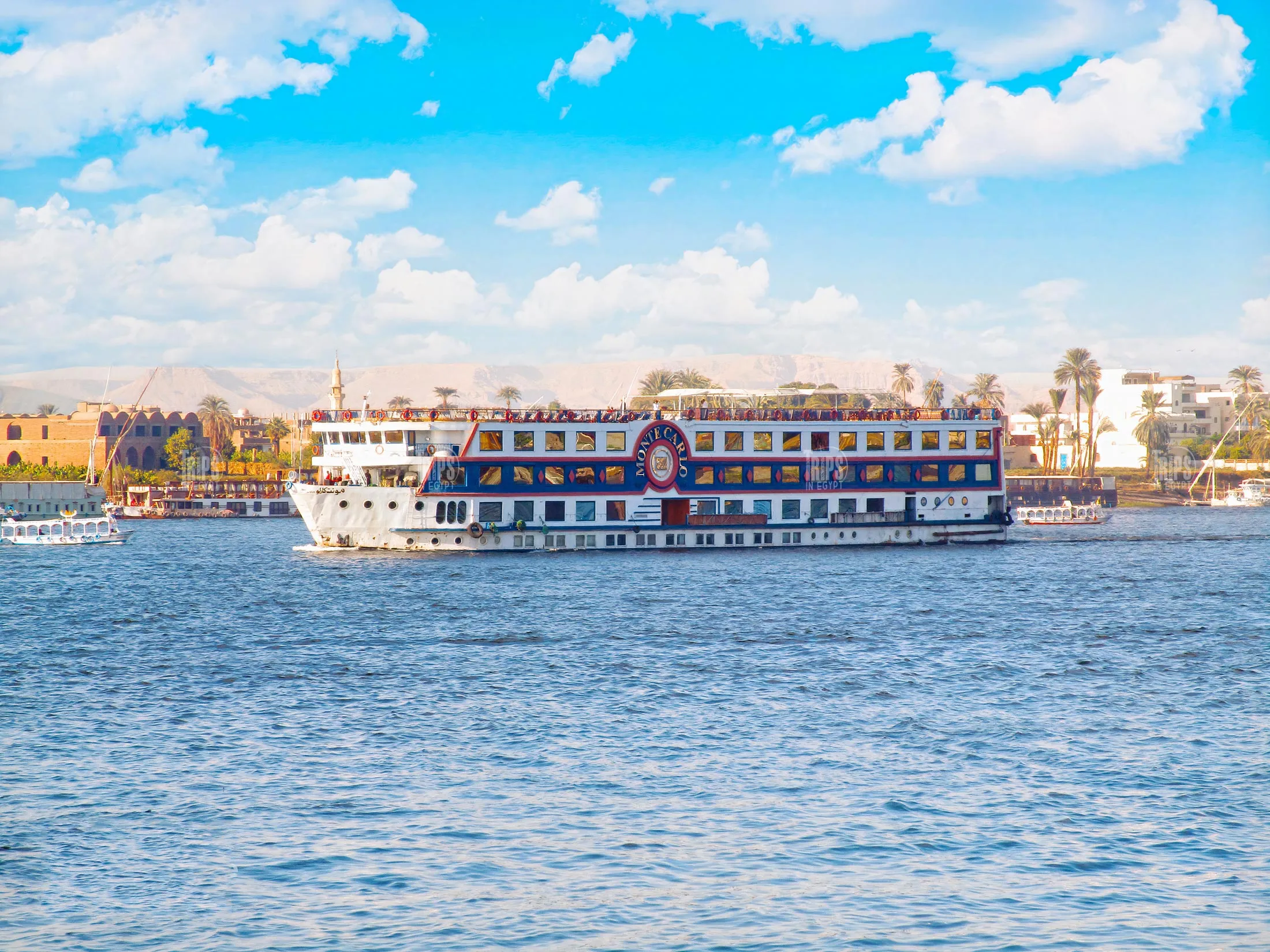
10 Days Cairo, Faiyum & Nile Cruise Holiday
Breathtaking 10 Days Journey of A Lifetime in Egypt 10 Days Cairo, Faiyum & Nile...
- Duration 10 Days / 9 Nights
- Location Cairo, Luxor, Aswan & Faiyum
- Type Classic Tour
From$1350/per person
View Tour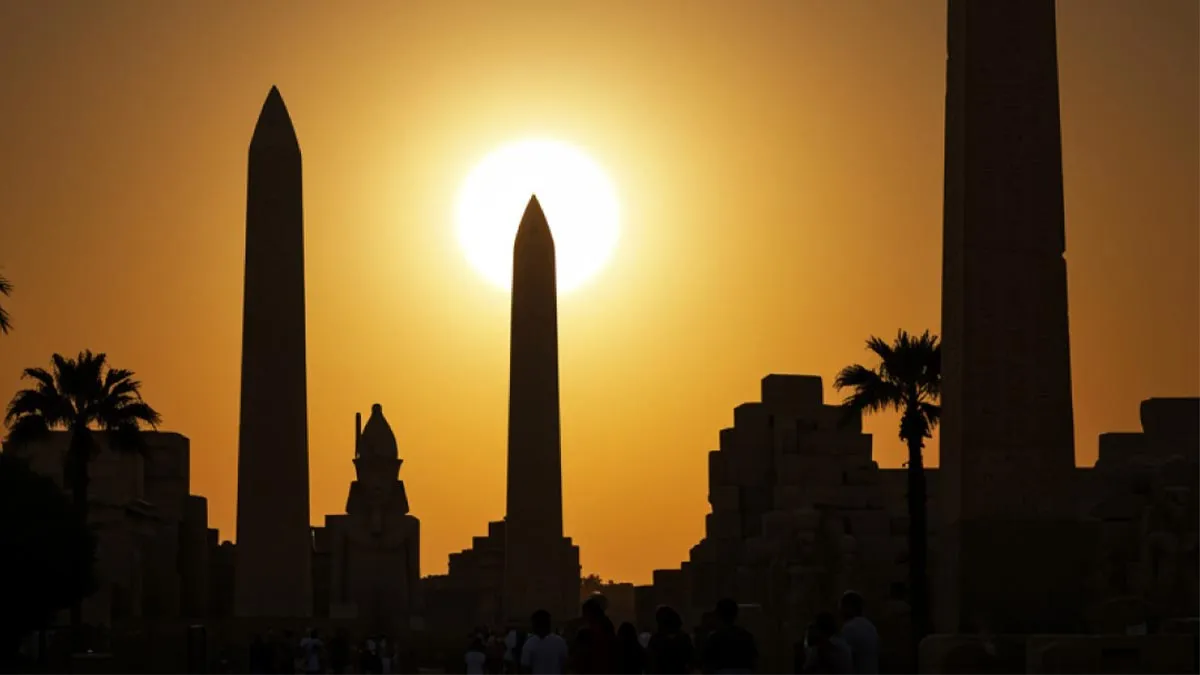 SOLD OUT
Ultimate 7-Day Egypt Solar Eclipse Experience with Hurghada 2027
Enjoy a 7-Day Egypt Solar Eclipse Tour with Hurghada 2027 6 Nights Egypt Solar Ecli...
- Duration 7 Days / 6 Nights
- Location Cairo / Giza / Luxor / Hurghada
- Type Astronomical Tour
Sold Out
View Details