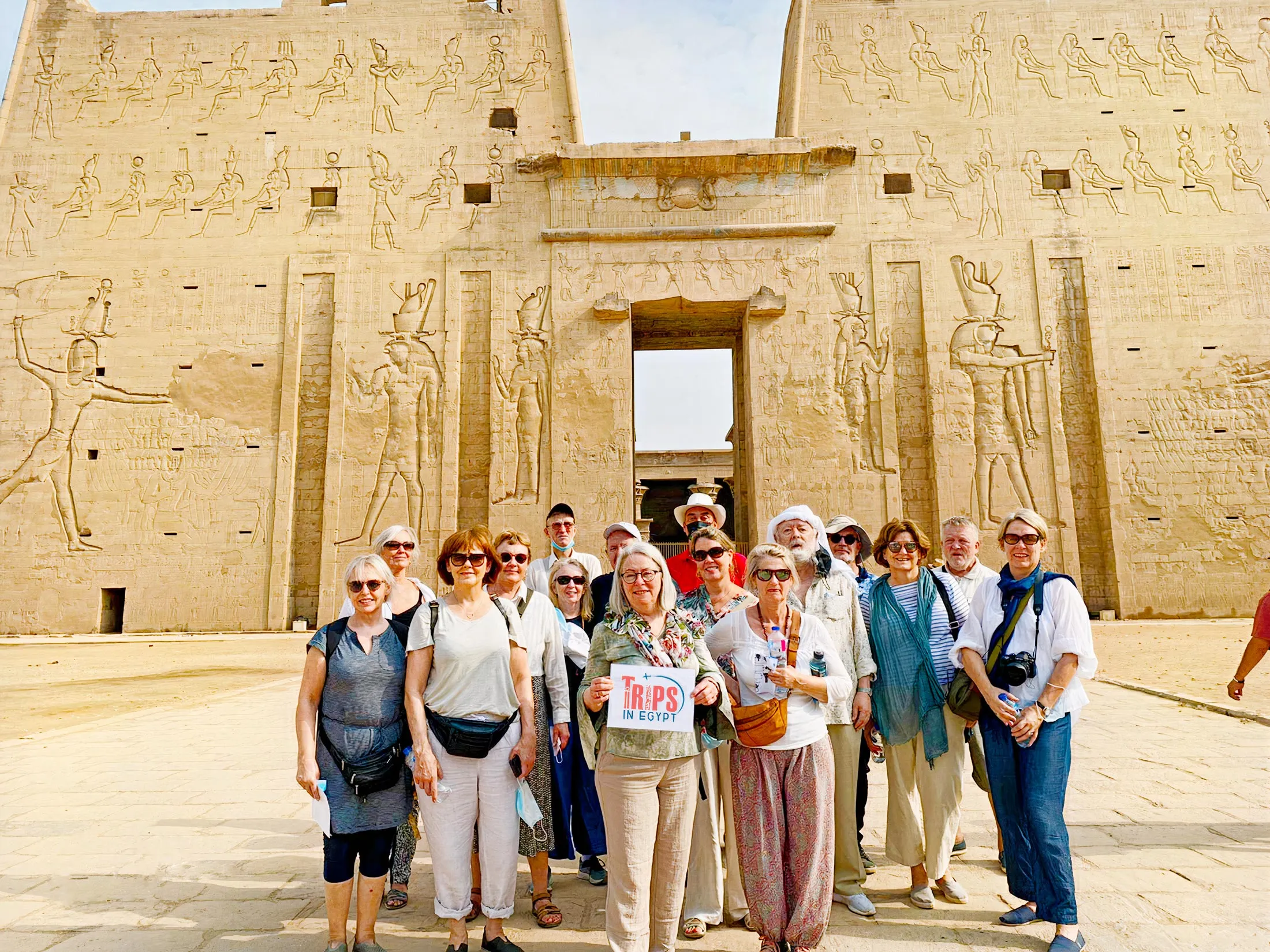
Discover the Secrets of Ancient Egyptian Civilization
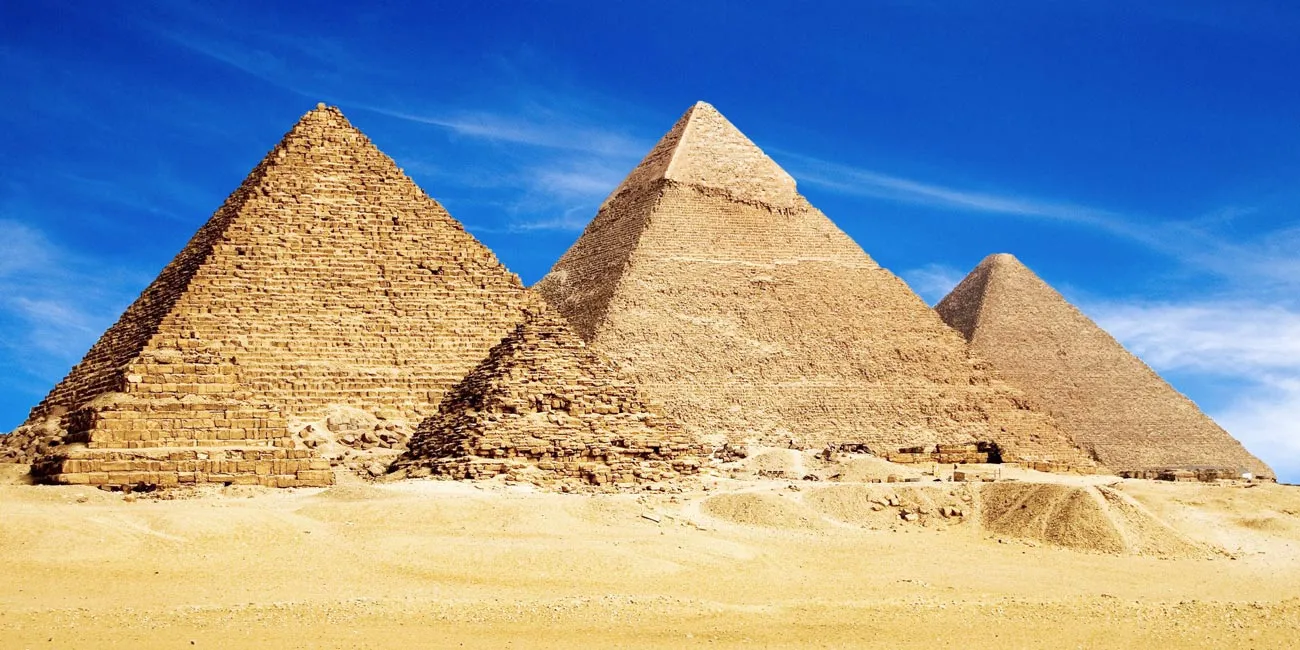
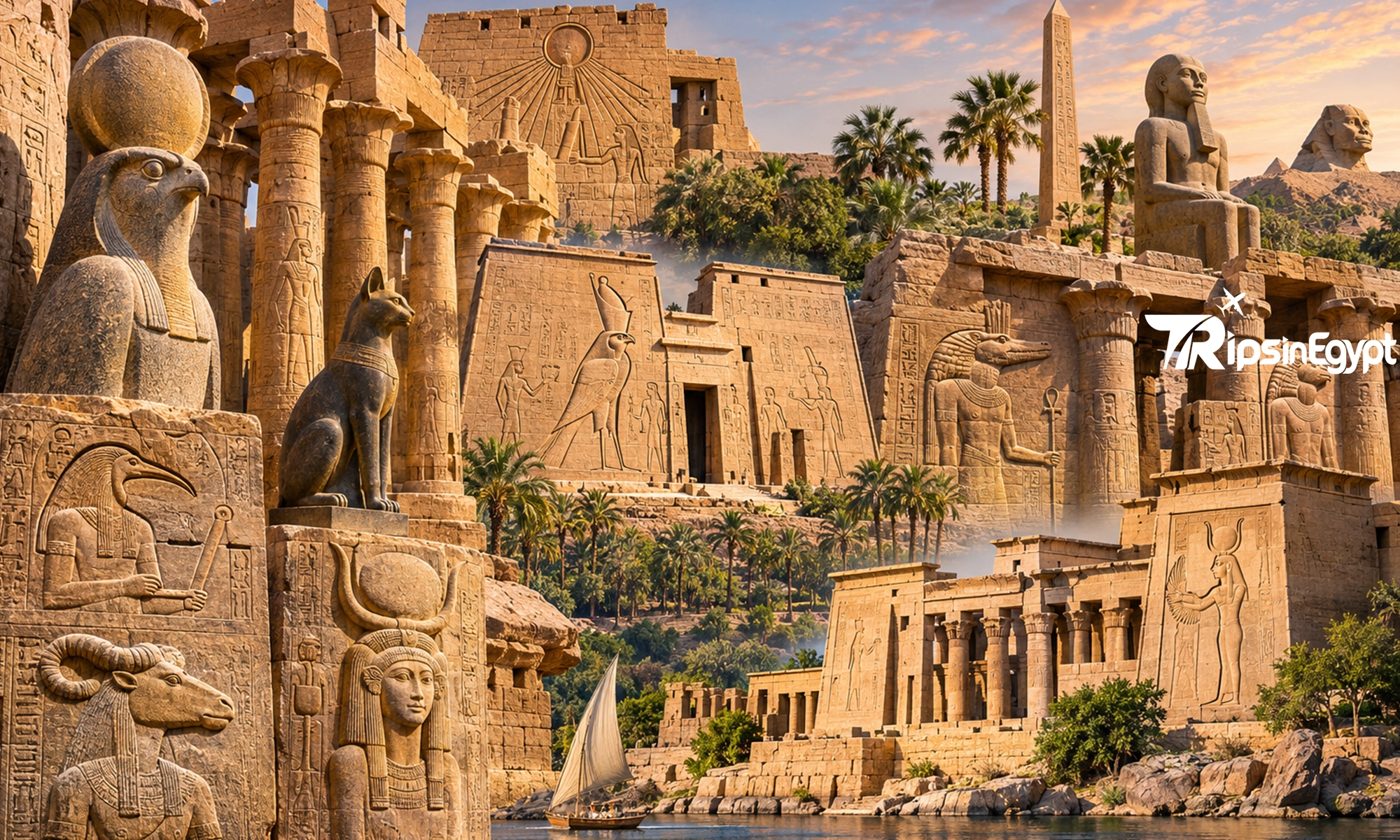
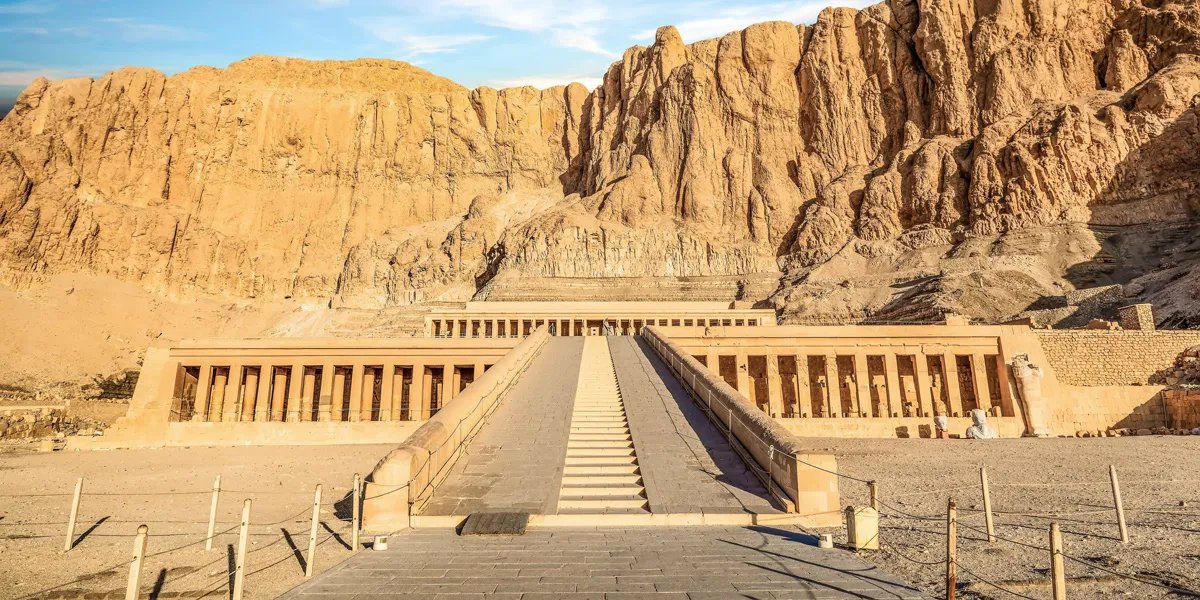
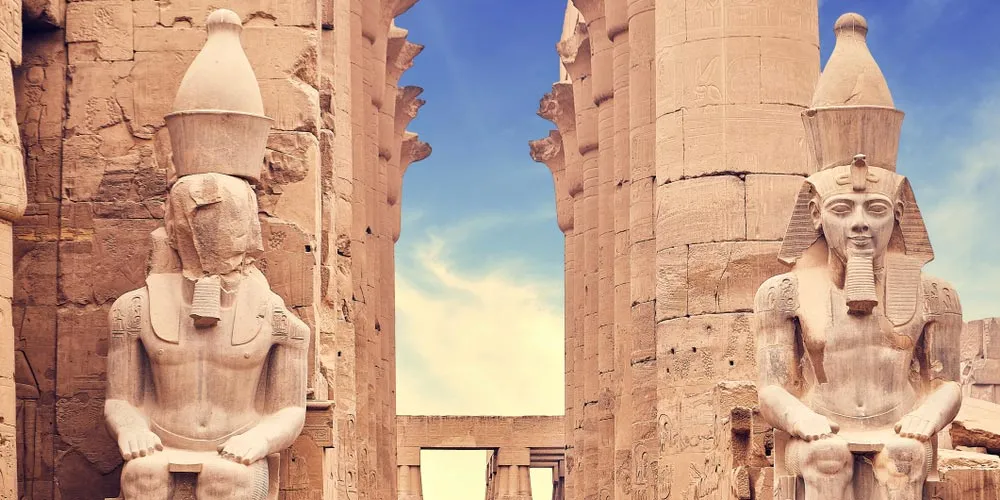
Ancient Egyptian civilization grew along the banks of the Nile River, where fertile land, reliable water and organized agriculture helped communities develop into one of the most influential civilizations of the ancient world. From the unification of Upper and Lower Egypt around 3100 BC, ancient Egypt evolved through powerful kingdoms ruled by pharaohs who built monumental temples, pyramids, tombs and cities that still shape our understanding of the ancient world today.
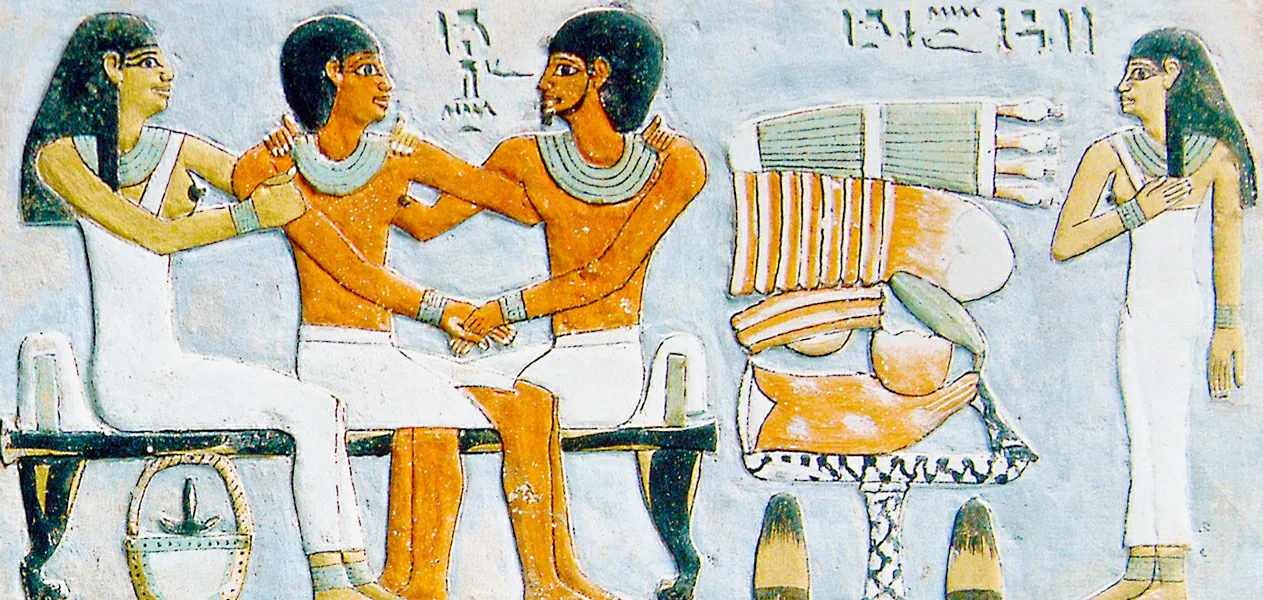
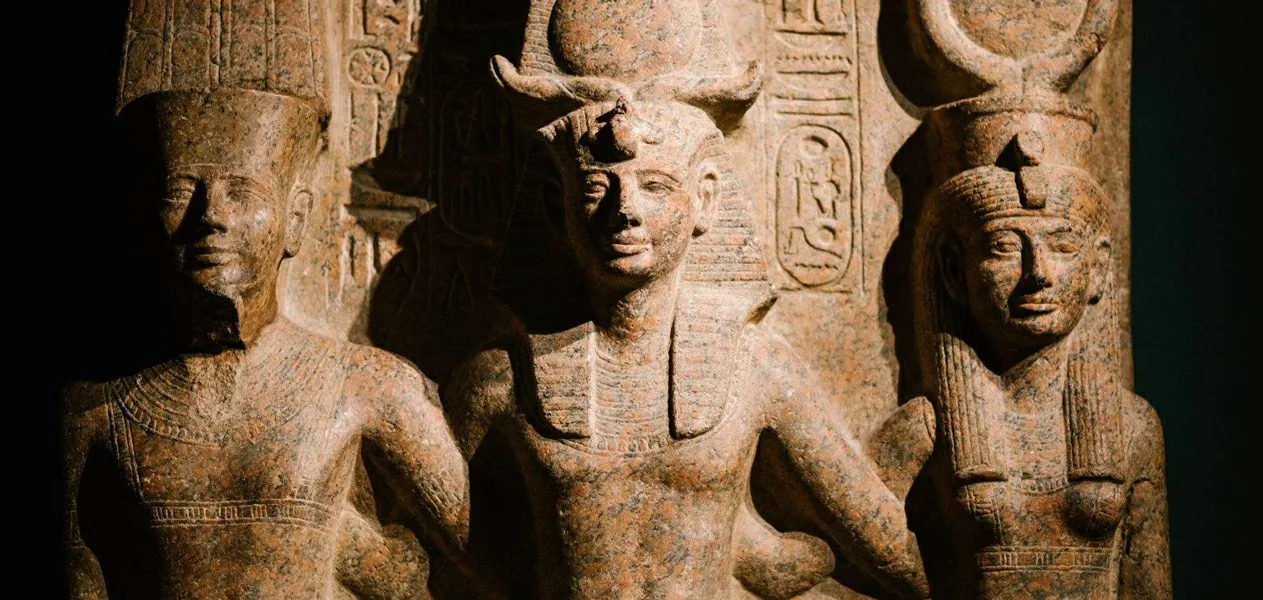
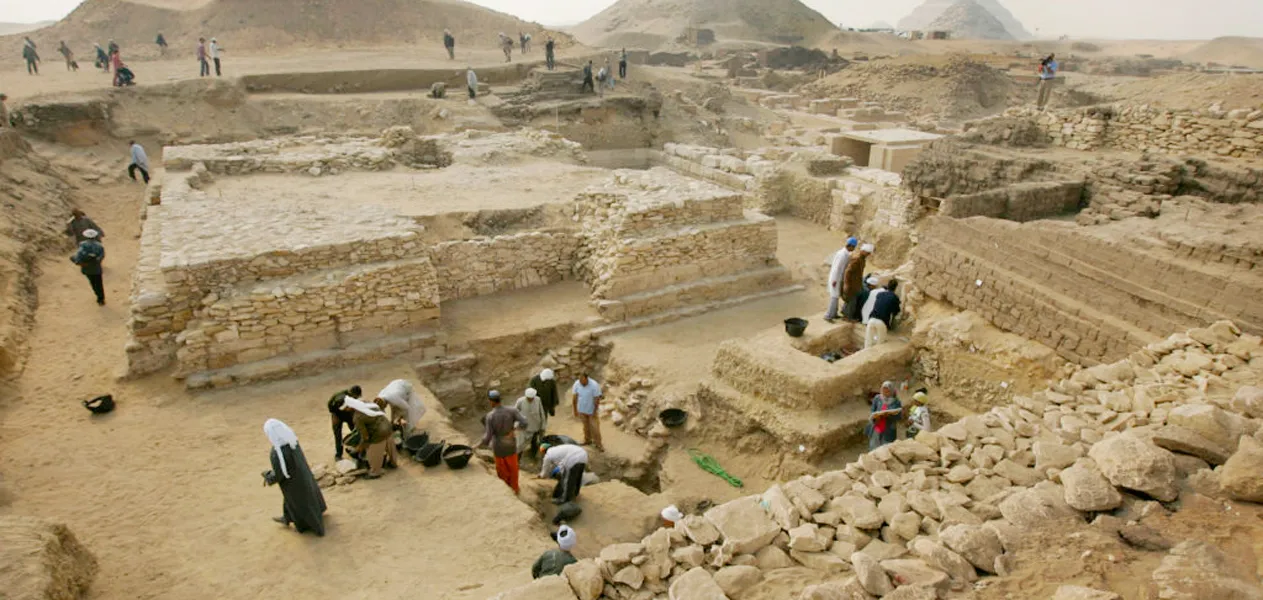
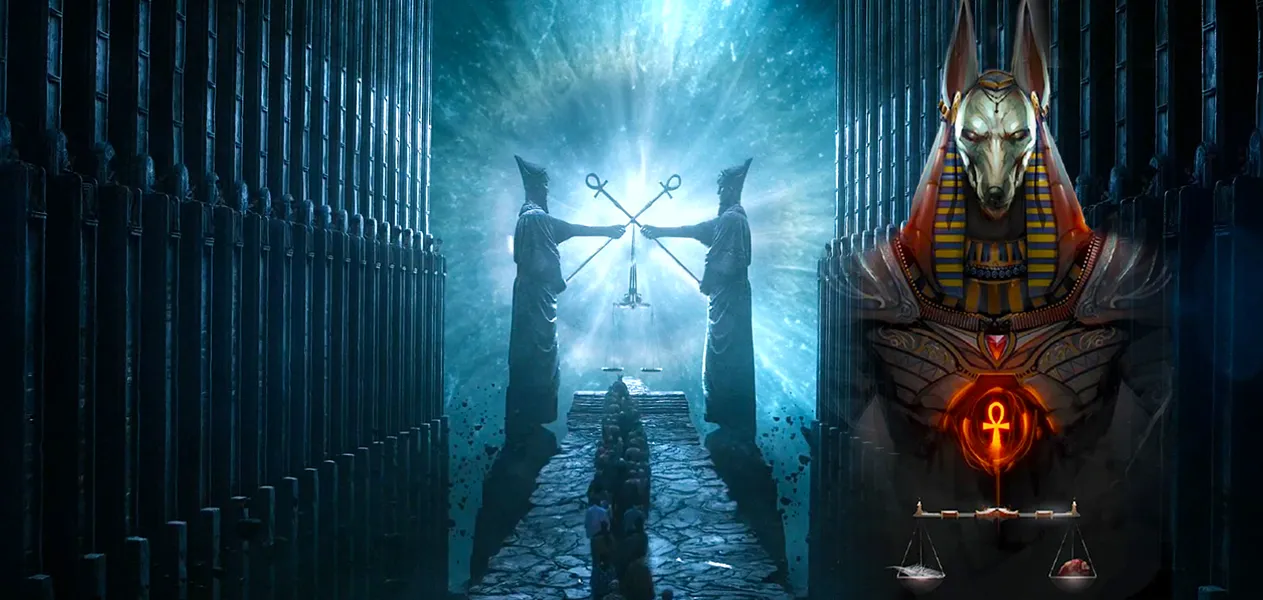
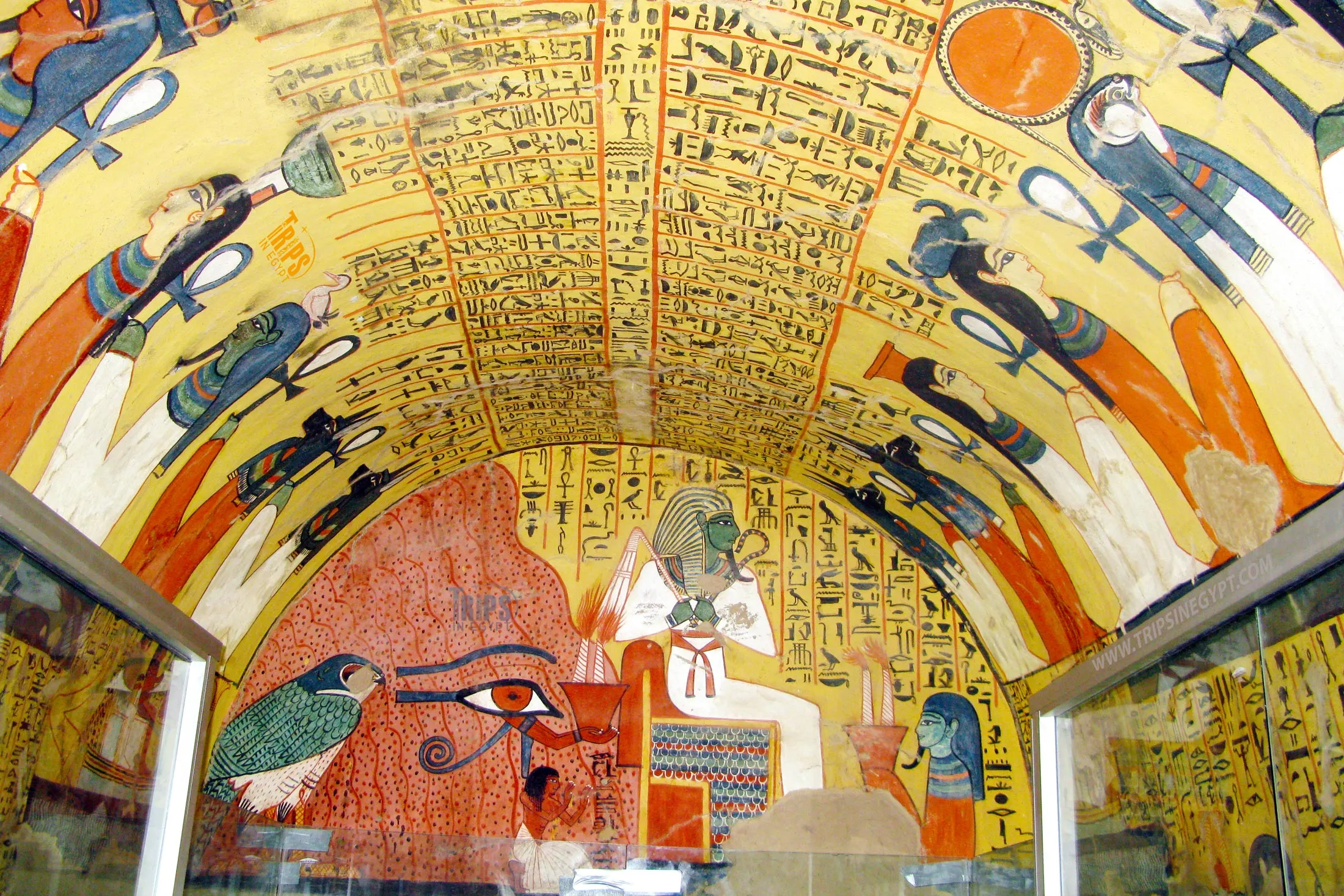
Over more than three thousand years, the Egyptians developed remarkable traditions in architecture, art, medicine, mathematics, engineering, writing and religion. Their achievements can be explored through royal dynasties, daily life, beliefs about the afterlife, famous rulers, sacred symbols, inventions and archaeological discoveries. Browse the guides below to explore the history, culture, achievements and enduring legacy of Ancient Egyptian Civilization in greater depth.