



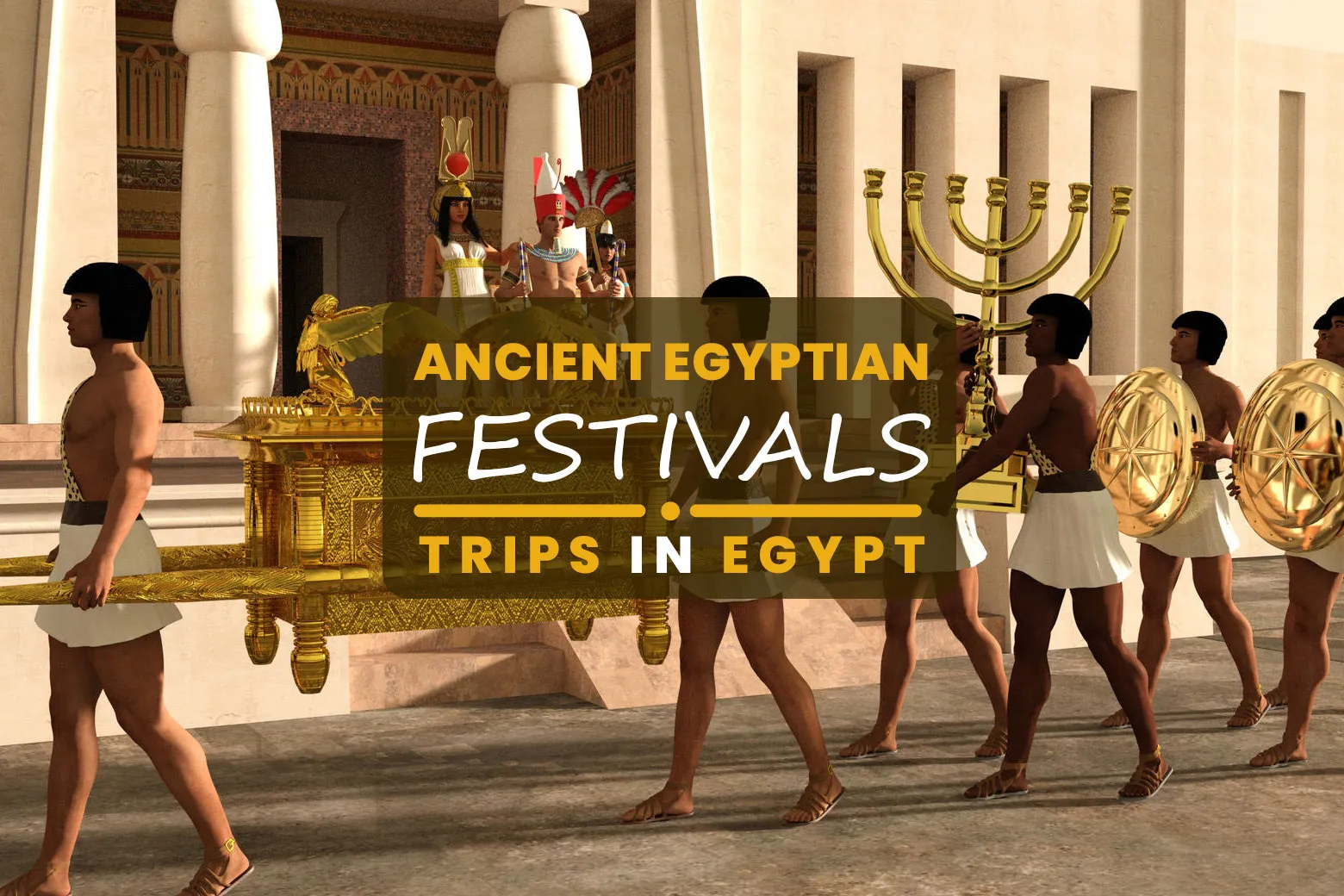
Drums, hymns, flower garlands and jars of beer once filled the streets of Thebes whenever a god left the temple to meet the people. Ancient Egyptian festivals turned the religious year into a calendar of public holidays, from the New Year flood to the harvest. This guide explains how the ancient Egyptian calendar worked, lists the festivals in order and describes the most important celebrations, including Opet, Wag and Bastet.

The Nature of Ancient Egyptian Festivals
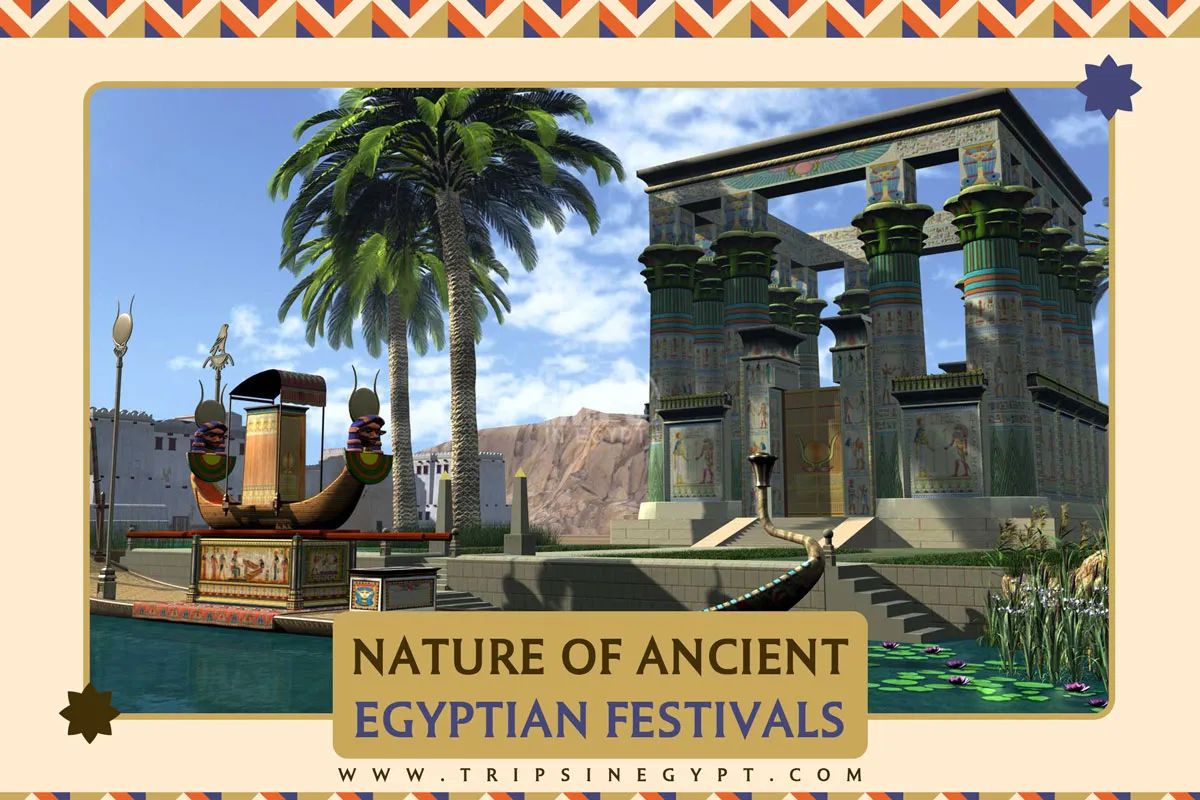
Ancient Egyptian festivals were religious holidays when the statue of a god left its dark sanctuary and appeared before the people. For most Egyptians, these were the only times they came close to the gods they worshipped. They were also days of rest, feasting, music and family gatherings.
Festivals followed the rhythm of the Nile and the farming year. Some marked the start of the flood, others the sowing or the harvest, and many honored the dead or the power of the king.
Religious Practice in Ancient Egypt
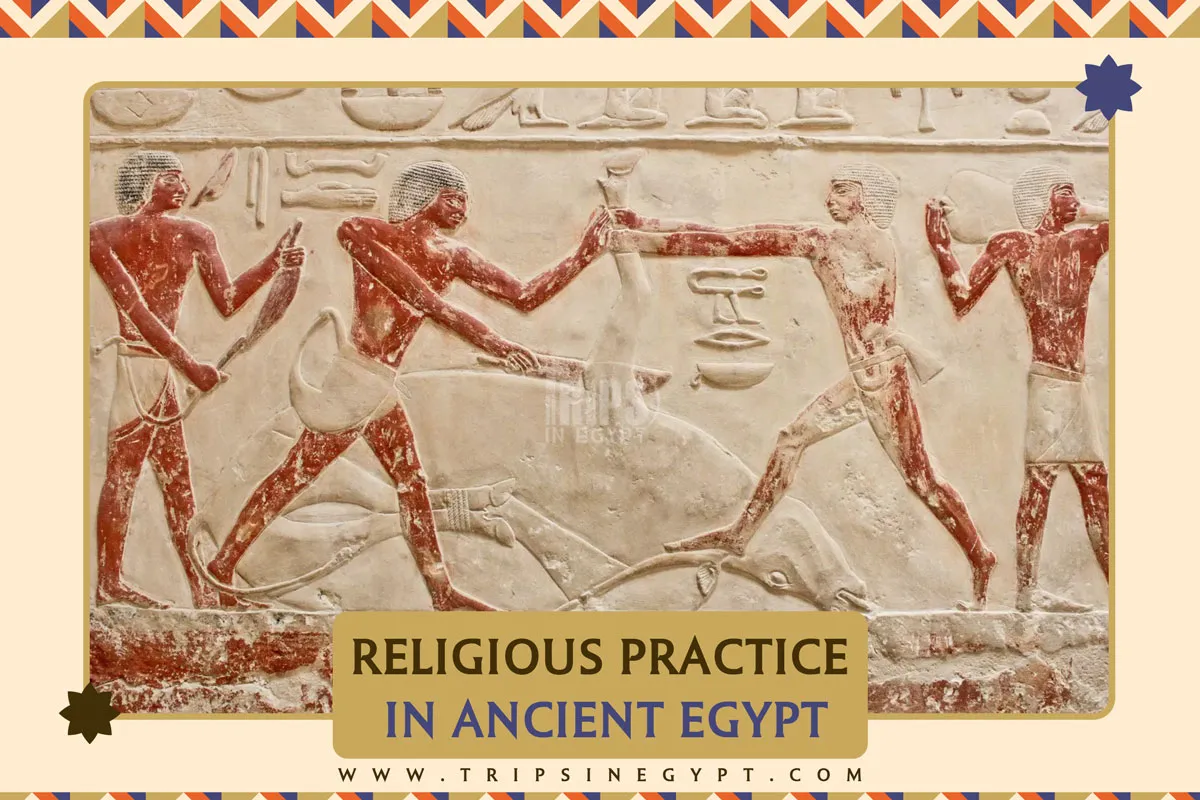
Daily temple worship was the work of priests, not the public. Each morning they opened the shrine, washed, clothed and fed the statue of the god, and sang hymns before sealing the doors again at night. Ordinary people prayed at home or at small shrines and rarely entered the inner temple.
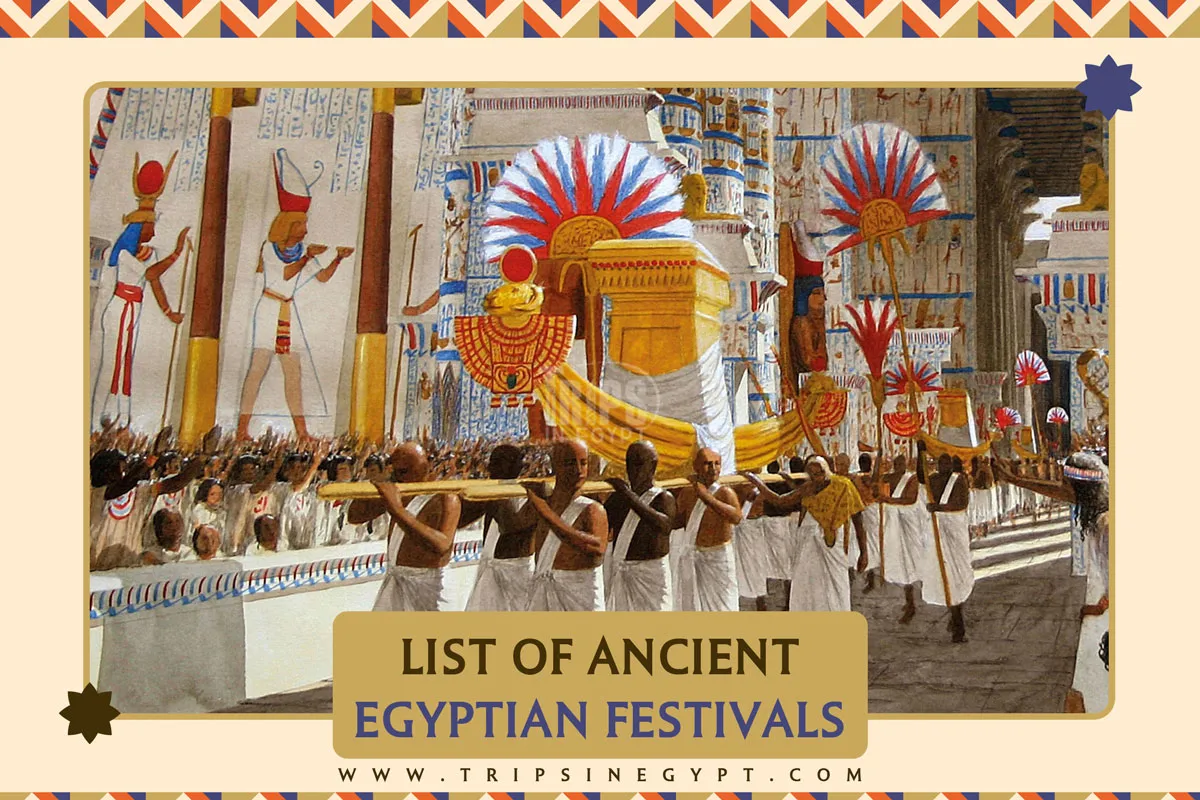
Festivals changed that. The god's statue was placed in a small shrine on a sacred boat, called a barque, and carried on the shoulders of priests through the streets or along the river. In the New Kingdom, the God's Wife of Amun, a royal woman with real religious power, took part in the great ceremonies of Thebes. You can meet the gods at the heart of these rites in our guide to the ancient Egyptian Gods and Goddesses.
Types of Ancient Egyptian Festivals
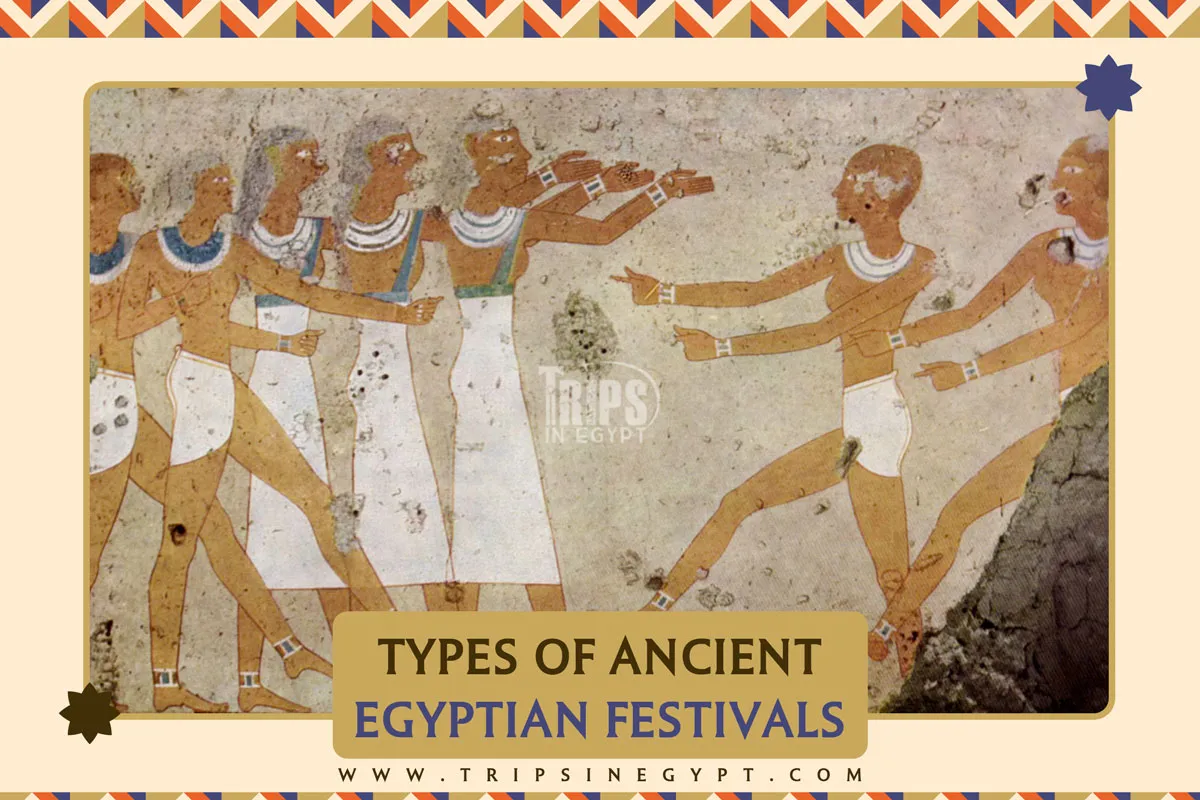
Most festivals fit into four main types:
-
Seasonal and agricultural festivals, such as Wepet Renpet, the New Year, and the Min Festival at harvest time.
-
Religious festivals for the great gods, such as Opet for Amun and the festivals of Hathor and Bastet.
-
Funerary festivals for the dead and for Osiris, such as the Wag Festival and the Beautiful Festival of the Valley.
-
Royal festivals, such as the Sed Festival, which renewed the king's power, and the anniversaries of a king's coronation.
How Ordinary People Celebrated
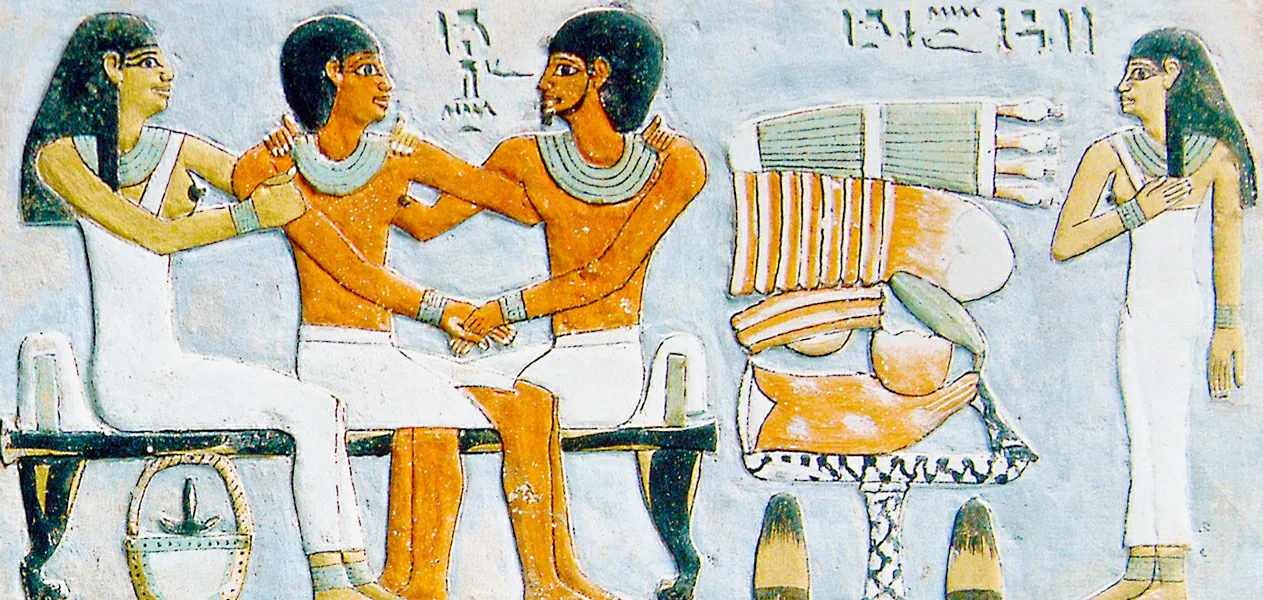
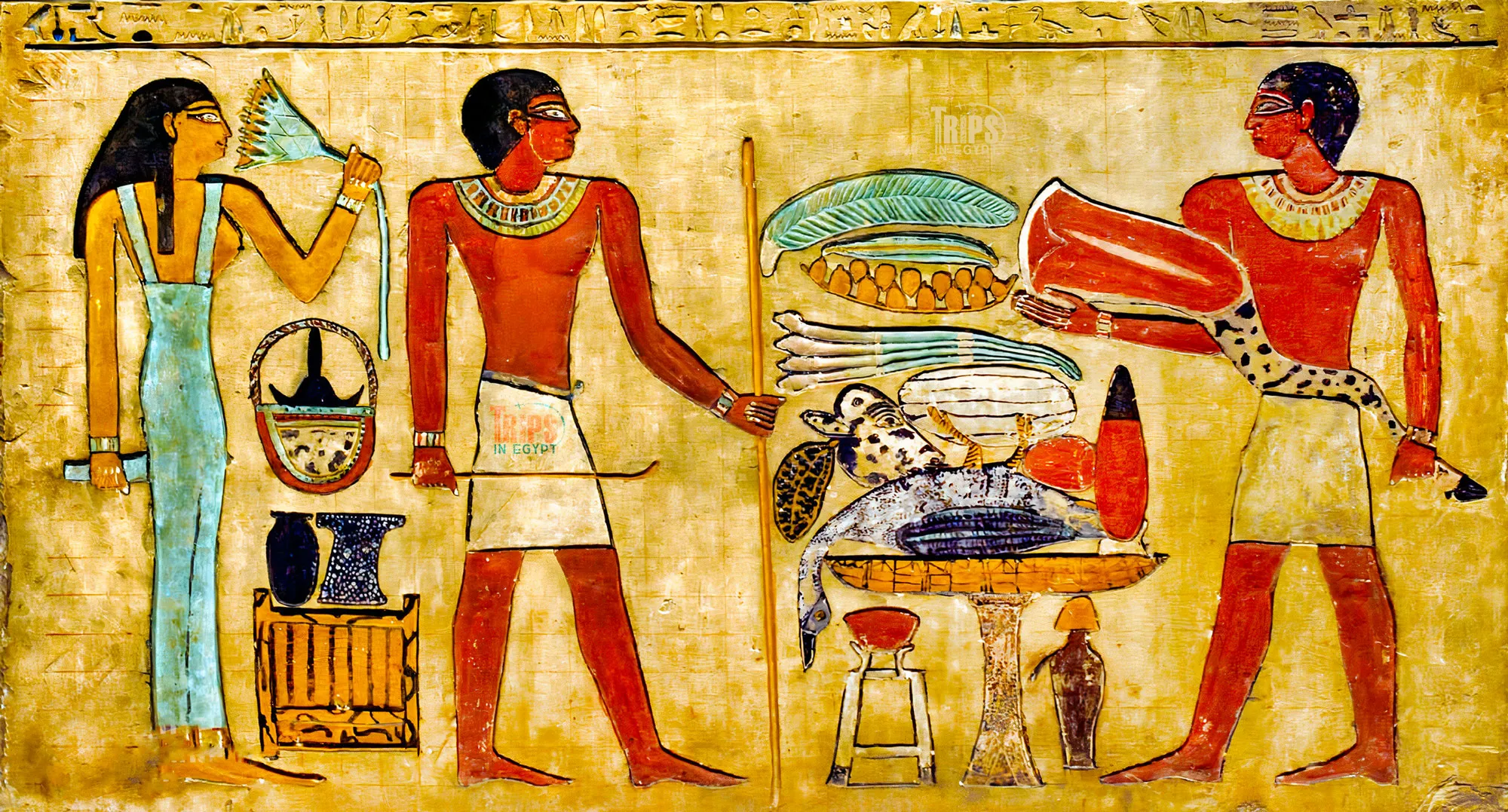
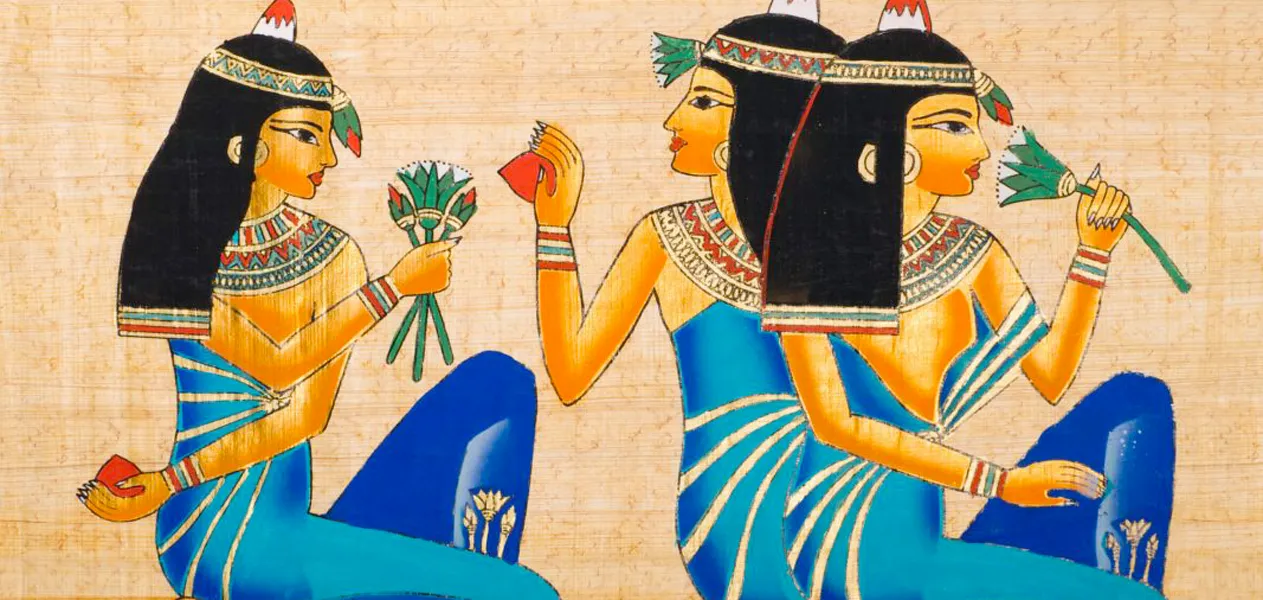
During a festival, temples handed out bread, beer and meat from the offerings, so for many families it was the best food of the year. Musicians played harps, flutes and drums, dancers shook rattles called sistra, and crowds lined the processional routes.
People also used festivals to ask the god questions. As the barque passed by, a petitioner could ask about a lawsuit, an illness or a theft, and the movement of the boat on the priests' shoulders was read as the god's answer. Records from the workers' village of Deir el-Medina show that craftsmen were given days off for major festivals.
The Ancient Egyptian Festival Calendar
The ancient Egyptian calendar was one of the first in the world to use a year of 365 days. It was built around the yearly flood of the Nile, and it set the date of every festival.
Three Seasons and Twelve Months
The year was divided into three seasons of four months each, and every month had exactly 30 days. The months were simply numbered within each season, such as "second month of the flood." Later, they were given names, which are still used today in the Coptic calendar of Egypt.
|
Season |
Month |
Later Name |
Main Festivals |
|
Akhet (Flood) |
1st month |
Thoth |
Wepet Renpet, Wag, Thoth, Tekh |
|
Akhet (Flood) |
2nd month |
Paopi |
Opet |
|
Akhet (Flood) |
3rd month |
Hathor |
Festivals of Hathor |
|
Akhet (Flood) |
4th month |
Khoiak |
Khoiak and Sokar, the Osiris Mysteries |
|
Peret (Growth) |
1st month |
Tybi |
Nehebkau |
|
Peret (Growth) |
2nd month |
Mechir |
Festivals of Anubis and Amun |
|
Peret (Growth) |
3rd month |
Phamenoth |
Festivals of Ptah and Amenhotep I |
|
Peret (Growth) |
4th month |
Pharmuthi |
Festival of Renenutet, the harvest goddess |
|
Shemu (Harvest) |
1st month |
Pachons |
Min Festival |
|
Shemu (Harvest) |
2nd month |
Payni |
Beautiful Festival of the Valley |
|
Shemu (Harvest) |
3rd month |
Epiphi |
Feast of the Beautiful Reunion |
|
Shemu (Harvest) |
4th month |
Mesore |
Eve of the New Year |
The Five Extra Days
Twelve months of 30 days made only 360 days, so the Egyptians added five extra days at the end of the year. They called them the days "upon the year," and the Greeks later called them the epagomenal days.
Each of these days was the birthday of a god: Osiris on the first, Horus on the second, Set on the third, Isis on the fourth and Nephthys on the fifth. They were seen as dangerous, unlucky days, and people protected themselves with prayers and amulets.
Why the Calendar Slowly Drifted
The real solar year is about a quarter of a day longer than 365 days. With no leap year, the Egyptian calendar slipped by one day every four years, so festivals named after the flood or the harvest slowly moved through the seasons. It took about 1,460 years for the New Year to return to its starting point.
Ptolemy III tried to fix this in 238 BC with an extra leap day, set out in the Decree of Canopus, but the change did not last. A fixed leap year was finally introduced under the Roman emperor Augustus, around 25 BC.
List of Ancient Egyptian Festivals
Temple calendars carved on walls, such as the long festival list of Ramesses III at Medinet Habu, show that Egypt celebrated dozens of feasts every year. Many were local, held for the god of one town, while a few great festivals drew crowds from across the country.
Ancient Egyptian Festivals and Celebrations in Order
This list follows the order of the ancient Egyptian year, based on temple calendars from Thebes, Elephantine, Dendera and other sites.
|
Date |
Festival |
God |
Main Place |
|
1st month of Flood, day 1 |
Wepet Renpet, New Year |
Ra-Horakhty and all the gods |
Across Egypt |
|
1st month of Flood, day 18 |
Wag Festival |
Osiris and the dead |
Across Egypt, especially Abydos |
|
1st month of Flood, day 19 |
Festival of Thoth |
Thoth |
Hermopolis and Thebes |
|
1st month of Flood, day 20 |
Tekh, the Feast of Drunkenness |
Hathor |
Dendera and Thebes |
|
2nd month of Flood |
Opet Festival |
Amun, Mut and Khonsu |
Karnak and Luxor |
|
2nd month of Flood, day 18 |
Festival of Khnum |
Khnum |
Elephantine |
|
3rd month of Flood |
Festivals of Hathor |
Hathor |
Dendera |
|
4th month of Flood, days 12 to 30 |
Khoiak, the Osiris Mysteries |
Osiris |
Abydos, Dendera and Busiris |
|
4th month of Flood, day 26 |
Sokar Festival |
Sokar |
Memphis and Thebes |
|
4th month of Flood, day 30 |
Raising of the Djed Pillar |
Osiris |
Memphis |
|
1st month of Growth, day 1 |
Nehebkau Festival |
Nehebkau |
Across Egypt |
|
1st month of Growth, day 29 |
Sailing of Bastet |
Bastet |
Bubastis |
|
4th month of Growth, days 25 to 27 |
Harvest offerings |
Renenutet |
Across Egypt |
|
1st month of Harvest, day 11 |
Min Festival |
Min |
Koptos, Akhmim and Thebes |
|
2nd month of Harvest, new moon |
Beautiful Festival of the Valley |
Amun and the dead |
West bank of Thebes |
|
3rd month of Harvest, new moon |
Feast of the Beautiful Reunion |
Hathor and Horus |
Dendera and Edfu |
|
Five extra days |
Birthdays of the gods |
Osiris, Horus, Set, Isis, Nephthys |
Across Egypt |
Some dates changed between periods and between temples, and a few, such as the Festival of Bastet, are better known from Greek writers than from Egyptian calendars. Royal festivals like the Sed Festival had no fixed day.
How Many Festivals Did the Ancient Egyptians Have?
There was no single national list, so the total is unknown. Each temple kept its own calendar, and long lists like the one at Medinet Habu record dozens of feast days in a single year.
Together with monthly lunar feasts and local holidays, festivals filled a large part of the Egyptian year. This is one reason Greek visitors were so impressed by how often the Egyptians celebrated.
The Most Important Ancient Egyptian Festivals
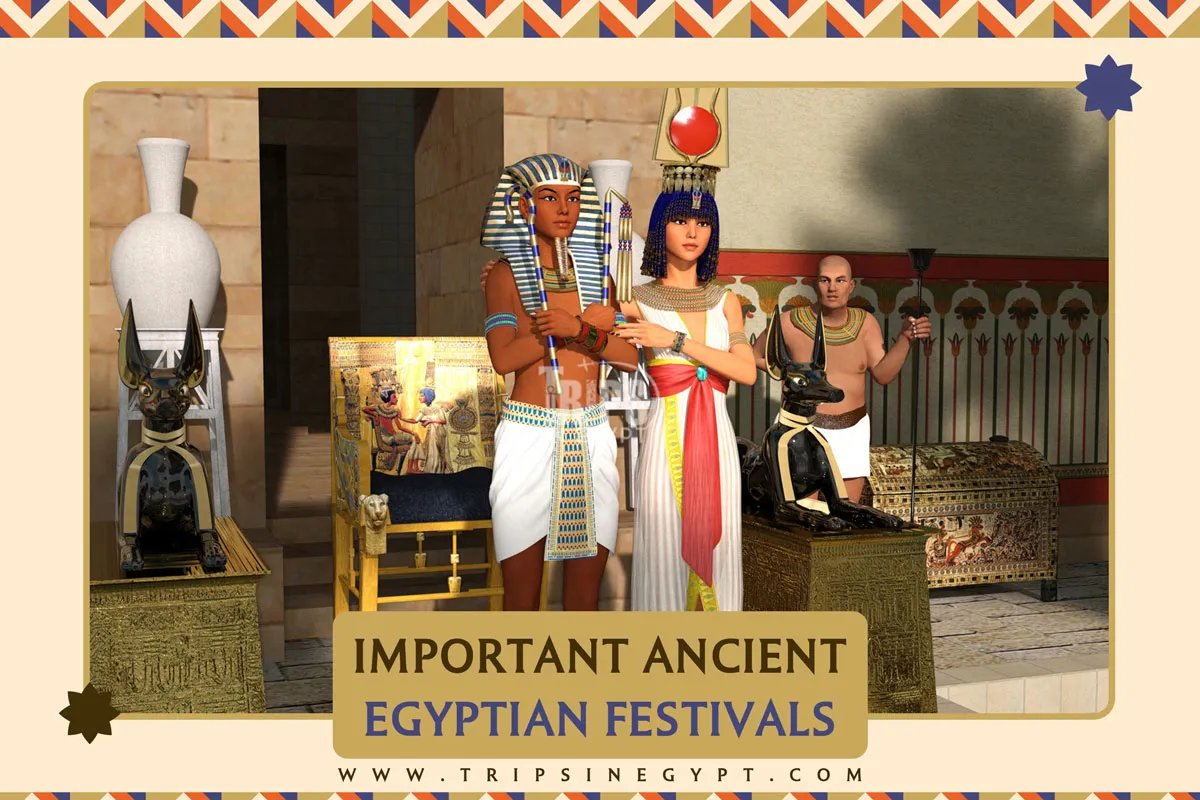
A handful of festivals stood above the rest. They were celebrated on a grand scale, recorded on temple walls and remembered for centuries.
1. Wepet Renpet, the Ancient Egyptian New Year
Wepet Renpet, "Opening of the Year," was the New Year festival on the first day of the first month of the flood. Ideally, it matched the moment when the star Sirius, which the Egyptians called Sopdet, rose again at dawn after weeks of absence, just as the Nile began to flood.
People exchanged gifts, made offerings for a good flood and celebrated the rebirth of the year. At the temple of Dendara, priests carried the statue of Hathor up to a roof chapel so that the first rays of the New Year sun could touch her.
2. Wag Festival
The Wag Festival is one of the oldest known festivals, recorded as early as the Old Kingdom. Held on the 18th day of the first month, it honored Osiris and the spirits of the dead.
Families brought offerings to the tombs and prayed for their loved ones' safe journey through the afterlife. According to some accounts, small boats made of papyrus were placed on graves facing west, the direction of the land of the dead.
3. Tekh Festival, the Feast of Drunkenness
The Tekh Festival was held in honor of Hathor, the goddess of love, music and joy, on the 20th day of the first month. It recalled the myth of the Destruction of Mankind, in which the sun god Ra sent his daughter as the fierce lioness Sekhmet to punish humans.
To stop her, Ra flooded the fields with beer dyed red to look like blood. Sekhmet drank it, fell asleep and woke as the gentle Hathor. Worshippers drank, sang and danced through the night, and at the Temple of Mut at Karnak archaeologists found a "porch of drunkenness" built for the festival under Hatshepsut.
4. Opet Festival
The Opet Festival was the greatest festival of Thebes. Each year, in the second month of the flood, the sacred barques of Amun, his wife Mut and their son Khonsu traveled from Karnak to Luxor Temple, about 3 kilometers to the south.
The procession went either along the Avenue of Sphinxes or by river, accompanied by soldiers, musicians, dancers and huge crowds. Inside Luxor Temple, the king met the god, and his royal spirit, the ka, was renewed for another year. Bread, meat and beer were handed out, and people could ask the god for advice through his priests.
Opet flourished in the New Kingdom. It lasted 11 days under Thutmose III and had grown to more than 20 days by the reign of Ramesses III. Its scenes are still carved in the great colonnade of Luxor Temple.
5. Khoiak Festival, the Mysteries of Osiris
In the fourth month of the flood, temples across Egypt staged the Khoiak Festival, re-enacting the death and rebirth of Osiris. Priests made small figures of Osiris from soil and grain, watered them and watched them sprout, a symbol of life returning after death.
At Abydos, the cult center of Osiris, a great procession and a mock battle acted out the god's story. The festival ended with the Raising of the Djed Pillar, symbol of Osiris's backbone and of stability, and with the coronation of his son Horus.
6. Nehebkau Festival
Nehebkau was a snake god believed to protect the king and to unite the body with its spiritual forces. His festival was held on the first day of the first month of growth, as the floodwaters fell and sowing began.
It was a festival of new beginnings, linked with the rebirth of Osiris and the renewal of royal power. In some ways it acted as a second New Year for the farming season.
7. Festival of Bastet
The Festival of Bastet, the cat goddess, was celebrated at her city of Bubastis in the Nile Delta. The Greek historian Herodotus, writing in the 5th century BC, called it the most popular festival in Egypt.
He described about 700,000 men and women, not counting children, sailing to Bubastis in boats, singing, clapping and calling out to people on the riverbanks. According to Herodotus, more wine was drunk during this festival than during the rest of the year.
8. Min Festival
Min was the god of fertility and the harvest, shown as a standing man with one arm raised and a flail behind him. His cult was among the oldest in Egypt, dating back to the time before the first kings.
His festival, in the first month of the harvest season, celebrated the grain harvest. The king cut the first sheaf of wheat with a sickle and offered it to the god, while a sacred white bull walked in the procession. Scenes of this festival survive at Medinet Habu and the Ramesseum.
9. Beautiful Festival of the Valley
The Beautiful Festival of the Valley, sometimes called the Wadi Festival because wadi means "valley" in Arabic, began in the Middle Kingdom of Egypt under King Mentuhotep II. In the second month of the harvest season, Amun's barque crossed the Nile from Karnak to visit the temples of the west bank.
Families followed the god to the tombs of their relatives, where they ate, drank and spent the night with flowers, music and offerings, believing the dead shared the feast. The festival became an important stop at the Temple of Hatshepsut at Deir el-Bahari.
10. Hathor Festival, the Feast of the Beautiful Reunion
Hathor was honored with many festivals, but the most famous was the Feast of the Beautiful Reunion. Each year, the statue of Hathor sailed upriver from Dendera to Edfu to meet her husband, Horus, in the third month of the harvest season.
The couple spent about two weeks together while crowds celebrated with music, food and drink, before Hathor sailed home. The reliefs that record this festival can still be seen inside the Temple of Edfu.
11. Sed Festival
The Sed Festival, or Heb Sed, was a royal jubilee that renewed the king's strength and right to rule. It was usually first held after 30 years of reign and then repeated every few years. Ramesses II celebrated it more than a dozen times.
During the ceremony, the king ran a ritual course between boundary markers to prove his fitness, and in some periods he shot arrows toward the four directions of the world. The courtyard built for this rite at the Step Pyramid of King Djoser at Saqqara is the oldest Sed Festival complex known.
Great Facts about the Ancient Egyptian Festivals
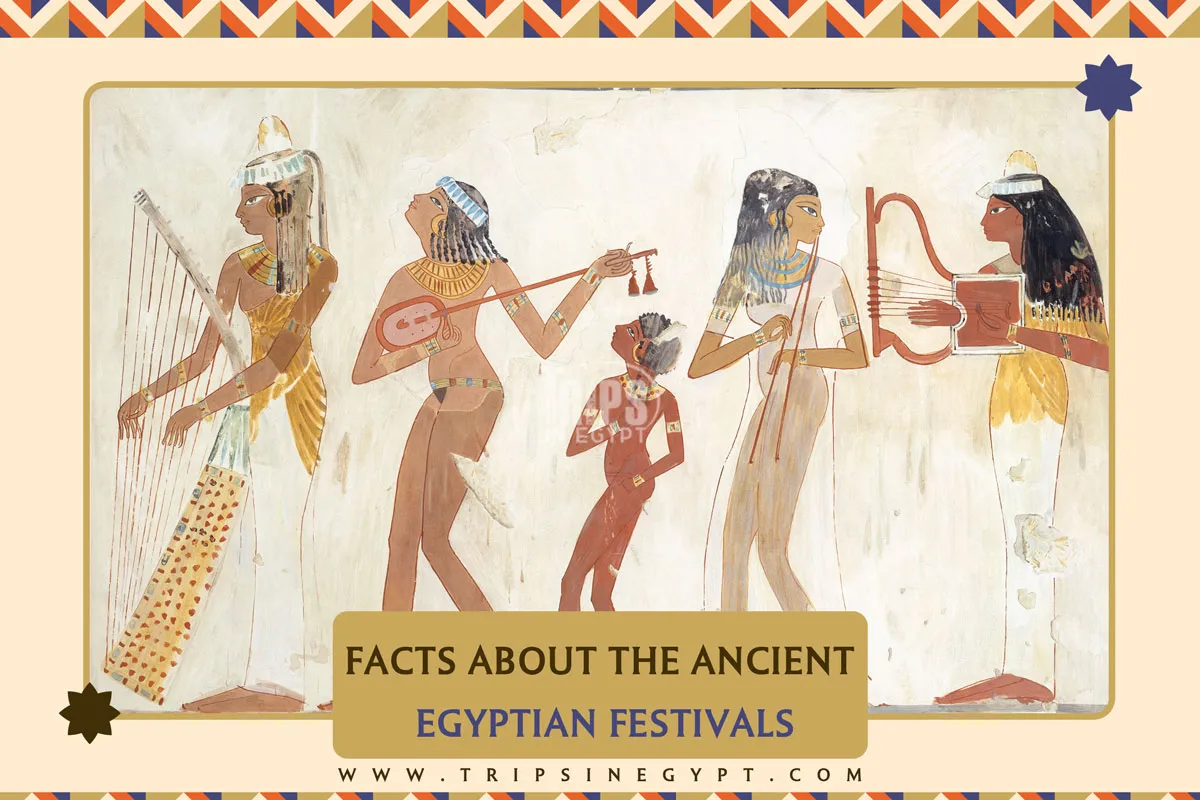
-
The Egyptian calendar of 365 days, with 12 months of 30 days plus 5 extra days, is the ancestor of the calendar used today.
-
The New Year was ideally linked to the dawn rising of the star Sirius and the start of the Nile flood.
-
The Wag Festival is one of the oldest recorded festivals in Egypt, dating back to the Old Kingdom.
-
The Opet Festival grew from 11 days under Thutmose III to more than 20 days under Ramesses III.
-
Festivals were often the only time ordinary people saw a god's statue, hidden inside its shrine.
-
Temples handed out bread, meat and beer to the crowds from the god's offerings.
-
People asked the god questions during processions, and the barque's movements were read as answers.
-
Workers at Deir el-Medina were given time off for major festivals.
-
Herodotus claimed about 700,000 people traveled to the Festival of Bastet at Bubastis.
-
Festivals were also social occasions, when friends met, families gathered and young people met future partners.
Ancient Festivals You Can Still See in Egypt Today
Many of Egypt's ancient festivals ended with the old religion, but their memory lives on in temples, traditions and modern celebrations. Several of the major festivals in Egypt today still carry echoes of the past.
Sham el-Nessim, Egypt's Spring Festival
Sham el-Nessim is a national spring holiday, celebrated by Egyptians of all faiths on the Monday after Coptic Easter. Families picnic in parks and gardens and eat salted fish, green onions, lettuce and colored eggs.
Its name and customs are often traced back to the ancient harvest season of Shemu, which makes it one of the oldest Egyptian traditions and celebrations still alive today.
The Abu Simbel Sun Festival
Twice a year, around 22 February and 22 October, the rising sun shines deep into the sanctuary of Ramesses II's great temple at Abu Simbel. It lights up the statues of the king, Amun-Ra and Ra-Horakhty, while the statue of Ptah, a god of the underworld, stays in shadow.
Thousands of visitors gather before dawn to watch it. You can read more about the timing and history of the Abu Simbel Sun Festival before you plan your visit.
The Moulid of Abu al-Haggag in Luxor
In Luxor, the yearly Moulid of Abu al-Haggag honors a local Muslim saint whose mosque stands on top of the columns of Luxor Temple. Its procession includes boats carried through the streets.
Many scholars see this as a distant echo of the Opet Festival, which once brought Amun's barque to the same temple. It is a rare chance to see a living festival in an ancient setting in Luxor.
Where to See Festival Scenes in Egypt
The best place to see festivals carved in stone is Thebes. Start with the Opet reliefs in Luxor Temple and the barque shrines of Karnak Temple, then visit the festival calendar at Medinet Habu on the west bank.
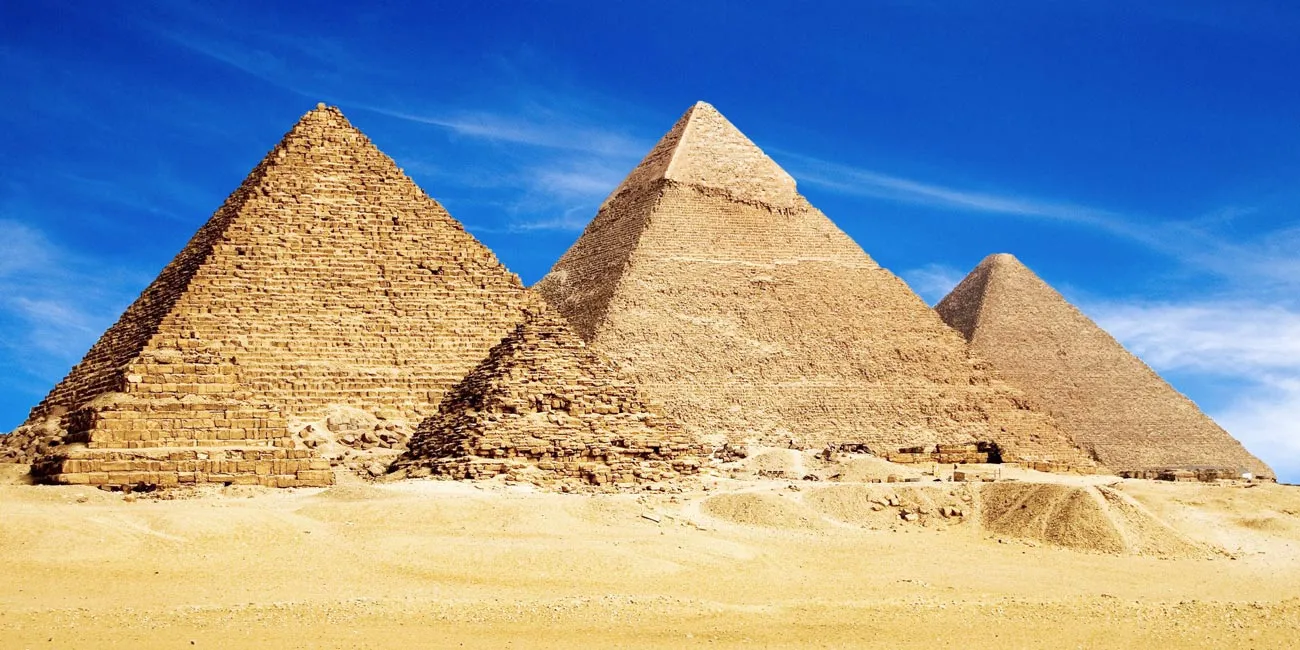
Further south, Edfu and Dendera preserve the scenes of Hathor's journeys and the New Year rites. You can also walk past the Giza pyramids to see the royal tombs whose cults once held their own festivals.
Experience the Festivals' Legacy with Trips in Egypt
Our Egypt tour packages take you to Luxor, Edfu and Dendera with expert Egyptologist guides.
Most of these celebrations began and ended inside the great sanctuaries of Upper Egypt. You can learn how those buildings worked in our guide to ancient Egyptian Temples.
To follow the path of the festival boats along the Nile, sail between Luxor and Aswan on one of our Nile Cruises, with stops at Edfu, Kom Ombo and other temples where these celebrations once took place.
Festivals also honored the kings buried in the north. Our guides can show you the Pyramids of Giza and Saqqara on the same trip.
Ancient Egyptian festivals turned faith into celebration. From the New Year flood and the Wag Festival to Opet, Bastet and the Beautiful Festival of the Valley, they followed the Nile, honored the gods and remembered the dead. They gave ordinary people food, music and a glimpse of the divine. Walk through Luxor or Edfu today, and the carved processions still seem to move with timeless joy across the temple walls.

5 Days Cairo And Hurghada Trip
Amazing 4 Nights Cairo and Hurghada Trip Itinerary 5 Days Cairo and Hurghada trip wil...
- Duration 5 Days / 4 Nights
- Location Cairo & Hurghada
- Type Historical & Recreational Tour
From$690/per person
View Tour
6 Days Cairo, Alexandria & Faiyum Tour
Unforgettable Cairo, Alexandria & Faiyum Adventure in Six Days 6 Days Cairo, Alex...
- Duration 6 Days / 5 Nights
- Location Cairo - Alexandria - Fayum
- Type Historical Tour
From$720/per person
View Tour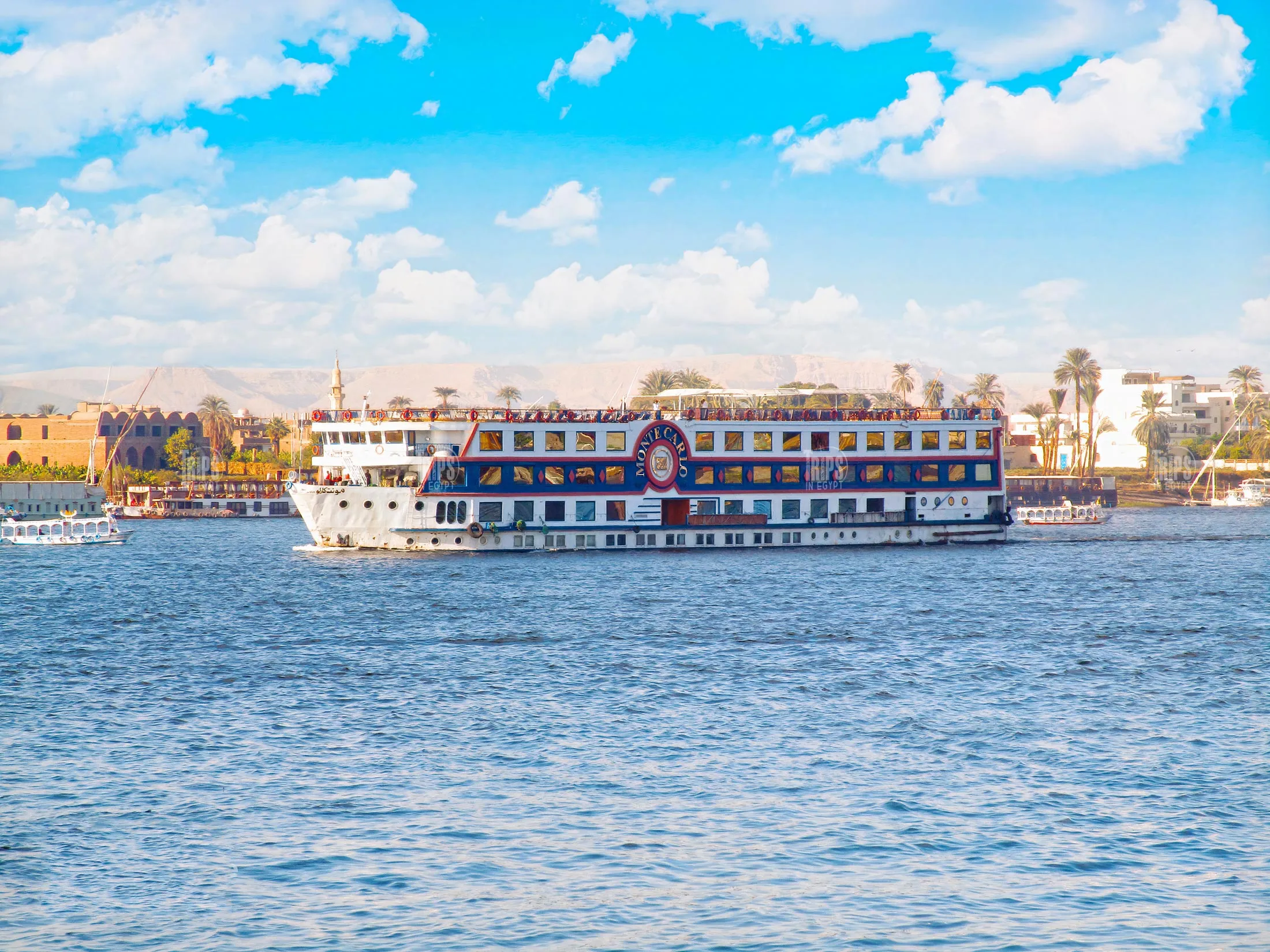
10 Days Cairo, Faiyum & Nile Cruise Holiday
Breathtaking 10 Days Journey of A Lifetime in Egypt 10 Days Cairo, Faiyum & Nile...
- Duration 10 Days / 9 Nights
- Location Cairo, Luxor, Aswan & Faiyum
- Type Classic Tour
From$1350/per person
View Tour SOLD OUT
Ultimate 7-Day Egypt Solar Eclipse Experience with Hurghada 2027
Enjoy a 7-Day Egypt Solar Eclipse Tour with Hurghada 2027 6 Nights Egypt Solar Ecli...
- Duration 7 Days / 6 Nights
- Location Cairo / Giza / Luxor / Hurghada
- Type Astronomical Tour
Sold Out
View Details