



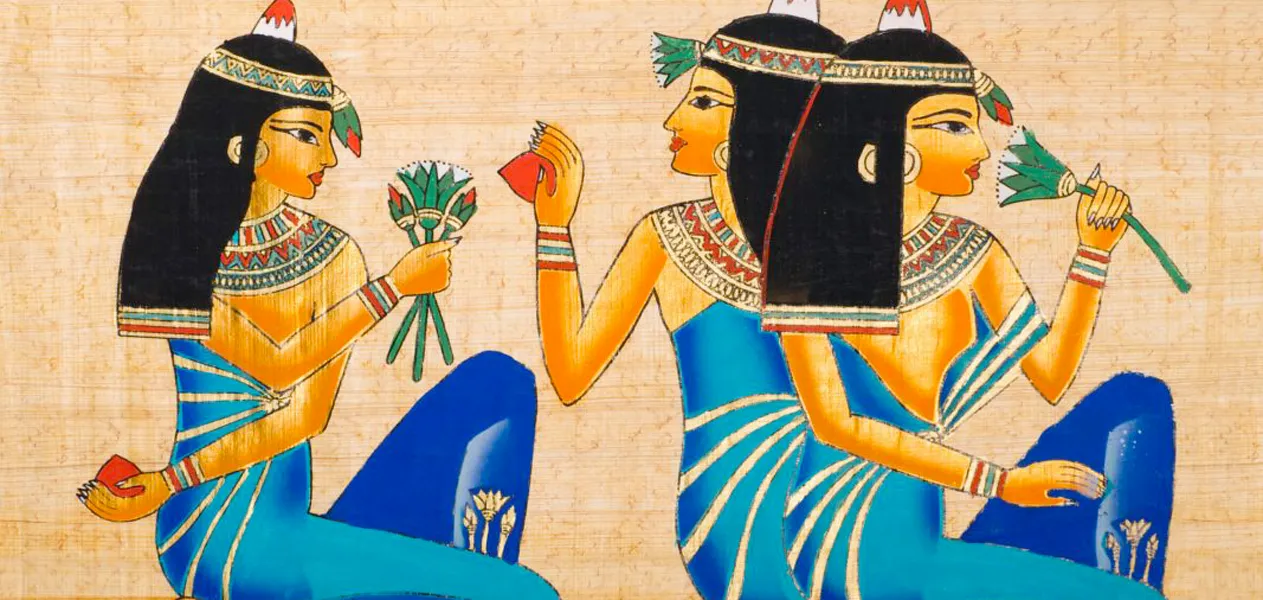
Women in ancient Egypt could own land, sign contracts, divorce their husbands and, at times, rule the country as pharaoh. Few ancient societies gave women so much freedom. Yet Egypt was still a world led by men, and most women spent their lives running a household. This guide explains the real role of women in ancient Egypt: their rights, work, marriage, childbirth, power and the famous queens who shaped history.

What Was the Role of Women in Ancient Egypt?
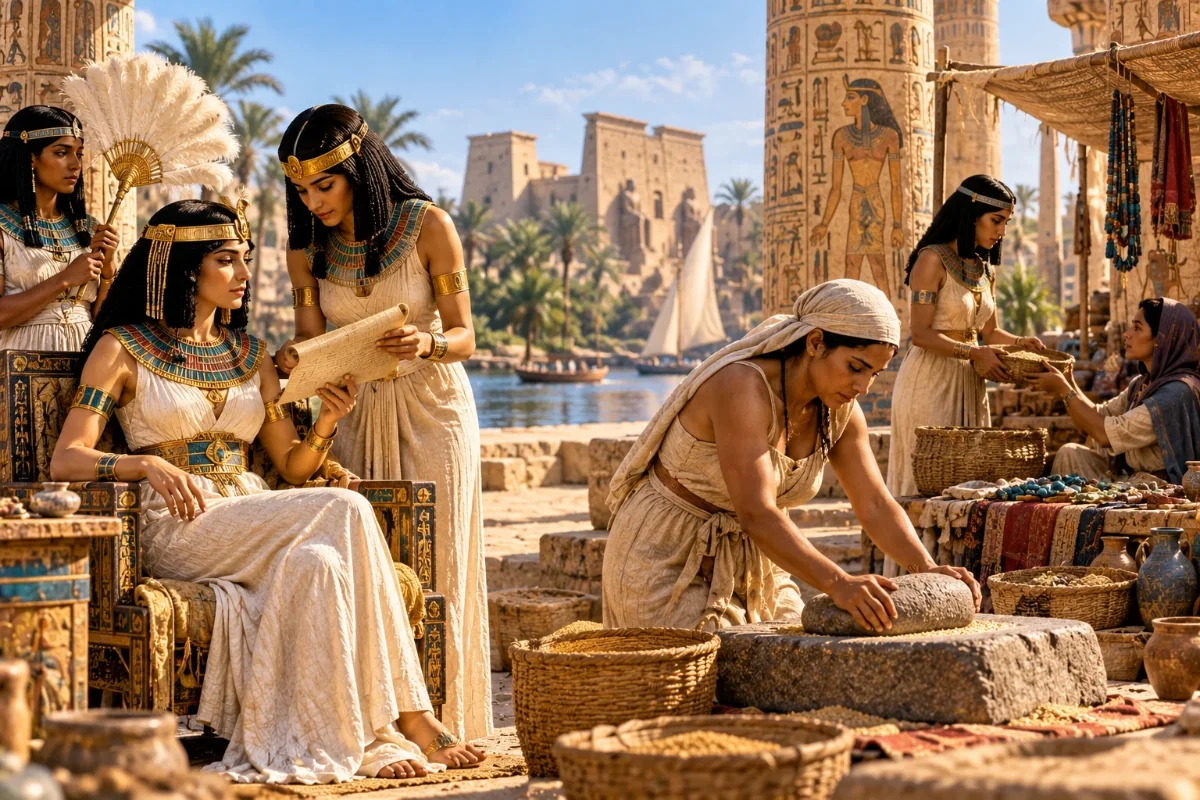
The role of women in ancient Egypt was centered on the family, but it reached into work, religion, law and, at times, the throne. Women had more legal rights than in almost any other ancient society, even though men held nearly all public offices.
Gender Roles in Ancient Egypt
Gender roles in ancient Egypt were clear. Men worked in the fields, served in the army and filled the offices of the state, from scribe to vizier. Women were expected to run the home and raise the children, and the most common title for a married woman was nebet per, "mistress of the house".
These roles were not walls, though. Peasant women worked in the fields at harvest, many women traded at markets, and some queens took full command of the state. Royal women also gained influence through their relationships with kings, as wives, mothers and daughters.
Ancient Egyptian Women's Rights
Ancient Egyptian women's rights were close to those of men in law. A woman could buy, own, sell and inherit property in her own name, including land, houses, servants and livestock. She kept the property she brought into a marriage.
She could also make contracts, free slaves, adopt children, act as a witness and take a case to court. A woman did not need a male guardian to do any of this, which set Egypt apart from much of the ancient world.
One famous document shows these rights at work. Around 1145 BC, a woman named Naunakhte, from the workers' village of Deir el-Medina, wrote a will that left nothing to four of her eight children, because they had not cared for her in her old age.
How Were Women Treated in Ancient Egypt?
In daily life, women were treated with respect as mothers and wives, and Egyptian wisdom texts tell men to love and care for their wives. The scribe Ptahhotep advises a husband to feed and clothe his wife and to "make her heart glad as long as you live".
Equality had limits. Women rarely learned to read and write, and almost never held government posts. Their legal rights did not bring equal power. Laws also punished women for crimes in the same courts as men, as described in our guide to crime and punishment in ancient Egypt.
Social & Political Position of Women in Ancient Egypt
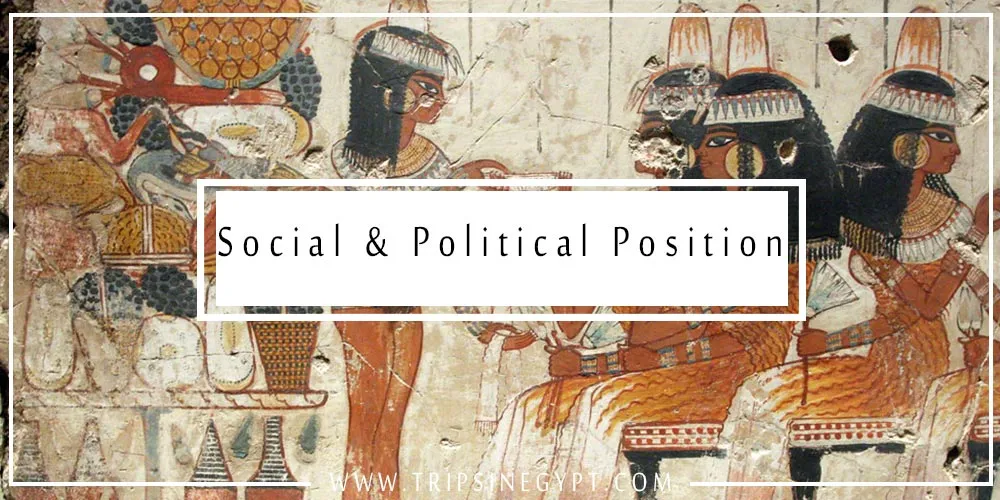
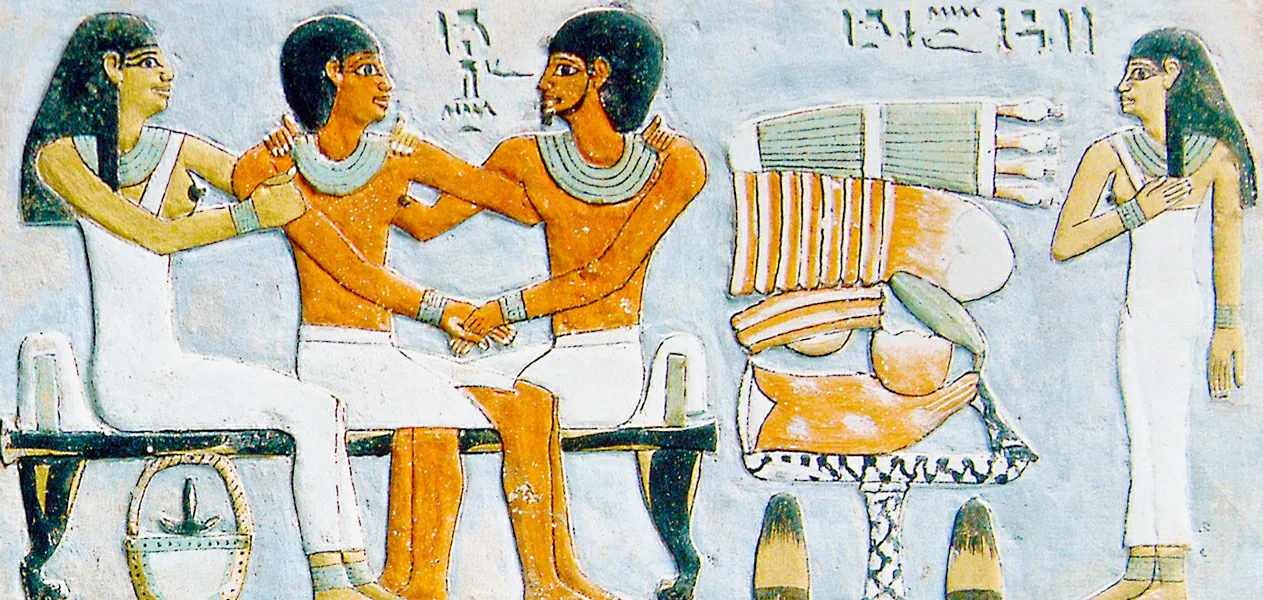
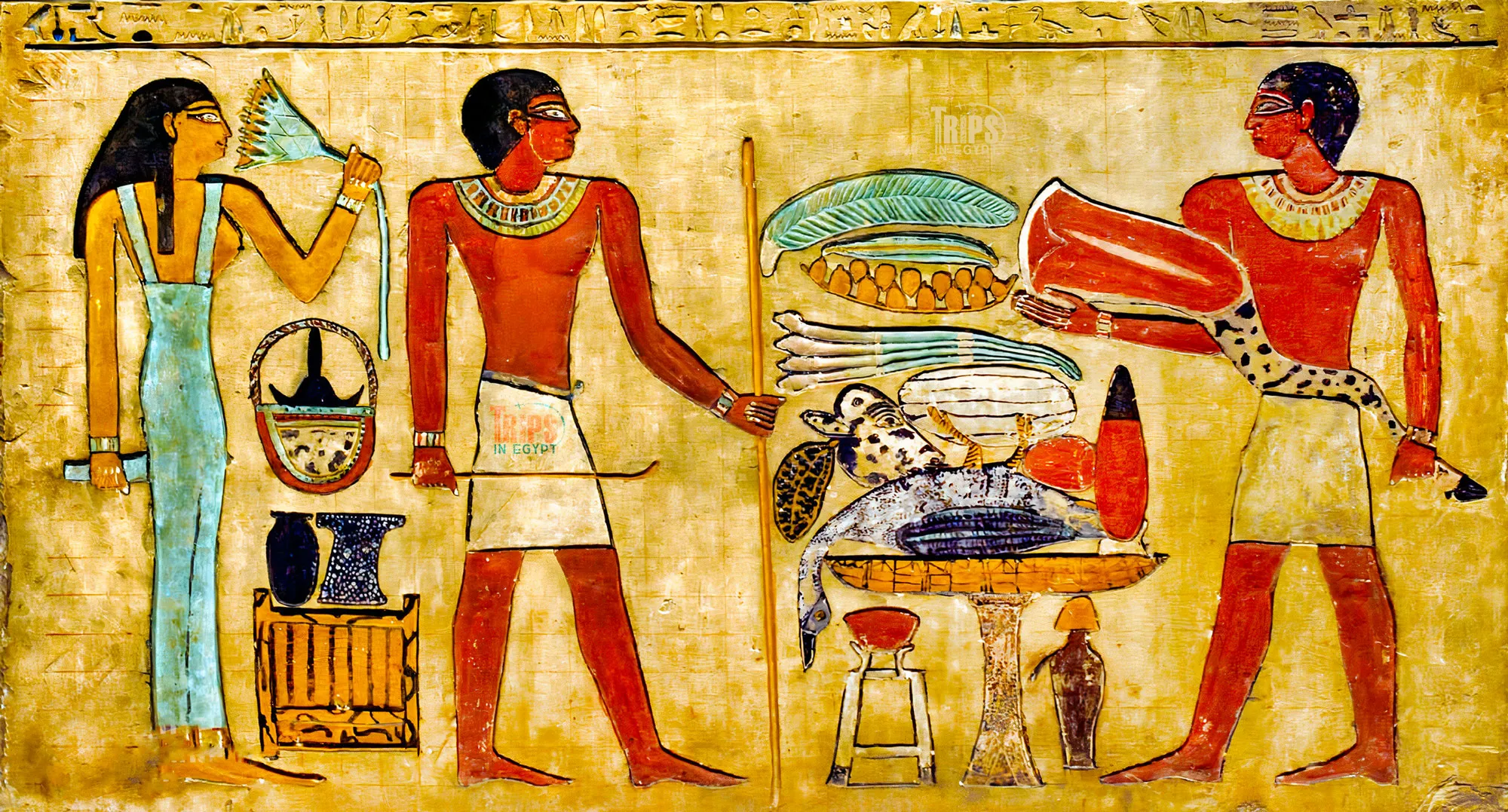
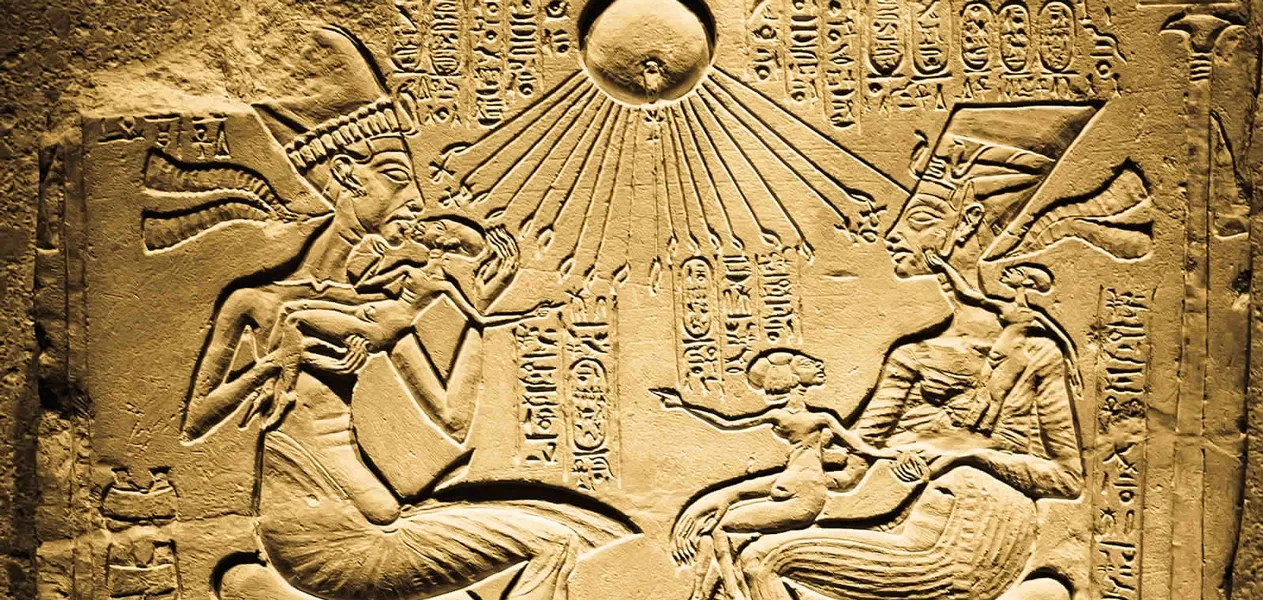
Women supported their husbands socially and were shown beside them in tomb paintings and statues. Scenes show women farming and harvesting alongside men, and New Kingdom art shows them in many sizes, poses and roles, much like men.
Political power, however, came mainly through the royal family. A queen could act as regent for a young son, and a few women ruled in their own right, as the section on women's power explains below.
Women in Ancient Egypt Compared with Other Ancient Societies
The role of women in ancient times was usually much more limited. In classical Athens, a woman could not own much property or go to court without a male guardian, called a kyrios. In Mesopotamia, women had some business rights, but under the Code of Hammurabi a husband could hand over his wife to work off a debt.
When the Greek historian Herodotus visited Egypt in the fifth century BC, he was surprised that Egyptian women went to the market while men stayed home to weave. He exaggerated, but his reaction shows how unusual Egyptian women's freedom looked to outsiders.
Women's Work in Ancient Egypt
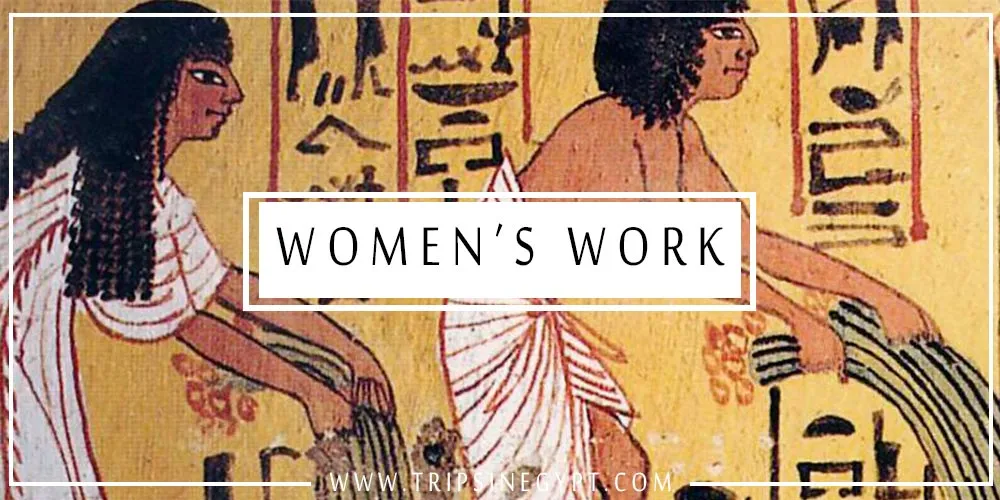
Most women in ancient Egypt worked hard, inside the home and often outside it. Their work depended on their class, from peasant farmers to noblewomen serving in temples.
Daily Life of a Woman in Ancient Egypt
The daily life of a woman in ancient Egypt began early. She ground grain into flour, baked bread, brewed beer, fetched water, spun flax and wove linen, and looked after the children and animals. Our guide to daily life in ancient Egypt shows how a household worked from morning to night.
Wives helped their husbands with farm work, especially at harvest. Peasant women sometimes managed the farm or the family business while their husbands were away on state work or military campaigns.
Upper-class women did not work outside the home. They supervised the children and the household servants and managed the estate. Tomb scenes show men served by men and women served by women.
Jobs Women Did Outside the Home
Women of any class could work as professional mourners, musicians, singers or dancers. Others worked as weavers, bakers, brewers, perfume makers, hairdressers, midwives and wet nurses, and many sold goods at local markets.
Weaving was so closely linked to women that large estates and temples kept workshops of women weavers. In the Old Kingdom of Egypt, some women held titles as overseers of these workshops, and men and women often worked side by side.
Priestesses and Temple Roles
Noblewomen could serve as priestesses, especially of the goddesses Hathor and Neith. Many more served as chantresses, temple singers who shook the sistrum rattle during rituals.
The highest religious office open to a woman was the God's Wife of Amun, explained in the section on women's power below.
Women Doctors and Scribes
A few women reached professions usually held by men. Peseshet, who lived in the Fourth or Fifth Dynasty, carried the title "lady overseer of the female physicians", which makes her one of the earliest known women in medicine.
Women scribes were very rare, but some letters from Deir el-Medina may have been written by women. The name Merit-Ptah, often called the first woman doctor, is a modern mistake and does not appear in ancient records.
Education, Marriage & Childbirth of Women in Ancient Egypt
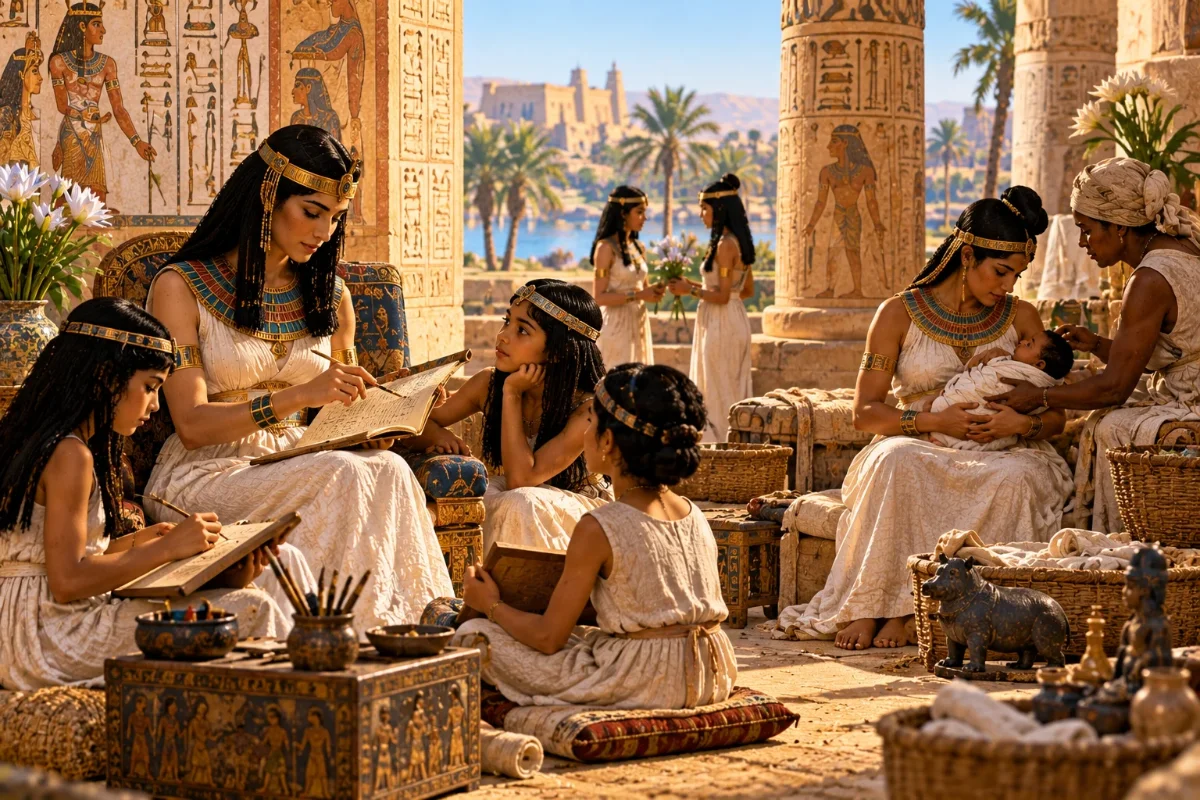
Marriage and children were the center of most women's lives. Education, by contrast, reached only a small number of girls from wealthy families.
Education of Women in Ancient Egypt
Women were not required to do official state work, so most were not formally educated. Girls learned homemaking, weaving, cooking and how to manage a household from their mothers.
Some royal and noble girls did learn to read and write. Princesses had tutors, and a few women in the New Kingdom are shown with scribal palettes, a sign of literacy.
What Age Did Girls Marry in Ancient Egypt?
Girls in ancient Egypt usually married young, often around the age of 12 to 14, soon after puberty. Men usually married later, around 20, once they could support a family.
Marriage was a private matter, not a religious ceremony. A couple was married when the bride moved into her husband's house, and families often agreed on the match. Many marriages were arranged, but love poems show that couples also chose each other.
Marriage Contracts and Divorce
In later periods, couples often signed marriage contracts that set out the wife's property and what she would receive if the marriage ended. Either the husband or the wife could ask for a divorce.
A divorced woman kept the property she brought into the marriage and could claim a share, often a third, of the property the couple gained together. She was free to remarry. Husbands and wives were expected to be loyal, and adultery could be punished harshly.
Fertility and Contraception
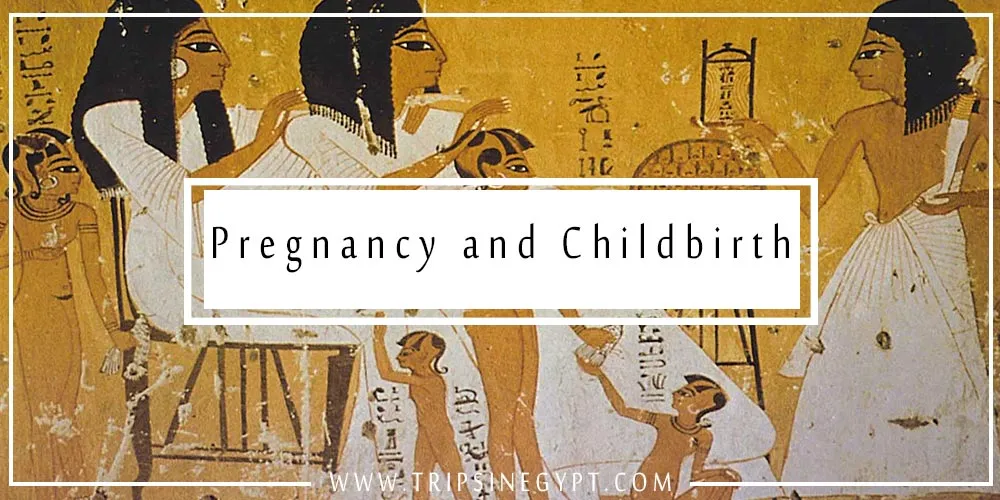
Fertility and heirs were highly valued. A husband could divorce a wife who could not have children, though many couples adopted instead.
The Ebers Papyrus, written around 1550 BC, records remedies for fertility and for preventing pregnancy. One contraceptive used lint soaked in acacia, dates and honey. Acacia gum ferments into lactic acid, which may have had some effect, but its success is uncertain.
How the Ancient Egyptians Did Pregnancy Tests
The Berlin Medical Papyrus describes a pregnancy test. Grains of barley and wheat were placed in a cloth sachet and soaked in a woman's urine. If they sprouted, she was pregnant. If barley sprouted first, the baby would be a boy, and if wheat sprouted first, a girl.
In 1963, a study found that the urine of pregnant women did help the grain sprout in about 70 percent of cases. The test could not, however, predict the baby's sex.
Giving Birth in Ancient Egypt
Once pregnant, a woman was placed under the protection of Taweret, the hippopotamus goddess of childbirth, and the dwarf god Bes. Women wore their amulets throughout pregnancy.
Midwives helped with labor. The woman knelt or squatted on two birth bricks, which were linked to the birth goddess Meskhenet. The Westcar Papyrus tells of the goddesses Isis, Nephthys, Meskhenet and Heqet helping at a royal birth.
Childbirth was dangerous, and many women died giving birth. That is why so many prayers, spells and amulets were used to protect mothers and newborns.
The Women's Power in Ancient Egypt
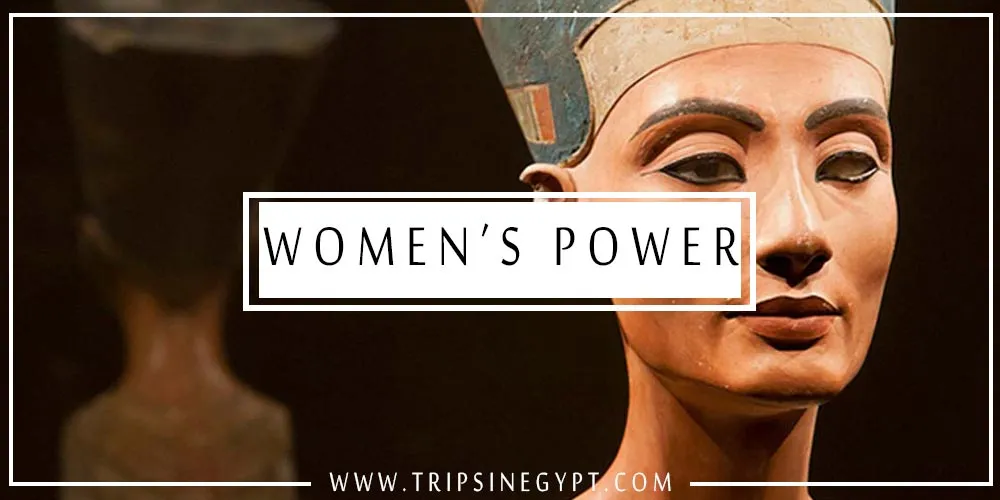
Few ancient societies allowed women to reach the top of the state. In Egypt, a handful of women ruled as pharaoh, and many queens held real political and religious power.
Women Who Ruled Ancient Egypt as Pharaoh
In most ancient kingdoms, power passed only to men. In Egypt, the king was expected to be male, but a woman of royal blood could take the throne when no suitable male heir was ready. These are the best-known women who ruled ancient Egypt:
-
Merneith (First Dynasty, about 2950 BC): probably regent for her son Den, and buried among the kings at Abydos.
-
Nitocris (Sixth Dynasty): named by Herodotus, but her existence is uncertain.
-
Sobekneferu (Twelfth Dynasty, about 1806 to 1802 BC): the first woman certainly known to rule as king, at the end of the Middle Kingdom.
-
Hatshepsut (Eighteenth Dynasty, about 1479 to 1458 BC): the most powerful woman pharaoh.
-
Neferneferuaten (Eighteenth Dynasty, about 1335 BC): a female ruler after Akhenaten, possibly Nefertiti herself.
-
Twosret (Nineteenth Dynasty, about 1191 to 1189 BC): ruled after her husband Seti II and the young king Siptah.
-
Cleopatra VII (Ptolemaic Dynasty, 51 to 30 BC): the last active ruler of ancient Egypt.
Hatshepsut and Cleopatra
Queen Hatshepsut was the daughter of Thutmose I and the half-sister and wife of Thutmose II. When he died, she became regent for the young Thutmose III, and about seven years later she was crowned king herself.
Counting from Thutmose II's death around 1479 BC, she ruled for about 21 years, one of the longest reigns of any woman pharaoh. She was shown with the false beard of a king, sent an expedition to the land of Punt, and built her great temple at Deir el-Bahari. Thutmose III succeeded her.
Queen Cleopatra VII is remembered for her alliances with Julius Caesar and Mark Antony. She was also a skilled ruler who spoke several languages and was the only Ptolemy said to have learned Egyptian.
The Great Royal Wives
The Great Royal Wives played significant diplomatic and political roles. Tiye, wife of Amenhotep III, exchanged letters with foreign kings, and her name appears beside her husband's on official monuments.
Nefertiti, wife of Amenhotep IV, better known as Akhenaten, is shown smiting enemies, an image normally reserved for kings. Nefertari, the favorite wife of Ramesses II, wrote letters to the Hittite queen Puduhepa during the peace between their kingdoms.
God's Wife of Amun: The Deity's Wives Title
The title God's Wife of Amun was the highest rank a woman could hold in the cult of Amun at Thebes. Ahmose-Nefertari, wife of King Ahmose I, was the first queen to hold it in the New Kingdom.
Hatshepsut held the title before becoming king and later passed it to her daughter Neferure. In the Twenty-fifth and Twenty-sixth Dynasties, the God's Wives were unmarried princesses who controlled the vast estates of Amun and ruled Thebes on the king's behalf.
Were Women in Ancient Egypt Seen as Goddesses?
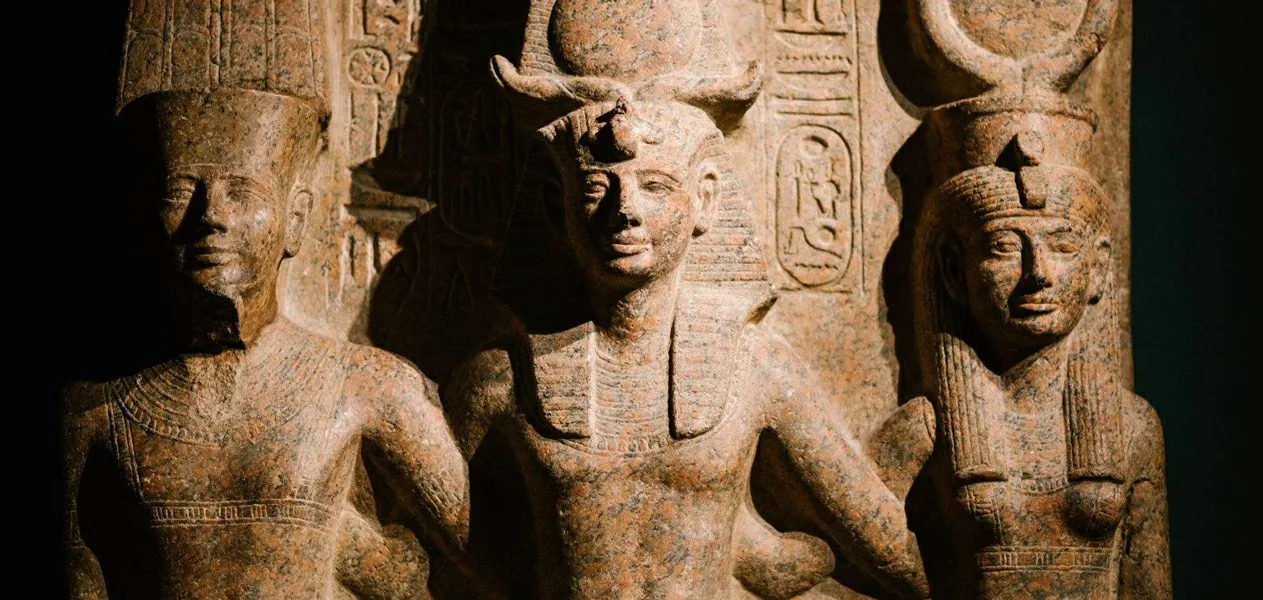
Ordinary women were not seen as goddesses, but queens were closely linked to them. Royal women wore the vulture crown of the goddess Nekhbet and the cow horns of Hathor, and many were called "the god's mother".
Some queens became goddesses after death. Ahmose-Nefertari was worshipped at Deir el-Medina for centuries, and Ramesses II dedicated the Small Temple at Abu Simbel to Nefertari and the goddess Hathor. Goddesses such as Isis, Hathor and Maat were among the most important ancient Egyptian gods.
The Art of Women in Ancient Egypt
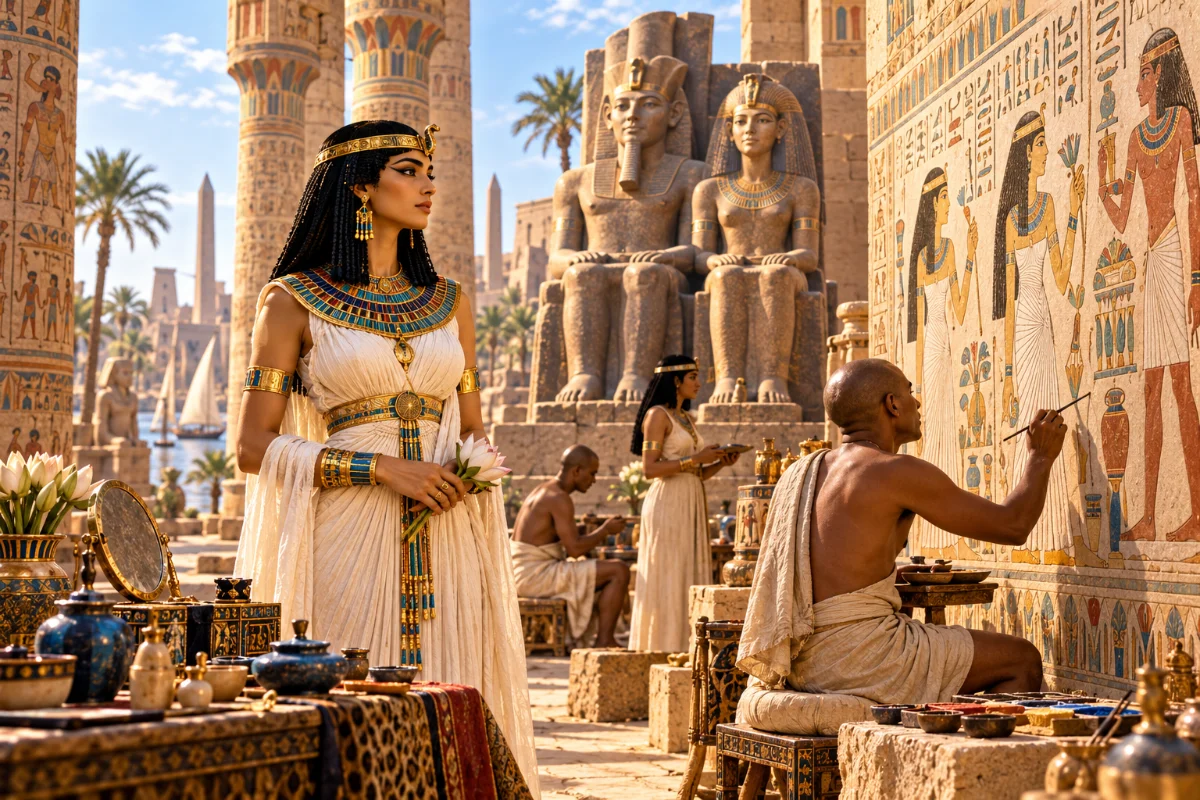
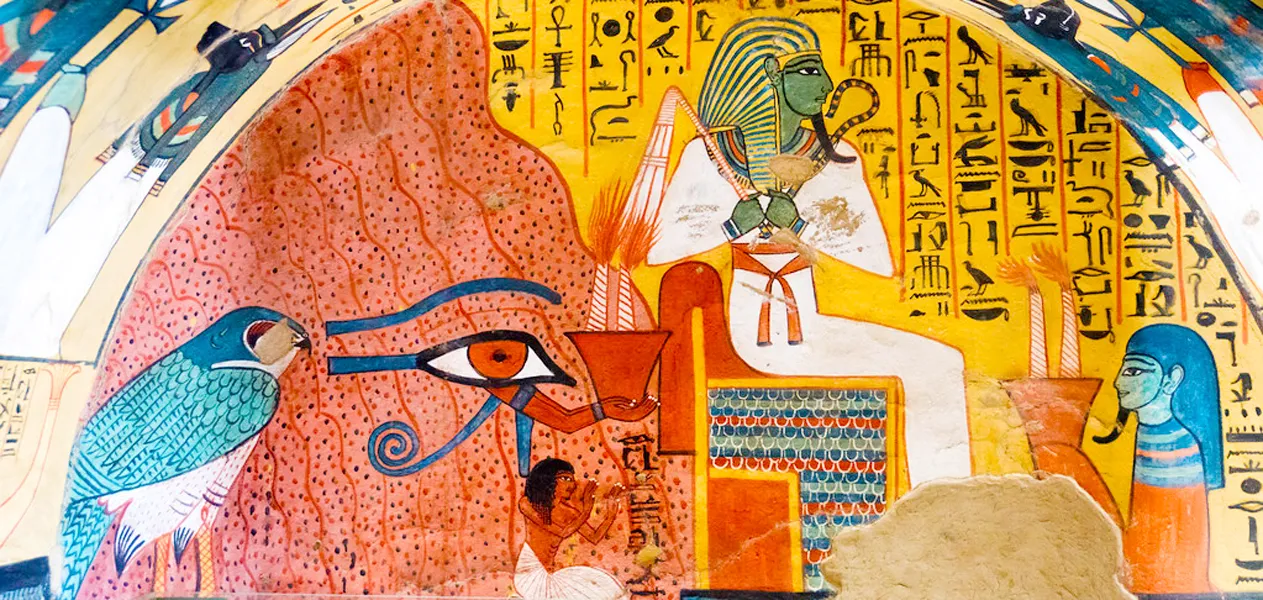
Egyptian art shows women as the ideal of beauty, calm and youth. It also gives the best record of how they dressed, worked and appeared beside their husbands.
How Women Were Portrayed
Women were not shown with wrinkles. Egyptian art was idealized because its main concern was the afterlife, and every figure was shown in its most beautiful and lasting state.
Women were usually painted with lighter, yellowish skin, while men were shown in reddish brown, a convention that may reflect women's time indoors. Pregnant women were almost never shown, while men were often shown at different stages of life.
Wives were often shown smaller than their husbands, but not always. The colossal seated statue of Amenhotep III and Tiye shows the queen at the same size as the king, and it stands in the Egyptian Museum in Cairo.
Clothing, Jewelry and Makeup
Women wore long, close-fitting linen dresses, often with shoulder straps, and later pleated robes. Wealthy women wore wigs, broad collars of beads, bracelets and earrings.
Both women and men wore makeup. Black kohl and green malachite eyeliner may have protected the eyes from sun and infection. Scented oils and creams protected the skin from the dry climate.
Nefertari in Art and Monuments
Queen Nefertari was shown on the same scale as Ramesses II and their children on his monuments. The facade of the Small Temple at Abu Simbel has six standing statues, four of the king and two of the queen, all of the same height.
Her tomb, QV66, was found in 1904 and is often called one of the most beautiful tombs in Egypt. Its bright paintings show her playing senet and offering to the gods in the Valley of the Queens.
Where to See the Famous Women of Ancient Egypt
You can follow these women from Cairo to Aswan. The Temple of Hatshepsut in Luxor tells the story of her birth and her expedition to Punt in its reliefs.
In the south, the temples of Abu Simbel hold the Small Temple of Nefertari beside the great temple of Ramesses II.
Best Tours to Discover the Secrets of Ancient Egypt
The 4 Days Feminist Egypt Trip to Cairo and Luxor, From $760, visits the Grand Egyptian Museum, the Temple of Hatshepsut and the Valley of the Queens.
You can also choose from our Egypt vacation packages to plan a longer journey.
Many travelers add a trip on one of our Egypt Nile cruise packages between Luxor and Aswan, which pass temples carved with the stories of these queens.
Interesting Facts About Women in Ancient Egypt
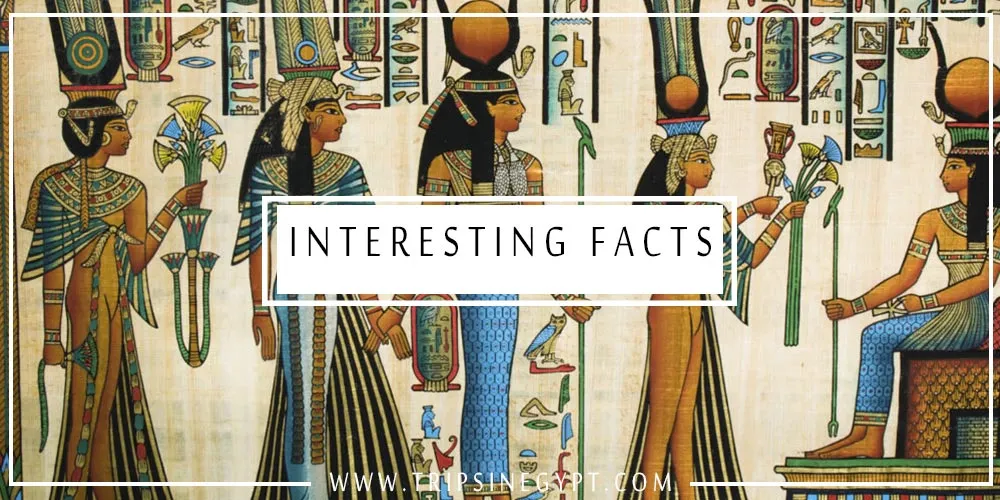
These facts sum up the lives of women in ancient Egypt, from the home to the throne.
-
A woman could own, sell and inherit property in her own name.
-
Women could divorce their husbands and keep their own property.
-
Nebet, under Pepi I in the Sixth Dynasty, is the first woman known to hold the title of vizier, the highest office after the king, though it may have been an honorary title.
-
Husbands and wives were usually buried together in the same tomb, while pharaohs were usually buried apart from their queens.
-
Family was highly valued, and children were expected to care for their parents in old age.
-
Women could serve as priestesses, temple singers and, at the top, God's Wife of Amun.
-
The first woman certainly known to rule Egypt as king was Sobekneferu, around 1806 BC.
-
Hatshepsut was often shown as a man, with a king's kilt and false beard.
-
A pregnancy test with barley and wheat is recorded in a papyrus from around 1300 BC.
-
Many women ran their own businesses, such as selling bread, beer and cloth at local markets.
The role of women in ancient Egypt was wider than in almost any other ancient society. Women ran households, worked, owned property, divorced, served the gods and, a few times, ruled as pharaoh. Even so, they still lived in a world led by men. From Hatshepsut's temple to Nefertari's painted tomb, their stories survive in stone, and they remain some of the most timeless and inspiring voices of ancient Egypt.

5 Days Cairo And Hurghada Trip
Amazing 4 Nights Cairo and Hurghada Trip Itinerary 5 Days Cairo and Hurghada trip wil...
- Duration 5 Days / 4 Nights
- Location Cairo & Hurghada
- Type Historical & Recreational Tour
From$690/per person
View Tour
6 Days Cairo, Alexandria & Faiyum Tour
Unforgettable Cairo, Alexandria & Faiyum Adventure in Six Days 6 Days Cairo, Alex...
- Duration 6 Days / 5 Nights
- Location Cairo - Alexandria - Fayum
- Type Historical Tour
From$720/per person
View Tour
10 Days Cairo, Faiyum & Nile Cruise Holiday
Breathtaking 10 Days Journey of A Lifetime in Egypt 10 Days Cairo, Faiyum & Nile...
- Duration 10 Days / 9 Nights
- Location Cairo, Luxor, Aswan & Faiyum
- Type Classic Tour
From$1350/per person
View Tour SOLD OUT
Ultimate 7-Day Egypt Solar Eclipse Experience with Hurghada 2027
Enjoy a 7-Day Egypt Solar Eclipse Tour with Hurghada 2027 6 Nights Egypt Solar Ecli...
- Duration 7 Days / 6 Nights
- Location Cairo / Giza / Luxor / Hurghada
- Type Astronomical Tour
Sold Out
View Details