



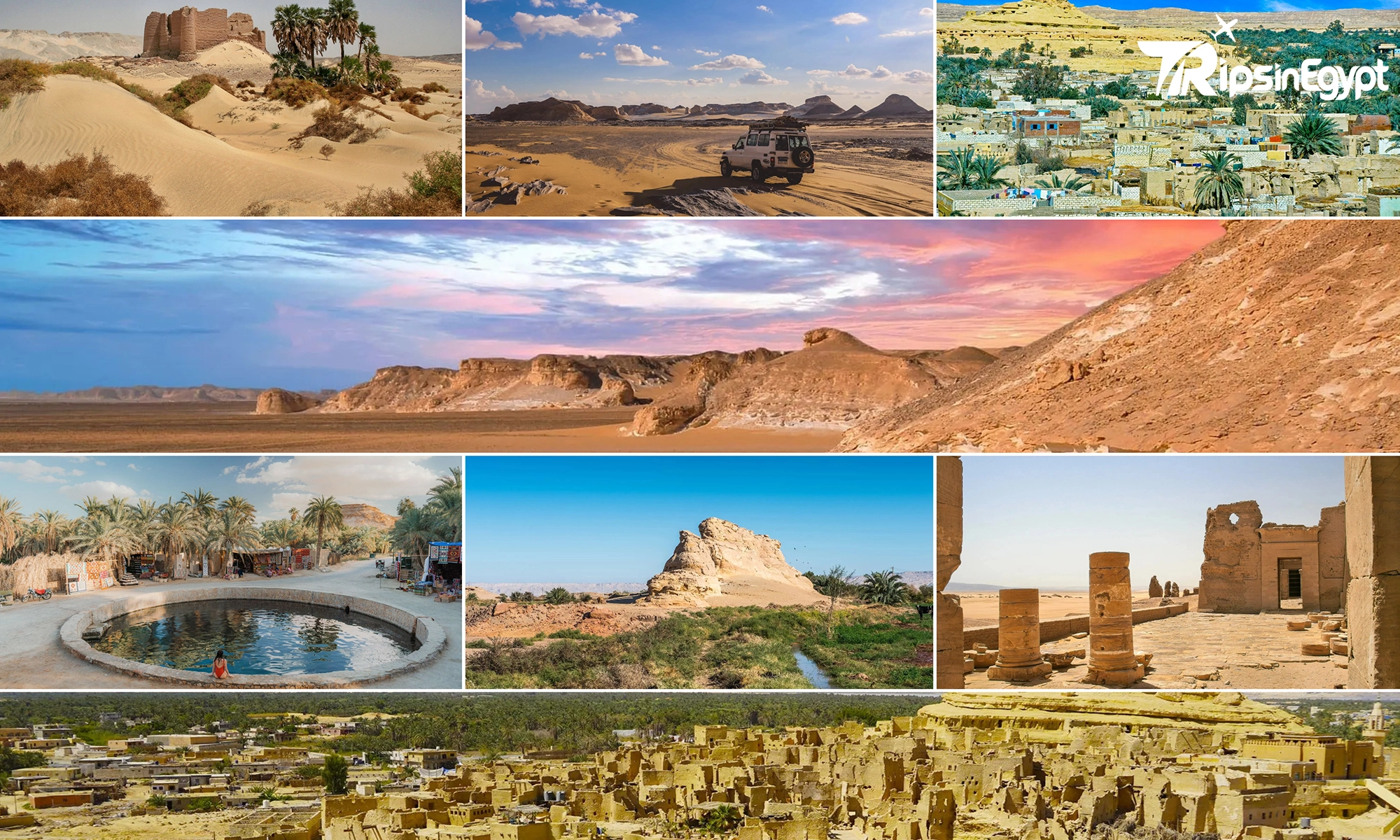
Most of the story of Egypt unfolded on the narrow green banks of the Nile, but another Egypt lay far to the west. Scattered across the Western Desert, a chain of oases rose from the sand like islands in a dry sea, fed by water that had fallen as rain thousands of years earlier. For the pharaohs, these places were frontier posts, farms, trading stations and, at times, a refuge or a prison.
This article explains the role of the oases in ancient Egypt, the trade routes that crossed them, their temples and tombs, and the way people lived in the desert. It closes with how to see these sites today. Here are all things you need to know about the oases of ancient Egypt:

What the Oases Meant to the Ancient Egyptians
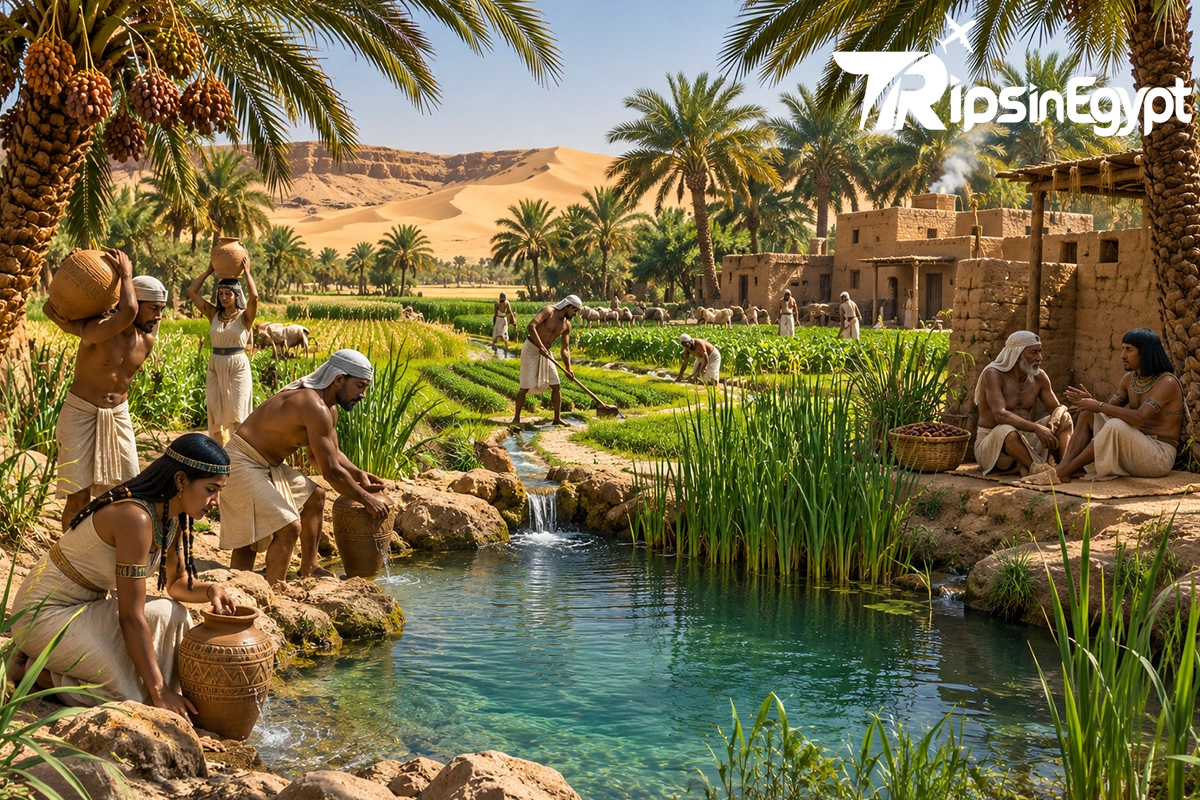
The Egyptian oases sit in deep depressions in the Western Desert, where the ground drops close to a vast store of groundwater known as the Nubian Sandstone Aquifer. Springs and wells bring this ancient water to the surface, turning patches of desert into fields and palm groves. The word "oasis" itself comes, through Greek, from the Egyptian word wehat, which survives in the modern Arabic wahat.
The Egyptians named the oases by their position. Kharga and Dakhla were together called the Southern Oasis, while Bahariya was the Northern Oasis. Farafra lay between them, and Siwa, far to the northwest near the modern Libyan border, sat at the edge of the Egyptian world. To the southwest of Cairo, the Fayoum is often called an oasis too, though it is fed by a branch of the Nile rather than by springs.
Egyptian control of the oases dates back at least to the Old Kingdom. By the 6th Dynasty, around 2300 BC, governors appointed by the king ruled Dakhla from a town now called Ain Asil, near Balat. Later, in the Middle Kingdom and New Kingdom, the oases sent tribute to the pharaohs, and scenes in noble tombs at Thebes, such as that of the vizier Rekhmire, are often cited as showing oasis people bringing wine, mats and other goods.
| Oasis | Ancient role | Key ancient sites |
|---|---|---|
| Siwa | Oracle center, frontier with Libya | Temple of the Oracle of Amun, Gebel el-Mawta |
| Bahariya | Farming and wine, Late Period center | Temple of Alexander, Valley of the Golden Mummies |
| Farafra | Caravan stop | Roman remains at Ain Bes |
| Dakhla | Old Kingdom governors, Roman farming | Ain Asil and Balat mastabas, Deir el-Hagar |
| Kharga | Gateway to the south, Persian and Roman forts | Temple of Hibis, Bagawat, Qasr Dush |
Desert Trade Routes: From Donkey Caravans to the Forty Days Road
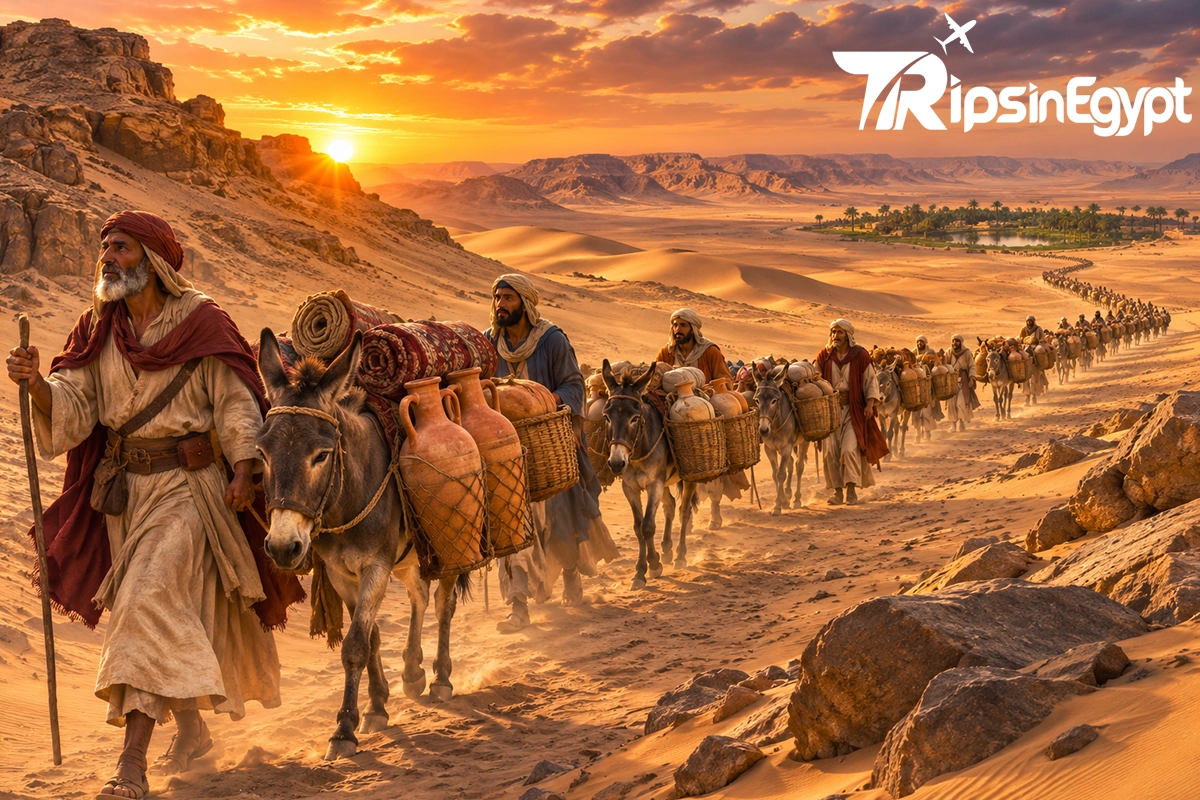
The oases were not isolated. They were stepping stones on routes that linked the Nile Valley with Libya, Nubia and the heart of Africa, and their story is really a story of movement.
The oldest known routes were walked by donkeys, long before camels became common in Egypt. Southwest of Dakhla, archaeologists have traced the Abu Ballas Trail, named after a hill littered with ancient water jars left as supply stations for Old Kingdom expeditions. Further along, an inscription known as Djedefre's Water Mountain records expeditions sent into the deep desert as early as the 4th Dynasty, the age of the Giza pyramids.
In the 6th Dynasty, the official Harkhuf described his journeys from Aswan to a southern land called Yam, and one of his routes is widely thought to have used the "Oasis Road" through Kharga. Over the following centuries, these tracks carried soldiers, messengers and traders between the oases and the Nile at Abydos, Thebes and Asyut.
The most famous route of all is the Darb el-Arbain, the "Forty Days Road." It ran about 1,700 km from Darfur in Sudan, through the Selima oasis and Kharga, to Asyut on the Nile. For centuries, caravans used it to carry ivory, ebony, ostrich feathers, gum and, in later periods, enslaved people north into Egypt. The route links Kharga with the wider history of Aswan and Nubia and the trade of the south.
Under the Romans, a line of mud-brick forts was built to guard these roads. Qasr Dush, at the southern tip of Kharga, was the last stop before the open desert, and a hoard of gold jewelry found there in 1989 shows how much wealth passed through. The Romans also guarded Farafra, Dakhla and Bahariya, which supplied grain and other produce to the Nile Valley.
The Incredible Temples of the Oases
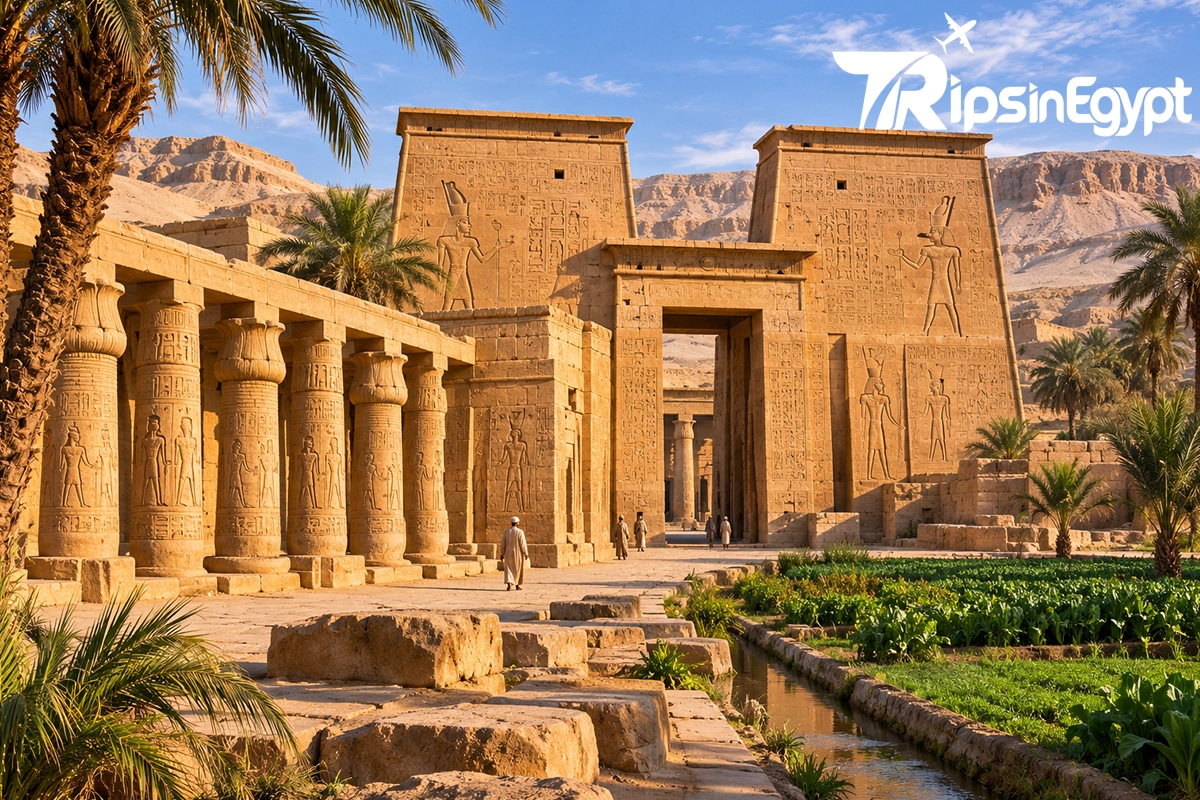
The temples of the oases are smaller than the giants of Luxor, but several are unique in Egypt, and they show how the gods of the Nile traveled into the desert.
The Temple of the Oracle of Amun, Siwa. Built in the 26th Dynasty, probably under King Amasis, this temple stands on the rock of Aghurmi above the palm groves. Its oracle of Amun was famous across the Greek world. In 331 BC, Alexander the Great made the long journey across the desert to consult it, and according to ancient writers he was greeted as the son of Amun. Our Siwa Oasis guide covers the temple and its legends.
The oracle also features in one of antiquity's most famous mysteries. Herodotus wrote that the Persian king Cambyses II sent an army of 50,000 men to destroy the oracle around 524 BC, and that a sandstorm buried it without a trace.
The Temple of Hibis, Kharga. Dedicated to Amun, Hibis was begun in the 26th Dynasty and largely completed under the Persian king Darius I in the late 6th century BC. It is one of the best-preserved temples from the Persian period anywhere in Egypt, with reliefs showing hundreds of gods. See our Kharga Oasis page for more.
The Temple of Alexander, Bahariya. Near Bawiti stands one of the only temples in Egypt dedicated to Alexander the Great. The chapels of Ain el-Muftella, built under Amasis, show how important Bahariya was during the Late Period.
Deir el-Hagar, Dakhla. This small sandstone temple was dedicated to the Theban triad of Amun, Mut and Khonsu during the 1st century AD. Its ceiling carries one of the few astronomical scenes from the Roman period. Our guide to ancient Egyptian temples puts these sanctuaries in a wider context.
Tombs, Mummies and the Afterlife in the Desert
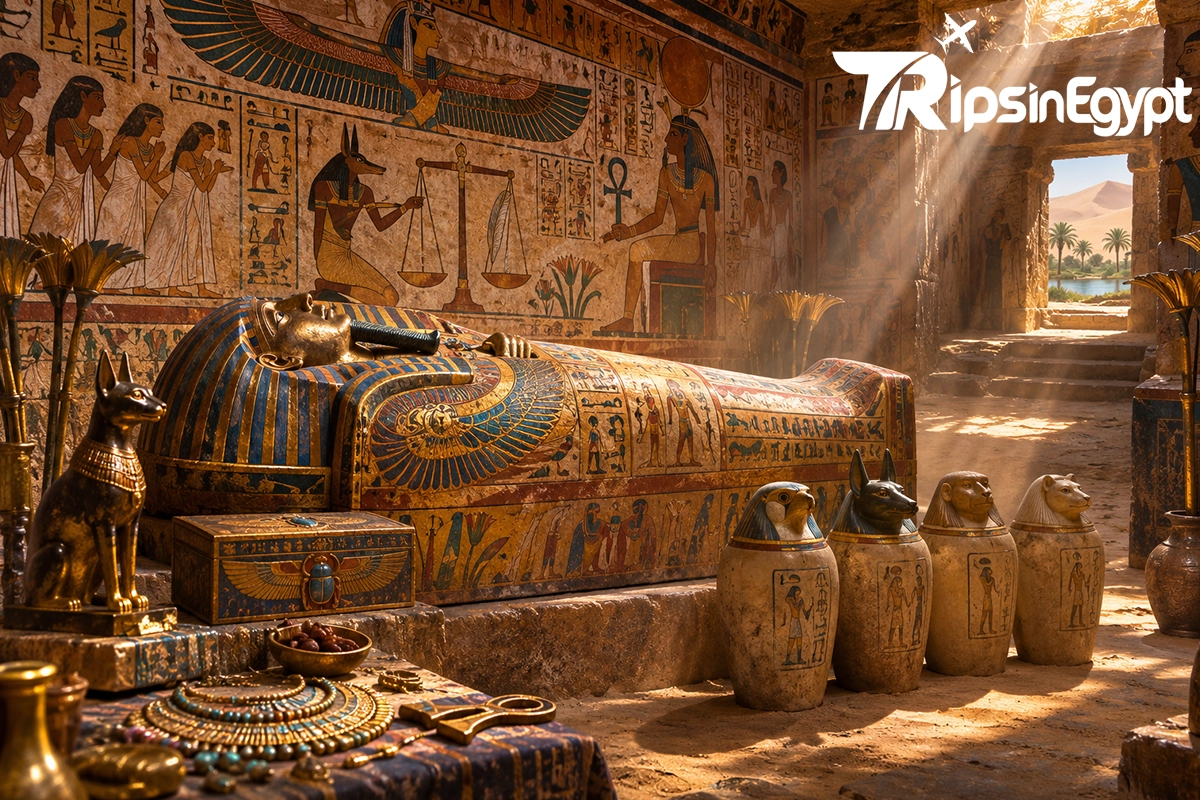
The oases buried their dead with the same care as the Nile Valley, and their cemeteries span more than two thousand years.
At Balat in Dakhla, the mud-brick mastabas of Qila el-Dabba belonged to the 6th Dynasty governors of the oasis, some of the oldest monumental tombs outside the Nile Valley. In Bahariya, the decorated rock tombs of Djed-Amun-iuf-ankh and Banentiu, from the 26th Dynasty, can still be visited near Bawiti.
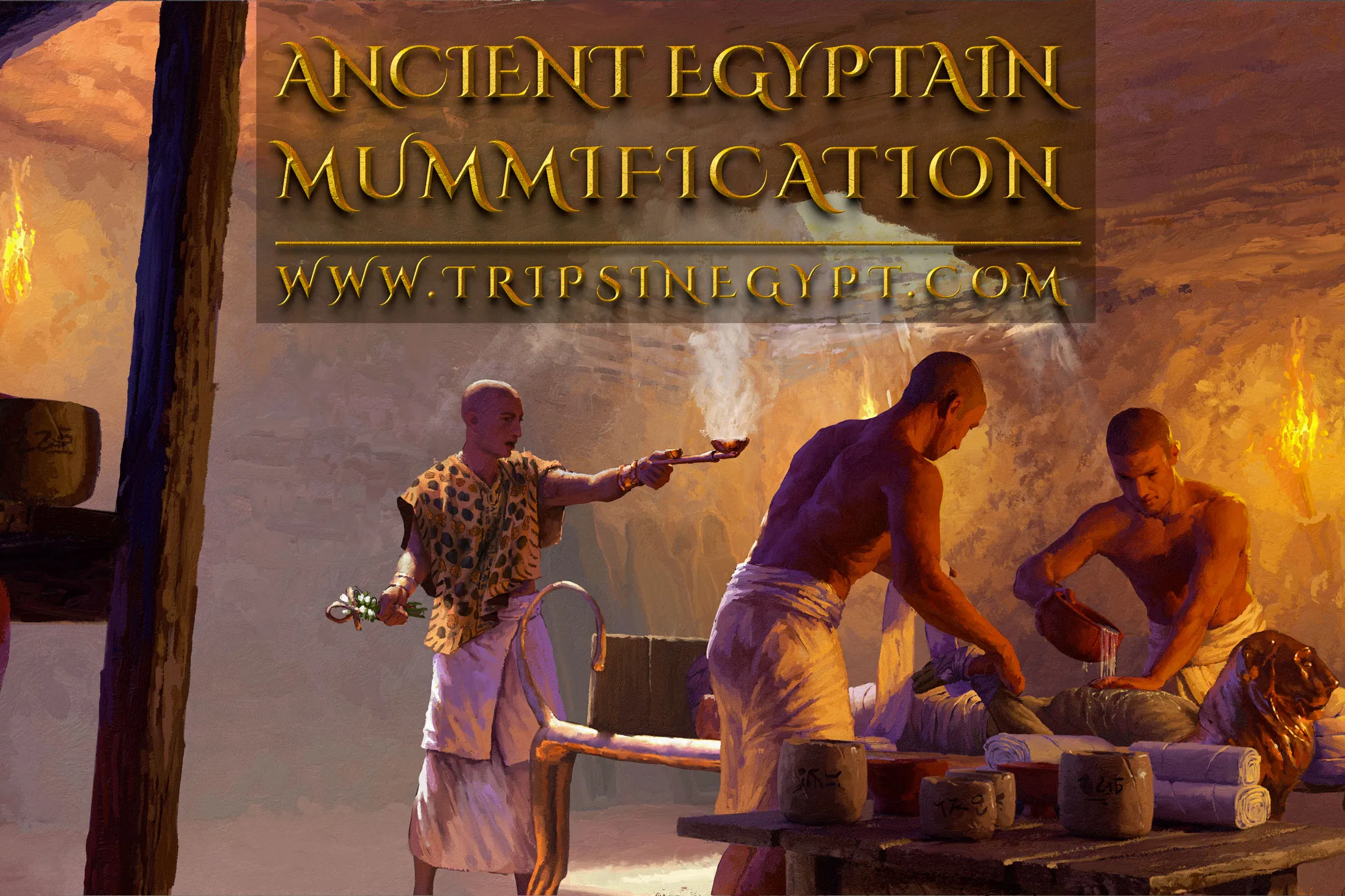
The most famous discovery came in 1996, when a donkey stumbled into a buried tomb near Bahariya. Excavations by Zahi Hawass revealed the Valley of the Golden Mummies, a Greco-Roman cemetery where many mummies wore gilded masks. Our Bahariya Oasis guide explains what you can see, and our article on ancient Egyptian mummification shows how the bodies were prepared.
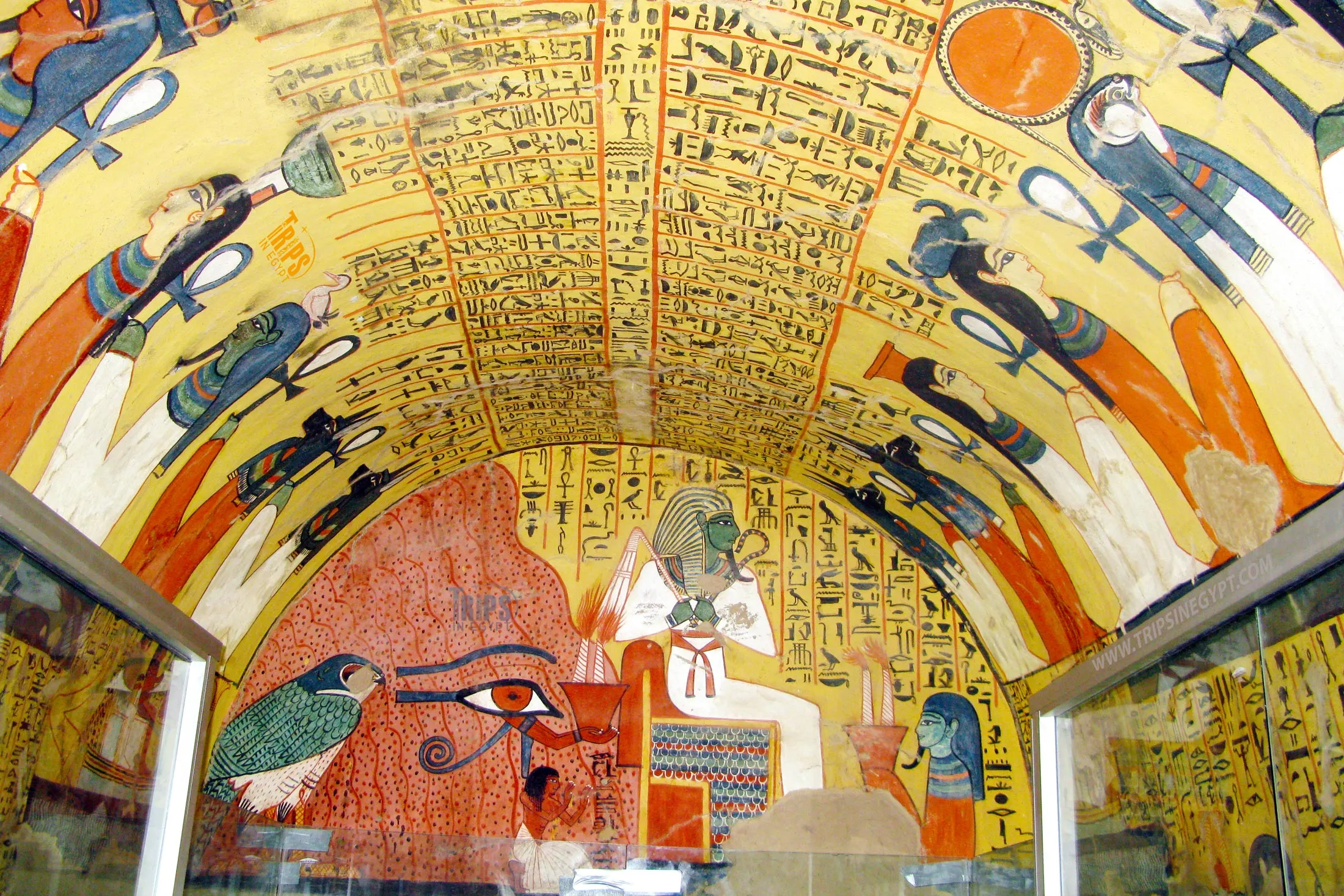
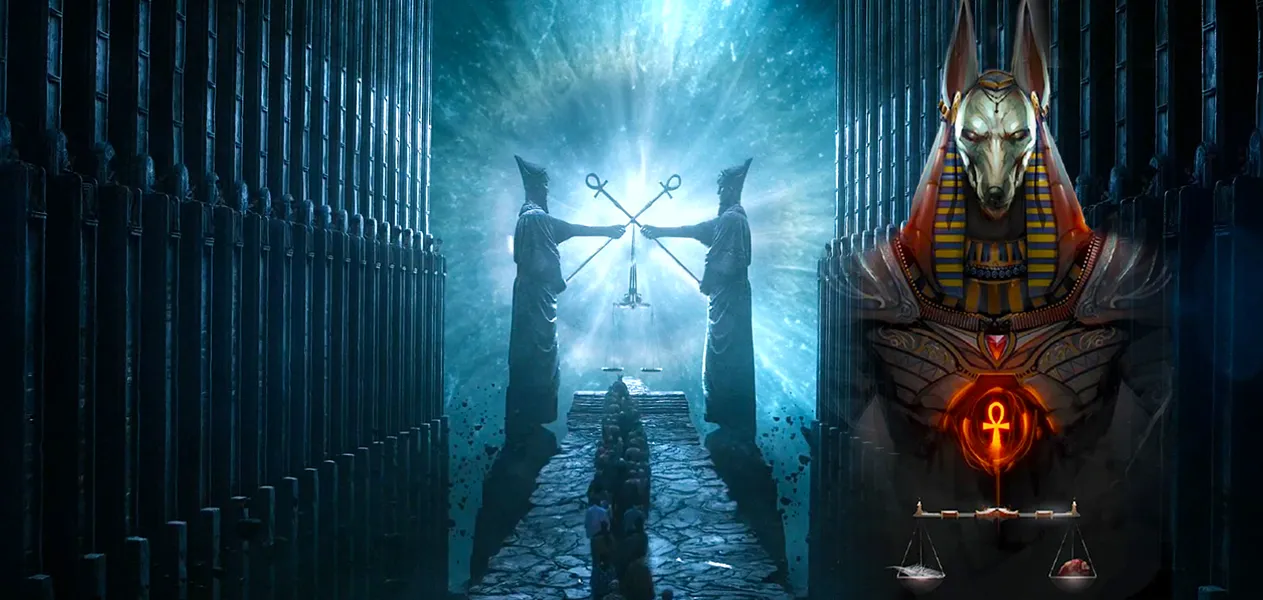
In Siwa, the Gebel el-Mawta, the "Mountain of the Dead," is honeycombed with rock-cut tombs from the Late Period and Greco-Roman times. The painted tomb of Si-Amun mixes Egyptian gods with a Greek-style portrait of its owner. In Dakhla, the two Roman tombs at Qaret el-Muzawwaqa are painted with bright zodiacs and scenes of the judgment of the dead.
The afterlife in the oases also took a Christian form. The Bagawat necropolis at Kharga holds more than 200 mud-brick chapels from the 4th to 7th centuries AD, some painted with Adam and Eve, Noah's Ark and the Exodus. It is one of the oldest Christian cemeteries in the world, and it connects with our guide to Coptic sites in Egypt.
Desert Life: Water, Wine, Farming and Exile
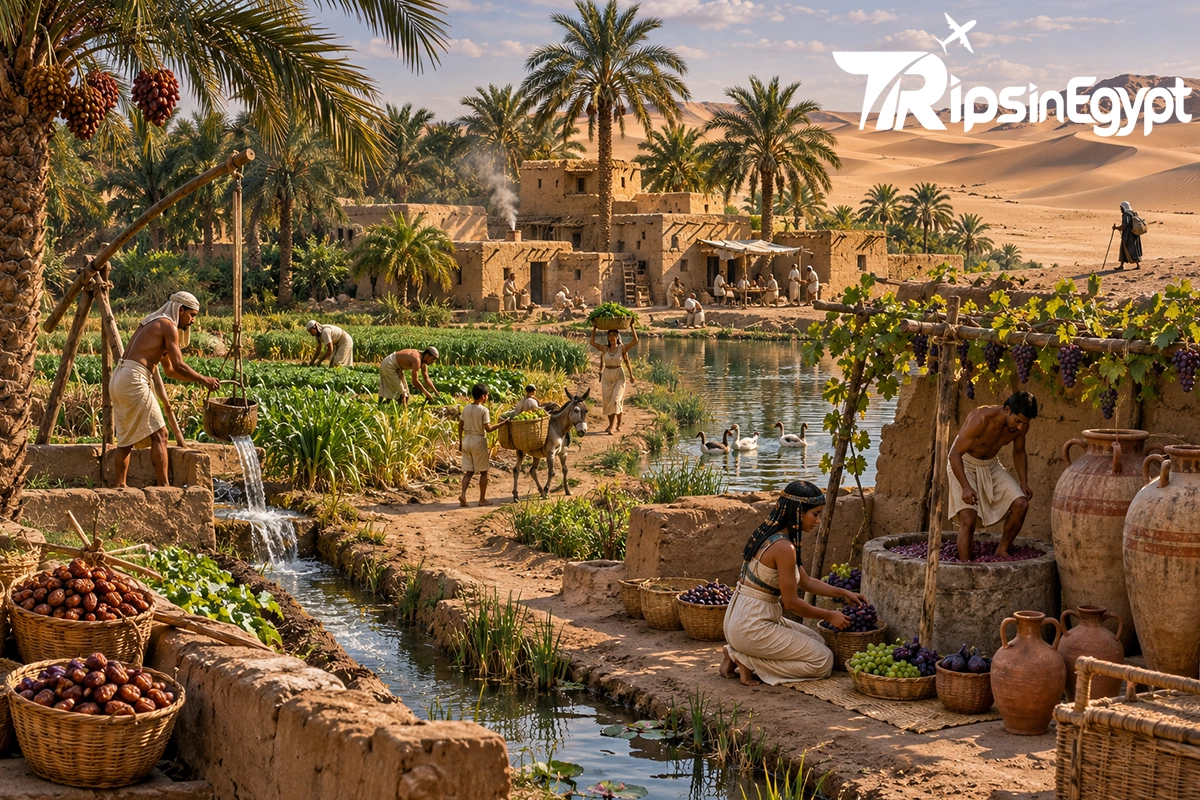
Life in the oases depended on water, and people learned to manage it with remarkable skill. Wells and springs were the lifeblood of every settlement. At Ain Manawir in Kharga, archaeologists found underground channels, known as qanats, dug during the Persian period to carry groundwater over long distances. Similar channels were extended in Roman times, and a few still bring water to fields today.
With water came farming. The oases grew dates, olives, barley and wheat, and the Romans valued Dakhla, Farafra and Bahariya as grain lands. Above all, the oases were known for wine. Jar labels from the New Kingdom mention wine from the oases, and later writers praised the vintages of the Western Desert. In Dakhla, the Roman village of Kellis has produced thousands of documents on papyrus and wooden boards, giving a rare look at everyday trade, farming and family life in the 4th century AD.
Their remoteness also made the oases places of banishment. The most famous exile was Nestorius, the former bishop of Constantinople, who was sent to the Great Oasis of Kharga in the 5th century AD.
Daily life mixed Egyptian and Libyan traditions, especially in Siwa, where people still speak Siwi, an Amazigh language, and live among the ruins of the old salt-brick fortress of Shali.
Visiting the Ancient Oases Today
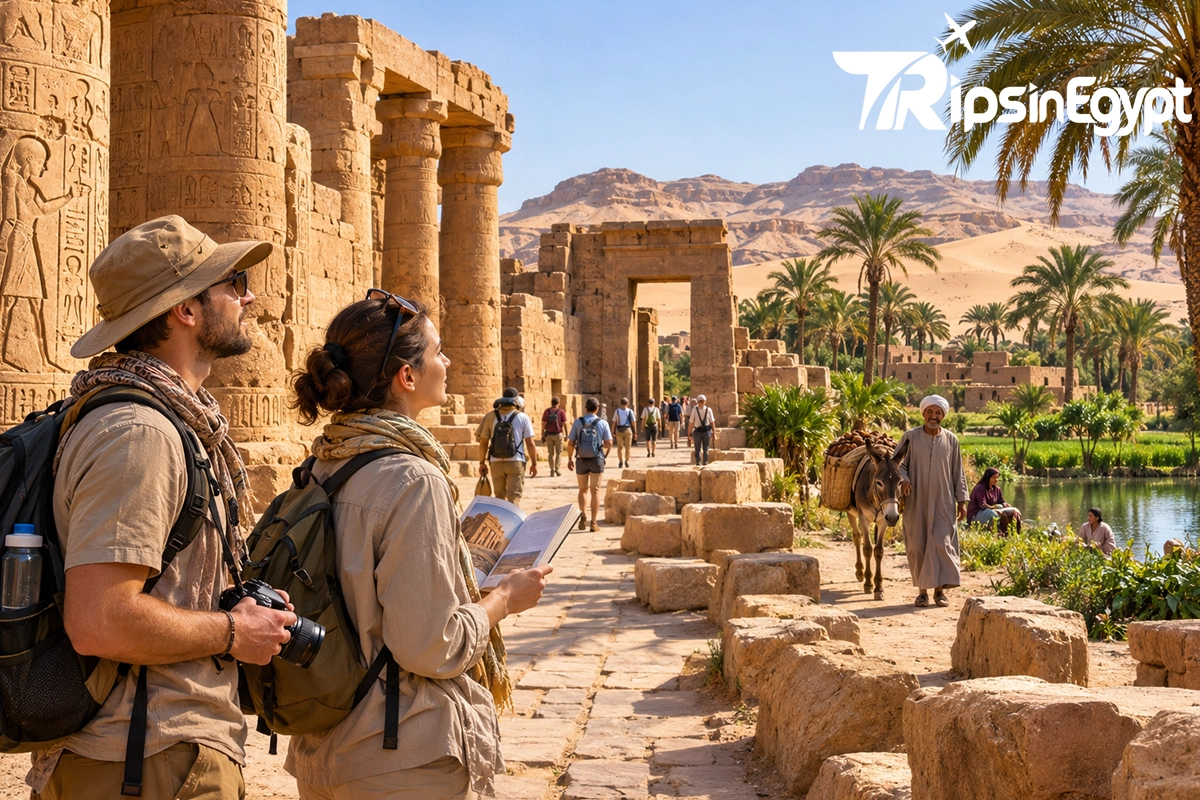
Today the Western Desert oases are part of the New Valley and Matrouh governorates, and their ancient sites are reached by long but scenic desert roads.
| Oasis | Distance from Cairo | Main ancient sites to visit |
|---|---|---|
| Bahariya | About 370 km | Golden Mummies museum, 26th Dynasty tombs, Temple of Alexander |
| Farafra | About 630 km | Roman remains, White Desert nearby |
| Dakhla | About 750 km | Al-Qasr, Deir el-Hagar, Qaret el-Muzawwaqa, Balat |
| Kharga | About 600 km by road, or via Asyut | Hibis, Bagawat, Qasr el-Ghueita, Qasr Dush |
| Siwa | About 560 km in a straight line, longer by road | Oracle of Amun, Gebel el-Mawta, Shali |
Bahariya is the easiest oasis to reach, and our overnight safari to Bahariya and the White Desert from USD 195 combines its tombs with a night under the stars. On the way south, the volcanic hills of the Black Desert lead to Farafra and the chalk towers of the White Desert. Our page on Egypt's deserts covers the landscapes between the oases.
For the full loop, Dakhla and Kharga take several more days, and our 14-day Egypt desert tour from USD 1,700 links them with Cairo and the Nile. Siwa lies on a separate road via Marsa Matruh, and our 8-day Cairo, Alexandria and Siwa tour from USD 820 follows Alexander's route across the desert. Browse all our Egypt desert tours for more options.
The best season runs from October to April. Summer days in the oases often pass 40°C, while winter nights in the open desert can drop close to freezing.
Discover the Ancient Oases With Trips In Egypt
The oases remind us that ancient Egypt was never only a river kingdom. Out in the silence of the Western Desert, temples, tombs and caravan roads still tell the timeless story of people who turned sand and spring water into a civilization. Uncover our Egypt tour packages to add an oasis to your journey, or let us design a tailor-made tour through the Western Desert. Book us now or contact our operation department today.

5 Days Cairo And Hurghada Trip
Amazing 4 Nights Cairo and Hurghada Trip Itinerary 5 Days Cairo and Hurghada trip wil...
- Duration 5 Days / 4 Nights
- Location Cairo & Hurghada
- Type Historical & Recreational Tour
From$690/per person
View Tour
6 Days Cairo, Alexandria & Faiyum Tour
Unforgettable Cairo, Alexandria & Faiyum Adventure in Six Days 6 Days Cairo, Alex...
- Duration 6 Days / 5 Nights
- Location Cairo - Alexandria - Fayum
- Type Historical Tour
From$720/per person
View Tour
10 Days Cairo, Faiyum & Nile Cruise Holiday
Breathtaking 10 Days Journey of A Lifetime in Egypt 10 Days Cairo, Faiyum & Nile...
- Duration 10 Days / 9 Nights
- Location Cairo, Luxor, Aswan & Faiyum
- Type Classic Tour
From$1350/per person
View Tour SOLD OUT
Ultimate 7-Day Egypt Solar Eclipse Experience with Hurghada 2027
Enjoy a 7-Day Egypt Solar Eclipse Tour with Hurghada 2027 6 Nights Egypt Solar Ecli...
- Duration 7 Days / 6 Nights
- Location Cairo / Giza / Luxor / Hurghada
- Type Astronomical Tour
Sold Out
View Details