



Pyramids that touch the sky, kings in golden masks, and gods with the heads of animals: ancient Egypt sounds like a fairy tale, but every part of it was real. For more than 3,000 years, the people of the Nile built, wrote, invented and dreamed on a scale the world still marvels at.
This guide gathers 50 fun facts about Egypt for kids, students, parents and teachers. Among these facts about ancient Egypt, you will find the pyramids and the Sphinx, pharaohs and King Tut, mummies, gods and animals, hieroglyphs, and daily life, plus surprising facts about Egypt today. At the end, there are easy activities to try at home, tips for parents, and answers to the questions kids ask most.
10 Interesting Facts About Egypt for Kids
Short on time? Here are the ten most amazing Egypt facts for kids. You will find each one explained in the full list below.
-
The Great Pyramid was the tallest building on Earth for about 3,800 years.
-
The pyramid builders were paid workers, not slaves.
-
Cleopatra lived closer in time to the Moon landing than to the building of the Great Pyramid.
-
Making a mummy took about 70 days.
-
Egyptians pulled the brain out through the nose during mummification.
-
King Tutankhamun became pharaoh when he was about 9 years old.
-
Ancient Egyptians worshipped more than 2,000 gods and goddesses.
-
Men and women both wore eye makeup.
-
Egyptians made one of the first 365-day calendars.
-
More than 109 million people live in Egypt today, most of them near the Nile.

Facts About Egypt Today
Before we travel back in time, here are some facts about Egyptians and their country today. These modern Egyptian facts surprise many visitors, and the country is just as interesting as its ancient past. Our guide to the land of Egypt has even more.
1. More than 109 million people live in Egypt
Egypt is the most populous country in the Arab world and one of the three most populous countries in Africa. Its people speak Arabic, and they pay with the Egyptian pound, which is divided into 100 piasters.
2. Almost everyone lives near the Nile
About 95% of Egyptians live in the narrow Nile Valley and the Nile Delta, on only about 5% of the country's land. The rest of Egypt is mostly desert.
3. Egypt sits on two continents
Most of Egypt is in Africa, but the Sinai Peninsula in the northeast is in Asia. The whole country covers about 1 million square kilometers, about the same as Texas and New Mexico combined.
4. The Nile is one of the longest rivers in the world
The Nile is about 6,650 km long and flows north, from the heart of Africa to the Mediterranean Sea. Without it, Egypt would be almost entirely desert, which is why the Greek historian Herodotus called Egypt "the gift of the Nile".
5. Cairo is a giant city
More than 20 million people live in Greater Cairo, one of the largest cities in Africa and the Middle East. Its oldest university, Al-Azhar, has been teaching students for more than 1,000 years.
6. It hardly ever rains
Cairo gets only about 25 mm of rain a year, and Aswan in the south is one of the driest cities on Earth. Some children there may see rain only a handful of times in their lives.
7. Ships sail through the desert
The Suez Canal, opened in 1869, is a waterway about 193 km long that connects the Mediterranean Sea to the Red Sea. Ships use it to travel between Europe and Asia without sailing around Africa.
8. Egypt's flag has a golden eagle
The flag has three stripes, red, white and black, with the golden Eagle of Saladin in the middle. The eagle honors a famous sultan who ruled Egypt more than 800 years ago.
9. Egypt has a brand-new museum for its old treasures
The Grand Egyptian Museum, near the Giza pyramids, is the largest museum in the world dedicated to a single civilization. It holds more than 100,000 artifacts, including all 5,398 objects from King Tut's tomb, shown together for the first time. Read our Grand Egyptian Museum guide.
10. Egyptians love koshary
Koshary is a favorite street food made from rice, lentils, pasta and chickpeas, topped with tomato sauce and crispy fried onions. It is cheap, filling and eaten all over the country.
Fun Facts About the Pyramids and the Sphinx for Kids
The pyramids are the most famous buildings of the ancient world, and these ancient Egypt facts show they still hold surprises.
11. The first pyramid had steps
The oldest pyramid in Egypt is the Step Pyramid of Djoser at Saqqara, designed by the architect Imhotep around 2670 BC. Egypt now has more than 100 known pyramids.
12. The pyramids were tombs for kings
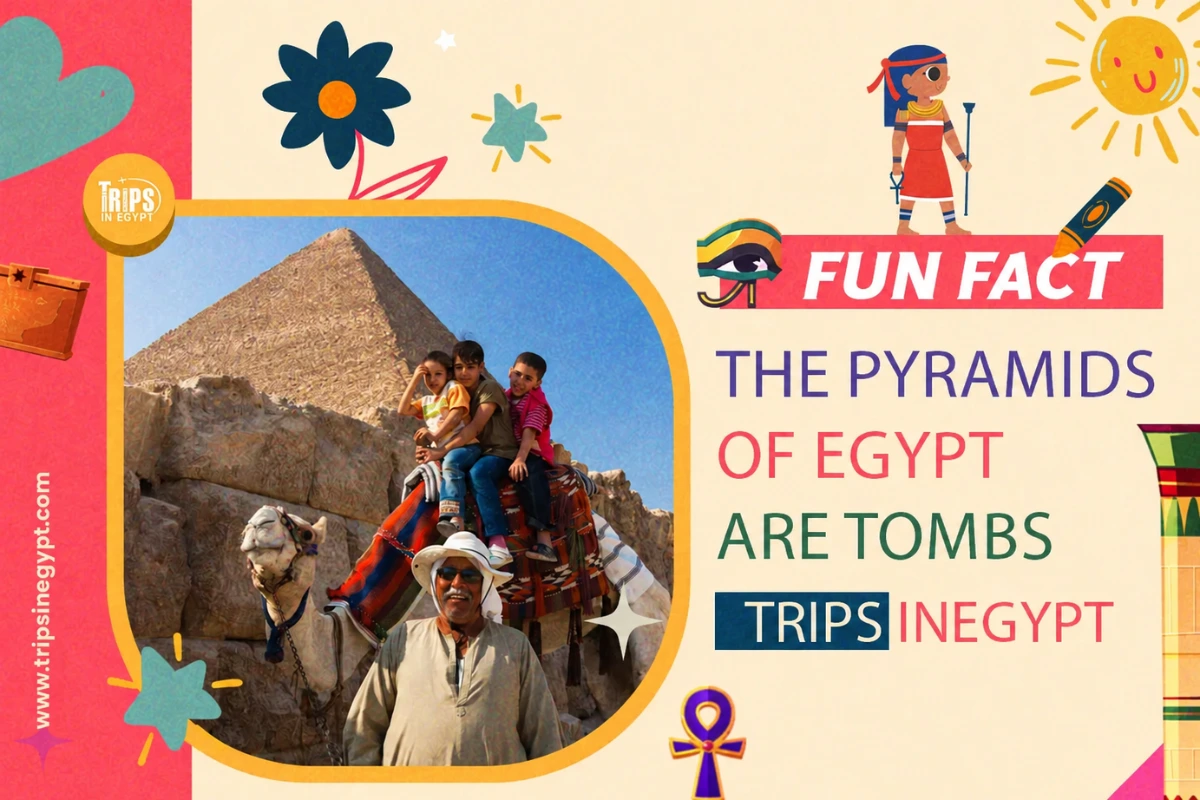
Pyramids were not palaces or storehouses. They were giant tombs that protected the body of the pharaoh and the treasures he needed for the afterlife.
13. The Great Pyramid was the tallest building on Earth for 3,800 years
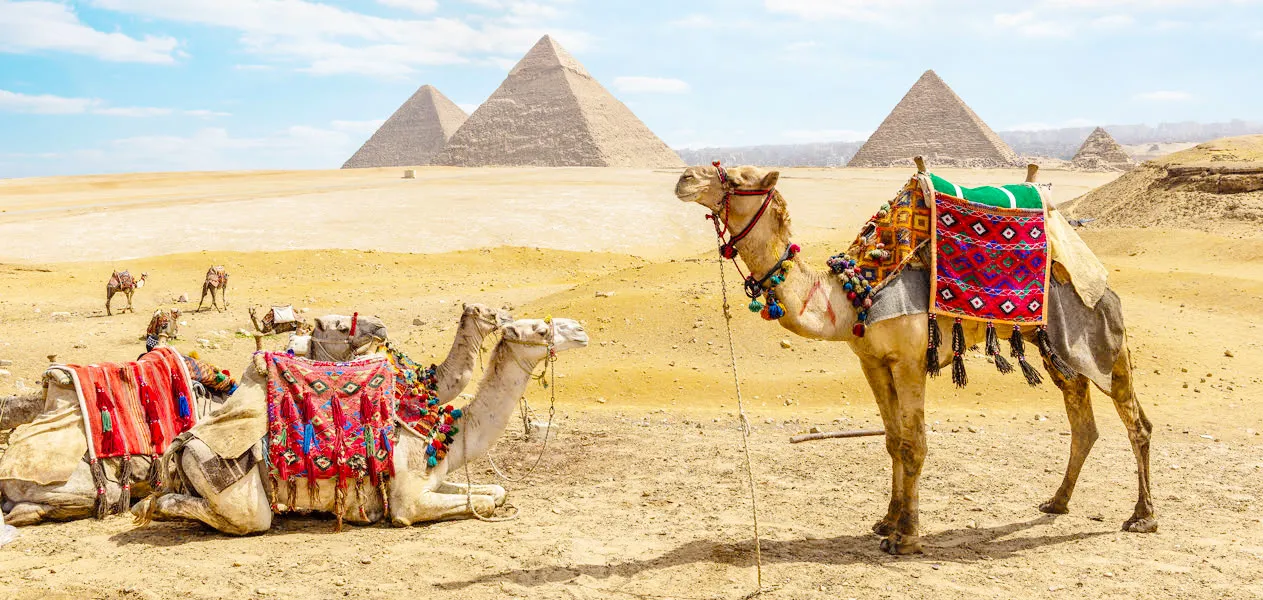
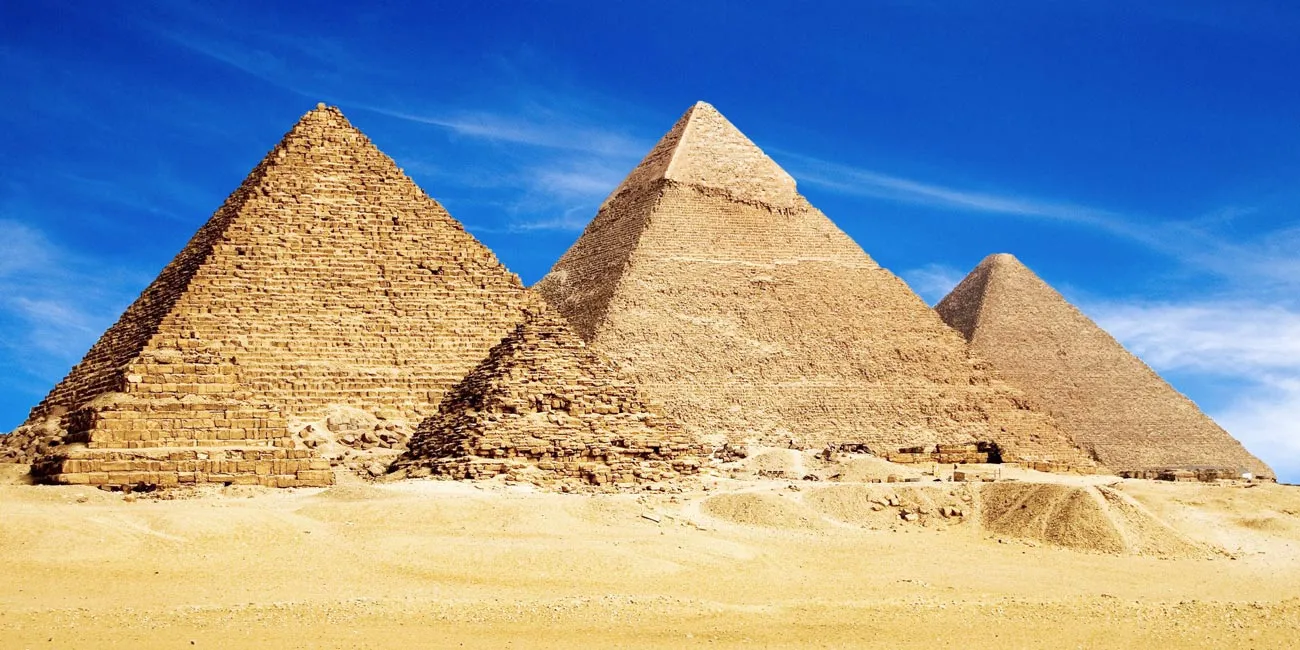
The Great Pyramid of Giza was built around 2560 BC for King Khufu. It once stood about 146.6 m tall, and no human-made structure was taller until Lincoln Cathedral in England was finished in the 14th century.
14. It is made of about 2.3 million blocks
The stone blocks weigh about 2.5 tonnes each on average, as much as a car. Some granite blocks inside the King's Chamber weigh 25 to 80 tonnes and were carried by boat from Aswan, more than 800 km away. The Greek historian Herodotus wrote that building it took 20 years.
15. The pyramids used to shine
The pyramids were once covered with smooth, polished white Tura limestone that gleamed in the sun. Most of that casing was later removed and reused to build medieval Cairo.
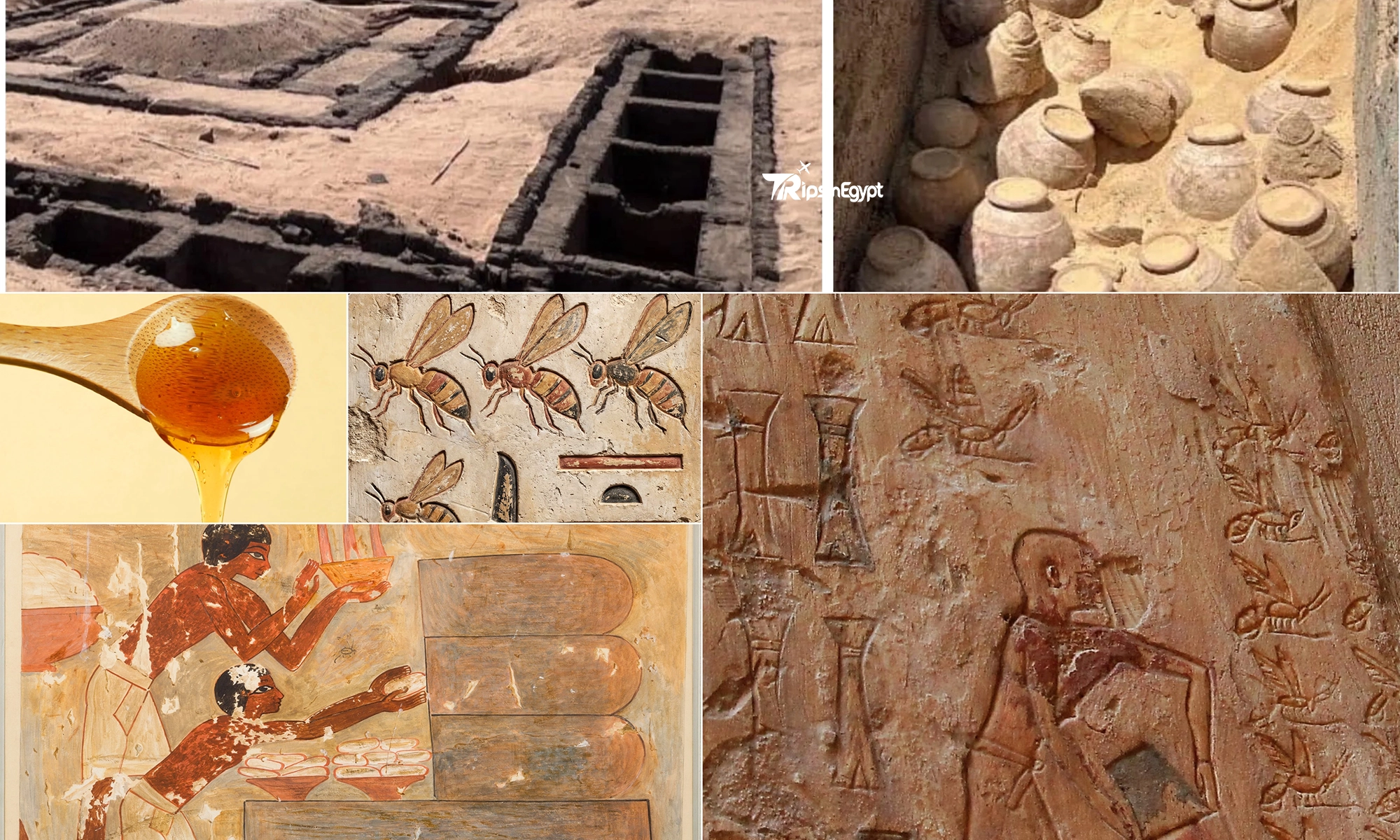
16. The builders were not slaves
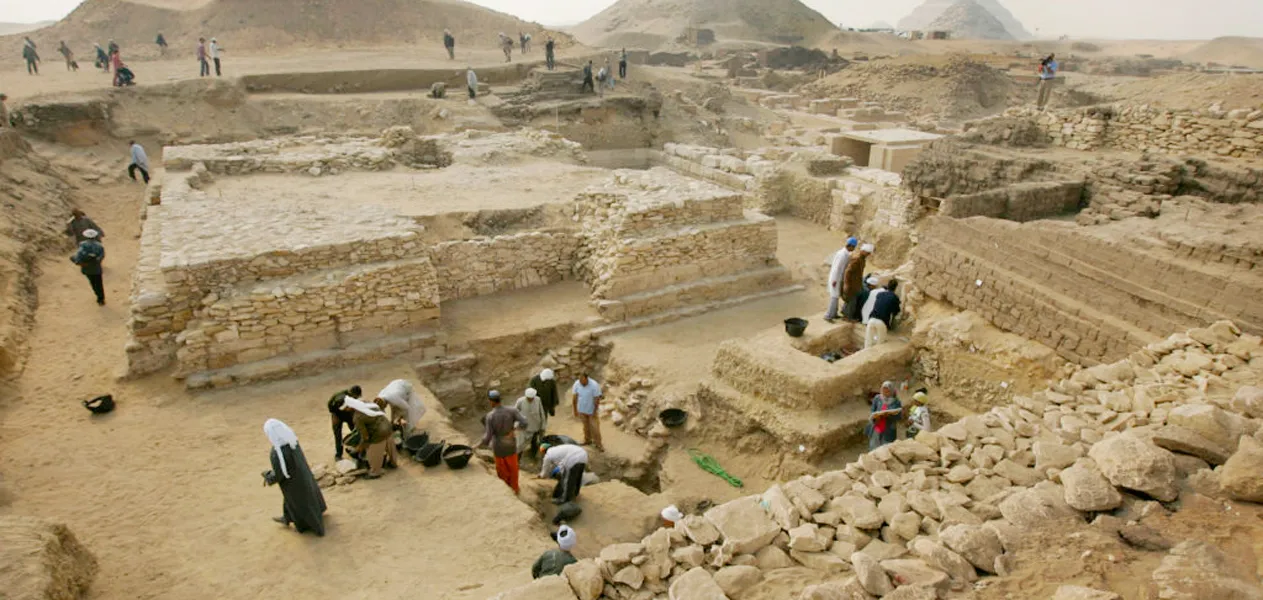
Archaeologists have found the villages, bakeries and even the tombs of the pyramid builders at Giza. They were paid workers who lived nearby, ate bread and meat, and were buried with honor close to the king they served. Learn more about how the pyramids were built.
17. The Great Pyramid is the last wonder standing
Of the Seven Wonders of the Ancient World, only the Great Pyramid still exists today.
18. The Sphinx is as long as a jumbo jet
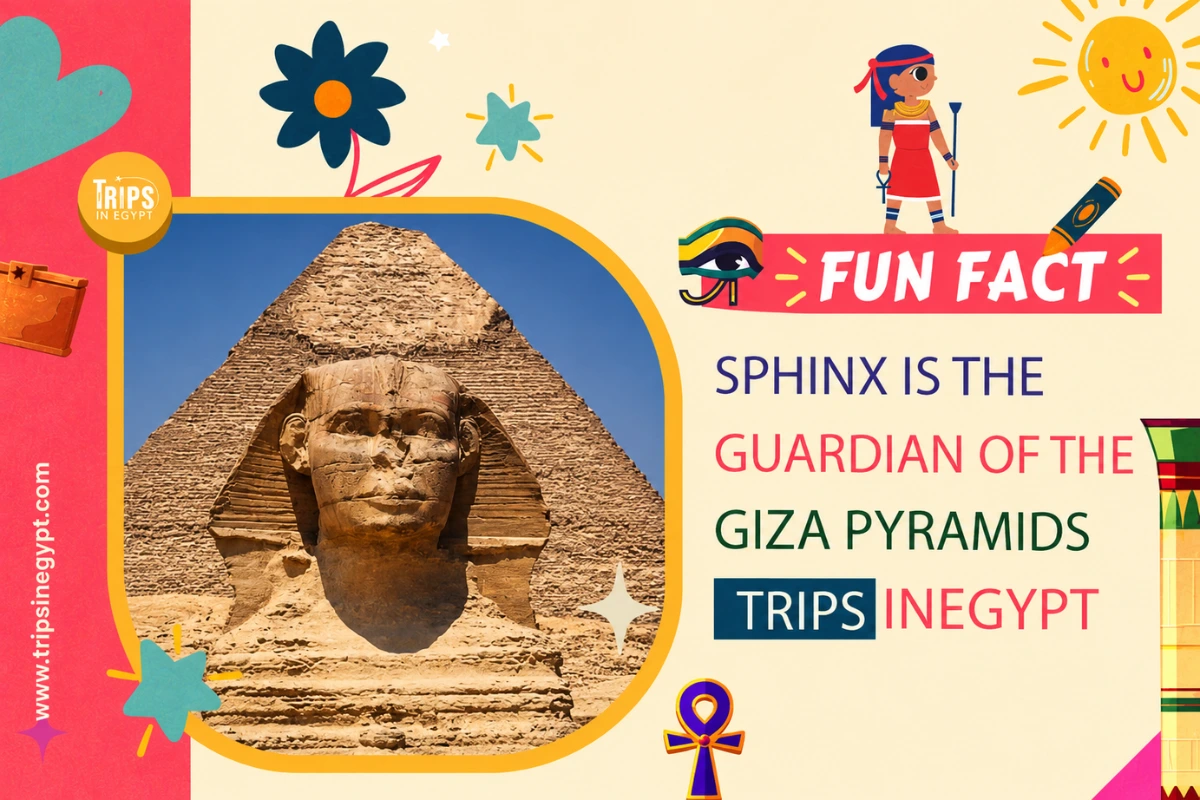
The Great Sphinx of Giza has the body of a lion and the head of a king. It is about 73 m long and 20 m (66 ft) tall, and it was carved from a single ridge of limestone around 4,500 years ago, probably for King Khafre.
19. Napoleon did not break the Sphinx's nose
A popular story blames Napoleon's soldiers, but drawings made before they arrived in 1798 already show the Sphinx without its nose. The medieval historian al-Maqrizi wrote that a man damaged the face on purpose in the 14th century.
Facts About Pharaohs and King Tut for Kids
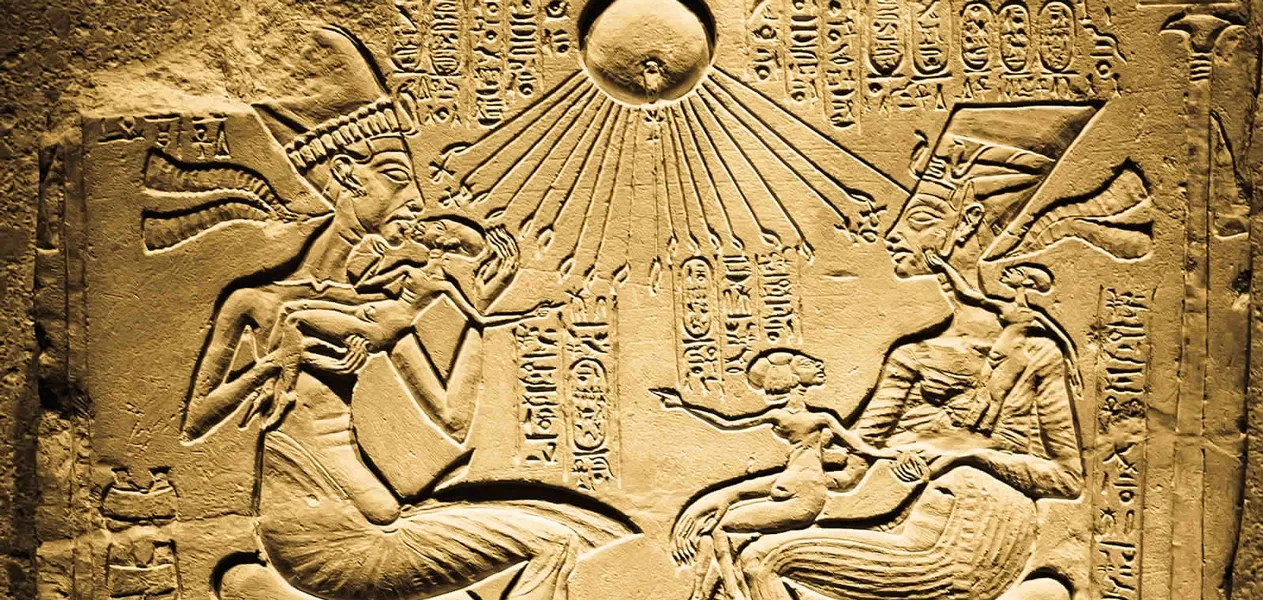
Some of the most interesting facts about ancient Egypt come from its rulers. Pharaohs were the kings of Egypt, believed to be part human and part god.
20. Ancient Egypt lasted about 3,000 years
Egypt was united as one kingdom around 3100 BC, and the age of the pharaohs ended with the death of Cleopatra in 30 BC. That is more than ten times as long as the United States has existed.
21. "Pharaoh" means "great house"
The word comes from the Egyptian per-aa, meaning "great house", which first described the royal palace and later the king himself.
22. Cleopatra lived closer to us than to the pyramid builders
Queen Cleopatra died in 30 BC, about 2,500 years after the Great Pyramid was built, but only about 2,000 years before the first Moon landing in 1969. She was also the first ruler of her Greek family to learn to speak Egyptian.
23. A woman ruled as pharaoh and wore a false beard
Hatshepsut ruled Egypt for about 20 years, around 1479 to 1458 BC. In many statues she is shown wearing the royal false beard, a symbol of the pharaoh's power.
24. Ramses II had more than 100 children
Ramses II ruled for 66 years and built some of Egypt's biggest monuments, including the temples of Abu Simbel. Read about the great king Ramses II.
25. King Tut became pharaoh at about 9 years old
King Tutankhamun ruled Egypt as a child and died when he was only about 18 or 19 years old. Today he is the most famous pharaoh of all, because his tomb was found almost untouched. Meet him in our guide to King Tutankhamun.
26. His tomb held 5,398 treasures
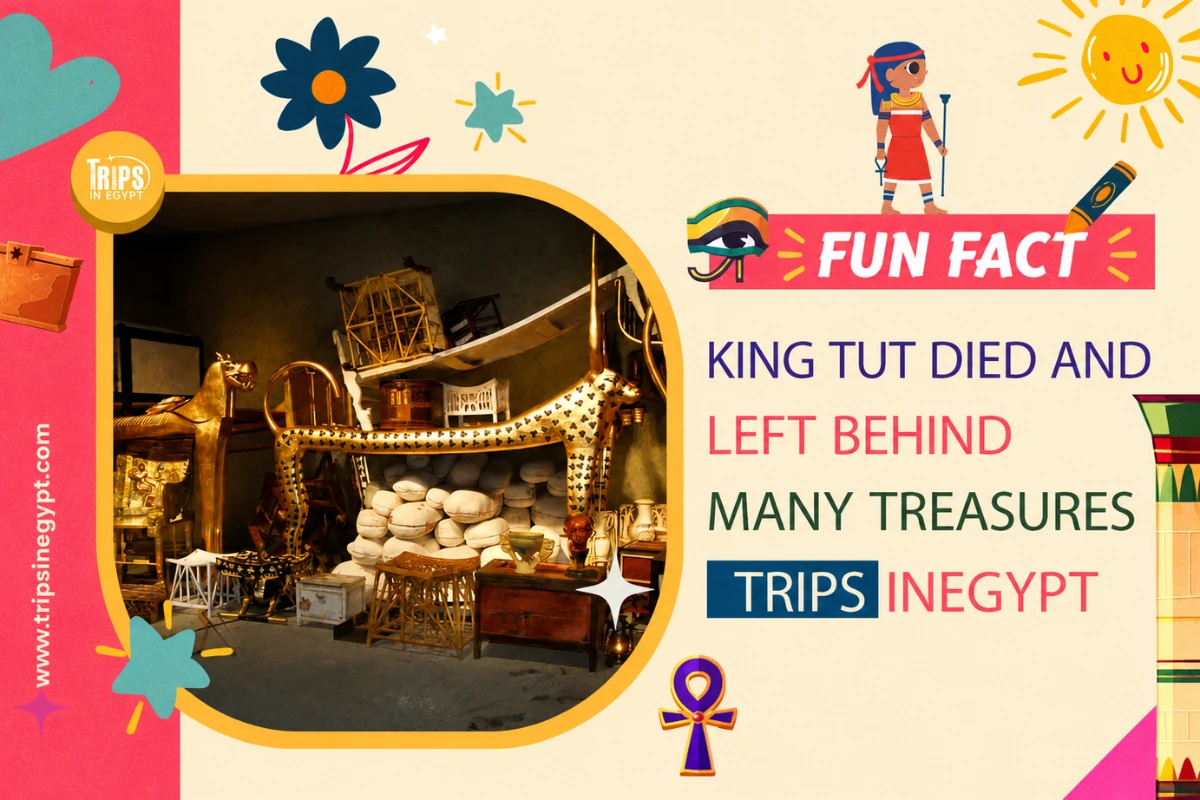
The British archaeologist Howard Carter found King Tut's tomb in the Valley of the Kings on 4 November 1922. Inside were chariots, beds, games, jewelry, statues and food, all packed into four small rooms. Read the full story of the Tutankhamun tomb discovery.
27. His mask is made of more than 10 kg of gold
King Tut's famous burial mask is made of solid gold inlaid with blue lapis lazuli, quartz and colored glass, and weighs just over 10 kg.
28. King Tut took 145 pairs of underwear to the afterlife
Among his treasures were 145 linen loincloths, the underwear of ancient Egypt, along with shirts, gloves and sandals. Egyptians believed you would need your clothes in the next life.
Facts About Mummies and the Afterlife for Kids
These ancient Egypt fun facts may sound strange, but they made perfect sense to the Egyptians, who believed life continued after death only if the body was preserved.
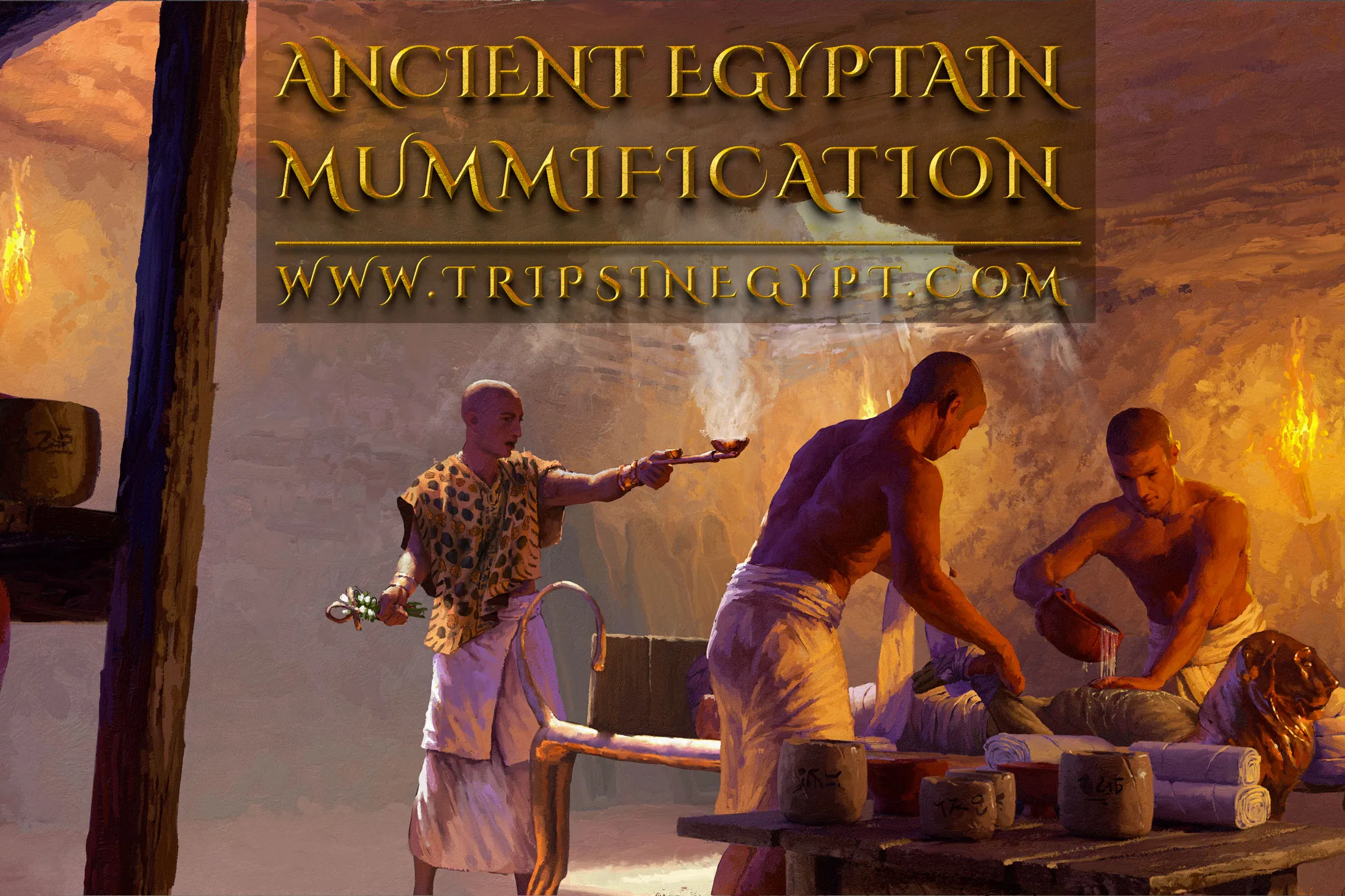
29. Making a mummy took about 70 days
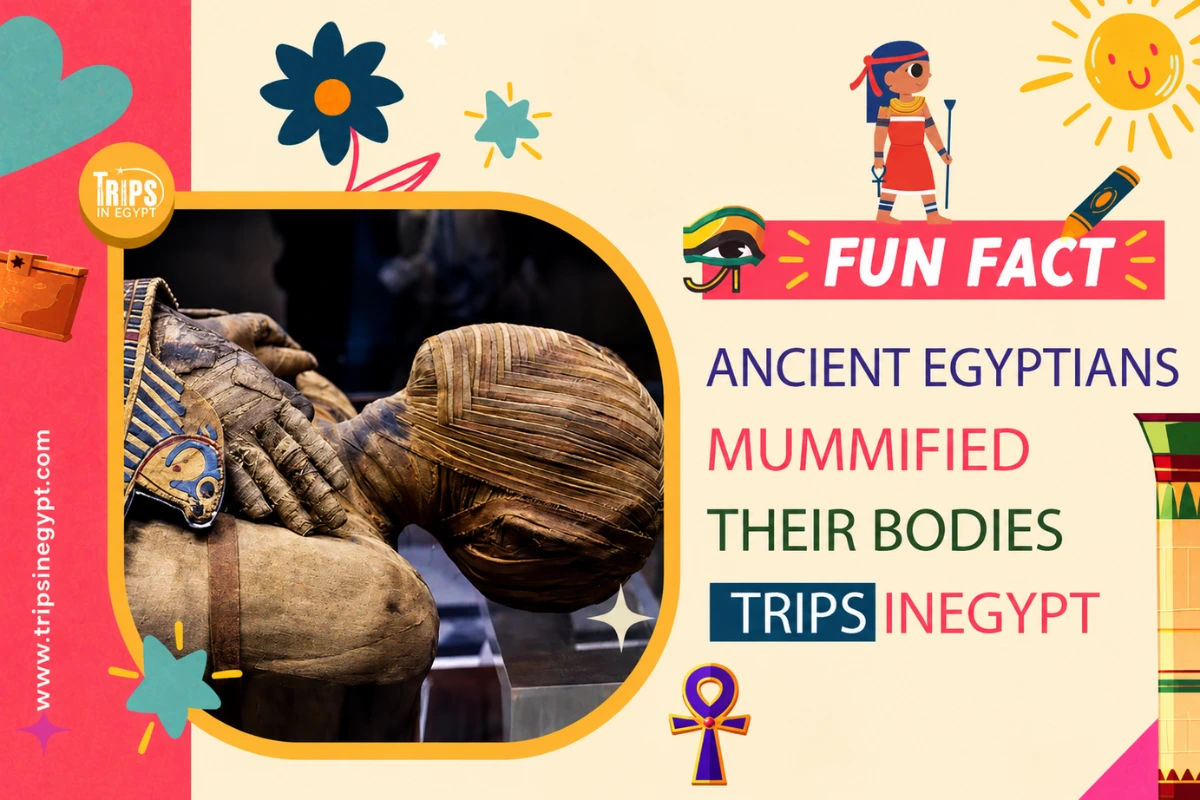
Mummification was a long, careful process carried out by priests called embalmers. Find out how it worked in our guide to ancient Egyptian mummification.
30. The brain came out through the nose
Embalmers used a long hook to pull the brain out through the nose, then threw it away. They thought it was unimportant. The heart, which they believed held a person's mind and feelings, was left inside.
31. Organs were stored in special jars
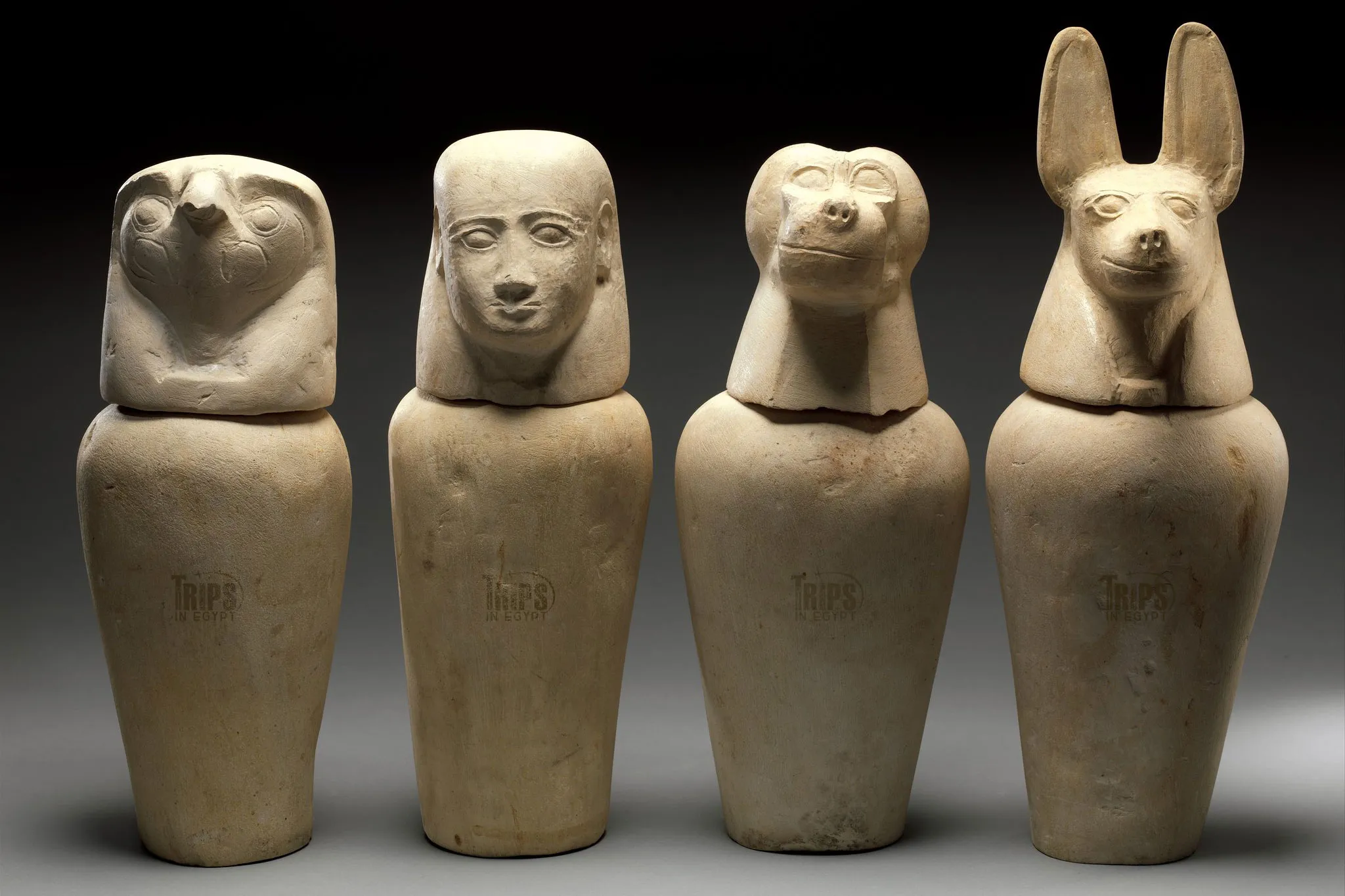
The lungs, liver, stomach and intestines were dried and placed in four canopic jars, each protected by one of the four sons of the god Horus.
32. Bodies were dried with salt
The body was covered in natron, a natural salt, for about 40 days to dry it out. Then it was wrapped in many layers of linen bandages, with lucky charms called amulets tucked between them.
33. Animals were mummified too
Egyptians mummified cats, dogs, crocodiles, falcons and even bulls. Millions of mummified ibis birds have been found in underground galleries at Saqqara and Tuna el-Gebel.
34. Your heart was weighed against a feather
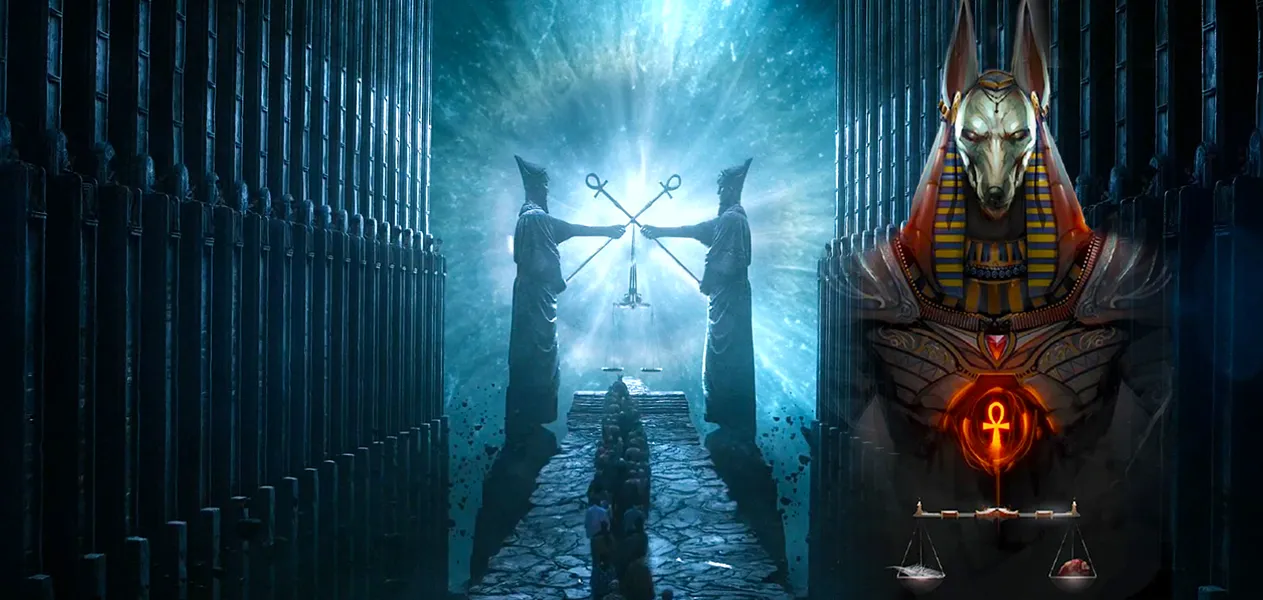
In the afterlife, the god Anubis weighed a person's heart against the feather of Maat, the goddess of truth. A light heart meant a good life and entry to paradise.
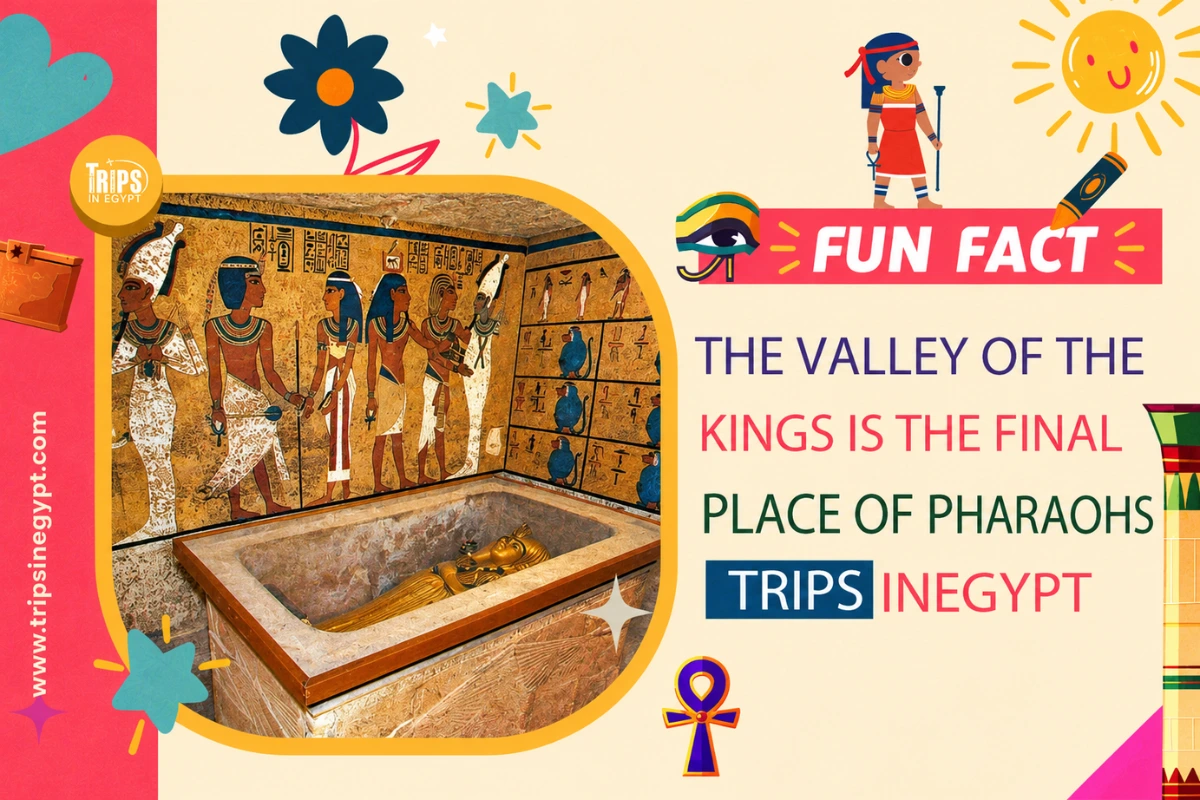
35. Kings were buried in a hidden valley
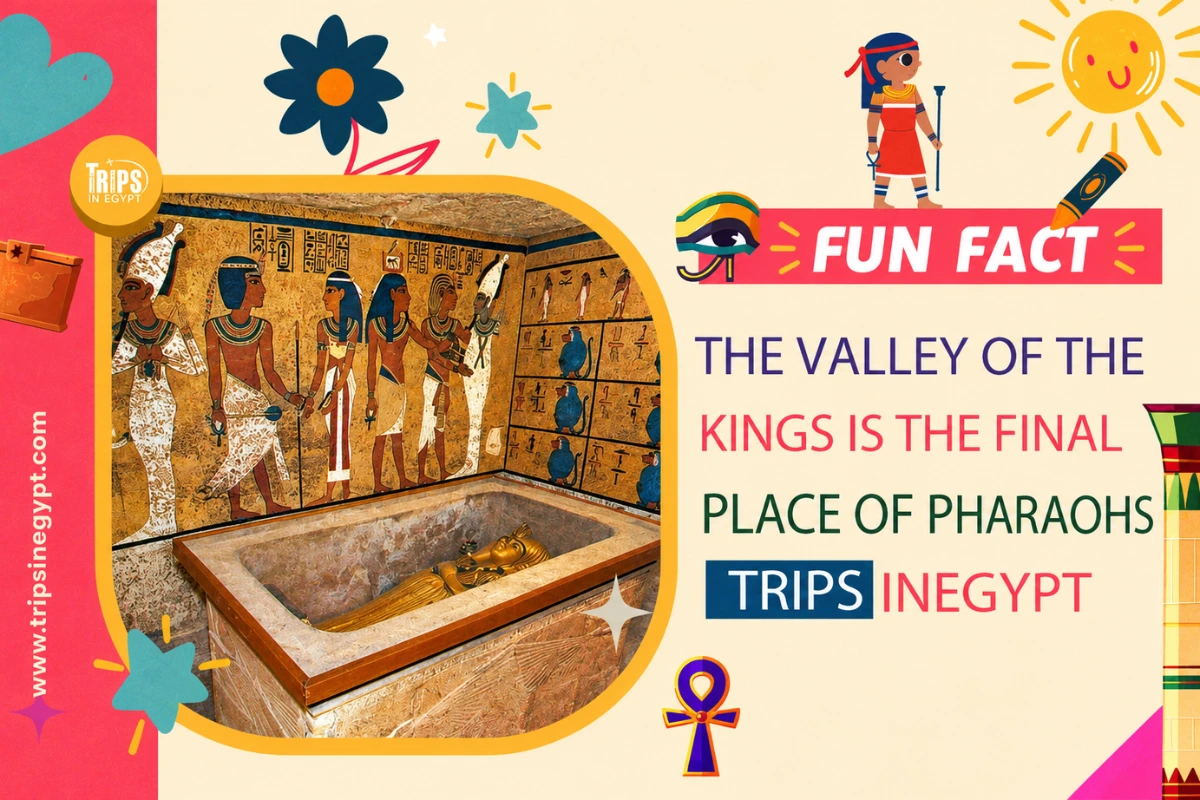
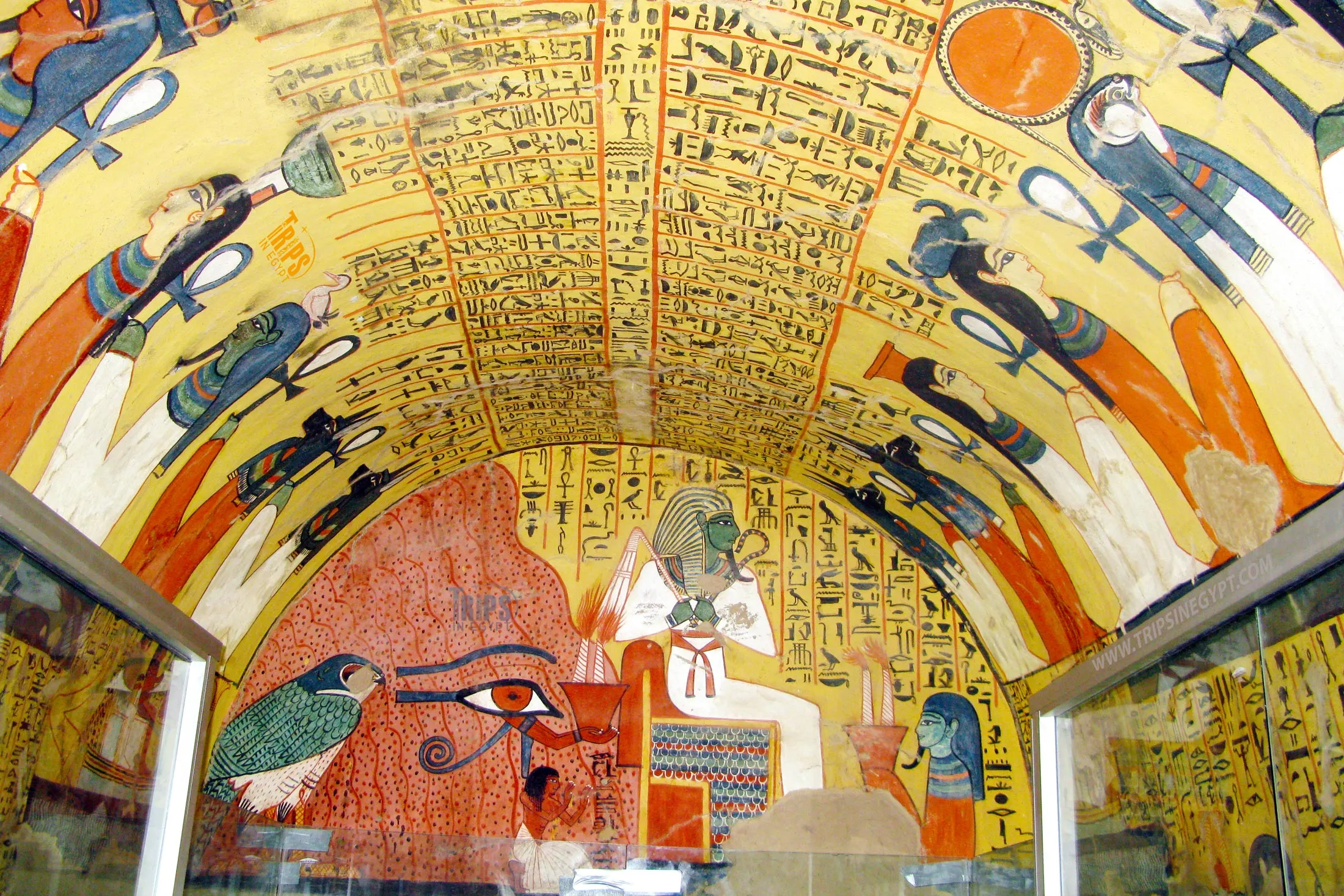
After the age of the pyramids, pharaohs were buried in secret rock-cut tombs in the Valley of the Kings near Luxor. More than 60 tombs have been found there so far.
Facts About Gods, Goddesses and Animals for Kids
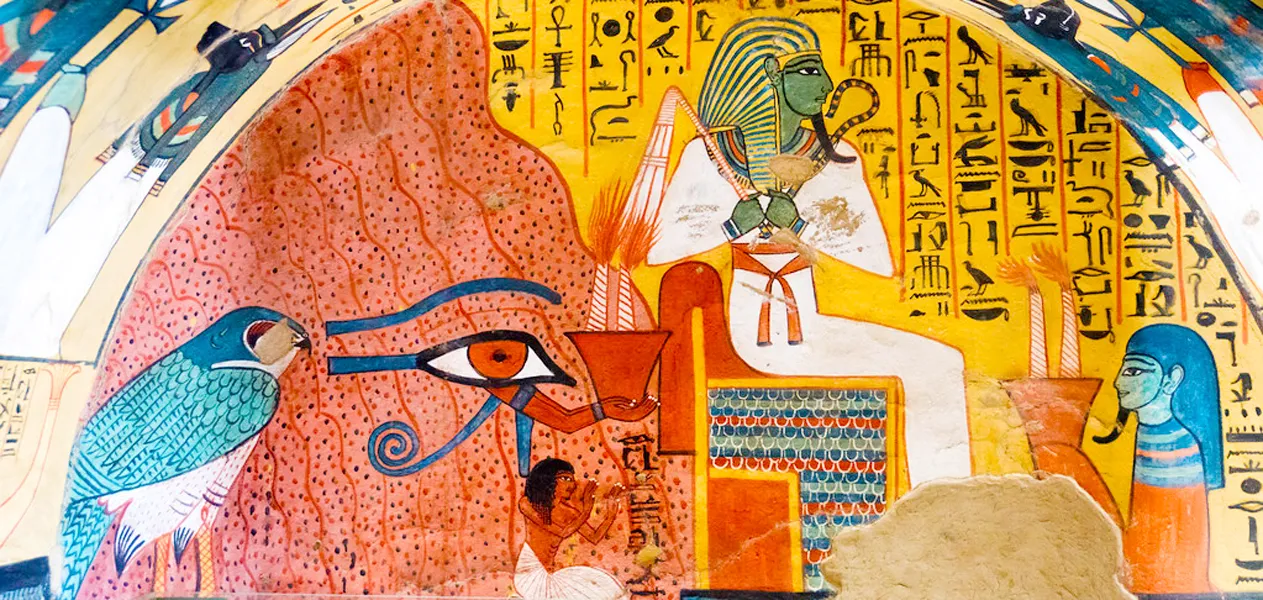
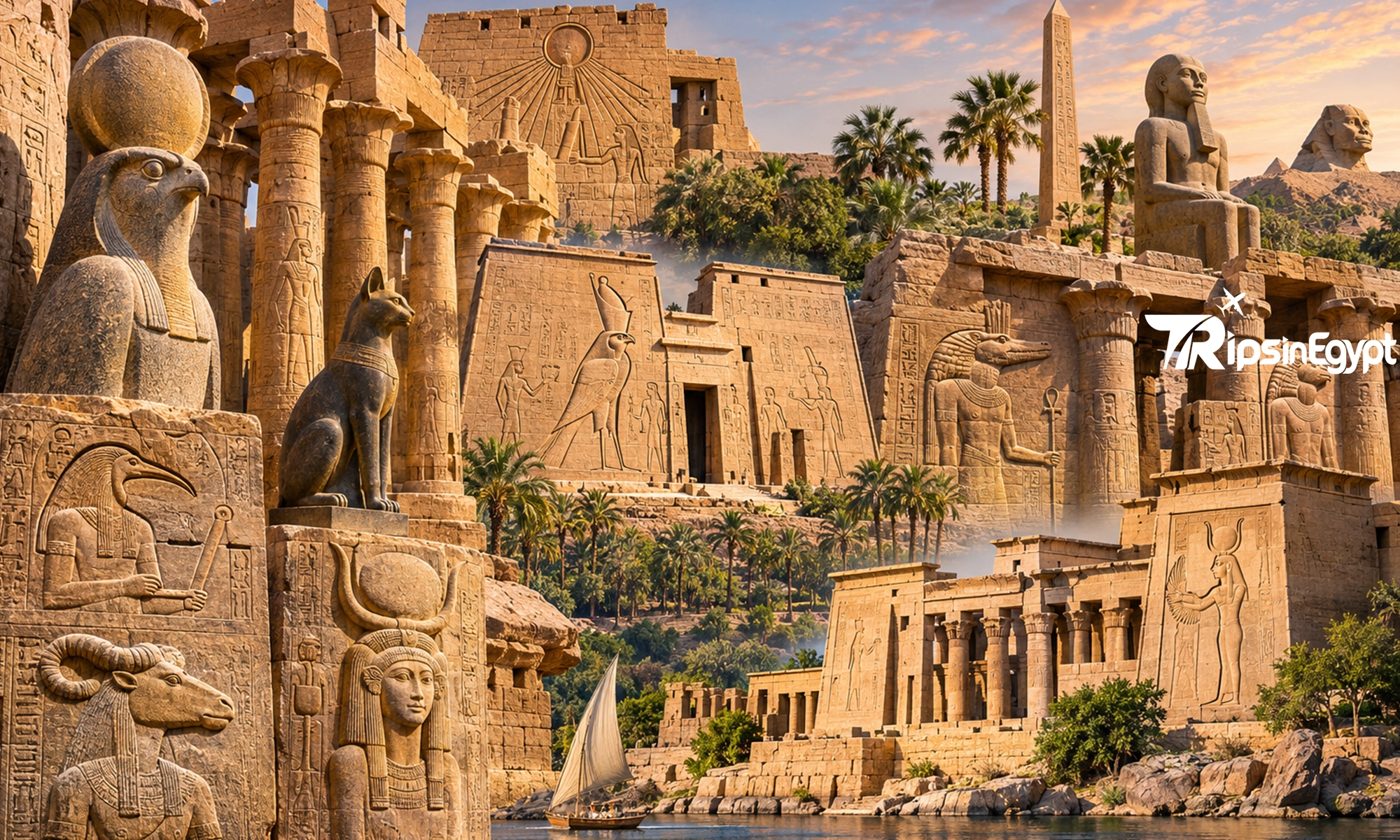
Egyptian religion was full of colorful gods, many with animal heads.
36. Egyptians worshipped more than 2,000 gods
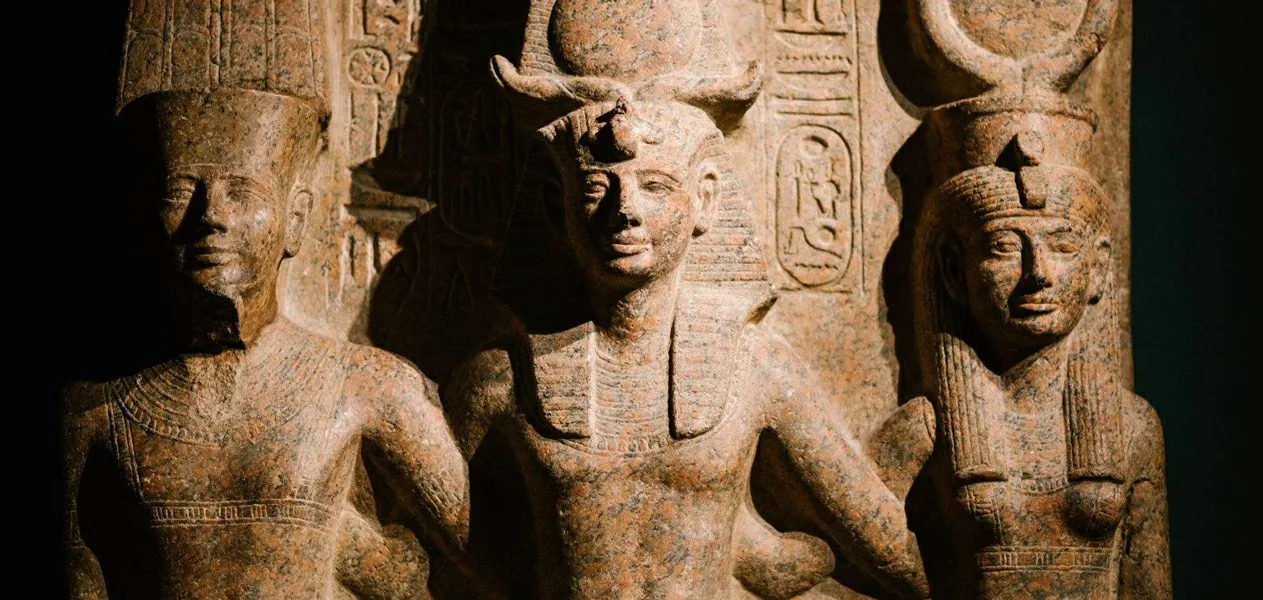
Some gods were worshipped all over Egypt, while others belonged to a single town. You can meet the most important ones in our guide to ancient Egyptian gods and goddesses.
37. The sun god sailed across the sky in a boat
Ra, the sun god, was believed to sail across the sky each day and through the underworld each night, returning at dawn.
38. Cats were sacred
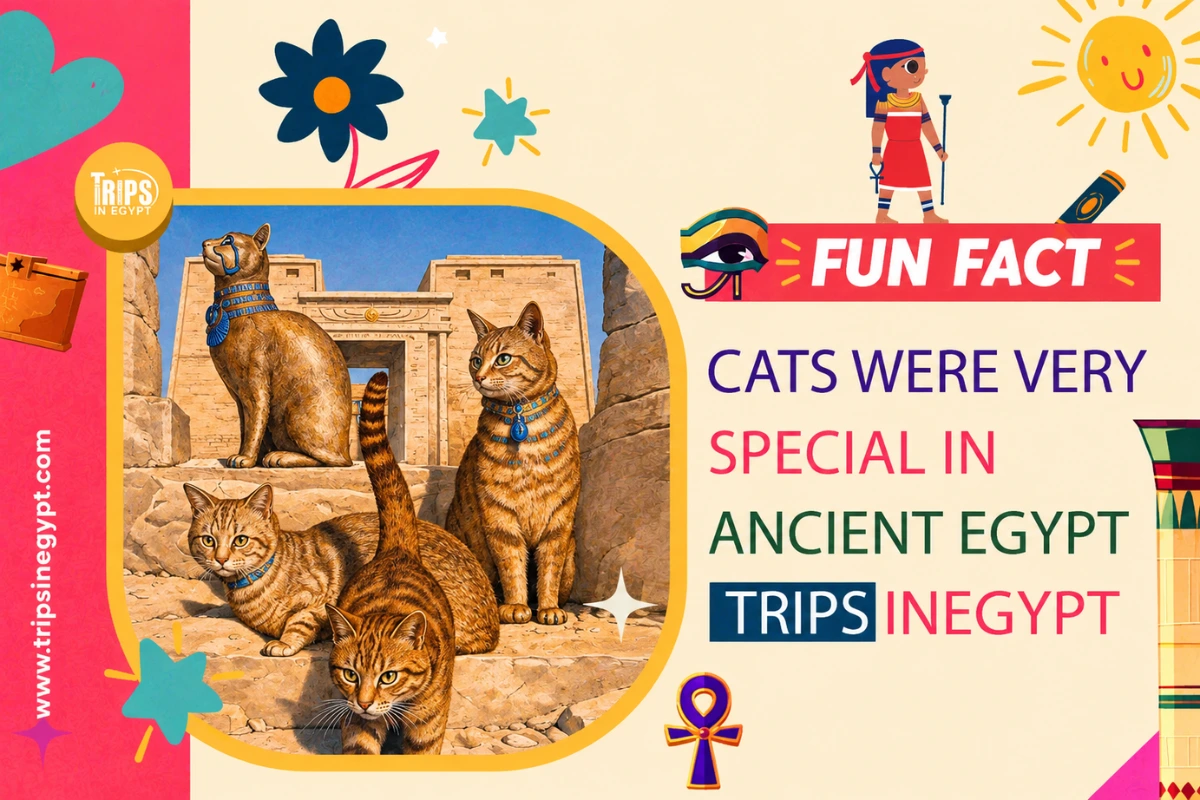
Cats were linked to Bastet, the goddess of home and protection. According to Herodotus, families shaved off their eyebrows to mourn a pet cat, and the city of Bubastis held huge festivals in Bastet's honor.
39. A hippo goddess protected babies
Real hippos were among the most dangerous animals on the Nile, but Taweret, a goddess with the head of a hippo, protected mothers and newborn babies.
40. A beetle pushed the sun
The scarab beetle rolls balls of dung across the ground. Egyptians imagined the god Khepri rolling the sun across the sky in the same way, and the scarab became a symbol of new life.
41. A crocodile god ruled the river
Sobek, the crocodile god, was worshipped at Kom Ombo, where a small museum now displays real mummified crocodiles.
Facts About Hieroglyphs and Inventions for Kids
Egyptians were brilliant writers, scientists and inventors.
42. Hieroglyphs used more than 700 signs
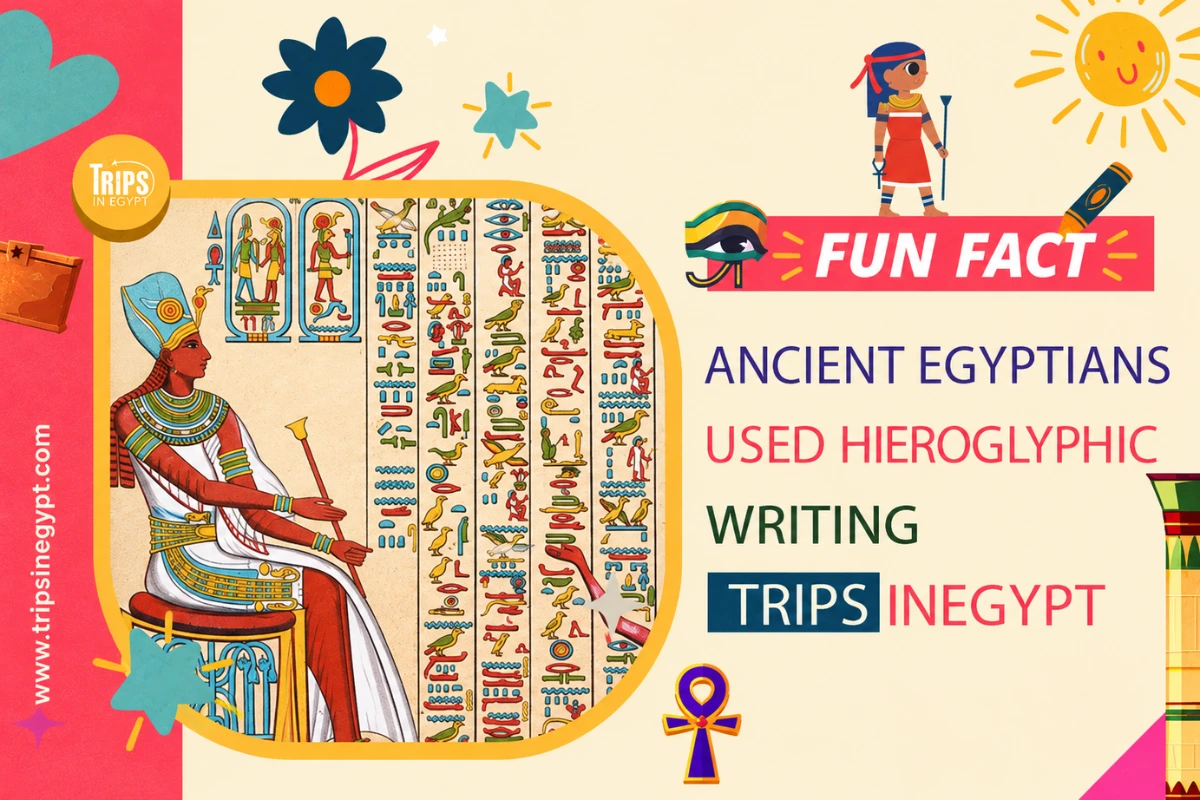
Hieroglyphs were picture signs that could stand for sounds, words or ideas. They could be written from left to right, from right to left, or from top to bottom. You read them toward the faces of the people and animals.
43. The Rosetta Stone cracked the code
For centuries no one could read hieroglyphs. The Rosetta Stone, found in 1799, carried the same text in hieroglyphs, Demotic and Greek. That helped the French scholar Jean-François Champollion decode the script in 1822. See our guide to the Rosetta Stone.
44. Egyptians made paper from a plant
Papyrus was made from reeds that grew along the Nile. Our word "paper" comes from it.
45. They made one of the first 365-day calendars
The Egyptian year had 12 months of 30 days, plus five extra festival days at the end, for a total of 365 days.
46. They had toothpaste
The oldest known toothpaste recipe was written on Egyptian papyrus about 1,600 years ago. Its ingredients included salt, mint, pepper and dried iris flowers.
Facts About Daily Life in Ancient Egypt for Kids
Ordinary Egyptians farmed, played, cooked and dressed up, just like us.
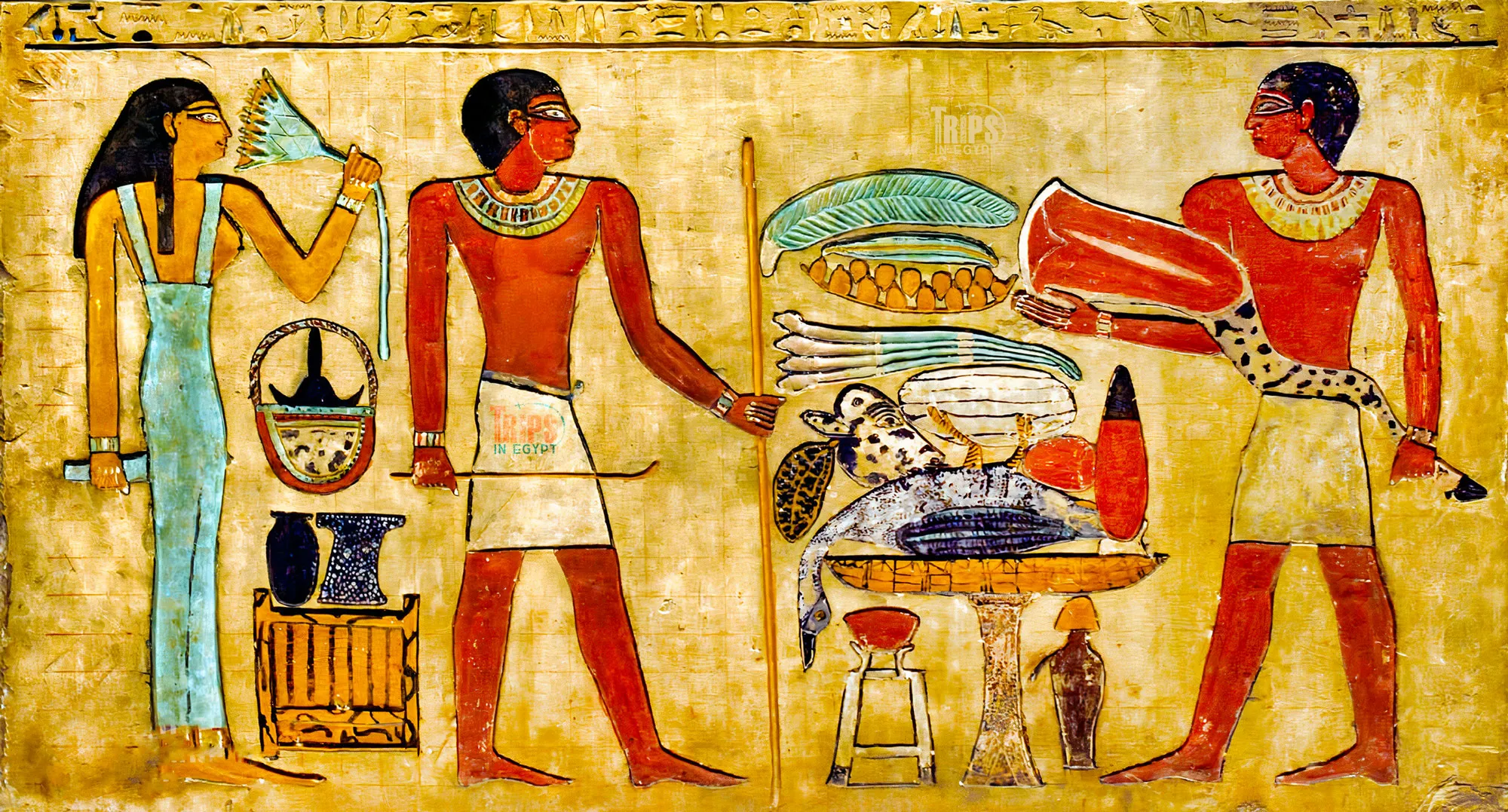
47. Men and women wore makeup
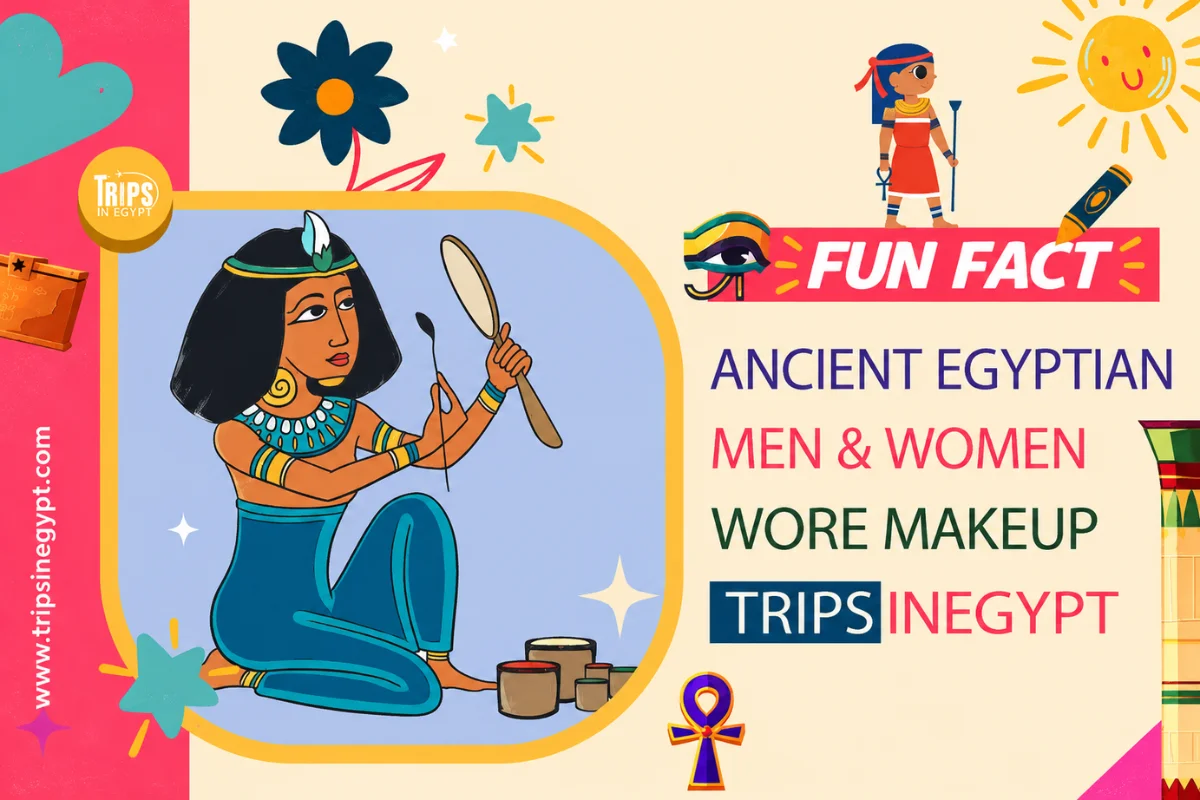
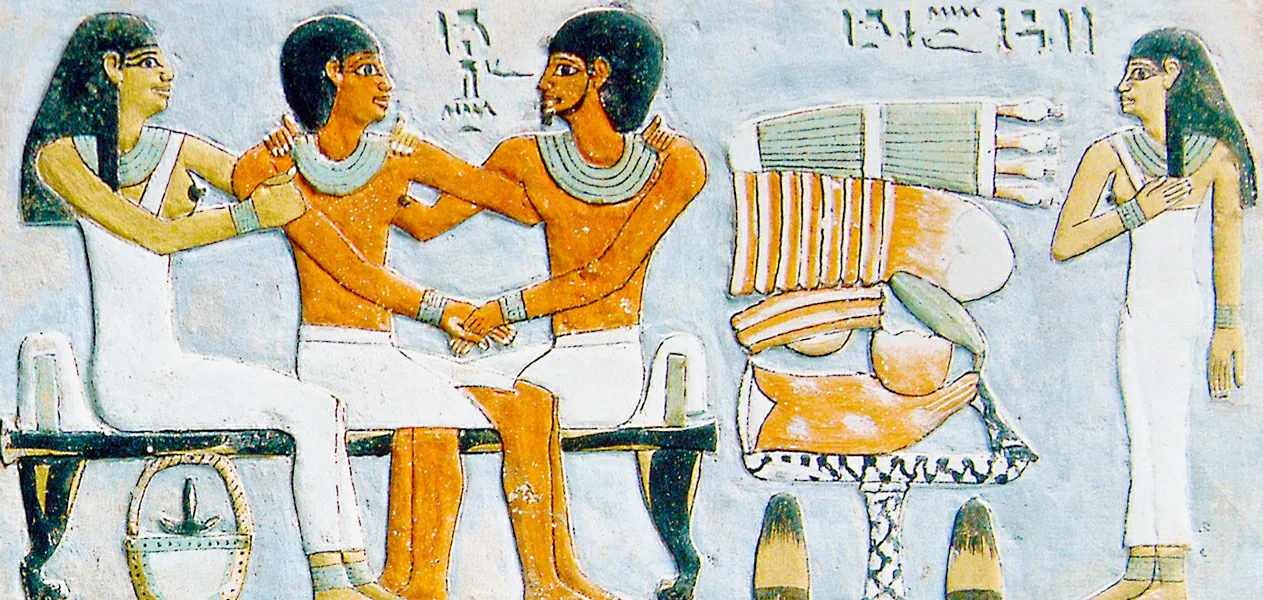
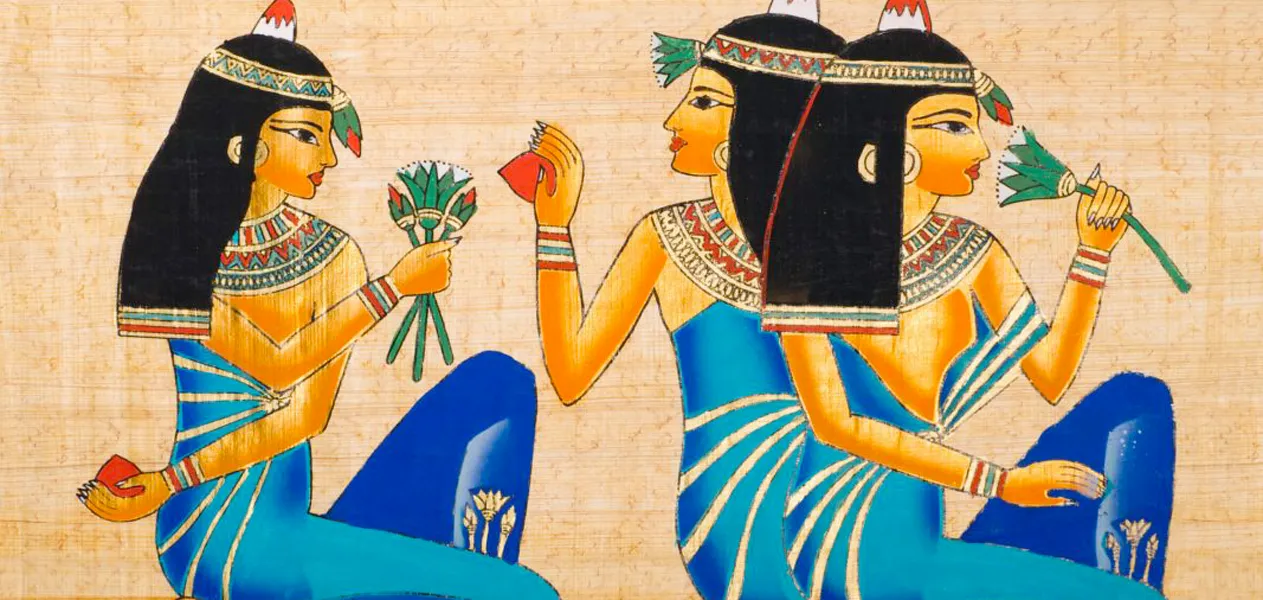
Both men and women lined their eyes with black kohl, made from crushed minerals. It looked stylish and helped protect their eyes from the bright sun, and scientists think it may even have helped prevent eye infections.
48. Clothes were made of linen
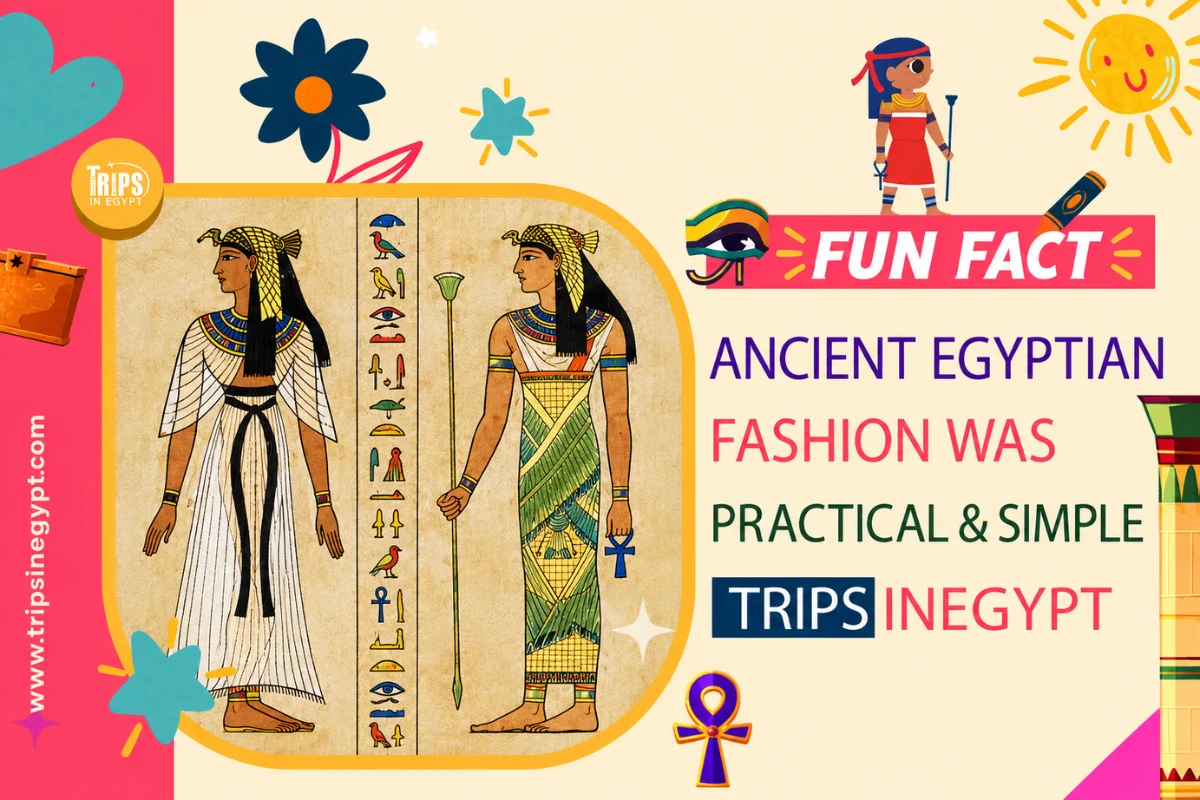
Egyptians wore light linen clothes to stay cool. Young children often wore nothing at all in the hot weather, and many had their heads shaved except for one braided lock of hair called the "sidelock of youth".
49. Kids played board games
Egyptian children played with balls, dolls, spinning tops and toy animals. Families also played Senet, one of the oldest board games in the world, which was even found in King Tut's tomb.
50. Women had rights many others did not
Egyptian women could own land, run businesses, take people to court and ask for a divorce, rights that women in many other ancient lands did not have. Learn more about the role of women in ancient Egypt.
Bonus fact: The Egyptian year followed the Nile and had three seasons: Akhet (the flood), Peret (growing) and Shemu (harvest). Bread and beer were so important that workers were often paid with them.
Fun Ancient Egypt Activities for Kids
Facts stick best when kids can make something with them. Try these easy activities at home or in class.
Write Your Name in Hieroglyphs
Egyptians wrote royal names inside an oval called a cartouche. Draw a long oval, then spell your name using these real Egyptian sound signs:
|
Sound |
Hieroglyph to draw |
Sound |
Hieroglyph to draw |
|
A |
Vulture |
M |
Owl |
|
B |
Foot |
N |
Water ripple |
|
D |
Hand |
P |
Stool |
|
F |
Horned snake |
R |
Mouth |
|
H |
Twisted rope |
S |
Folded cloth |
|
I / Y |
Reed leaf |
T |
Loaf of bread |
|
K |
Basket |
W / U |
Quail chick |
Build a Pyramid
Cut four equal triangles and a square base from cardboard, tape them together, and paint the outside white to look like the shining original casing. Hide a "treasure" inside for a little brother or sister to find.
Make a Mummy (With a Toy!)
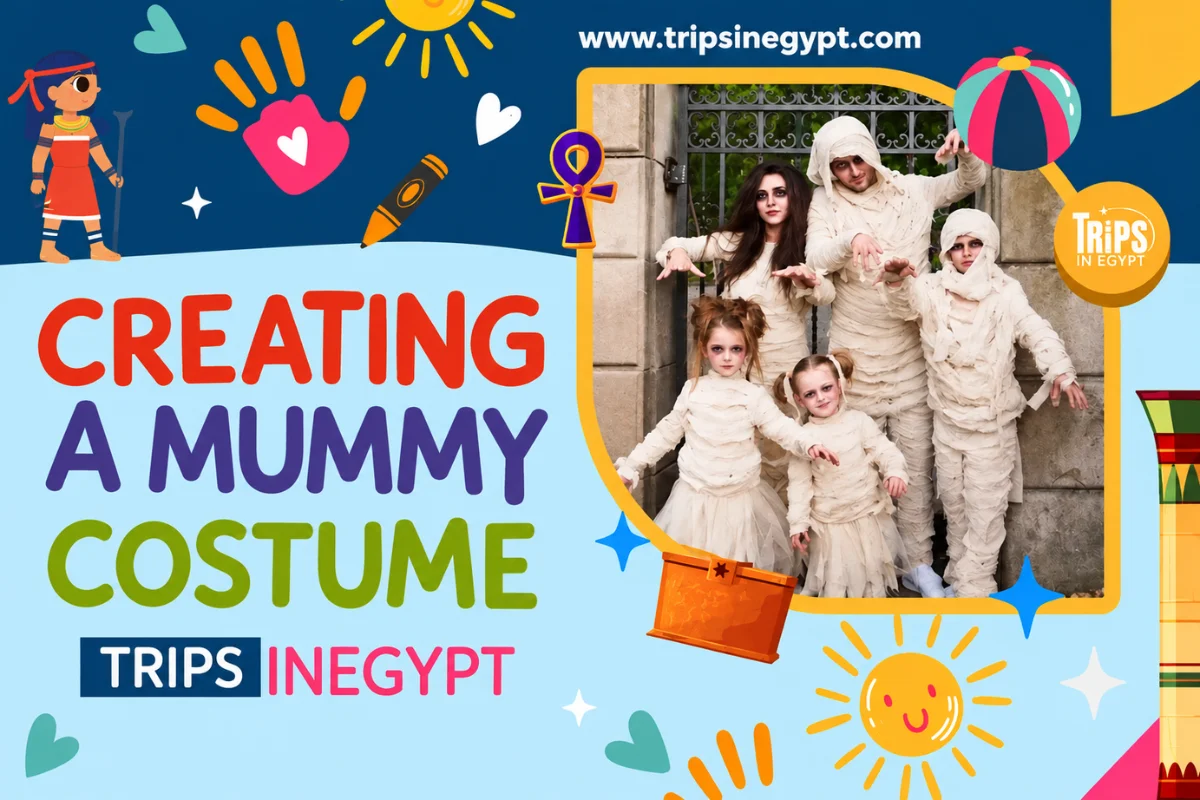
Wrap a doll or action figure in strips of toilet paper or cloth, then make a cardboard "coffin" decorated with hieroglyphs and a painted face.
Map the Nile
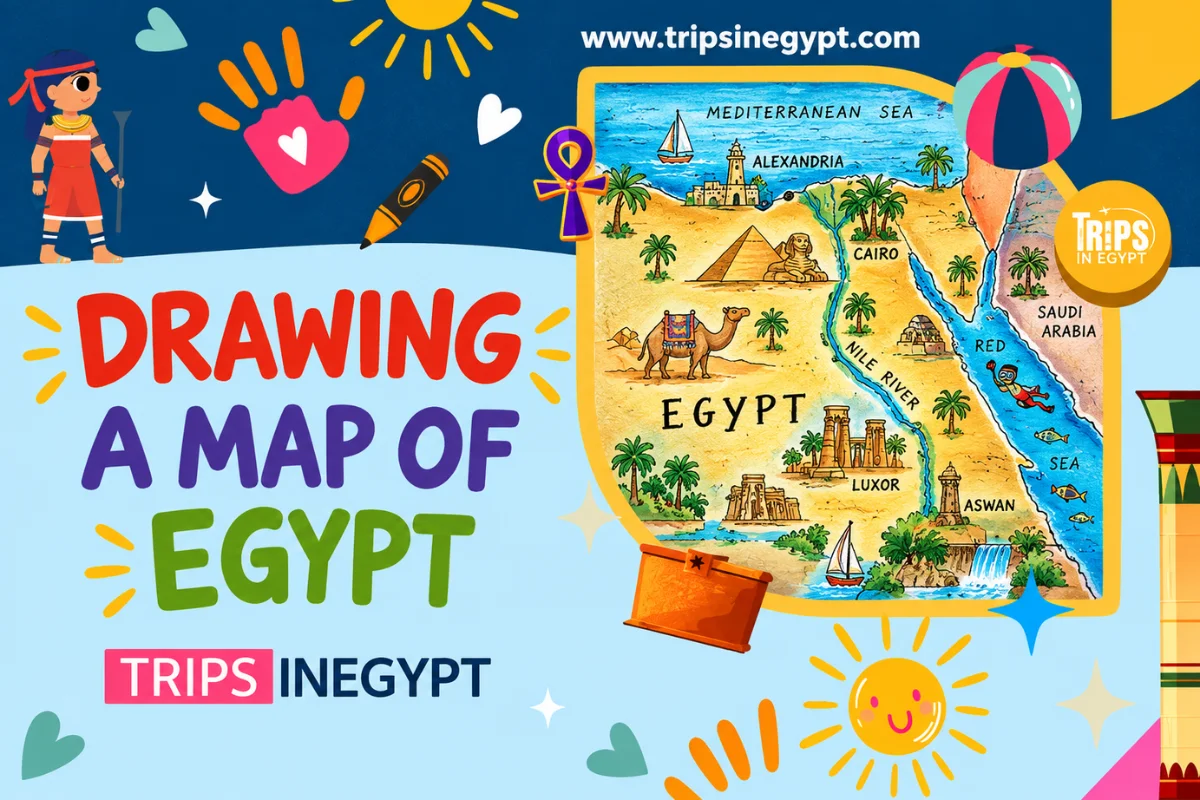
Draw Egypt on a big sheet of paper with the Nile, the Mediterranean Sea and the Red Sea. Then mark Cairo, Giza, Luxor and Aswan, and draw a pyramid or temple at each one.
Tips for Parents and Teachers
Kids learn best through stories, so tell the tales of real people such as Khufu, Hatshepsut, Ramses II and Cleopatra. Documentaries, museum visits and building projects bring the facts to life.
If you are thinking about seeing the pyramids in person, read our guide on how to plan a family vacation in Egypt with children. Many kids say that standing beside the Great Pyramid is the moment history finally feels real.
Conclusion
From pyramids that once gleamed white to kings who took 145 pairs of underwear to the afterlife, Egypt is full of facts that make kids, and grown-ups, say "wow". The best part is that most of these wonders are still standing.
One day, the stories in this list can become memories of your own, beneath the timeless gaze of the Sphinx.
Ready to bring these facts to life? Our Egypt family holidays include kid-friendly guides, comfortable private transport and plenty of time for fun. Pair the pyramids with a relaxing family cruise on the Nile for an adventure your children will never forget.
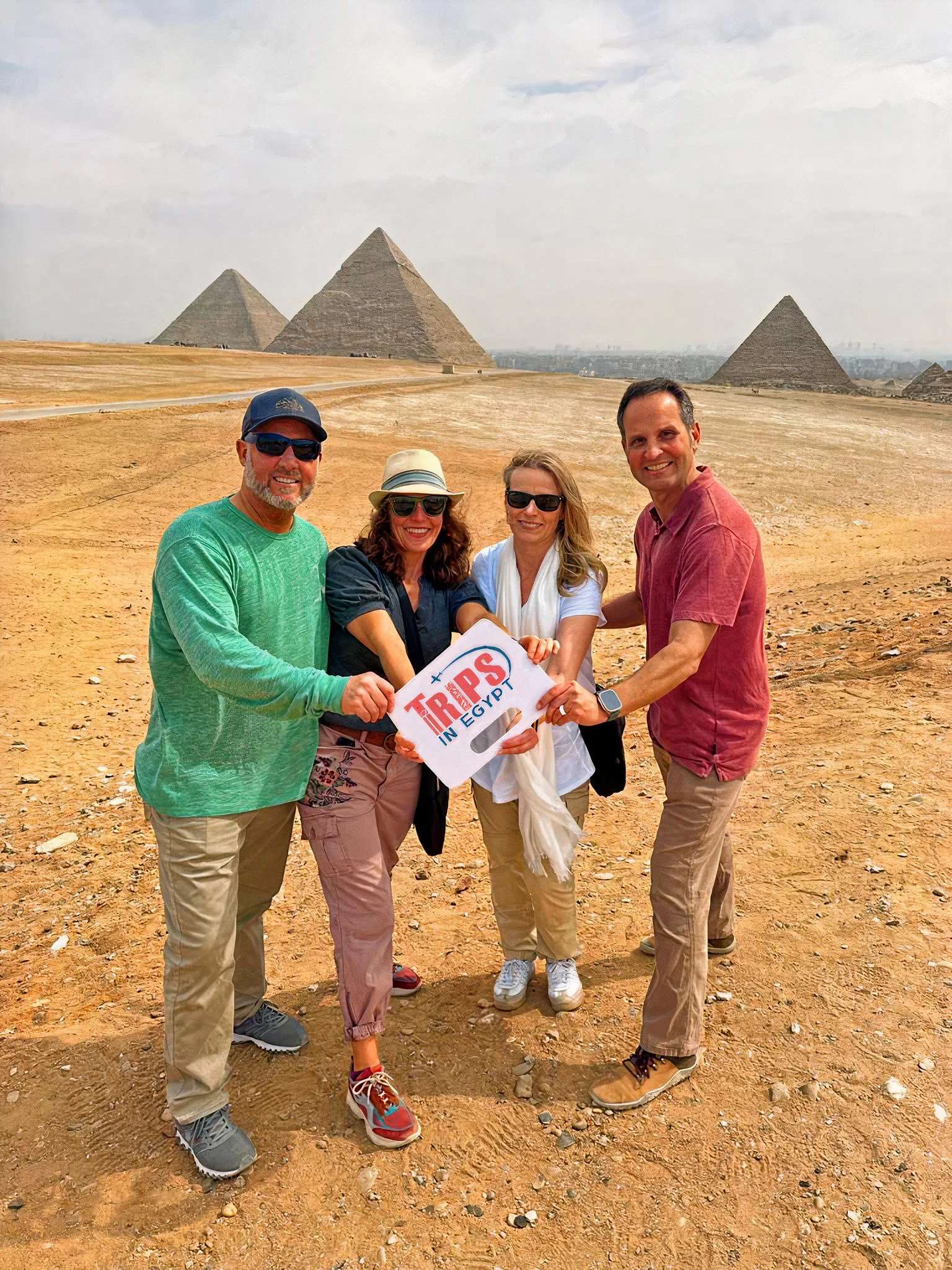
4 Days of Family Trip in The Heart of Cairo
3 Nights Family Holiday to Cairo Wonders What do you get when you combine one of the...
- Duration 4 Days / 3 Nights
- Location Cairo - Giza
- Type Family Tour
From$430/per person
View Tour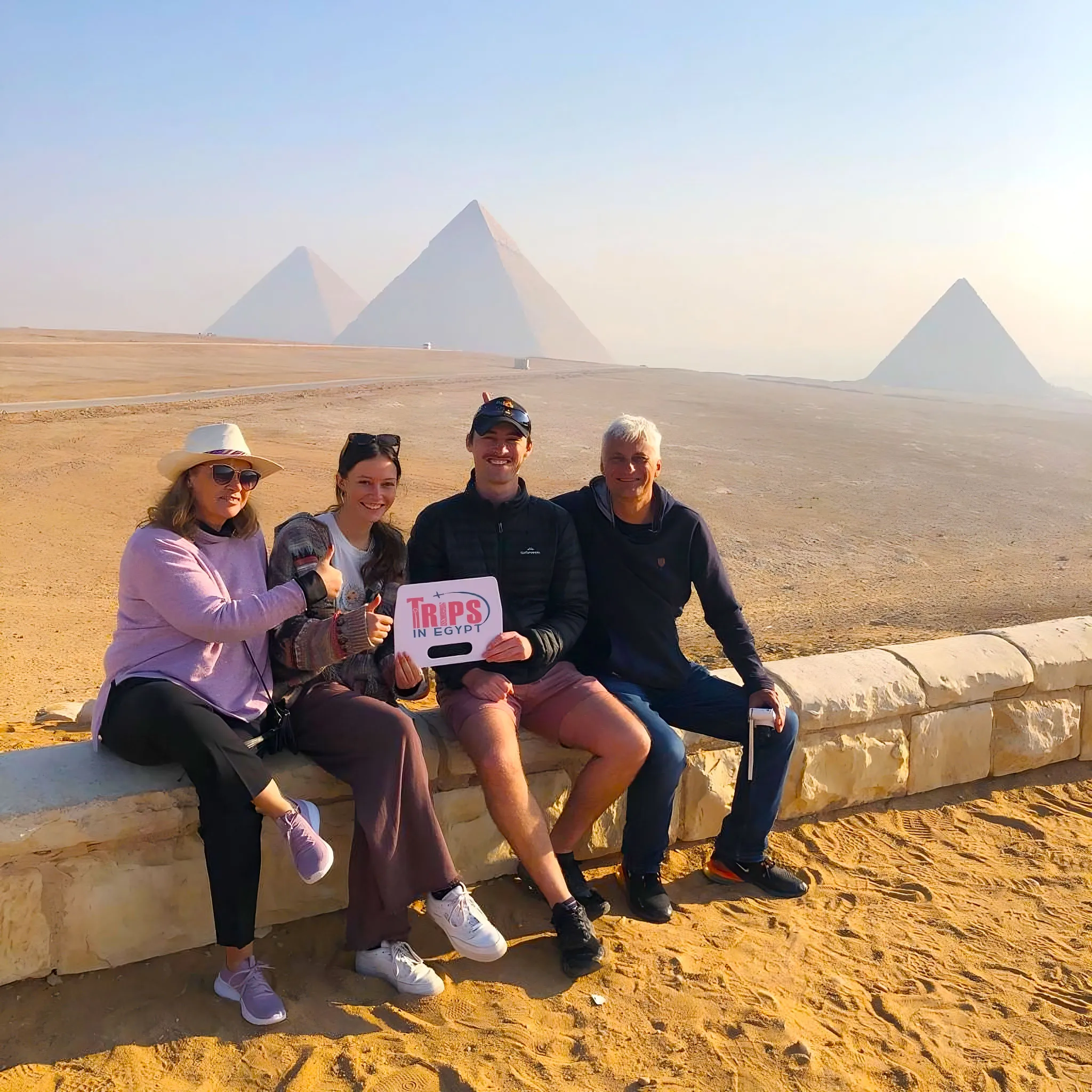
4 Days Family Odyssey through Cairo and Alexandria
From the Nile to the Mediterranean: A Family Expedition to Cairo and Alexandria Are y...
- Duration 4 Days / 3 Nights
- Location Cairo & Alexandria
- Type Family Tour
From$450/per person
View Tour
5 Days Family Nile Cruise from Luxor
The Golden Path of the Nile: A 5-Day Family Nile Cruise from Luxor Welcome to a mysti...
- Duration 5 Days / 4 Nights
- Location Luxor & Aswan
- Type Family Tour
From$600/per person
View Tour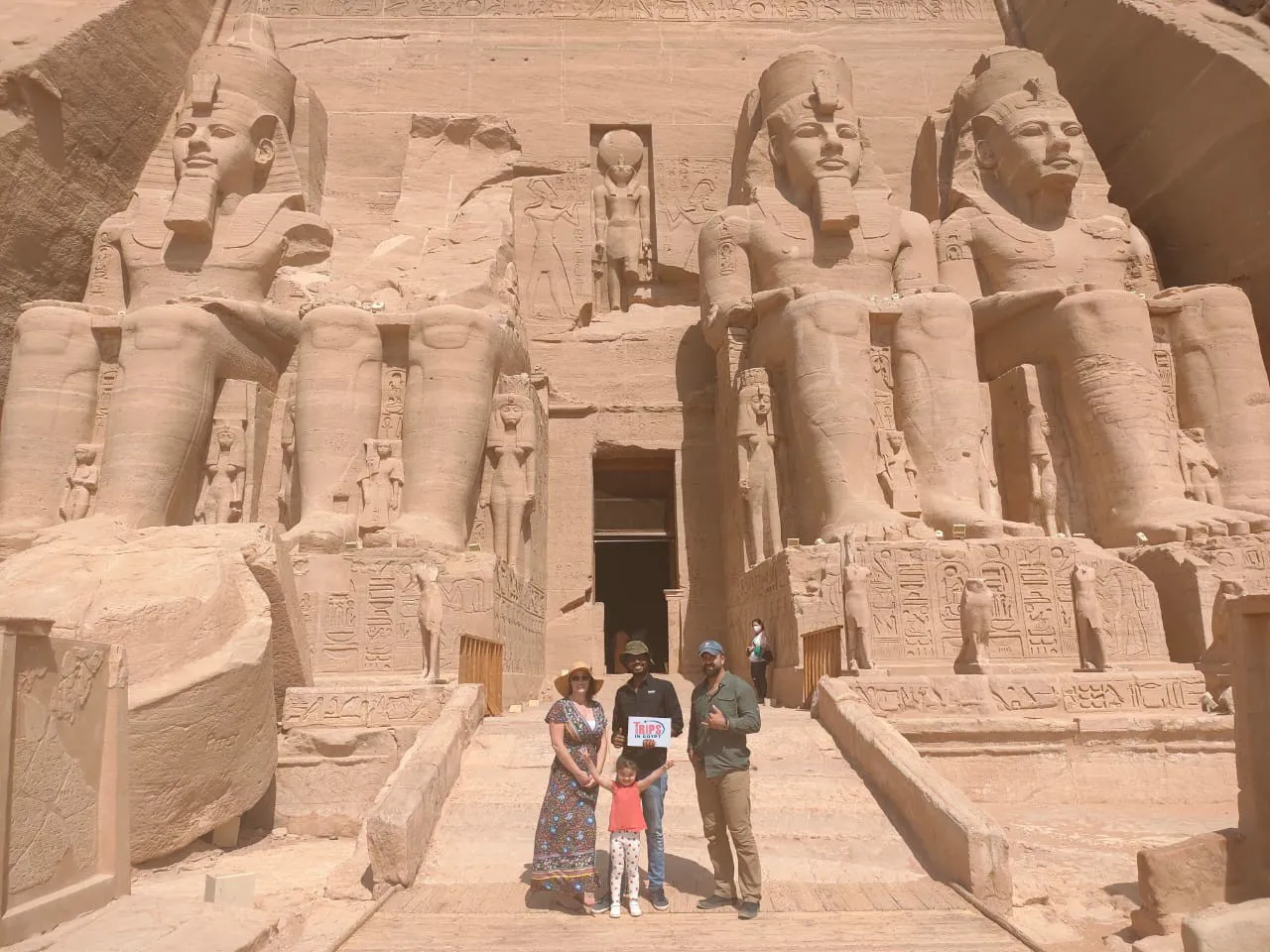
5 Days Family Expedition to Egypt Splendors
Family Expedition to Exploring Cairo, Aswan, and Abu Simbel in 5 Days Prepare to be a...
- Duration 5 Days / 4 Nights
- Location Cairo / Giza / Aswan
- Type Family Tour
From$910/per person
View Tour