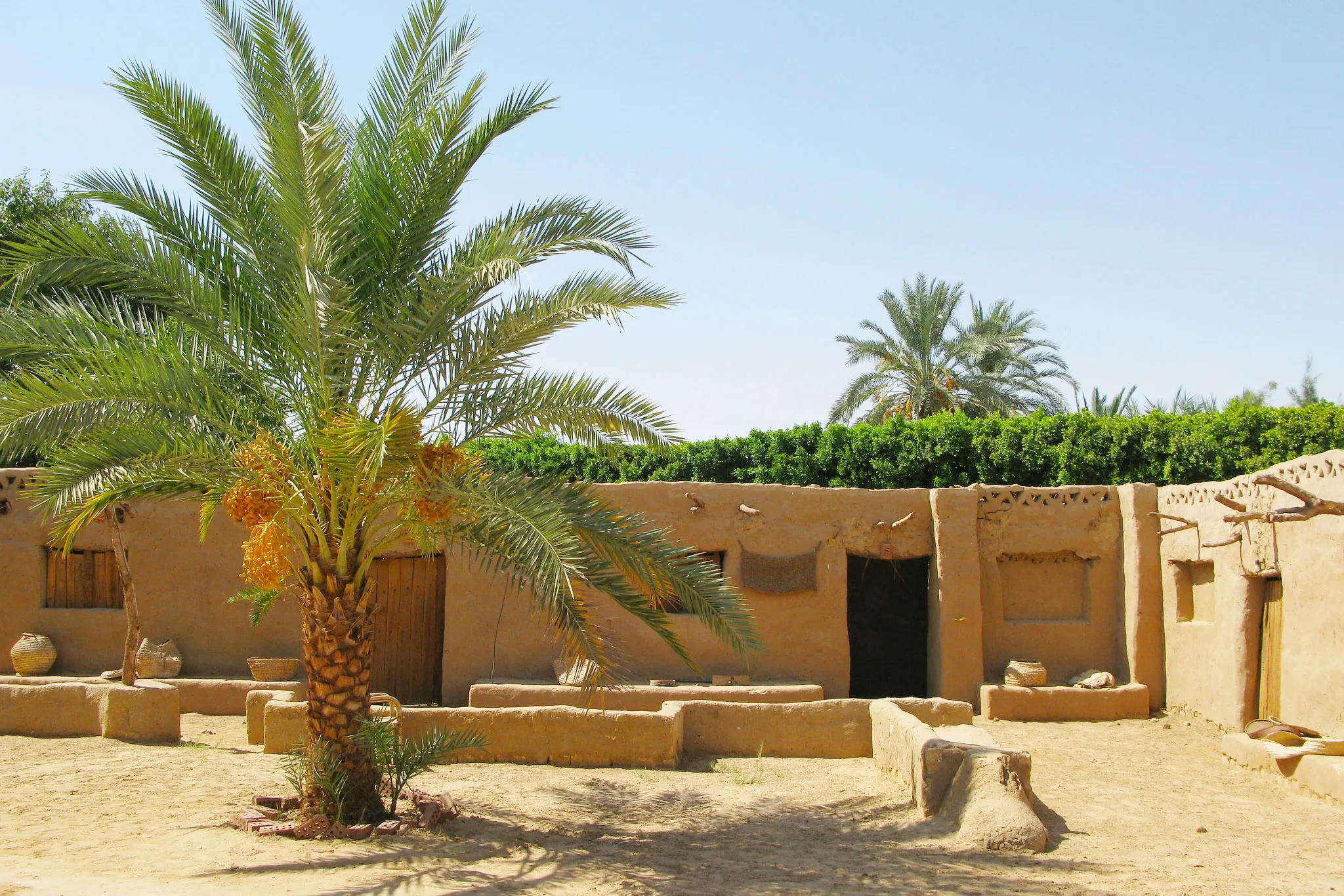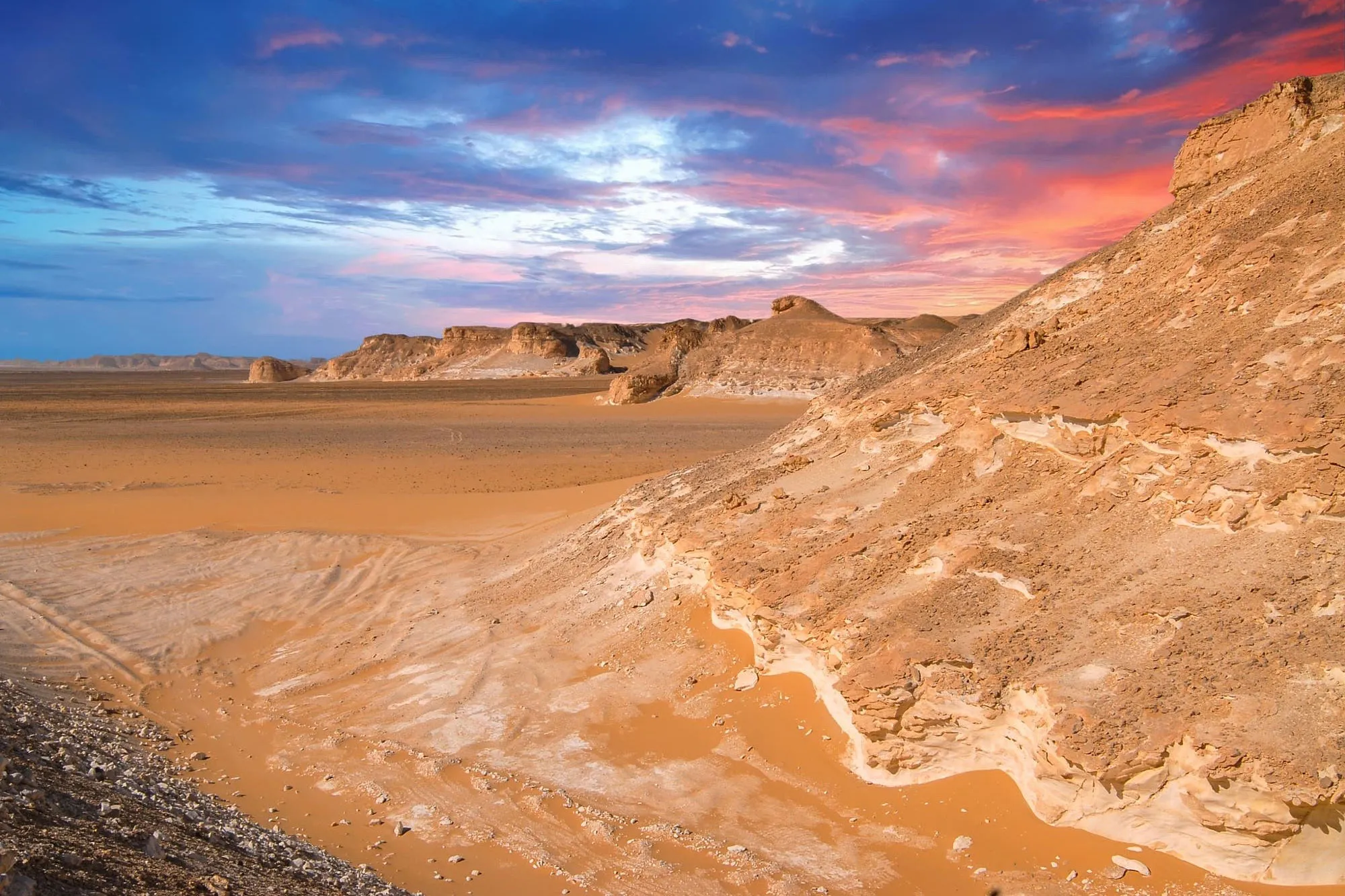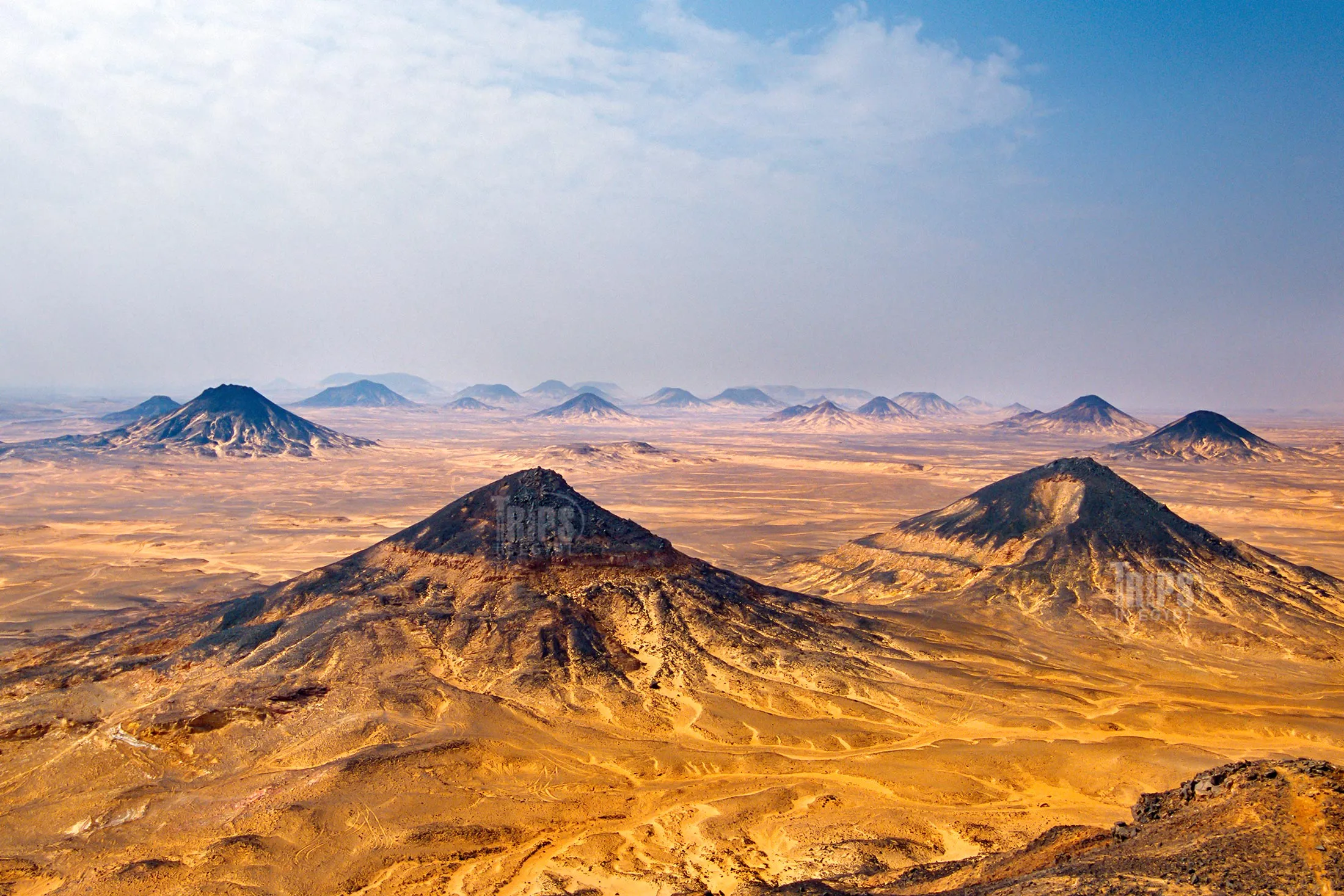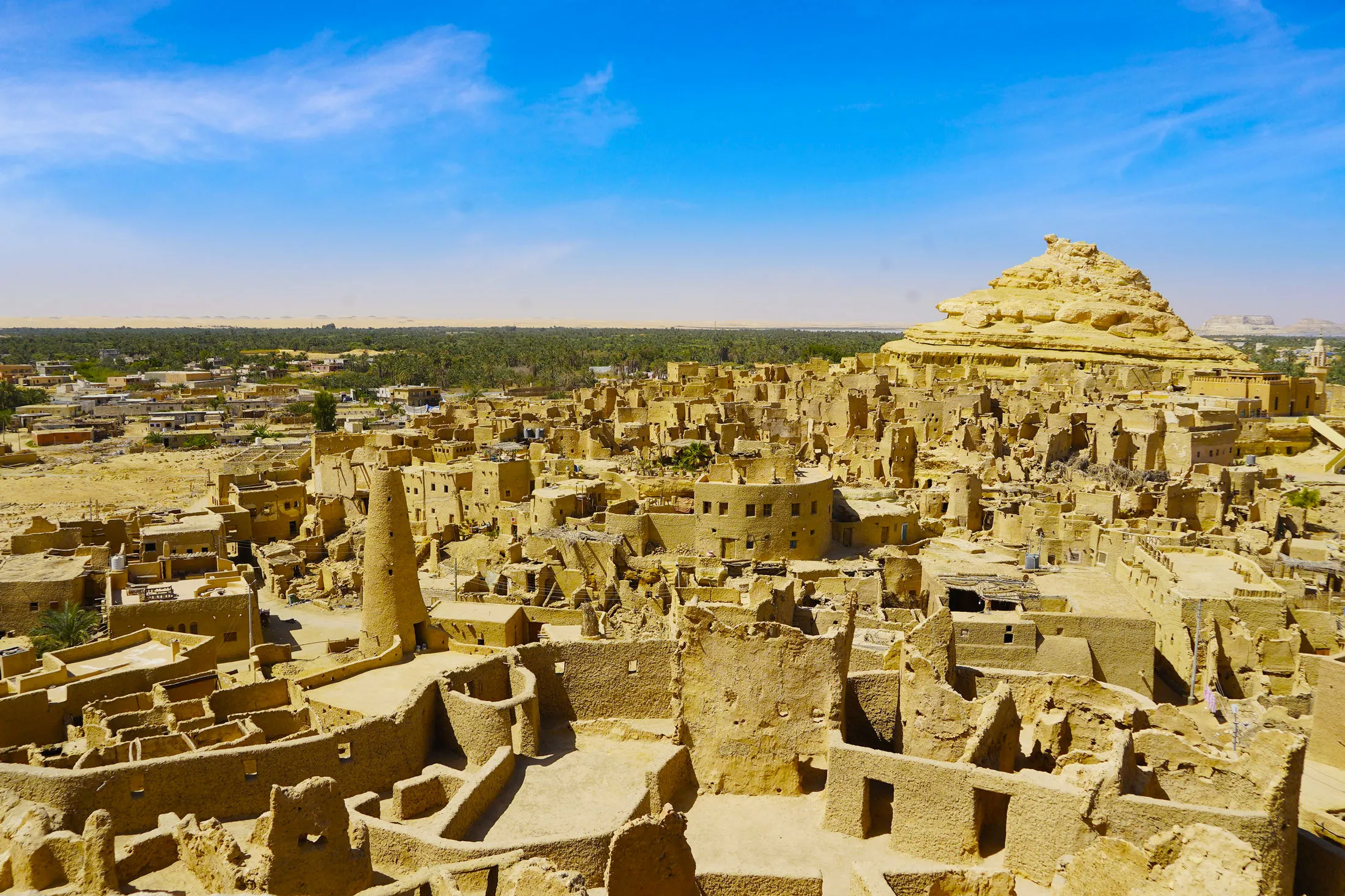




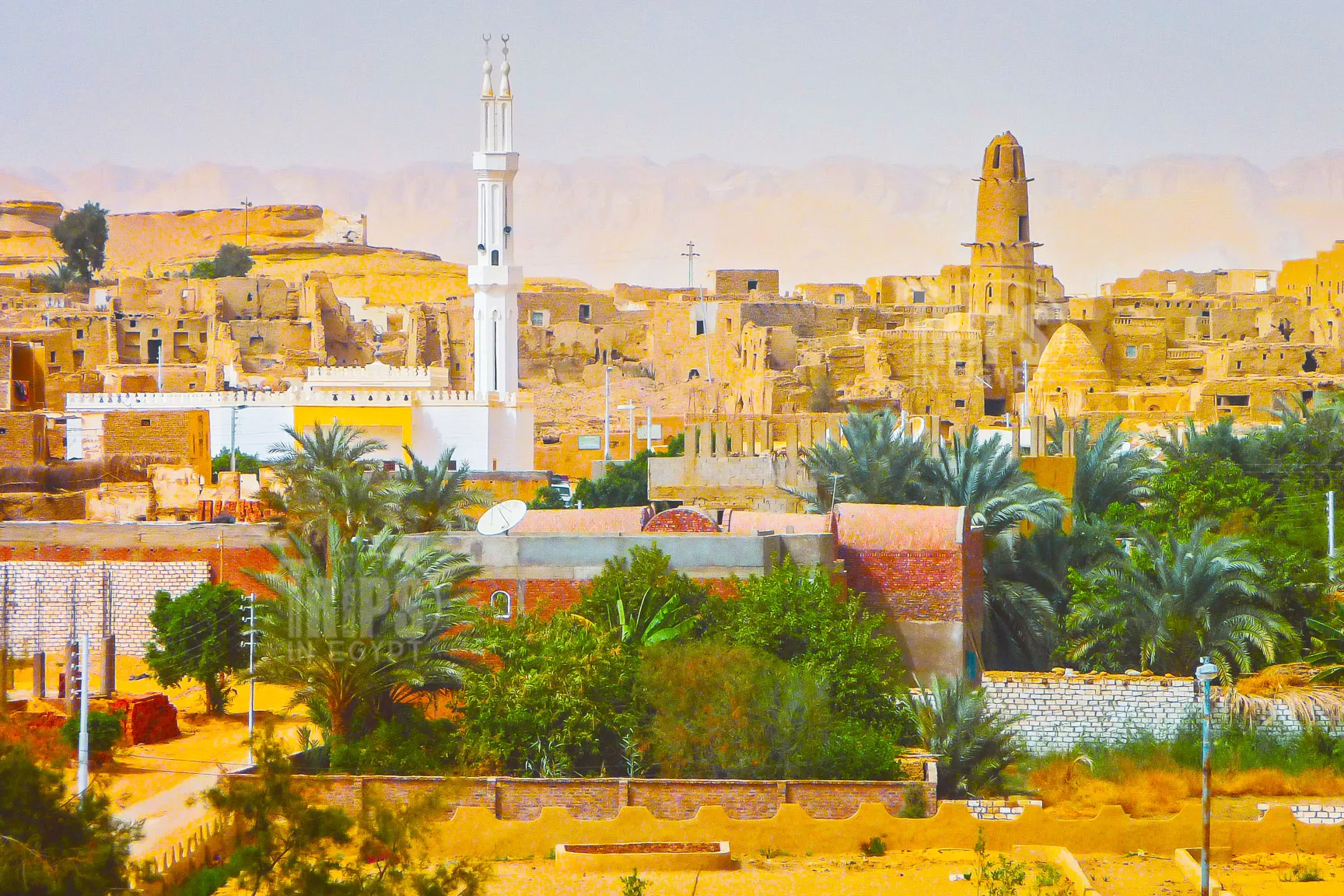
Dakhla oasis is a golden wonder filled with divine beauty and bliss as seen across every part of this magical attraction. This incredible inner oasis is one of the most beautiful of all the seven oases of Egypt’s Western Desert filled with magical natural sightings and mesmerizing archaeological wonders plus it offers the chance to enjoy the most marvelous natural adventure within the unique and rich culture & history of this golden land.
It is one of the most isolated places in Egypt where everyone can gain a sense of awareness and serenity. It has gained a reputation as one of the most popular tourist attractions due to its magical atmosphere. Every moment spent within this blessed destination will become a magical memory filled with precious marvels and amazement.
Location & How to Get the Dakhla Oasis
Dakhla oasis is located within the magical New Valley Governorate on a total land area of 2,000 km2 (800 sq mi) which is found 50 km (220 mi.) from the Nile River stuck between Kharga oasis and Farafra oasis. Dakhla has measurements of 25 km (16 mi) from north to south and 80 km (50 mi) from east to west. It has a number of many passways and narrow alleys that form some sort of a magical maze.
Half of the lands of the oasis are totally agriculturally cultivated. It has up to 19 villages and a number of hot water springs which are "Bir Talata" and "Bir El Gabal". The early inhabitants of the oasis enjoyed access to sources of surface water. It was known to be the oldest inhabited place in all of Africa and the oldest city in the oasis is the village of Mut dating to 1500 BC.
History of Dakhla Oasis
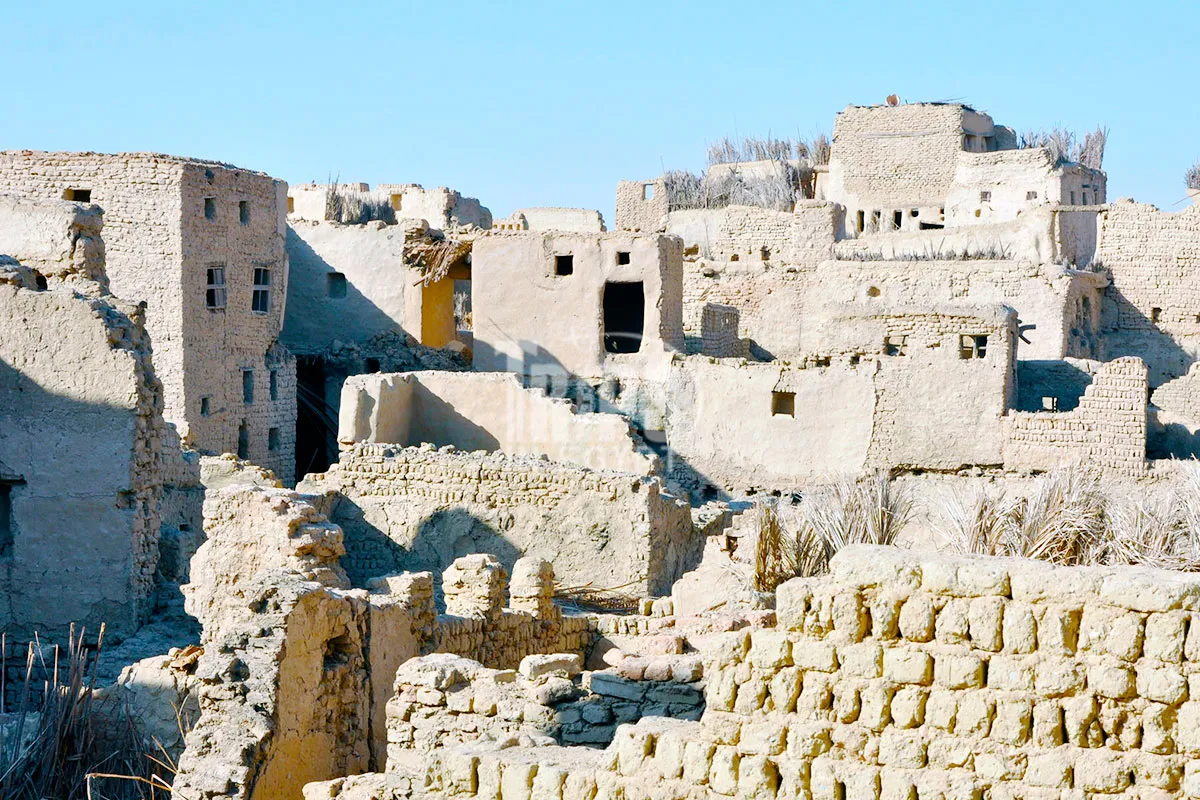
The history of Dakhla oasis started more than 15000 years ago in the Pleistocene at the moment when the nomadic tribe settled there to have close access to marshes and lakes. For more than 6000 years, the nomadic took this oasis as their home when the climate became hotter and drier with less rain. The pharaonic forces took an interest in the oasis around 2550 BC.
Many clay tablets of hieratic writings with stylus were found dating to the last 6th dynasty, and up to more than 500 tablets were found within Ayn Asil (Balat) at the governor's palace. These tablets held many records of accounts, name lists, inventories, and about 50 letters. Dakhla was developed into a papyrus production center.
Dakhla Oasis Archaeology
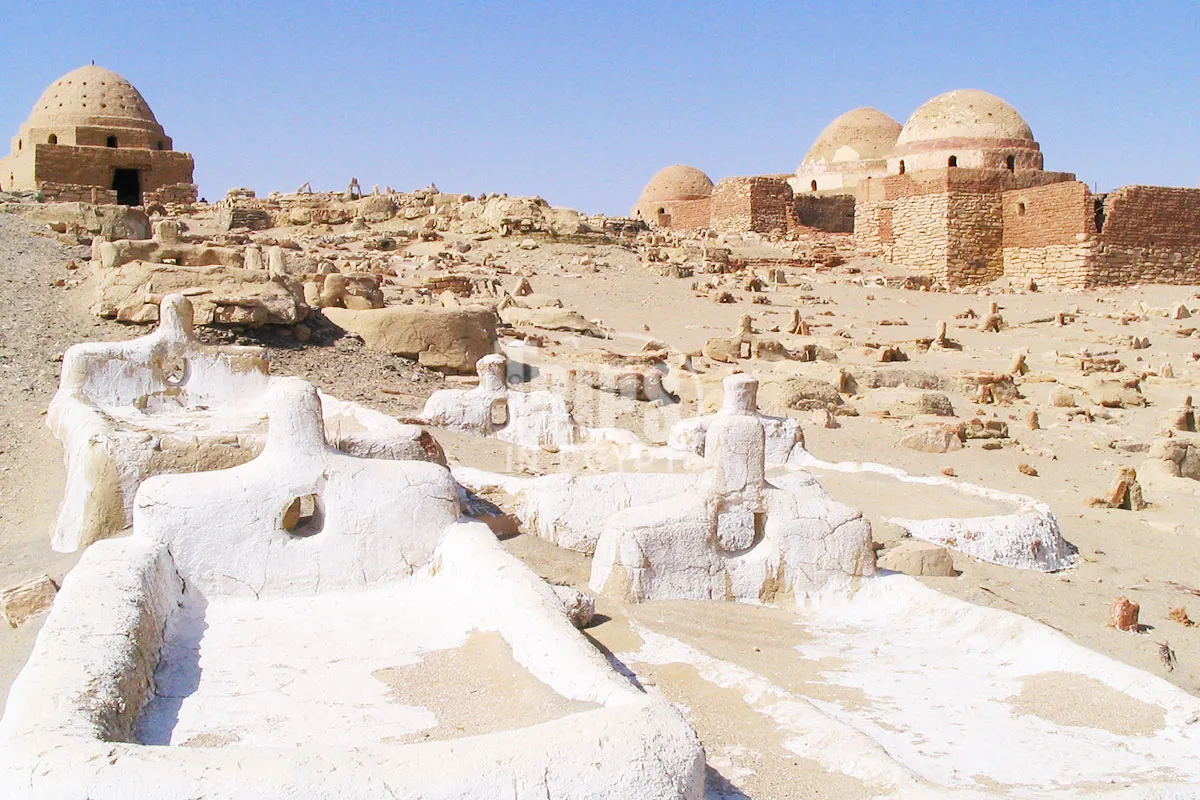
The history of the oasis is very rich which made be the subject of many archaeological discoveries during the start of the 20th century. About five mud-brick tombs at Bir esh-Shaghala were discovered which date to more than 2000 years. Plus a number of large pieces of pottery and jars were found with unsolved and mysterious ancient Egyptian writings.
There are a number of ancient tombs that have a number of burial chambers; some of the tombs have vaulted roofs and there is one roof that has the shape of a pyramid. A number of fossils were discovered in 2018 and in 2019 two ancient tombs were discovered which date back to ancient Roman Egypt.
Best Attractions in Dakhla Oasis
The Dakhla oasis is made up of 16 villages filled with golden treasures and natural wonders, we will explore the most incredible ones which are totally blessed with magnificent works of art.
1. Village of Mut
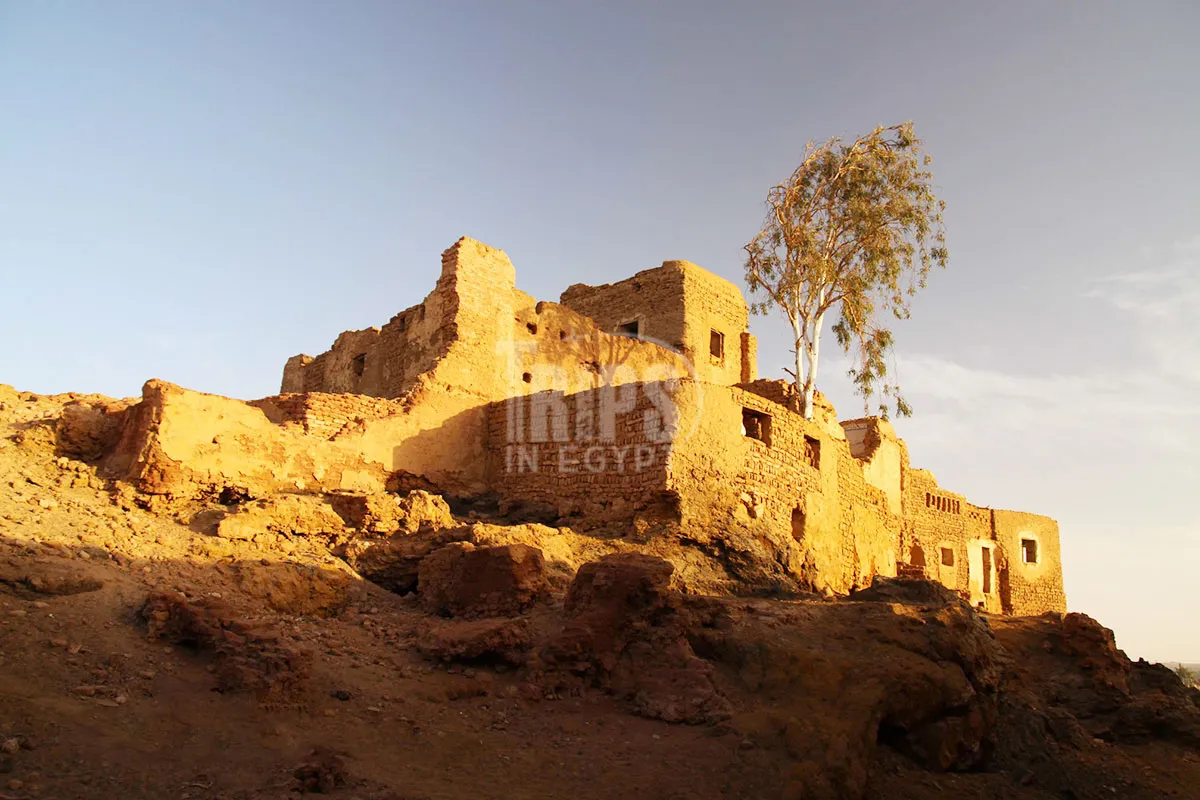
The magical village of Mut is known as the most important and biggest village in Dakhla, filled with up more than 100,000 citizens and a number of facilities that make it more of a village. It dates to 1500 BC. It is named after Mut the sky goddess and the great divine mother, wife of Amun, and mother of Khonsu as part of the 18th dynasty Theban triad. She had her own place in the oasis on the tallest hill of the village which held narrow lanes and mud brick walls. In the southern part of Mut village is “ Mut El Kharab” which acted as a very poorly-preserved roman settlement.
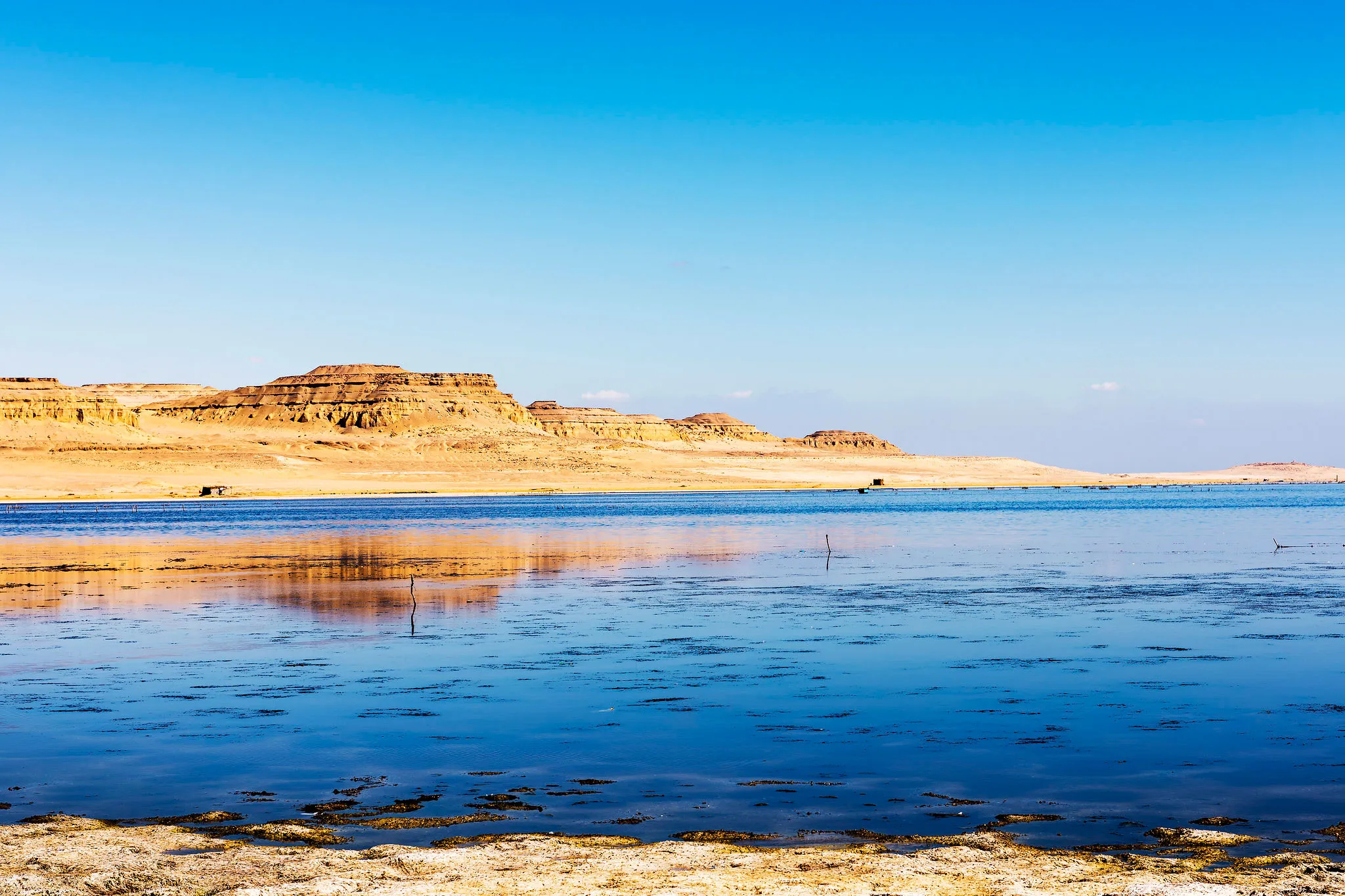
Within the village is the water well of Bir Talata found 2 km from the heart of the town which is rich with water filled with sulfur and iron used in natural healing that comes from a thousand-meter underground. Mut village is an epic artificial lake just three m north that was made from great irrigation water drainage which lead it to become the biggest artificial lake in the area. The artificial Lake is the biggest in the region and acts as a rich fish farm.
2. Village of Al Qasr
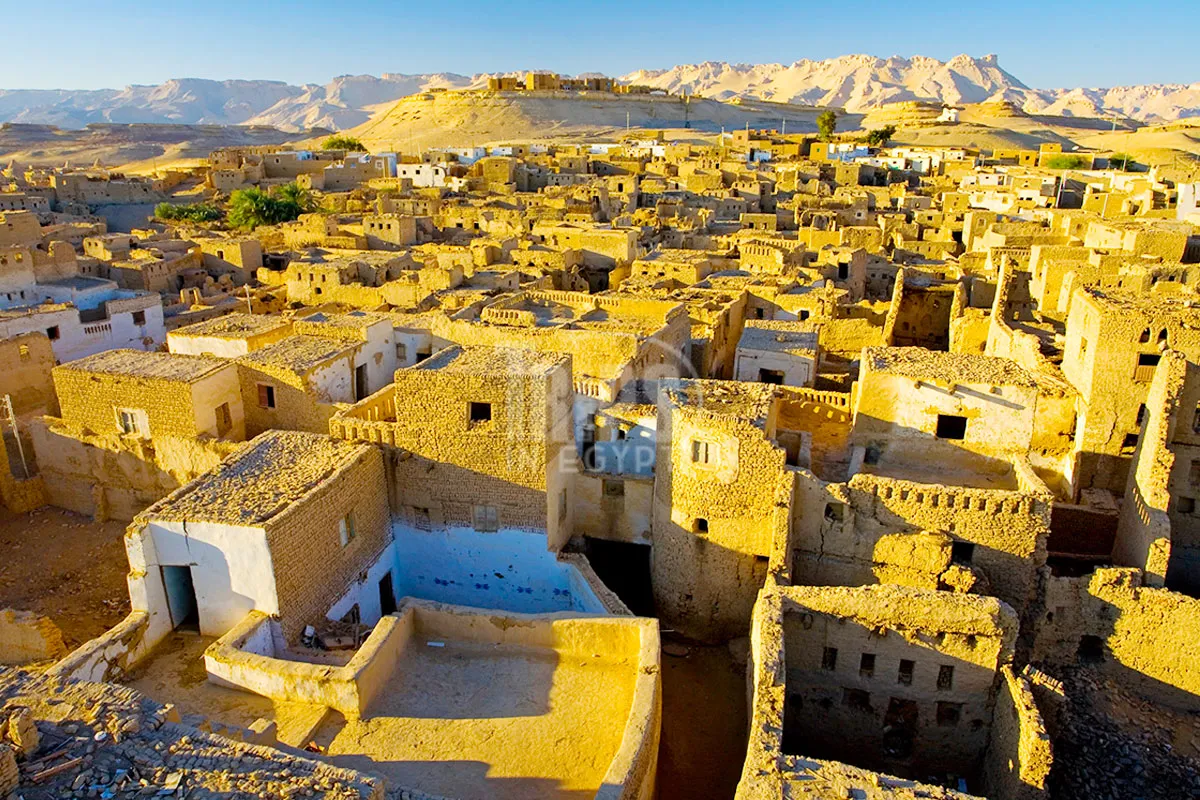
The Village of Al Qasr is found 20 km north of Mut and is very famous for holding the most incredible ancient monuments. The village has some narrow lanes that feature ancient Islamic homes that hold decorated doors with acacia wood that has a number of writings on them. Found in the center of Al Qasr village is the Sheikh Nasr El Din Mosque minaret reaching 21 meter high which dates to 924 BC, the 11th and the 12th centuries of the Ayyubid period.
The Islamic fortress of AD Dachla is made in the 12th century by the Ayyubid kings on the remains of the Roman fort plus the Ottoman and Mamluk buildings have a number of stone blocks with hieroglyphics from the ancient Thoth temple found in a nearby place.
3. Deir El Hagar
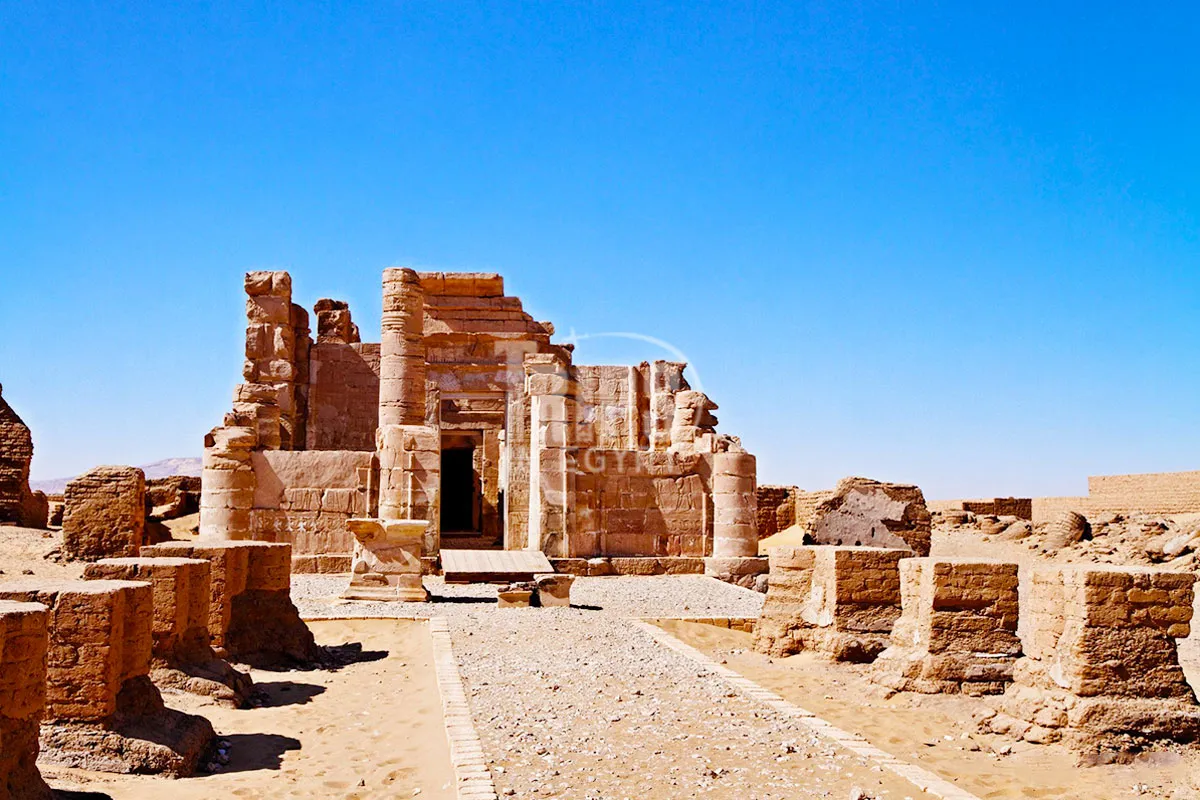
The Stone Monastery of Deir El Hagar is located in the northern part of Mut village near Al Muzwaqa. It is considered to be the most significant historical site in the oasis. It has the incredible temple of the Roman emperor Nero made in the middle of the 1st century AD made for the 18th dynasty Theban triad of Mut, Amun Re, and Khonsu.
It was renovated many times by a number of Roman rulers such as Titus, Vespasian, and Domitian who enlarged the entire complex and create a number of amazing carved with a number of bas reliefs. It is surrounded by a large number of large mud brick walls which are 7 m wide and 16 m long plus has 2 columns portico and a marvelous small hypostyle hall with only 4 pillars and a sanctuary.
4. Village of Bashindi
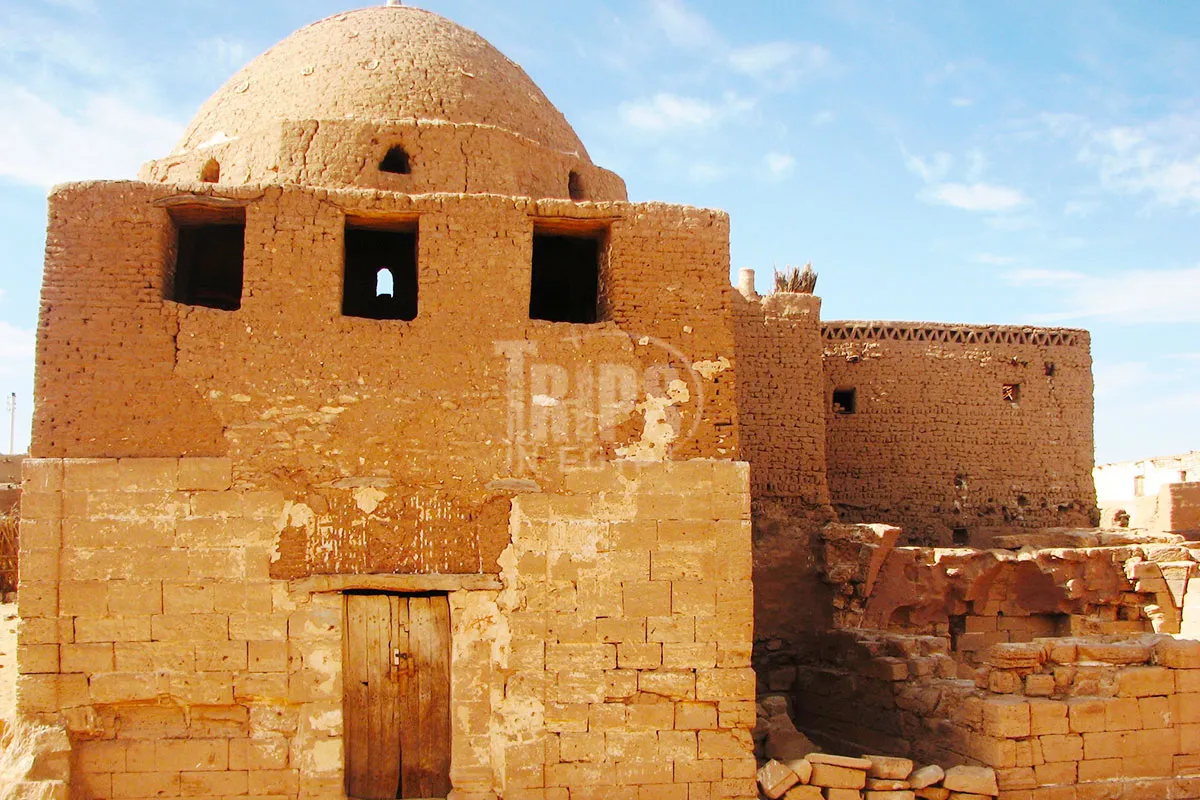
The marvelous village of Bashindi is a very preserved historical village just 40 km on the eastern end of the village of Mut which was inhabited in the 11th and the 12th centuries that features incredible mud brick houses featuring marvelous decorations and colorful ornaments. There is a blessed Islamic mausoleum of the founder of the village Sheikh Bashindi.
The is a magical necropolis that dates to the Roman period in the shape of a mud-brick structure that holds a great dome covering the Roman necropolis. There is also a number of tombs with Pharaonic-style paintings.
5. Village of Balat
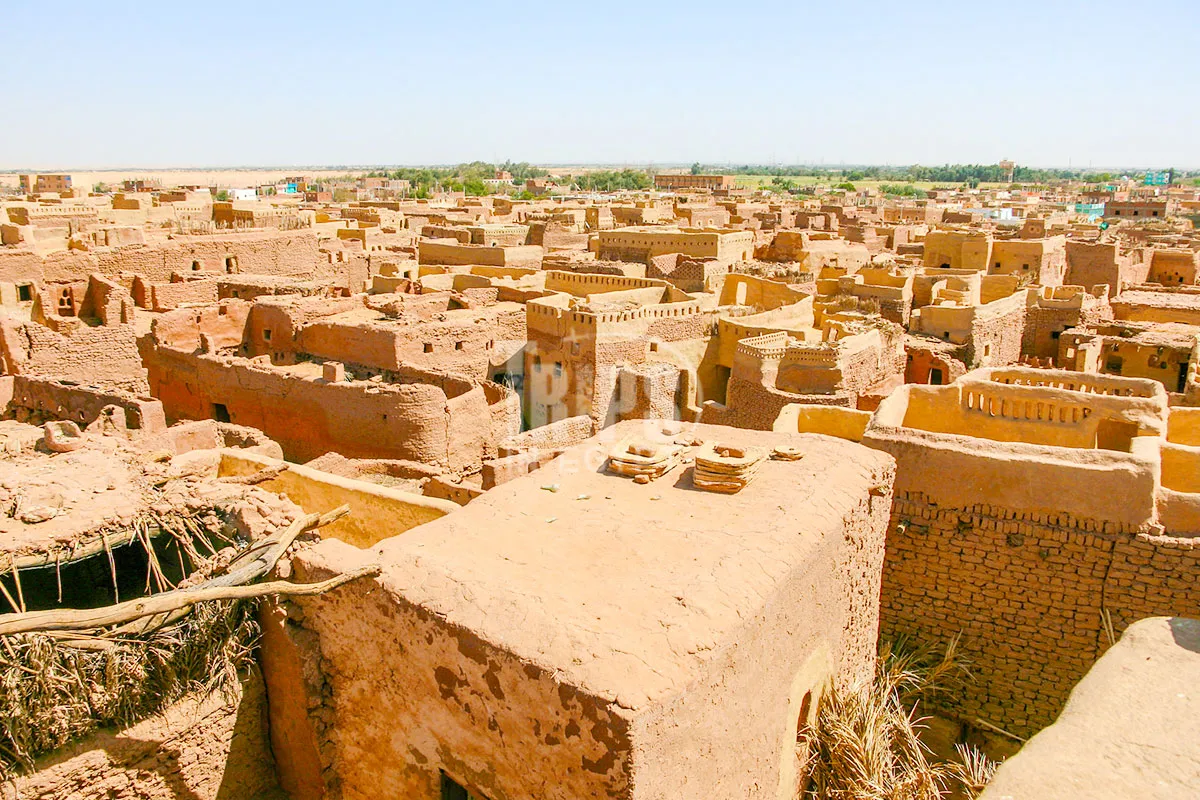
The incredible village of Balat is found in the northeast of the village of Bashindi known for having an incredible architectural and historical heritage. It is the home of the capital of the ancient Egyptian Oases of the Old Kingdom Ain Asil and the Qila El Dabba Necropolis which are some of the most significant archaeological wonders within the western desert.
Within the Qila El Dabba Necropolis, a number of mastaba-style tombs were found dating the ruling families of the Oases in the 6th dynasty which are the tomb of the ruler of the oasis Khentikau during the rule of Pharaoh Pepi II (2246 - 2152 BC) and the ruler of the oases Khentika during the reign of Pharaoh Pepi I (2289 - 2255 BC). In the Kharga museum are a number of terracotta pottery, copper tools, and jewelry found in these tombs.
6. Necropolis of Al Muzawaka
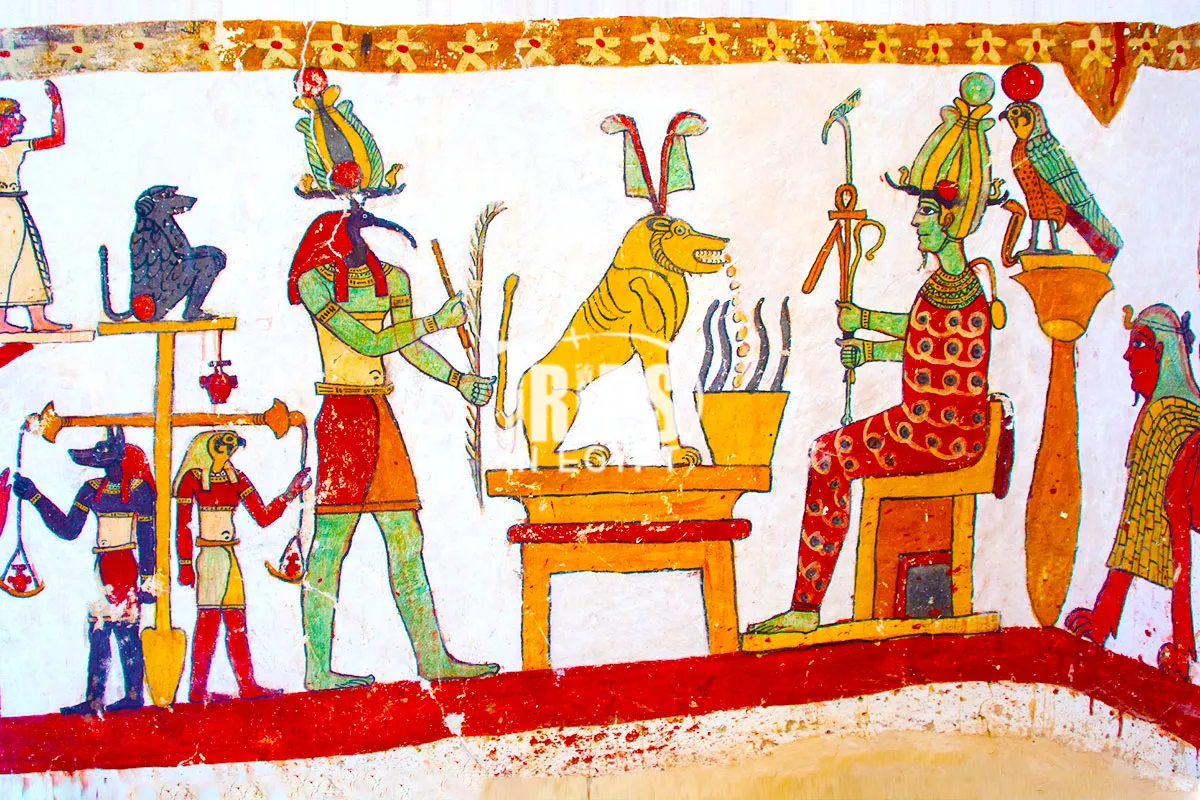
The wonderfully decorated Necropolis of Al Muzawaka is found in the northern part of Mut near the Deir El Hagar temple and was unearthed in an incredible archaeological mission in the early days of the 20th century. A 300 rock tomb necropolis was unearthed and the most famous ones are the tomb of Petosiris and Petubastis dating to the 1st and 2nd centuries which are highly preserved and features incredible drawings of funerary processions, the offerings to the deceased, and the Egyptian deities observing the deceased going to the afterlife.
7. Mut Ethnographic Museum
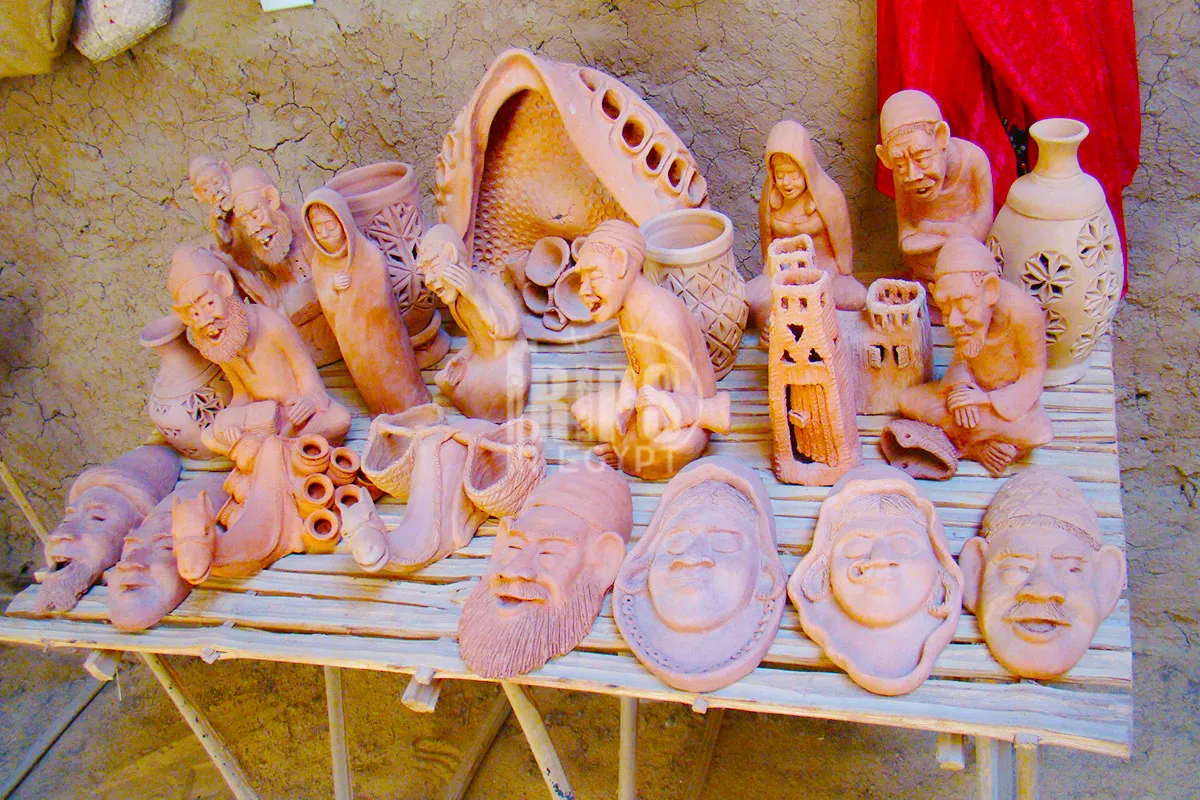
The Mut Ethnographic Museum is a magical small structure that was made in 1785 in the small town of Mut to shed light on the culture, history, and everyday life of the people of the oasis from cooking, washing clothes, and more. Everyone will cast their eyes on the most majestic handmade artifacts and monuments made of mud, stone, reeds, clay, and more.
Where to Stay in Dakhla Oasis
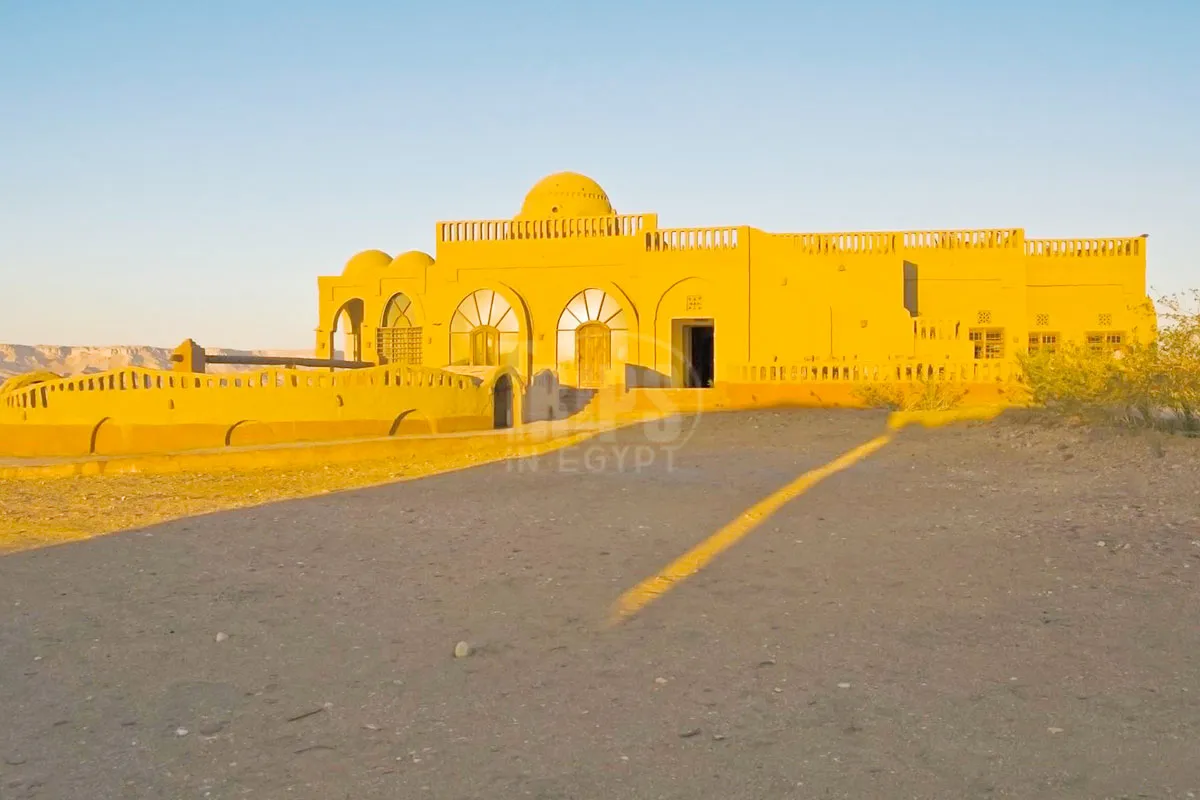
Within the Dakhla oasis are a number of incredible hotels which include Al Tarfa Desert Sanctuary which is a Lodge & Spa, Desert Lodge, Badawiya Hotel Dakhla, El Forsan Hotel, El Dohous Village, Sol Y Mar Mut III, and more. All the hotels will provide the most absolute chance to enjoy your time across the blessed lands of the magnificent Dakhla oasis.
Conclusion
Dakhla oasis will provide everyone the chance to gain a sense of relaxation and wonder by being part of one of our magical Nile River cruises and Egypt tours which will shed light on the rich history and culture of this blessed and immortal civilization.

5 Days Cairo And Hurghada Trip
Amazing 4 Nights Cairo and Hurghada Trip Itinerary 5 Days Cairo and Hurghada trip wil...
- Duration 5 Days / 4 Nights
- Location Cairo & Hurghada
- Type Historical & Recreational Tour
From$690/per person
View Tour
6 Days Cairo, Alexandria & Faiyum Tour
Unforgettable Cairo, Alexandria & Faiyum Adventure in Six Days 6 Days Cairo, Alex...
- Duration 6 Days / 5 Nights
- Location Cairo - Alexandria - Fayum
- Type Historical Tour
From$720/per person
View Tour
10 Days Cairo, Faiyum & Nile Cruise Holiday
Breathtaking 10 Days Journey of A Lifetime in Egypt 10 Days Cairo, Faiyum & Nile...
- Duration 10 Days / 9 Nights
- Location Cairo, Luxor, Aswan & Faiyum
- Type Classic Tour
From$1350/per person
View Tour SOLD OUT
Ultimate 7-Day Egypt Solar Eclipse Experience with Hurghada 2027
Enjoy a 7-Day Egypt Solar Eclipse Tour with Hurghada 2027 6 Nights Egypt Solar Ecli...
- Duration 7 Days / 6 Nights
- Location Cairo / Giza / Luxor / Hurghada
- Type Astronomical Tour
Sold Out
View Details