



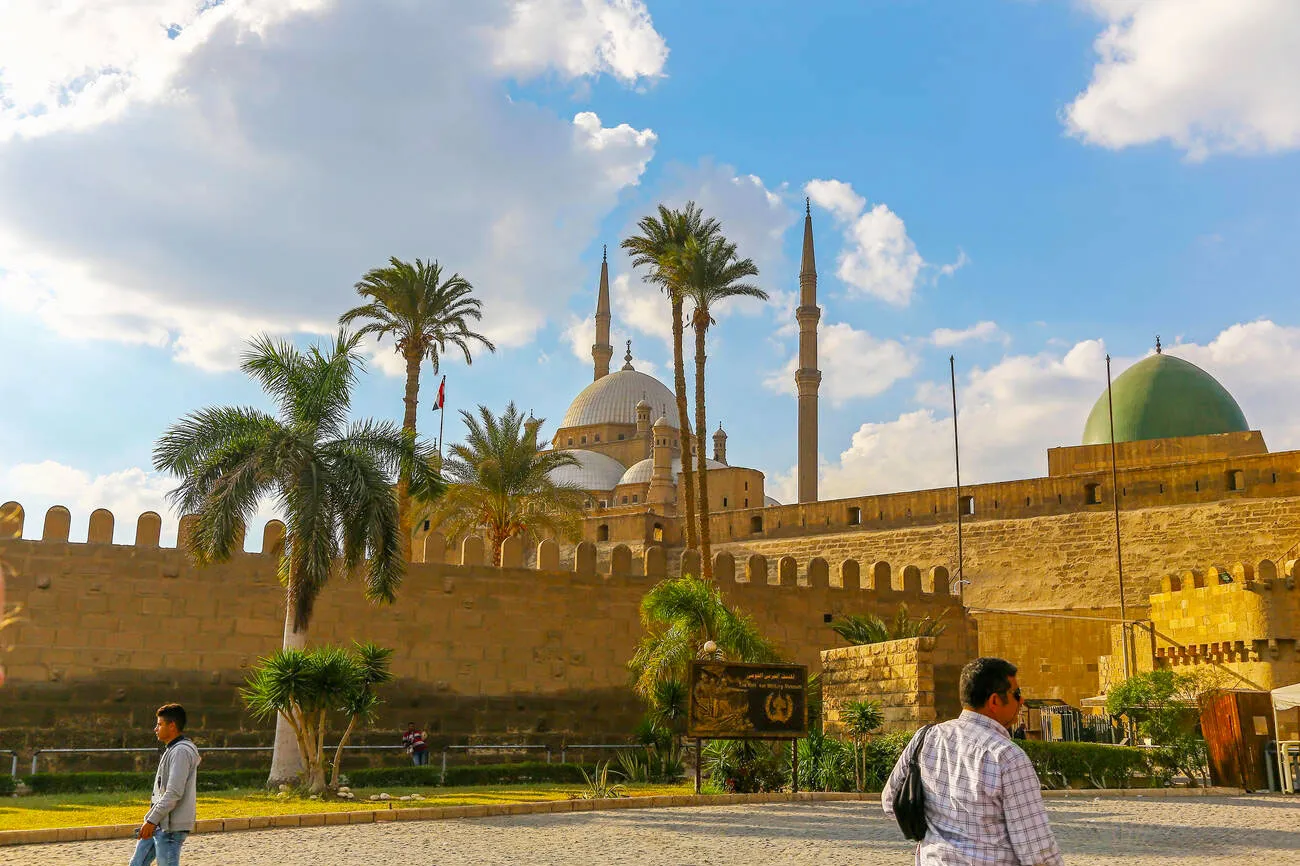
High on a spur of the Mokattam Hills, the Cairo Citadel has watched over the city since Saladin began it in 1176. For nearly 700 years, it was the seat of Egypt's rulers, and today its Alabaster Mosque, Mamluk minarets and sweeping terrace views make it one of Cairo's most rewarding visits. Here are ten reasons it is worth the trip, plus tickets, hours, photo spots and real visitor feedback.

Is the Cairo Citadel Worth Visiting?
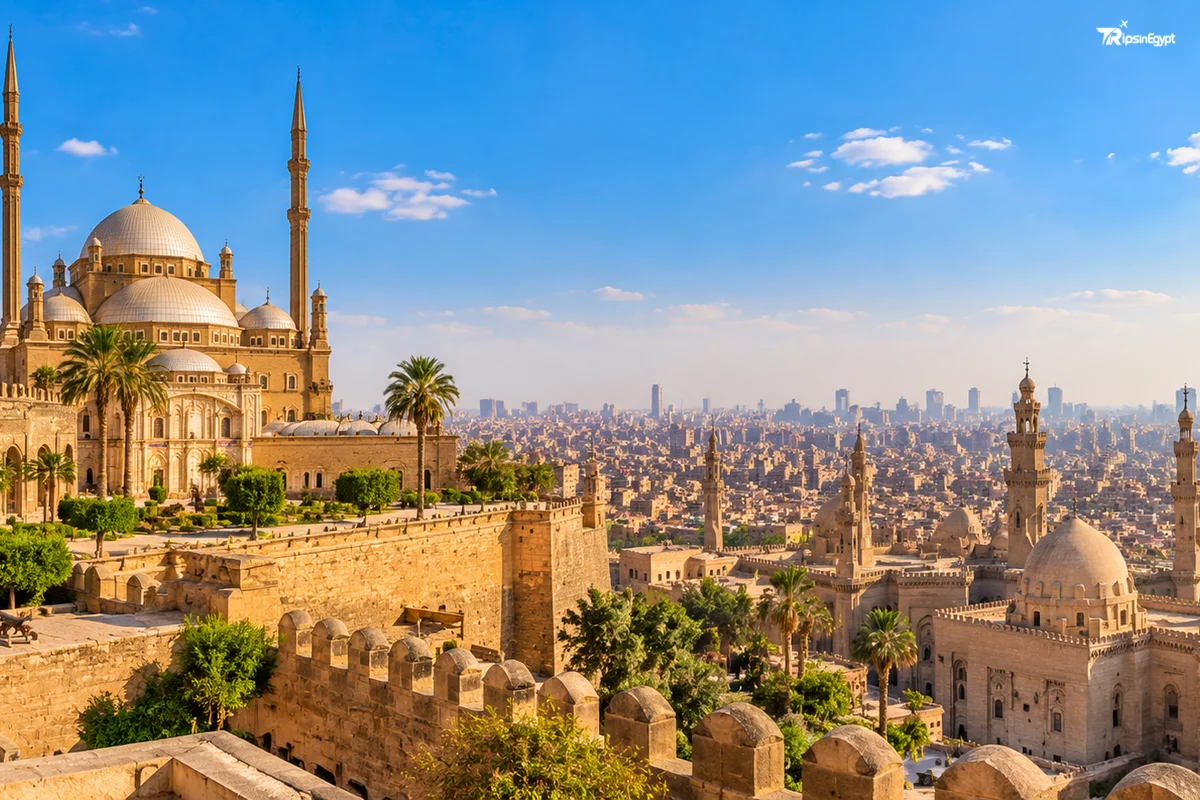
The Cairo Citadel, also called the Saladin Citadel or Citadel of Salah El Din, is worth visiting for its history, architecture and views. It is one of the few places where travelers can see Ayyubid, Mamluk, Ottoman and nineteenth-century Egyptian buildings within one fortified complex. The sections below give the key facts, summarize the real visitor experience and explain how the fortress fits into a wider trip to Cairo.
The Cairo Citadel at a Glance
|
Fact |
Detail |
|
Other names |
Saladin Citadel, Citadel of Salah El Din, Qal'at Salah al-Din |
|
Location |
Mokattam Hills spur, Islamic Cairo |
|
Founded |
1176 AD by Saladin |
|
Completed |
1207 AD under Sultan al-Kamil |
|
Seat of government |
About 1207 to the 1860s |
|
Highlights |
Muhammad Ali Mosque, al-Nasir Muhammad Mosque, Sulayman Pasha Mosque, Military Museum and Police Museum |
|
Opening hours |
About 8:00 am to 5:00 pm |
|
Foreign adult ticket |
EGP 550 at the time of writing |
|
Time needed |
2 to 3 hours |
|
Status |
Part of Historic Cairo, a UNESCO World Heritage Site since 1979 |
What Visitors Say About the Real Cairo Citadel Experience
Visitor feedback on the Cairo Citadel is generally very positive, and most travelers consider the site worth the entrance fee.
The most frequently praised attraction is the Mosque of Muhammad Ali, particularly its vast dome, hanging lamps, courtyard and imposing Ottoman architecture.
The panoramic terrace is another major highlight. On clear days, views stretch across the minarets and domes of Islamic Cairo, and the Giza Pyramids may be visible on the western horizon.
Many visitors also appreciate the quieter al-Nasir Muhammad Mosque, which offers a strong contrast with the enormous nineteenth-century Alabaster Mosque.
The Military Museum can add another dimension for travelers interested in Egypt's more recent history.
Common complaints include large school groups around midday, intense summer heat, atmospheric haze affecting long-distance views and occasional museum closures for maintenance.
A knowledgeable guide can make a significant difference because many structures have limited detailed interpretation in English.
Who is Saladin?
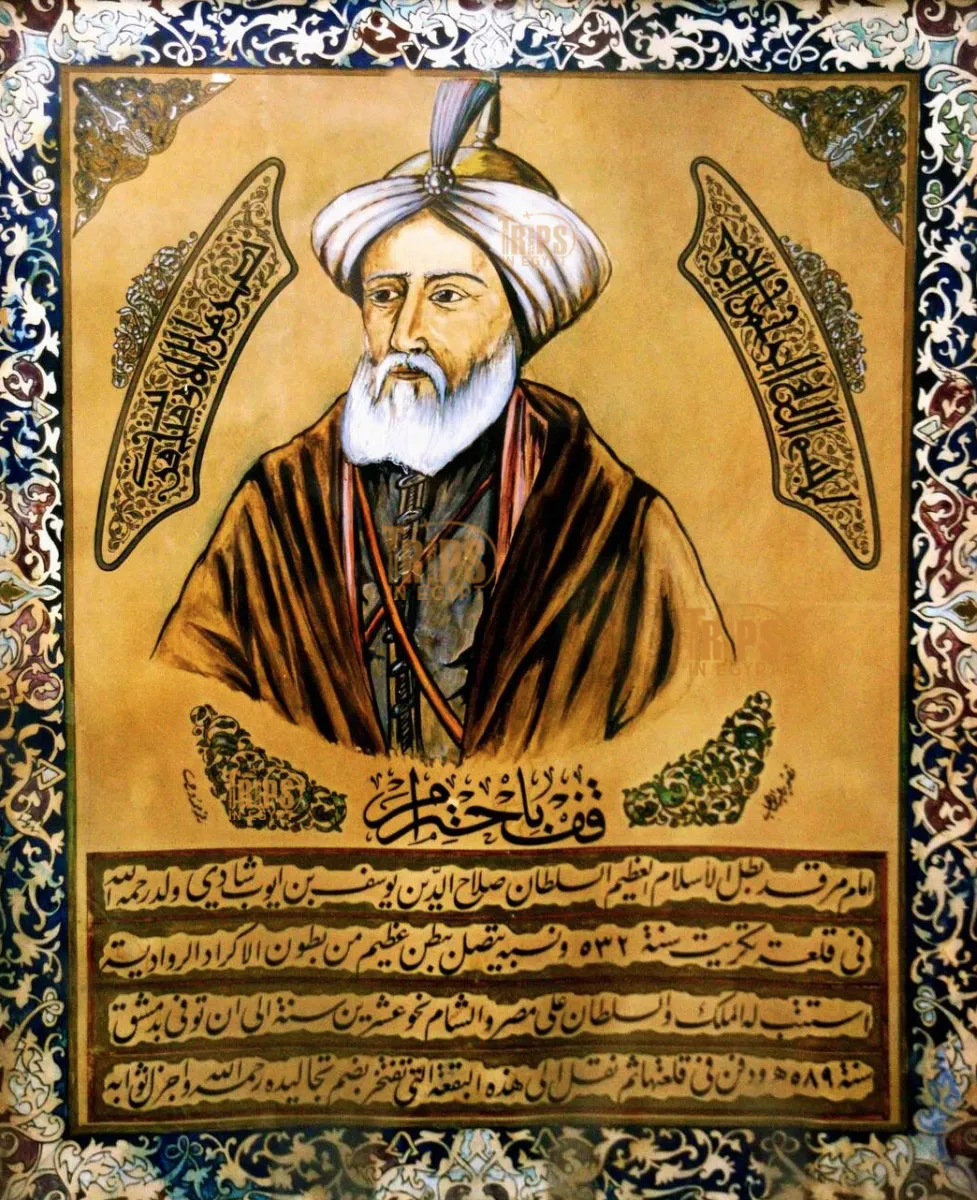
Saladin, whose full name was Al-Nasir Salah al-Din Yusuf ibn Ayyub, was born in 1137 in Tikrit, in present-day Iraq, to a Kurdish family.
He came to Egypt as a commander in the army of Nur al-Din of Syria and became vizier of Egypt in 1169.
In 1171, Saladin ended the Fatimid caliphate and restored Sunni rule in Egypt. Three years later, in 1174, he became sultan and founded the Ayyubid dynasty.
At its height, his state included Egypt, Syria, Yemen and territories across Palestine and parts of Iraq.
Saladin is best remembered for his victory over the Crusaders at the Battle of Hattin in 1187, after which Jerusalem came under his control.
He ordered construction of the Cairo Citadel in 1176 as part of an ambitious plan to strengthen Cairo and Fustat against future attacks.
Saladin died in Damascus on 4 March 1193, before the fortress was completed.
The History of Saladin Citadel
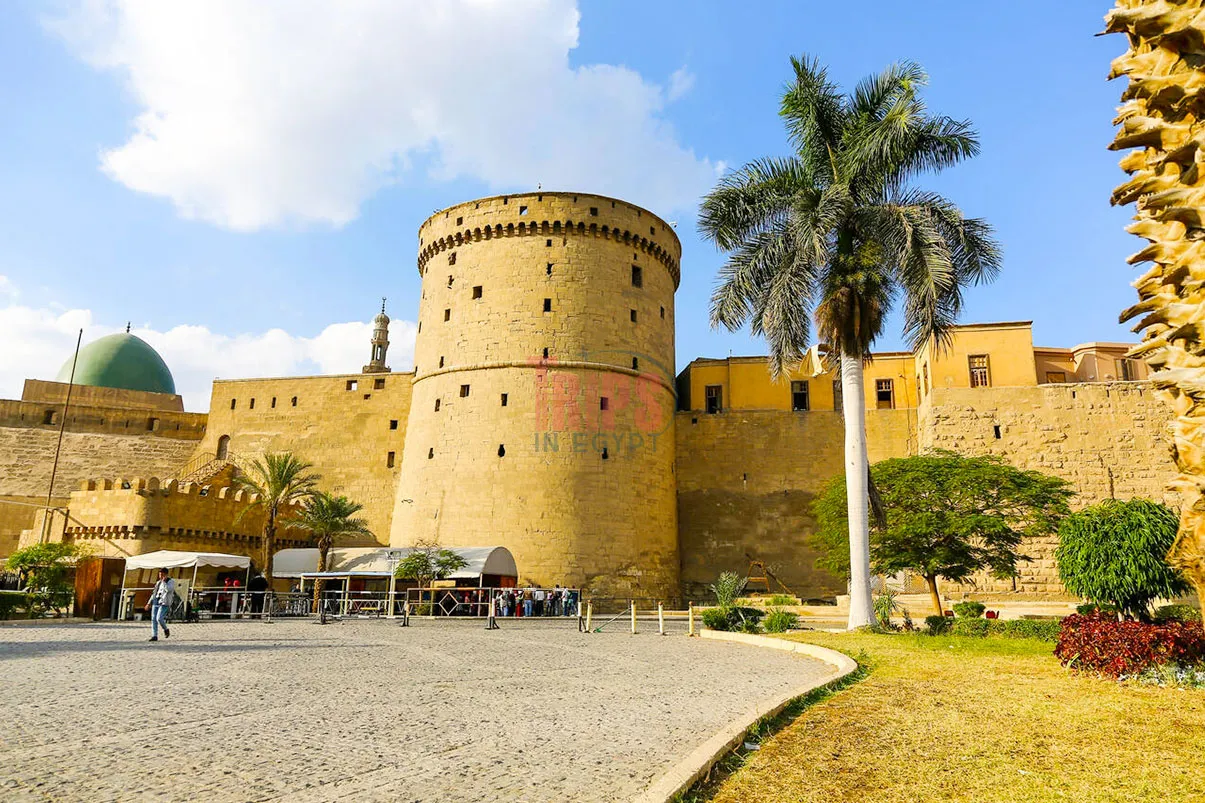
Saladin Citadel history spans more than eight centuries, from a medieval fortress created during the Crusades to the political center of Egypt and later a museum complex. Few landmarks in Cairo contain evidence from so many ruling periods. Ayyubid, Mamluk, Ottoman and Muhammad Ali dynasty rulers all changed the fortress, adding walls, gates, palaces, mosques and military buildings.
Building the Citadel
Saladin ordered the Citadel to be built in 1176 on a spur of the Mokattam Hills overlooking Cairo.
The position was strategically important because it dominated both the Fatimid city of Cairo and the older settlement of Fustat.
Construction was supervised by Saladin's official Baha al-Din Qaraqush as part of a larger defensive project intended to connect Cairo and Fustat within an extensive fortification system.
Saladin did not live to see the fortress completed.
His nephew Sultan al-Kamil finished the Citadel in 1207 and established the royal residence there, turning the Cairo Citadel into the center of Egyptian government.
Seat of Power for Nearly 700 Years
From the early thirteenth century until the nineteenth century, the Citadel served as the political center of Egypt.
The Mamluk sultans expanded the complex significantly, particularly al-Nasir Muhammad ibn Qalawun, who built palaces, halls and the mosque that still bears his name.
After the Ottoman conquest in 1517, the Citadel continued to house governors and military forces.
One of the most dramatic events in its history occurred on 1 March 1811, when Muhammad Ali Pasha invited leading Mamluk beys to a ceremony and ordered them attacked as they passed toward Bab al-Azab.
The Citadel now forms part of Historic Cairo, a UNESCO World Heritage Site.
The Citadel Under Muhammad Ali and Today
Muhammad Ali, who ruled Egypt from 1805 to 1848, transformed much of the Citadel.
He demolished several Mamluk structures and constructed the enormous mosque that now dominates the Cairo skyline.
He also built Al-Gawhara Palace in 1814 and the Harem Palace, which later became the Military Museum.
In the 1860s, Khedive Ismail transferred the official royal residence to Abdeen Palace in Downtown Cairo.
British troops later occupied the Citadel from 1882 until 1946.
The complex was gradually opened to visitors and today functions as one of Cairo's major archaeological, religious and museum sites.
Reasons Why Cairo Citadel is Worth the Trip
Is the Citadel in Cairo worth visiting? These ten reasons show why most travelers say yes. Within the fortress are three dramatically different mosques, museums, medieval walls and gates, historic water systems and panoramic terraces overlooking the city. The first three religious monuments alone reveal several centuries of Islamic architecture, while the remaining attractions show how the Citadel functioned as both a royal residence and military stronghold.
1. The Mosque of Muhammad Ali
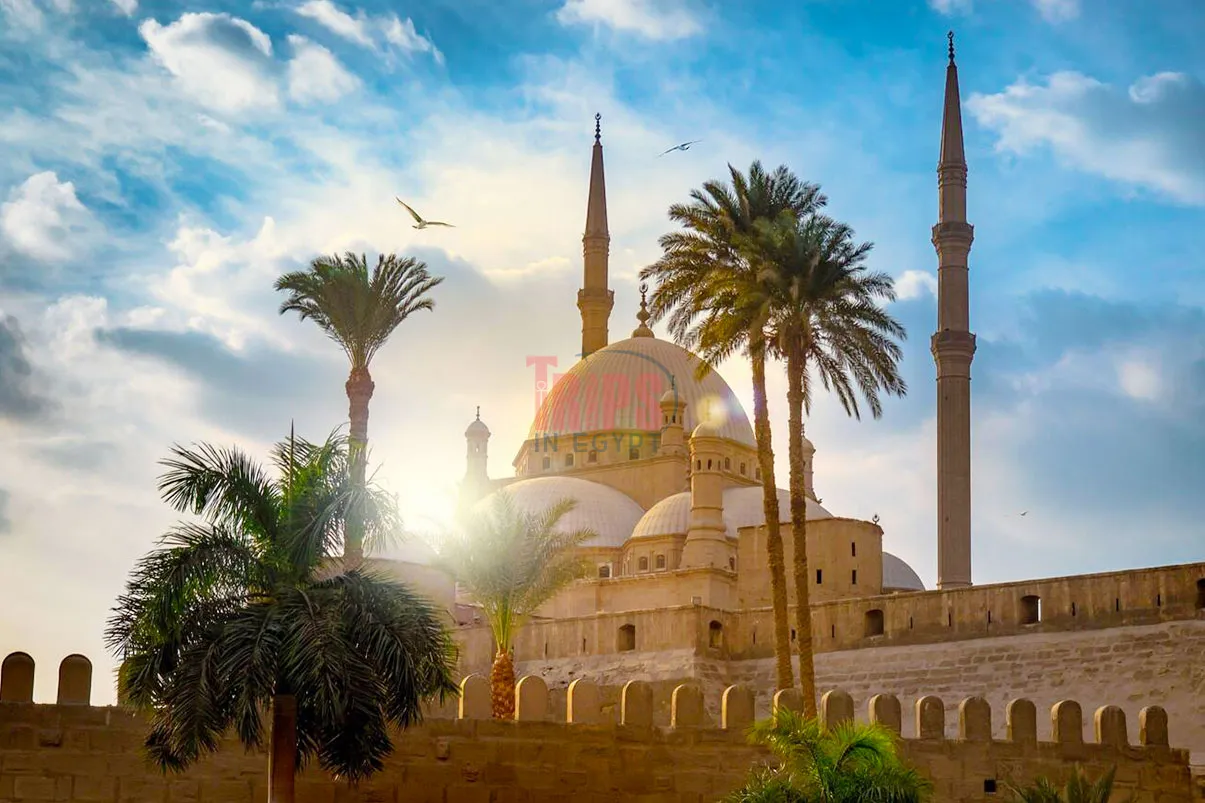
The Mosque of Muhammad Ali is the most recognizable building inside the Citadel and is often called the Alabaster Mosque because alabaster covers much of its lower walls.
It was constructed between 1830 and 1848 in an Ottoman architectural style inspired by the great imperial mosques of Istanbul.
Its two slender minarets rise approximately 82 meters, while the main dome reaches roughly 52 meters.
Inside, hundreds of suspended lamps create one of Cairo's most memorable mosque interiors.
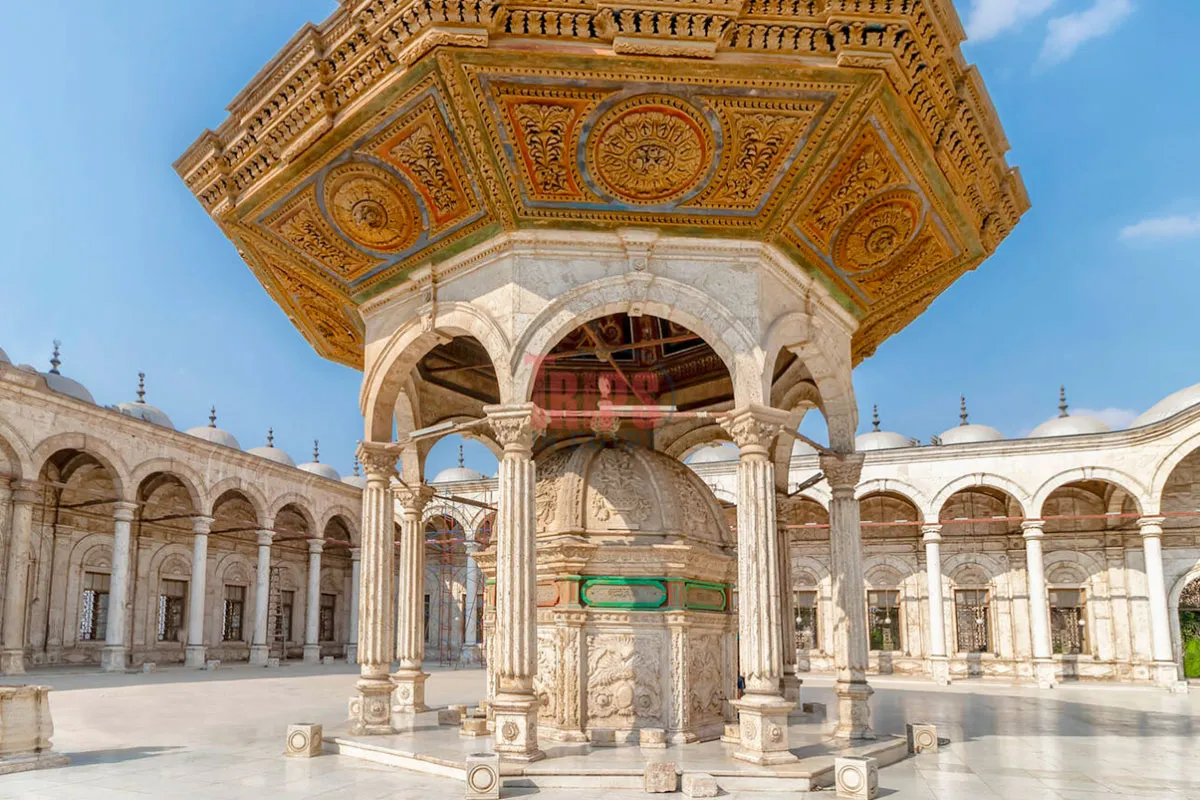
The courtyard contains an octagonal ablution fountain and an elaborate clock tower.
The clock was presented by French King Louis Philippe in 1845 in connection with the exchange that brought the Luxor Obelisk to Paris.
2. Al-Nasir Muhammad Mosque
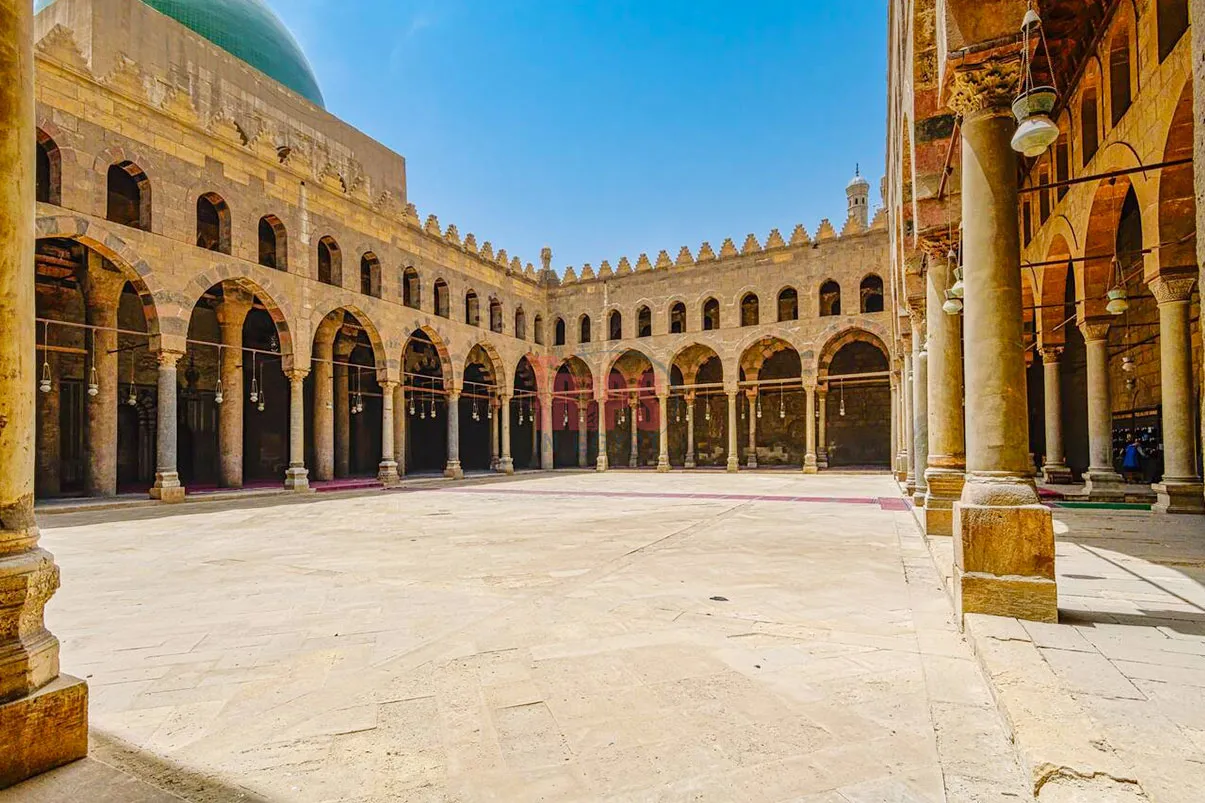
The Mosque of al-Nasir Muhammad was constructed in 1318 and enlarged in 1335 by Sultan al-Nasir Muhammad ibn Qalawun, who ruled Egypt during three separate reigns.
It served as the principal royal mosque of the Mamluk Citadel and was where the sultans attended Friday prayers.
Its two unusual minarets feature green faience tiles and bulb-shaped tops associated with Persian and Ilkhanid artistic influences.
The interior incorporates reused columns from earlier structures, including material from Roman, Coptic and pharaonic periods connected with the long history of the Egyptian pharaohs.
After the Ottoman conquest, Sultan Selim I removed much of the mosque's marble decoration and transferred it to Istanbul.
3. Mosque of Suleiman Pasha
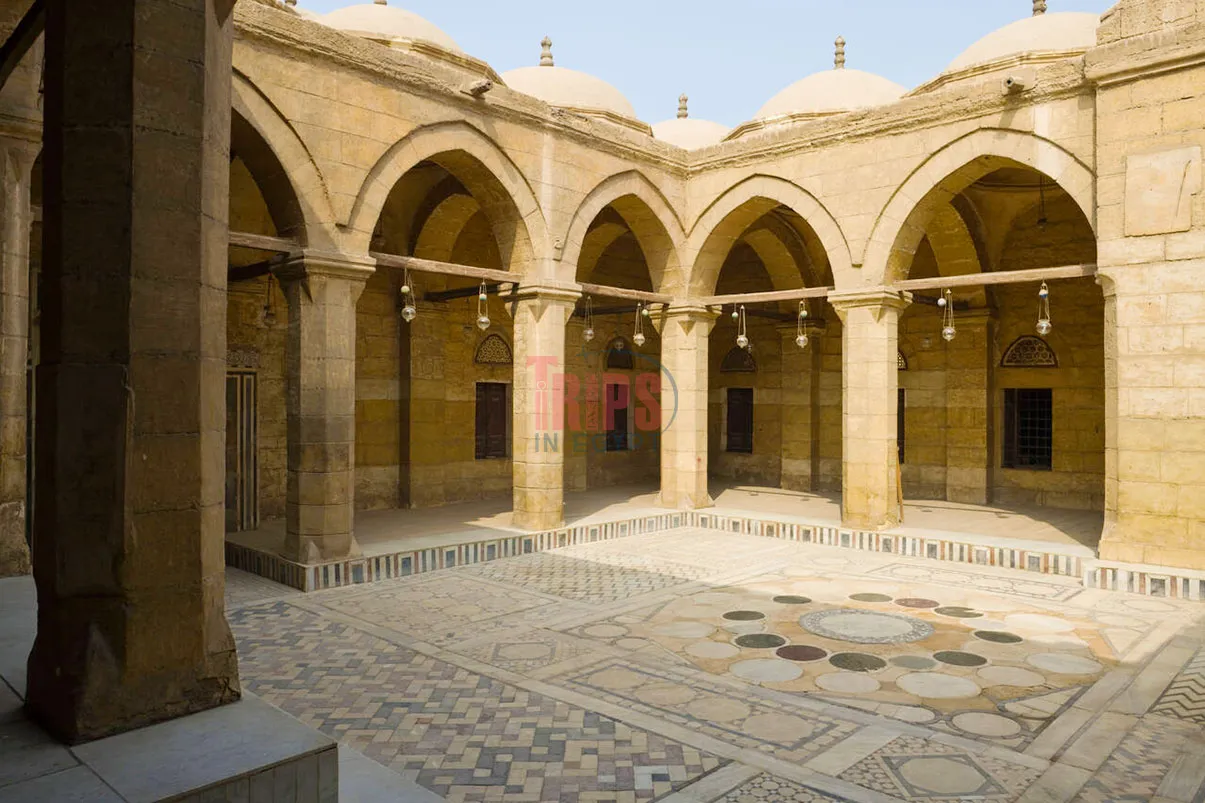
The Mosque of Sulayman Pasha al-Khadim, completed in 1528, was one of Cairo's earliest important mosques built in the Ottoman architectural style after Egypt came under Ottoman rule.
It was constructed for the Janissaries stationed inside the fortress.
The building combines Ottoman forms, including its central dome and slender minaret, with Egyptian decorative traditions inherited from Mamluk architecture.
Inside are painted ceilings, colored marble and geometric decoration around the mihrab.
Its smaller scale and quieter courtyard provide a very different experience from the enormous Muhammad Ali Mosque.
4. The Military Museum
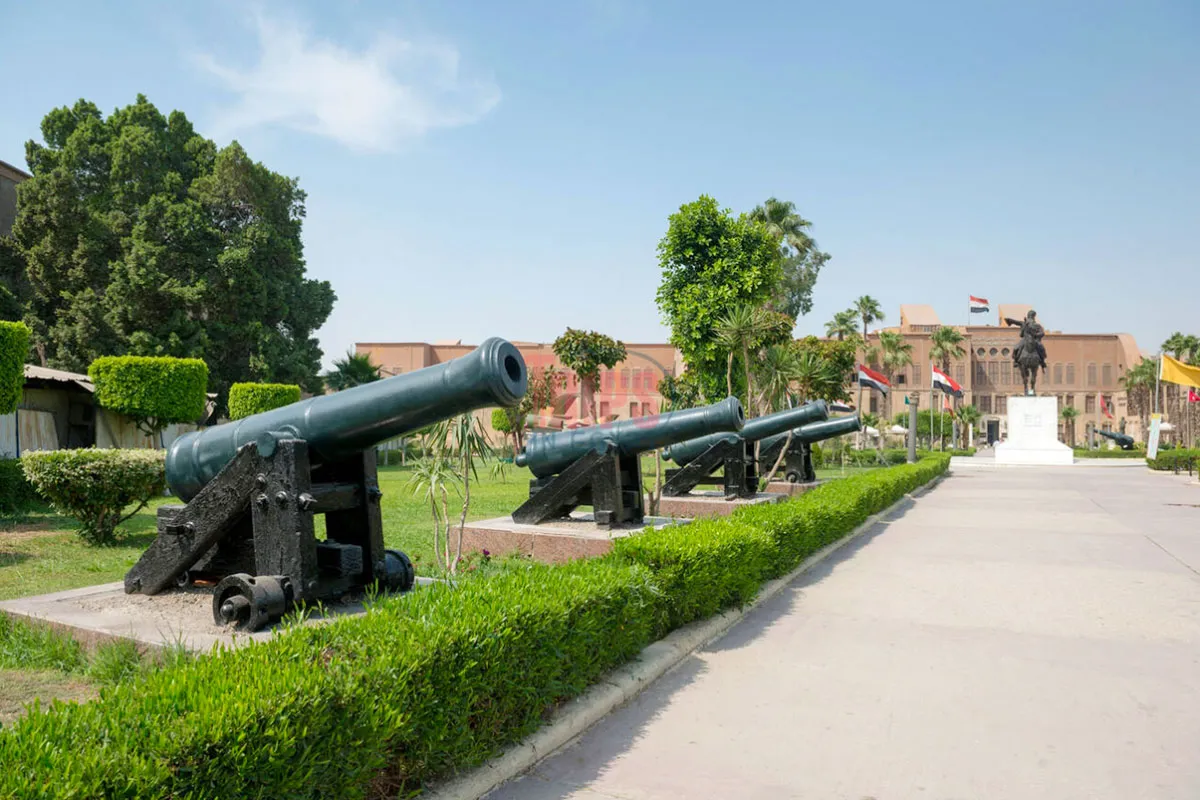
The National Military Museum occupies the Harem Palace built by Muhammad Ali in 1827.
Its galleries explore the history of Egypt's military from ancient periods through modern conflicts using weapons, uniforms, paintings, models and battle displays.
Outdoor collections include historic artillery, tanks, armored vehicles and aircraft, including equipment associated with the October War of 1973.
Statues and displays represent well-known military and political leaders from different periods.
Even travelers with limited interest in military history may appreciate the decorative rooms and architecture of the former palace.
5. The Museum of Royal Carriages
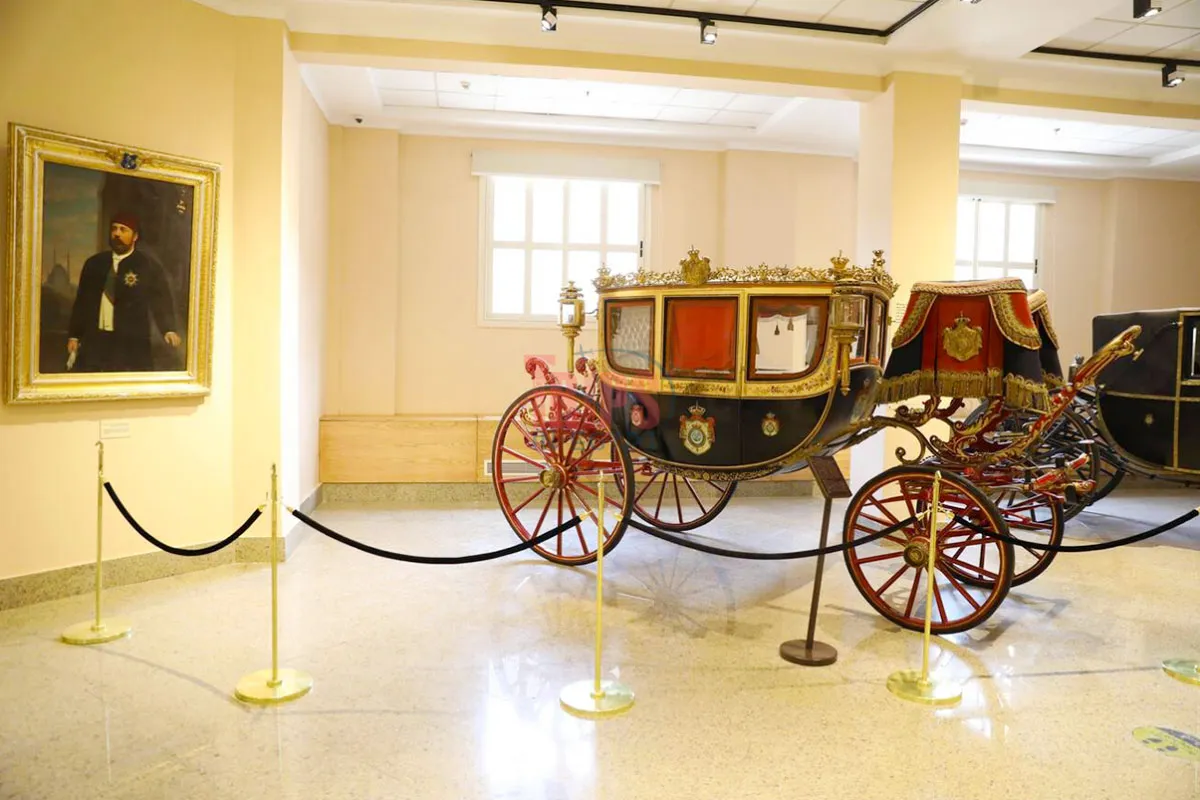
The Citadel has historically displayed royal carriages associated with Egypt's nineteenth-century ruling family.
Many belonged to the period of Khedive Ismail, when Cairo was being extensively modernized and remodeled.
Some ceremonial carriages were gifts from European rulers and were used during official state receptions and royal occasions.
The main national collection is now held in the restored Royal Carriages Museum in Bulaq.
Because smaller museums and individual displays inside the Citadel can temporarily close for renovation, visitors should check availability before planning their visit around this collection.
6. The Police National Museum
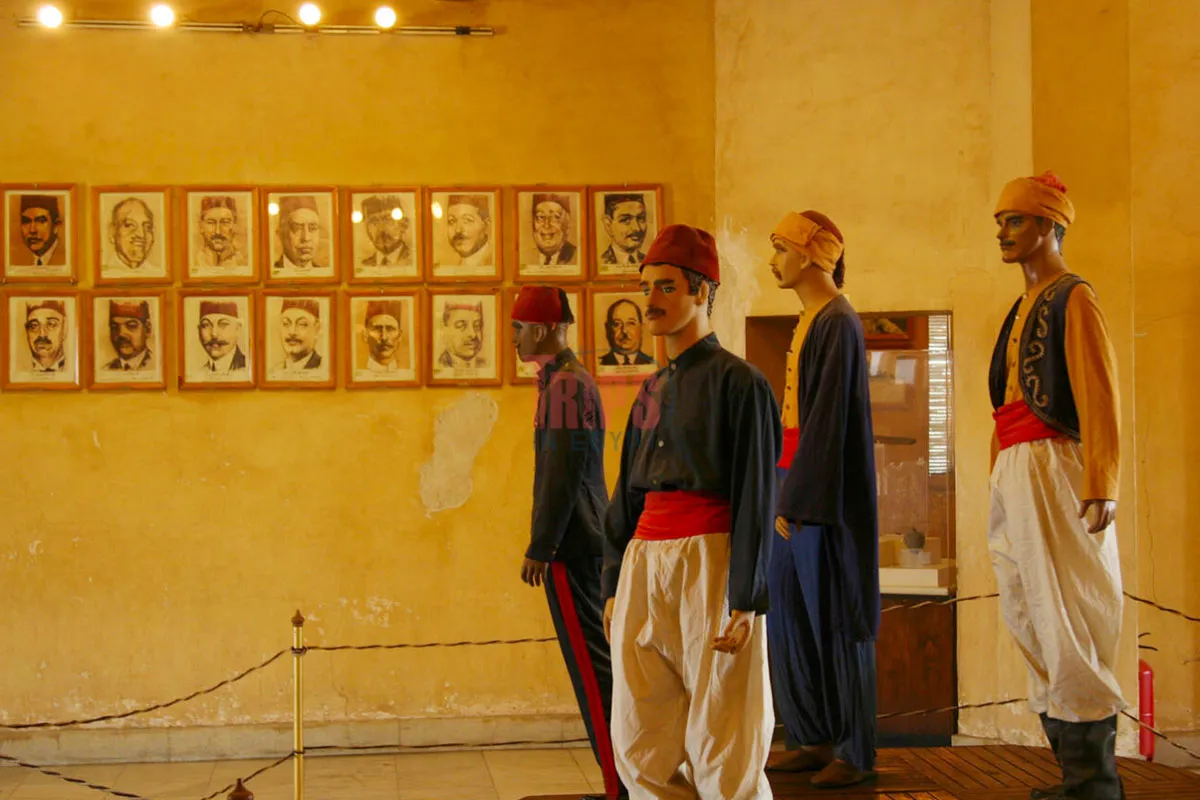
The Police National Museum explores the history of policing in Egypt from earlier periods through modern times.
One section covers famous criminal cases, including the story of Raya and Sakina, whose crimes took place in Alexandria during the early twentieth century.
Another hall commemorates Egyptian police officers who resisted British forces in Ismailia on 25 January 1952, an event later associated with Egypt's Police Day.
The museum terrace is also one of the Citadel's strongest viewpoints, overlooking the Sultan Hassan Mosque, Al-Rifa'i Mosque and the minarets of Islamic Cairo.
7. Citadel Prison Museum
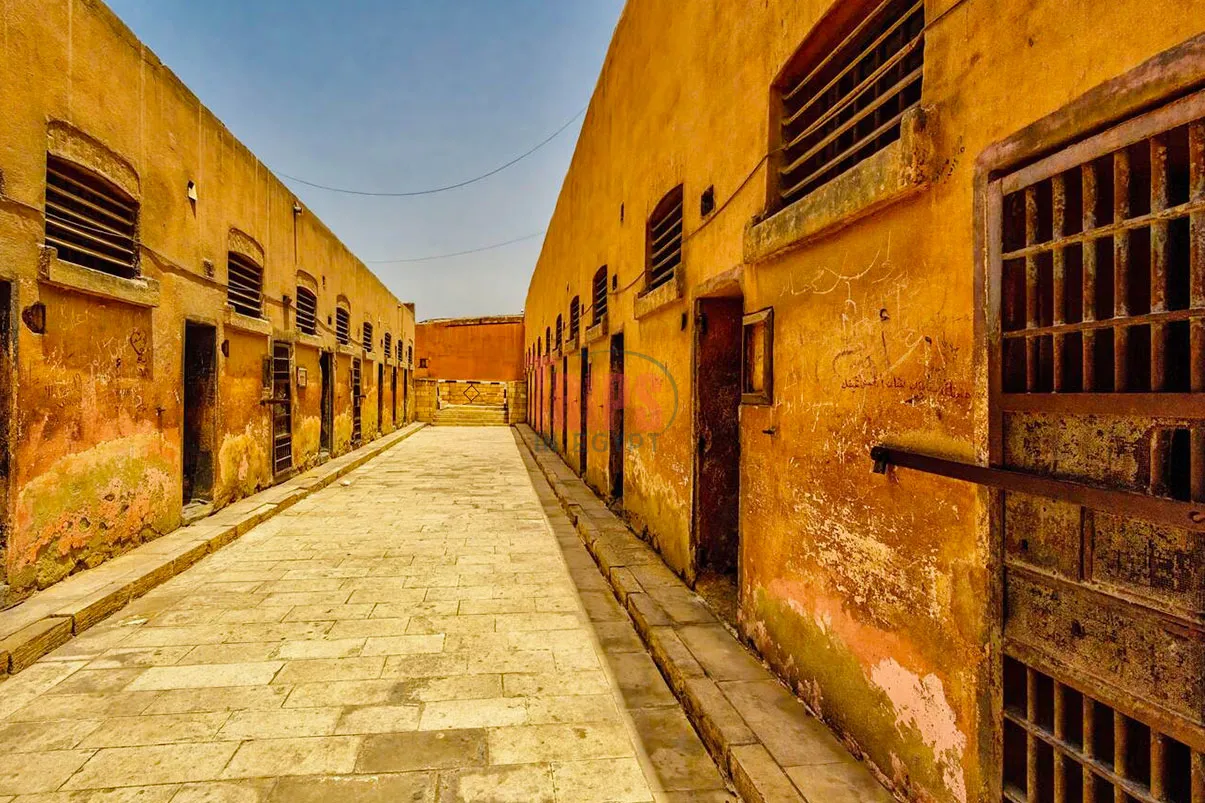
The Citadel Prison Museum, known in Arabic as Sign al-Qal'a, occupies a former prison used for political detainees during parts of Egypt's modern history.
Visitors can walk through narrow corridors and see small cells, some containing figures illustrating the conditions experienced by prisoners.
Displays describe notable political figures, writers and activists who were held there.
Its atmosphere provides a sharp contrast with the monumental mosques and royal palaces elsewhere in the fortress.
As with other museums inside the Citadel, check its current opening status before making it the focus of your visit.
8. The Citadel Fortress
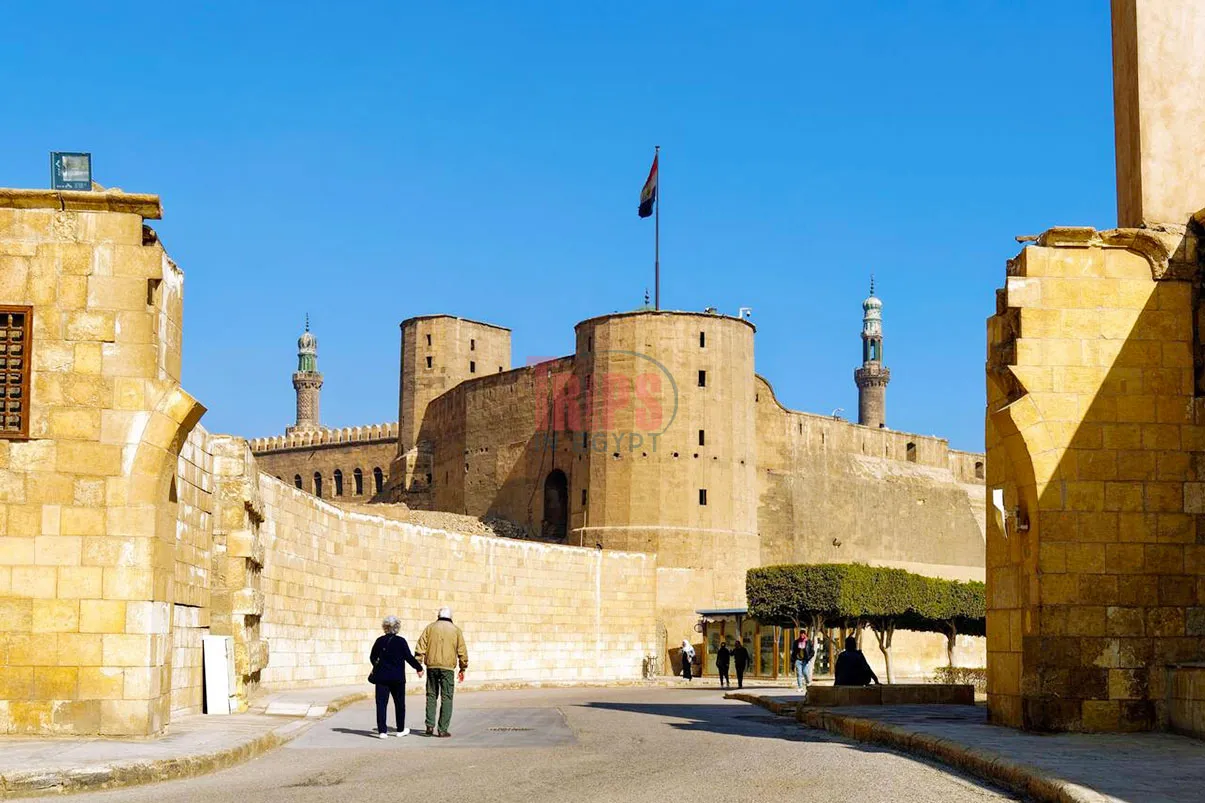
The fortress itself is one of the main reasons to visit.
Its enormous stone walls, rounded towers and gates preserve evidence from the Ayyubid period as well as later Mamluk and nineteenth-century modifications.
Medieval accounts attribute the reuse of stone from older monuments around Giza to Qaraqush's construction projects, although the precise origins of individual blocks are difficult to establish.
Important gates include Bab al-Mudarraj, associated with the original Ayyubid fortress, and Bab al-Azab, connected with the 1811 massacre.
Below the fortress, Al-Azhar Park offers one of the best external views of the Citadel.
9. The Wonderful Architecture
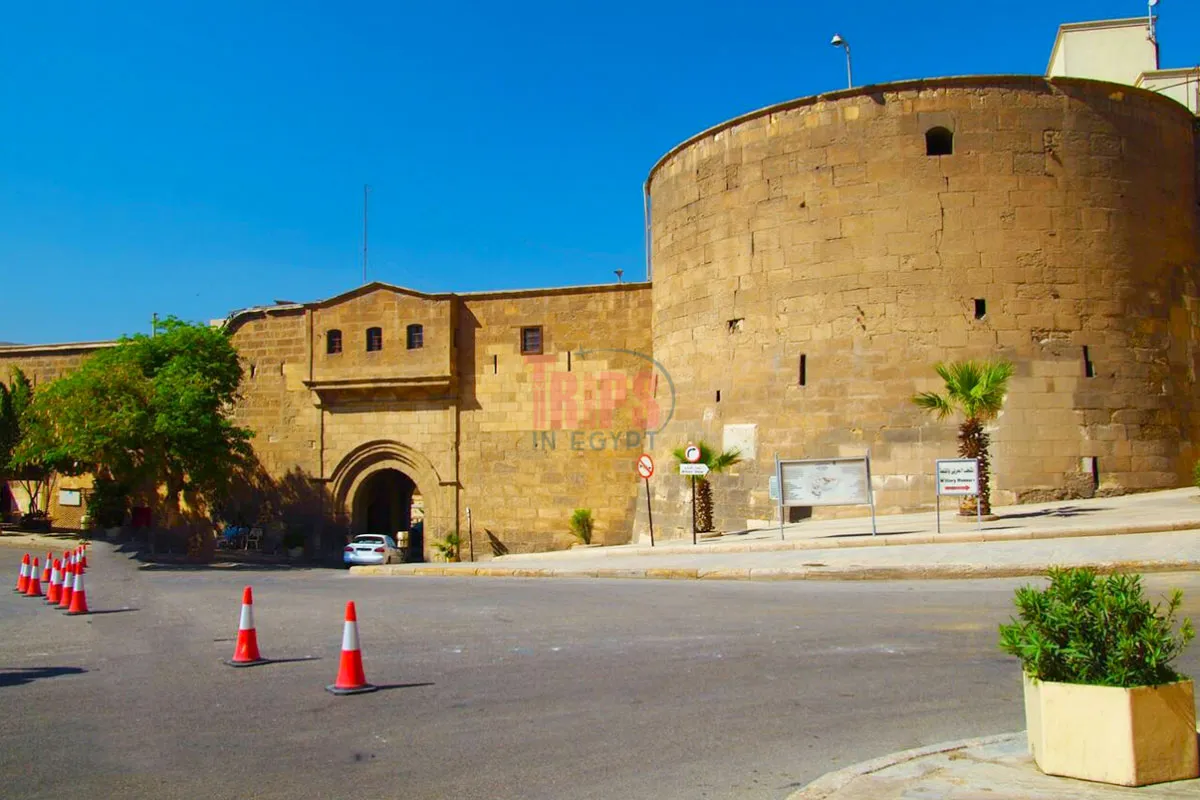
The Citadel works like an open-air museum of Islamic architecture.
In a single visit, travelers can compare heavy Ayyubid defensive stonework, Mamluk mosque architecture, Ottoman domes and slender minarets, and nineteenth-century palaces associated with the Muhammad Ali dynasty.
Al-Gawhara Palace, constructed in 1814, represents another phase in the architectural development of the fortress.
From the main terrace, the historic skyline of Islamic Cairo spreads below the Citadel, and on exceptionally clear days the Giza Pyramids can be seen on the western horizon.
10. Water Features
Water was essential for a fortress constructed high above Cairo.
The most remarkable surviving example is Joseph's Well, or Bir Yusuf, which descends approximately 87 meters into the rock.
Its spiral system allowed animals to operate machinery that raised water upward.
Its name refers to Saladin's own name, Yusuf.
Later rulers developed additional systems to bring water to the fortress, including the aqueduct associated with al-Nasir Muhammad that drew supplies from the Nile River.
Decorative fountains also survive inside mosque courtyards, particularly the elaborate ablution fountain of the Muhammad Ali Mosque.
Visiting the Cairo Citadel
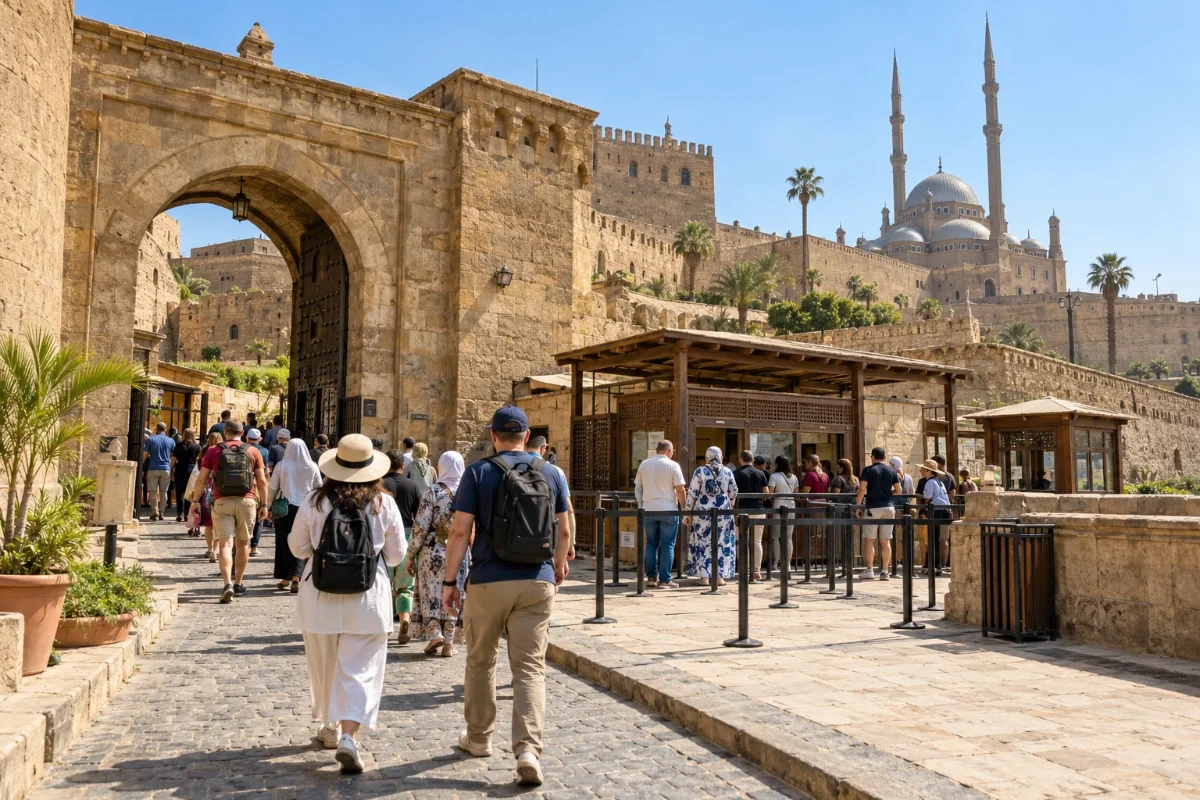
Visiting the Cairo Citadel is simple, but a little planning helps visitors avoid the largest crowds and the strongest midday heat. The archaeological complex covers a substantial area, and popular attractions such as the Mosque of Muhammad Ali can become busy later in the morning. Allow two to three hours if you want to explore the principal mosques, viewpoints and at least one museum without rushing.
Cairo Citadel Tickets and Opening Hours
The Cairo Citadel is currently open daily from approximately 8:00 am to 5:00 pm.
At the time of writing, official entrance prices are:
-
Foreign adults: EGP 550
-
Foreign students: EGP 275 with valid student identification
-
Egyptian adults: EGP 60
-
Egyptian students: EGP 30
The area ticket provides entry to the archaeological complex and the monuments and museums that are open to visitors.
Ticket prices and access arrangements can change, so check the official monuments information shortly before your visit.
Arriving near opening time is useful for avoiding larger tour and school groups later in the morning.
How to Get There and How Long to Stay
The Citadel stands on Salah Salem Street, approximately four kilometers east of Tahrir Square.
Taxi or ride-hailing services are generally the simplest way for international travelers to reach the site.
Depending on traffic, the journey from Downtown Cairo can take roughly 20 to 30 minutes.
Allow two to three hours for the Citadel itself.
The location combines particularly well with Sultan Hassan Mosque and Al-Rifa'i Mosque immediately below the fortress, followed by Al-Azhar Park or the streets of Islamic Cairo.
Cairo Citadel Photos and Best Photo Spots
Cairo Citadel photos are among the most searched images of this historic district, and the complex offers several excellent compositions.
The terrace near the Mosque of Muhammad Ali provides the classic panoramic view across Islamic Cairo.
Inside the mosque courtyard, the octagonal ablution fountain can be framed against the domes and clock tower.
Inside the prayer hall, looking upward reveals the vast central dome and suspended lamps.
The Police Museum terrace gives another excellent view toward Sultan Hassan and Al-Rifa'i.
Early morning generally provides clearer visibility and fewer people, while late afternoon creates softer golden light across the stone buildings.
Personal photography is generally allowed, while professional photography involving tripods, lighting or larger equipment may require permission.
What to Wear and Visitor Tips
The Citadel contains active mosques, so respectful clothing is recommended.
Both men and women should ideally cover their shoulders and knees.
Women do not generally need to cover their hair while walking around the site, although carrying a lightweight scarf is useful for mosque interiors.
Shoes are removed before entering prayer halls, so footwear that is easy to take on and off is convenient.
Bring water, sunscreen and a hat because large open areas have limited shade.
Comfortable shoes are important because the complex includes stone paving, slopes and uneven surfaces.
For additional practical information about the city, see our Cairo travel tips.
Cairo Odyssey Cultural Day Tours
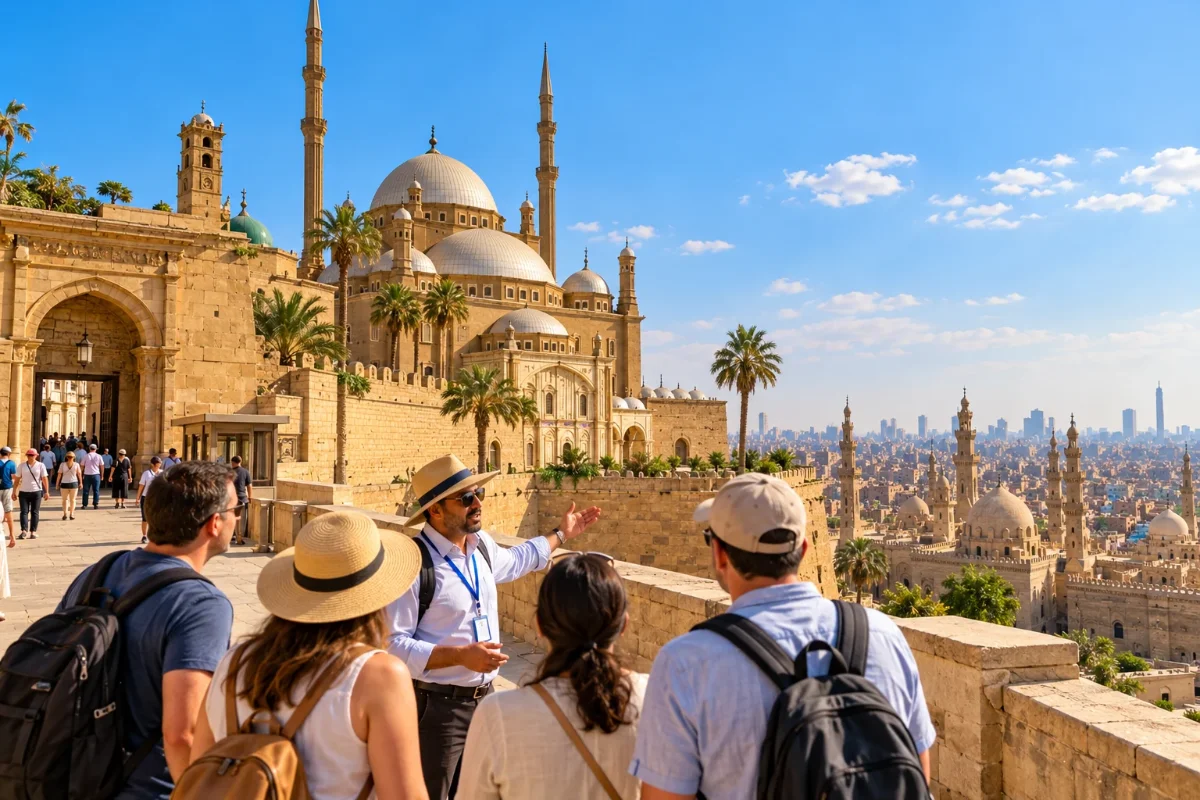
A guided Cairo Citadel tour is one of the easiest ways to understand the differences between its mosques, palaces, museums and fortifications. It also allows travelers to combine the fortress with surrounding Islamic Cairo attractions without spending unnecessary time arranging transport between them. A knowledgeable guide can explain stories and architectural details that are not always clearly presented on signs inside the complex.
What to See Near the Citadel
The Citadel stands on the edge of Islamic Cairo, one of the richest historic urban districts in the Middle East.
Immediately below the fortress stand the fourteenth-century Sultan Hassan Mosque and Al-Rifa'i Mosque.
A short drive north leads toward Al-Azhar Mosque, Al Muizz Street and Khan el-Khalili.
Nearby Al-Azhar Park provides an excellent late-afternoon viewpoint toward the Citadel.
Together, these attractions can form a complete day focused on medieval and Islamic Cairo.
Cairo Citadel Tours
Many Cairo day tours combine the Citadel with other major attractions and include transportation and an Egyptologist guide.
Cairo City Tour to the Egyptian Museum Citadel and Old Cairo From $50 combines the Egyptian Museum, Salah El Din Citadel, Coptic Cairo, Al Muizz Street and Khan el-Khalili.
Cairo Day Tour to El Muizz Street and Al Azhar Park From $45 explores historic Islamic Cairo before ending with time at Al-Azhar Park.
Enjoy a Half Day Pyramids Tour from Cairo From $45 covers the Giza Pyramids and Sphinx while leaving the second half of the day available for the Citadel.
Longer Trips From Cairo
For travelers with more time, the 6 Days Cairo and Alexandria Itinerary combines Cairo's major historical attractions with Alexandria on the Mediterranean.
The itinerary allows more time for Cairo's Islamic and Coptic landmarks while adding destinations such as the Qaitbay Citadel, Roman catacombs and Bibliotheca Alexandrina.
Travelers with a limited schedule can also fly south on the Day Trip to Abu Simbel from Cairo by Plane to see the temples of Ramses II and Nefertari before returning to Cairo.
The Cairo Citadel is worth the trip for anyone who wants to understand Cairo beyond the pyramids. In one visit, you can explore Saladin's fortress, Mamluk and Ottoman mosques, Muhammad Ali's grand Alabaster Mosque and museums covering Egypt's later history. Arrive early, take your time on the panoramic terrace and look across the minarets of Islamic Cairo, where centuries of the city's political, military and architectural history unfold below you.
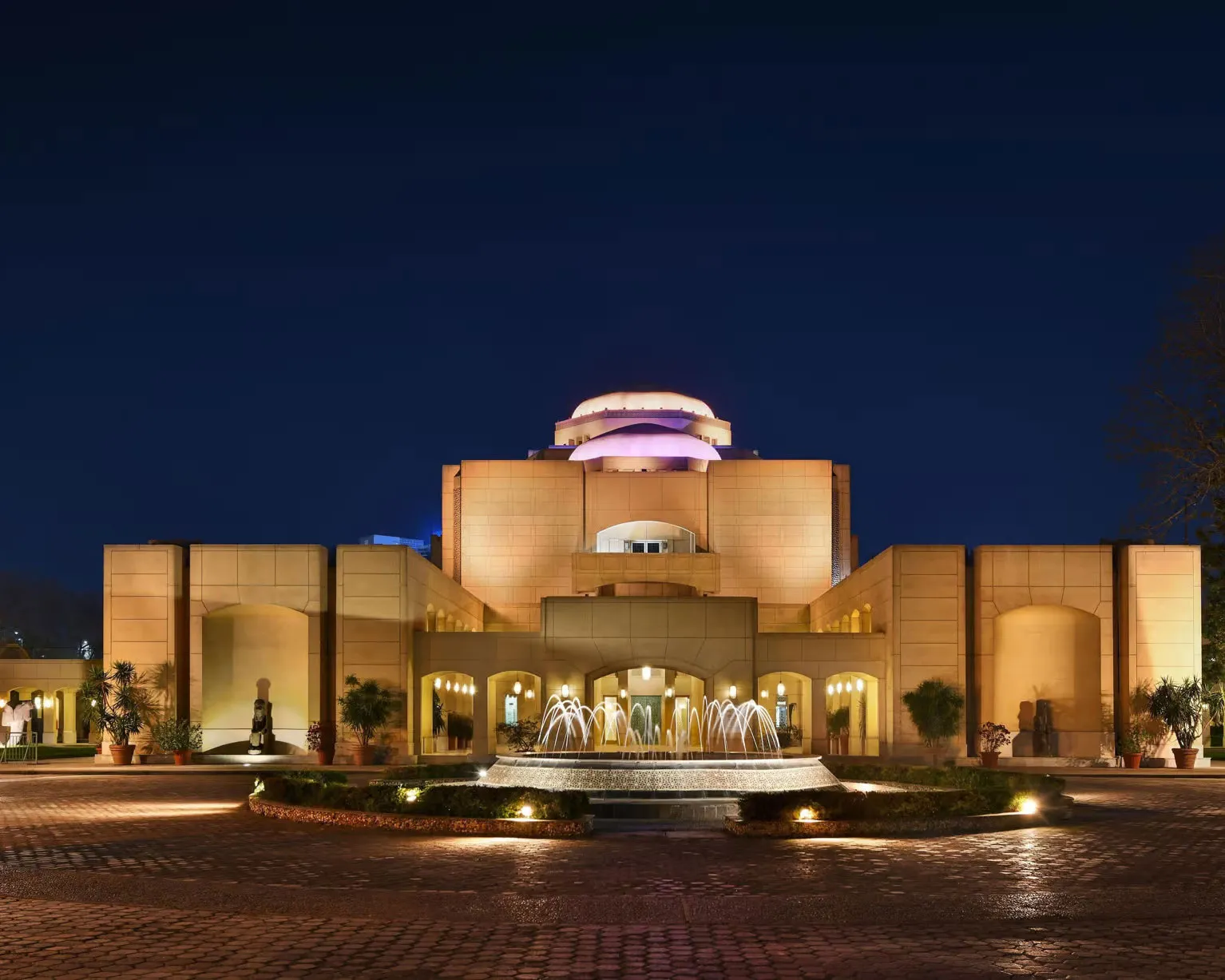
Cairo Opera House Tour
Discovering the Arts: Cairo Opera House Tour Experience the thrill and anticipation a...
- Duration 3 or 4 Hours
- Location Cairo Opera House
- Type Fun Tour
From$40/per person
View Tour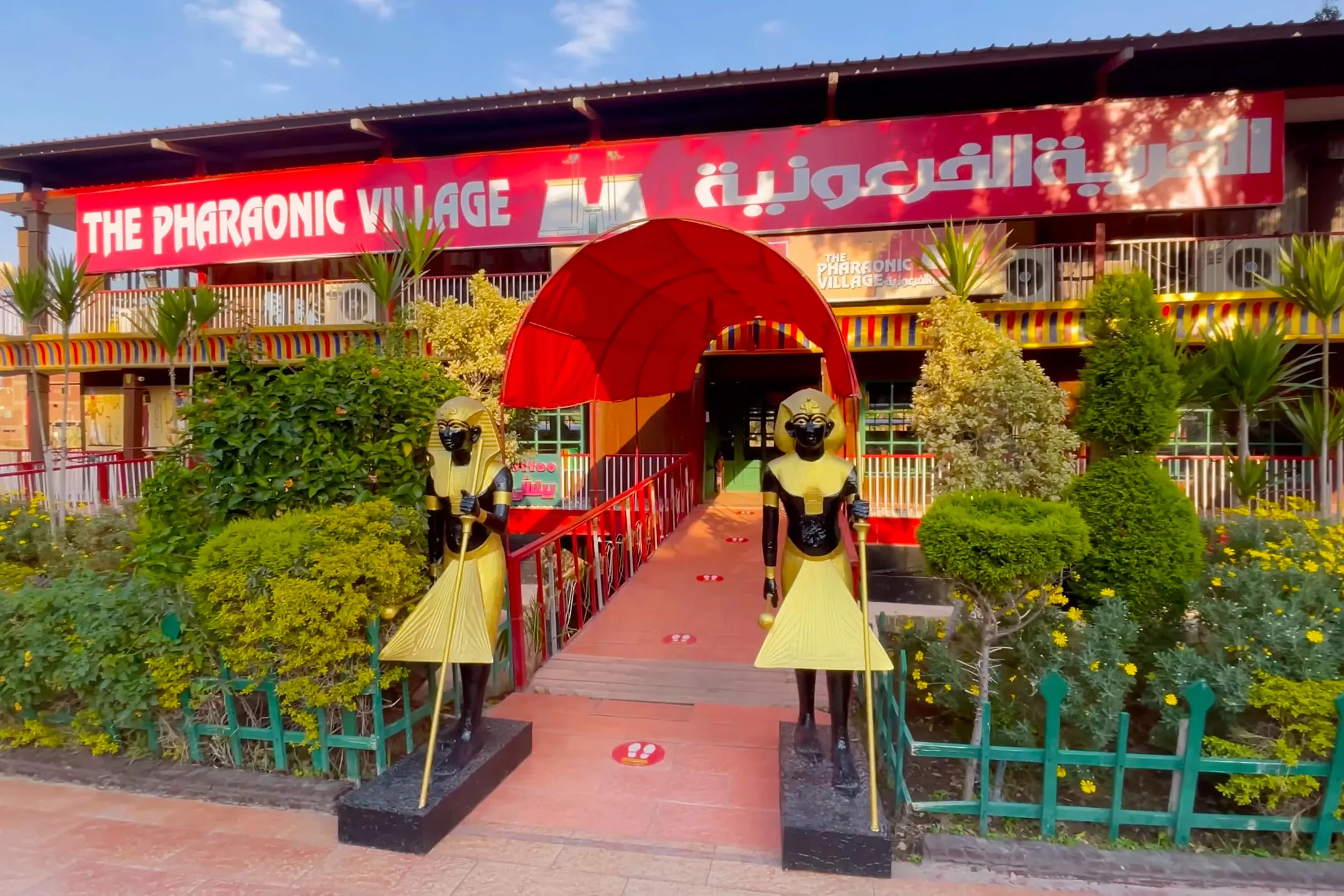
Half-Day Tour to Pharaonic Village from Cairo
Cairo Escape: Half-Day Tour to Pharaonic Village Experience the wonders of ancient Eg...
- Duration Half Day
- Location Cairo
- Type Fun Tour
From$40/per person
View Tour
Enjoy a Half Day Pyramids Tour from Cairo
Enjoy a Half Day Pyramids Tour Half-Day Pyramids tour from Cairo will shed light on t...
- Duration 1/2 Day
- Location Cairo
- Type Historical Tour
From$45/per person
View Tour
Overnight Trip to Mount Sinai & St. Catherine Monastery from Cairo
Sacred Night on Mount Sinai: Overnight Excursion from Cairo Join Trips In Egypt for a...
- Duration 2 Days / 1 Night
- Location Sinai
- Type Historical Tour
From$180/per person
View Tour