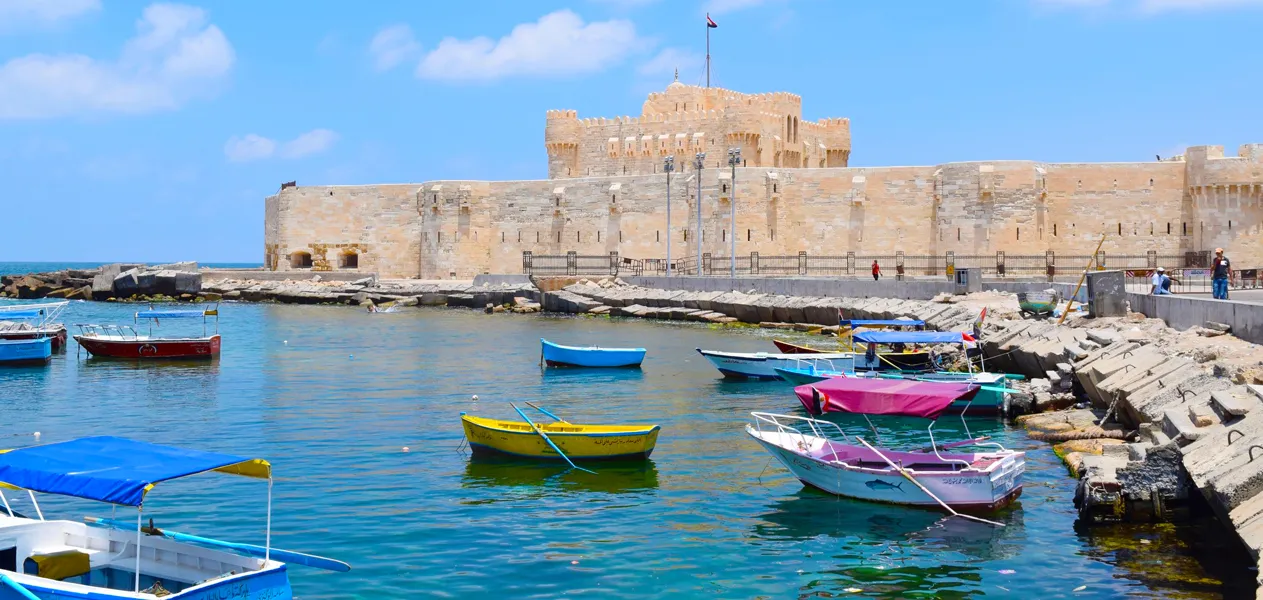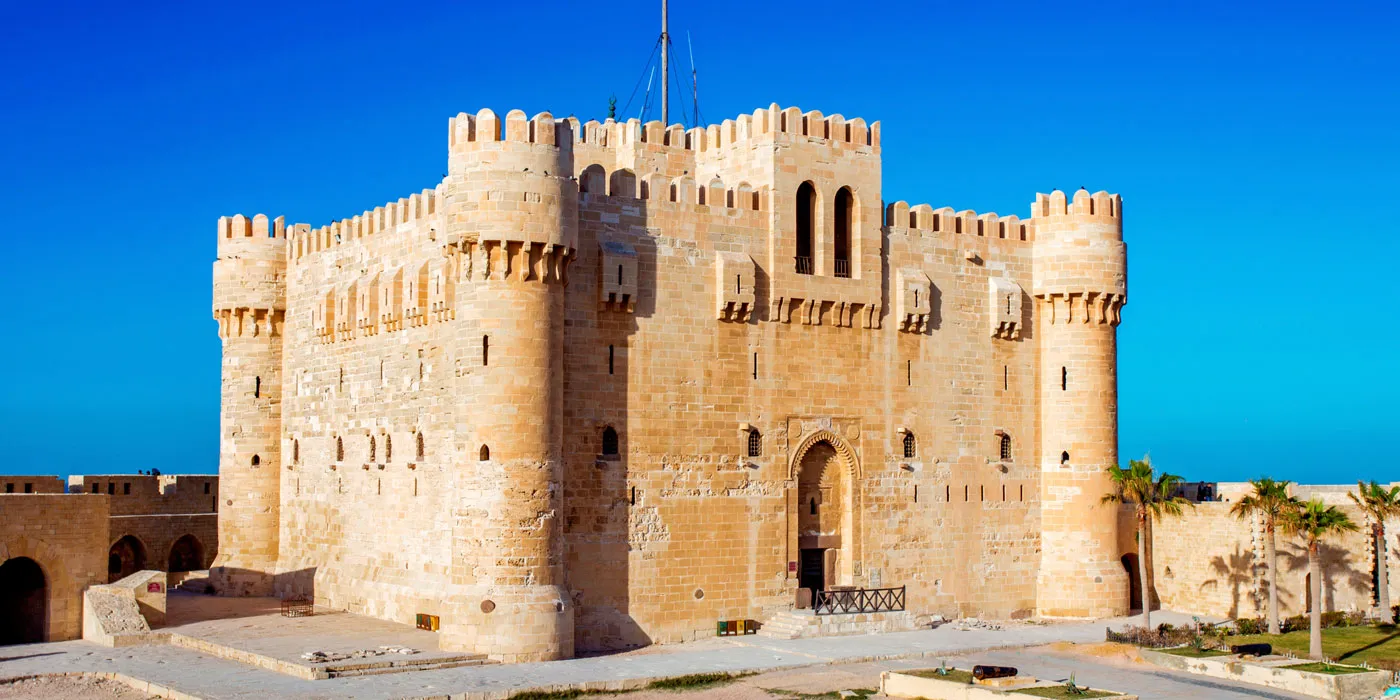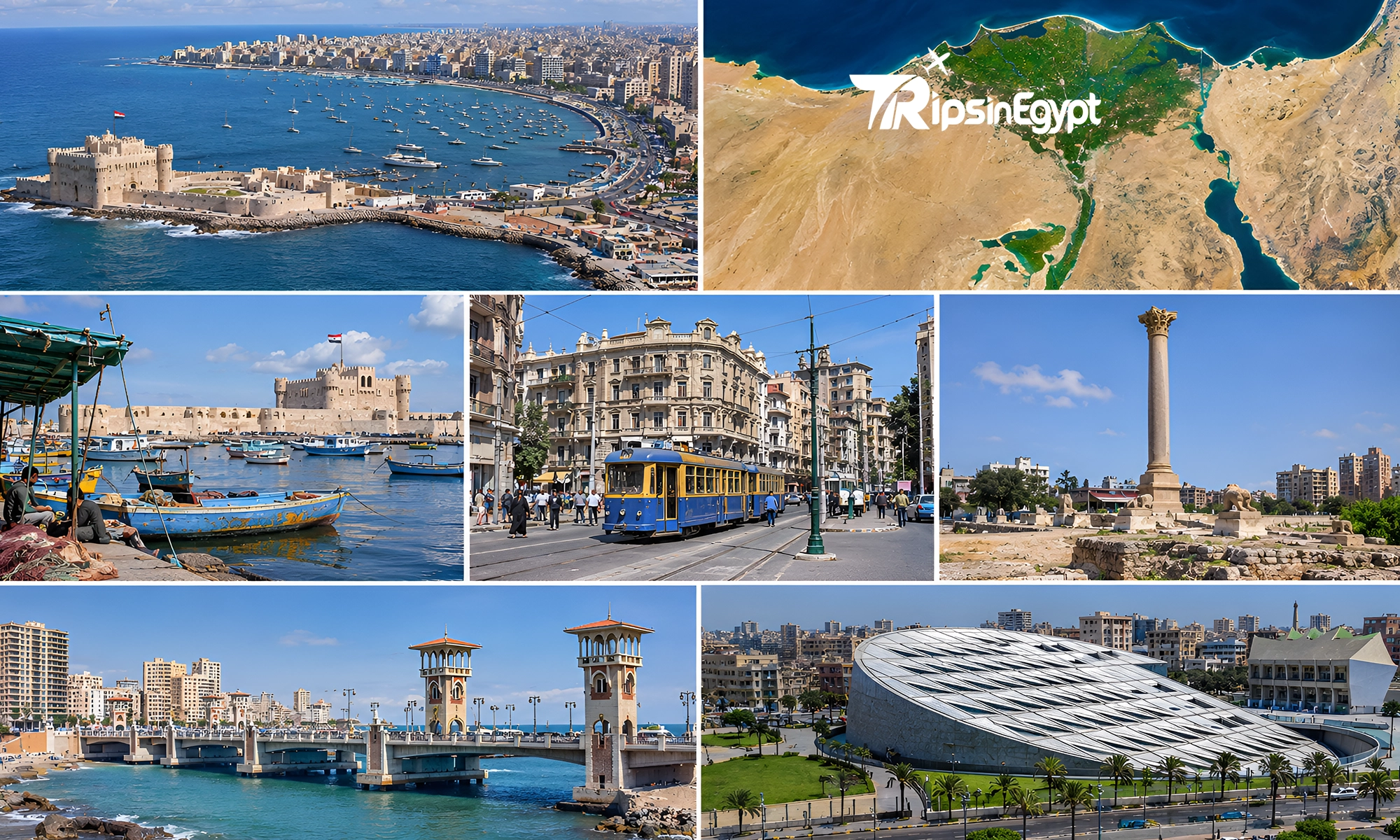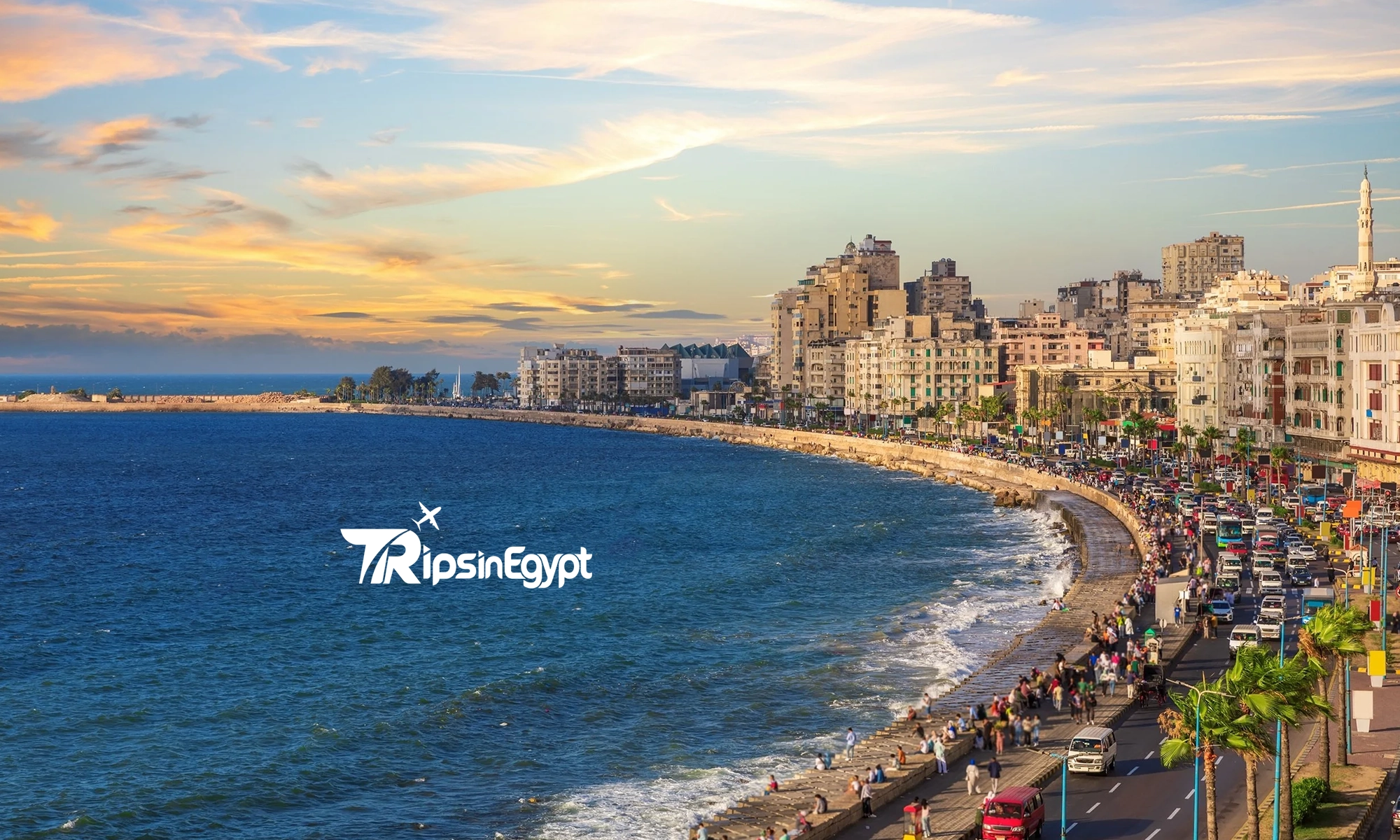




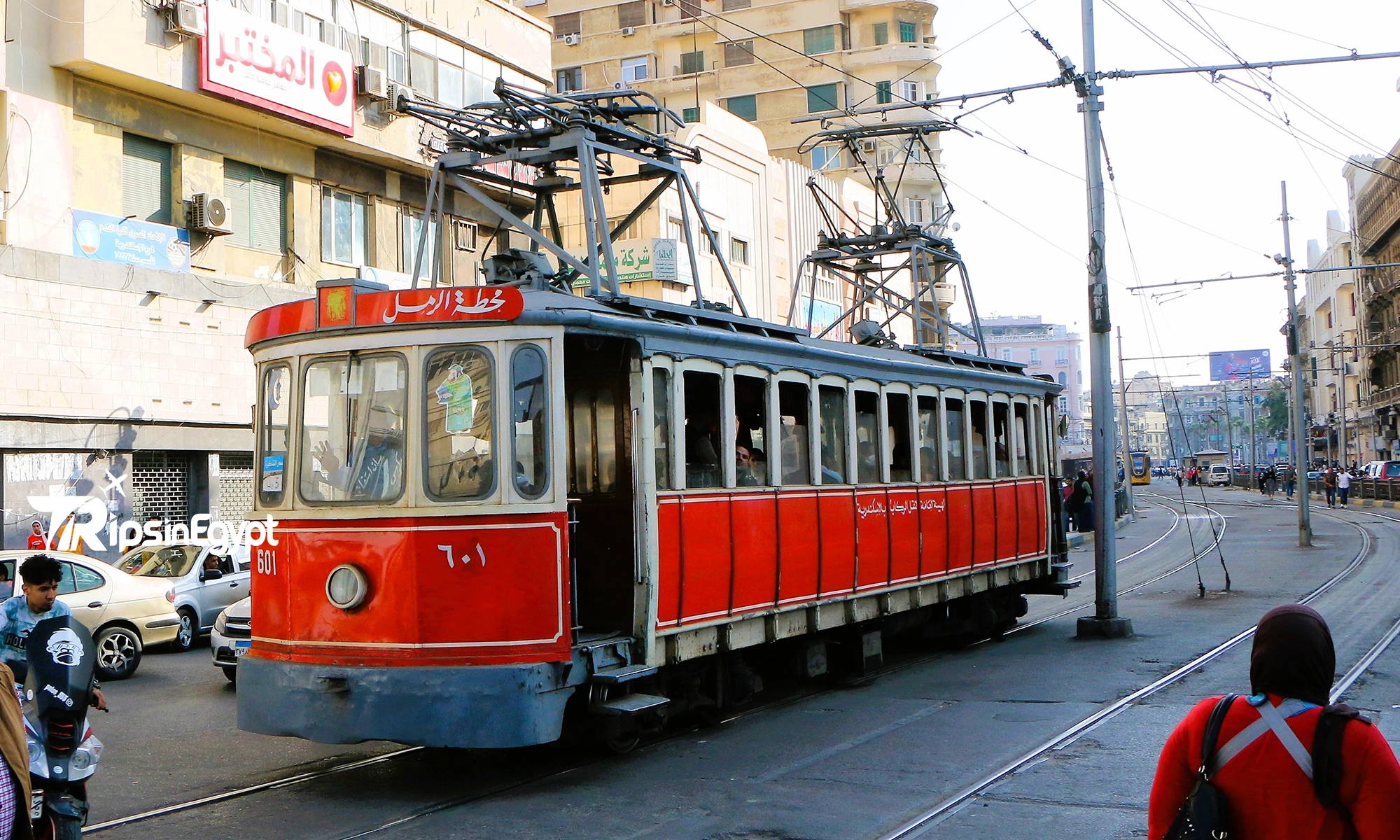
The Alexandria tram is more than a way to cross the city. For over 160 years, its blue and yellow cars have rattled through the streets of Alexandria, carrying students, fishermen, office workers and travelers past old villas, markets and sea views. With their wooden seats, open windows and clanging bells, the trams became as much a part of the city's identity as the Corniche or the Citadel of Qaitbay.
The system is now changing. Its most famous line, the Raml tram, has closed for a complete rebuild, while the yellow city tram still runs. This guide covers the history of the Alexandria tram, its two systems, its routes, how to ride it and how to get around the city during the works. Here are all things you need to know about the Alexandria tram:

A Short History of the Alexandria Tram
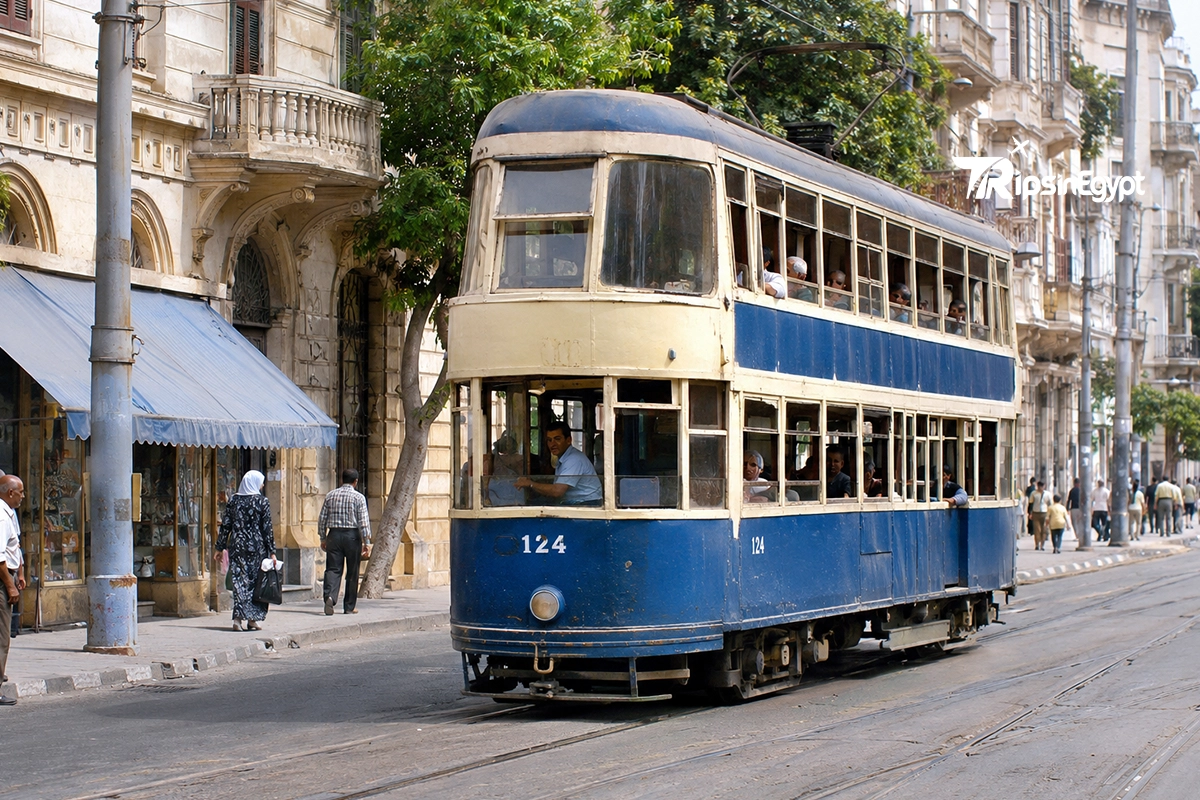
The story begins in August 1860, when the Khedivate granted a British businessman a license to build a railway from the edge of the city to the new seaside suburb of Raml, then a sandy area of gardens and villas. The company built the line in 1862, and the first service opened in 1863, making it the oldest tramway in Africa and one of the oldest in the world, and the first in Egypt.
The first cars were pulled by horses. A train of four carriages, with first, second and third classes, ran between the city station and the suburbs. Steam engines soon replaced the horses, and in 1902 the Raml line was electrified, giving it the overhead wires it kept until its final days.
In 1897, a second system, the yellow city tram, opened in the old center under a Belgian company, in the presence of Khedive Abbas II Hilmi. It spread through the downtown districts, the old harbor and the industrial areas of the west.
Over the following century, the tram fleet came from around the world. In 1968, Alexandria bought about 140 second-hand cars from Toronto, followed by 1960s Duewag cars bought second-hand from Copenhagen, and new cars from Japan's Kinki Sharyo and Hungary's Ganz-Mavag in the 1970s and 1980s. Some of the Japanese cars were double-deckers, and Alexandria became one of only two cities in the world, with Hong Kong, still running double-decker trams in regular service.
In 2017, a small tram museum opened at Raml Station, displaying old cars, tickets and photographs.
Two Trams, Two Colors: The Raml Tram and the City Tram
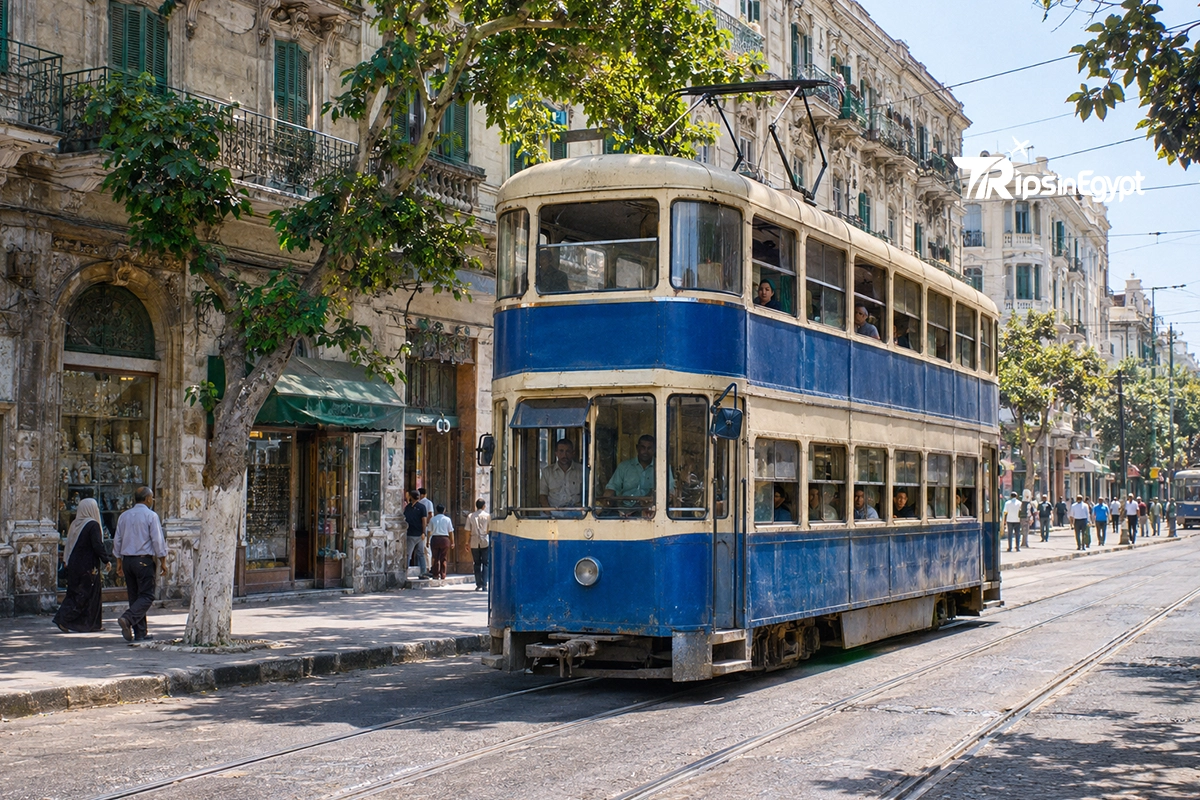
Alexandria's tram network is really two systems that meet at Raml Station in downtown.
The Raml tram (blue). The blue and cream cars of the Raml line ran east from Raml Station to Victoria, parallel to the Corniche but a few streets inland. It was the backbone of daily life in the eastern districts, carrying about 80,000 passengers a day through Shatby, Sporting, Sidi Gaber, Roushdy, San Stefano and Sidi Bishr. Its trains were long, slow and crowded, with an average speed of only about 11 km/h, but for many Alexandrians it was the most comfortable and cheapest way to travel.
The city tram (yellow). The yellow cars of the city tram serve the older and poorer districts of the center, the west and the south, such as Moharam Bek, Karmouz, El Max and Ras el-Tin. They run through narrow streets and busy markets, often sharing the road with cars and carts. Some routes, painted red and yellow, use both the Raml and city tracks.
Together, the two systems covered about 32 km of track and about 140 stops, on standard-gauge rails. The trams were never fast, but they gave the city a rhythm that many residents say no bus or metro can replace.
Alexandria Tram Routes and Main Stops
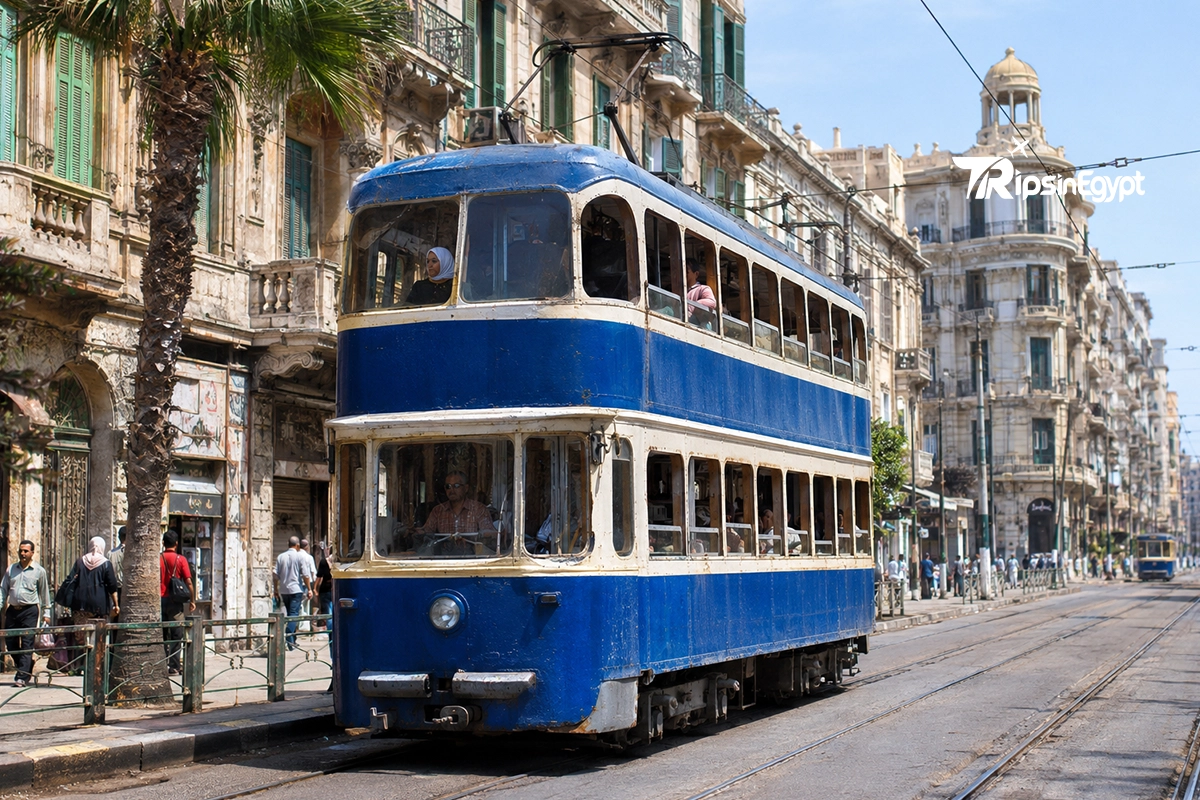
Each tram route has a number, shown on the front of the car. The table below lists the main routes that are most useful for travelers.
| Route | Line | Main stops | Useful for |
|---|---|---|---|
| 1 and 2 | Raml (blue) | Raml Station, Shatby, Sporting, Sidi Gaber, Victoria | Eastern districts, Sidi Gaber station |
| 25 | Red and yellow | Sidi Gaber to Ras el-Tin | Downtown and the old harbor |
| 36 | Red and yellow | San Stefano to Ras el-Tin | A long ride across the city |
| 6 and 21 | City (yellow) | Downtown to Ras el-Tin | Anfushi and the Citadel of Qaitbay |
| Various | City (yellow) | Downtown to Moharam Bek and Karmouz | Pompey's Pillar and the Catacombs |
| Various | City (yellow) | Downtown to El Max | The western fishing district |
For sightseeing. The trams to Ras el-Tin pass close to the Anfushi district, the Mosque of Abu al-Abbas al-Mursi and the Citadel of Qaitbay. The routes toward Karmouz bring you near Pompey's Pillar and the Catacombs of Kom el-Shoqafa, though you may need a short walk or taxi for the last stretch.
Shatby and the library. The Raml line stopped at Shatby, a short walk from the Bibliotheca Alexandrina. Until the new line opens, a taxi is the easiest way to reach it.
Routes and numbers change from time to time, and signs are mostly in Arabic, so ask a local or the conductor before you board.
The Raml Tram Rebuild: Closure and the New Metro-Tram
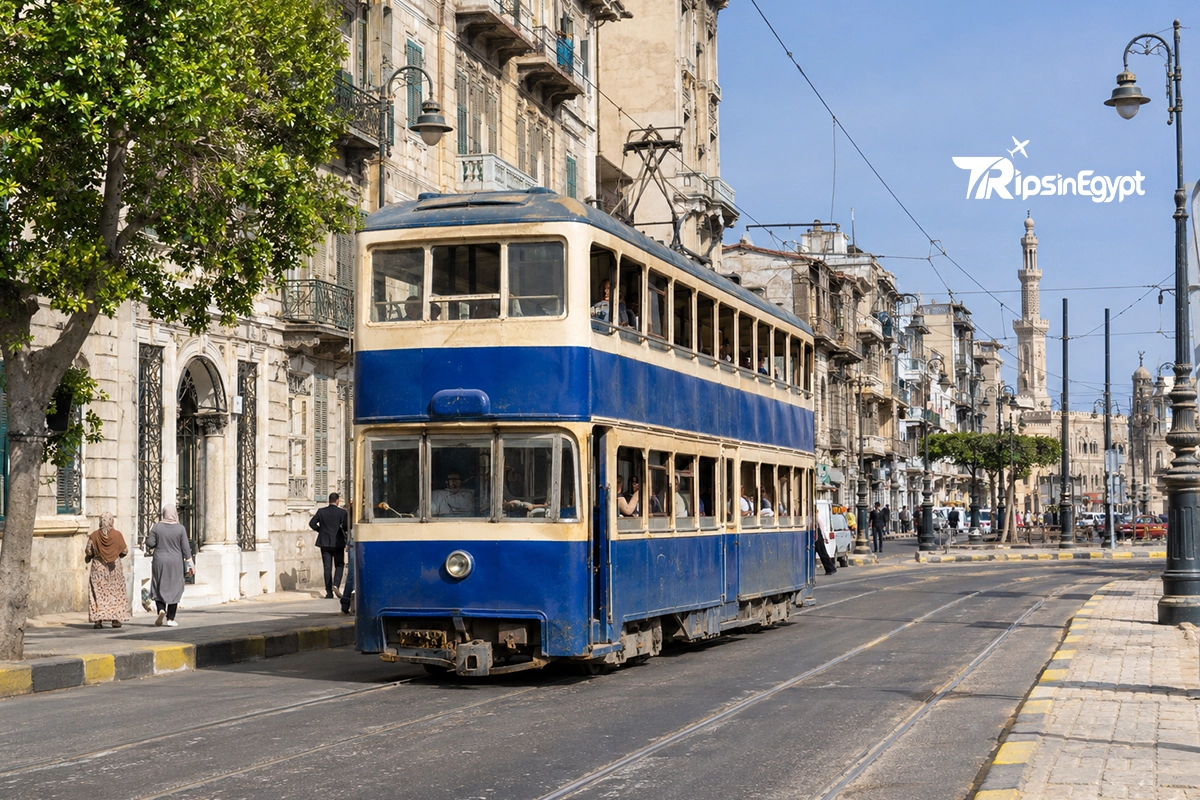
After more than 160 years, the Raml line closed for a complete reconstruction. Services were suspended in stages, starting with the section between Victoria and Mostafa Kamel, and the whole line stopped running in April. Since then, the old tracks, wires and stops have been removed.
The new line will be a modern light rail, or metro-tram, built by Egypt's National Authority for Tunnels with the Arab Contractors. According to official figures, it will run for about 13.2 km between Raml Station and Victoria, with 24 stations. About 5.7 km will be at street level, about 7.3 km on elevated viaducts and a short section underground.
The line will use 30 new trains from the South Korean company Hyundai Rotem, running at up to 70 km/h, with trains every 3 to 9 minutes. The journey from end to end should fall from about an hour to about 35 minutes. It will connect with the Cairo to Alexandria railway and the planned Alexandria metro at Sidi Gaber and Victoria. Funding comes partly from the European Investment Bank and the French development agency, and the full project is estimated at about €592 million.
The project has divided the city. Supporters say it will ease traffic and modernize transport, while many residents, architects and historians fear the loss of the old cars and the impact of elevated tracks on the streets. The government says the project does not erase the tram's history. Reopening is expected around the end of 2027, although large projects in Egypt often take longer than planned.
How to Ride the Alexandria Tram: Fares and Tips
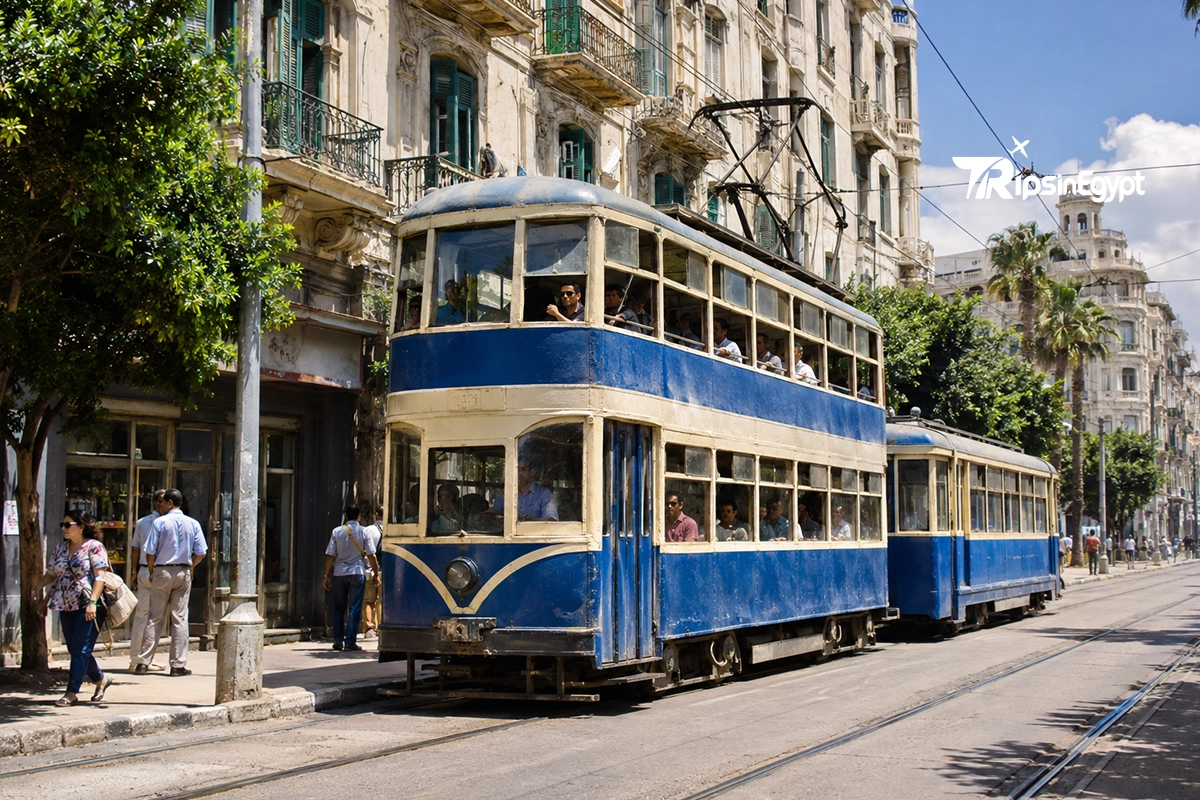
The yellow city tram still runs, and a short ride is one of the most memorable and cheapest experiences in Alexandria.
Fares. Tickets are very cheap, usually EGP 2 to 5, depending on the line and the car. Pay the conductor on board in cash, with small notes or coins.
Choosing a car. On some trains, cars with curtains or better seats cost slightly more than the standard cars. One car has traditionally been reserved for women, so check the sign on the side before you board. Our tips for traveling to Egypt as a solo woman cover public transport in more detail.
When to ride. Avoid the morning and afternoon rush hours, when the cars are packed. Mid-morning and early afternoon are quieter, and the light is good for photos through the open windows.
Be patient. The trams are slow and stop often, so use them for the experience rather than to save time. Keep your phone and wallet in a front pocket on busy cars, and follow the local rules on dress and behavior in our do's and don'ts in Egypt.
Photography. Photos of the trams and the streets are usually fine, but ask before photographing passengers, especially women.
Getting Around Alexandria While the Raml Tram Is Closed
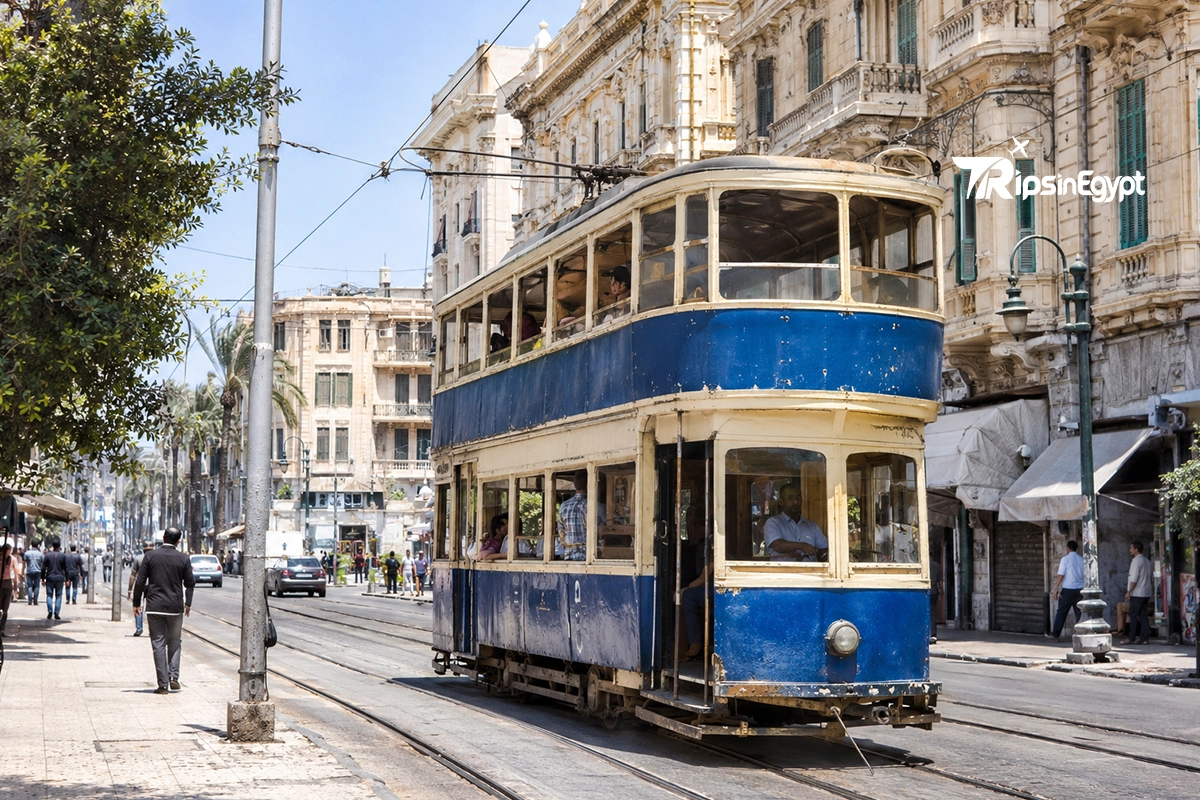
While the Raml line is rebuilt, Alexandria relies on other ways to move along its long, narrow shape.
Replacement buses. The authorities have put about 200 vehicles on three main corridors along the old Raml route, with buses every 3 to 5 minutes at peak times. They are cheap but crowded, and signs are mostly in Arabic.
Taxis and ride-hailing apps. For travelers, taxis and apps such as Uber are the easiest option. A ride from downtown to Montaza or Stanley usually takes 20 to 45 minutes, depending on traffic on the Corniche.
Trains. Trains from Cairo arrive at Sidi Gaber and Misr Station, both close to the old tram lines, as explained in our guide to trains in Egypt.
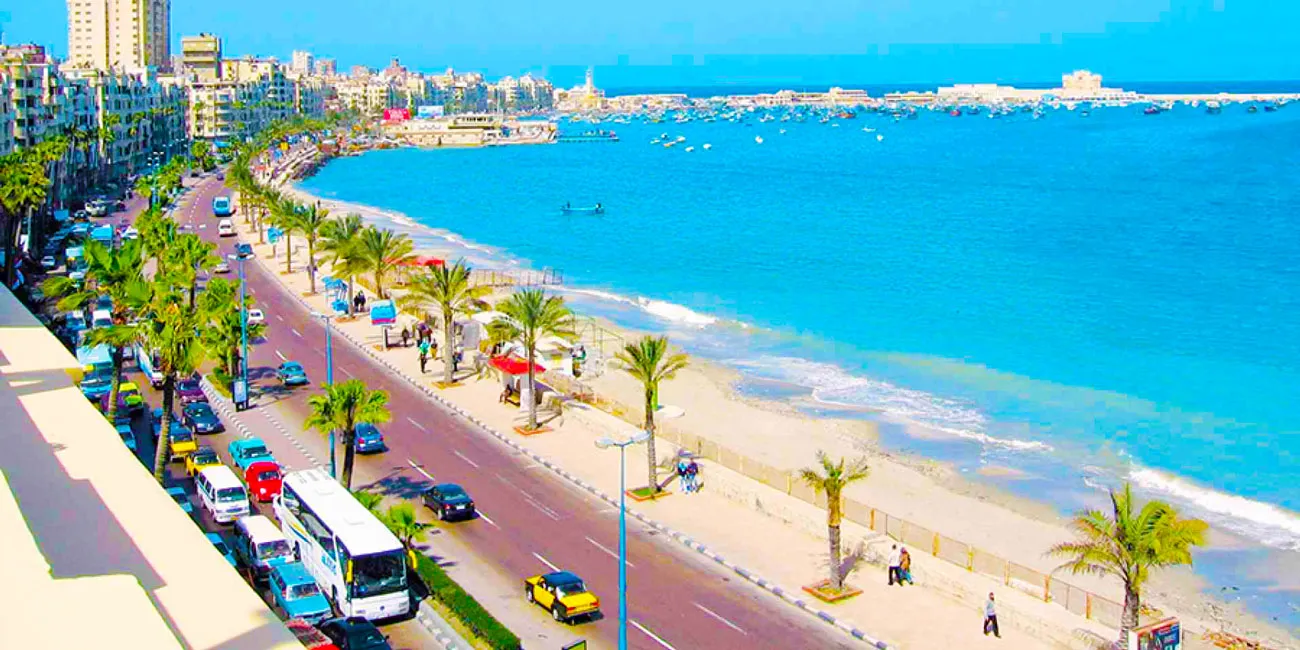
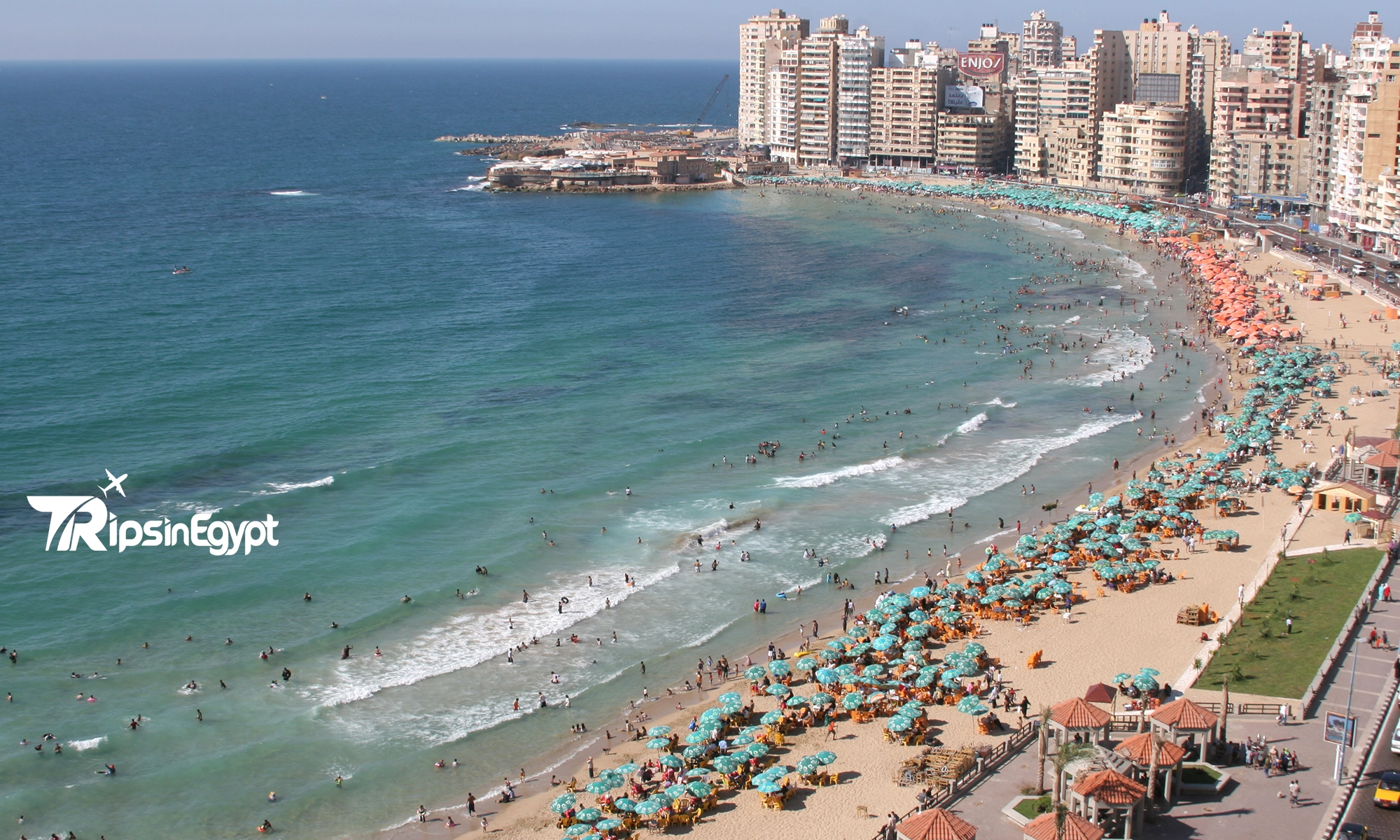
Walking. Downtown, the Eastern Harbour and the old districts are best explored on foot, and the Corniche makes a beautiful walk at sunset.
For more planning help, see our Alexandria travel guide, the best things to do in Alexandria, our list of Alexandria tourist attractions and how to spend a night in Alexandria. To budget your trip, read how much it costs to travel to Egypt.
Ride Through Alexandria's Story With Trips In Egypt
The old blue trams may be gone for now, but a ride on a yellow car through the streets of Raml and Anfushi still carries the sound and spirit of an older, golden Alexandria. Our local guides help you combine the city's history, its transport and its landmarks in one easy day, with a private driver for the longer distances. Join our day tour to Alexandria from Cairo, our Alexandria city tour from Alexandria Port or our 4-day Cairo and Alexandria holiday, Book one of our majestic Egypt tours or design your own route with our tailor-made tours.

5 Days Cairo And Hurghada Trip
Amazing 4 Nights Cairo and Hurghada Trip Itinerary 5 Days Cairo and Hurghada trip wil...
- Duration 5 Days / 4 Nights
- Location Cairo & Hurghada
- Type Historical & Recreational Tour
From$690/per person
View Tour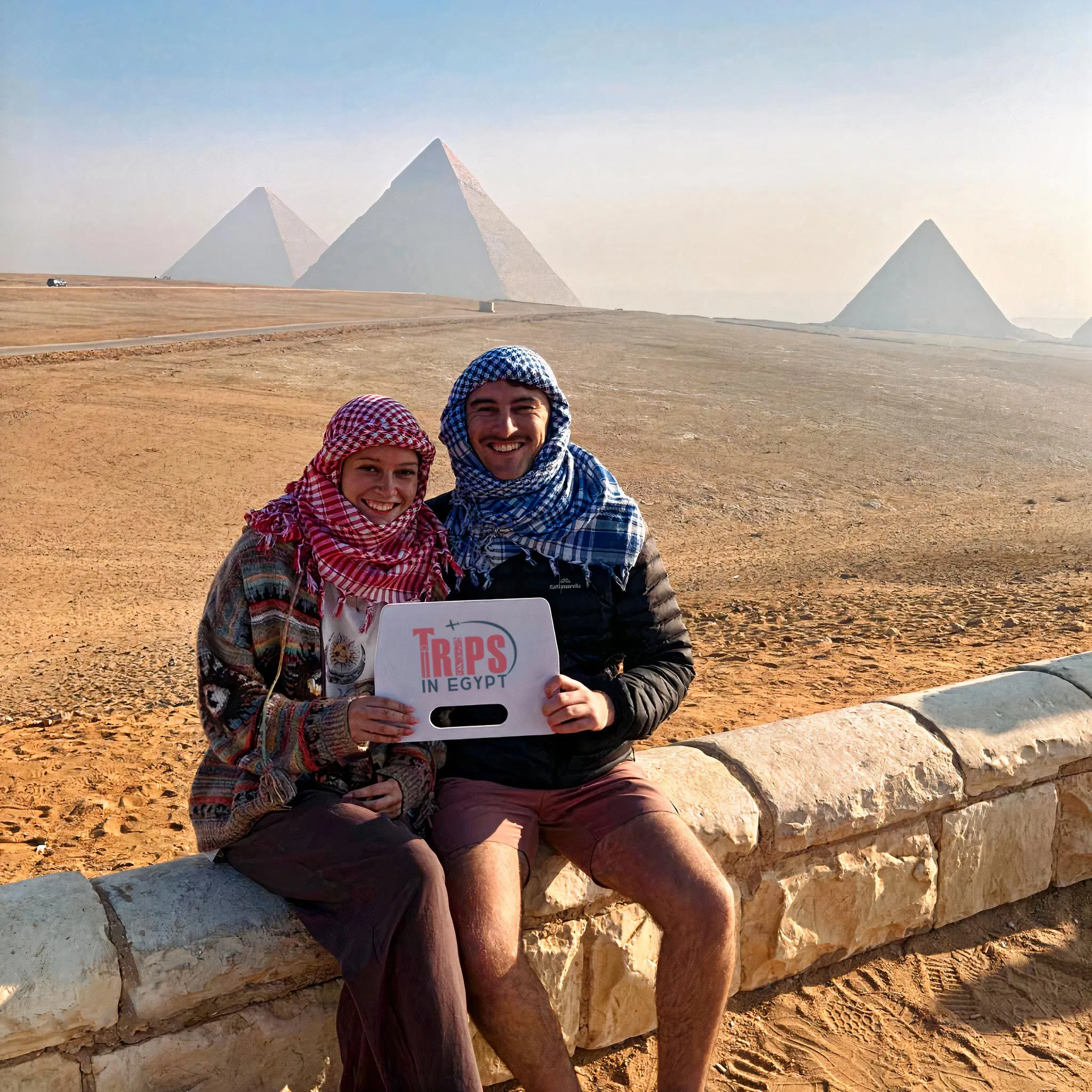
6 Days Cairo, Alexandria & Faiyum Tour
Unforgettable Cairo, Alexandria & Faiyum Adventure in Six Days 6 Days Cairo, Alex...
- Duration 6 Days / 5 Nights
- Location Cairo - Alexandria - Fayum
- Type Historical Tour
From$720/per person
View Tour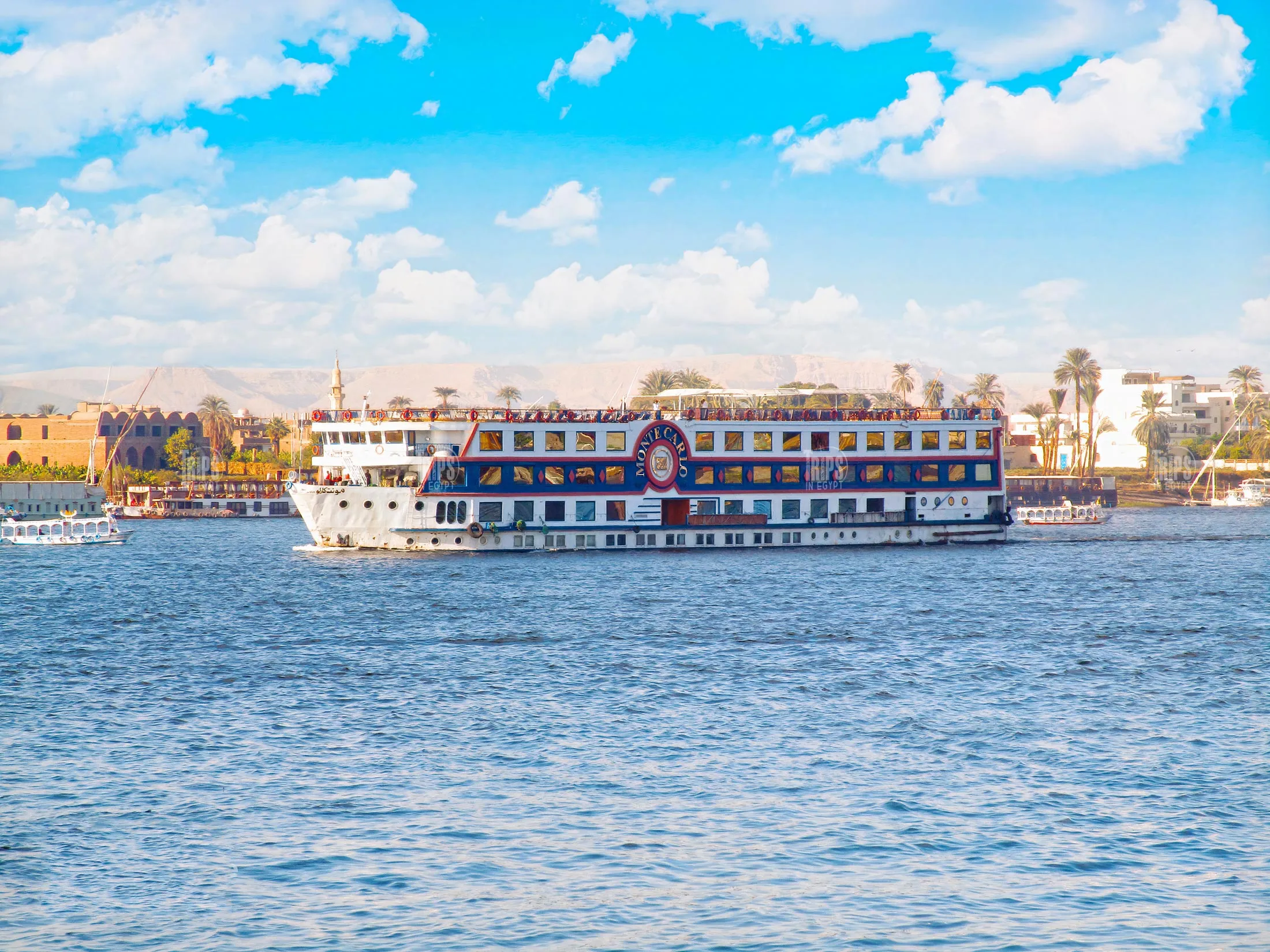
10 Days Cairo, Faiyum & Nile Cruise Holiday
Breathtaking 10 Days Journey of A Lifetime in Egypt 10 Days Cairo, Faiyum & Nile...
- Duration 10 Days / 9 Nights
- Location Cairo, Luxor, Aswan & Faiyum
- Type Classic Tour
From$1350/per person
View Tour SOLD OUT
Ultimate 7-Day Egypt Solar Eclipse Experience with Hurghada 2027
Enjoy a 7-Day Egypt Solar Eclipse Tour with Hurghada 2027 6 Nights Egypt Solar Ecli...
- Duration 7 Days / 6 Nights
- Location Cairo / Giza / Luxor / Hurghada
- Type Astronomical Tour
Sold Out
View Details