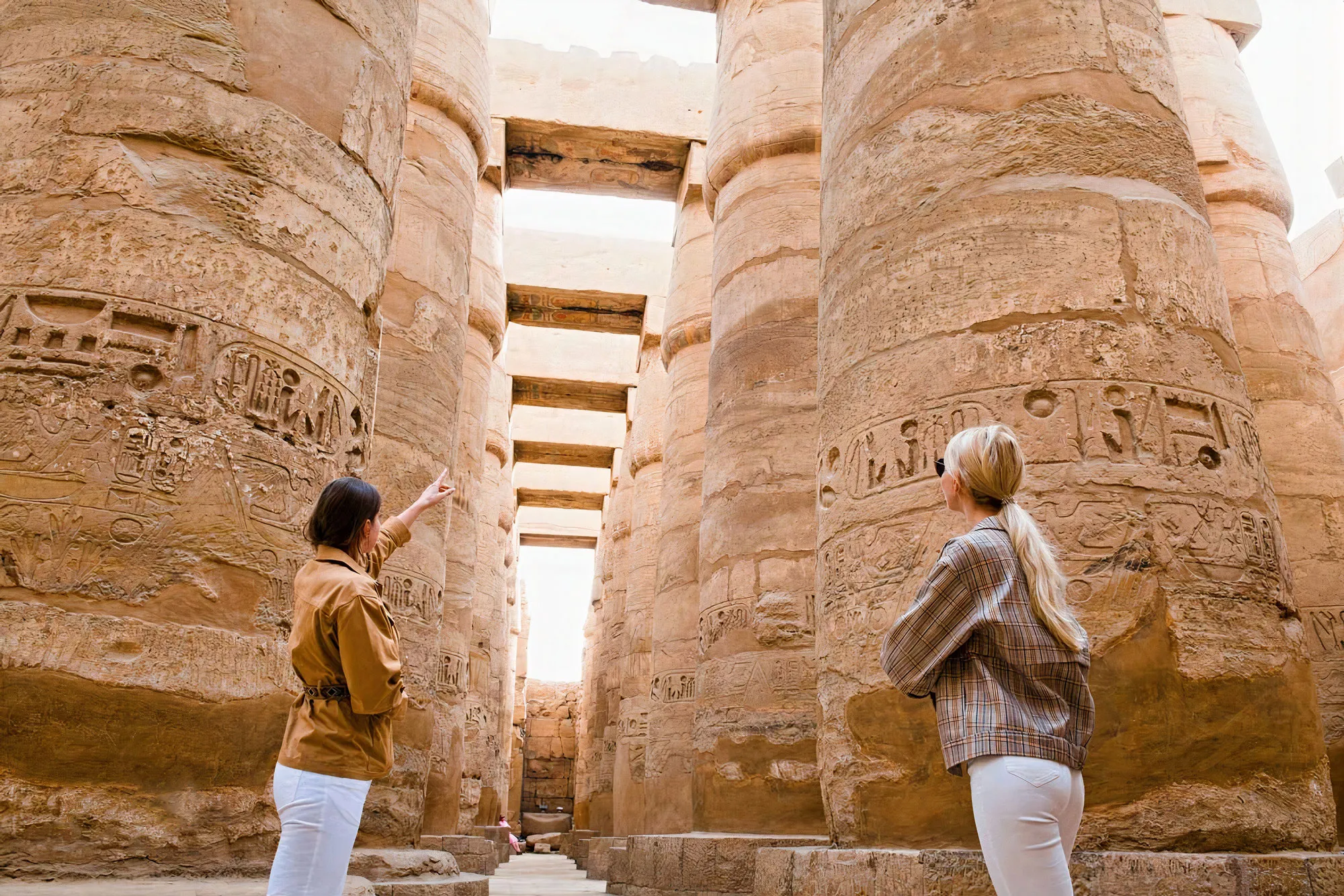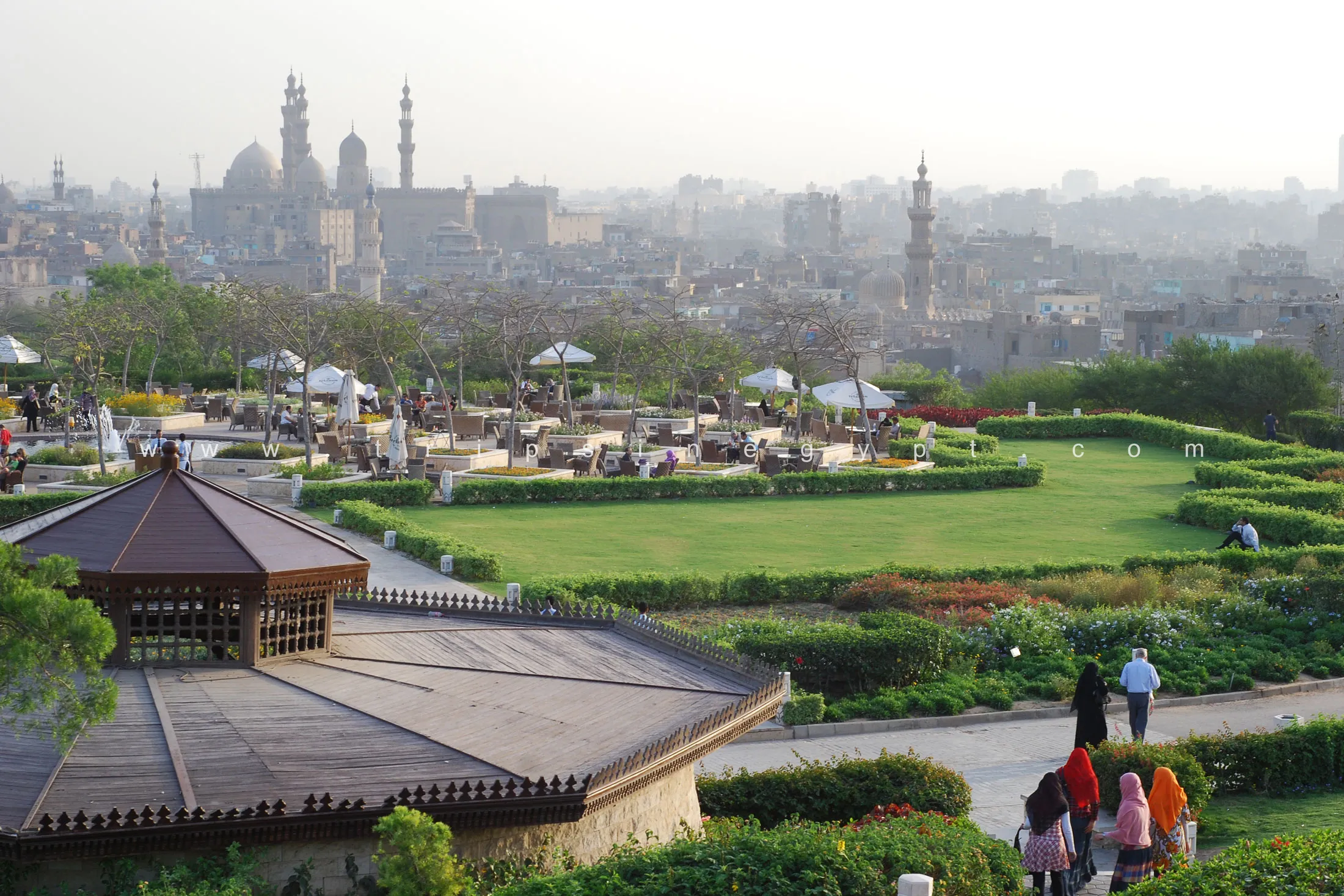




Egypt rewards travelers who arrive knowing a few local rules. Greet people with a warm "salam alaykum," dress a little more modestly than you would at home, carry small notes for tips, and the famous Egyptian welcome grows warmer still. This guide covers the essential dos and don'ts in Egypt: safety, jewelry, tipping, what is considered rude, what you are not allowed to do, Cairo street etiquette, holidays and packing.

How Safe Is Egypt for Traveling?
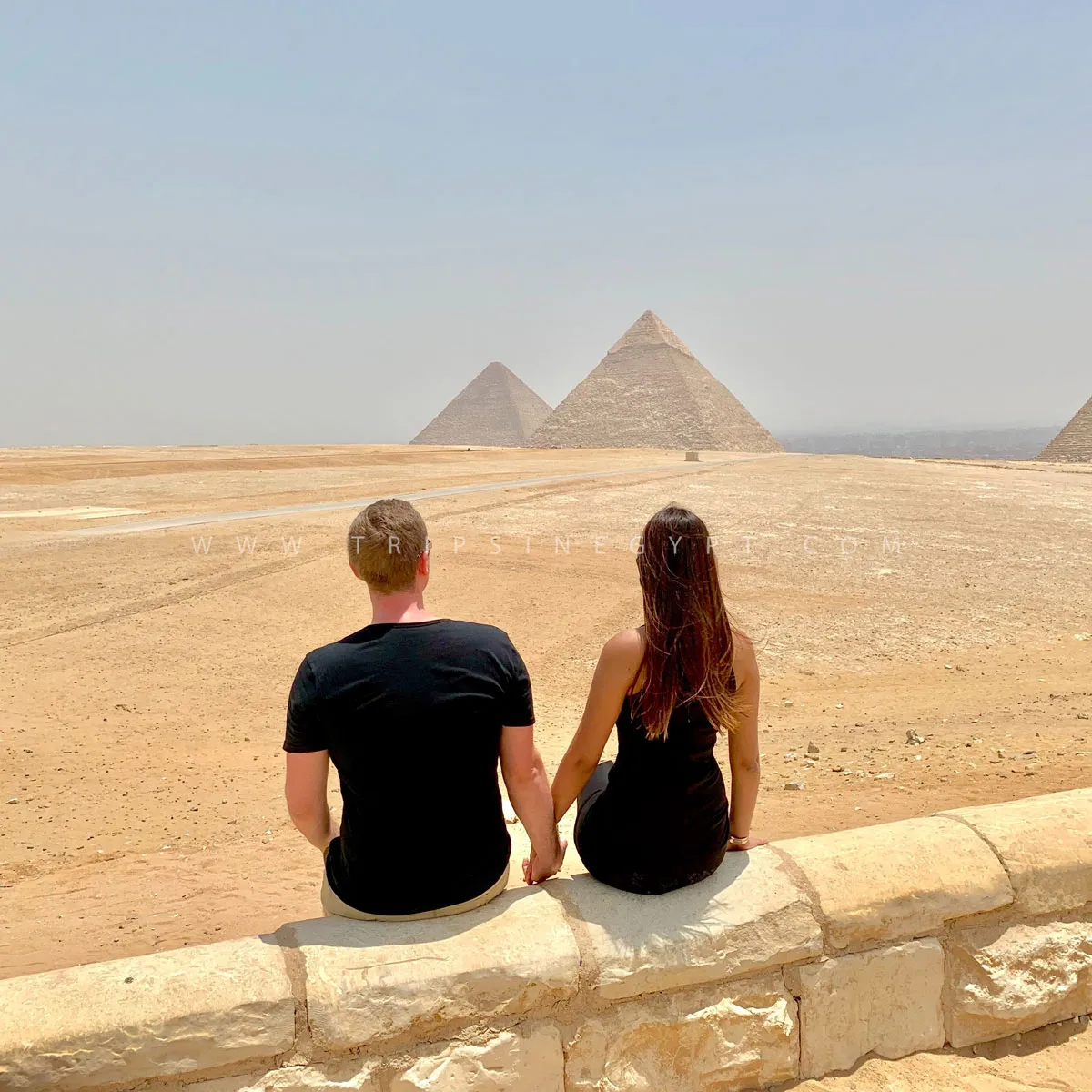
Millions of visitors arrive every year, and the great majority leave without any trouble. Our full guide explains why Egypt is a beautiful and safe country for travelers who use the same common sense they would anywhere else.
Global surveys back this up. In a survey the BBC posted on its official site in 2018, Egypt was placed ahead of both the UK and the US for how safe people felt. Rankings like this shift from year to year, so treat it as context rather than a guarantee.
-
Violent crime against tourists is rare, but petty theft and overcharging do happen in crowded places, so stay aware.
-
Egyptians are quick to help a lost or worried visitor, and Tourist Police officers are posted at major sites, stations and hotels.
-
Save the key emergency numbers: 122 for police, 123 for an ambulance, 180 for the fire service and 126 for the Tourist Police.
-
Keep a photo of your passport and visa on your phone, and the original in your hotel safe.
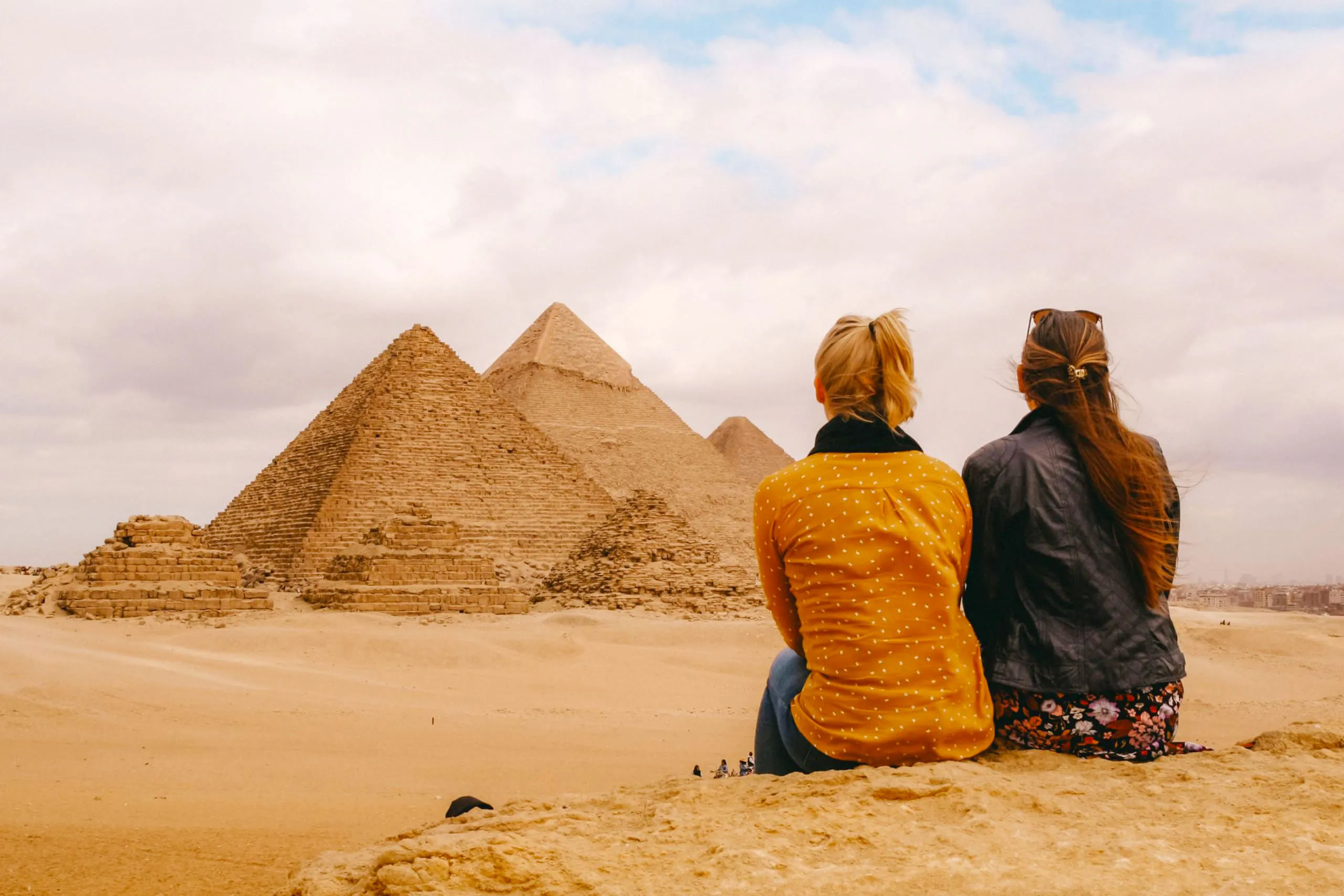
Women travel safely across Egypt, and respecting local dress customs helps avoid unwanted attention. Our list of tips on what not to do as a woman in Egypt covers clothing, taxis and how to handle street comments.
If you are traveling alone, joining a small group is the easiest way to see the country with company and support. We run an itinerary specifically designed for single travelers that covers Cairo, Luxor, Aswan and Hurghada.
Is It Safe to Wear Jewelry in Egypt?
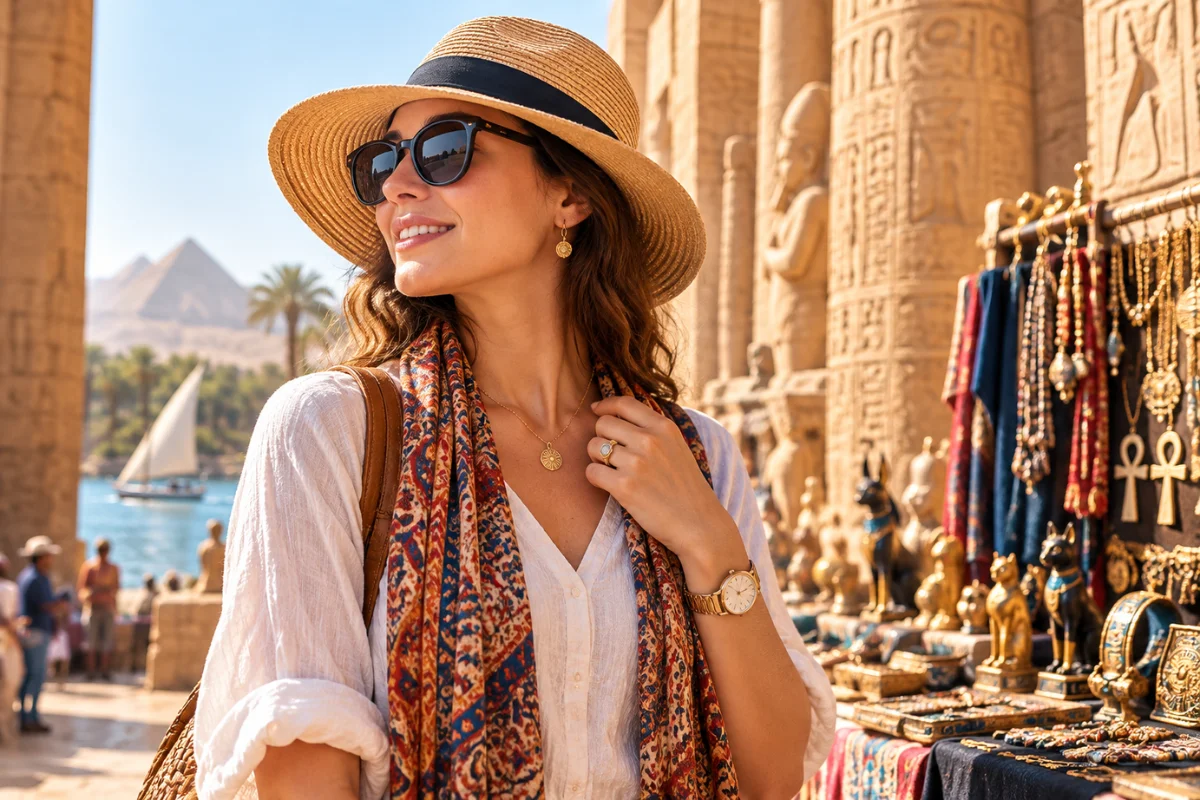
Yes, wearing everyday jewelry in Egypt is generally safe. Wedding rings, small earrings, a simple watch and religious pendants such as a cross attract no special attention. The risk comes from flashy pieces in packed places, where a pickpocket or a dropped earring is more likely than any confrontation.
-
Leave expensive watches, diamonds and heirloom pieces in the hotel safe.
-
Keep necklaces tucked in and bags zipped in busy markets, on the metro and in queues at major sites.
-
Take rings and bracelets off before snorkeling or diving in the Red Sea, where cold water and fins easily slip them off.
-
If you buy gold or silver in Egypt, ask for a receipt that states the weight and the karat or hallmark.
Egyptian Culture & Society

Egyptian society mixes ancient roots, Islamic and Coptic Christian faith, and a modern, fast-moving city life. Learning a few Egyptian customs before you go makes every encounter easier, from a taxi ride to a dinner invitation.
Family Values
Family is the center of Egyptian life. Extended families often live close together, decisions are shared, and kinship shapes friendships, business and even where people choose to live. Expect questions about your own family; they are a sign of friendliness, not prying.
Social Class
Wealth, education and family background shape social standing in Egypt, and the gap between upscale districts and working-class neighborhoods is easy to see in Cairo. Hospitality, however, crosses every class, and you may be offered tea by a shopkeeper as readily as by a hotel manager.
Basic Etiquette
-
Leaving a little food on your plate tells your host you have had enough; an empty plate is often refilled.
-
Many local restaurants do not serve alcohol, although hotels, Nile cruises and licensed restaurants in tourist areas do.
-
Gifts are often set aside rather than opened in front of the giver.
-
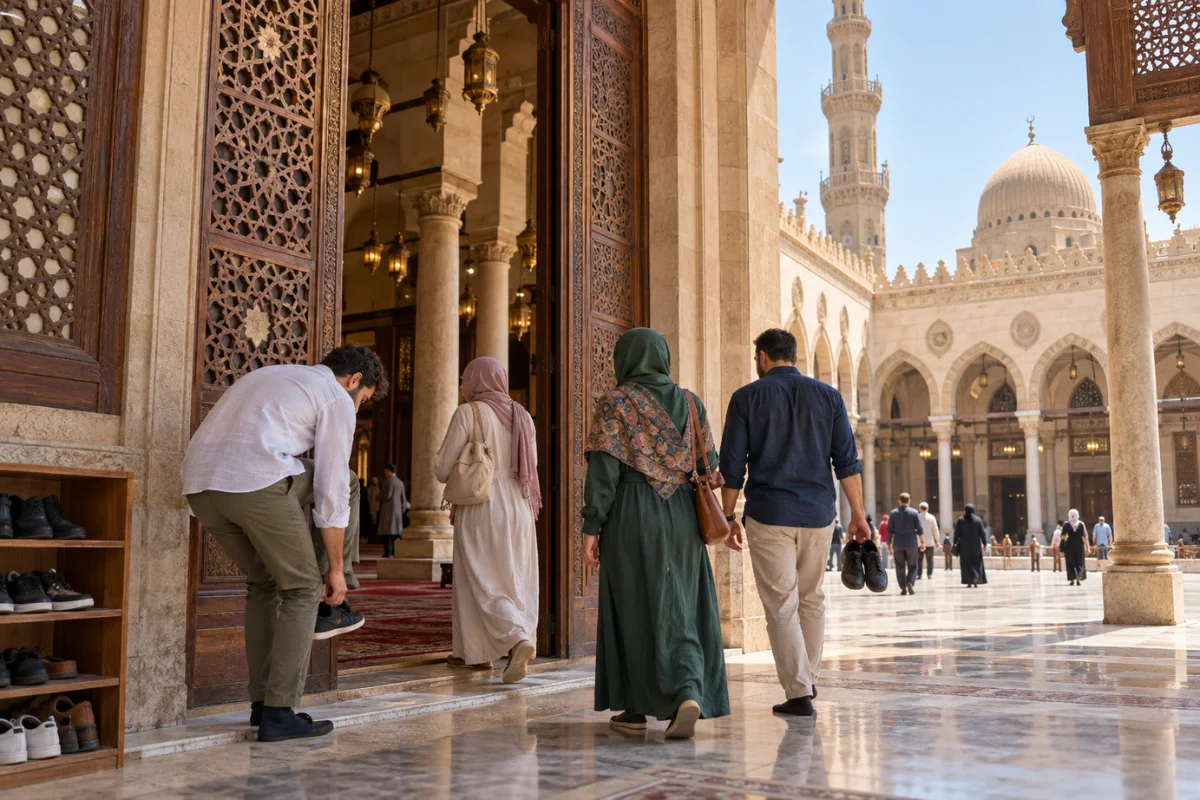
Take your shoes off when entering a home if your hosts do, and always before entering a mosque.
-
Good gifts for a host include sweets, chocolate, pastries or flowers. Avoid alcohol unless you know the family drinks.
-
In towns and at religious sites, choose skirts or trousers that cover the knees and tops that cover the shoulders.
What Is Considered Rude in Egypt?
Most rudeness in Egypt comes from small gestures rather than big mistakes. Egyptians are forgiving with visitors, but avoiding these habits earns quick respect.
-
Eating, passing food or handing over money with the left hand.
-
Showing the soles of your shoes, for example by crossing your legs toward someone or resting your feet on a table.
-
Kissing or hugging in public, or dressing for the beach in a city street.
-
Refusing tea or food abruptly. A polite "la, shukran" — no, thank you — with a smile works better.
-
Photographing people, especially women and children, without asking first.
-
Criticizing religion or making jokes about it, and raising your voice in an argument over prices.
-
Eating, drinking or smoking in the street during daylight hours in Ramadan.
What to Do in Egypt
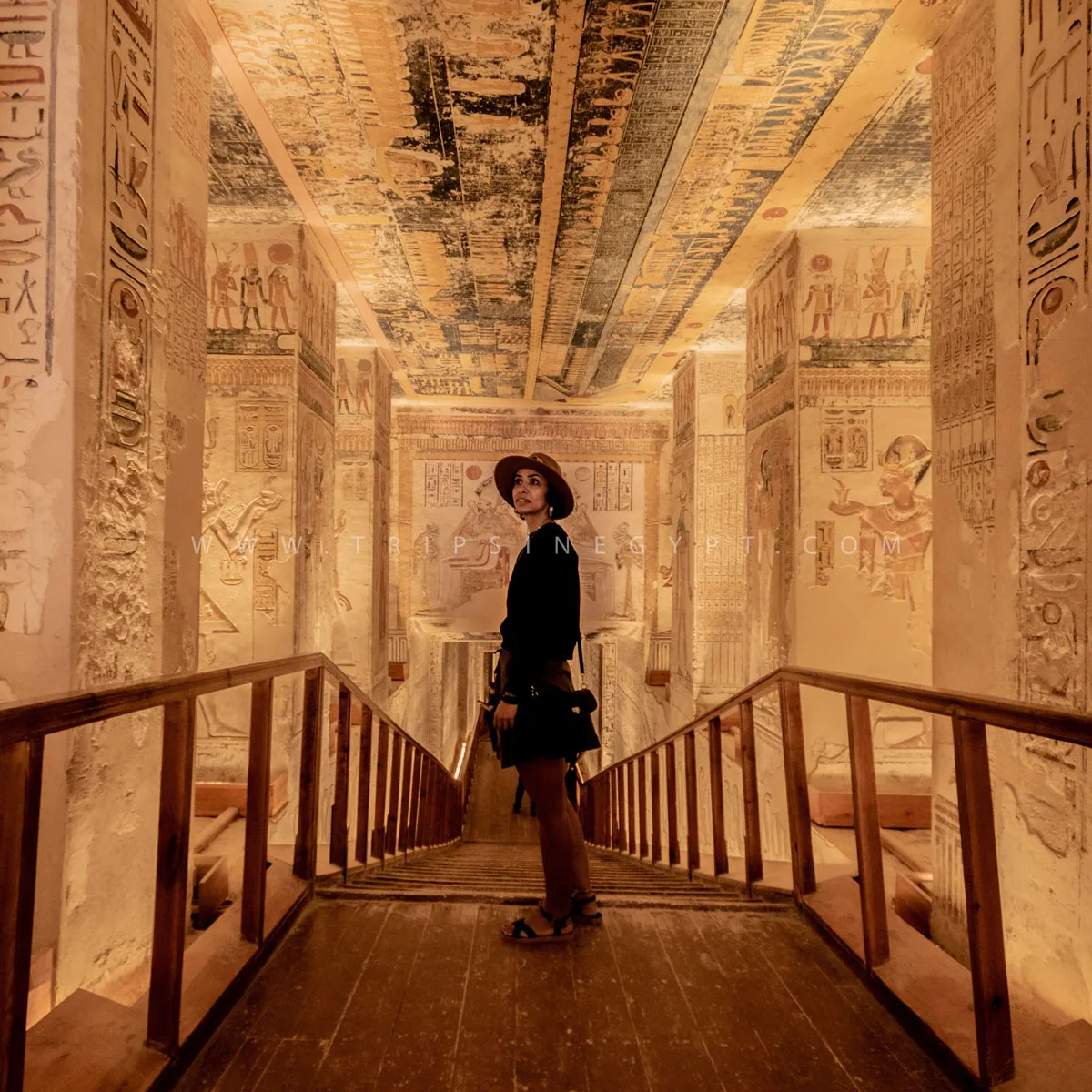
These dos will help you enjoy Egypt more and spend less time worrying about getting things wrong.
-
Learn basic Arabic phrases. A few words of Egyptian Arabic open doors and often earn a better price.
|
English |
Egyptian Arabic |
|
Hi |
Salamo Alaikum |
|
Good morning |
Sabah El-Khair |
|
Thank you |
Shukran |
|
Please |
Min fadlak / Law samaht |
|
Very good |
Helw awi |
|
Cool |
Eshta |
|
How much is this? |
Bekam da? |
|
No / Yes |
La / Aywa |
-
Try local dishes. Order koshary, ta'meya (Egyptian falafel), hawawshi, mahshi, molokhia, kofta, feteer meshaltet, stuffed pigeon (hamam mahshi), om ali and roz bel laban. Our guide to Egyptian dishes explains what each one is and where to try it.
-
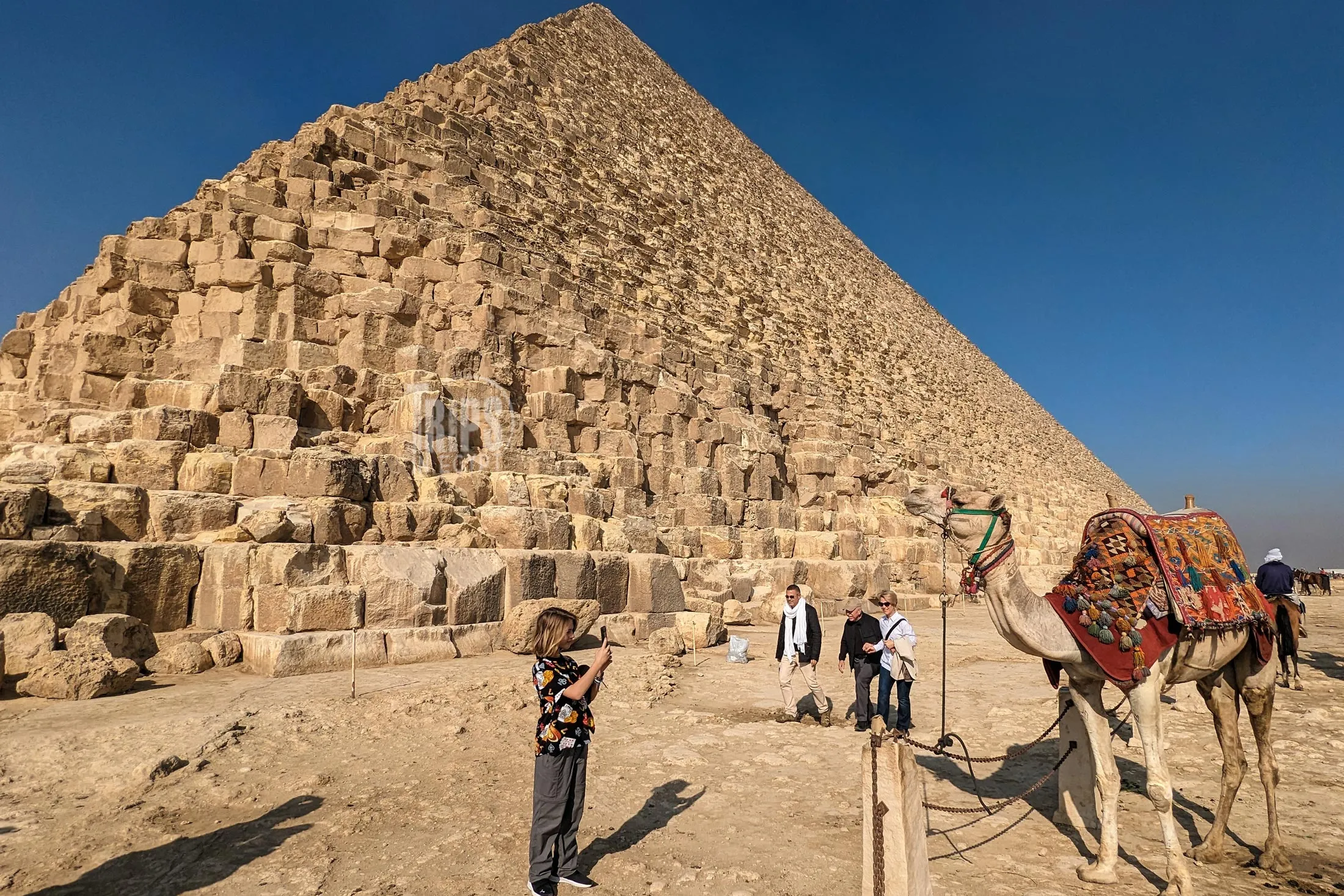
Visit the Pyramids of Giza. No first trip is complete without them. Plan your visit with our guide to the Pyramids of Giza and arrive at opening time to beat the heat and the crowds.
-
Stay somewhere central. Downtown and Zamalek put you close to museums and restaurants. Many travelers also choose hotels near the pyramids for the views.
-
Dress modestly. Loose, light clothing that covers shoulders and knees is comfortable in the heat and respectful in towns, mosques and churches.
-
Keep affection private. Holding hands is usually fine for couples, but kissing in public draws stares.
-
Double-check directions. People sometimes give directions rather than admit they are unsure. Asking two or three people, or using a maps app, saves time.
-
Expect to tip. Tipping, called baksheesh, is part of daily life. Our guide to tipping in Egypt lists fair amounts for porters, drivers, guides and cruise staff.
-
Enjoy the beaches. The Red Sea coast is made for snorkeling and diving. Resort towns such as Hurghada offer reefs within a short boat ride.
-
Take a Nile cruise. Sailing between Luxor and Aswan is one of the most relaxing ways to see the temples. Browse our Nile cruises to compare routes and lengths.
-
Chat with locals. Egyptians love conversation, and a friendly chat over tea often turns into the best memory of a trip.
-
Respect photo rules. Flash photography is banned in painted tombs, and some tombs and museums charge an extra photo ticket. Rules vary between temples and tombs, so check at the ticket office.
-
Buy local souvenirs. Look for papyrus, Egyptian cotton, silver and gold cartouches, alabaster and spices. The lanes of Khan El Khalili are the classic place to shop in Cairo.
-
Carry small notes. ATMs are common in cities, but small Egyptian pound notes are essential for tips, taxis and bottled water.
-
Book with a specialist agency. A local operator handles transfers, guides and tickets so you can focus on the sights. Our Egypt tour packages range from short city breaks to two-week journeys.
-
Use ride-hailing apps. Uber and similar apps show the fare before you ride, which avoids haggling with street taxis.
-
Visit Alexandria. The Mediterranean city has Roman ruins, a medieval fort and fresh seafood. See our list of Alexandria's attractions for a full day plan.
-
Visit Aswan. The southern city is calmer and greener than Cairo. Start with our guide to Aswan city, then add a trip south to Abu Simbel.
-
Haggle with a smile. In markets, start at around half the first price and meet somewhere in the middle. Fixed-price shops will tell you so.
-
Share your plans. Send your itinerary and hotel details to someone at home.
-
Read up before you go. Our practical Egypt travel tips cover visas, money and getting around.
What Not to Do in Egypt
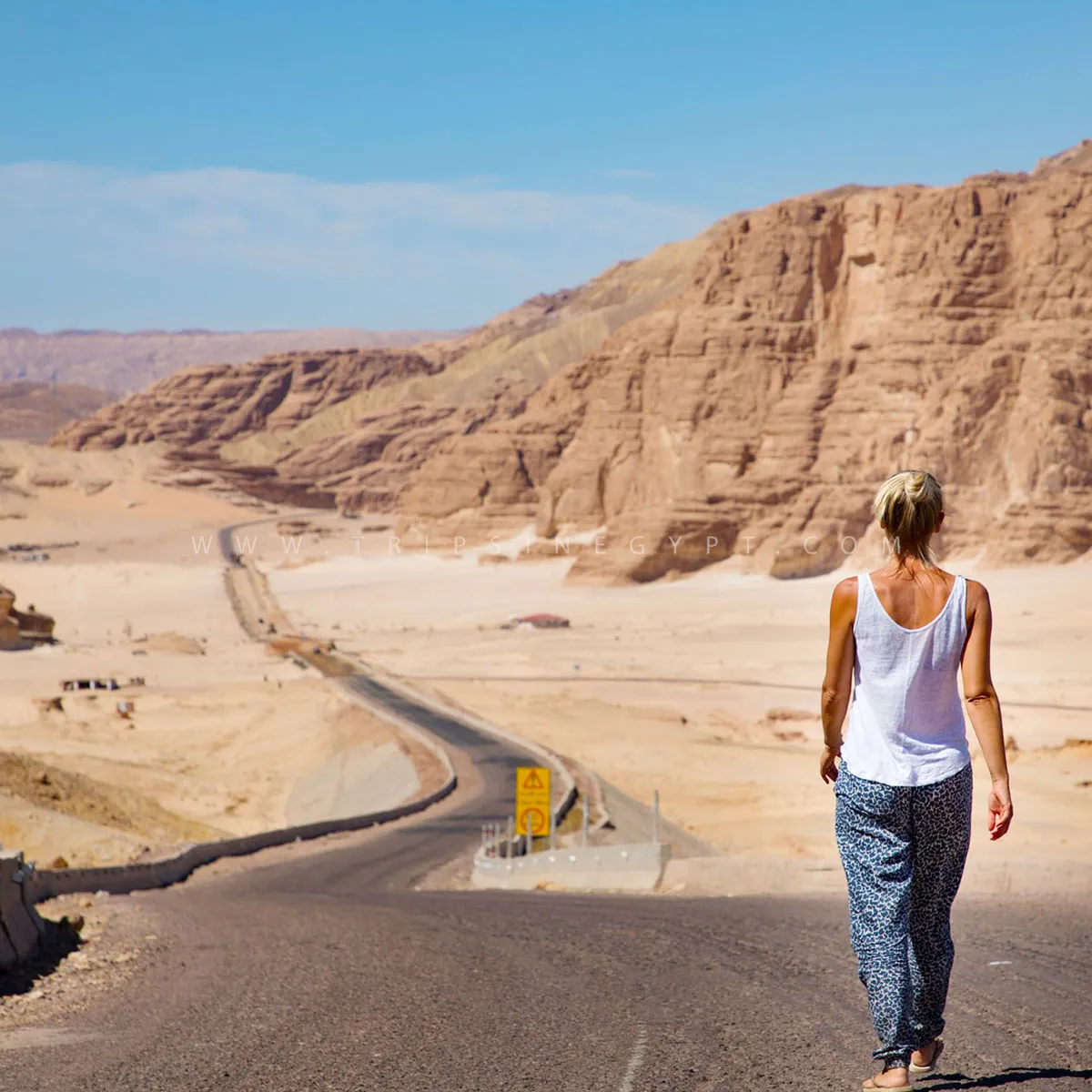
Knowing what not to do in Egypt as a tourist matters as much as the dos. These are the mistakes visitors make most often.
-
Don't drive without an International Driving Permit. Cairo traffic is intense, so most visitors are happier with a driver, a taxi or an app ride.
-
Don't wear beachwear in town. Tank tops, short shorts and short skirts are fine at resorts but stand out in cities and villages. Our guide to dressing appropriately for the Red Sea explains where the line falls.
-
Don't drink tap water. Use sealed bottled water for drinking and brushing your teeth, and skip ice from street stalls.
-
Don't photograph people without asking. The same goes for private homes, and never photograph police, military sites or checkpoints.
-
Don't drink alcohol in public. Drinking in the street is frowned upon. Keep it to hotels, bars and licensed restaurants.
-
Don't visit mosques during prayers. Avoid Friday midday prayers in particular. Cover shoulders and knees, and women should cover their hair.
-
Don't put your feet on tables or chairs. Showing the soles of your shoes is considered rude.
-
Don't bring a drone. Drones need prior permission from the authorities, which is very hard to get, and undeclared drones are usually confiscated at the airport.
-
Don't be surprised by men holding hands. It is a common sign of friendship between Egyptian men.
-
Don't get in a taxi without agreeing on the fare. If the meter is not running, settle the price before you set off.
-
Don't accept "free" help without asking the price. Offers to guide you, take your photo or let you hold a camel often end with a request for money.
-
Don't climb the monuments. Climbing the pyramids or touching painted walls is forbidden and can lead to a fine.
Can You Take Sand from Egypt?
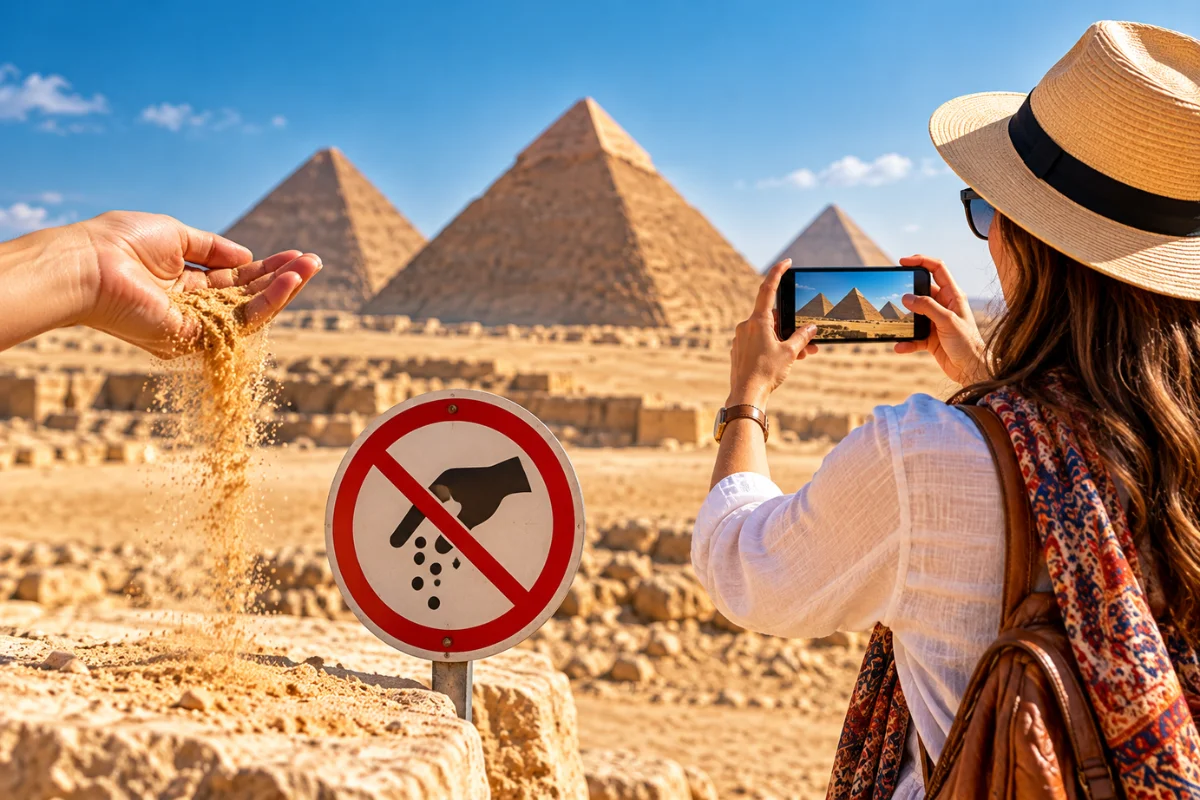
It is best not to. Egypt's antiquities law (Law No. 117 of 1983) makes removing any object from an archaeological site a crime, and that includes stones and sand from places such as Giza or the Valley of the Kings. Along the Red Sea, the law on natural protectorates (Law No. 102 of 1983) protects coral, shells and marine life.
A pinch of sand from a hotel beach is rarely checked, but airport security can question it, and any shell, coral or stone can be confiscated. Take photos instead, or buy a souvenir from a shop that gives you a receipt.
What Are You Not Allowed to Do in Egypt?
A few rules carry real penalties rather than just raised eyebrows:
-
Flying or importing a drone without a permit.
-
Photographing military, police or security buildings.
-
Removing antiquities, coral or shells, or damaging monuments.
-
Buying, carrying or using illegal drugs, which carries severe penalties.
-
Climbing the pyramids or entering closed areas of a site.
Dos and Don'ts in Cairo
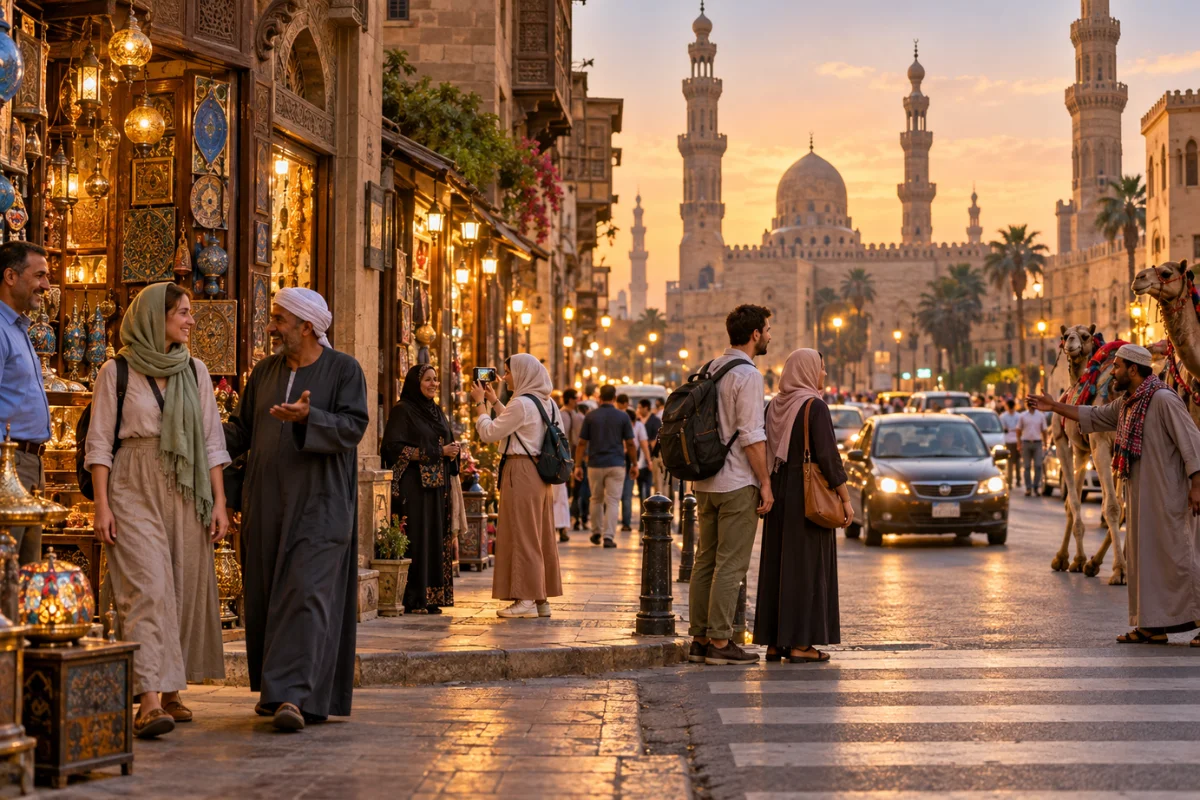
Greater Cairo is home to around 20 million people, and the city has its own rhythm. Our detailed Cairo travel tips go further, but these points cover the basics.
-
Do cross busy streets beside a local and move at a steady pace.
-
Do dress modestly in Islamic Cairo and Coptic Cairo. Mosques such as the Muhammad Ali Mosque at the Citadel lend robes and scarves at the entrance.
-
Do visit after dark, when the city is at its liveliest and the evenings are cooler.
-
Don't accept unofficial guides or camel rides at the Giza entrance. Book through your hotel or a licensed operator instead.
-
Don't plan too much in one day. Cairo traffic can turn a short trip into an hour.
The historic street of El Moez in Cairo is a good place to practice: dress modestly, haggle gently in the shops, and ask before photographing anyone.
National Holidays in Egypt
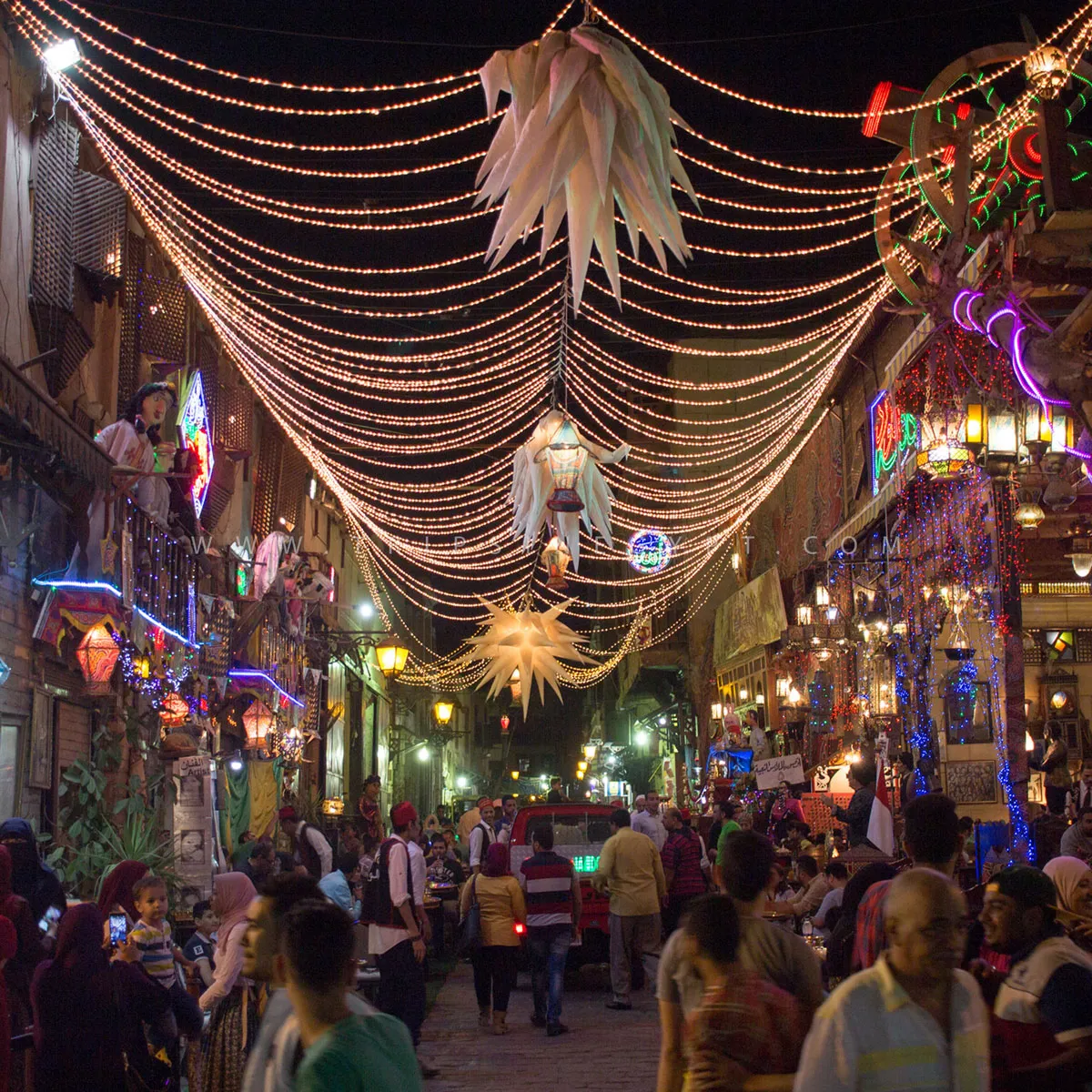
Egypt marks a mix of national, Islamic and Coptic holidays. Banks and government offices close on these days, while most tourist sites stay open. Our guide to national holidays in Egypt explains how each one is celebrated.
Fixed-date holidays:
-
January 7: Coptic Christmas
-
January 25: Revolution Day and National Police Day
-
April 25: Sinai Liberation Day
-
May 1: Labor Day
-
June 30: June 30 Revolution Day
-
July 23: Revolution Day
-
October 6: Armed Forces Day
Moving holidays: Sham El-Nessim falls on the Monday after Coptic Easter. Eid al-Fitr, Eid al-Adha, the Islamic New Year and the Prophet's Birthday follow the Islamic lunar calendar and move about 11 days earlier each year.
Dos and Don'ts During Ramadan
During Ramadan, Muslims fast from dawn to sunset. Visitors are not expected to fast, but it is polite to avoid eating, drinking or smoking in the street during the day. Hotel and tourist restaurants keep serving, though some sites and shops shorten their hours. The evenings come alive after the iftar meal, and that is the best time to join the celebrations.
Best Time to Visit Egypt
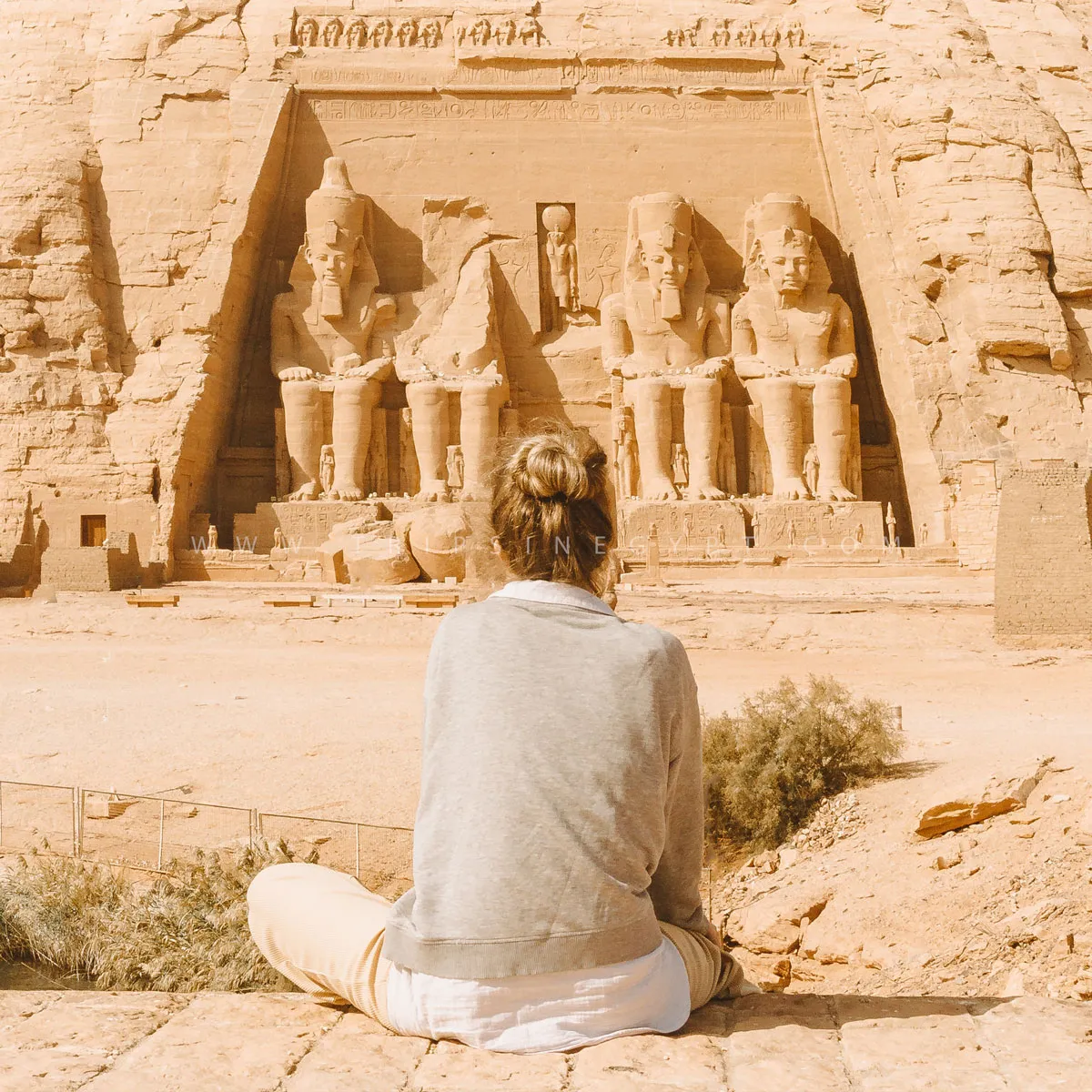
The most comfortable time for sightseeing is from October to April, when daytime temperatures in Cairo usually range from about 14°C to 28°C. Our guide to the best time to visit Egypt breaks this down month by month.
Summer, from June to August, regularly pushes Luxor and Aswan above 40°C, so plan early-morning visits if you travel then. The Red Sea is swimmable all year, with spring and autumn the most pleasant. Late December and early January are the busiest weeks, with the highest prices, so book early.
What to Pack Before Traveling to Egypt?
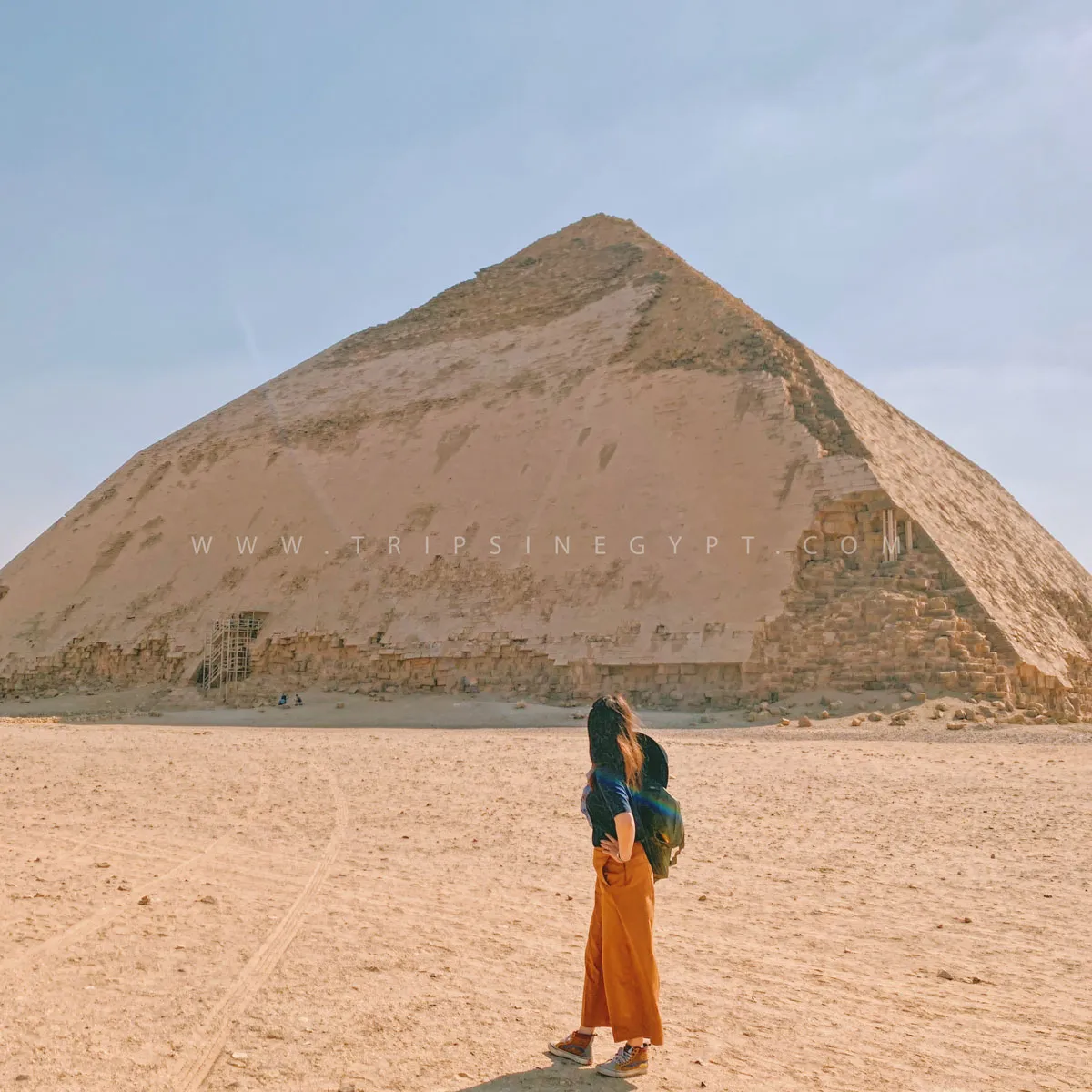
Pack light, breathable clothes and a few modest outfits for towns and religious sites. Our complete list of what to pack for Egypt covers every season.
-
Comfortable walking shoes and sandals
-
A hat, sunglasses and high-factor sunscreen
-
A light scarf to cover shoulders or hair at mosques
-
A warm layer for winter evenings, desert nights and air-conditioned buses
-
Copies of your passport and visa, plus some cash in small notes
-
Your camera, charger and a power bank
-
A local SIM card or eSIM for maps and ride-hailing apps
-
Any personal medication, with a copy of the prescription
-
Skincare and toiletries you rely on
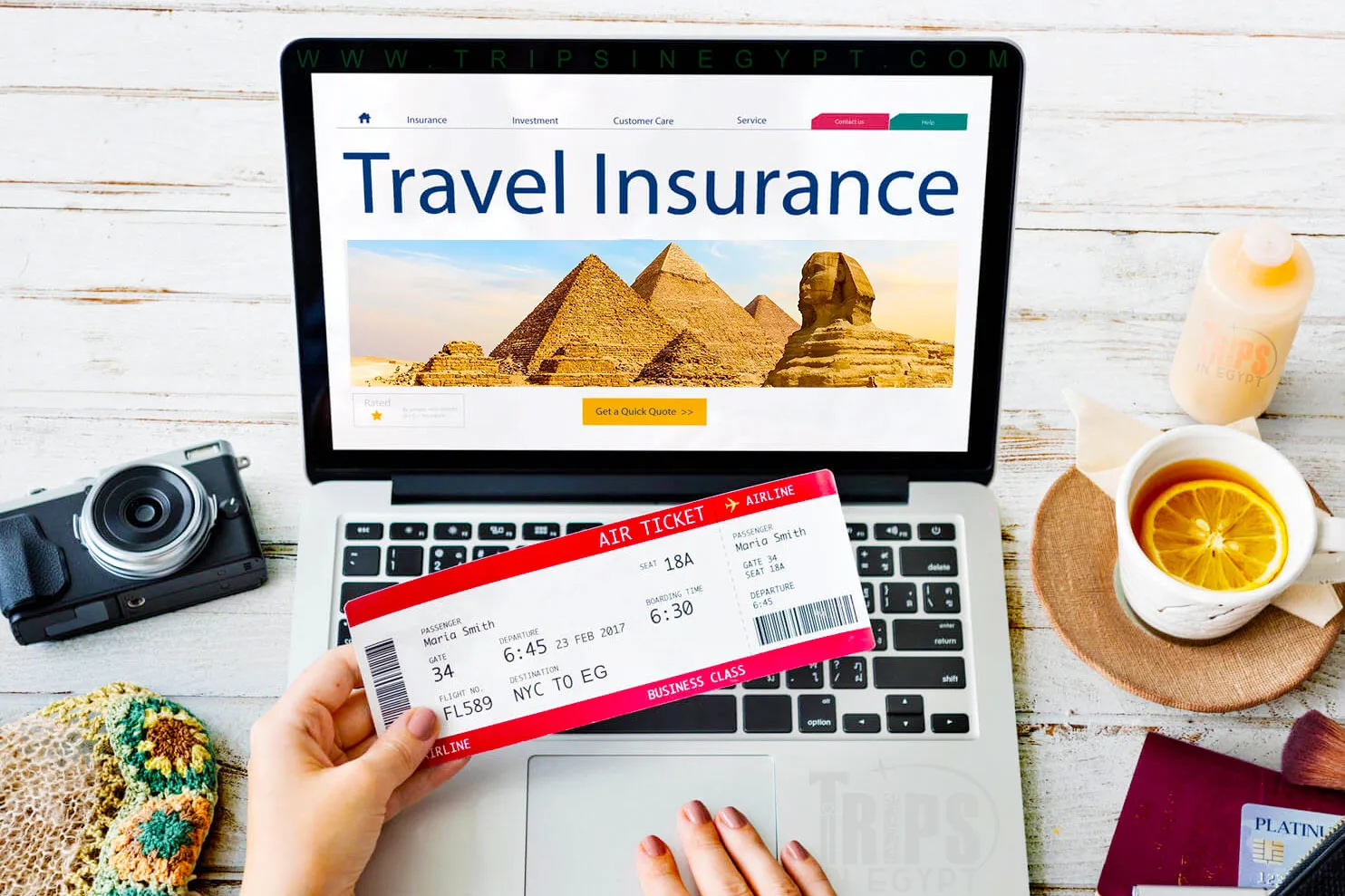
Medical care at private hospitals can be expensive, so arrange cover before you fly. Our guide to travel insurance for Egypt explains what a good policy should include.
Conclusion
Egypt is easy to love once you know how it works. Dress modestly in towns and temples, use your right hand, carry small notes for tips, agree on fares first, and always ask before photographing people. Leave the sand, coral and drones behind, and respect the rhythm of prayer and Ramadan. Follow these simple dos and don'ts, and the land of the pharaohs will welcome you like an old friend.

5 Days Cairo And Hurghada Trip
Amazing 4 Nights Cairo and Hurghada Trip Itinerary 5 Days Cairo and Hurghada trip wil...
- Duration 5 Days / 4 Nights
- Location Cairo & Hurghada
- Type Historical & Recreational Tour
From$690/per person
View Tour
6 Days Cairo, Alexandria & Faiyum Tour
Unforgettable Cairo, Alexandria & Faiyum Adventure in Six Days 6 Days Cairo, Alex...
- Duration 6 Days / 5 Nights
- Location Cairo - Alexandria - Fayum
- Type Historical Tour
From$720/per person
View Tour
10 Days Cairo, Faiyum & Nile Cruise Holiday
Breathtaking 10 Days Journey of A Lifetime in Egypt 10 Days Cairo, Faiyum & Nile...
- Duration 10 Days / 9 Nights
- Location Cairo, Luxor, Aswan & Faiyum
- Type Classic Tour
From$1350/per person
View Tour SOLD OUT
Ultimate 7-Day Egypt Solar Eclipse Experience with Hurghada 2027
Enjoy a 7-Day Egypt Solar Eclipse Tour with Hurghada 2027 6 Nights Egypt Solar Ecli...
- Duration 7 Days / 6 Nights
- Location Cairo / Giza / Luxor / Hurghada
- Type Astronomical Tour
Sold Out
View Details