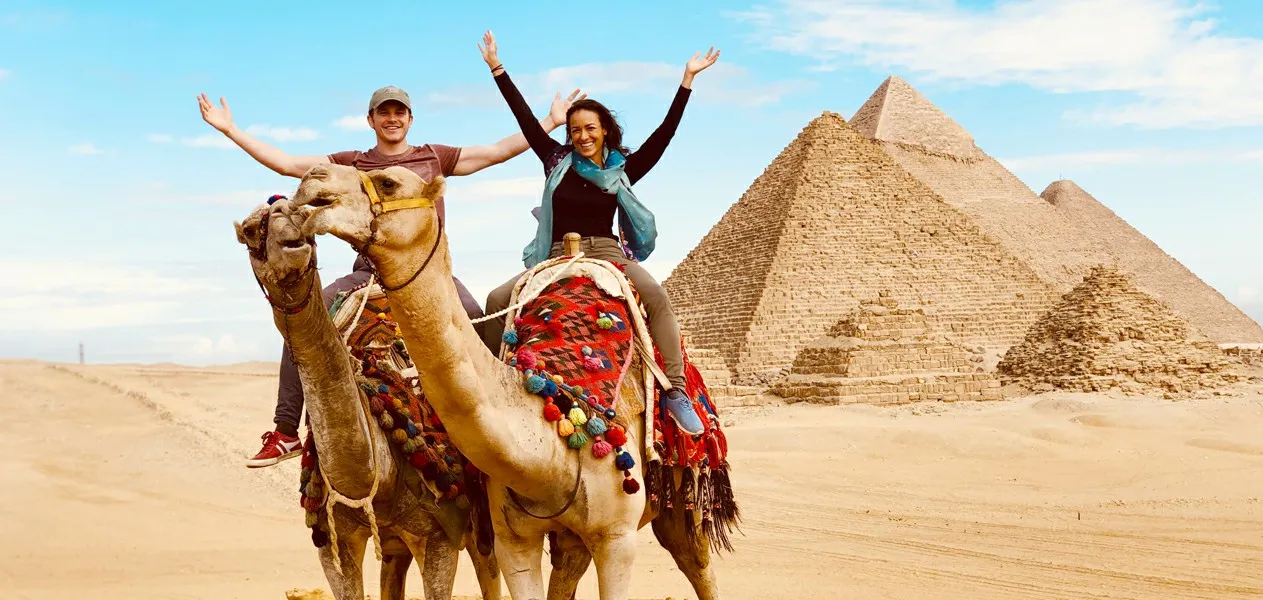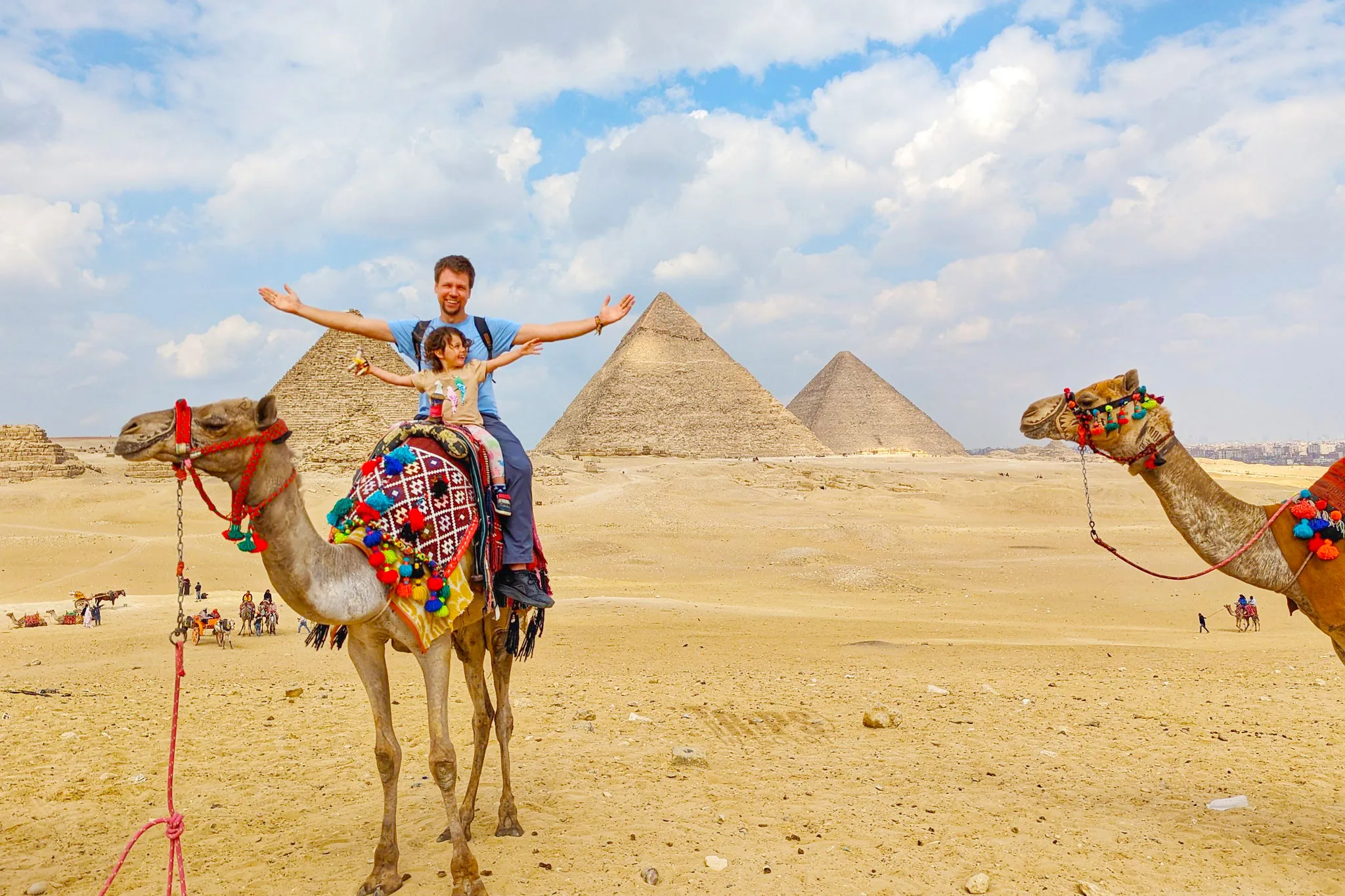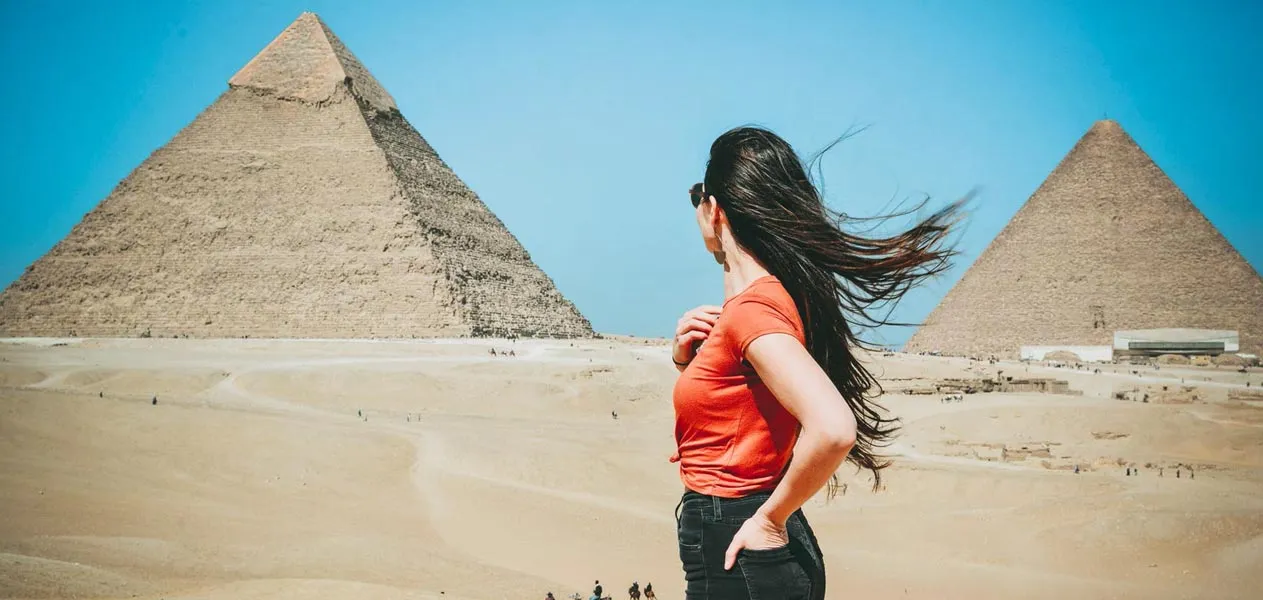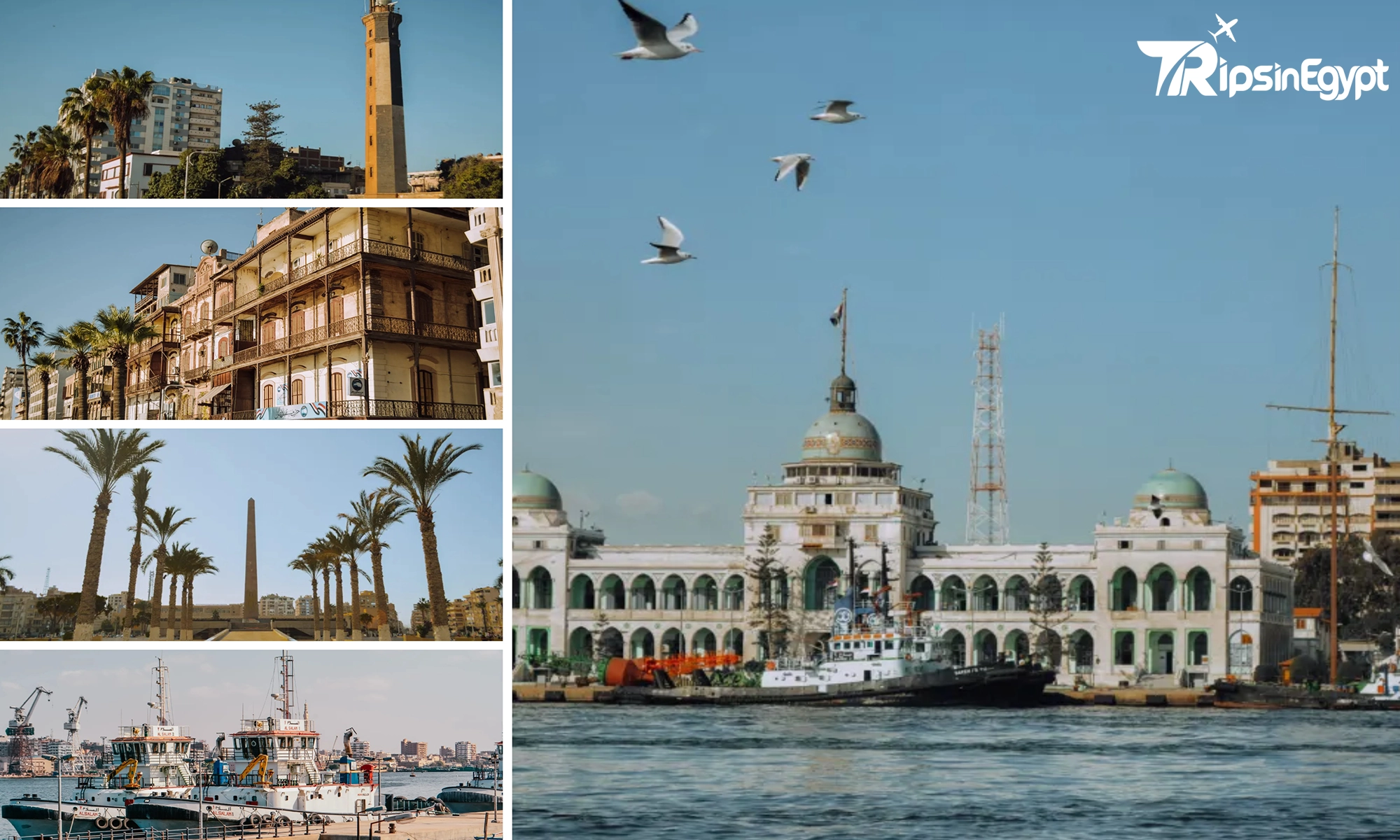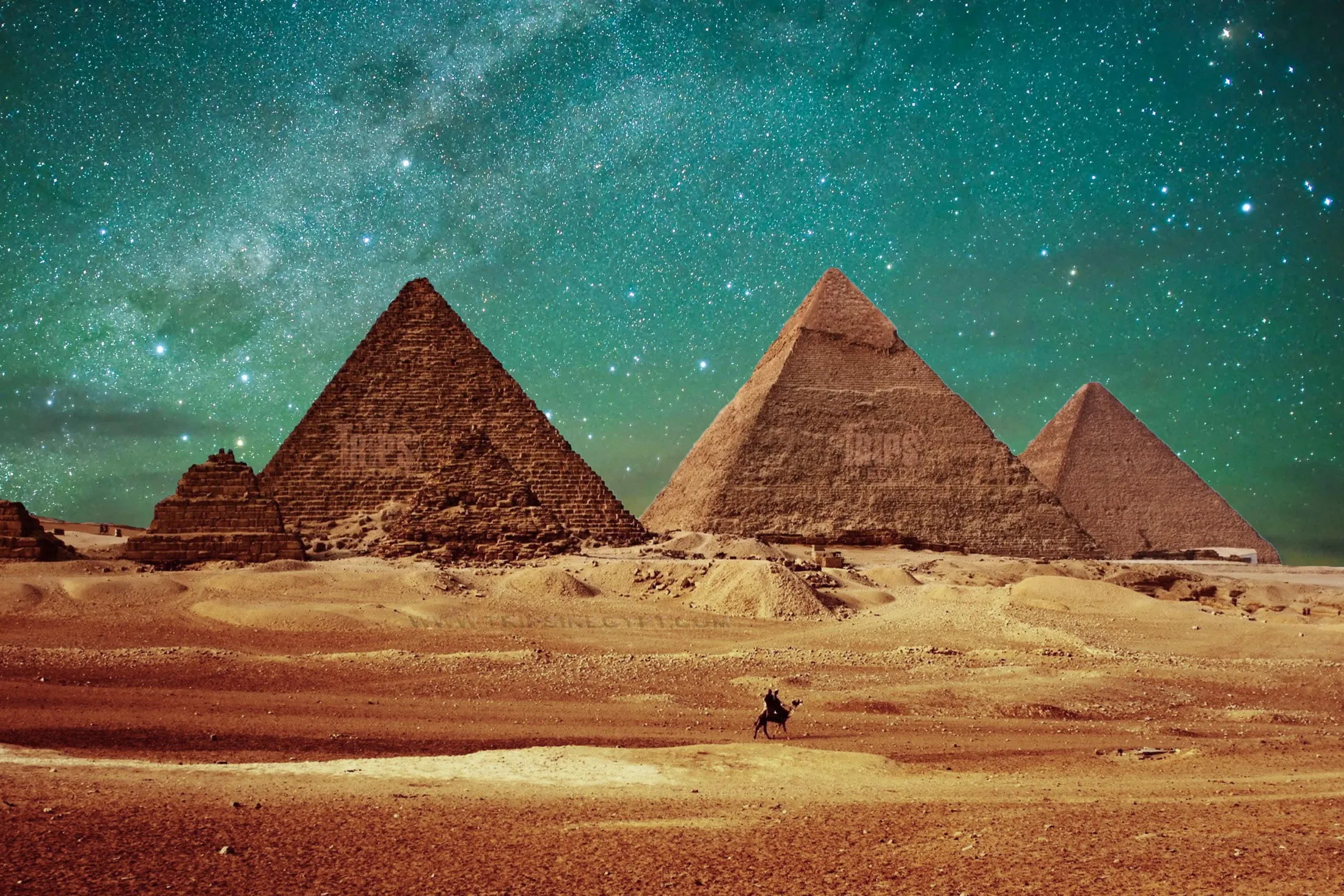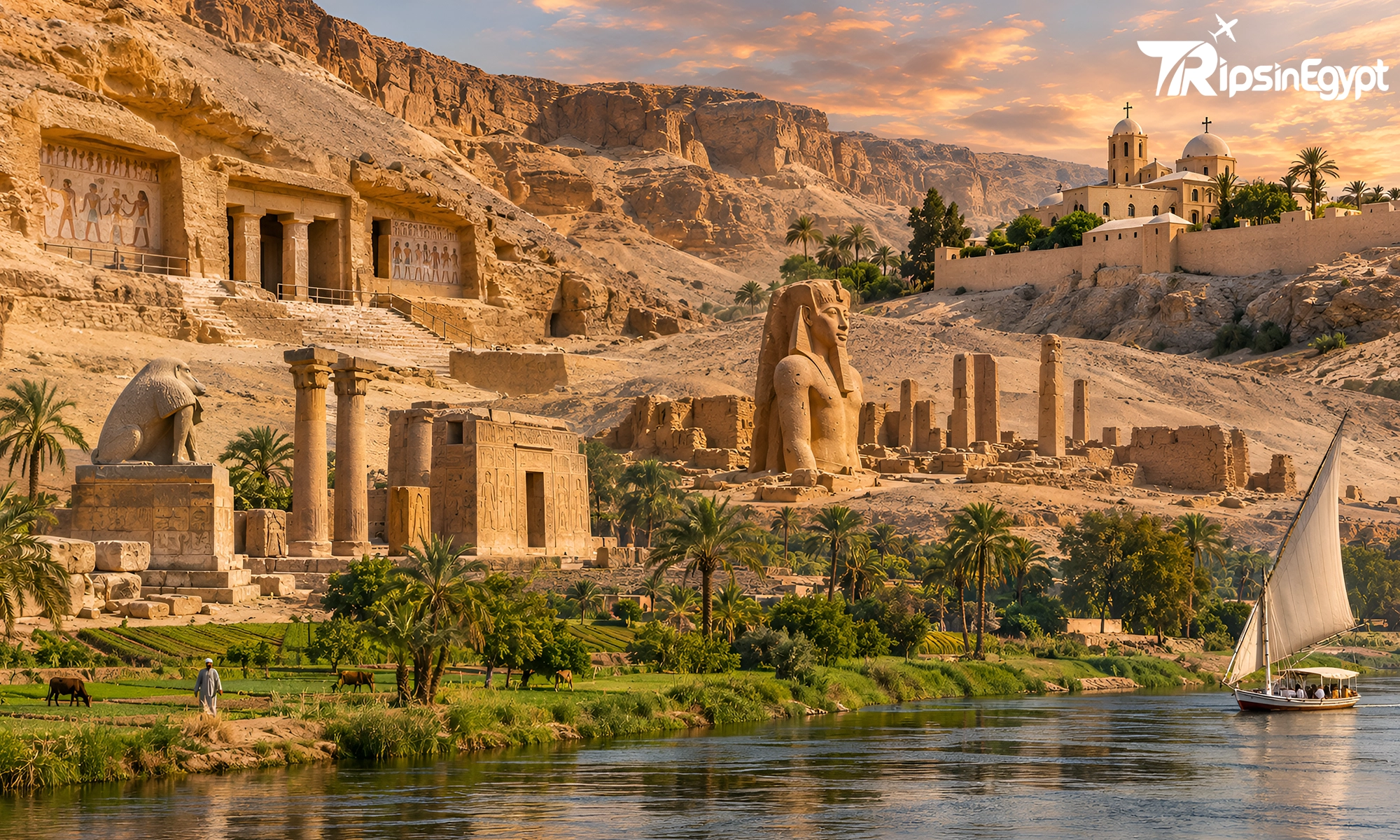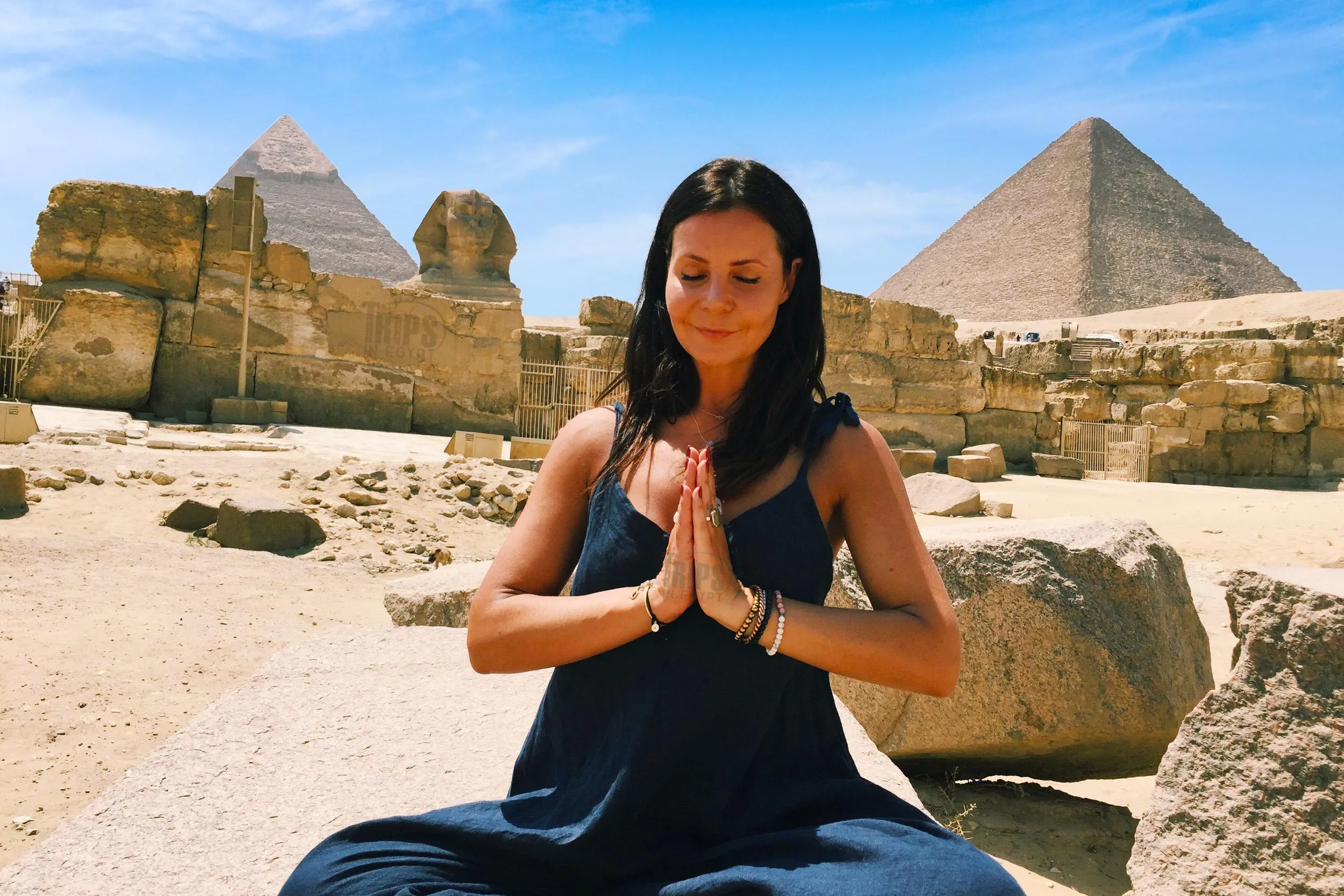




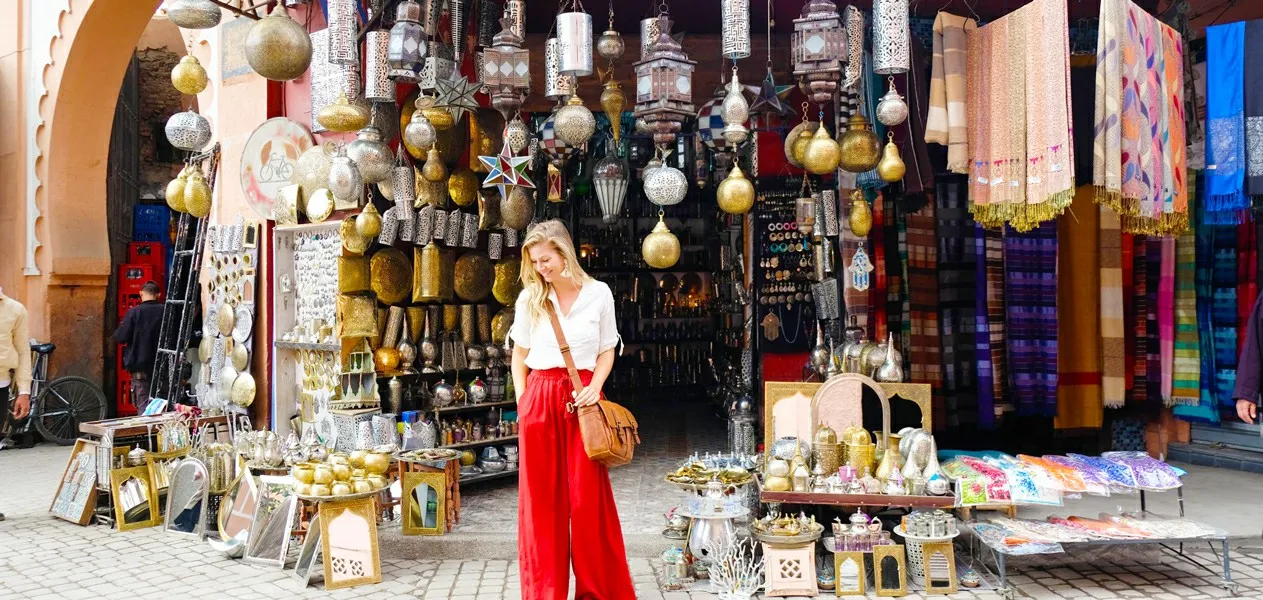
Egypt culture and traditions stretch back thousands of years, from ancient Pharaonic temples to old Coptic churches and the minarets of Islamic Cairo. Each era added a new layer, and modern Egypt still lives with all of them at once. This practical guide explains the main culture of Egypt, its values and customs, weddings, language, religion, festivals and literature, and what everyday life really feels like for travelers visiting today.

What Is the Culture of Egypt?
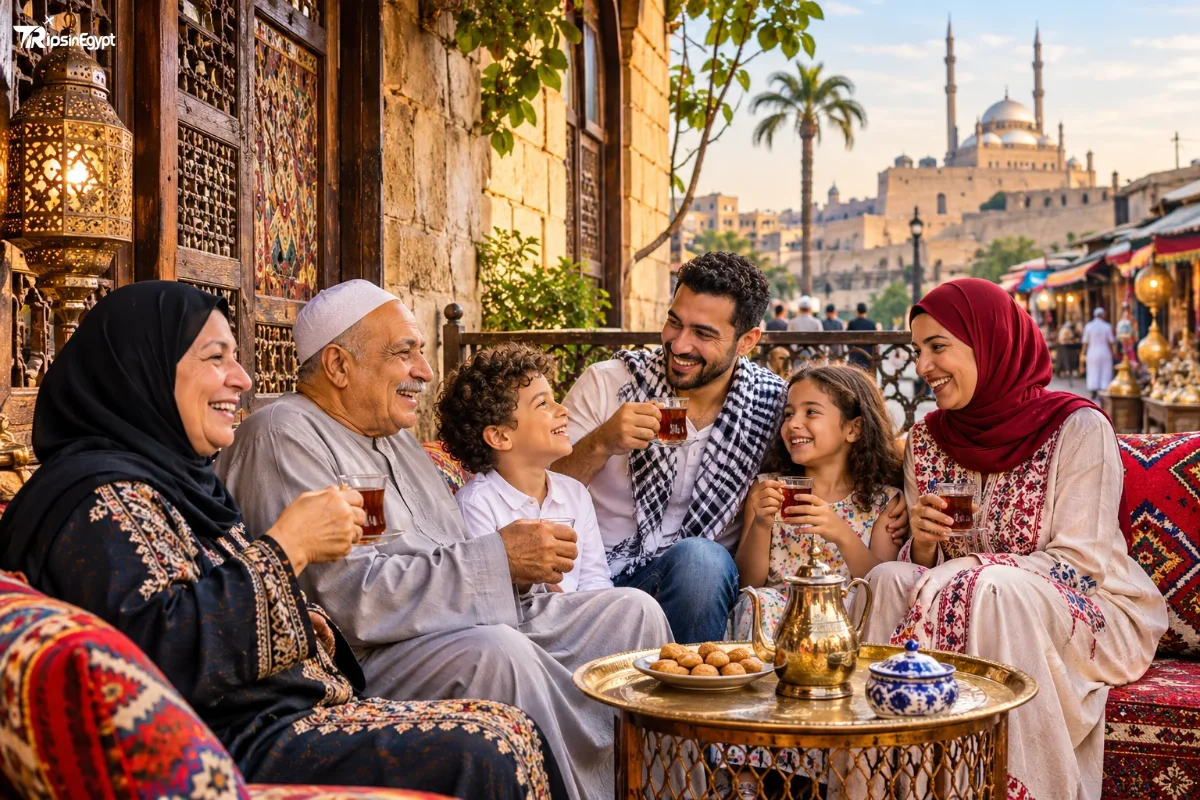
The main culture of Egypt today is Arab and largely Muslim, with a large Coptic Christian community and deep roots in the ancient Nile civilization. Most of Egypt's more than 100 million people live along the Nile Valley and the Delta, which cover only a small share of the country.
Daily life is shaped by family, faith, hospitality and a famous sense of humor, while proverbs, food and festivals still carry echoes of Pharaonic, Greek, Roman, Coptic, Arab and Ottoman times. Egyptians speak Egyptian Arabic, and Islam is the majority faith, with Christians, mostly Coptic Orthodox, usually estimated at around one in ten.
Are You Interested to Know About Egypt's Culture and Traditions?
Egyptian culture was shaped by the many peoples who lived in or ruled the country, including Persians, Greeks, Romans, Arabs, Ottomans, the French and the British. This long history turned Egypt into a cultural melting pot where old customs survived beside new influences.
Egyptians are also known for their hospitality, and travelers may be invited for tea or a home-cooked meal after only a short conversation. If you stop to ask for directions, someone may walk part of the way with you, while shopkeepers in older neighborhoods often offer visitors a seat while they browse.
Explore How Egypt's Culture Became Today
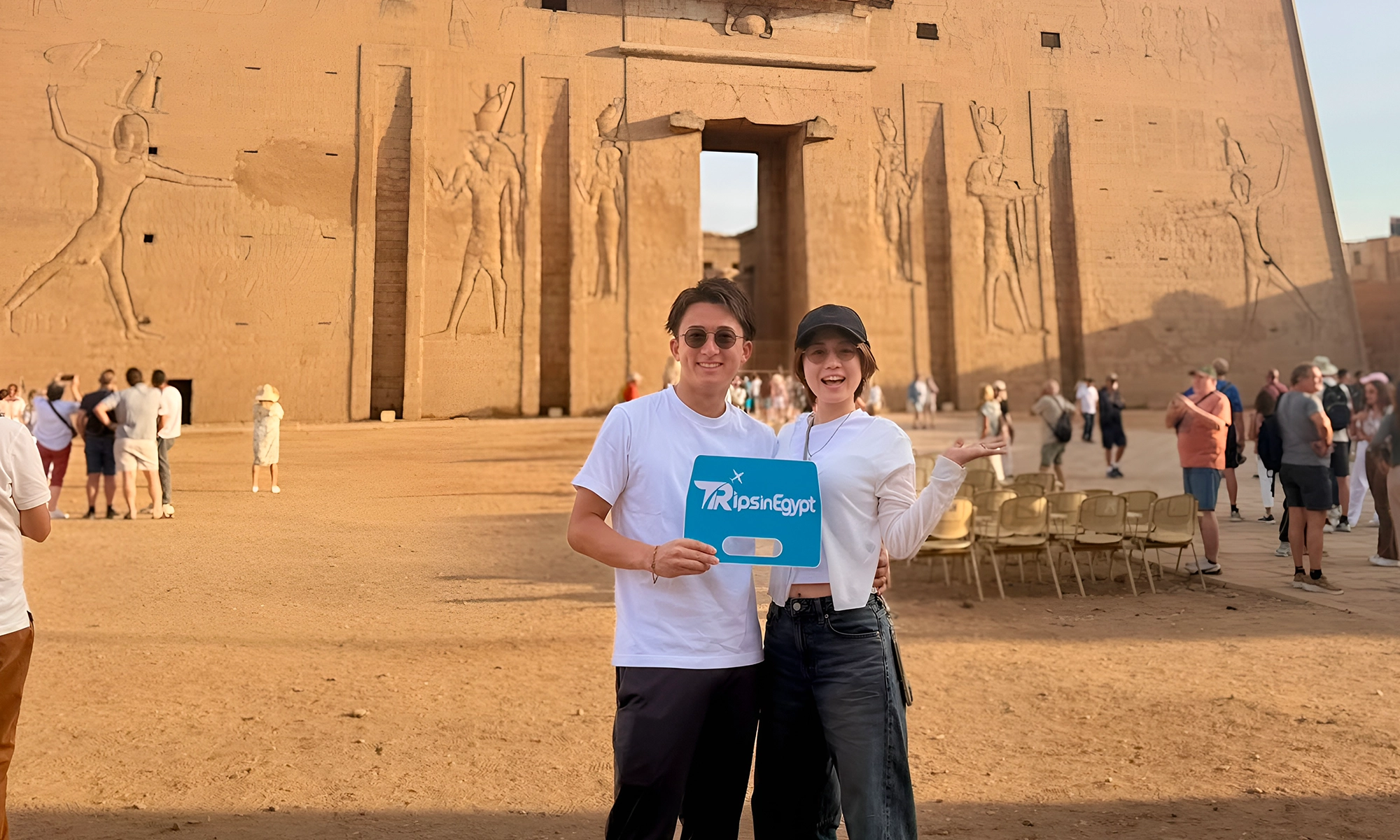
Ancient Egyptian culture grew from farming villages along the Nile, became a united kingdom around 3100 BC and continued until the death of Cleopatra VII in 30 BC. Greek rulers before her adopted Egyptian religious traditions, and the Edfu Temple, built under the Ptolemies, remains one of the best-preserved examples.
Christianity spread during the first centuries AD and created Egypt's Coptic tradition. The Arab conquest of the 7th century brought Islam and Arabic, the Fatimids founded Cairo in 969 AD, and the Ottomans arrived in 1517. Each historical layer can still be seen in modern Egyptian culture, from church hymns and mosque architecture to street names and popular celebrations.
What Extent the Egypt Culture Today Is Similar to the Culture of Ancient Egypt
Many habits link modern Egyptians with their ancestors. Respect for elders, close family relationships and helping strangers appear in ancient wisdom texts as well as daily life today. Spring is still welcomed with Sham El-Nessim, a picnic festival that many historians connect with ancient seasonal celebrations.
Women also held notable rights during Pharaonic times, as our guide to women in ancient Egypt explains. They could own property, sign contracts and appear in court, providing an important historical contrast with many other ancient societies.
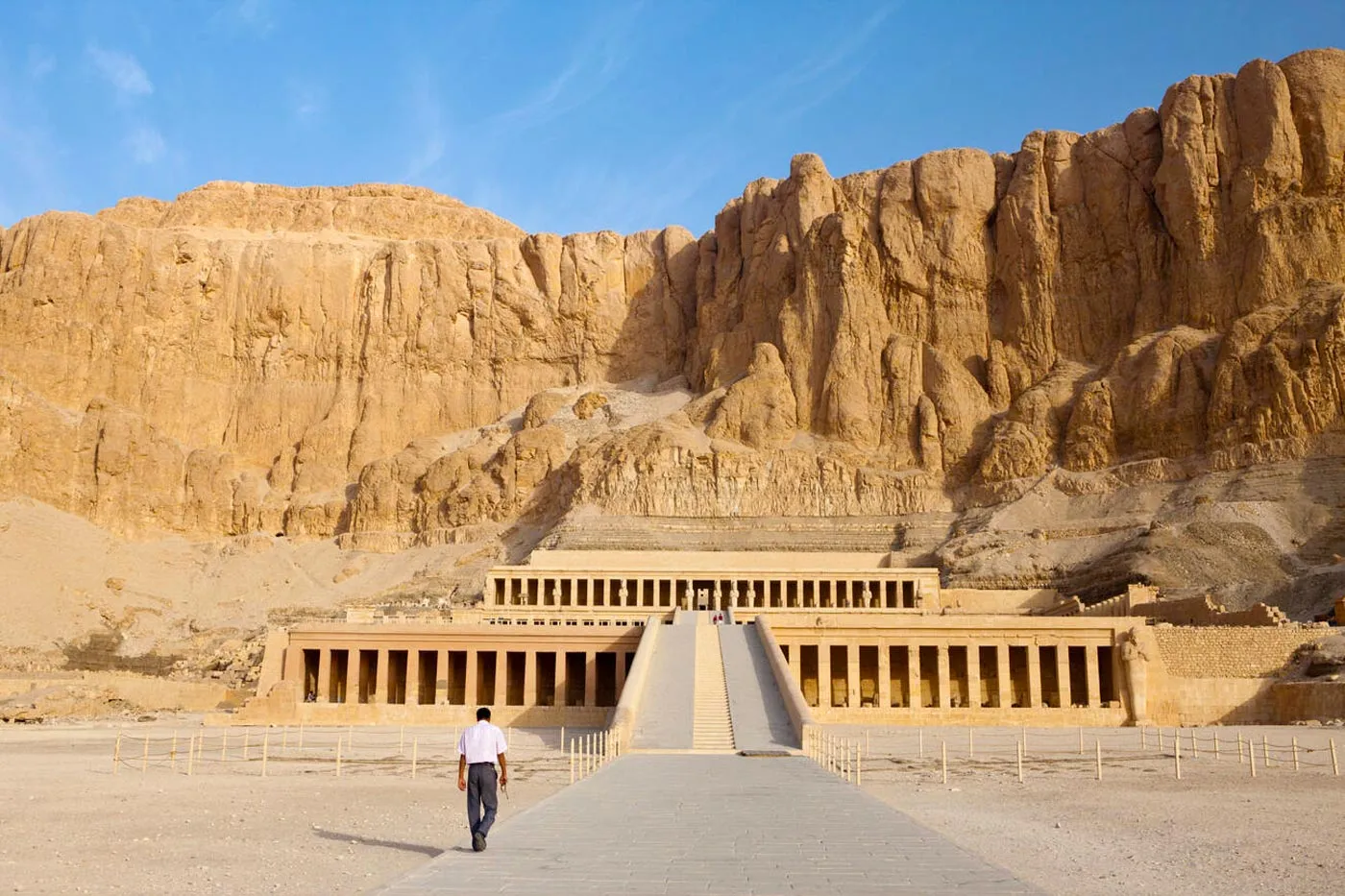
The most famous example is Queen Hatshepsut, who ruled as pharaoh for about two decades during the 15th century BC and sent a trading expedition to the land of Punt. Modern Egyptian women study and work across medicine, law, business, education and politics.
Egyptian culture today, however, is shaped much more directly by Islam, Christianity and modern Arab society than by ancient religion. Connections with Pharaonic Egypt should therefore be understood as cultural echoes rather than an uninterrupted continuation of ancient beliefs.
Egyptian Culture Facts You Should Know
A few Egyptian culture facts help explain the country quickly. Egypt lies in Africa but includes the Sinai Peninsula in Asia, while almost all agricultural land depends on the Nile. Cairo is the largest city in the Arab world and one of Africa's biggest urban areas.
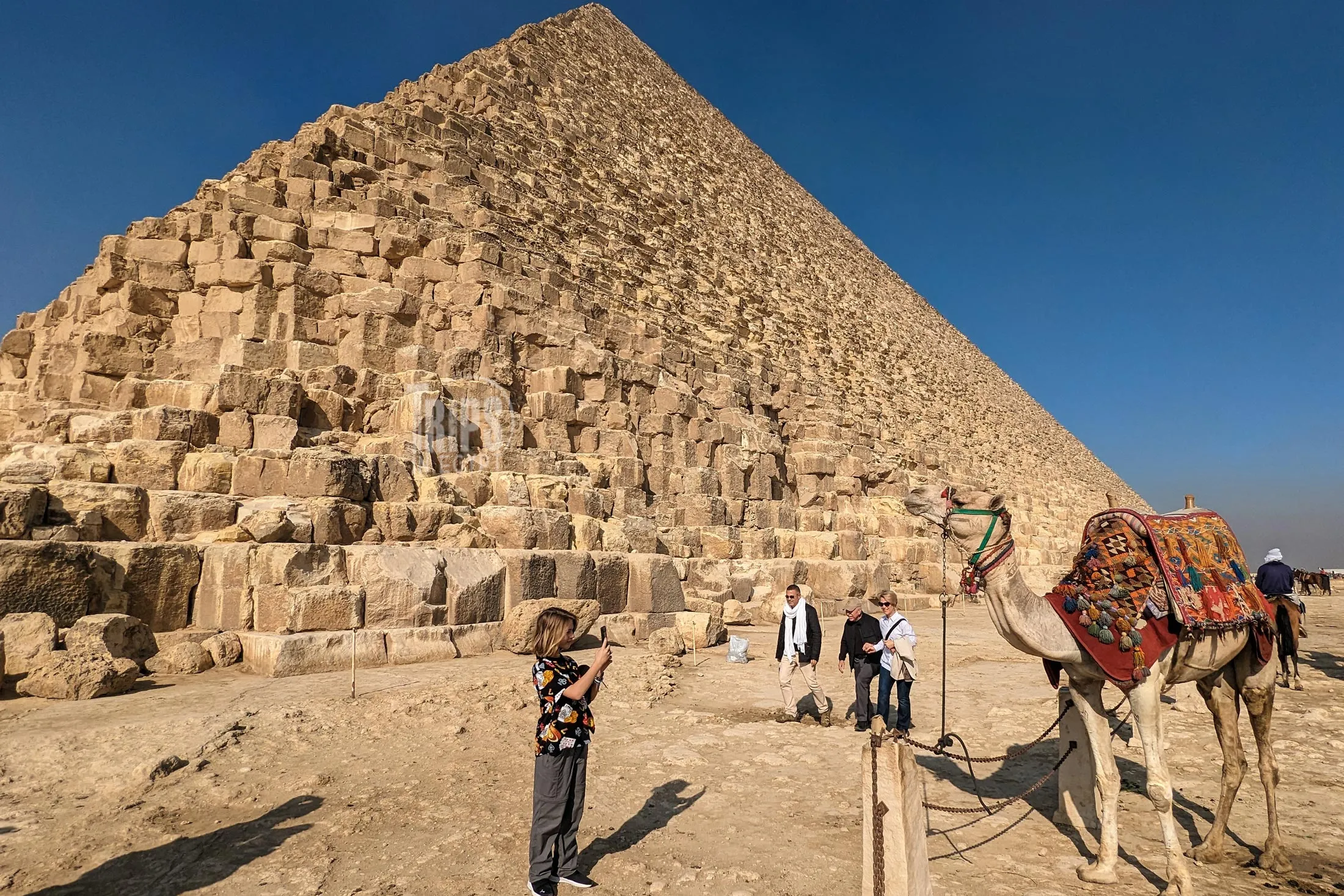
The ancient Egyptians also created the only surviving Wonder of the Ancient World, the Great Pyramid of King Khufu, which remained the tallest human-made structure for thousands of years. Egyptian Arabic later became widely understood throughout the Arab world because of the enormous influence of Egyptian films, music and television.
Ancient Egyptians used a calendar of 365 days, divided into twelve months of thirty days plus five additional days. The Kom Ombo Temple still preserves a carved calendar connected with religious offerings.
Egyptian farmers continue to use the Coptic calendar, descended from the ancient system, to organize planting and harvest seasons. Friday is the main weekly day of prayer and rest for Muslims, while Egyptian Christians traditionally attend church services on Sunday.
Egyptian Values, Customs and Traditions
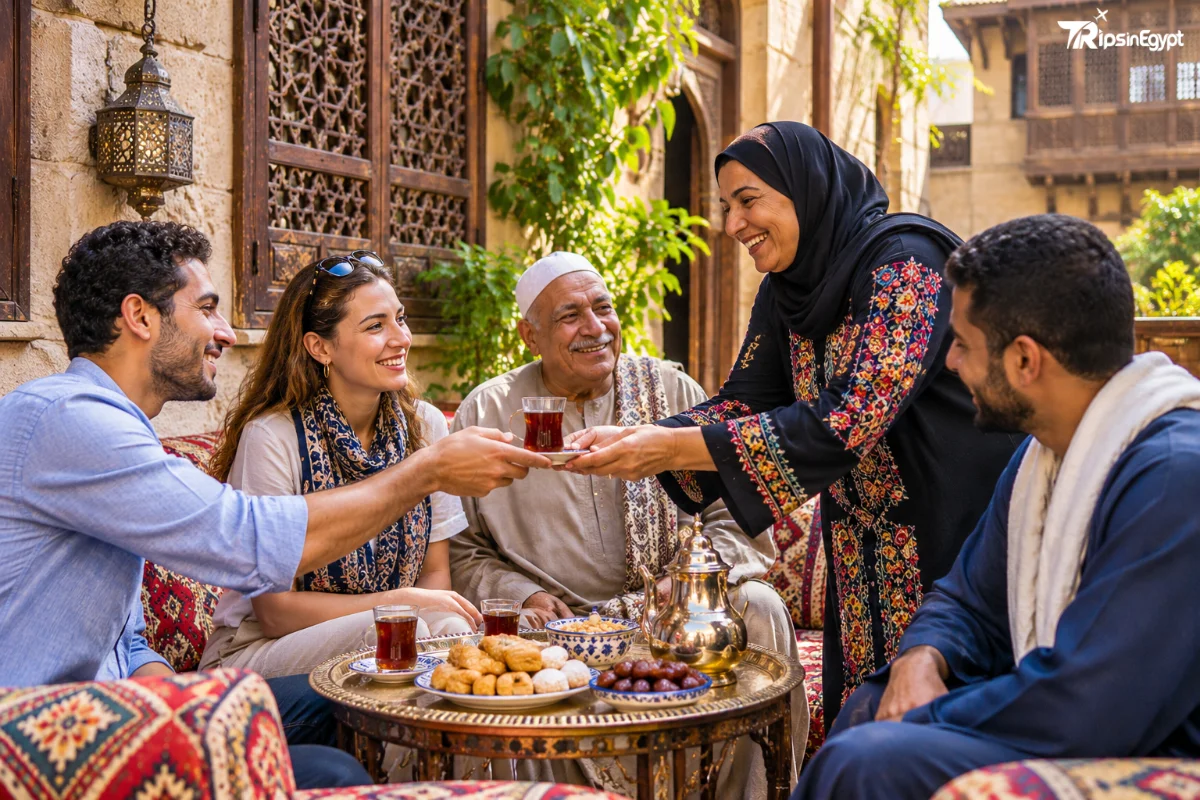
Egyptian values center on family, faith, generosity and respect. Egyptians admire someone who is karim, meaning generous, and a good host is normally expected to offer more food than guests can finish.
Honor and family reputation also matter, while patience and trust in God appear in daily expressions such as insha'Allah, meaning "God willing", and alhamdulillah, meaning "praise be to God". Humor is another major part of Egyptian identity, and people are famous for telling jokes, known locally as nokta, even during difficult times.
The Egyptian People
Egyptians are warm, talkative and often willing to help a lost traveler even when they are busy. Many people begin a friendly conversation by asking where you are from, and "welcome" is one of the phrases visitors hear most frequently in markets, hotels and neighborhood streets.
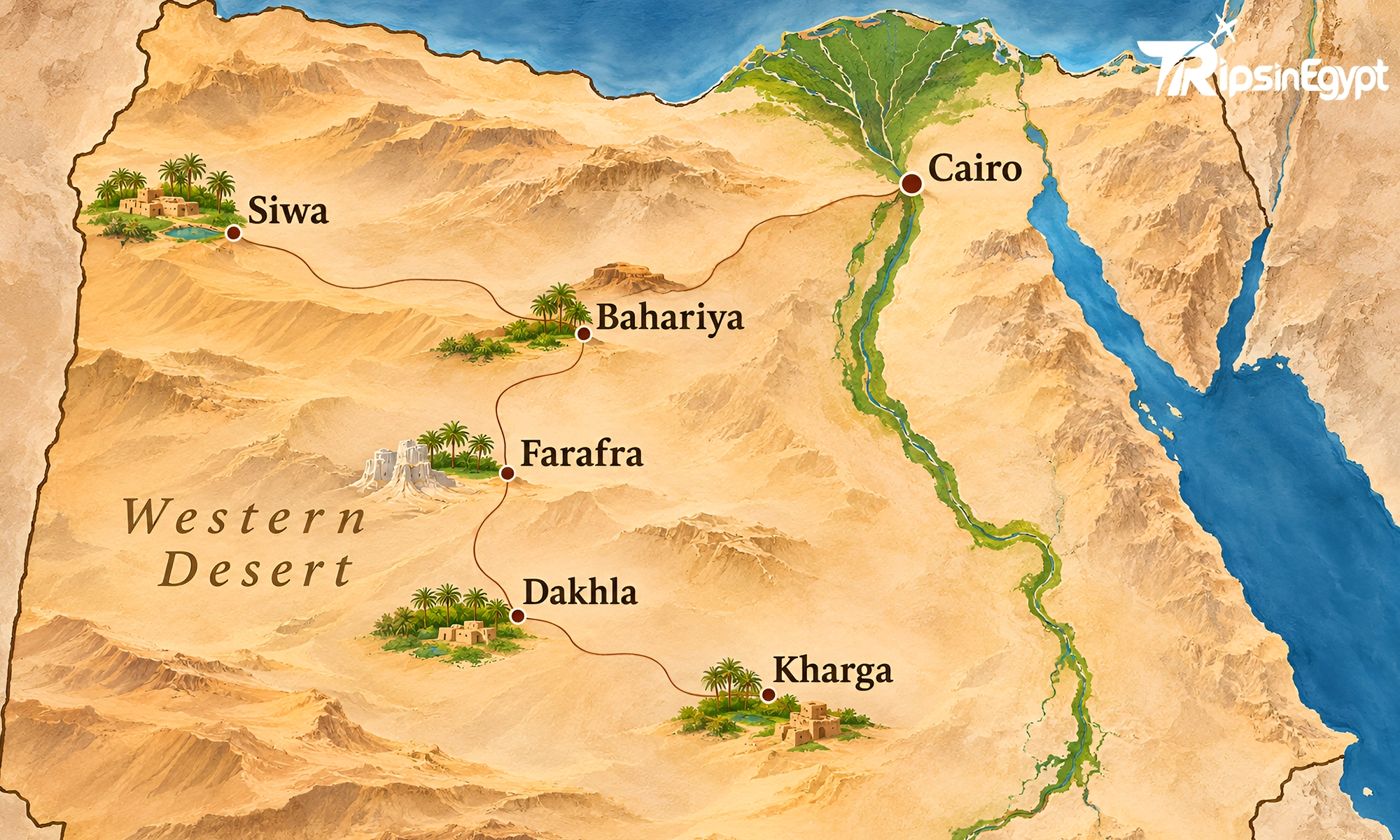
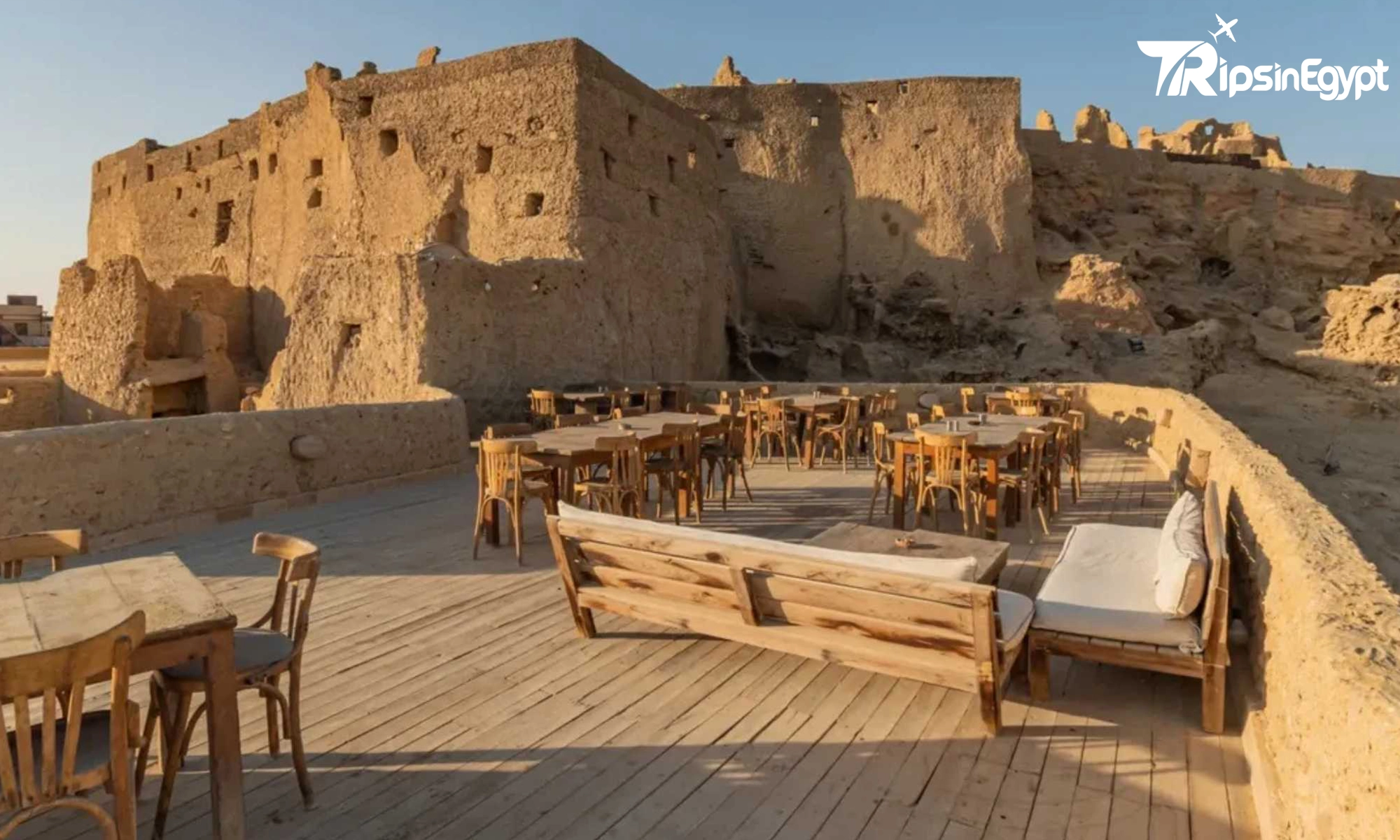
Humor appears in almost every conversation, but Egyptian communities also vary significantly by region. People in Upper Egypt, the Delta, Sinai, the Western Desert oases and Nubia preserve distinct dialects, clothing, music and traditions. Our article on Nubian culture explores the colorful customs of southern Egypt in more detail.
Family and Respect for Elders
Family sits at the heart of Egyptian culture. Many adult children live with their parents until marriage, while large Friday lunches with grandparents, aunts, uncles and cousins remain a weekly tradition in many homes.
Parents often participate in major decisions concerning education and marriage, while children are expected to care for their parents as they grow older. Elders are greeted first, offered the best seat and addressed respectfully with titles such as Hagg, Hagga or Ostaz.
Neighbors can also function almost like extended family. Sharing meals during religious holidays, checking on someone who is ill and sending food to nearby households remain common practices in many communities.
How Do Egyptians Show Respect?
Egyptians show respect through greetings, clothing and hospitality. People normally greet each other warmly, ask about family members and use titles rather than first names when addressing older people or strangers.
Modest clothing is appreciated, particularly in mosques, churches and traditional villages, while accepting tea or coffee is a polite response to hospitality. Using your right hand when eating or passing objects and removing shoes when your host does are also useful customs to follow. Our guide to dos and don'ts in Egypt explains local etiquette in greater detail.
Greetings between men and women can be more reserved. Many Egyptians shake hands across genders, but some religious people prefer not to, so visitors should wait and follow the other person's lead.
A small gift such as sweets or pastries is appreciated when visiting a home. Small tips, called baksheesh, are also common when thanking drivers, porters and service staff, and our guide to tipping in Egypt explains suitable amounts.
Marriage and Wedding Traditions in Egypt
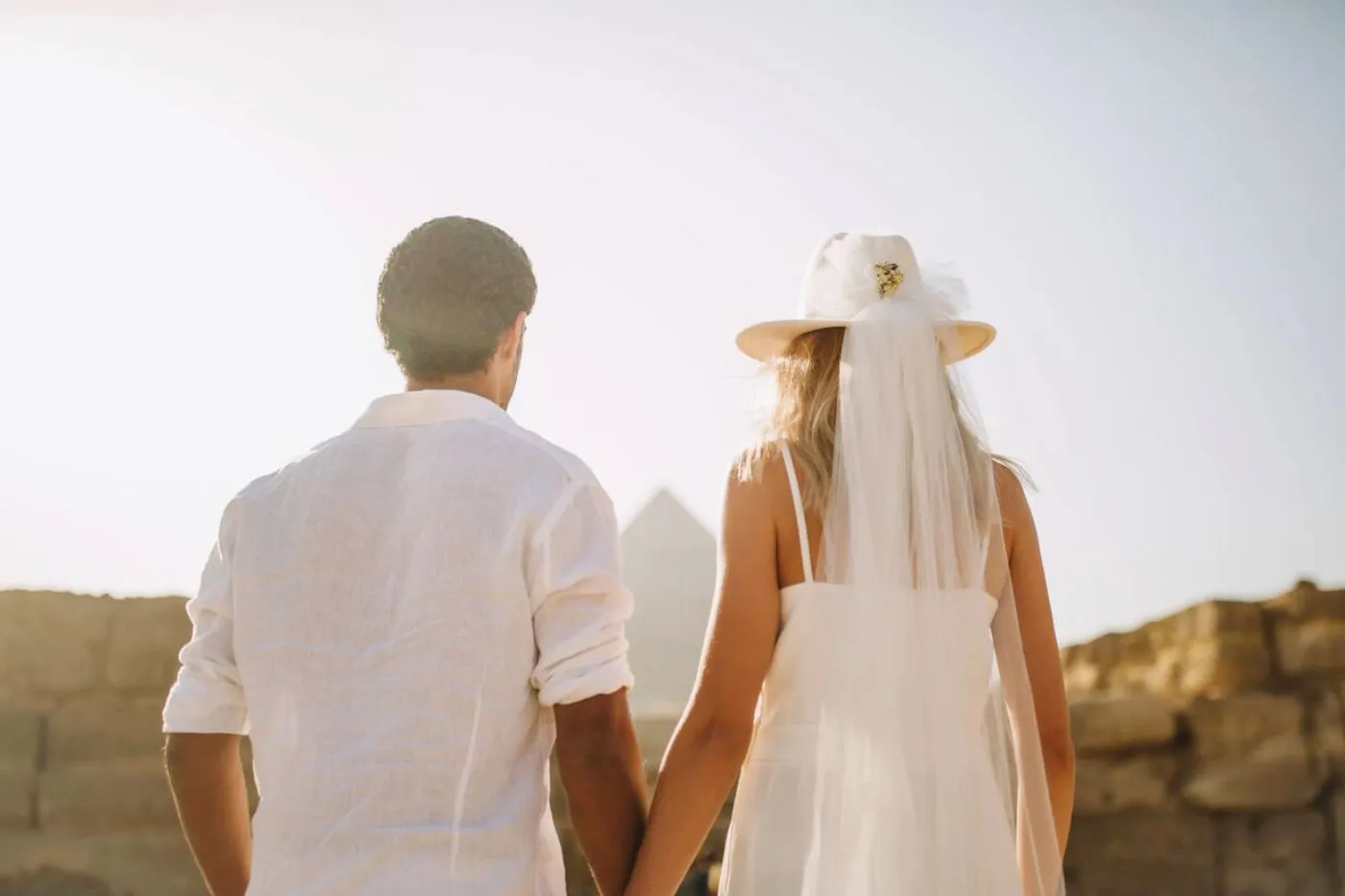
Egyptian marriage traditions often begin with a formal visit from the groom's family to the bride's family. Once the families agree, they may read the Fatiha, the opening chapter of the Quran, while the groom traditionally presents the bride with gold jewelry known as the shabka.
Muslim couples sign a marriage contract called katb el-kitab, often in a mosque or family setting. Coptic Christian couples marry in a church ceremony in which the bride and groom are crowned, while some families also organize a henna night shortly before the wedding.
The celebration itself often begins with the zaffa, a lively procession of drums, music and dancers that accompanies the couple into the wedding hall. Large celebrations may include hundreds of relatives, friends and neighbors.
Marriage roles are changing, particularly in urban areas. Traditional expectations often place financial responsibility on the husband, but growing numbers of couples share work, household responsibilities and family income more equally.
Discover How It Is Like to Live in Egypt
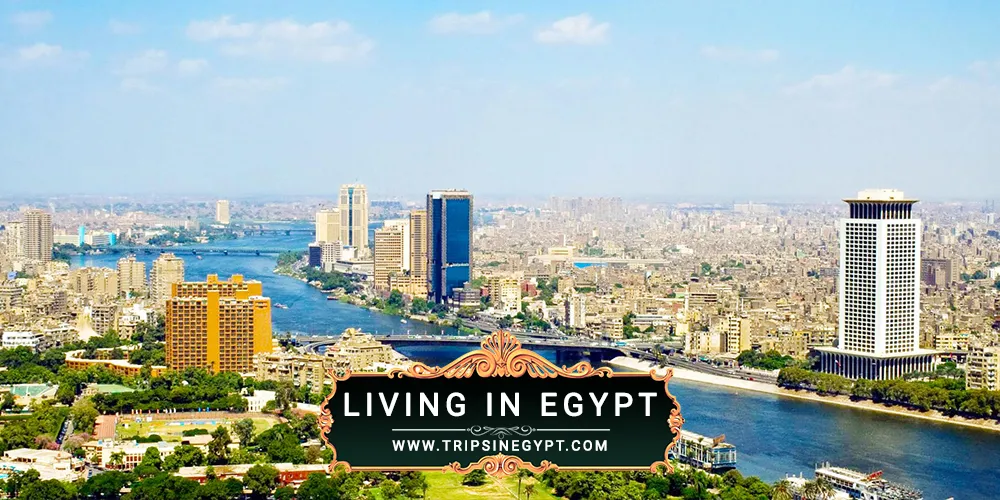
The Egyptian lifestyle mixes old habits with rapid modern change. Life often starts early and ends late, with shops open well into the evening and streets becoming especially busy after sunset during summer.
The ahwa, or traditional coffeehouse, remains a meeting point where people drink tea, play backgammon or dominoes and smoke shisha, while families also spend evenings in cafés, malls and beside the Nile. Egypt has many destinations, each with its own rhythm, from crowded Cairo neighborhoods to quiet oasis villages and Red Sea towns.
Most Important Places in Egypt
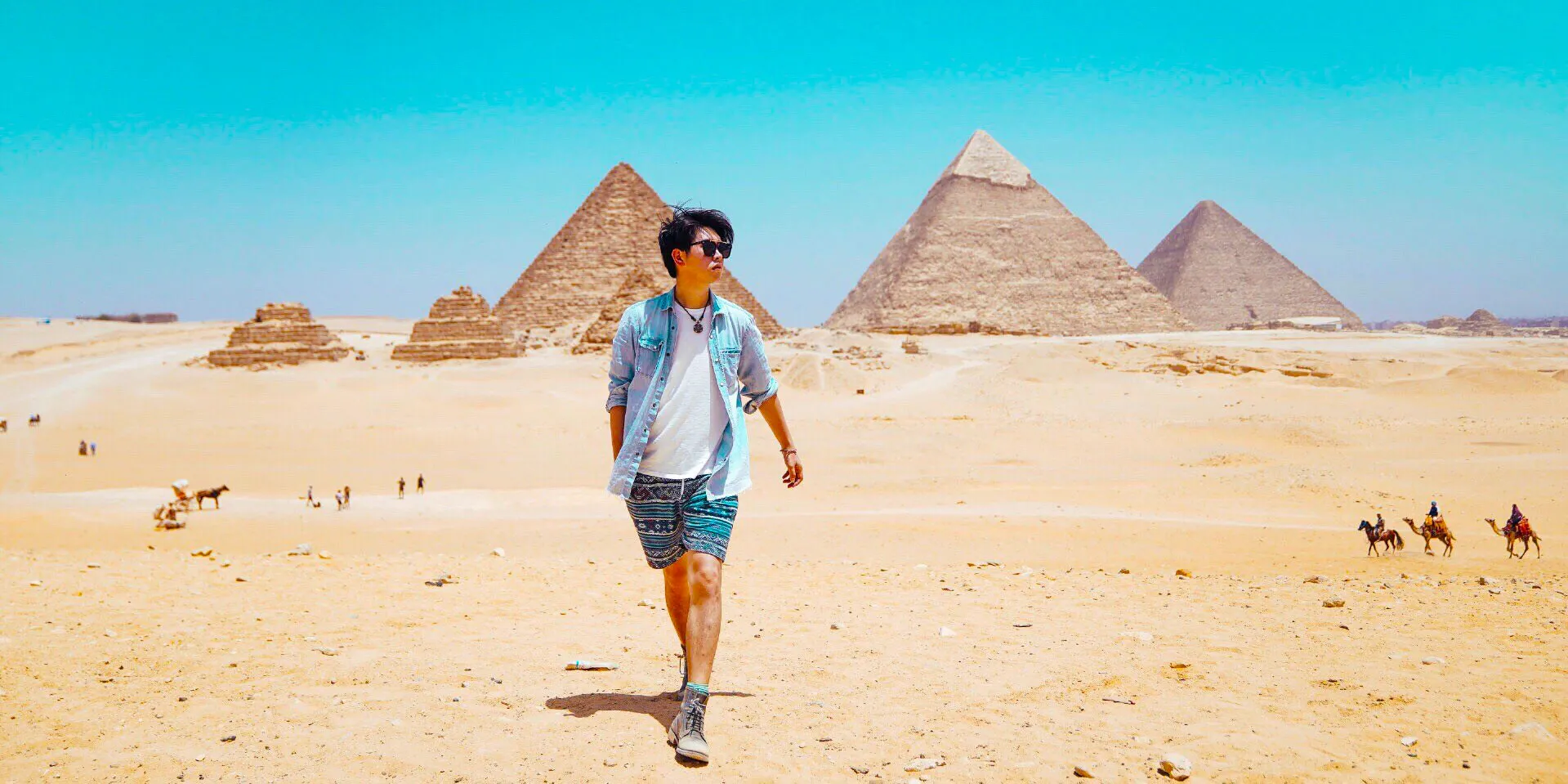
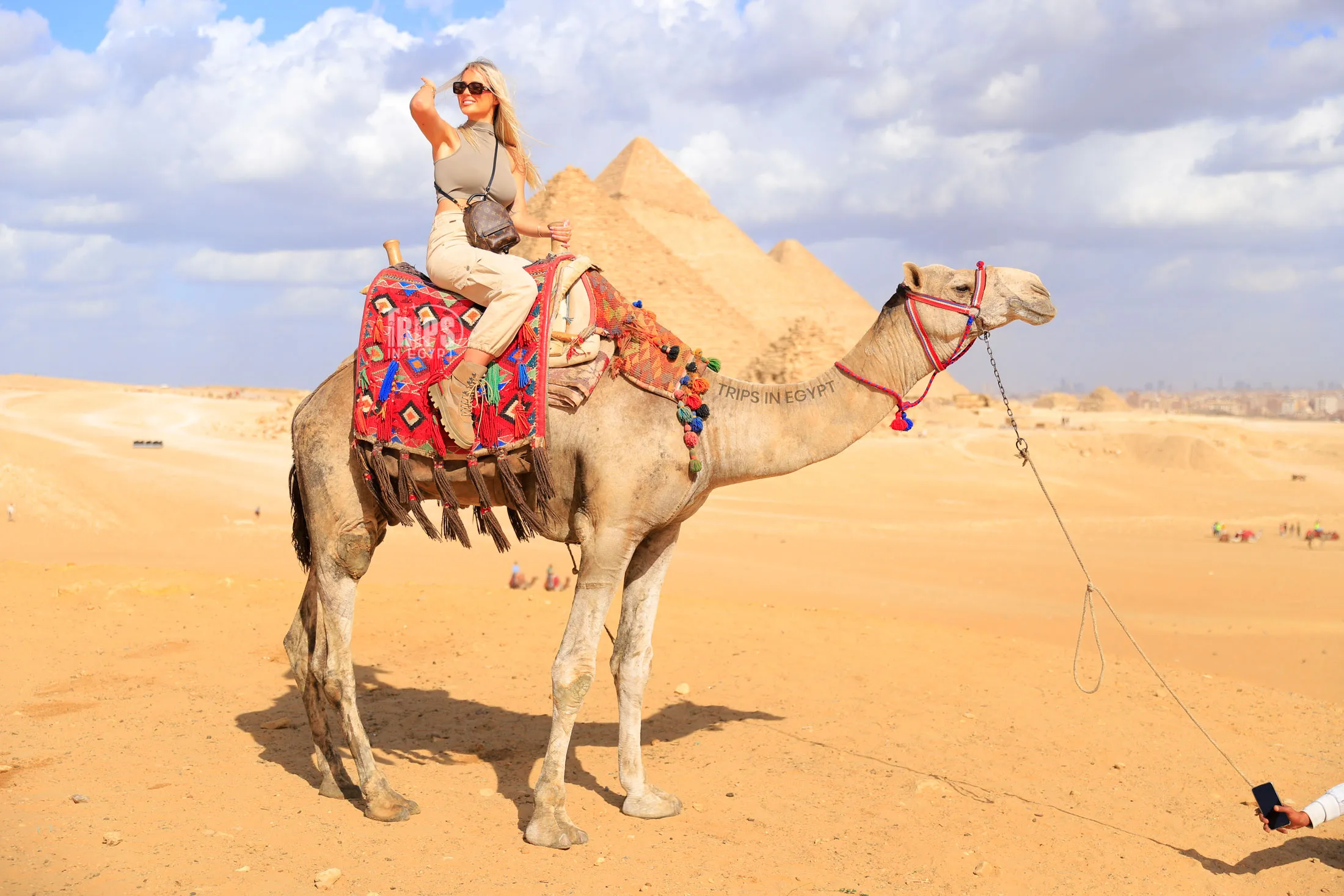
Cairo is the center of modern Egyptian life, with the Giza Pyramids on its edge and mosques, churches and markets filling its historic districts. Street-food stalls, late-night cafés, cinemas, universities and crowded Friday prayers all reflect the energy of contemporary Egyptian culture.
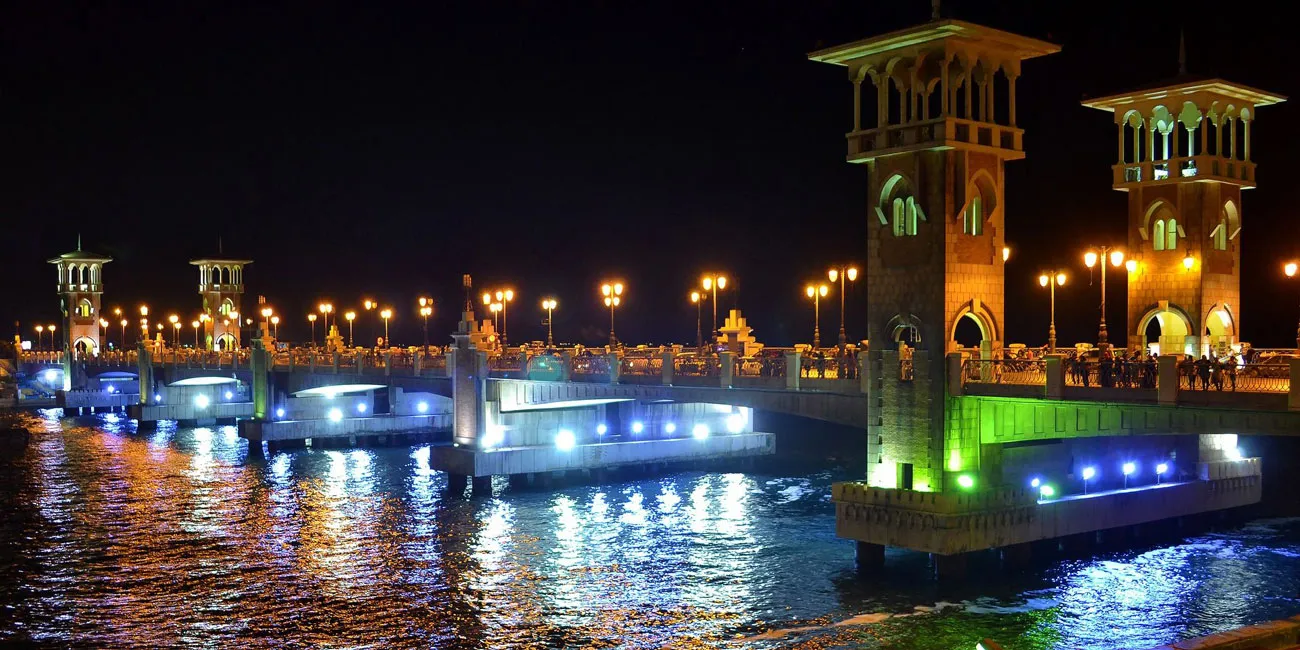
Alexandria has a more relaxed Mediterranean character, known for seafood restaurants, old cafés and a long Corniche filled with families during summer evenings. Its Greek, Roman and early Christian heritage also gives the city a distinctly cosmopolitan identity.
Luxor combines some of Egypt's greatest temples and tombs with agricultural villages, sugarcane fields and traditional markets. Local life moves at a slower pace than Cairo, with evenings centered around the Nile, cafés and felucca rides.
Aswan is one of the best places to experience Nubian culture through painted houses, handmade crafts, music and hospitality. Visitors are often welcomed into Nubian homes for hibiscus tea, while the surrounding Nile islands and palm groves create a noticeably slower rhythm.
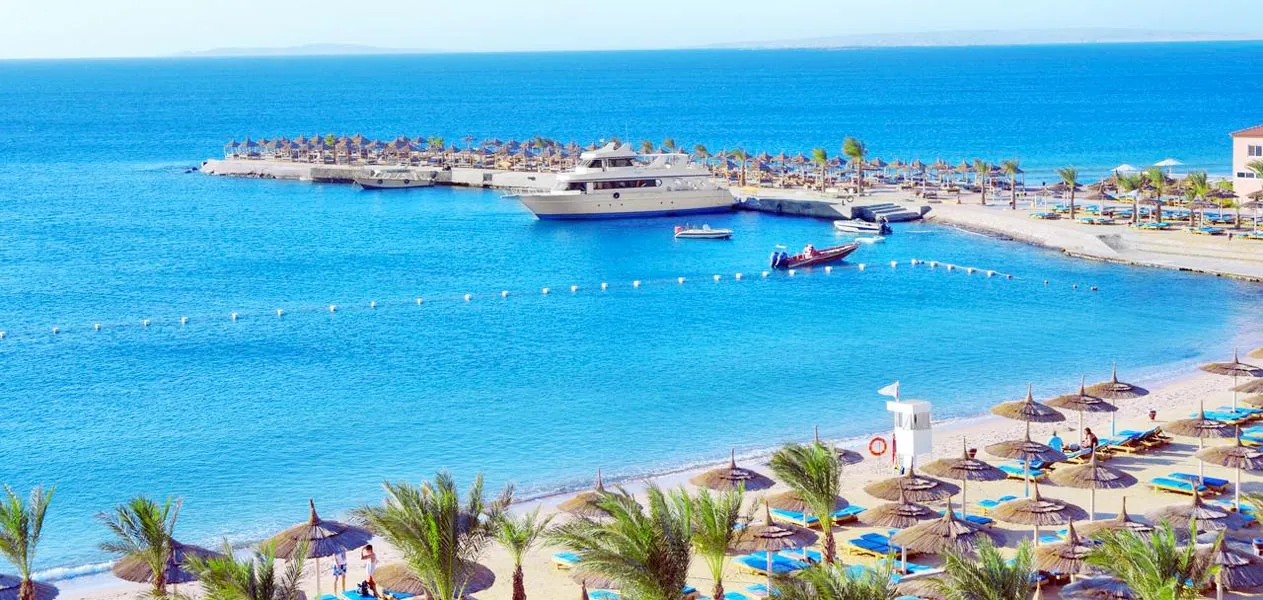
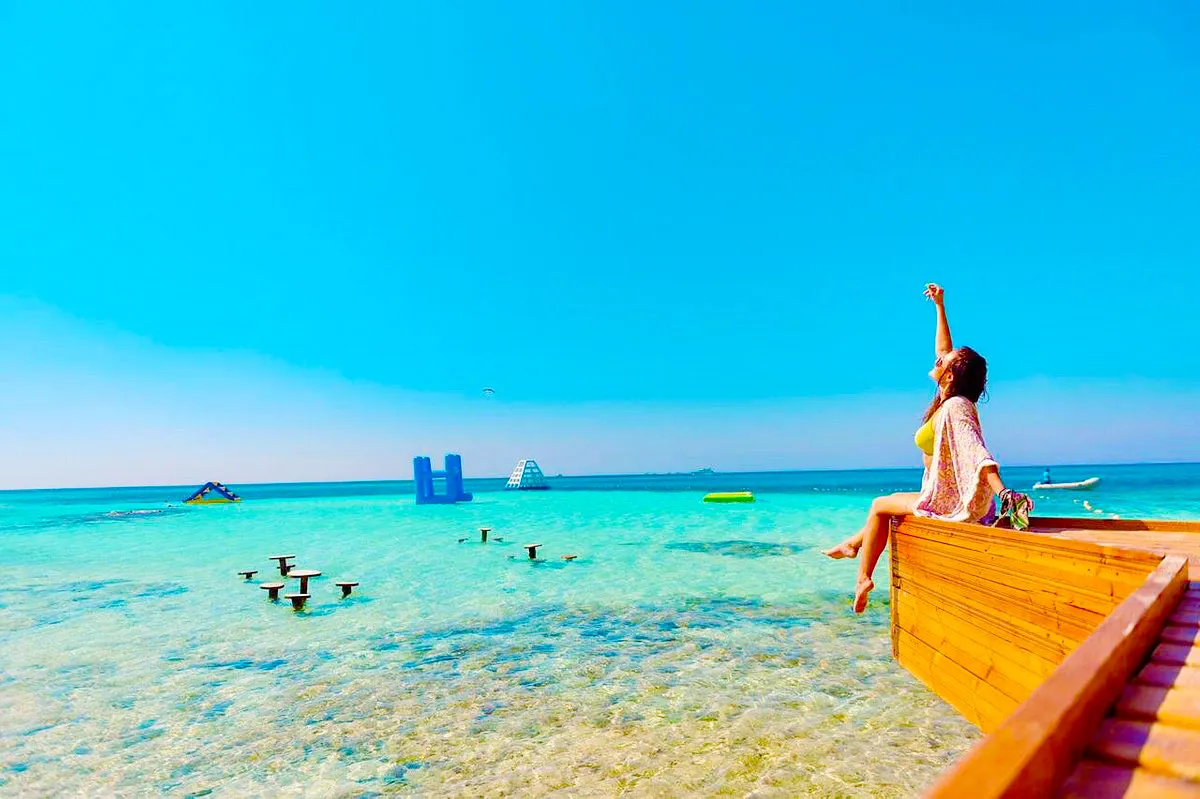
Hurghada developed from a fishing village into one of Egypt's major Red Sea resorts. Egyptian, Bedouin and international influences mix throughout the city, while nearby desert communities preserve traditions of tea, bread making, music and storytelling.
Do You Know What's the Languages Spoken in Egypt?
Arabic has been Egypt's main language since the Arab conquest of the 7th century, although it gradually replaced Coptic over several centuries. Most Egyptians speak Egyptian Arabic, one of the most widely understood dialects in the Arab world because of Egypt's influence through film, music and television.
Formal Arabic is used in schools, newspapers and official documents. Coptic, the final stage of the ancient Egyptian language, is no longer spoken as an everyday language but survives in the hymns and religious services of the Coptic Church.
English is widely studied and commonly used in tourism, universities and business. British occupation began in 1882, and the final British troops left Egypt in 1956, leaving a lasting influence on education.
French also has a long history in Egypt, particularly in Cairo and Alexandria, and millions of Egyptians have studied it. In major tourism centers, travelers may also encounter guides and hotel staff who speak German, Italian, Spanish or Russian.
Shopping in Egypt
Markets are part of daily Egyptian life, and nearly every neighborhood contains local shops, grocers and street stalls that remain open late. Bargaining is expected in traditional souks and with many street vendors, while supermarkets, pharmacies and modern malls use fixed prices.
The country's most famous market is Khan El Khalili, a historic bazaar in Islamic Cairo where visitors can shop for brass lamps, spices, perfume oils, silver, papyrus and cotton products.
Markets in Luxor and Aswan are also known for spices, Nubian baskets and colorful scarves, while Red Sea resorts combine traditional souvenir streets with modern shopping centers.
Egypt Transportation
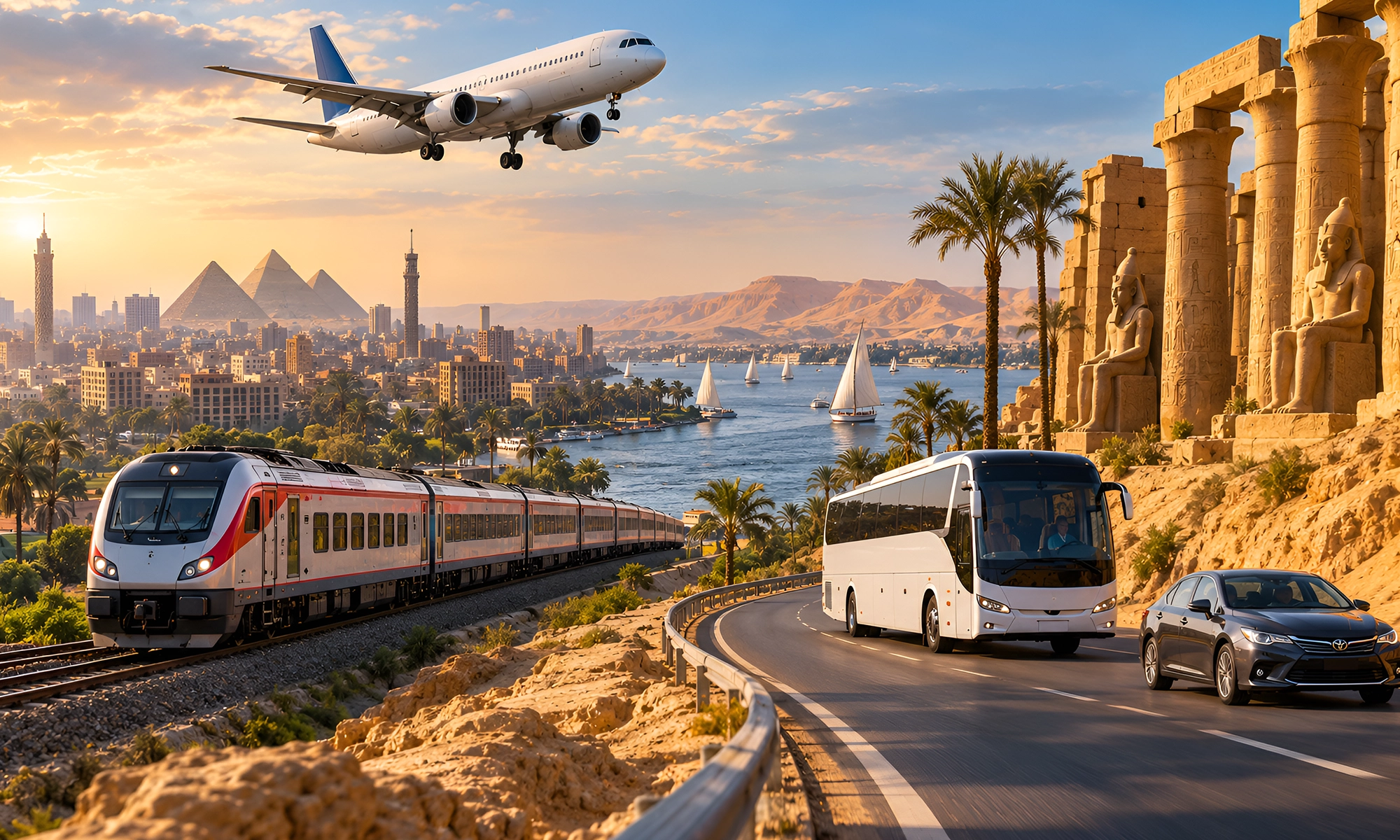
Getting around Egypt is relatively affordable. Cairo has an expanding metro system, while buses, microbuses, taxis and ride-hailing services such as Uber and Careem operate throughout major cities.
Trains connect Cairo with Alexandria, Luxor and Aswan, including overnight sleeper services to Upper Egypt, while domestic flights save time on longer journeys. Smaller towns may also use tuk-tuks, ferries, horse carriages and local minibuses.
Traffic in Cairo can be heavy, particularly during morning and evening rush hours, so travelers should allow additional journey time when moving between attractions.
Egyptian Food
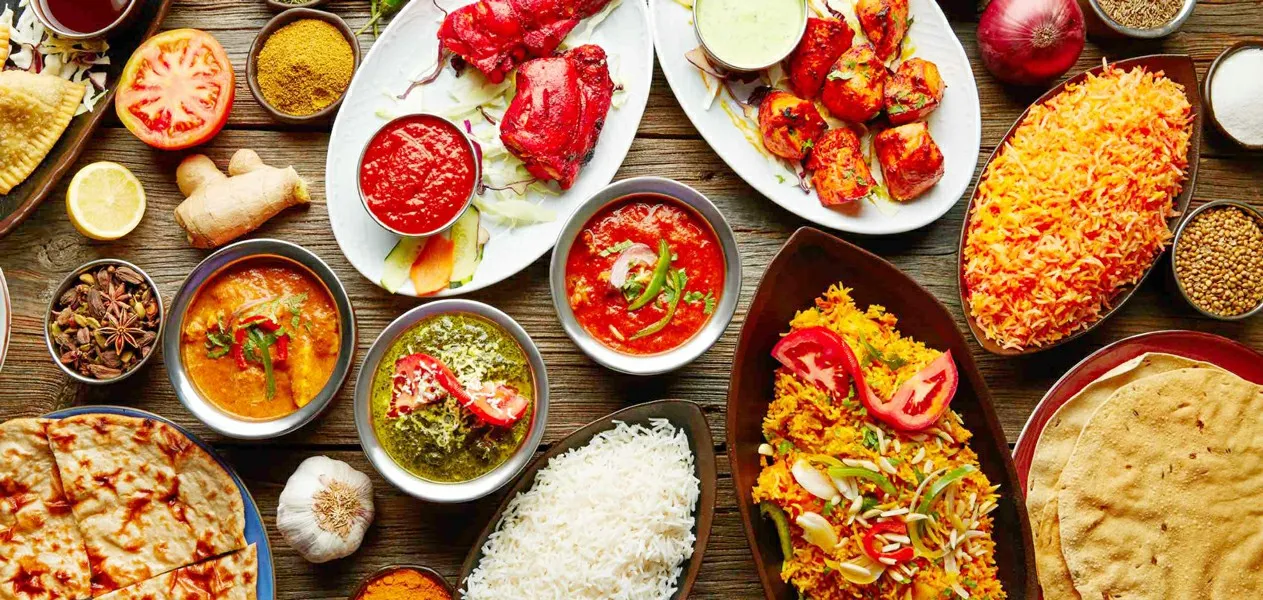
Food is one of the strongest expressions of Egyptian culture, and meals are usually social occasions. Popular dishes include koshari, ful medames, ta'ameya, molokhia and mahshi, while desserts such as basbousa, konafa and om ali appear at celebrations and family gatherings.
Bread is known as aish, a word that also means "life", and accompanies most traditional meals. During Ramadan, families gather for iftar at sunset, while each festival brings its own special dishes and sweets. Our guide to Egyptian food covers the country's most famous dishes and where travelers can try them.
Weather in Egypt
Egypt is sunny through most of the year. Winters are generally mild during the day and cooler at night, especially in desert regions, while summers are hot and dry with warm evenings that keep streets and cafés busy after sunset.
Spring occasionally brings dusty khamsin winds, while significant rain is mainly limited to the Mediterranean coast during winter. Most travelers find October to April the most comfortable period for sightseeing, and our guide to the best time to visit Egypt compares each season in detail.
Christmas, New Year and Easter are among the busiest travel periods. Hotels and Nile cruise packages can fill early, while summer tends to be quieter in Cairo and Upper Egypt but particularly busy along Egypt's Mediterranean and Red Sea beaches.
Discover Our Culture Tours in Egypt
The best way to understand Egyptian culture is to combine famous monuments with markets, villages and local experiences. Our Egypt vacation packages cover Cairo, Alexandria, the Nile Valley and the Red Sea, while the following tours add opportunities to experience local life alongside historical sightseeing.
Day Tour from Cairo to Pyramids, Museum & Khan El Khalili combines the Giza Pyramids, Great Sphinx and Grand Egyptian Museum with the historic lanes and market culture of Khan El Khalili. From $95.
Nubian Village Tour from Aswan includes a Nile motorboat journey to Gharb Soheil, where travelers can experience painted houses, handmade crafts and Nubian family traditions. From $45.
5 Days Cairo And Hurghada Trip combines Cairo's historical sites and museums with snorkeling and a desert safari including a Bedouin dinner and show in Hurghada. From $690.
6 Days Cairo, Alexandria & Faiyum Tour combines Cairo, Alexandria and the Faiyum Oasis, giving travelers a broader look at urban, Mediterranean and oasis life in Egypt. From $720.
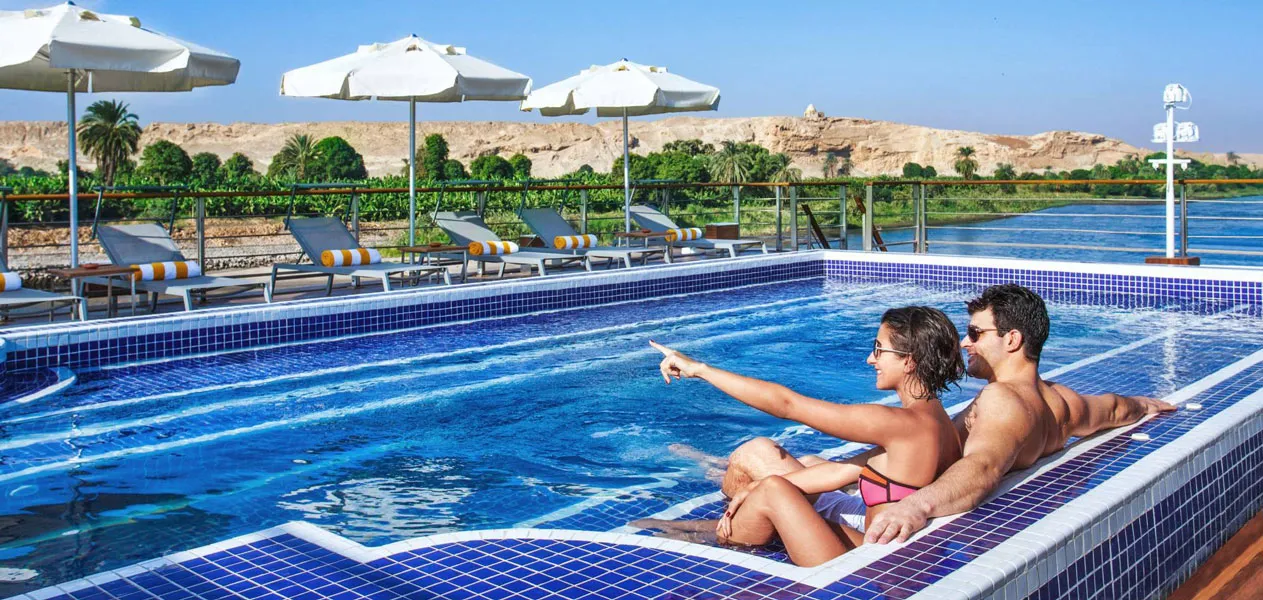
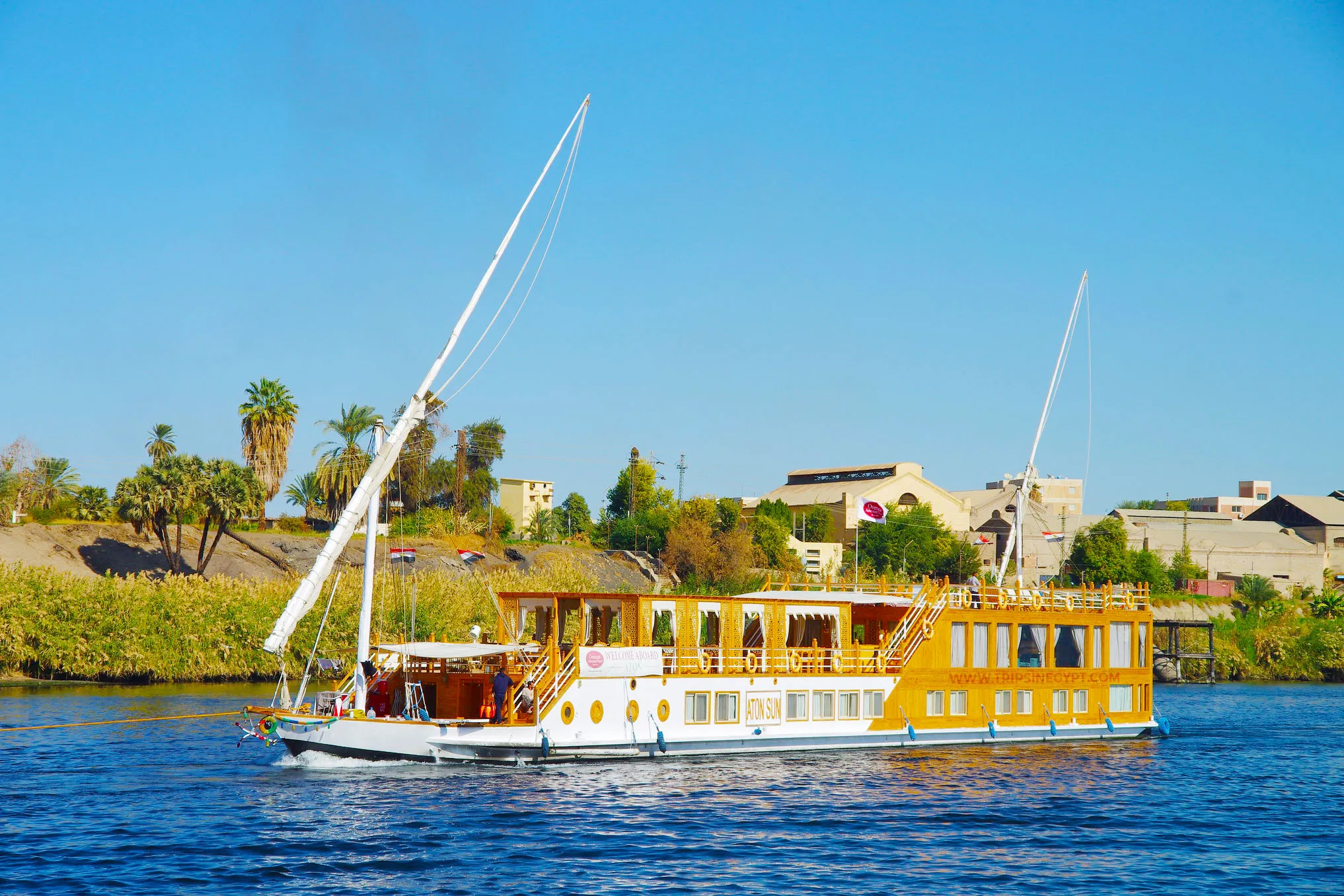
10 Days Cairo, Faiyum & Nile Cruise Holiday combines Cairo, Faiyum and a Nile cruise through Luxor and Aswan for a longer journey through ancient and modern Egyptian life. From $1,350.
The History of Religion in Egypt
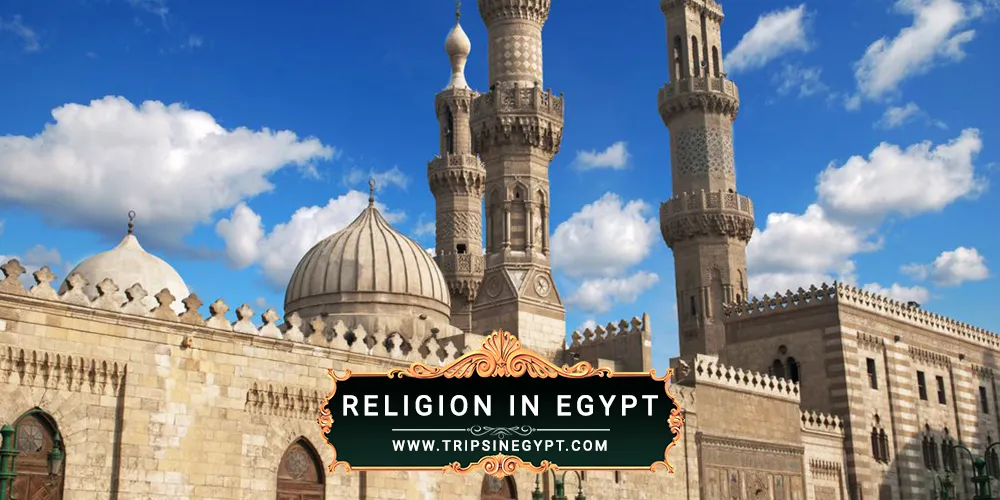
Religion has shaped Egyptian culture for thousands of years. Ancient Egyptians worshiped many gods and constructed temples along the Nile, Christianity spread during the first centuries AD, and Islam arrived after the Arab conquest during the 7th century.
Today, most Egyptians are Sunni Muslims, while Coptic Christians form the country's largest Christian community. Muslims and Christians share a language, national history and identity, and mosques and churches frequently stand side by side in Egyptian cities and villages.
Islam in Egypt
Islam influences the daily rhythm of Egyptian life through the five calls to prayer, Friday prayers and the fasting month of Ramadan. Cairo is famous for its historic minarets, while Al-Azhar Mosque, founded by the Fatimids in 970 AD, developed into one of the world's most important centers of Islamic learning.
Religious phrases appear naturally in everyday speech, and greetings such as as-salamu alaykum, meaning "peace be upon you", are widely used. Many communities also celebrate moulids, festivals honoring important religious figures and saints with lights, food and music.
Islamic Cairo contains an exceptional collection of mosques, madrasas and historic fountains built by Fatimid, Mamluk and Ottoman rulers. Visitors are welcome at many religious sites outside prayer times when they dress respectfully and follow local customs.
Our guide to Islamic sites in Egypt includes important monuments such as the mosques of Sultan Hassan, Ibn Tulun and Muhammad Ali.
Coptic Christianity
Coptic Christians traditionally trace the founding of their church to Saint Mark, who is believed to have brought Christianity to Alexandria during the 1st century AD. The Coptic Orthodox Church is headed by the Pope of Alexandria and remains one of the world's oldest Christian communities.
Egypt also played a central role in the development of Christian monasticism through desert figures such as Saint Anthony. Copts observe long fasting periods, celebrate Christmas on January 7 and continue to use the Coptic language in religious services.
Our guide to Coptic sites in Egypt covers the Hanging Church, the churches of Old Cairo and Egypt's historic desert monasteries.
Religion in Ancient Egypt
Ancient Egyptians worshiped hundreds of gods, including Amun, Ra, Osiris, Isis and Horus, while kings were expected to preserve ma'at, the divine order that maintained balance between gods, humans and the natural world.
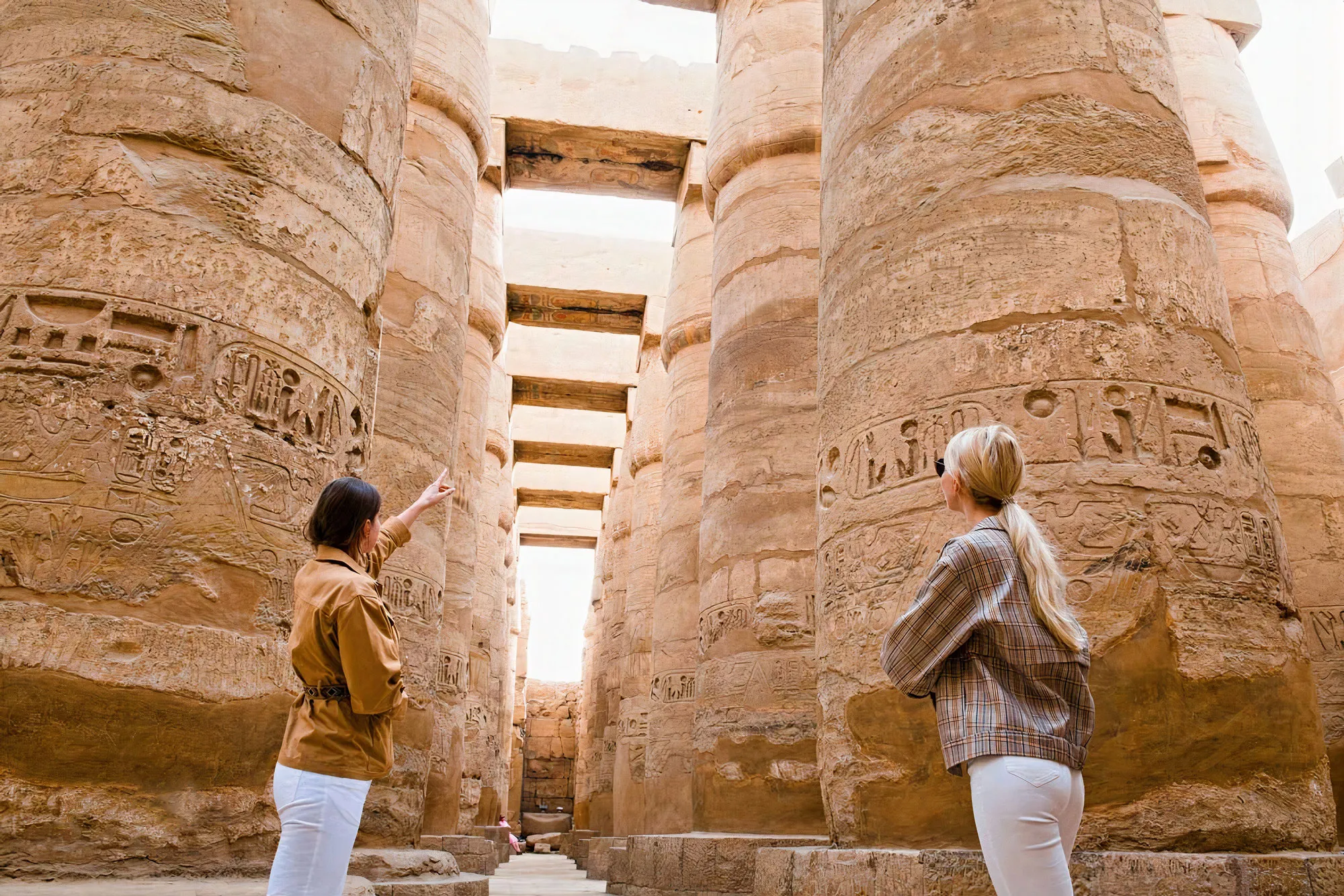
Belief in the afterlife shaped tombs, mummification and funerary texts. The Karnak Temple in Luxor became Egypt's largest religious complex and was expanded by generations of pharaohs over approximately two thousand years.
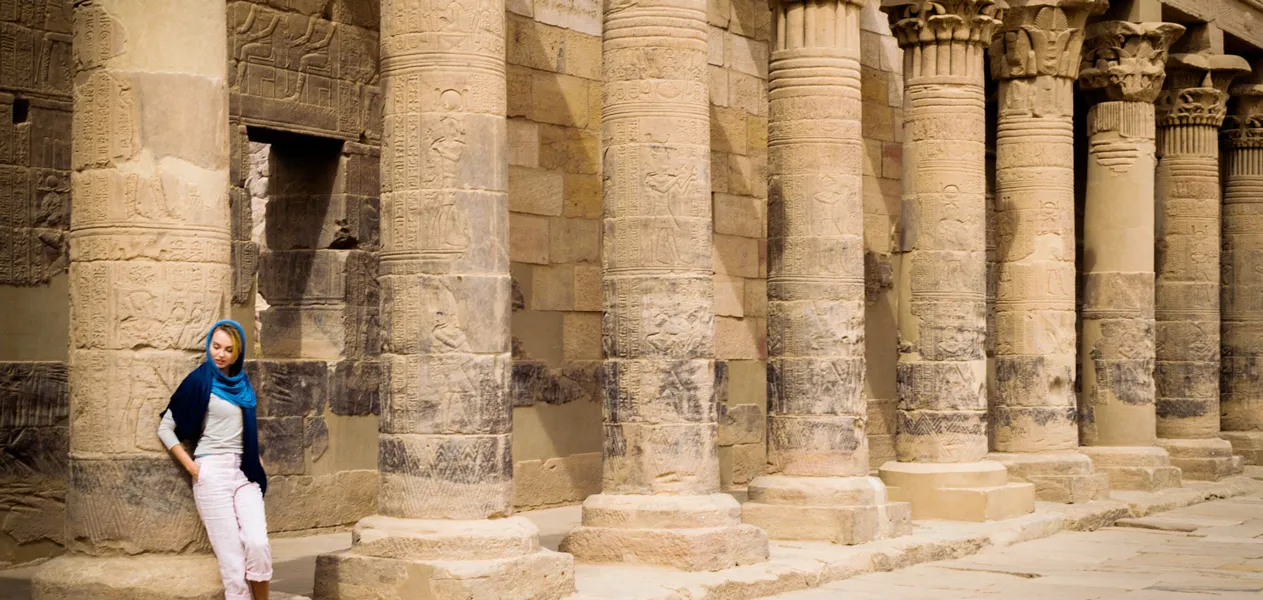
The Luxor Temple demonstrates how different religious traditions occupied the same landscape. Originally dedicated to Amun, it later contained Roman structures and a Christian church, while the Abu Haggag Mosque still stands within the ancient temple complex.
Ancient Egyptian religion survived particularly long in southern Egypt. The temple of Isis at Philae preserves the last known hieroglyphic inscription, dated to 394 AD, and the temple was later converted for Christian use.
5 Major Festivals in Egypt You Should Know
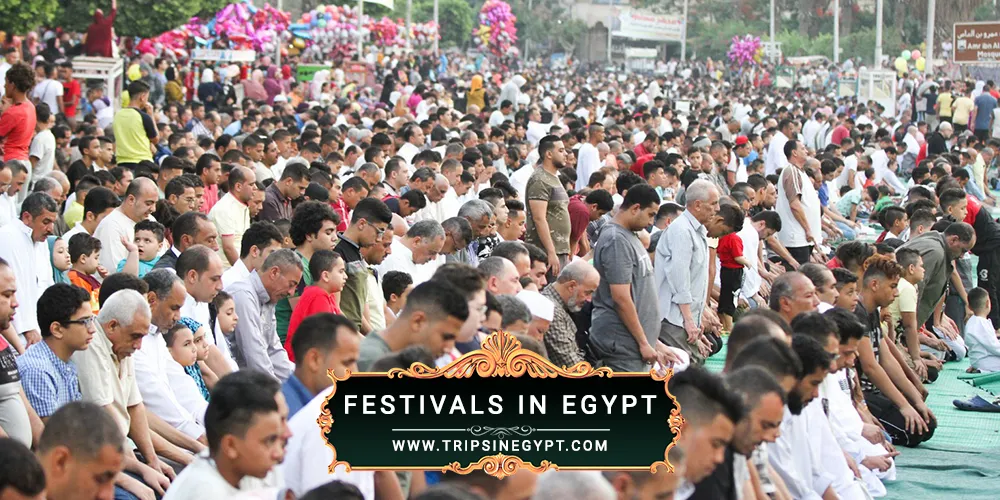
Egyptian traditions and celebrations follow both the Islamic lunar calendar and the Coptic calendar, meaning that several major holidays change date from year to year. Families visit relatives, prepare special foods and spend time together in parks or beside the Nile, while children often receive new clothes and gifts of money.
Most tourist attractions remain open during major holidays, although banks and government offices may close. Our guide to festivals and public holidays in Egypt lists Egypt's major national, Islamic and Coptic celebrations.
Christmas Festival
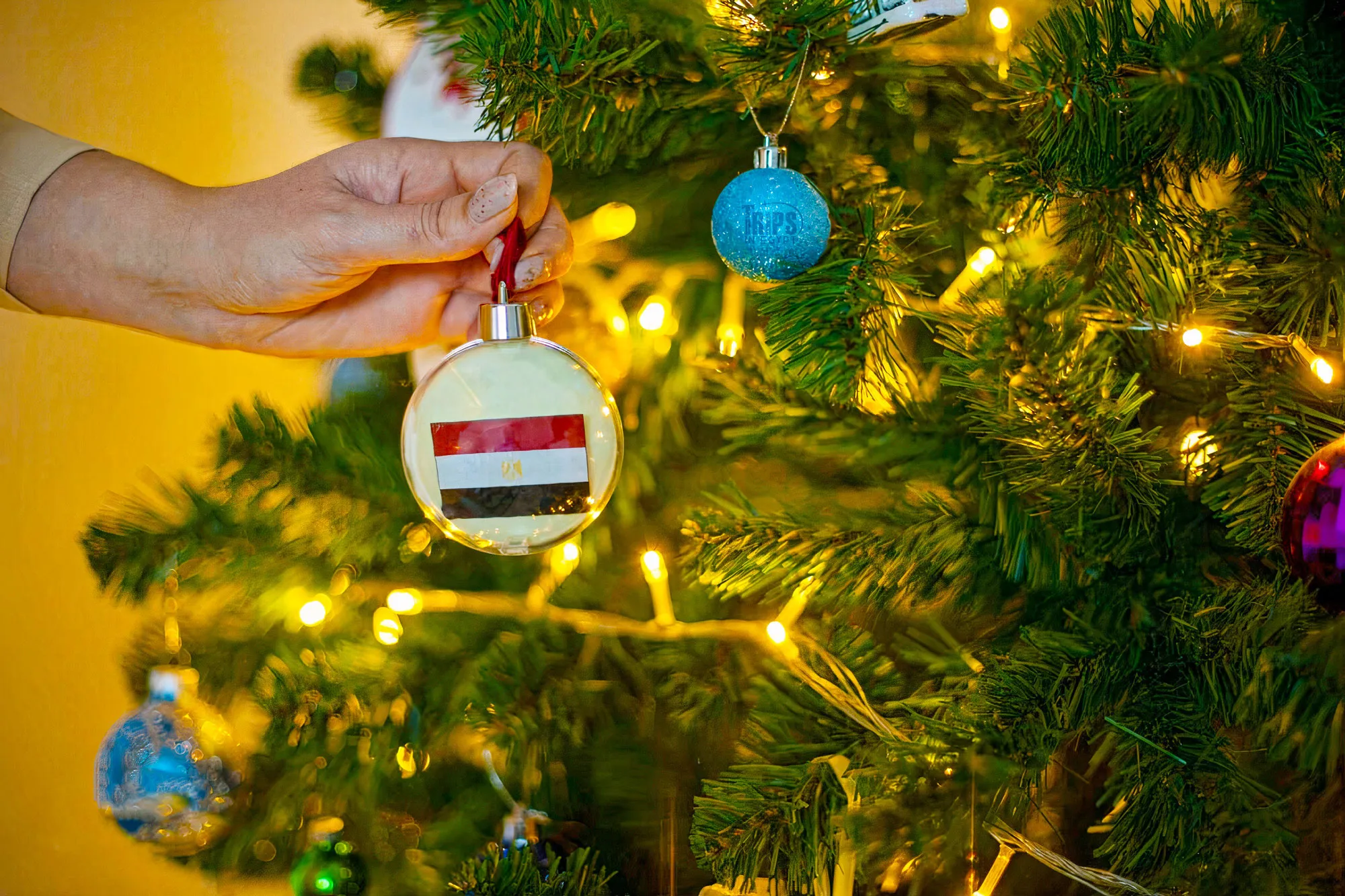
Coptic Christians celebrate Christmas on January 7 after a 43-day fasting period during which many avoid meat and dairy products. On Christmas Eve, families attend a long church service before breaking the fast with a festive meal including fatta, meat, rice and kahk biscuits.
Muslim neighbors may also visit Christian friends to exchange holiday wishes. Our guide to Christmas customs and traditions in Egypt explains the celebration in greater detail.
Christmas and New Year are also among the most popular travel periods because of Egypt's mild winter weather. Many travelers spend Egypt Christmas holidays visiting Cairo, Luxor and Aswan or relaxing beside the Red Sea.
Easter Festival
Easter is the most important feast in the Coptic Orthodox calendar and generally falls later than Western Easter. It ends a 55-day fasting period and follows Holy Week, beginning with Palm Sunday and continuing through lengthy church services before Easter morning.
Spring also coincides with one of Egypt's busiest travel seasons. Our guide to Easter in Egypt explains where travelers can experience the holiday.
The day after Coptic Easter is Sham El-Nessim, a national spring celebration shared by Muslims and Christians. Families gather in parks and beside the Nile to eat salted fish known as feseekh, green onions, lettuce and colored eggs.
Many writers connect these foods with ancient seasonal celebrations. Our article on Easter traditions in Egypt explains both the Coptic traditions and Sham El-Nessim customs.
Eid El-Fetr Festival
Eid El-Fetr, or Eid al-Fitr, marks the end of Ramadan, when Muslims fast from dawn until sunset. During Ramadan, streets and homes are decorated with colorful fanous lanterns, families gather for iftar and charity tables provide free meals to those in need.
The Eid begins with a morning prayer, followed by family visits and celebrations. Children often receive money called eidiya, while homes serve kahk biscuits and public parks, cinemas and Nile-side areas fill with families.
Eid El-Adha Festival
Eid El-Adha, the Feast of the Sacrifice, occurs around seventy days after Eid El-Fetr and coincides with the pilgrimage season in Mecca. It commemorates the story of Ibrahim, known as Abraham in Christianity and Judaism, and his willingness to sacrifice his son before God provided a ram.
Families able to afford it may sacrifice sheep or cattle and distribute portions of meat among relatives, neighbors and people in need. The holiday is centered on prayer, large family meals and visits between relatives.
Abu Simbel Sun Festival
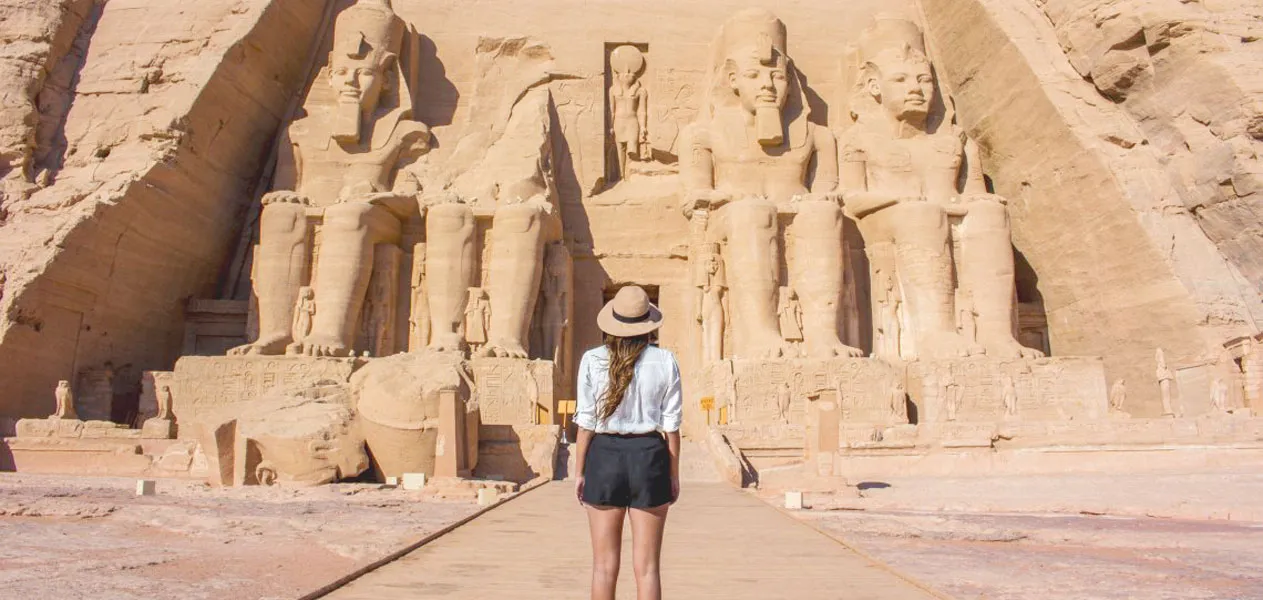
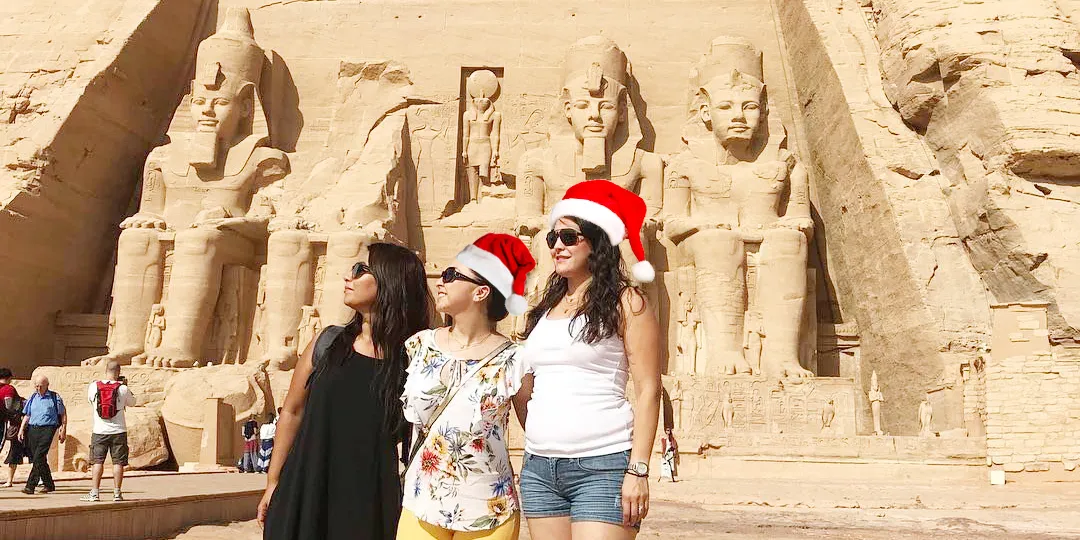
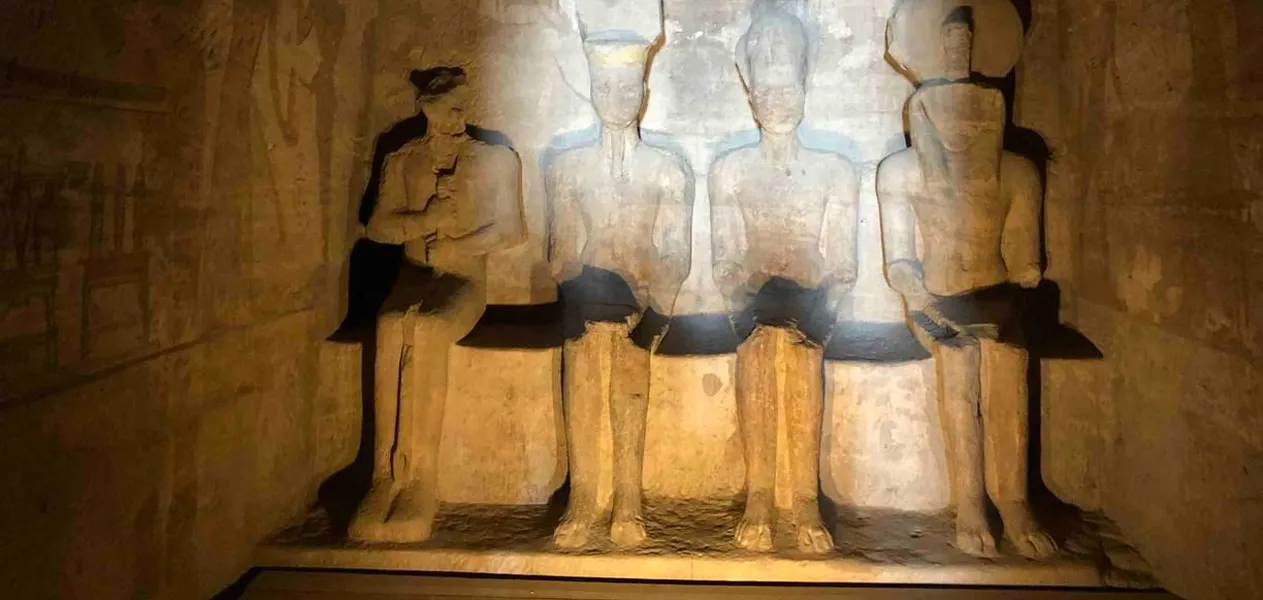
The Abu Simbel Sun Festival takes place around February 22 and October 22, when sunlight passes through the temple entrance and reaches statues within the inner sanctuary.
The rays illuminate Ramses II, Amun-Ra and Ra-Horakhty while Ptah, a god associated with the underworld, remains in shadow. The popular claim that the dates represented Ramses II's birthday and coronation is a modern tradition rather than a proven ancient fact.
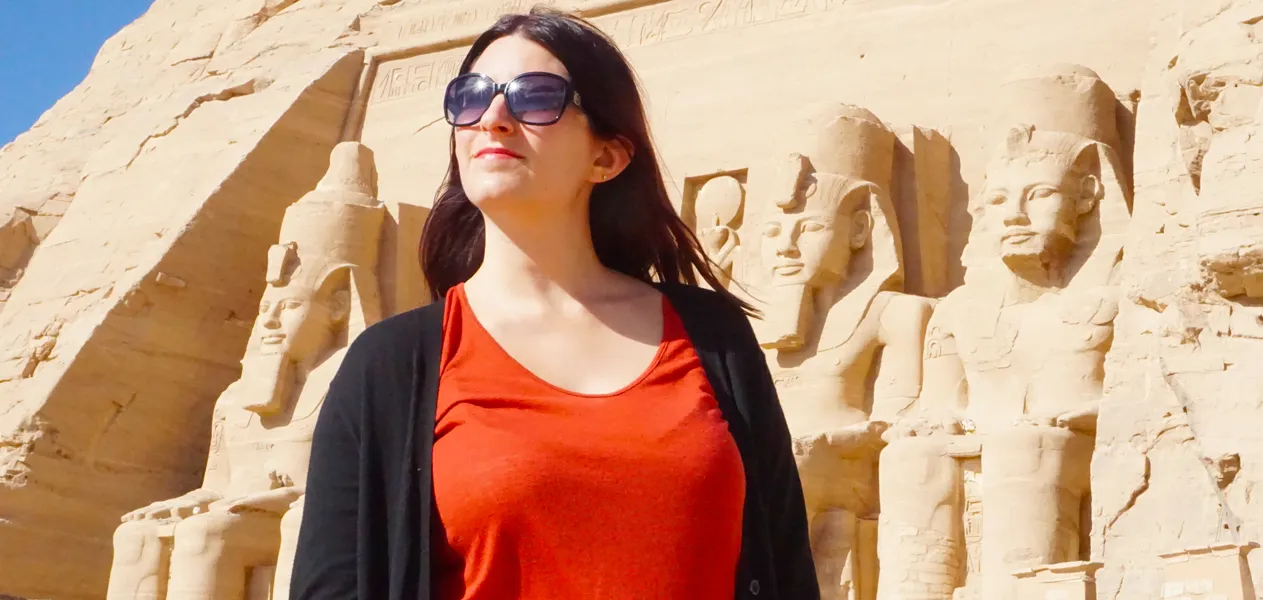
The temple of Abu Simbel was carved into a sandstone cliff during the 13th century BC before being moved to higher ground in the 1960s to protect it from Lake Nasser.
On festival mornings, visitors arrive before sunrise while Nubian music, drums and dancing animate the area outside the temple.
Groundbreaking Literature in Egypt
Egypt has one of the world's oldest literary traditions. Ancient Egyptians wrote on papyrus and temple walls, preserving wisdom literature, hymns, poetry and stories such as the Tale of Sinuhe.
Royal inscriptions could also transform historical events into heroic literature. Ramses II's account of the Battle of Kadesh was carved on several monuments, while modern Cairo later became one of the major centers of Arabic publishing and literature.
Three modern writers stand out. Taha Hussein (1889–1973), known as the "Dean of Arabic Literature", wrote The Days and advocated wider access to education. Yusuf Idris (1927–1991) became one of Egypt's most celebrated short-story writers.
Naguib Mahfouz (1911–2006), author of the Cairo Trilogy, became the first Arabic-language writer to win the Nobel Prize in Literature in 1988. Egyptian literary culture remains active today, particularly around the annual Cairo International Book Fair.
Surprising Facts About the Egyptian Art and Architecture
Egyptian art includes sculpture, architecture, painting and crafts created throughout the dynastic periods of the Nile Valley and Nubia. Its purpose was not simply realistic representation but the preservation of order, symbolism and the relationship between people, kings and gods.
Artists followed strict conventions, often presenting each part of the human body from the angle considered most recognizable. The great era of monumental pyramid building developed during the Old Kingdom of ancient Egypt, when artistic and architectural styles emerged that influenced Egypt for thousands of years.
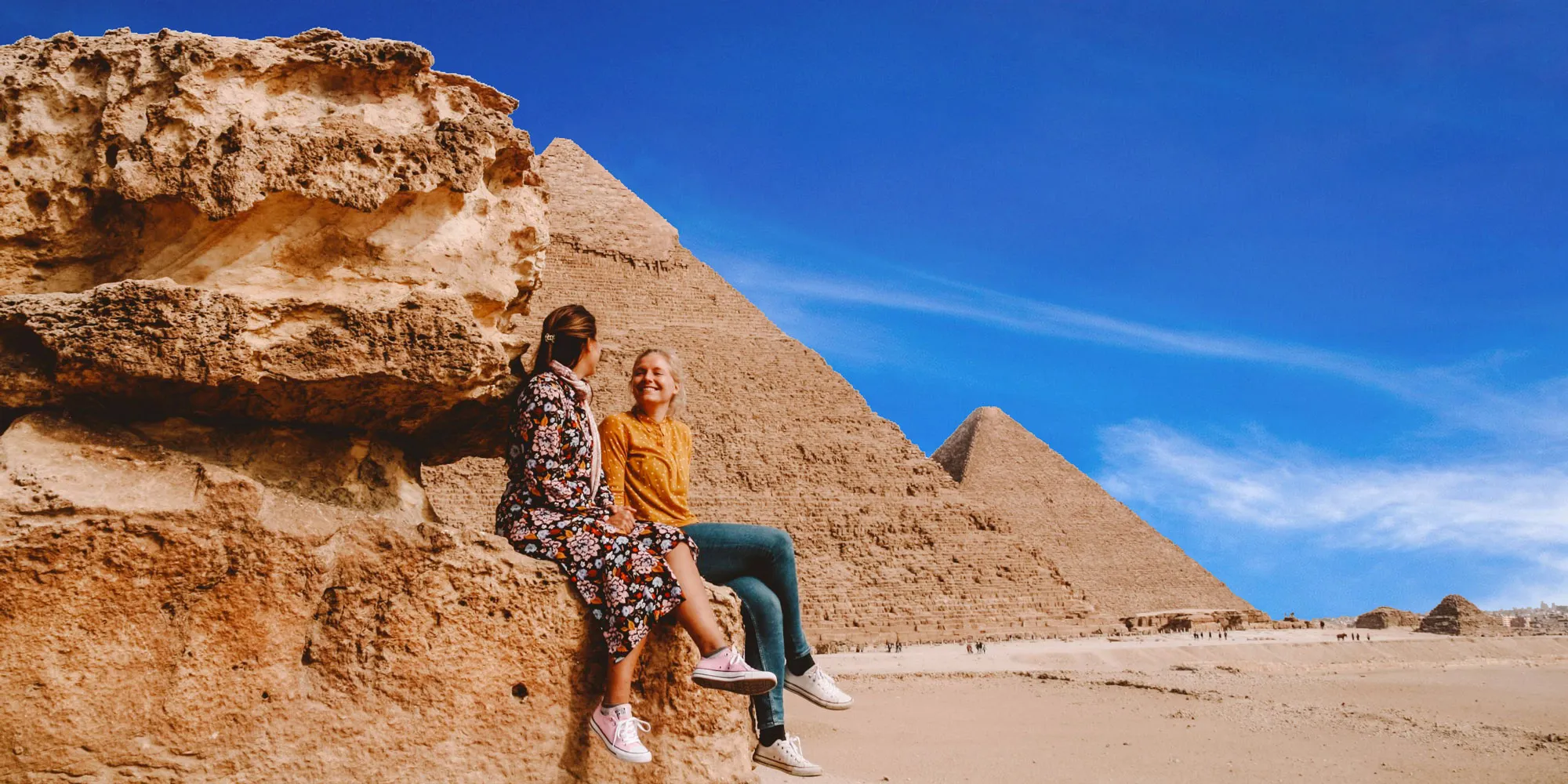
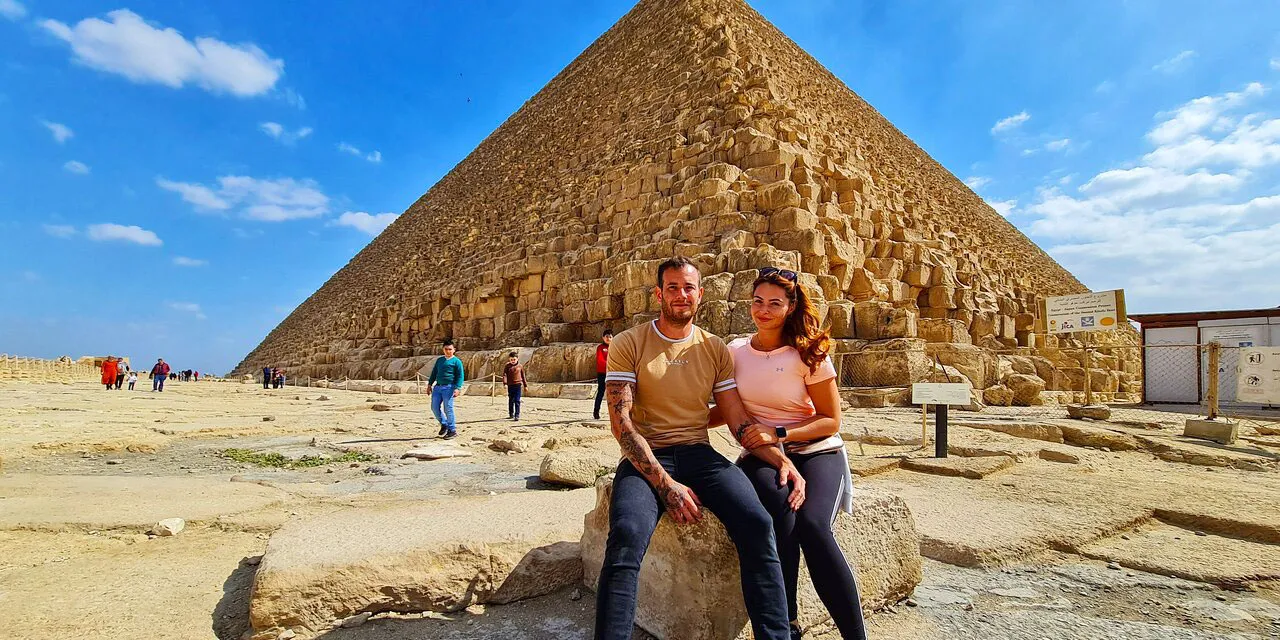
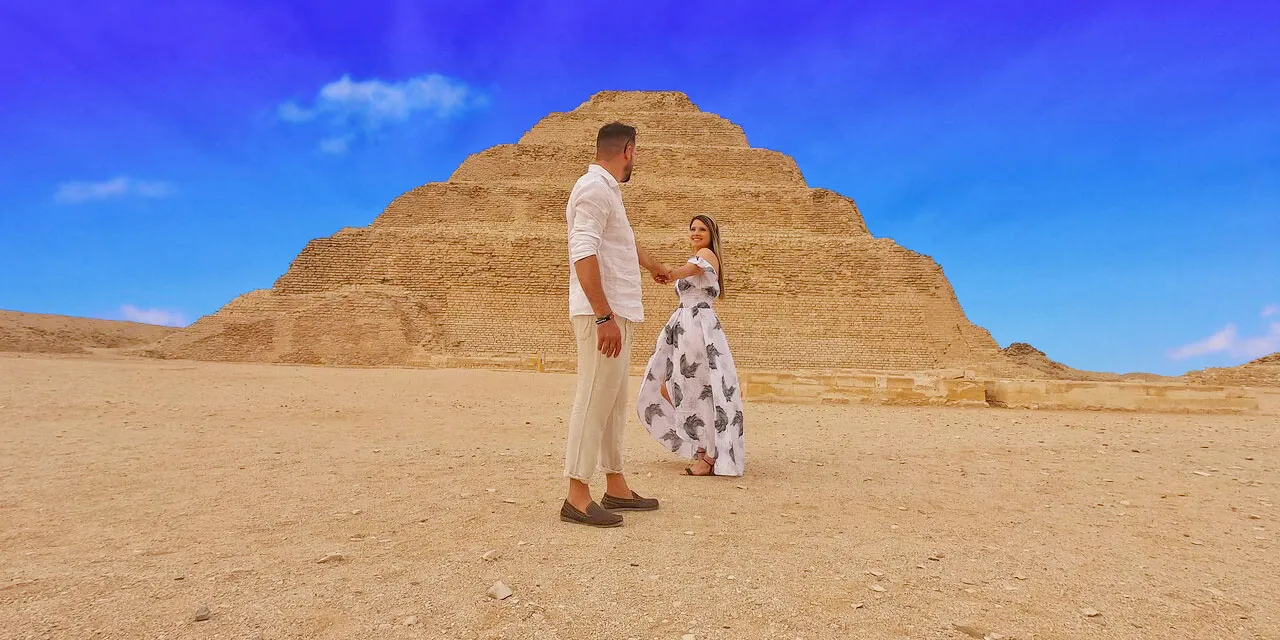
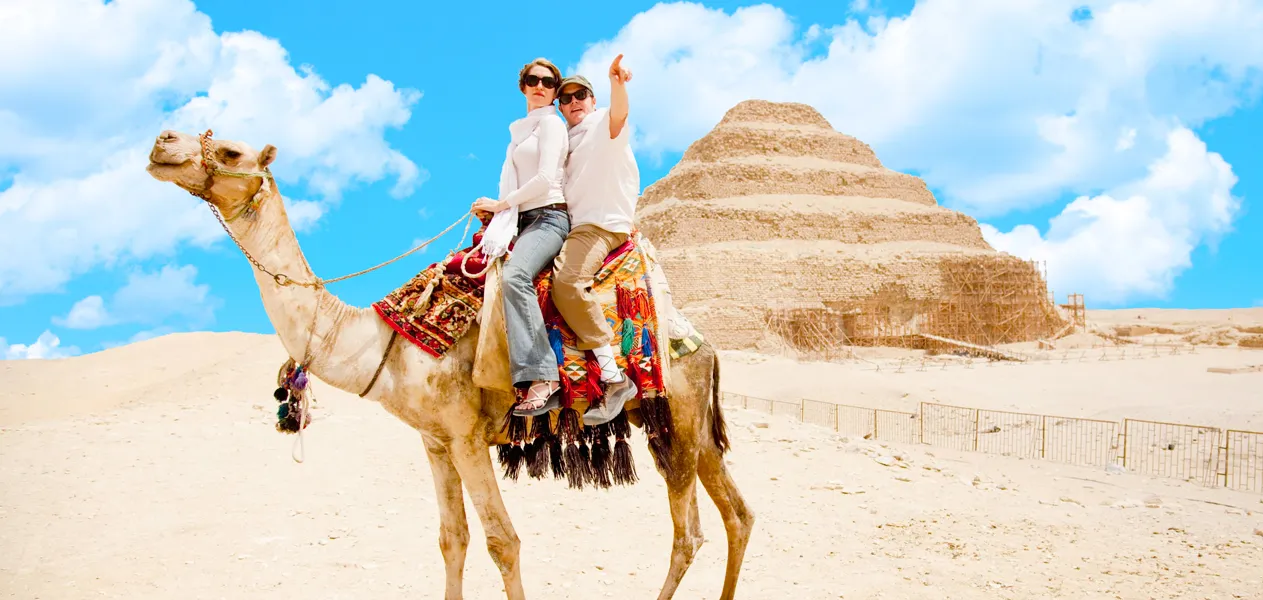
The first monumental stone complex was built for King Djoser, whose Step Pyramid at Saqqara was designed by Imhotep around 2650 BC. Pyramid construction later reached its greatest scale at Giza with the Great Pyramid of Khufu.
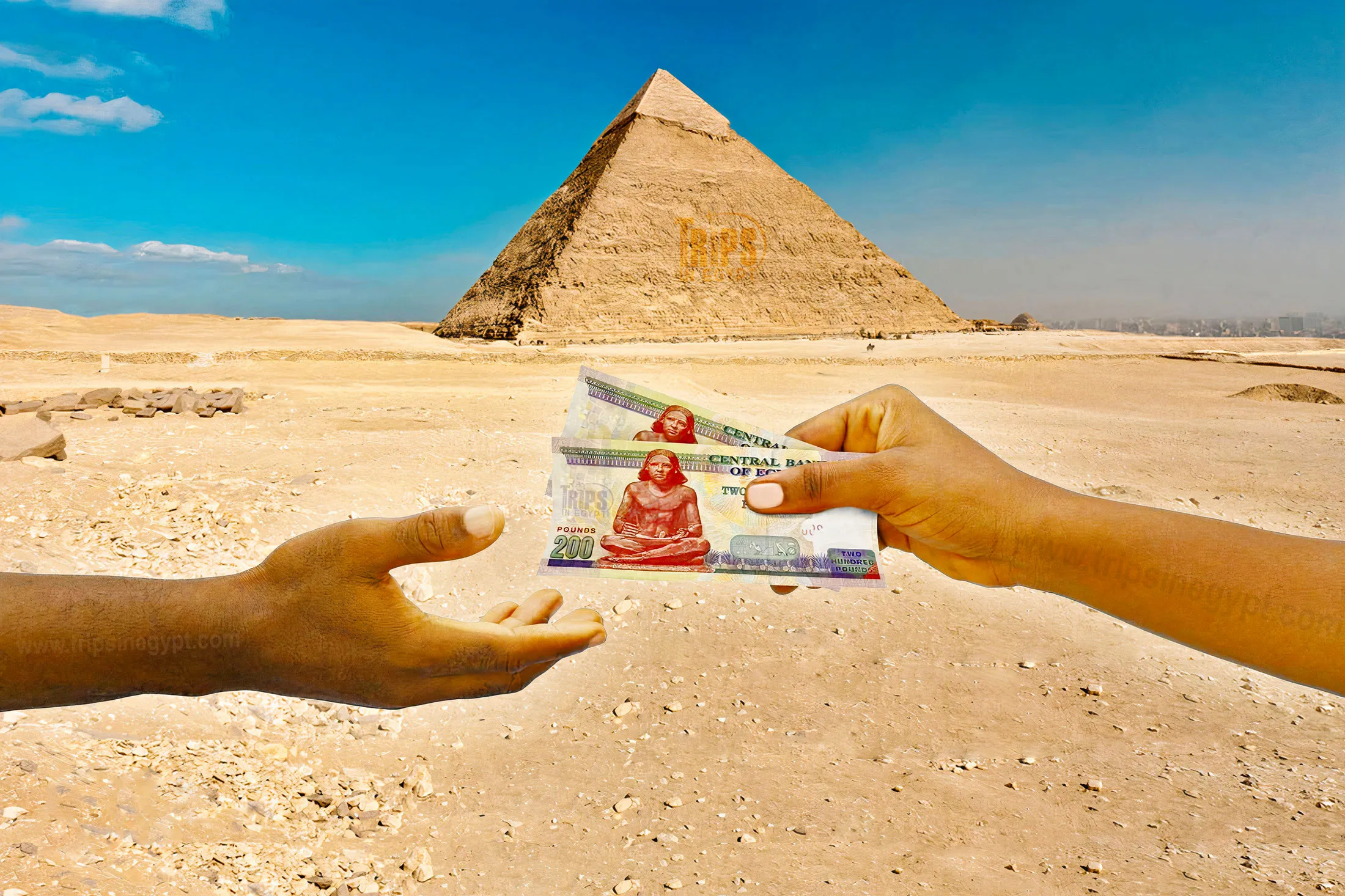
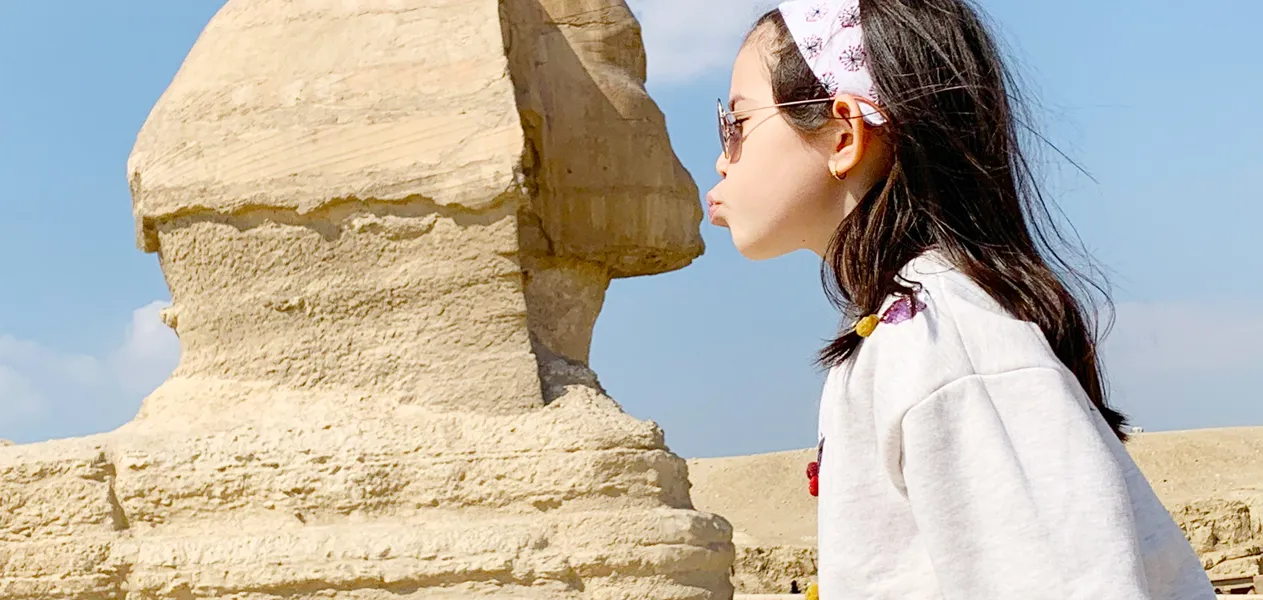
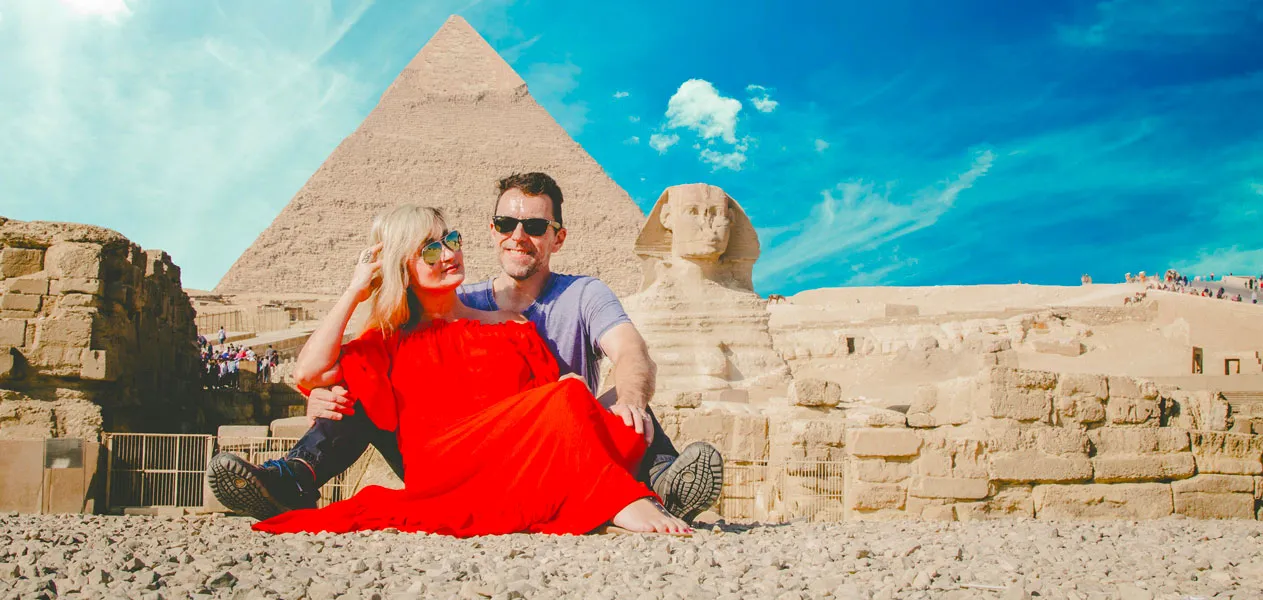
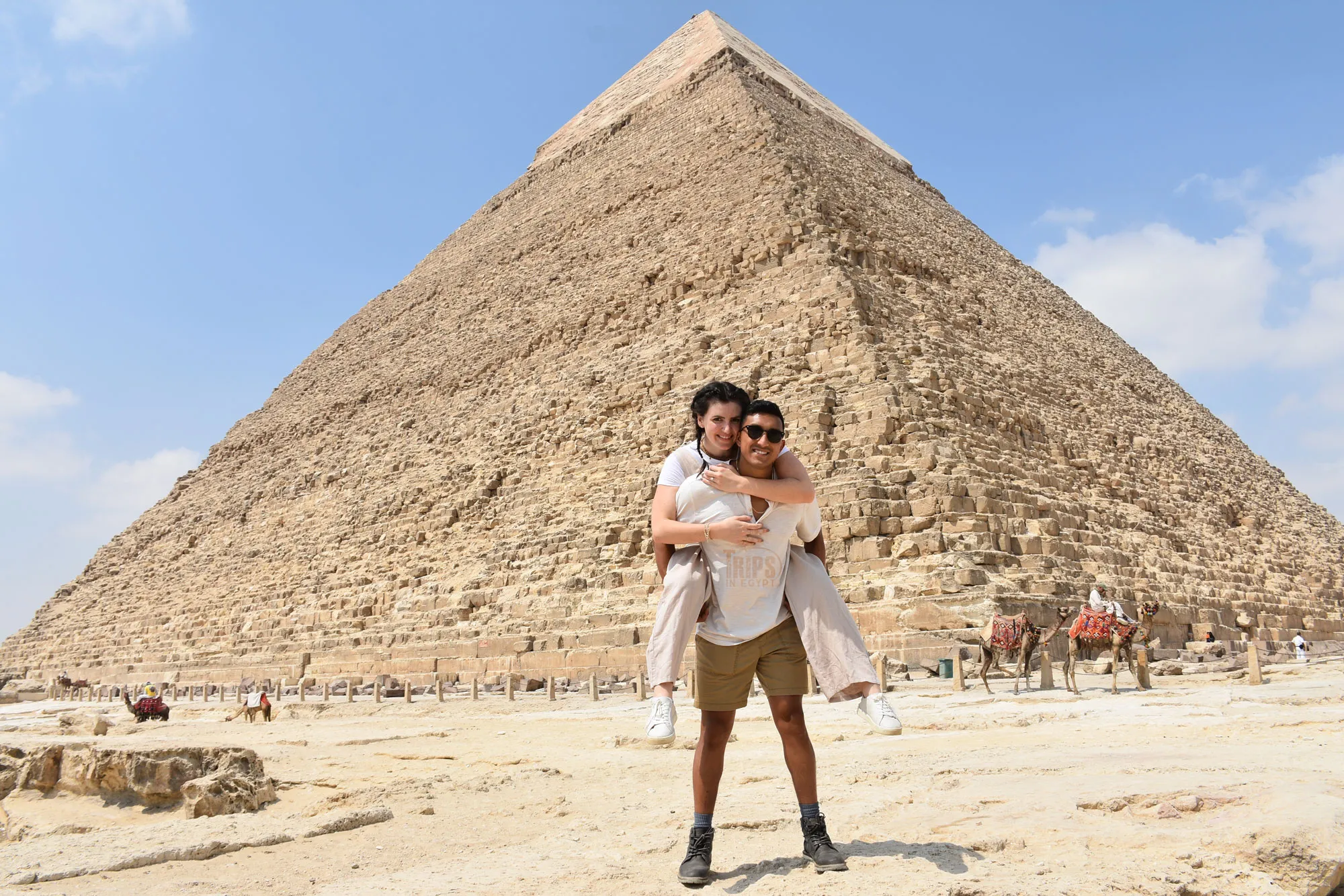
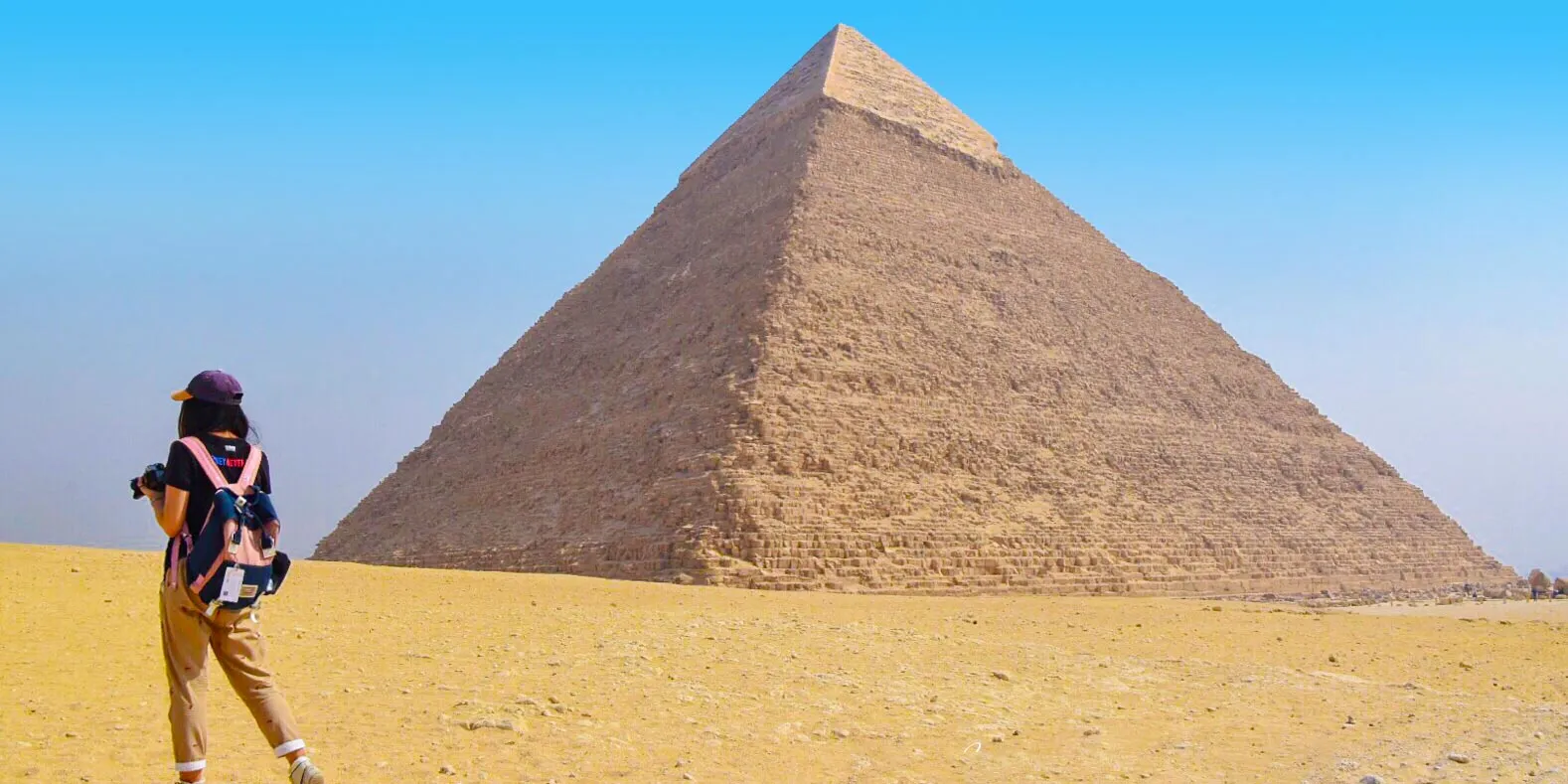
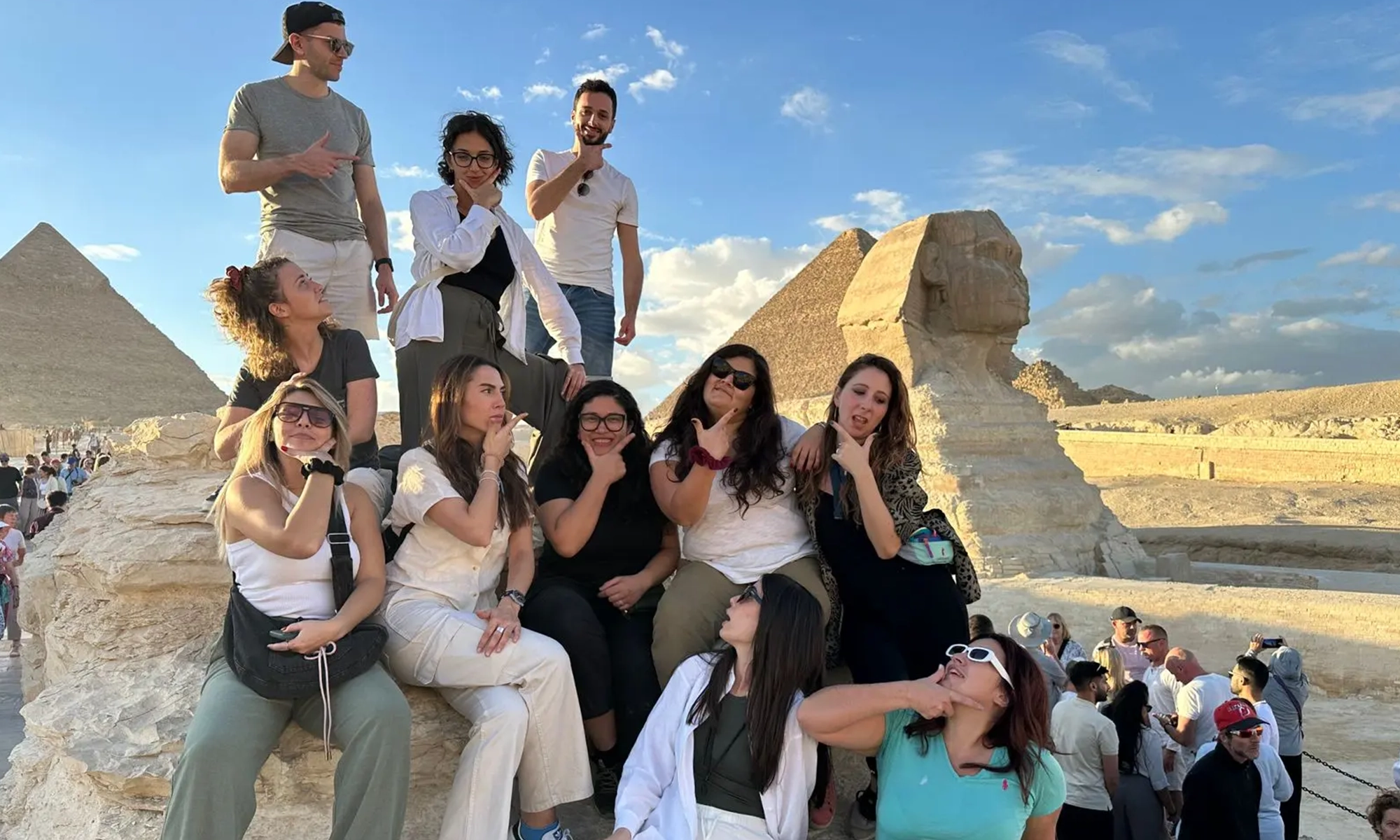
The pyramid of King Khafre stands beside the Great Sphinx and forms part of another enormous royal complex. Traditional Egyptian craftsmanship still continues in forms such as alabaster carving, copper work, Nubian basket weaving, Bedouin embroidery and hand-blown glass.
Music, Cinema and Modern Egyptian Culture
Modern Egyptian culture has had enormous influence across the Arab world through music and cinema. Umm Kulthum, known as the "Star of the East", became one of the most celebrated Arab singers of the twentieth century, while Abdel Halim Hafez and Mohamed Abdel Wahab remain household names.
Egyptian cinema became so influential during the twentieth century that Cairo was frequently called the Hollywood of the East. Films, Ramadan television dramas and Egyptian pop culture continue to reach audiences across the region.
Newer styles such as mahraganat street music exist beside older traditions including folk songs and Sufi tanoura performances, showing how Egyptian culture continues to evolve rather than remaining fixed in the past.
Egyptian culture is a living story that joins Pharaonic temples, Coptic churches and Islamic mosques with busy markets, family lunches and late-night coffeehouses. Its values of family, faith, generosity and humor shape every greeting and every festival, from Ramadan lanterns to Sham El-Nessim picnics. Visiting with respect and real curiosity is the best way to understand it, and the people you meet will often become the highlight of your journey.
5 Days Cairo And Hurghada Trip
Amazing 4 Nights Cairo and Hurghada Trip Itinerary 5 Days Cairo and Hurghada trip wil...
- Duration 5 Days / 4 Nights
- Location Cairo & Hurghada
- Type Historical & Recreational Tour
From$690/per person
View Tour
6 Days Cairo, Alexandria & Faiyum Tour
Unforgettable Cairo, Alexandria & Faiyum Adventure in Six Days 6 Days Cairo, Alex...
- Duration 6 Days / 5 Nights
- Location Cairo - Alexandria - Fayum
- Type Historical Tour
From$720/per person
View Tour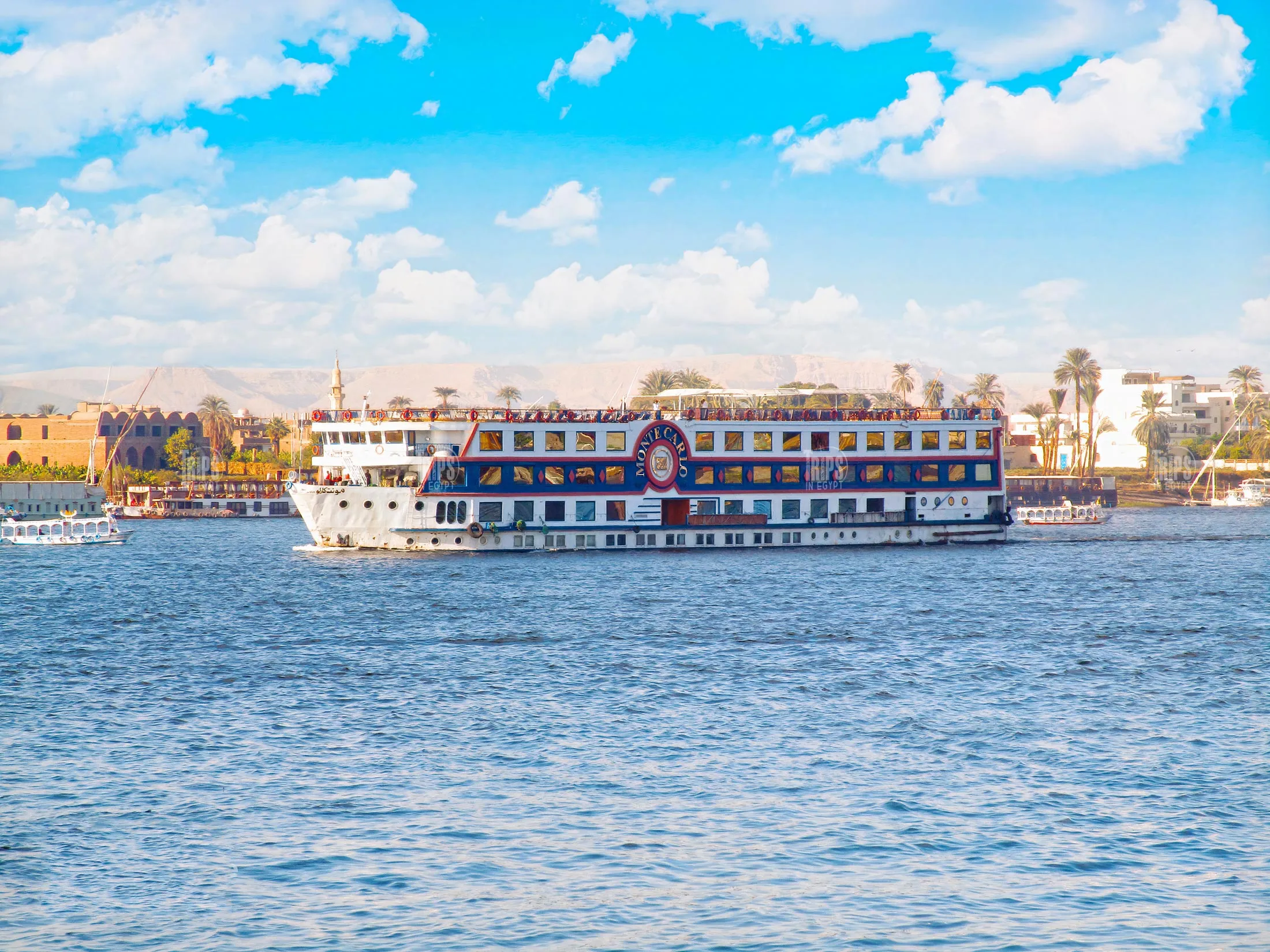
10 Days Cairo, Faiyum & Nile Cruise Holiday
Breathtaking 10 Days Journey of A Lifetime in Egypt 10 Days Cairo, Faiyum & Nile...
- Duration 10 Days / 9 Nights
- Location Cairo, Luxor, Aswan & Faiyum
- Type Classic Tour
From$1350/per person
View Tour SOLD OUT
Ultimate 7-Day Egypt Solar Eclipse Experience with Hurghada 2027
Enjoy a 7-Day Egypt Solar Eclipse Tour with Hurghada 2027 6 Nights Egypt Solar Ecli...
- Duration 7 Days / 6 Nights
- Location Cairo / Giza / Luxor / Hurghada
- Type Astronomical Tour
Sold Out
View Details