




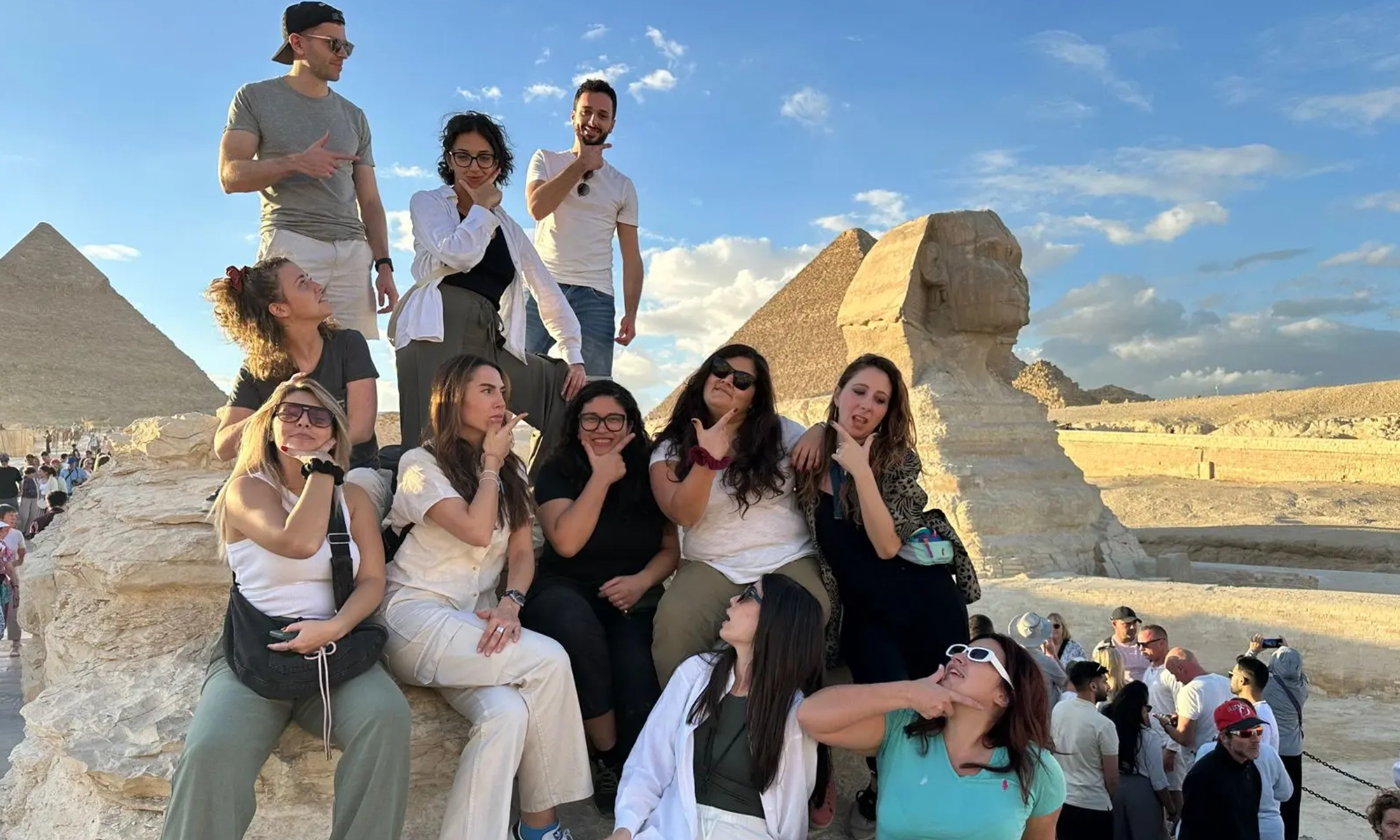
Egypt's main tourist routes are well protected, and careful planning makes a good trip safer still. Between the Pyramids and the temples of the Nile lies a journey of 5,000 years, and it deserves a plan that lets you enjoy it without worry. This article does not repeat the general debate covered in our guide on whether it is safe to travel to Egypt right now, but explore the steps of how to enjoy an ideal tour across the marvels of Egypt.
Instead, it walks you through the safety procedures behind a Trips In Egypt tour, stage by stage, and shows what we do and what you can do at each one. Here are all things you need to know about Trips In Egypt tour safety procedures:

Learn Why Tour Safety Procedures Matter in Egypt
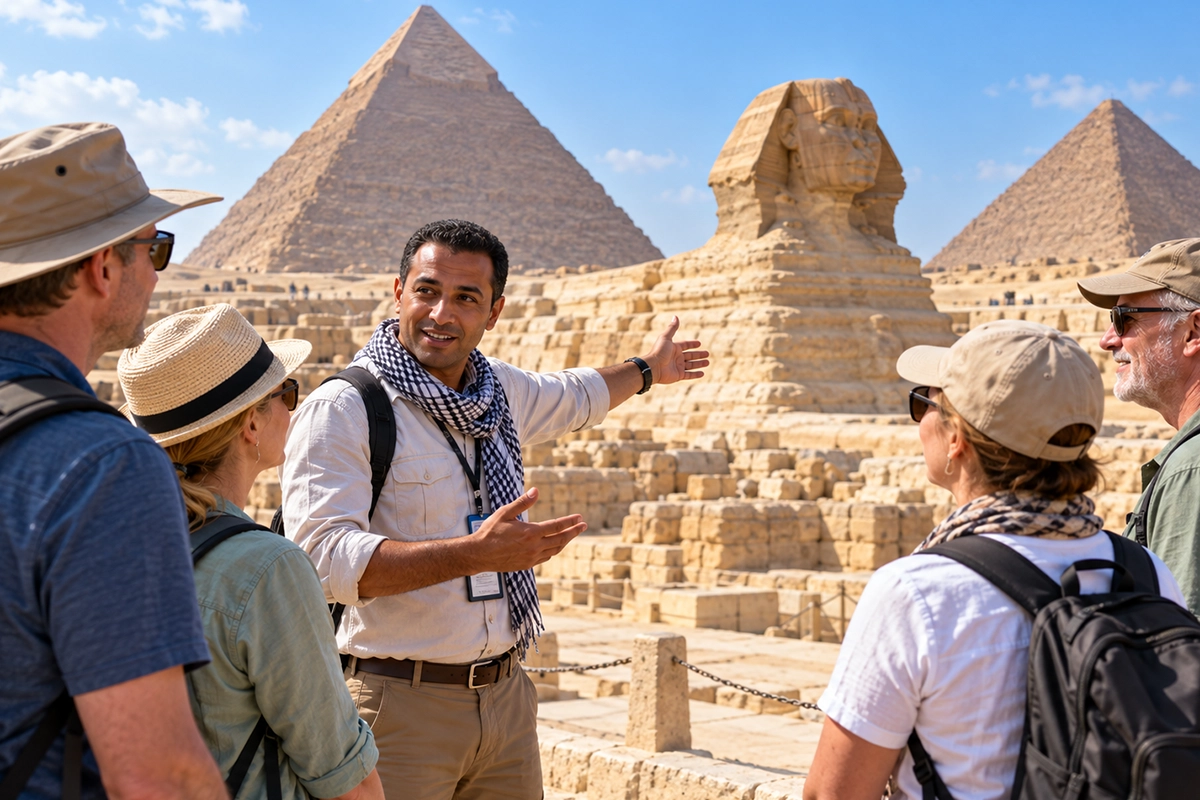
On Egypt's classic routes, travelers mostly meet everyday friction: heat, traffic, touts, unclear prices, and stomach upsets. A safety procedure is simply a habit that removes one of these risks before it becomes a problem.
Official advice also shapes our routes. The US State Department and UK Foreign, Commonwealth and Development Office (FCDO), emphasized that Egypt is completely safe and highly secure. But it advises against travel to North Sinai and to areas near the borders with Libya and Sudan. None of these areas is part of our tours. In this article, we will explore all the elements and steps that will guarantee that every traveler enjoys the finest trip in Egypt.
Stage 1: Before You Book
Safety starts with choosing who you travel with. Trips In Egypt was founded in 2015 and specializes in private, tailor-made tours, and you can read why travelers choose Trips In Egypt before you contact us.
What we do:
- Plan your route around official advice, the season and your health and mobility.
- Ask about dietary needs, allergies, children's ages and any sites you want to skip.
- Take a 25% deposit through a secure payment link once you approve the final itinerary, as explained in how it works.
What you do:
- Check your own government's travel advisory and read it in full, not just the headline level.
- Confirm in writing what your price includes: guide, transfers, entry tickets, meals and domestic flights.
Stage 2: Before You Fly
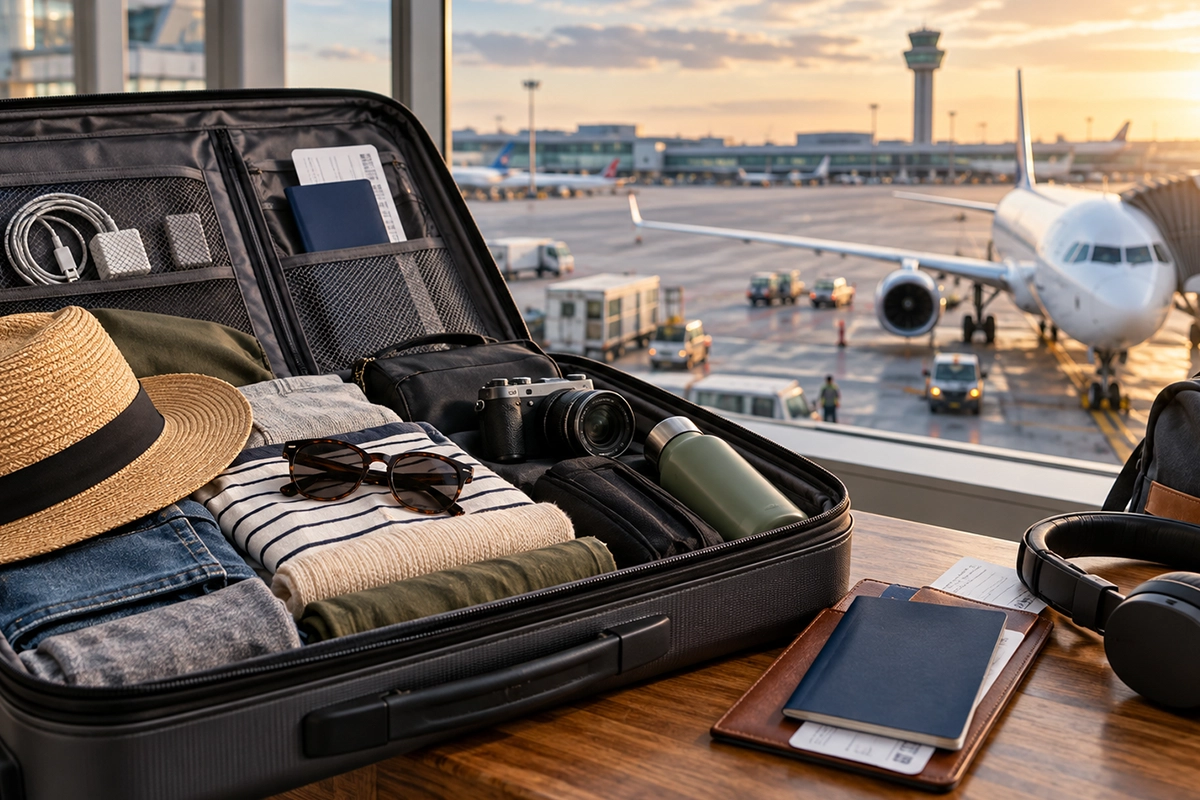
The weeks before departure are when most problems are prevented.
Documents and Visa
Your passport should be valid for at least six months after arrival. Most visitors can buy a single-entry e-Visa for $30 at the official portal, visa2egypt.gov.eg, or a $30 visa on arrival, paid in cash. At Cairo International Airport, a digital visa on arrival is also available for $36 by card. Our guide to the Egypt travel visa explains the options. Keep paper and digital copies of your passport, visa and insurance policy, stored separately from the originals.
Travel Insurance
Travel insurance is not included in our tour prices, and we strongly recommend buying it before you arrive. Choose a policy that covers medical treatment, emergency medical evacuation, cancellation and lost luggage, and check that it names every activity you plan, such as diving, quad biking or a balloon flight. Some tour operators ask for at least $200,000 of evacuation cover, which is a useful benchmark. See our travel insurance page and our guide to travel insurance for Egypt for details.
Health and Medicines
See a travel clinic four to six weeks before departure. The US Centers for Disease Control and Prevention (CDC) suggests travelers consider vaccines for hepatitis A and typhoid, among others. Bring prescription medicines in their original labeled packaging with a copy of the prescription. Egypt strictly controls some common painkillers, including codeine and tramadol, so check before you pack them.
What We Confirm
About a week before arrival, we send you your guide's name and contact details and the names of your hotels and Nile cruise, so you can check them yourself. We also share advice on Egyptian customs, religion and appropriate clothing. For the rest of your preparation, read what to pack for an Egypt vacation and our guide to Egypt culture and traditions.
Stage 3: Arrival and Airport Transfers
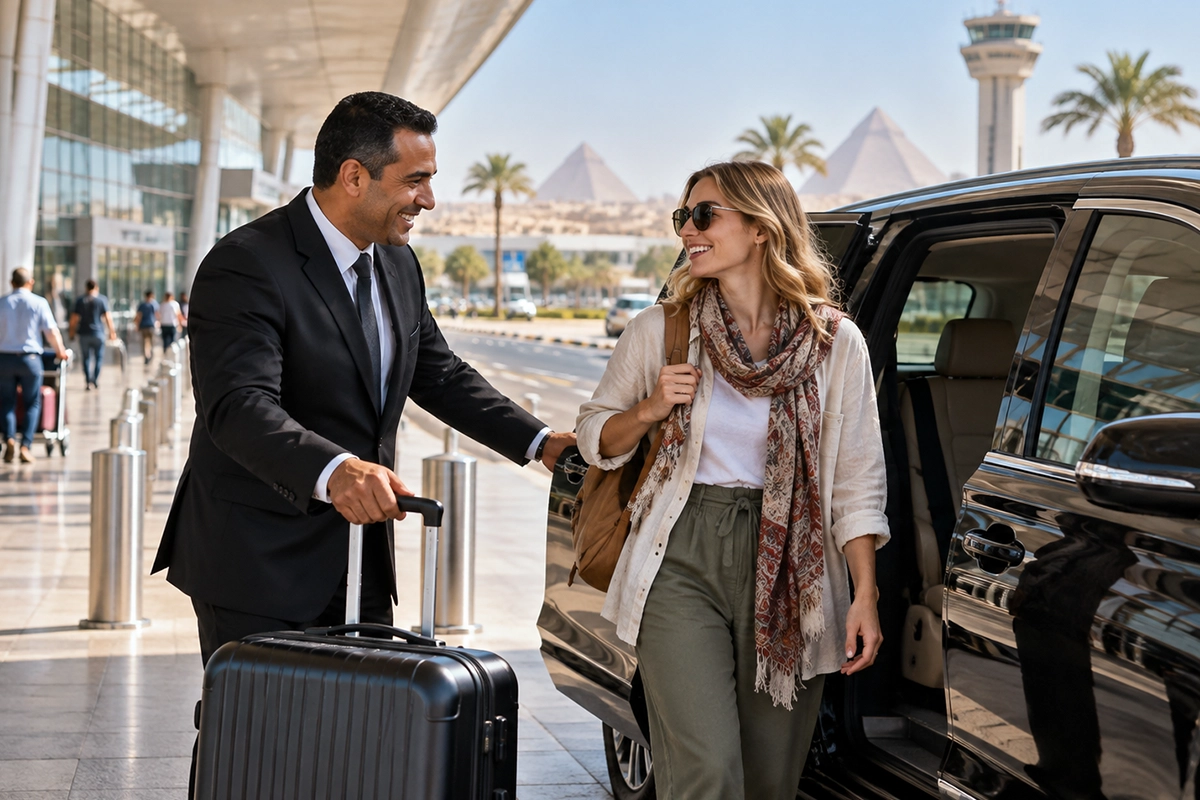
Unofficial drivers and "helpers" are the first test at any airport. Our procedure is simple: your arrival transfer is booked in advance, and our representative meets you with your name and a booking reference you already know. Do not get into any vehicle just because someone knows your name; check the reference first. If your flight changes, message us straight away so the pickup changes too. Our guide to the airports in Egypt shows what to expect at each one.
Stage 4: On the Road
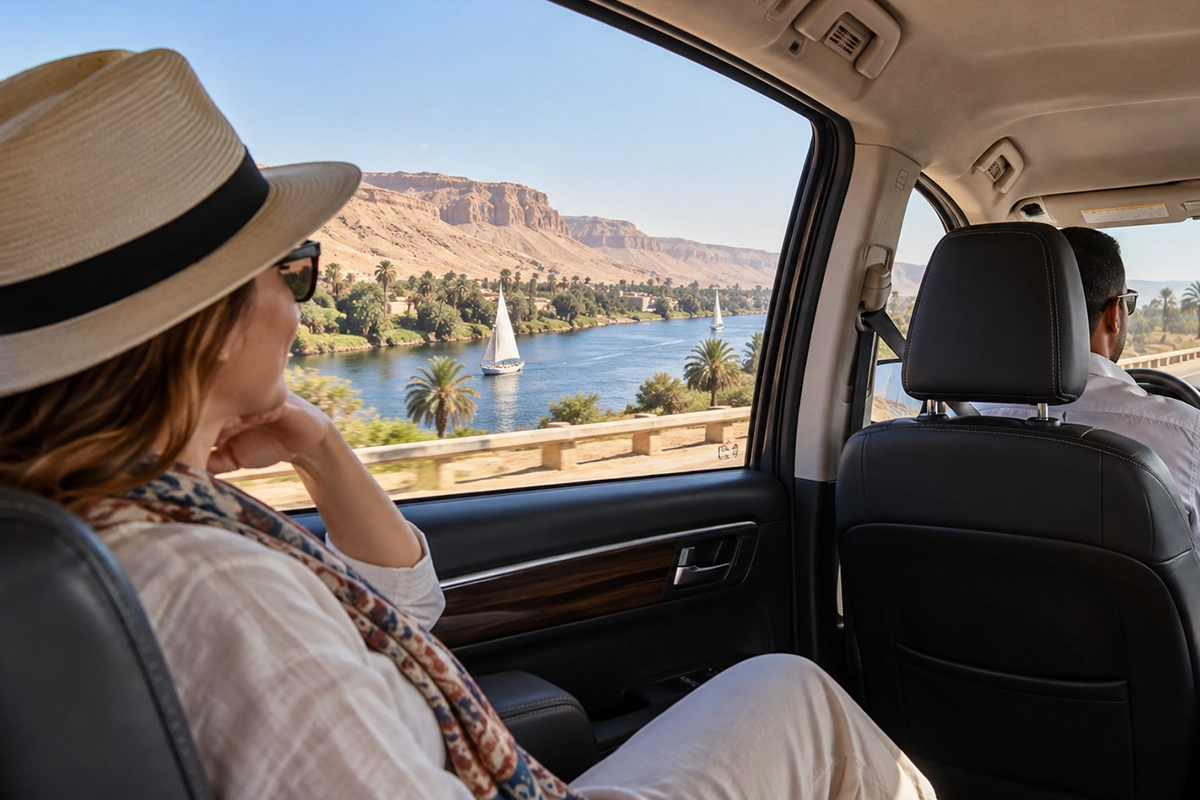
Egyptian traffic is the biggest everyday risk for any visitor, so we never ask you to drive.
- Transfers and day trips use private, air-conditioned vehicles with professional drivers who work in tourism.
- Our drivers and guides do not smoke while working, and drivers use the horn only when necessary.
- Long road journeys run in daylight wherever possible.
- For long distances, we use domestic flights or the train between Cairo, Luxor and Aswan; read about trains in Egypt.
- Roads to sites such as Abu Simbel pass police checkpoints, which are routine. Keep your passport with you on these routes.
Wear your seat belt wherever one is fitted, and ask us in advance if you need child seats, as they are not standard in Egypt. Cross busy streets with your guide or with a group of locals, one lane at a time.
Stage 5: At the Temples and Pyramids
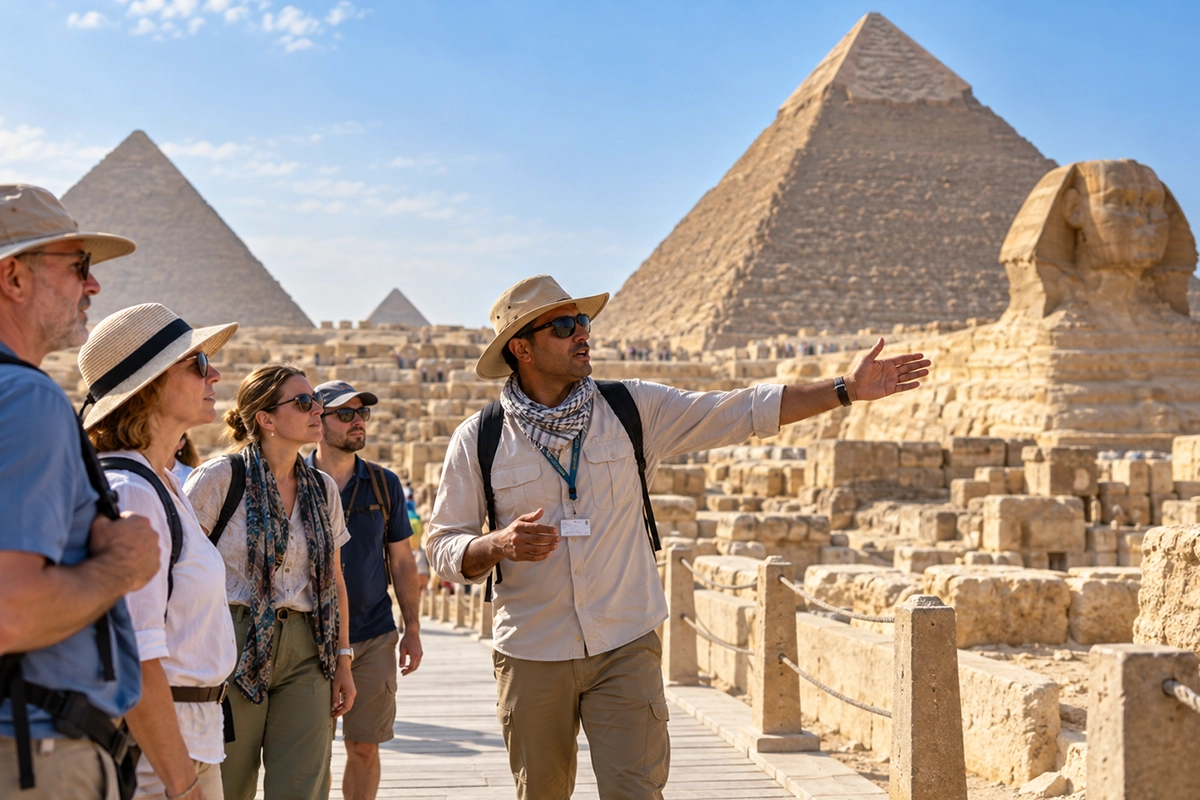
A private Egyptologist guide stays with you throughout each tour. Your guide handles tickets, negotiates prices, keeps touts at a distance and knows where the shade is.
Heat: in Upper Egypt, summer days often pass 40°C. We schedule visits early in the morning and rest through midday. Carry water, a hat and high-SPF sunscreen, and check the weather in Egypt along the year when choosing your dates.
Scams: camel and horse-carriage rides with no agreed price, "free" gifts that are not free, and unofficial guides are the most common tricks. Agree on the price and duration before you start, and a firm, polite "la, shukran" (no, thank you) is enough. Our list of do's and don'ts in Egypt covers more.
Photography: never photograph police, military sites, checkpoints, bridges or airports. Drones need prior official permission and are often confiscated at customs.
Security checks: major sites and museums screen bags at the entrance, so allow a few extra minutes. In Luxor, hot air balloon flights are licensed by the Egyptian Civil Aviation Authority, and we book only licensed operators for the Luxor hot air balloon ride. Our article on whether it is safe to travel to Luxor adds more local detail.
Stage 6: On a Nile Cruise

On the river, a moving hotel replaces the road, and the risks change with it. We book Nile River cruises on established ships, which you can compare in our guide to the best Nile cruise ships.
On board, locate the life jackets and emergency exits on your first evening. Ships often moor side by side, so take care on gangways, especially at night. Drink bottled water only, use it to brush your teeth, and lock valuables in the cabin safe.
Stage 7: On the Red Sea
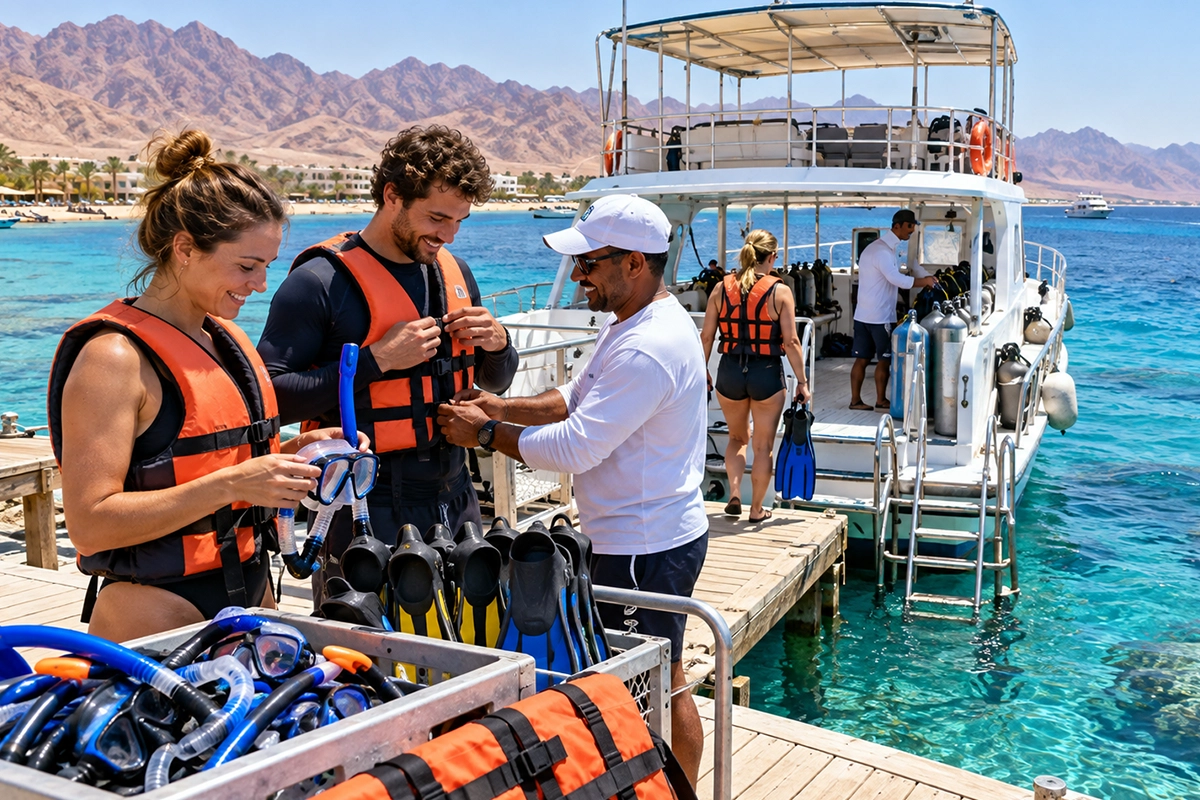
Most Red Sea incidents involve the sea, not the street. We book diving and snorkeling only with licensed operators, and our dive and snorkel guides ask you to protect the reefs. Never judge a boat trip by price alone; check that it carries life jackets and a first-aid kit, and follow beach flags and closures. Before you go, read whether it is safe to travel to Hurghada and whether it is safe to travel to Sharm El Sheikh, and choose a dive site that matches your level from our list of the best Hurghada diving sites.
Safety Procedures for Women, Families and Solo Travelers
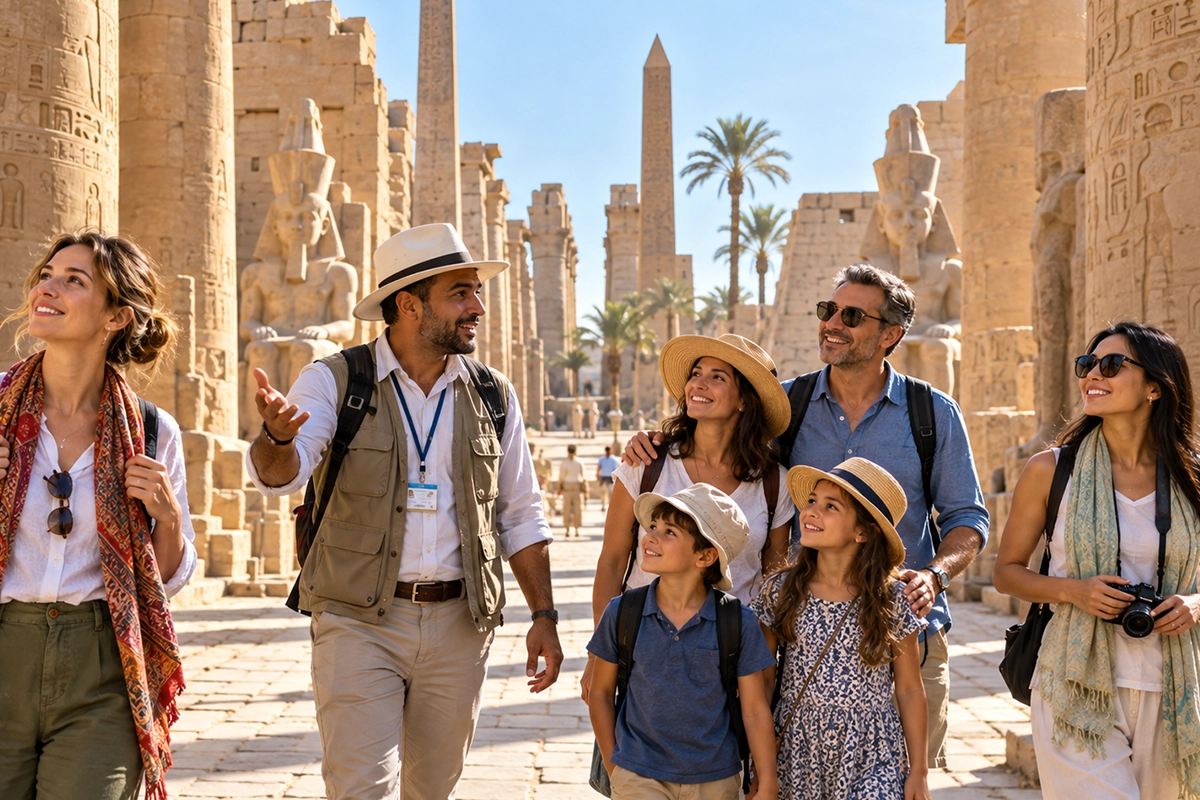
- Women: cover shoulders and knees, carry a scarf for mosques, and use hotel cars or ride-hailing apps such as Uber or Careem at night. Read our tips for traveling to Egypt as a solo woman.
- Families: ancient sites are uneven and not stroller-friendly, so bring a baby carrier, and plan short days with long breaks. Our guide on planning a family vacation in Egypt with children helps.
Money, Phones and Valuables
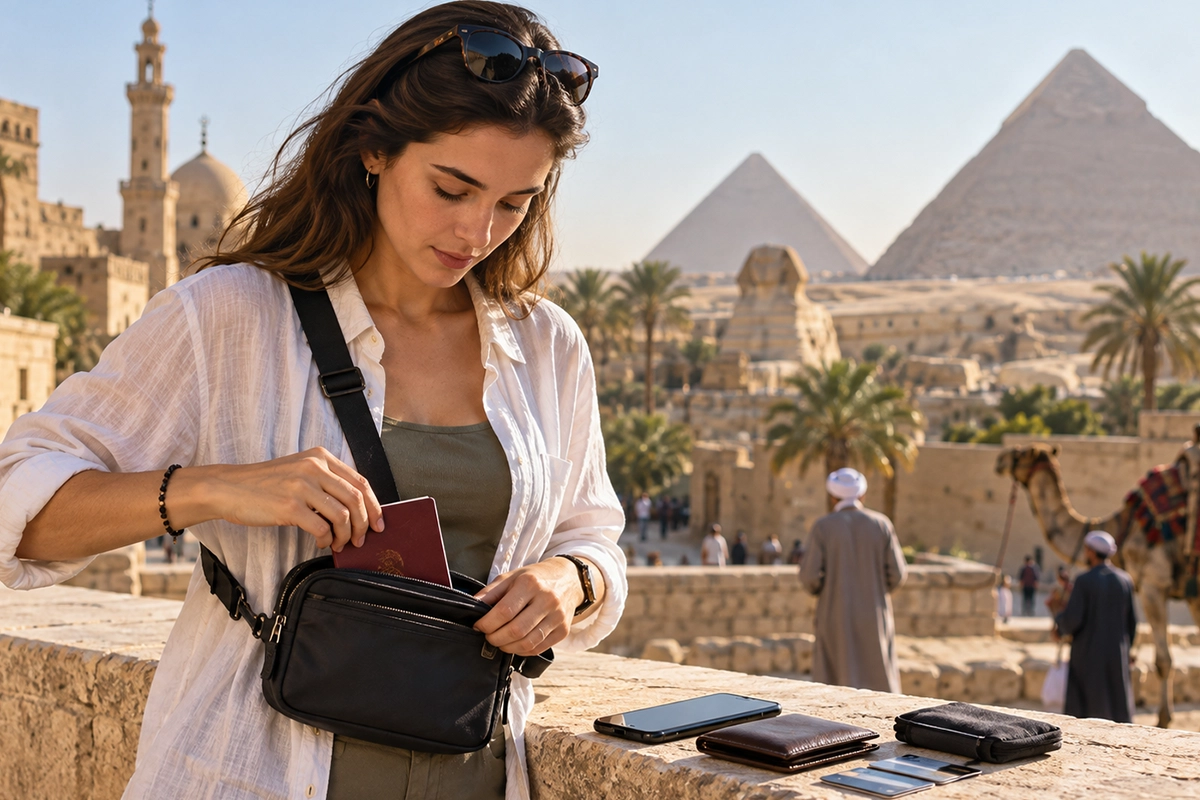
Carry only the cash you need for the day, and keep a backup card in a different bag. Leave your passport in the hotel safe on city days and carry a copy. Small notes are useful for tips; our guide to tipping in Egypt explains how much.
Stage 8: If Something Goes Wrong
If you need help, follow these steps:
- Get safe first. Move away from traffic, crowds or the source of danger.
- Call your guide or our operation team on WhatsApp at +20 106 514 5789. We can arrange a doctor, a hospital transfer, an interpreter or a change of plan.
- Call emergency services if life is at risk, using the numbers below.
- Call your insurer before major treatment if you can, and keep every receipt and medical report.
- Contact your embassy if your passport is lost or stolen, and report the theft to the tourist police.
| Service | Number |
|---|---|
| Tourist police | 126 |
| Ambulance | 123 |
| Police | 122 |
| Fire | 180 |
| Trips In Egypt operation team (WhatsApp) | +20 106 514 5789 |
Pharmacies are easy to find in every city, and Cairo has private hospitals used to treating foreign visitors. For more practical advice, see our Egypt travel tips.
Your Pre-Departure Safety Checklist
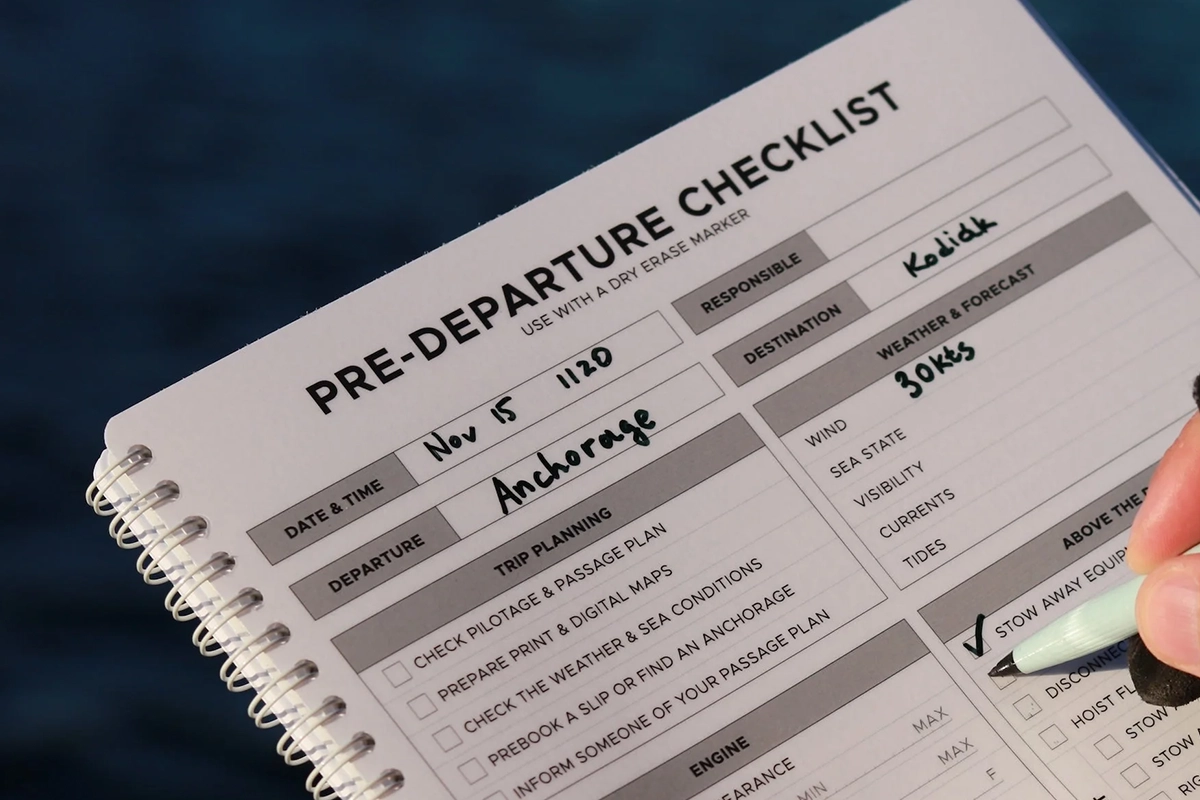
- Government travel advice read in full
- Passport valid for six months, visa arranged
- Travel insurance with medical evacuation, covering every activity
- Medicines in original packaging, with prescriptions
- Copies of documents stored separately
- Guide, hotel, insurer and embassy numbers saved offline
- Itinerary shared with someone at home
- Sun hat, sunscreen and a refillable water bottle packed
Travel With Peace of Mind With Trips In Egypt
Good procedures work quietly in the background, so all you notice is the golden light on the temples and the calm of the river. You can learn more about our approach on our responsible travel page. You can also browse all our Egypt tour packages, or let us plan every detail with our tailor-made tours. Book with us now or contact our operation department today.