



Easter in Egypt belongs to the Coptic Christians, who call it Pascha and celebrate it after a long vegan fast with midnight church vigils, feasts and new clothes. The next morning the whole nation joins in for Sham El Nessim, a spring festival with roots in ancient Egypt. This guide explains how Egypt celebrates Easter, when it falls each year, what families eat and how travelers can share the season.

Easter Traditions in Egypt
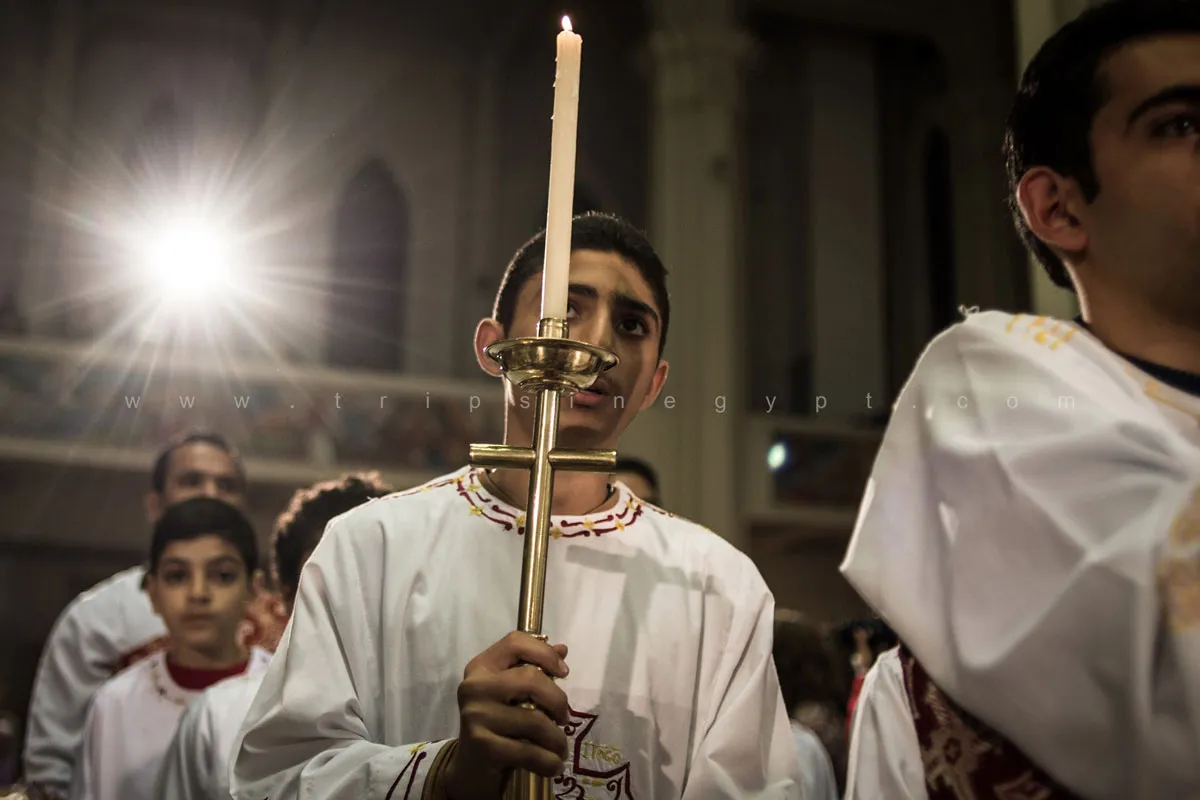
Easter is the greatest feast of the Coptic Orthodox Church, and its customs shape the whole spring calendar in Egypt. The traditions below explain who celebrates it, what Coptic Easter is, and how the faithful move through Holy Week, from palm fronds on Palm Sunday to the long night vigil that ends the fast. Easter sits among the most loved celebrations in Egypt, next to Ramadan, the two Eids and Coptic Christmas on January 7.
Do Egyptians Celebrate Easter?
Yes, Easter is celebrated in Egypt, mainly by the country's Coptic Christians, who make up roughly 10% of the population by most estimates, or around ten million people. For them it is the most important day of the church year, more important even than Christmas. Smaller Catholic, Protestant and Greek Orthodox communities also celebrate, many of them on the Western date. Muslims do not observe Easter as a religious feast, but they share the next day, Sham El Nessim, which is a national holiday for everyone.
So when people ask whether Egypt celebrates Easter, the clearest answer is that Copts celebrate the religious feast while the whole country celebrates the Monday after it. Visitors can share the season through the Egypt Easter Event, which combines sightseeing with the atmosphere of the celebrations.
What Is Coptic Easter?
Coptic Easter, called Pascha in the church and Eid el-Qiyama, meaning the Feast of the Resurrection, in Arabic, marks the resurrection of Christ. The Coptic Orthodox Church calculates its date according to its traditional Easter reckoning, so it often falls later than the Western Easter observed by Catholics and Protestants.
Before Easter comes the Great Lent, a fast lasting 55 days in which Copts abstain from meat, poultry, eggs and dairy products, and often fish as well. The fast is broken only after the Easter liturgy, which helps explain why the feast is associated so strongly with family meals, celebrations and the return of foods that have been avoided for almost two months.
Holy Week in Egypt, from Palm Sunday to Easter Eve
Holy Week, known among Copts as Pascha Week, begins on Palm Sunday, when sellers outside churches offer palm fronds that families weave into crosses, rings and crowns for children before having them blessed during services. Through the week, churches are draped in black and hold prayers several times each day.
On Covenant Thursday, or Khamis el-Ahd, priests perform a foot-washing rite recalling Christ washing the feet of his disciples. Good Friday is the most solemn day, with prayers lasting from morning until late afternoon, and in many churches the faithful taste a little vinegar at the end of the service in remembrance of the Crucifixion. The night that follows includes the traditional Night of Abu Ghalamsis, when readings continue into the early hours.
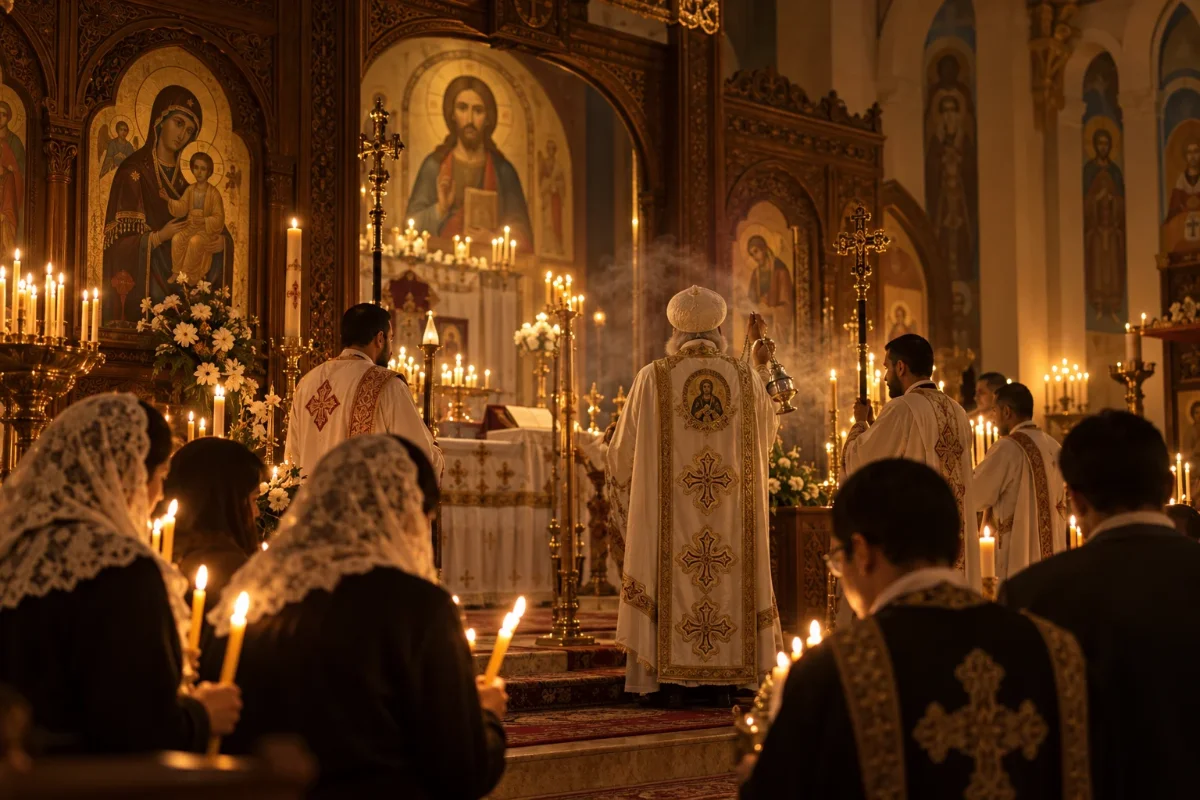
On Saturday evening, the Easter Eve vigil begins. Churches are decorated in white again, and the liturgy usually runs from late evening until after midnight. In Cairo, the Pope of Alexandria leads the major service at Saint Mark's Coptic Orthodox Cathedral in Abbassia, attended by officials and broadcast on television.
When the service ends, worshippers greet one another with al-Masih qam, bil-haqiqa qam, meaning "Christ is risen, truly He is risen," before returning home to eat their first meat after the long fast. Easter Sunday itself is a day for family visits, new clothes and gifts for children, while historic churches among the Coptic sites in Egypt remain busy with worshippers.
Coptic Easter Dates and How They Are Set
Coptic Easter falls on a Sunday between early April and early May, so its date changes from year to year. Travelers usually want to know three things: when the next Coptic Easter will take place, whether it matches Western Easter and how it relates to Passover. The sections below answer those questions and include upcoming dates for Coptic Easter, Western Easter and Sham El Nessim, which always follows Coptic Easter on Monday.
Coptic Easter Dates for the Coming Years
The table lists upcoming Coptic and Western Easter dates alongside Sham El Nessim. Because Sham El Nessim always follows Coptic Easter, its date shifts with the religious feast, which is useful to know when planning flights, hotel stays or sightseeing around Egypt's spring holiday period.
|
Year |
Western Easter |
Coptic Easter |
Sham El Nessim |
|
2027 |
March 28 |
May 2 |
May 3 |
|
2028 |
April 16 |
April 16 |
April 17 |
|
2029 |
April 1 |
April 8 |
April 9 |
|
2030 |
April 21 |
April 28 |
April 29 |
In practice, hotels, Nile cruises and Red Sea resorts can become busy around both Easter periods. European school holidays often increase demand around Western Easter, while Egyptian families travel around Coptic Easter and Sham El Nessim. Spring is widely considered one of the best times to visit Egypt for sightseeing, so booking flights and accommodation in advance is particularly useful when the two Easter dates fall several weeks apart.
Will Orthodox and Catholic Easter Be on the Same Day?
Only in some years. Western and Coptic churches follow different traditional methods of calculating Easter, so their dates often differ by one or several weeks. They coincided on April 20 in 2025 and will fall on the same day again on April 16, 2028.
When the dates coincide, Coptic Orthodox, Catholic and many Protestant communities in Egypt celebrate Easter on the same Sunday. For travelers, that creates one concentrated Easter period rather than two separate busy travel windows spread across spring.
Is Passover the Same as Easter?
No. Passover, or Pesach, is the Jewish festival commemorating the Exodus of the Israelites from Egypt, while Easter is the Christian celebration of the resurrection of Christ. The festivals are historically connected because the New Testament places the events of the Last Supper and Crucifixion around Passover time, and the Christian word Pascha derives ultimately from the Hebrew Pesach.
The methods for calculating Easter developed separately within Christian tradition, including major decisions and debates beginning in late antiquity. For Egypt, the relationship has an additional historical resonance because the Passover narrative itself is traditionally set in ancient Egypt.
Egyptian Foods and Drinks on the Easter Day
Egyptian Easter food follows the rhythm of the fast: weeks of beans, lentils and vegetables are followed by a rich feast once the Easter vigil ends. Many dishes come from familiar Egyptian traditional foods but are prepared in larger quantities for extended family gatherings. The meal that breaks the Great Lent fast often centers on meat, rice and stuffed vegetables, while sweets, eggs and bakery treats fill homes during Easter Sunday.
Breaking the Great Lent Fast
After 55 days without meat, eggs or dairy, the first Easter meal is often eaten in the early hours of Sunday immediately after the vigil. Families commonly serve fatta, made with layers of rice, toasted bread and garlic-vinegar sauce and often topped with lamb or beef. Roast chicken, grilled meats and stuffed vegetables known as mahshi may also return to the table.
Milk, butter and cheese become part of meals again after weeks of fasting, while breakfast may include eggs and white cheese for the first time in nearly two months. Larger family lunches often follow later in the day, bringing together grandparents, cousins and neighbors around dishes prepared especially for the feast.
Easter Sweets, Kahk and Colored Eggs
Kahk, round butter cookies that may be filled with nuts, dates or honey and covered with powdered sugar, are eaten during Easter just as they are during other Egyptian celebrations. Bakeries also sell ghorayeba, basbousa and konafa, while chocolate eggs and other modern Easter sweets are popular with children.
Colored eggs connect Easter with the spring celebrations of Sham El Nessim. Families boil and decorate eggs at home, often adding names, drawings or bright colors. For many Christian families the egg symbolizes new life and the resurrection, while decorated eggs are also an established feature of Egypt's wider spring traditions.
Sham El Nessim, Egypt's Easter Monday
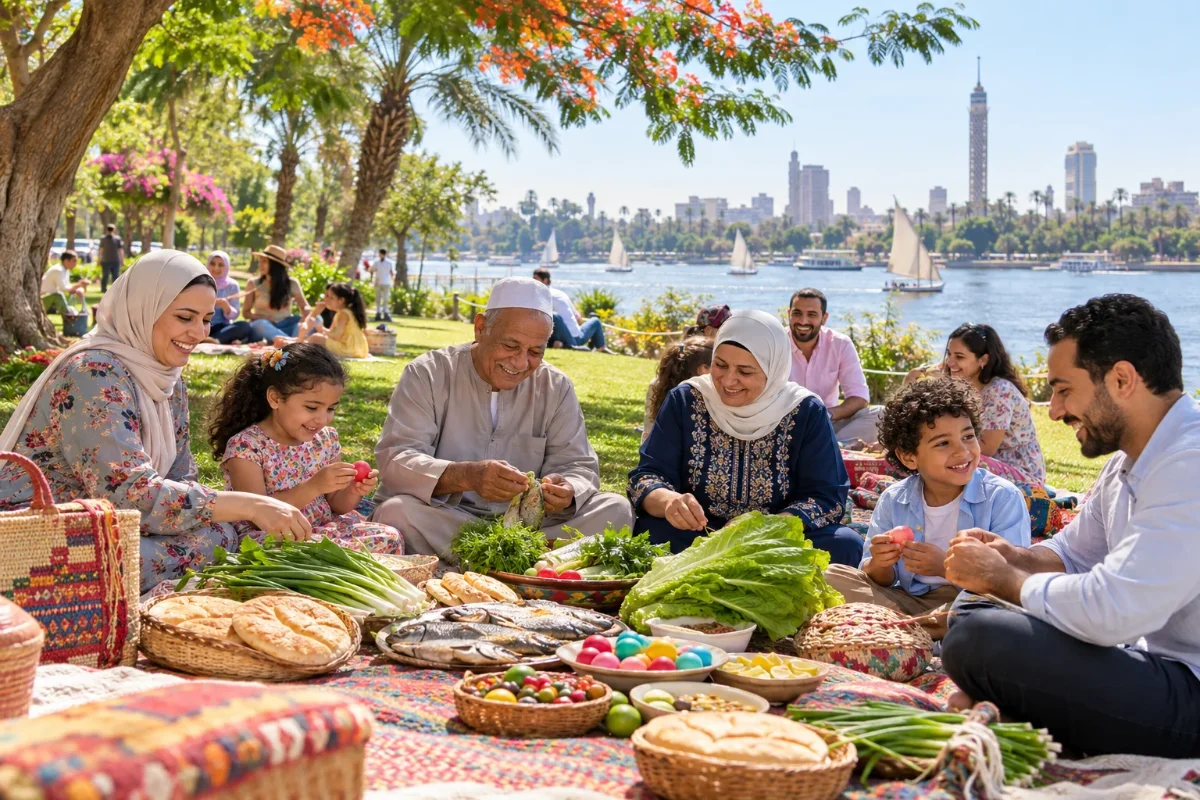
Sham El Nessim is the day when the Easter season in Egypt expands into a celebration shared across the country. It always falls on the Monday after Coptic Easter and is an official national public holiday. Egyptians of different faiths head outdoors for picnics, family gatherings and traditional foods. The festival has deep associations with spring and Egypt's ancient seasonal traditions, although its exact origins are more complicated than many popular accounts suggest.
What Is Sham El Nessim in Egypt?
Sham El Nessim is commonly translated as "smelling the breeze" and is Egypt's national spring festival. Its traditions are often linked with Shemu, the ancient Egyptian harvest season, and popular accounts sometimes describe the festival as more than 4,500 years old, although the precise continuity between ancient ceremonies and today's holiday is difficult to document.
By the Coptic period, the spring celebration became associated with the Monday after Easter because major feasting could not take place during Lent. Medieval accounts also describe Cairenes going outdoors to gardens and the Nile banks during spring festivals. You can explore the wider historical background in our guide to ancient Egyptian festivals.
Fesikh, Green Onions and Lettuce
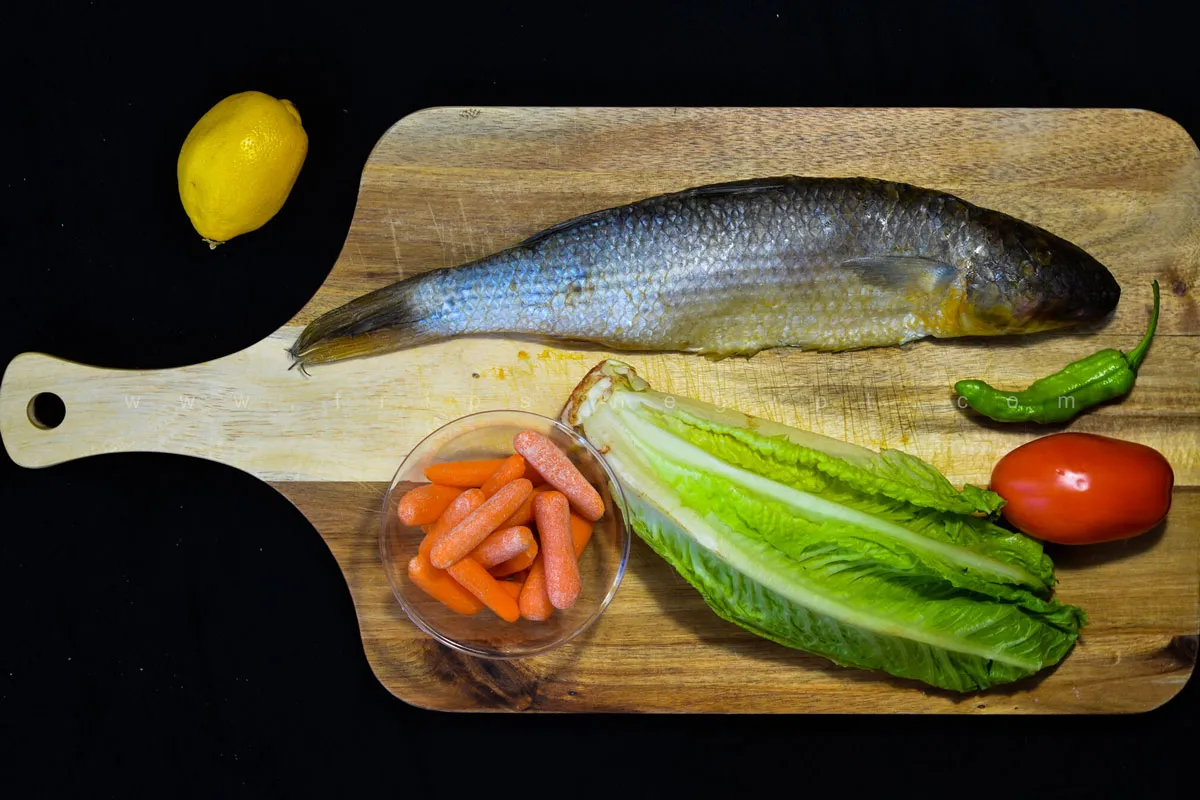
The Sham El Nessim table has a distinctive collection of foods. Fesikh, salted and fermented grey mullet, is the most famous and is commonly eaten with bread, lemon and green onions. Less intense alternatives include renga, or smoked herring, and sardines.
Families also prepare colored eggs, lettuce, green onions, termis, or lupini beans, and malana, fresh green chickpeas. These ingredients are often popularly associated with spring, fertility and renewal. Because improperly prepared fermented fish can cause serious food poisoning, travelers who want to try fesikh should choose a reputable licensed producer rather than buying it from an unknown source.
Wishes on Eggs and a Day Outdoors
Medieval accounts describe the custom of writing wishes on eggshells and placing or hanging them where the morning sun could reach them, in the hope that the wishes would come true. Today, decorated eggs remain one of the most recognizable symbols of Sham El Nessim.
The modern holiday is primarily spent outdoors. Families head to public gardens, Nile promenades, zoos, beaches and picnic areas from early morning, often carrying food for the entire day. Felucca rides become popular along the Nile, and parks can become extremely crowded. For travelers, Sham El Nessim offers a lively look at Egyptian family life but also means heavier traffic and busier public spaces.
How the Egyptian People Celebrate the Easter
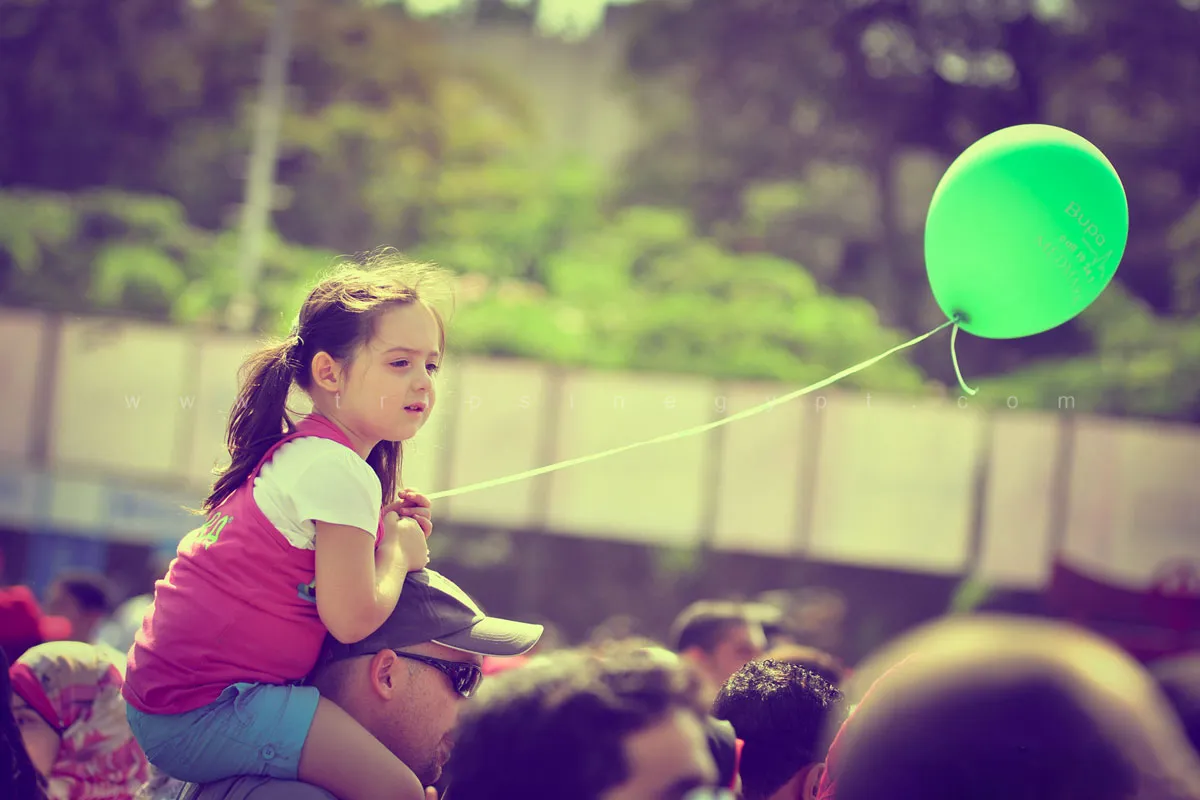
The Easter season combines religious observance with family celebrations and the wider spring atmosphere of Sham El Nessim. Coptic hymns fill churches during Holy Week, while homes and church spaces feature crosses, candles and woven palm decorations. Families exchange greetings, sweets and gifts, and Egyptian media shifts toward spring-themed programming. On Sham El Nessim, songs associated with spring, including Soad Hosny's famous El Donia Rabie, return to radios and television as families head outside.
Easter in Cairo
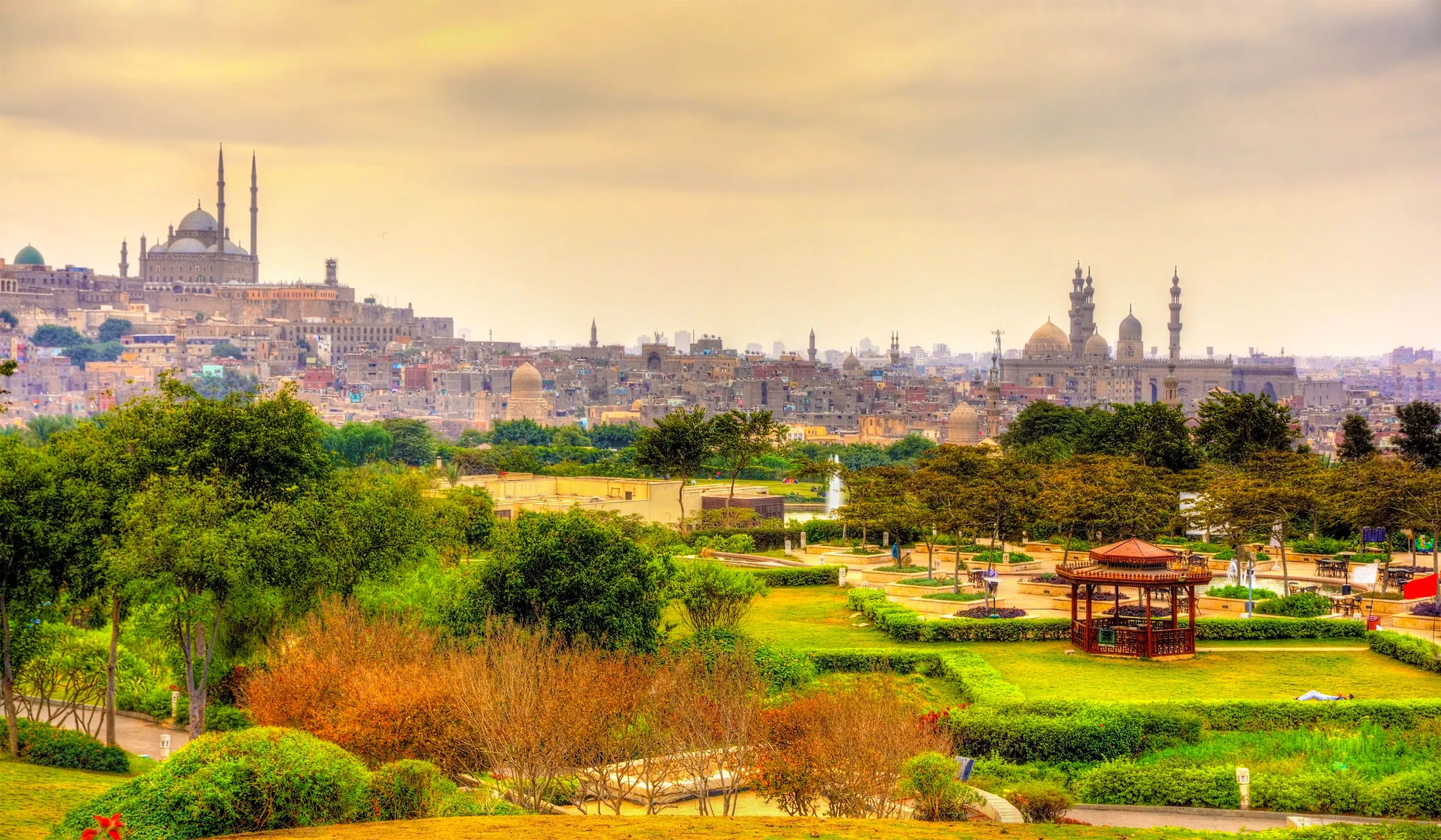
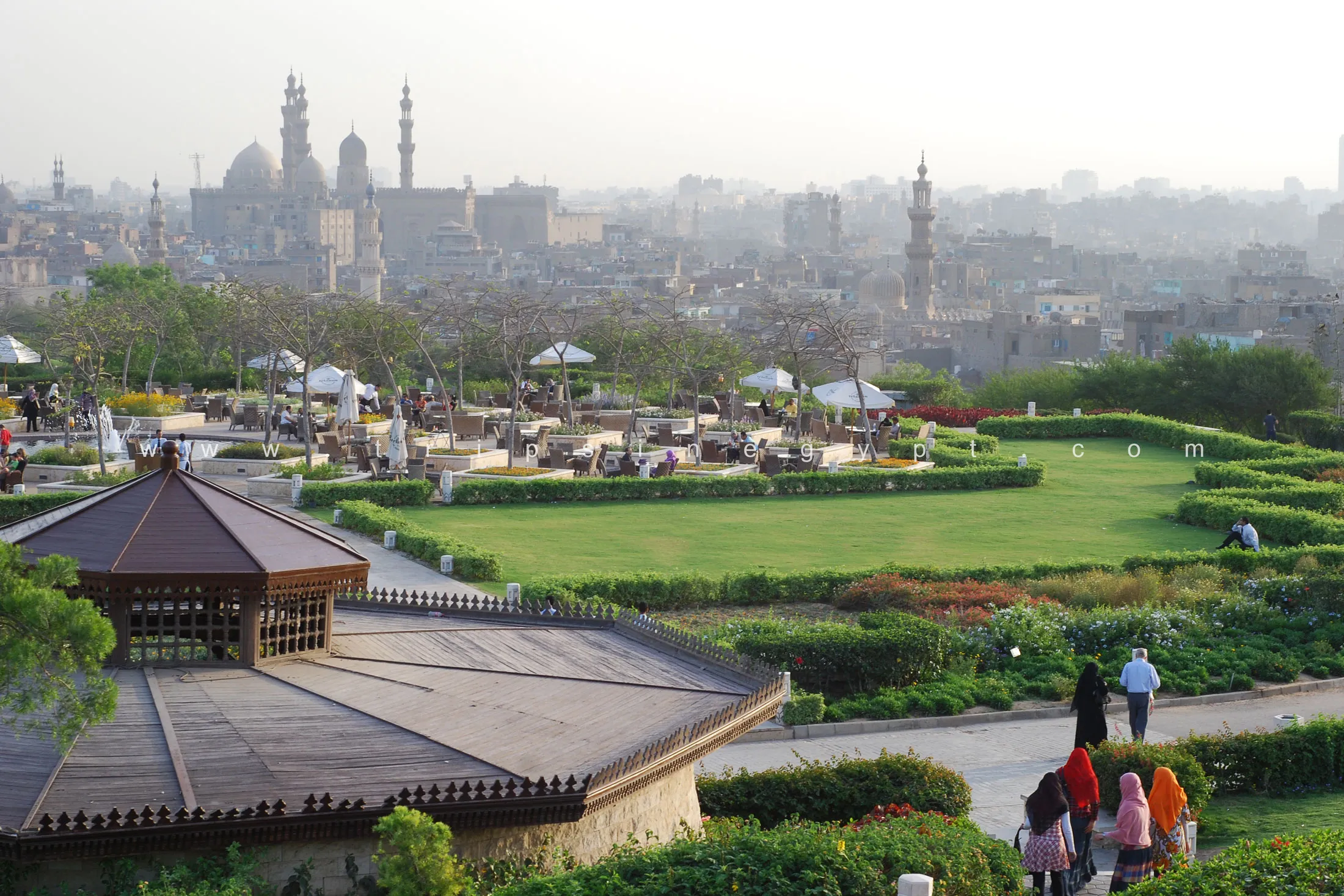
Easter in Cairo is centered on the capital's Coptic churches. The largest service takes place at Saint Mark's Cathedral in Abbassia, while some of the most historic settings are found in Coptic Cairo. The Hanging Church holds Holy Week services above the gate towers of the Roman fortress of Babylon, and nearby Abu Serga Church is traditionally associated with the Holy Family's stay in Egypt.
Another remarkable location is the Cave Church of Saint Simon in the Mokattam hills, which can hold thousands of worshippers. Visitors are generally expected to dress modestly and behave respectfully during services, and arriving early is important during major Easter liturgies.
Easter at the Red Sea and on the Nile
Many international travelers spend Easter in Egypt's Red Sea resorts because the holiday coincides with European school breaks and warm spring weather. Hotels in Hurghada, El Gouna and Sharm El-Sheikh often organize Easter brunches, activities for children and seasonal entertainment alongside diving, snorkeling and beach days.
Upper Egypt is also popular because Easter often falls during the closing weeks of the most comfortable sightseeing season. Nile cruises between Luxor and Aswan can be busy, while churches in Luxor, Aswan and Alexandria hold Easter services for local Christian communities and visitors.
Best Tours and Activities to Do in Egypt During Easter
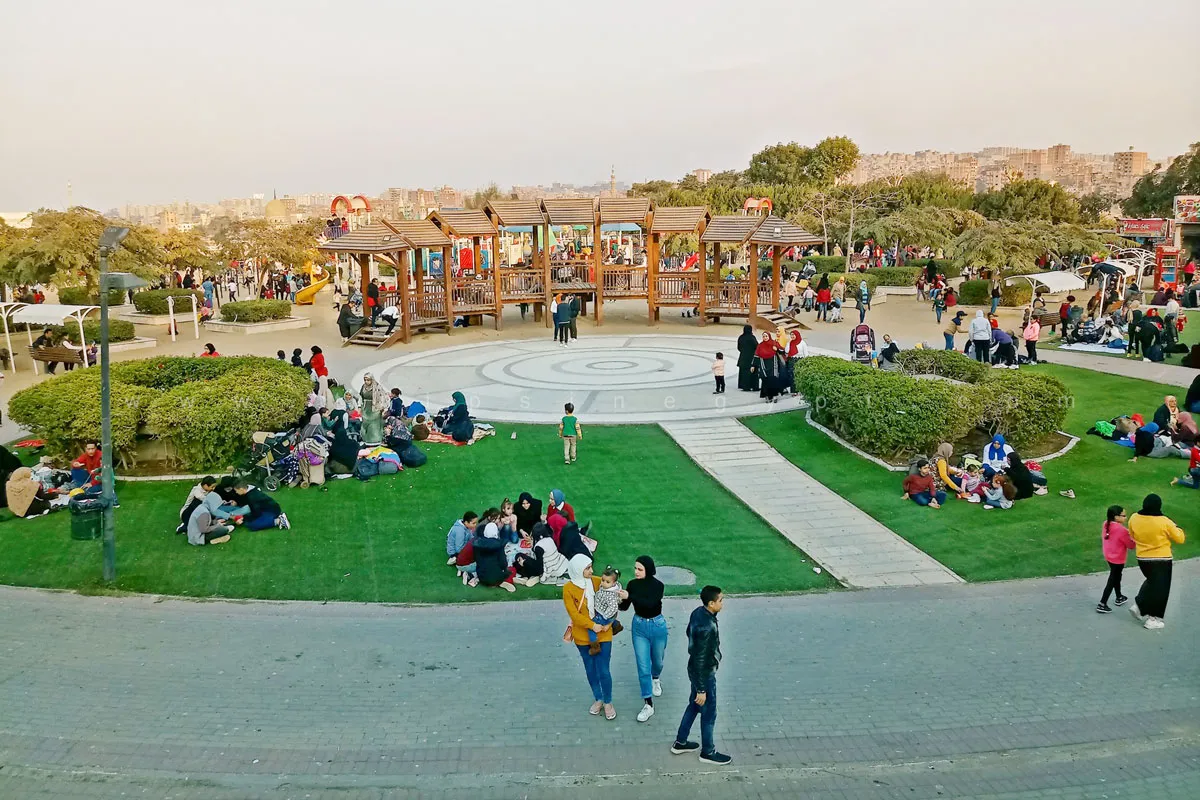
Easter is one of the most enjoyable periods for exploring Egypt, with long sunny days, relatively comfortable sightseeing temperatures and a festive atmosphere across the country. This section combines the old weather content with practical ideas for Cairo, the Nile Valley and the Red Sea. If you want a full planning guide covering budget, duration and packing, read how to enjoy an Easter tour in Egypt.
The Weather in Egypt During Easter
Easter falls during spring, when the weather in Egypt is generally warm, sunny and dry. In Cairo, daytime temperatures commonly reach roughly 25 to 30°C, with nights around 13 to 16°C. Luxor and Aswan are usually hotter, particularly when Easter falls in late April.
Rain is uncommon, but travelers should be aware of the khamaseen, a hot and dusty desert wind that can affect visibility for a day or two during March and April. Spring nevertheless offers long daylight hours and avoids the extreme summer temperatures that arrive later in the year.
Things to Do in Egypt at Easter
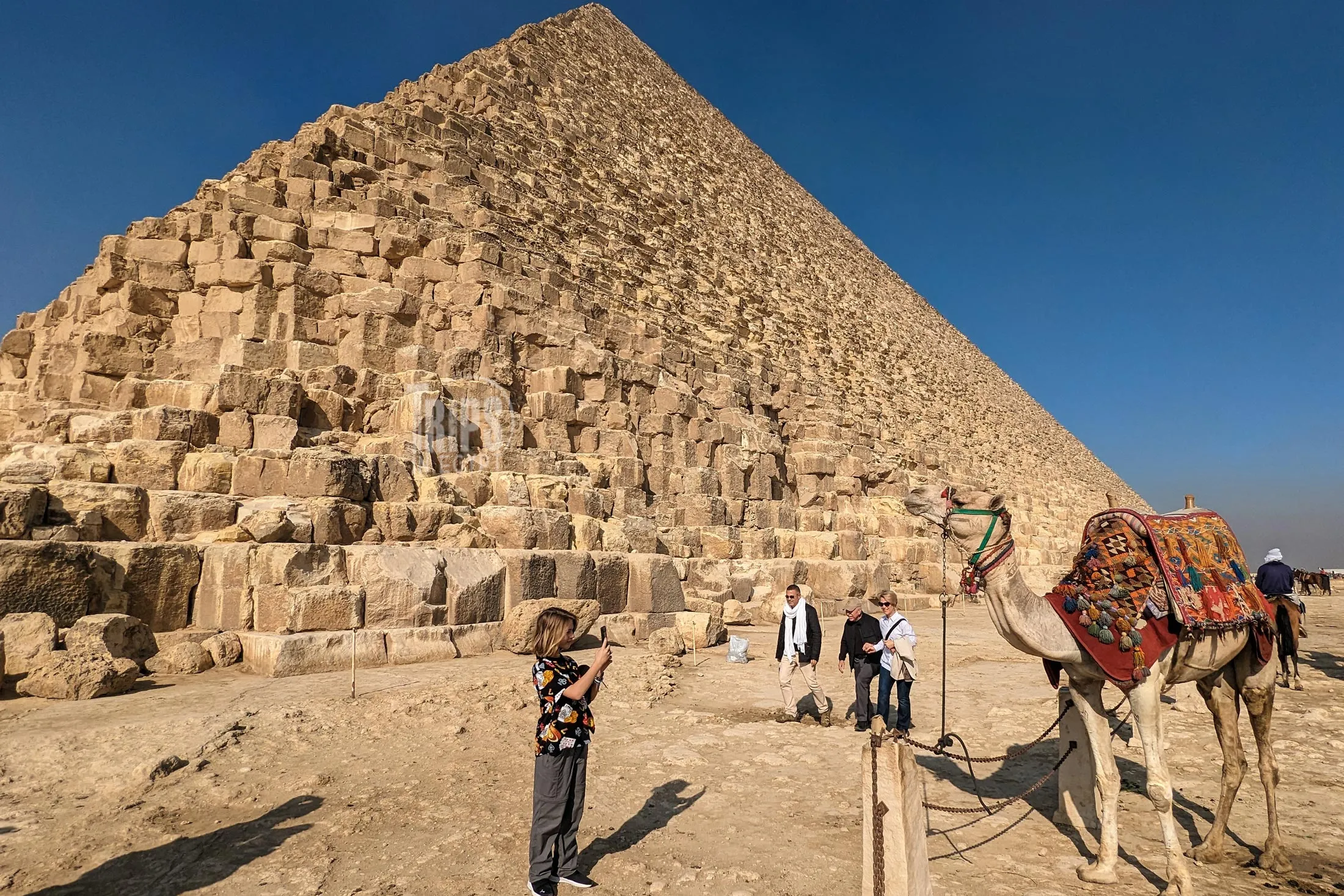
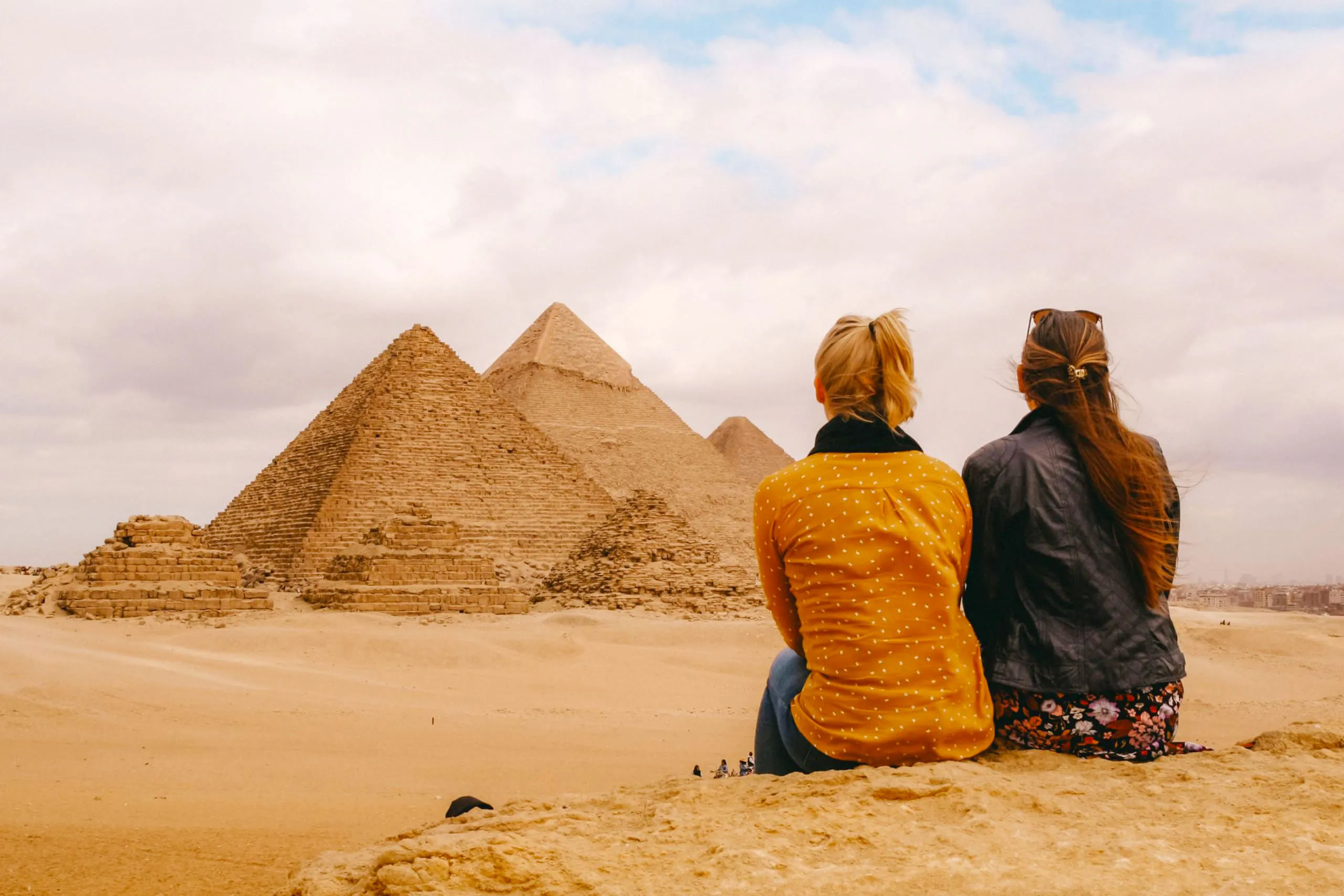
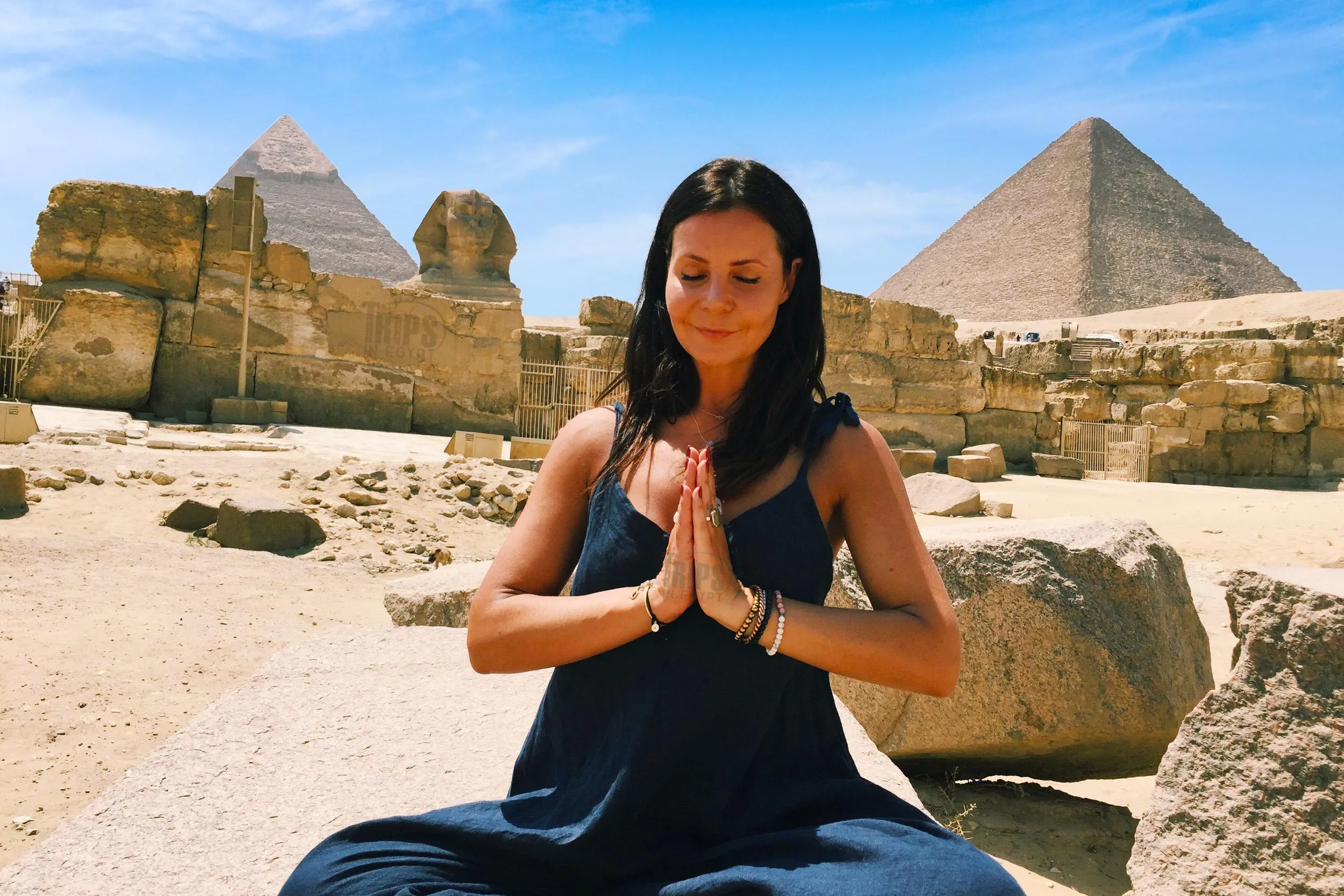
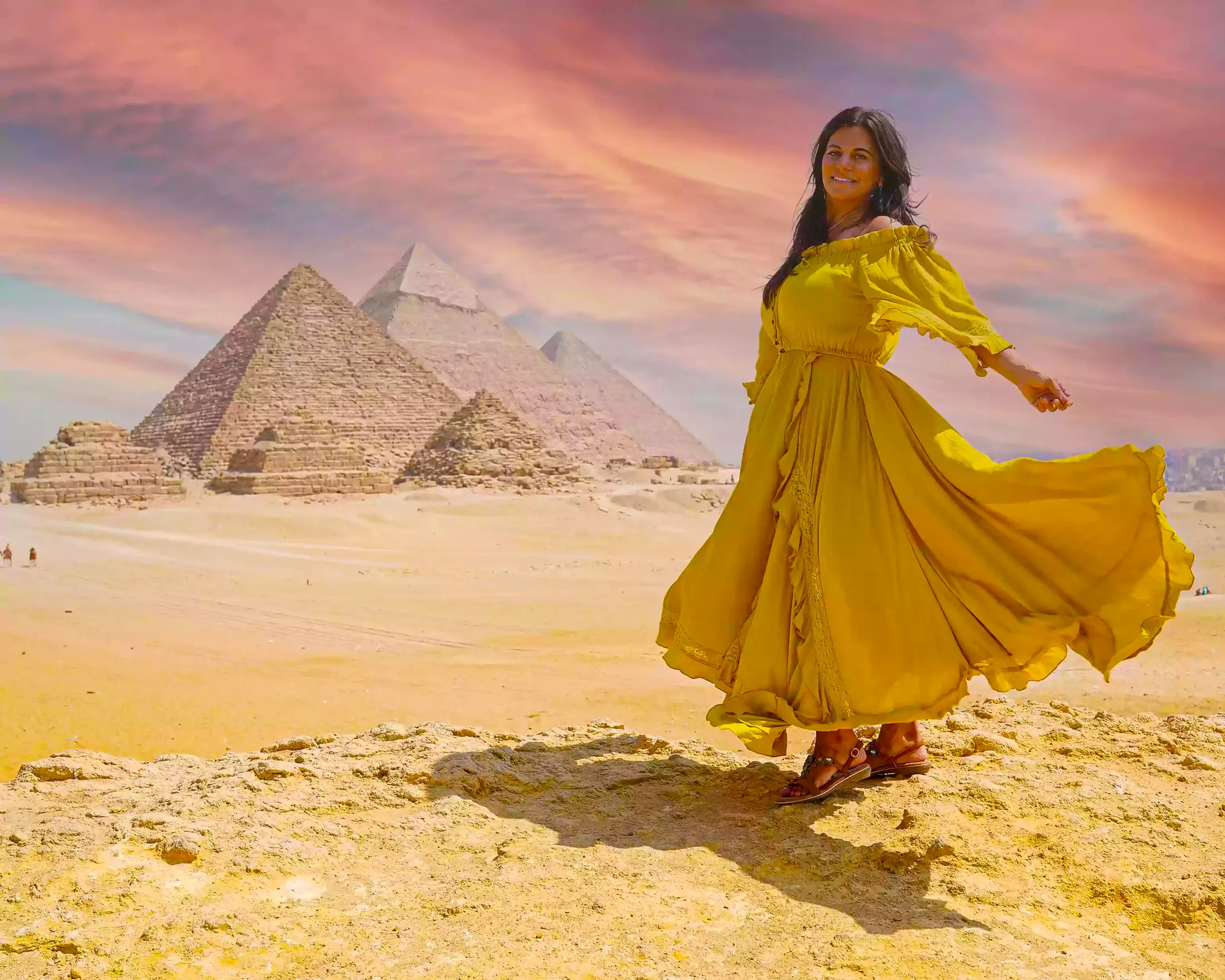
Begin with the Pyramids of Giza, preferably early in the morning before both the heat and crowds build. The Giza Plateau combines the three principal pyramids, panoramic desert viewpoints and the Great Sphinx, while the nearby Grand Egyptian Museum adds one of the country's major collections of ancient Egyptian objects.
If your trip overlaps with Sham El Nessim, expect Giza and many public attractions to become particularly busy with Egyptian families. Planning major archaeological sightseeing for Easter Sunday or another non-holiday morning can make the experience more comfortable.
In Old Cairo, explore Khan el-Khalili and the Islamic sites in Egypt around al-Muizz Street, where Fatimid, Ayyubid and Mamluk architecture fills the historic center. Coptic Cairo adds the religious side of the season, including historic churches and the Coptic Museum.
Spring evenings are mild enough for dinner cruises, Nile walks and outdoor cafés. During holiday periods, Downtown Cairo, Zamalek and the Nile Corniche remain lively into the evening as residents and visitors make the most of the cooler temperatures.
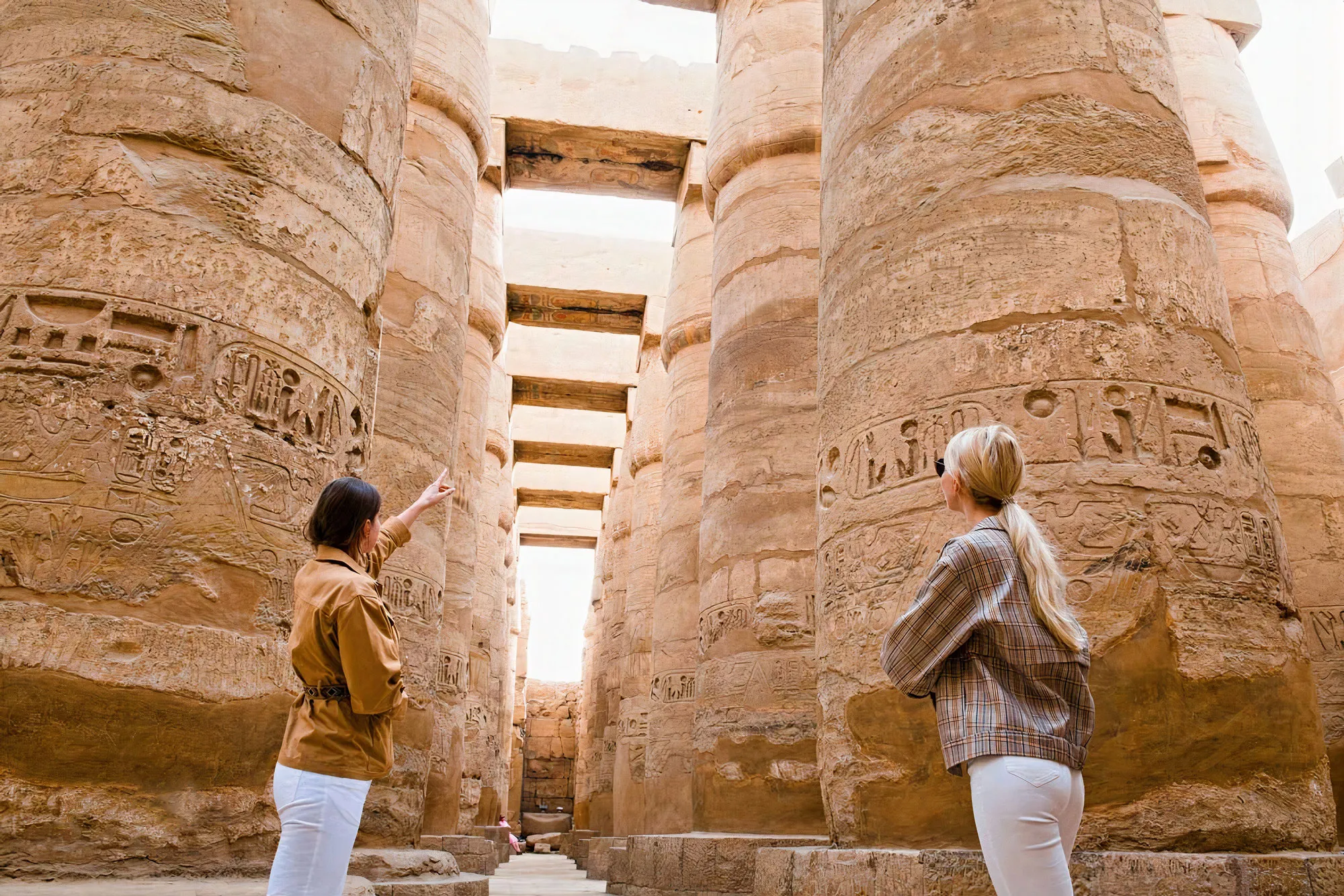
South of Cairo, a journey along the Nile River between Luxor and Aswan brings together Karnak, Edfu, Kom Ombo, the Valley of the Kings and sunset felucca rides. Easter is one of the last comfortable times for long days of Upper Egypt sightseeing before summer heat intensifies.
Travelers who prefer the sea can finish in Hurghada or Sharm El-Sheikh, where spring conditions are ideal for relaxing by the Red Sea, snorkeling over coral reefs and balancing archaeological touring with a few days on the coast.
Egypt Easter Tours
The Egypt Easter tours range from shorter adventures to two-week journeys combining Cairo, the Nile Valley, Alexandria, the desert and the Red Sea. The following five itineraries are among the most complete choices. Prices are shown as starting rates and may vary according to travel dates, accommodation category and group size.
7 Days Cairo & Upper Egypt in Easter Trip: A week covering Cairo, the Giza Pyramids and the Sphinx before continuing to the historic monuments of Luxor and Aswan. From $1,150.
8 Days Easter Adventure to Cairo & Sahara: Eight days and seven nights combining Cairo and Giza with a desert journey to Bahariya Oasis and the White Desert of Farafra. From $850.
12 Days Easter Trip Cairo, Upper Egypt & Hurghada: Twelve days and eleven nights through Cairo, Luxor, Aswan and Alexandria, ending with beach time in Hurghada. From $1,630.
11 Days Cairo, Nile Cruise, Hurghada & Alexandria Easter Tour: Eleven days and ten nights featuring a Nile cruise between Luxor and Aswan, Alexandria sightseeing and a Red Sea stay in Hurghada. From $1,710.
15 Days Easter Egypt Tour Package: Fifteen days and fourteen nights covering Cairo, Luxor, Aswan, Alexandria and Hurghada at a more relaxed pace. From $2,200.
Easter in Egypt is a season in two parts: a Coptic feast of fasting, vigils and family meals, and a national spring festival that brings the whole country outdoors on Sham El Nessim. Knowing the dates, foods and customs lets you experience it in a Cairo church, beside the Nile or at the Red Sea. Few destinations celebrate spring with so much history behind every tradition, meal and colored egg.
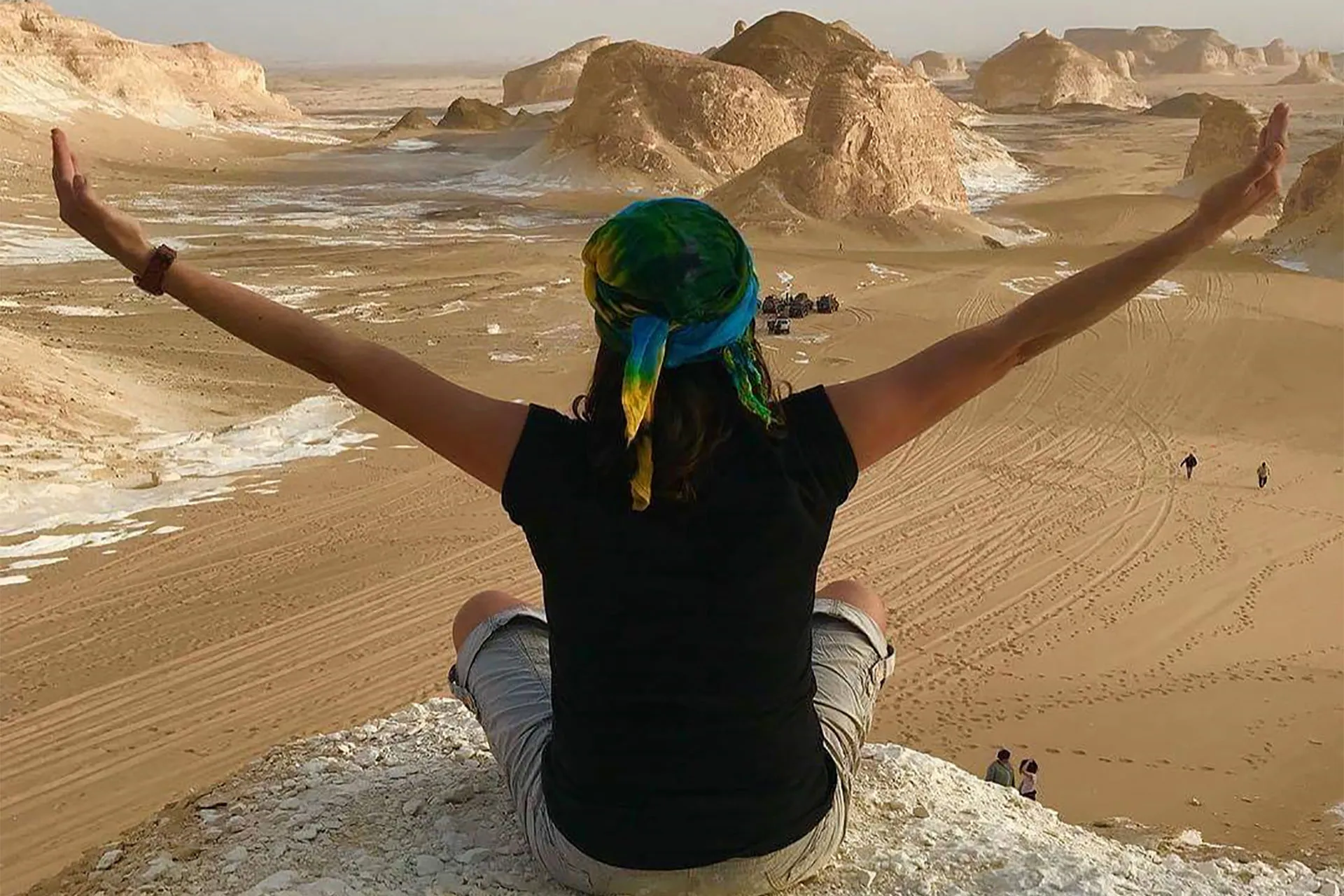
8 Days Easter Adventure to Cairo & Sahara
Desert Dreams: An 8-Day Easter Adventure in Cairo & the Sahara Explore the histor...
- Duration 8 Days / 7 Nights
- Location Cairo - Giza - Bahariya - Farafra
- Type Easter Tour
From$850/per person
View Tour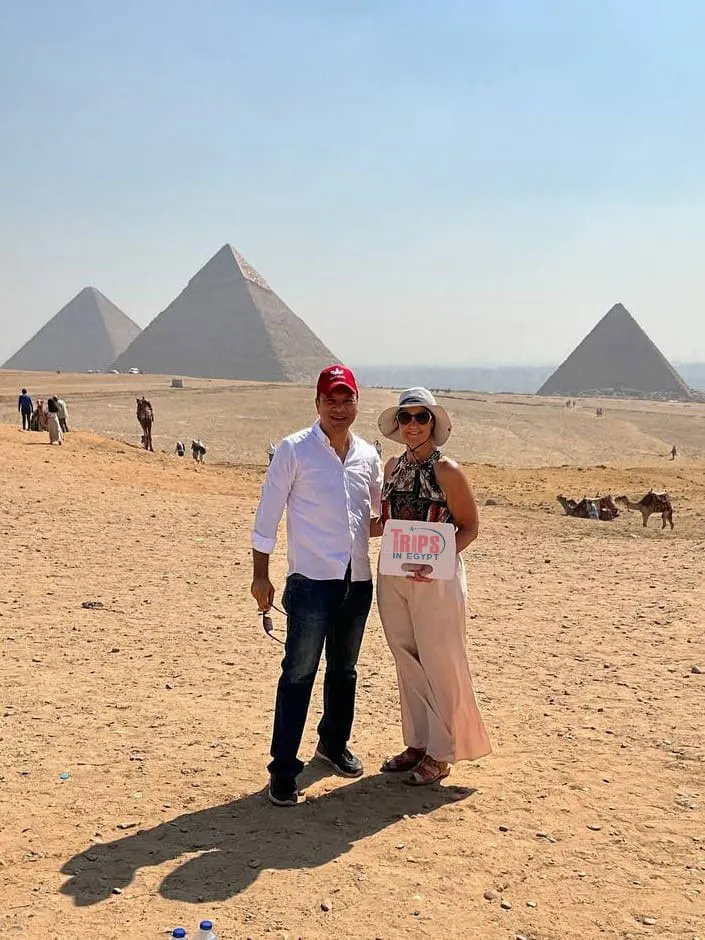
12 Days Easter Trip Cairo, Upper Egypt & Hurghada
Easter Escapade: Exploring Cairo, Upper Egypt, and Hurghada Experience the mesmerizin...
- Duration 12 Days / 11 Nights
- Location Cairo - Luxor - Aswan - Alexandria - Hurghada
- Type Easter Tour
From$1630/per person
View Tour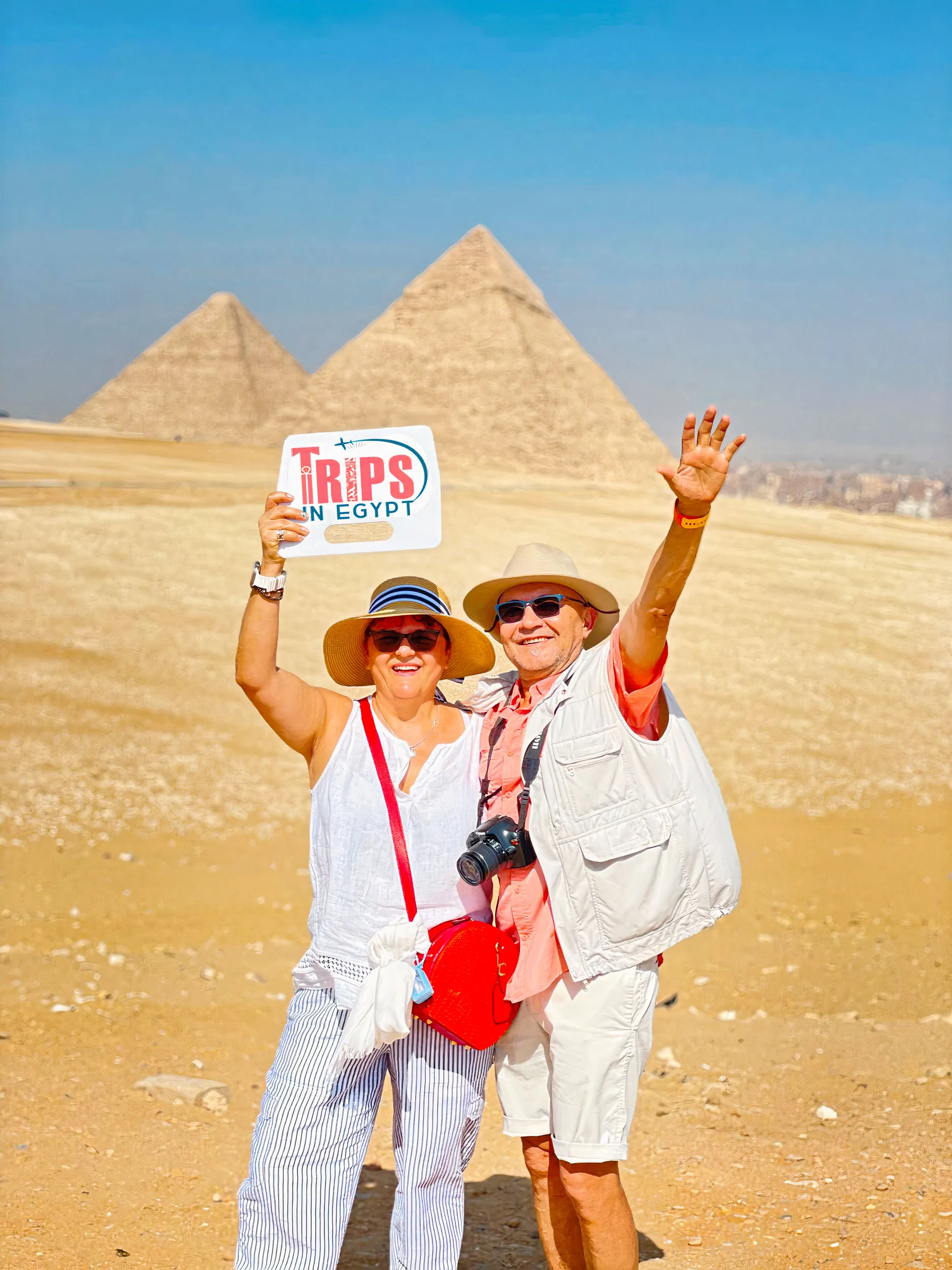
11 Days Cairo, Nile Cruise, Hurghada & Alexandria Easter Tour
Easter Magic in Egypt: A Whirlwind 11-Day Tour Be amused by our 11-day Egypt Easter j...
- Duration 11 Days / 10 Nights
- Location Cairo - Luxor - Aswan - Alexandria - Hurghada
- Type Easter Tour
From$1710/per person
View Tour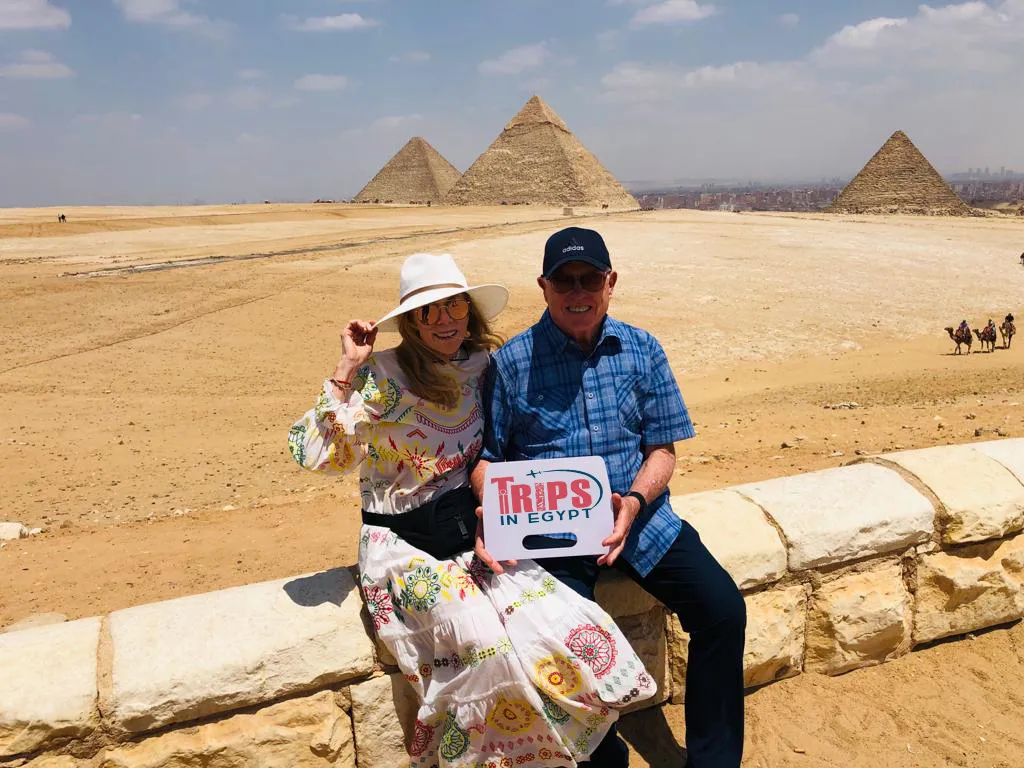
15 Days Easter Egypt Tour Package
Easter Extravaganza: 15 Days of Joy and Celebration Step into a realm where time bend...
- Duration 15 Days / 14 Nights
- Location Cairoi - Luxor - Aswan - Alexandria - Hurghada
- Type Easter Tour
From$2200/per person
View Tour