



The pyramid of Teti is a magical example of the brilliance of ancient Egyptian architecture that gained the power of immortality and protected the power and knowledge of the ancient Egyptians. This enduring wonder was able to uncover many great facts and offer a deep glimpse into the creative mind of the ancient Egyptian builder.
This preserved pyramid is known to be the key to understanding a lot of facts about the prosperous 6th dynasty which transformed the land of Saqqara into a golden garden of pyramids. In this article, we will discover all the information relating to this magnificent piece of art that stood the test of time.
Location & How to Get to the Pyramid of Teti
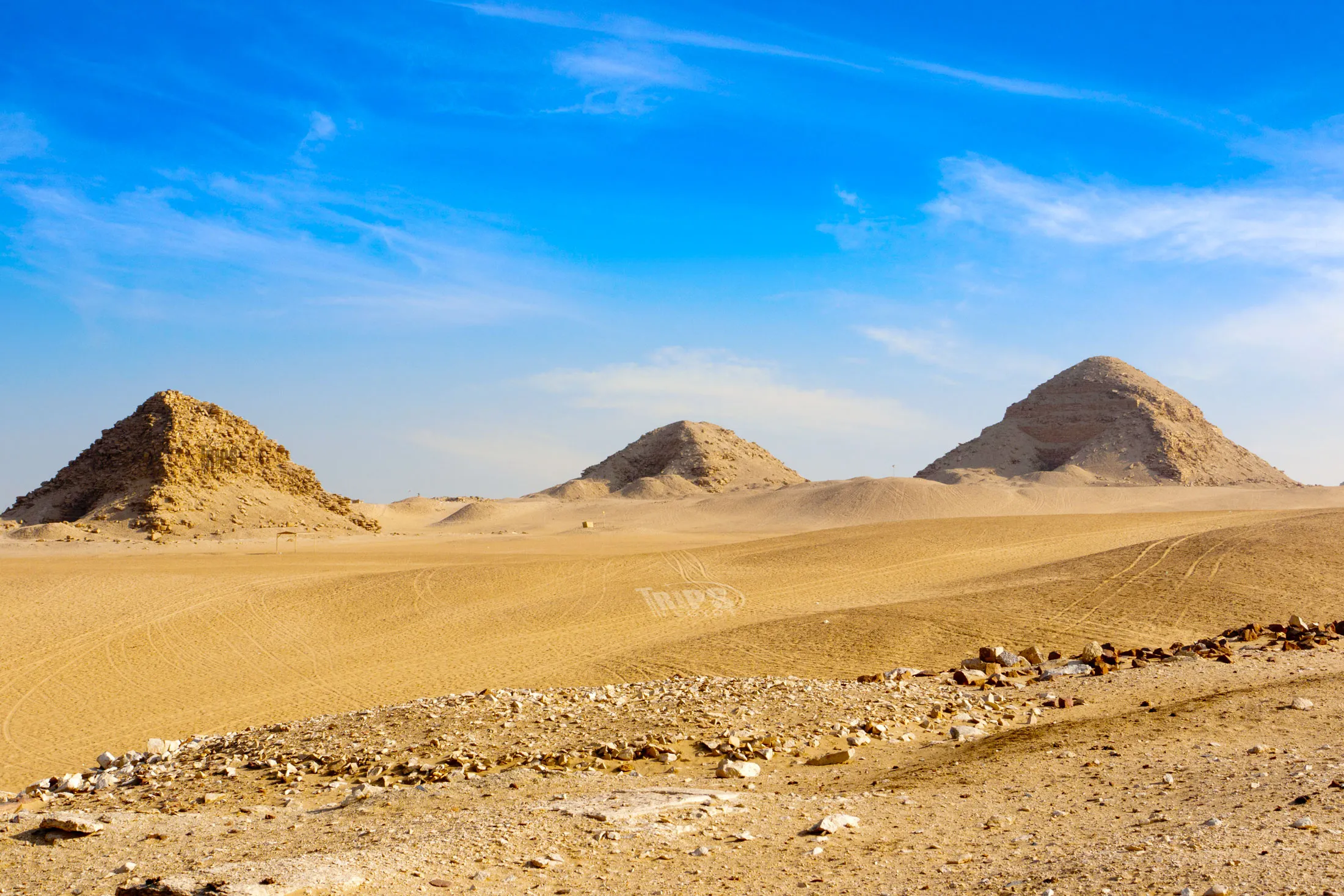
This smooth-sided pyramid is found in the Saqqara green belt field of pyramids where it was built by Teti (2345–2323 BC) who is the first ruler of the Sixth Dynasty which is found near the Step Pyramid of Djoser (2667–2648 BC). It is 50 minutes away from central Cairo and on the road with a stunning view across the three great pyramids of Giza and the magnificent Red pyramid.
Pyramid of Teti History, Who Built It & Why
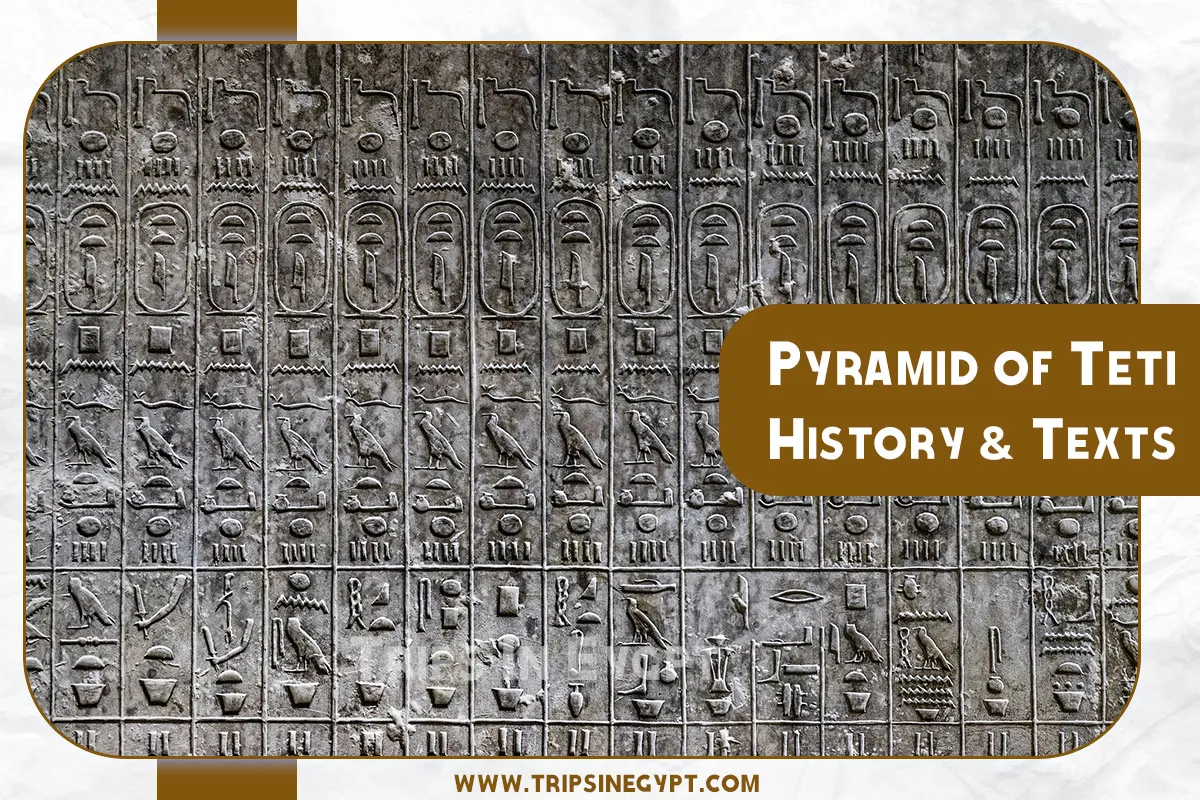
The pyramid was constructed by Teti (2345–2323 BC) to be his final tomb which later became the second pyramid that held the pyramid's texts which date to the old kingdom of Egypt (2686 BCE – 2181 BCE). Teti reigned for 12 years and his wife was "Iput" the daughter of Unas the last King of the 5th dynasty. The place was first excavated in the 1850s by Mariette but it was engulfed by sands over time. Ancient Egyptian priest and historian Manetho stated a theory which states that Teti was murdered by his bodyguards.
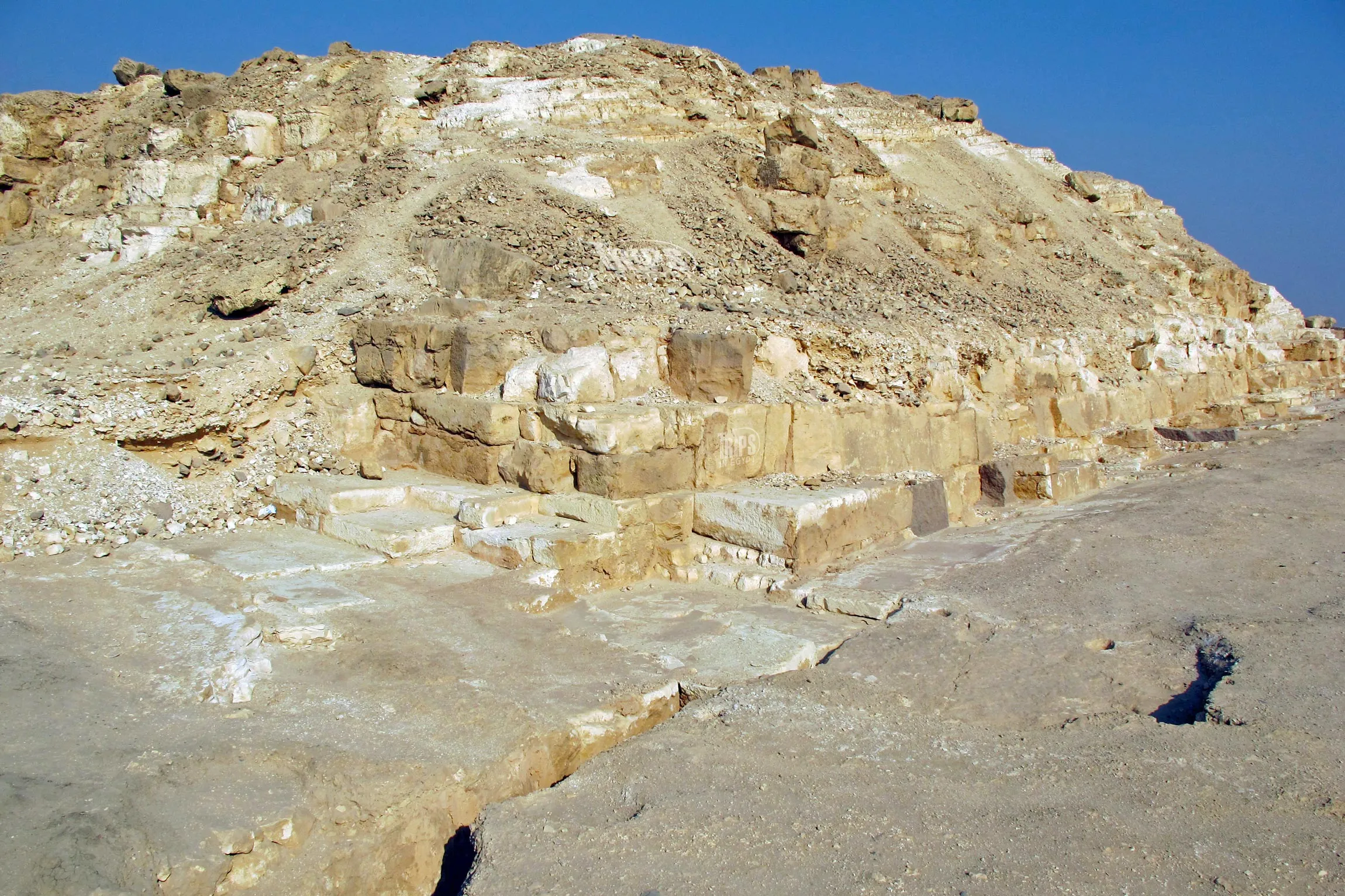
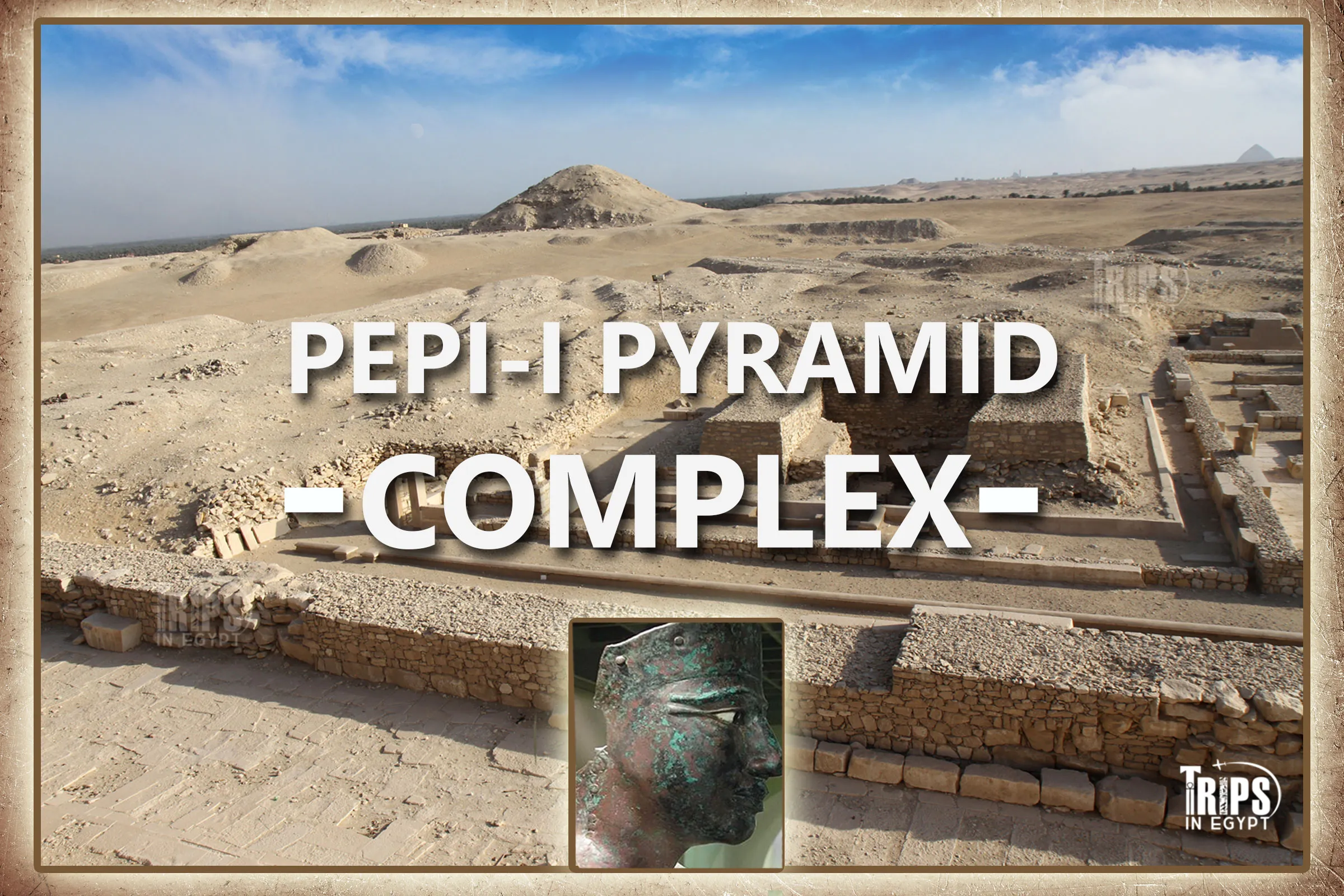
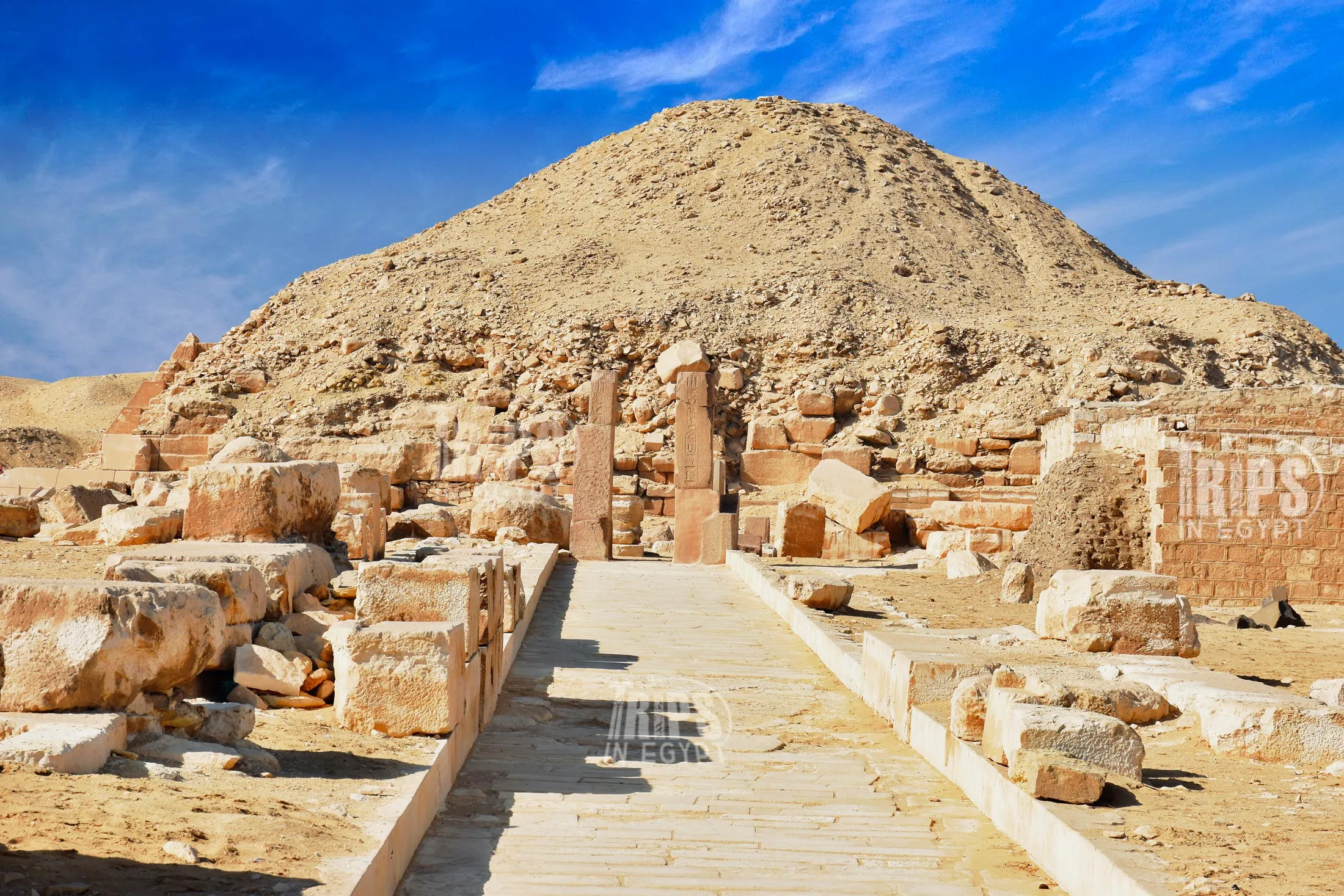
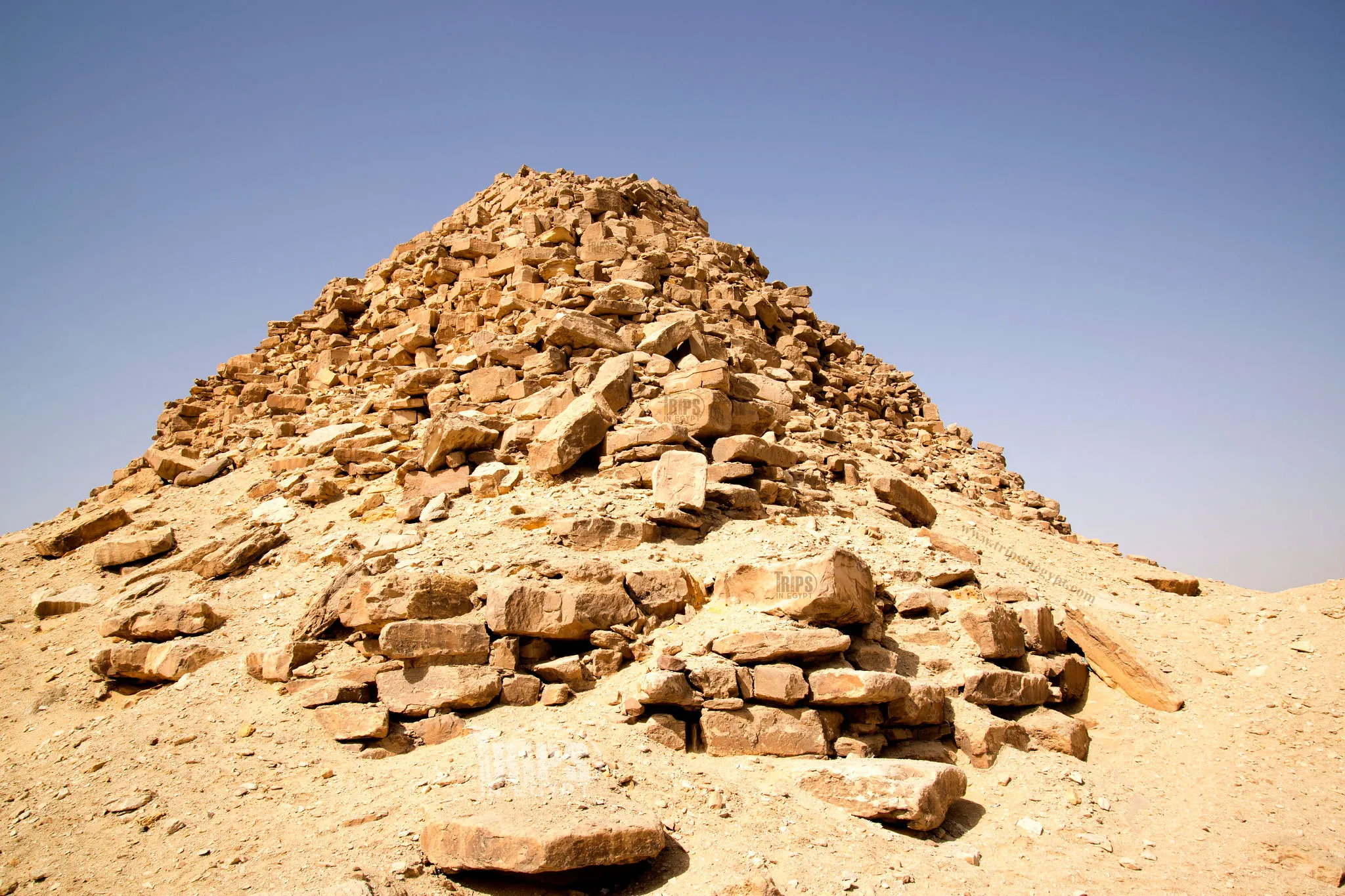
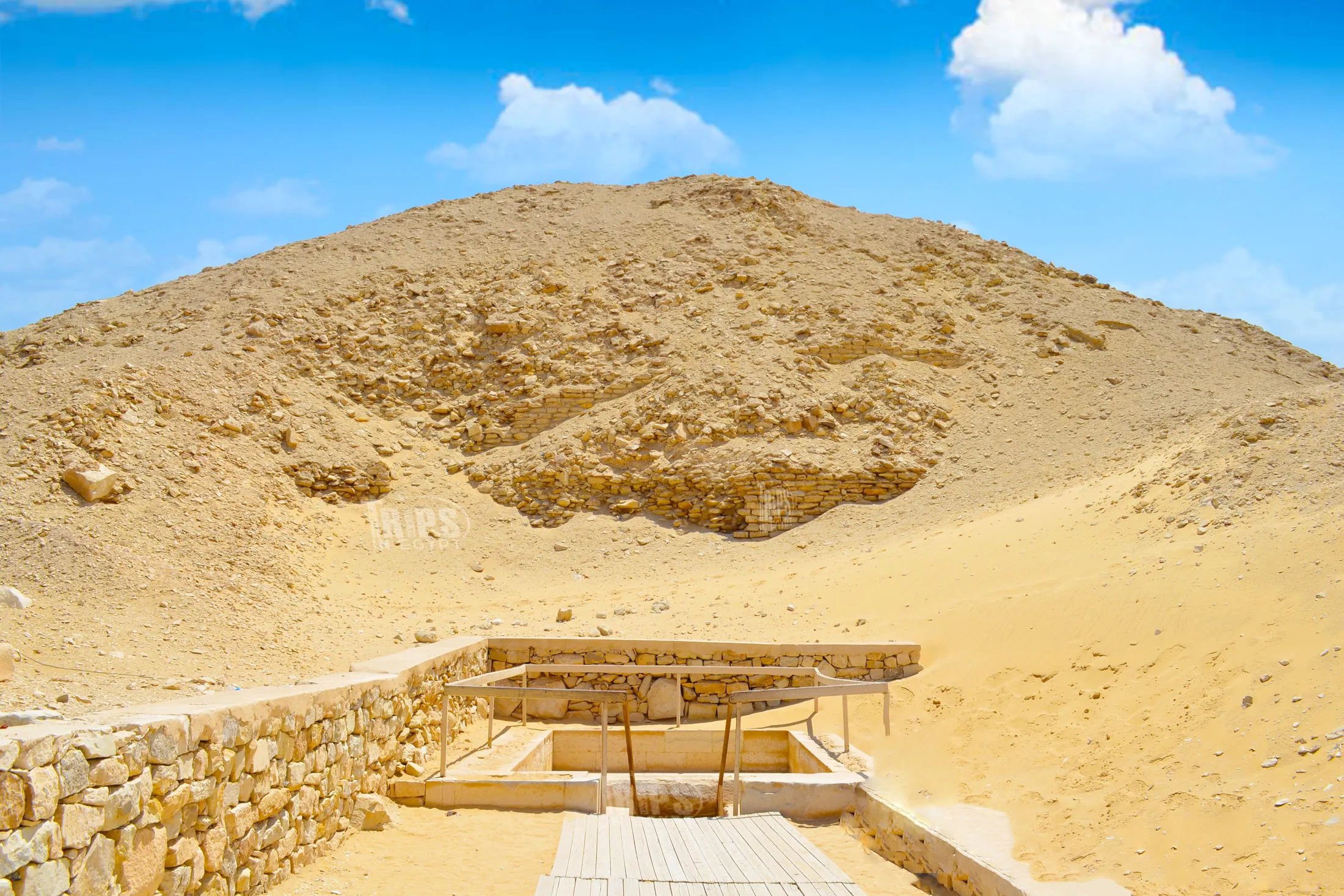
In 1882 Gaston Maspero opened the pyramid and the entire complex was explored during a number of campaigns between 1907 and 1965. A number of excavations have taken part in the place where a number of monuments were found such as two Pyramids of Queens which holds two cult structures, a satellite Pyramid, and a funerary Temple. It was known in ancient times as “the places of Teti endure”. The pyramid is badly preserved which resembles a small hill but underground are a number of very preserved corridors and chambers.
It holds a number of funeral chambers which can be accessed through a low passageway and a sloping shaft plus there is the vaulted roof which possesses a marvelous star-patterned block that has slipped inward. The majority of 6th dynasty kings choose to imitate Teti and be buried in southern Saqqara as many of their courtiers are found in the streets of tombs located next to the pyramid and is linked to the incredible Serapeum by the golden avenue of Sphinxes which is found under the sands.
Pyramid of Teti Architecture
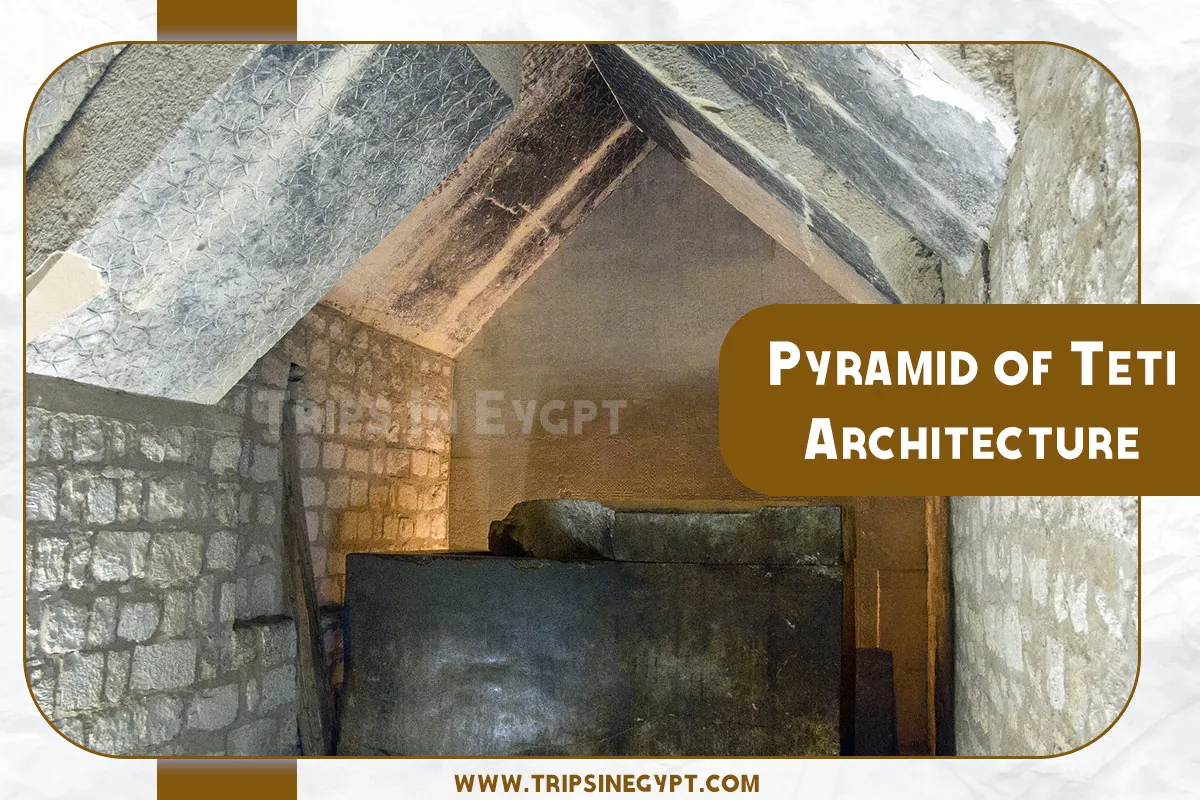
The pyramid and its associated monuments provide valuable insight into the religious beliefs, burial practices, and architectural styles of the ancient Egyptians. The pyramid was one of the first to feature a subterranean chamber and the use of a small mortuary temple, which later became standard features in the construction of later pyramids. The pyramid is approximately 52.5 m (172 ft; 100 cu) high with a base length of 78.75 m (258 ft; 150 cu), a Volume of 107,835 m3 (141,043 cu yd), and was originally built with smooth sides that were later covered with a layer of limestone casing and a core of limestone blocks and debris fill.
When the casing blocks were removed, the core began to crumble which would explain why it has the shape of a small hill. The interior of the pyramid contains several passages and chambers, including a subterranean chamber, an antechamber, and a burial chamber where the king's sarcophagus was placed. The pyramid also features a unique feature known as the "Teti Chapel," a small mortuary temple located at the southeast corner of the pyramid that was built for the king's cult. The pyramid was robbed of all of its antiquities.
The pyramid has a marvelous descending passageway that transforms into a horizontal corridor leading to an antechamber. The ceiling of the burial chambers has gold stars on the other side of a dark blue background that showcases the tomb as the entrance to a new entrance to the underworld. The pyramid holds a version of the pyramid texts decorating the entire walls of the burial chamber and the antechamber. The substructure of Teti's pyramid is very similar to the pyramid of Unas despite being a bit bigger. The arrangements of the pyramid are very inspired by Abusir funerary complexes. A mesmerizing false door made of black basalt can be found in the pyramid within the chapel.
Across the interior of the pyramid are a number of recitations and rituals which was designed to safeguard the king’s successful quest across the afterlife. The burial chamber holds an unfinished greywacke sarcophagus with a broken lid which contains canopic jars and holds some inscriptions. A collection of the most beautiful and enchanting tombs and mastabas which date to the old kingdom are located there and belong to his viziers Kagemni and Mereruka.
Necropolis of Teti Pyramid
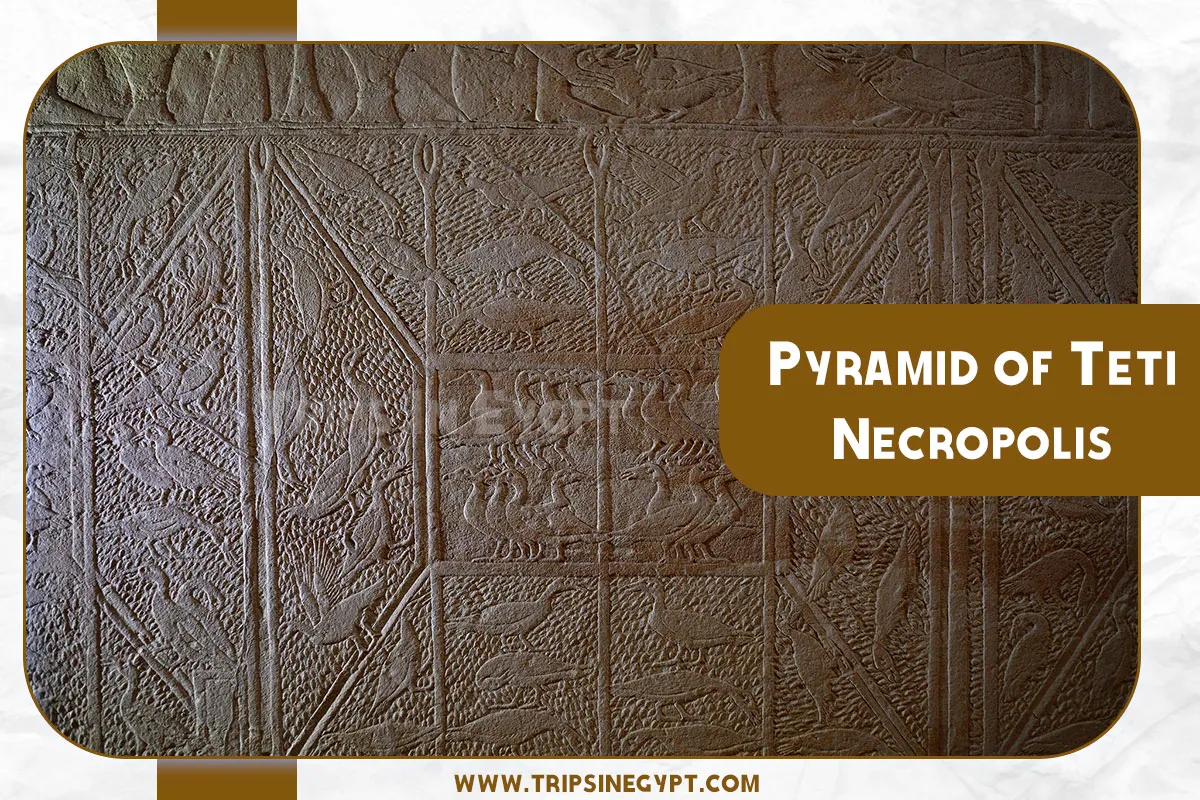
The Necropolis of Teti is found in the funerary complex of Teti which is located in the wealthiest pieces of Saqqara necropolis. His reputation and fate impressed his successors who saw him as a powerful holy mediator who left a great heritage as seen across the courtiers. He created a pyramid for each one of his principal wives which possessed a worship pyramid. The 6th dynasty tombs which form this necropolis include:
- The mastaba of Ankhmahor.
- The pyramid complex of Khuit II.
- The pyramid complex of Sesheshet I, the king's mother.
- The pyramid complex of Iput.
- The mastaba of Kagemni, Vizier of Teti.
- The mastaba of Tetiankhkem, royal prince, son of Teti and Khuit.
- The mastaba of Mereruka.
In the middle kingdom of Egypt (2030 - 1650 B.C.), a number of tombs belonging to royal priests Sa-Hathor-Ipy and Sekoueskhet "Sekweskhet" were discovered at the east of Teti's pyramid. In the new kingdom of Egypt (1570 – 1050 BC) a number of graves were added near the funerary complex. Kings like Ramses II and Khaemwaset, plus the royal prince and High Priest of Ptah were responsible for the restoration of the pyramid. Around 540 BC, the temple of Anubis has created on top of the funerary complex of Teti which remained a sacred attraction for many ages. The dromos of the pyramid leads to the Serapeum of Saqqara.
Conclusion
Our Egypt tours 2026 and Nile River cruises 2026 have the chance to explore one of Egypt’s most magnificent and hidden archaeological wonders which is able to reveal some of the most incredible and mesmerizing archaeological findings ever found in existence. Discovering this majestic attraction will be the adventure of dreams.

5 Days Cairo And Hurghada Trip
Amazing 4 Nights Cairo and Hurghada Trip Itinerary 5 Days Cairo and Hurghada trip wil...
- Duration 5 Days / 4 Nights
- Location Cairo & Hurghada
- Type Historical & Recreational Tour
From$690/per person
View Tour
6 Days Cairo, Alexandria & Faiyum Tour
Unforgettable Cairo, Alexandria & Faiyum Adventure in Six Days 6 Days Cairo, Alex...
- Duration 6 Days / 5 Nights
- Location Cairo - Alexandria - Fayum
- Type Historical Tour
From$720/per person
View Tour
10 Days Cairo, Faiyum & Nile Cruise Holiday
Breathtaking 10 Days Journey of A Lifetime in Egypt 10 Days Cairo, Faiyum & Nile...
- Duration 10 Days / 9 Nights
- Location Cairo, Luxor, Aswan & Faiyum
- Type Classic Tour
From$1350/per person
View Tour SOLD OUT
Ultimate 7-Day Egypt Solar Eclipse Experience with Hurghada 2027
Enjoy a 7-Day Egypt Solar Eclipse Tour with Hurghada 2027 6 Nights Egypt Solar Ecli...
- Duration 7 Days / 6 Nights
- Location Cairo / Giza / Luxor / Hurghada
- Type Astronomical Tour
Sold Out
View Details