



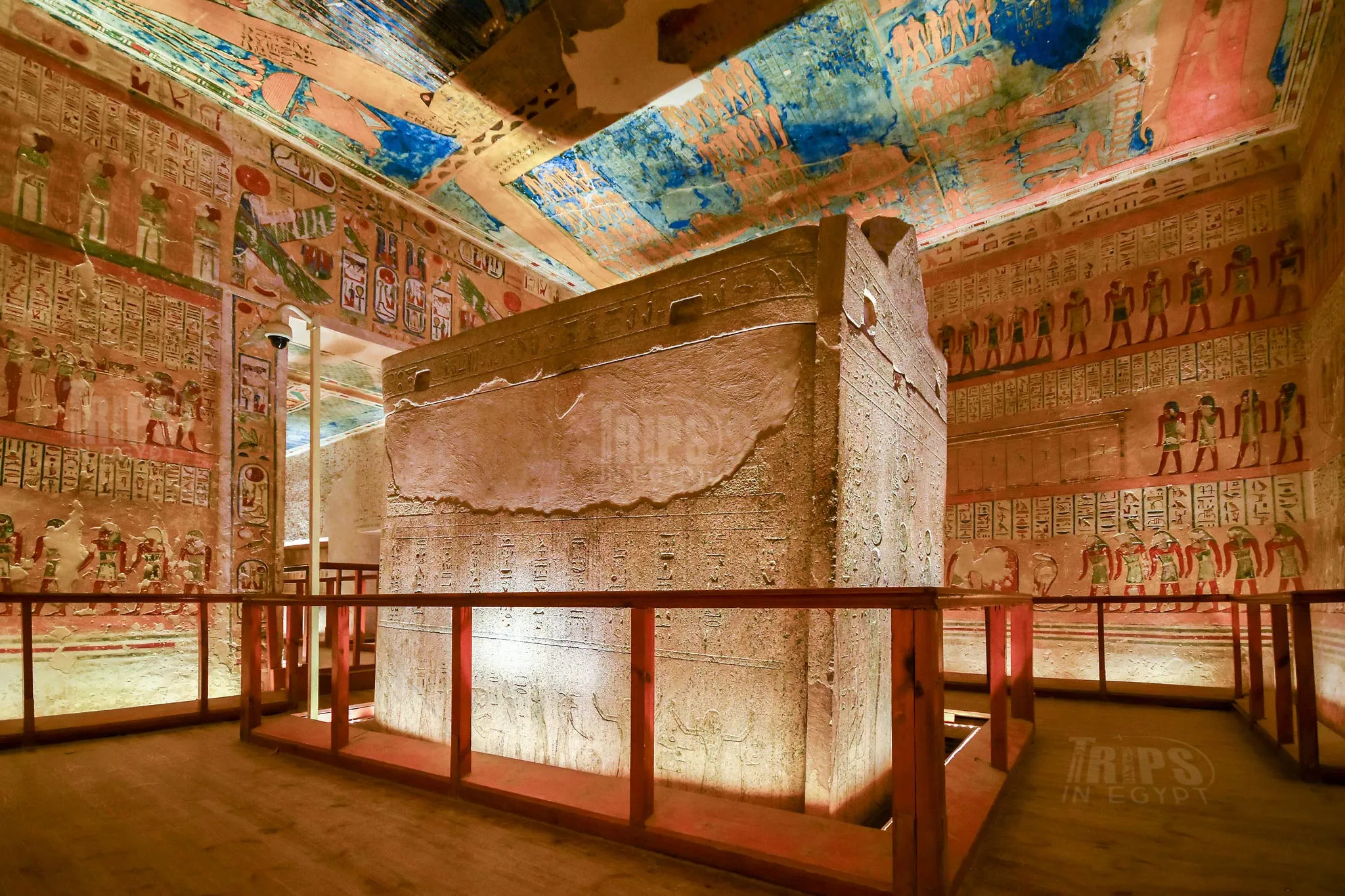
The tomb of Ramses IV is an incredible example of Ancient Egyptian art. The tomb of the great king is located in the Valley of the Kings in the city of Luxor in Upper Egypt, it was built during the Twentieth Dynasty of the New Kingdom. The tomb of the King is one of the largest tombs in the Valley of the Kings. This massive instruction shows the power and influence of the great pharaoh.
This tomb is a remarkable testament and the amazing architecture that has served as an inspiration for generations of archaeologists and historians for many centuries. This massive construction is a great window into the beliefs and unique culture of the pharaoh and ancient Egyptian as well. Our article today will help you to know more about such a great ruler King Ramses IV, his life, achievements, tomb, and more to know about King Ramses IV.
Who is King Ramses IV?
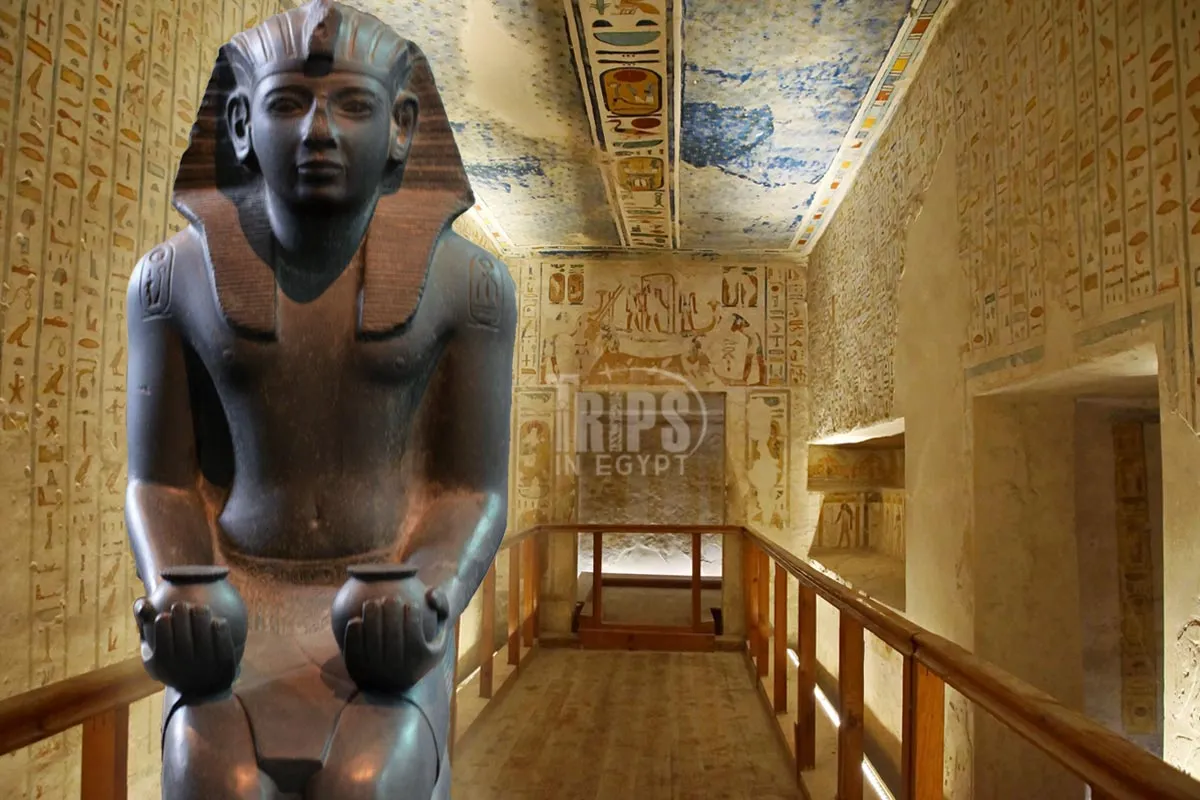
Ramses IV (1176-1149 BC). He was the third Pharaoh and last ruler of the Twentieth Dynasty of the New Kingdom period in ancient Egypt. Ramses IV came to the throne at a very difficult time, as his father King Ramses III was assassinated by conspirators by one of his secondary wives Tiye. He ruled from (1155–1149 BC) and was the son of King Ramses III and Queen Tyti.
During his reign, Ramses IV built numerous temples, including the famous temple of Luxor, and also expanded the boundaries of Egypt by conquering lands in the Levant. They discovered two stelae at the temple of Abydos that prove his piety to the Gods. One of the greatest achievements of Ramses the Great includes renewing the enlargement of the temple of his father "The Temple of Khonsu in Karnak".
The Achievements of King Ramses IV
The achievements of King Ramses IV King Ramses are incredible as the ancient Egyptians called him as he achieved great building and rules, King Ramses IV was able to lead Egypt to prosperity, opulence, and glory. He made the foundation for a strong and powerful empire in the country. Ramses IV built several monuments and temples, that could be seen in the city of Luxor now.
Furthermore, King Ramses his successful economic reforms. He implemented a system of land taxes and encouraged agricultural production, which increased the country's wealth and resources.
He also introduced a new currency, which was made from metals such as silver and gold. This allowed for long-distance trade and turned Egypt into an economic powerhouse.
Ramses IV was also a great patron of the arts. He was a great supporter of literature and was responsible for the creation of many famous works.
In short, King Ramses IV was an exemplary leader and a great Pharaoh, as he was able to expand the border of Egypt, he also introduced new laws, and promote art and culture. His legacy still lives on today and he is remembered as one of Egypt's most successful rulers in ancient Egypt.
Location of the Tomb of Ramses IV
The tomb of Ramses IV is located in the main Wadi of the Valley of the Kings, in Luxor city in Egypt. This pharaoh reigned from (1163-1156 BC). His tomb is known as KV2 and it is located between KV7 and KV1, and it is one of the most visited tombs in the Valley of the Kings on the west bank in Luxor, this city contains two-thirds of the monuments of the whole world. Most visitors find that the best way to see these wonders is through a 7 night nile cruise itinerary, which provides a seamless journey between the East and West banks of this ancient city.
The Mummy of King Ramses IV was discovered in KV2 in 1881 and now it is in the National Museum of the Egyptian Civilization. KV2 is one of the most important sources of information about Ancient Egyptian burial practices and religious beliefs as it contains a large amount of graffiti.
The Main Features of the Tomb of Ramses IV
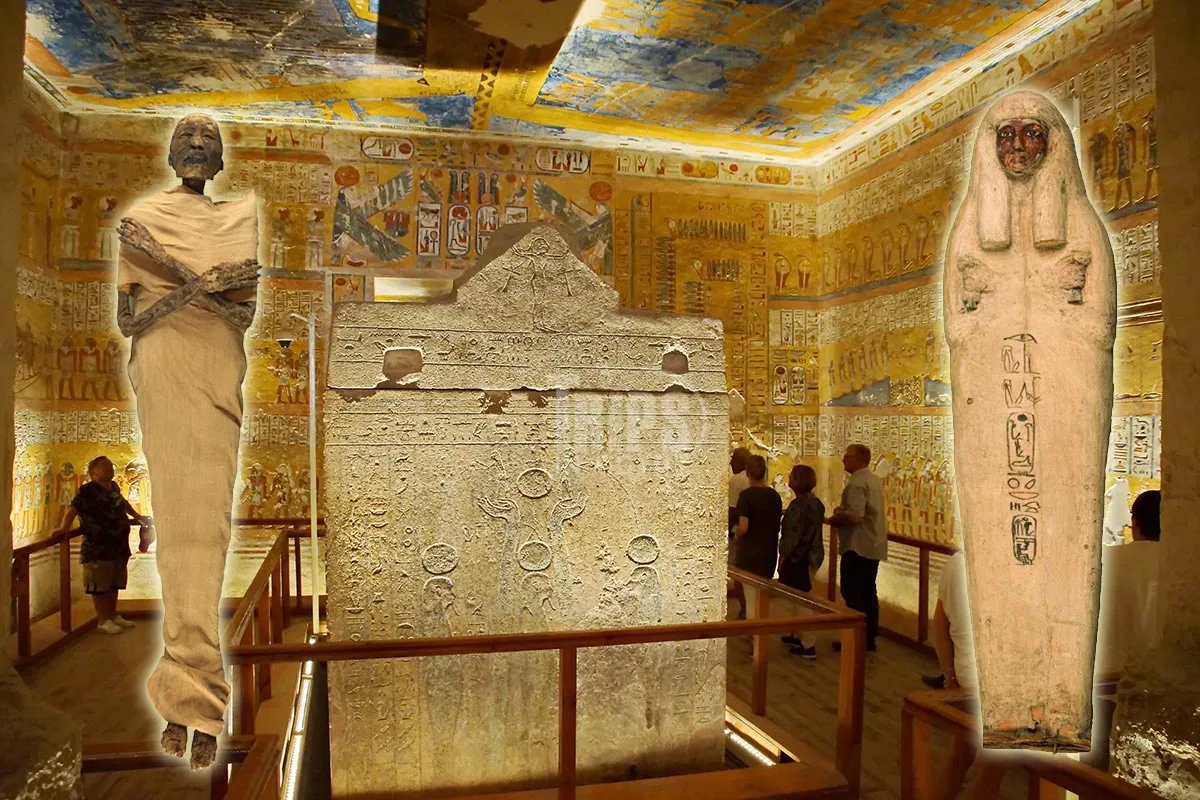
The tomb of King Ramses IV is a great attraction which is located in the Valley of the Kings in Upper Egypt. The tomb of Ramses IV was constructed in an old Egyptian style, with descending stairs leading to an antechamber. The tomb was designed with a main purpose in mind, it should protect the Pharaoh's remains and ensure his immortality forever.
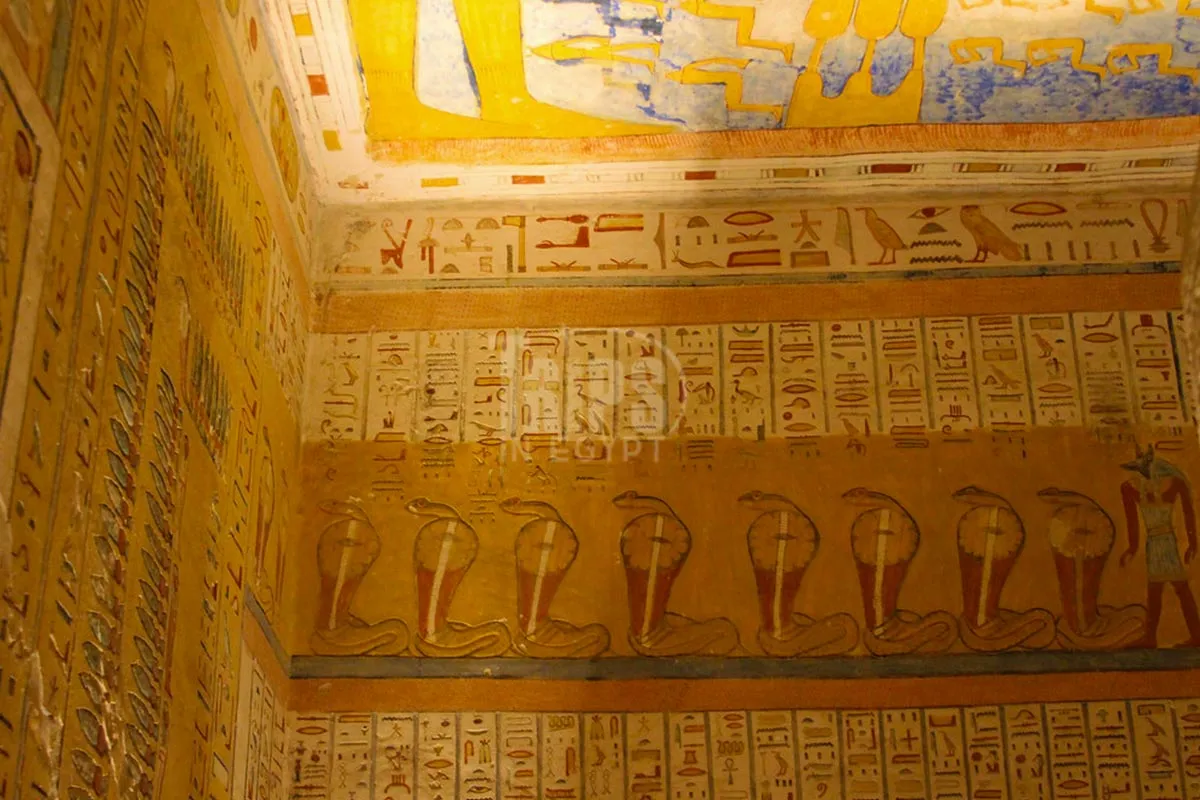
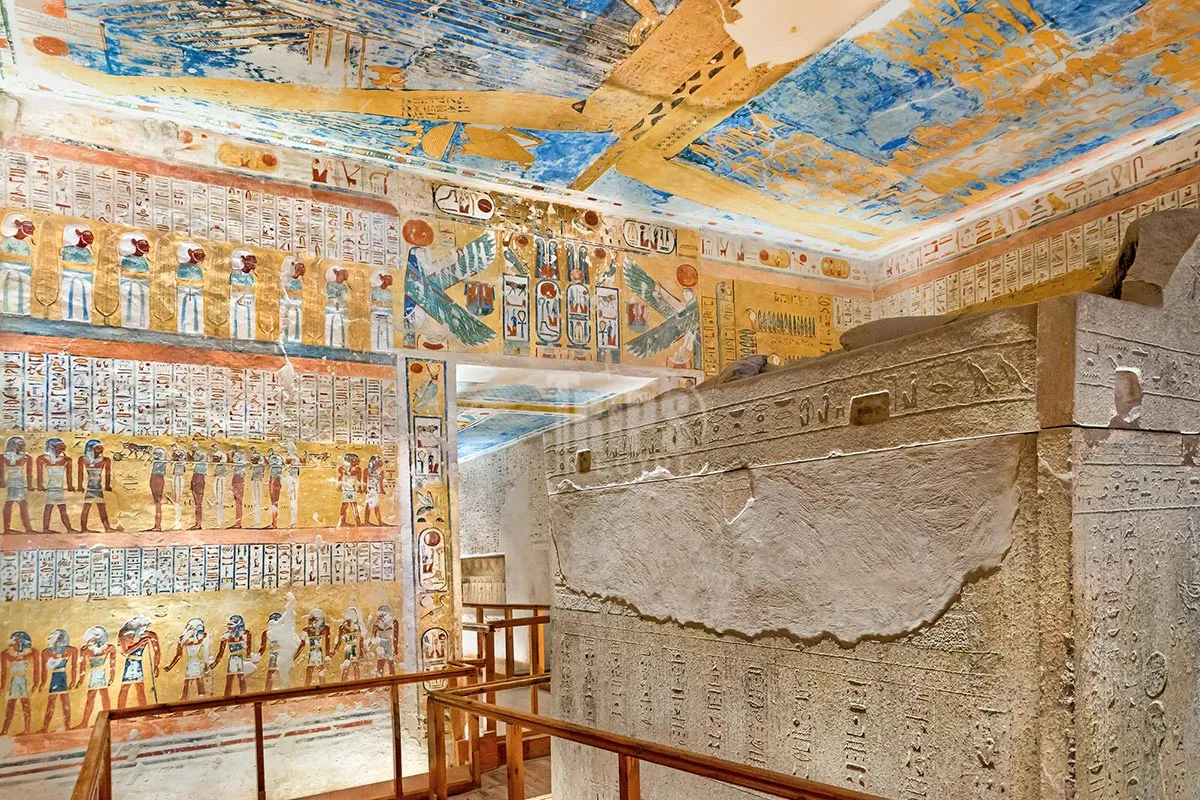
The chamber is decorated with many arts and reliefs, depicting scenes from the life of the pharaoh Ramses IV. The Tomb includes a burial chamber that contains a massive rectangular room with an alabaster sarcophagus and a stone wall at the rear. The tomb contains three corridors (B, C, and D) that are followed by the following:
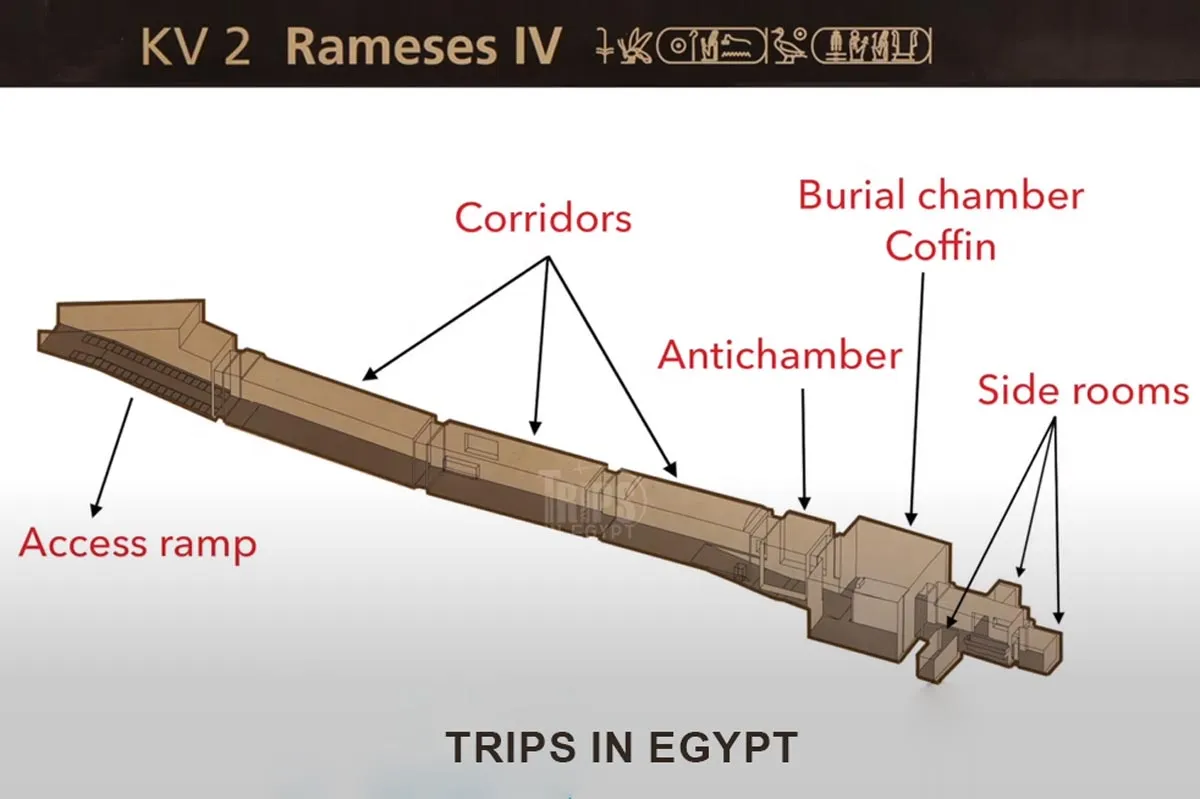
- A Burial chamber (J)
- A Chamber (E)
- A Corridor (k) with side chambers ka-c
- Ra (Corridor B, and Corridor C)
- Book of Gates (Burial Chamber J)
- Book of Caverns (Corridor K, and Corridor D)
- Book of Nut (Burial Chamber J)
- Book of the Night (Burial Chamber J)
- Book of the earth (Gate Kb)
- Book of The Dead (Chamber E)
- Burial Furniture (Side Chamber Kb)
- Deceased and deities (Corridor K, side chamber Ka, Corridor B, side chamber Kb, and side chamber Kc)
- Imydwat (Burial Chamber J)
The walls are made of very limestone blocks, and the entrance is guarded by a giant statue of the king. Plus, the chamber was sealed off with a stone door inscribed with a magical spell to keep out any thieves, JUST IMAGINE HOW GENIUS THE KING WAS!!
Amazing Details that You Should Not Miss about KV2
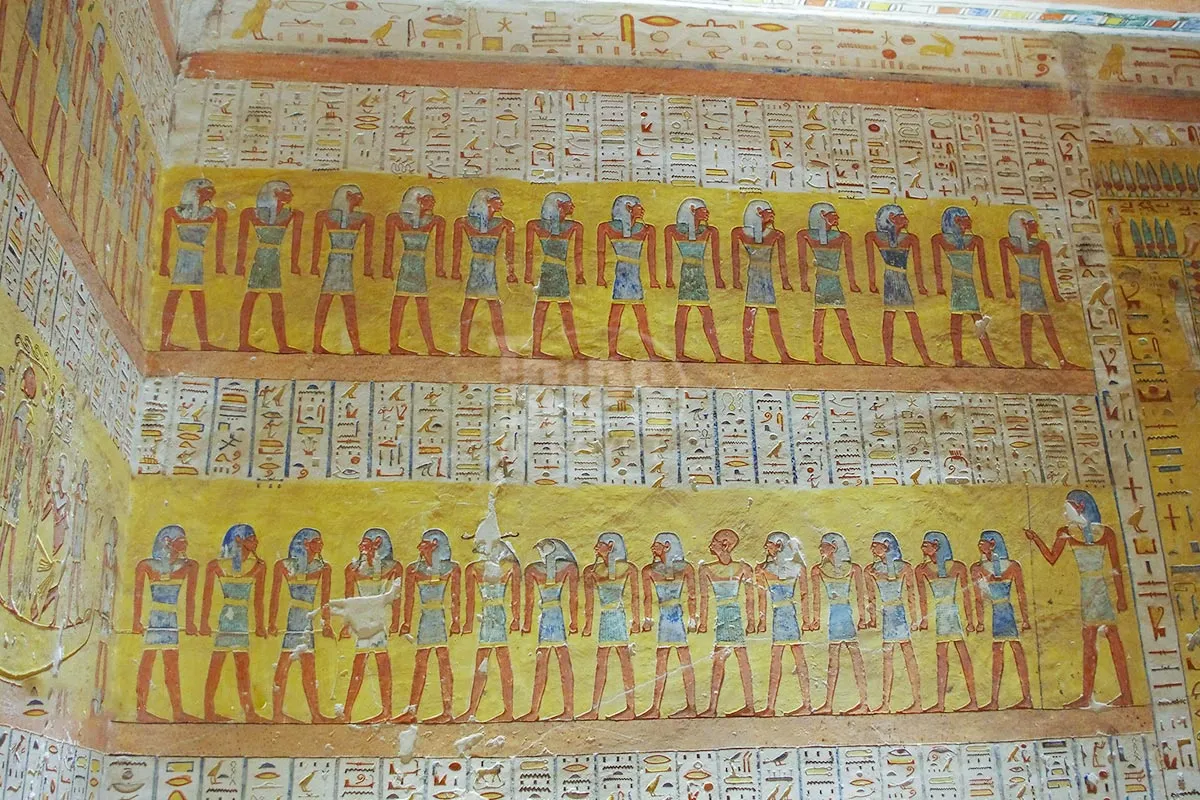
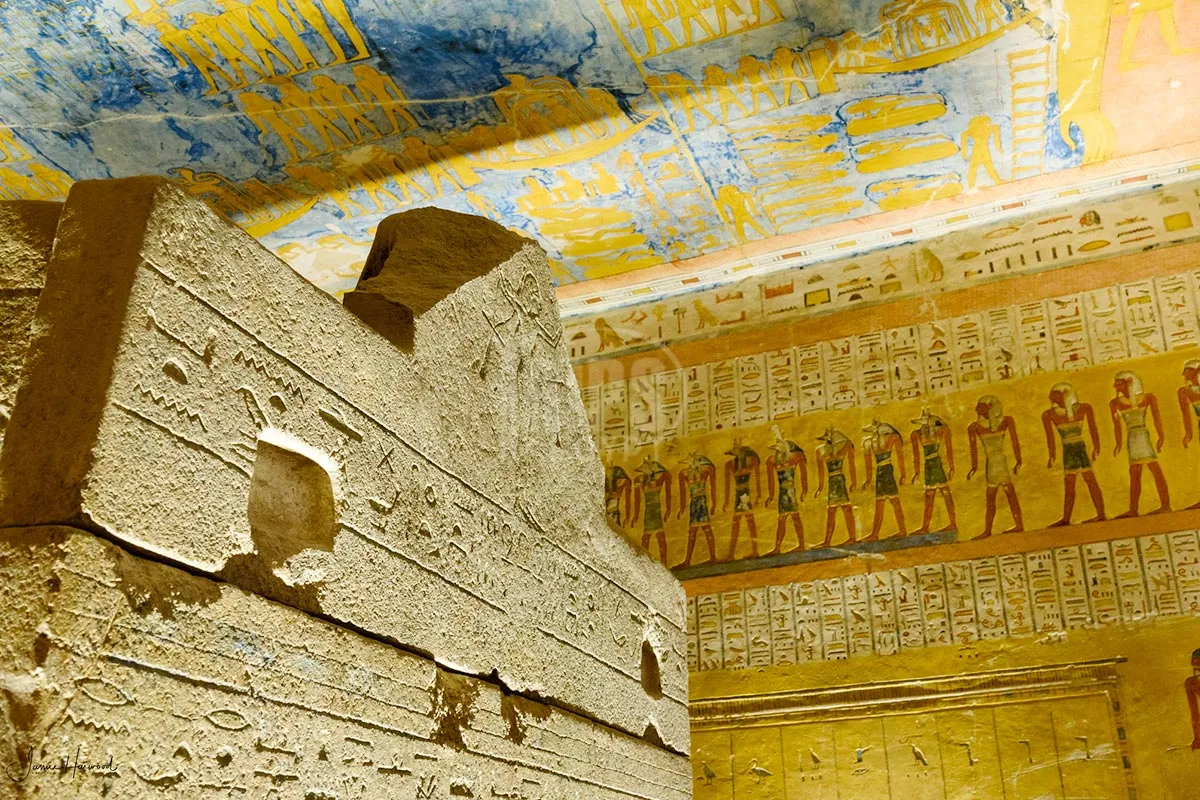
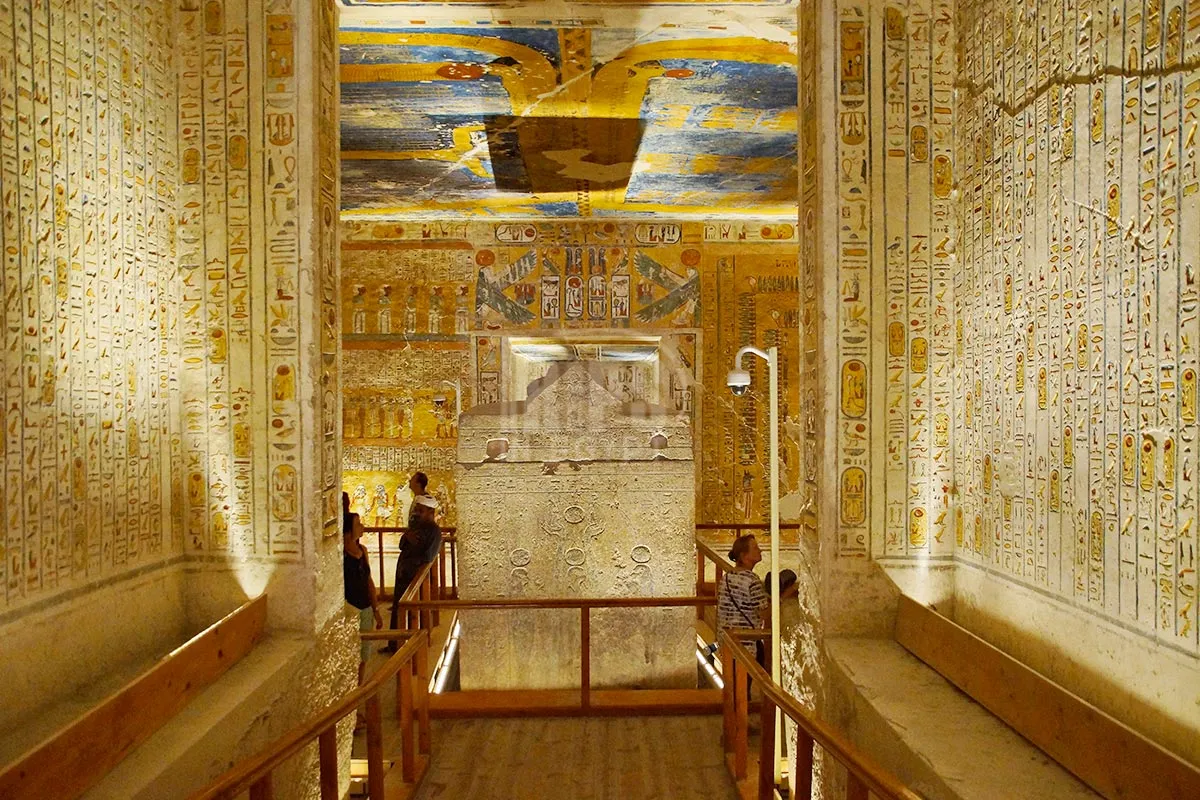
- Book of The Dead (Chamber E) In the middle of the chamber a ramp leads to the burial chamber that is taken up with a monumental coffin, which measures three meters high, and it represents the rebirth of time in the afterlife.
- Scenes from the book of the Cravens represent the Gods and other blessed ones in their coffins symbolized by the ovals.
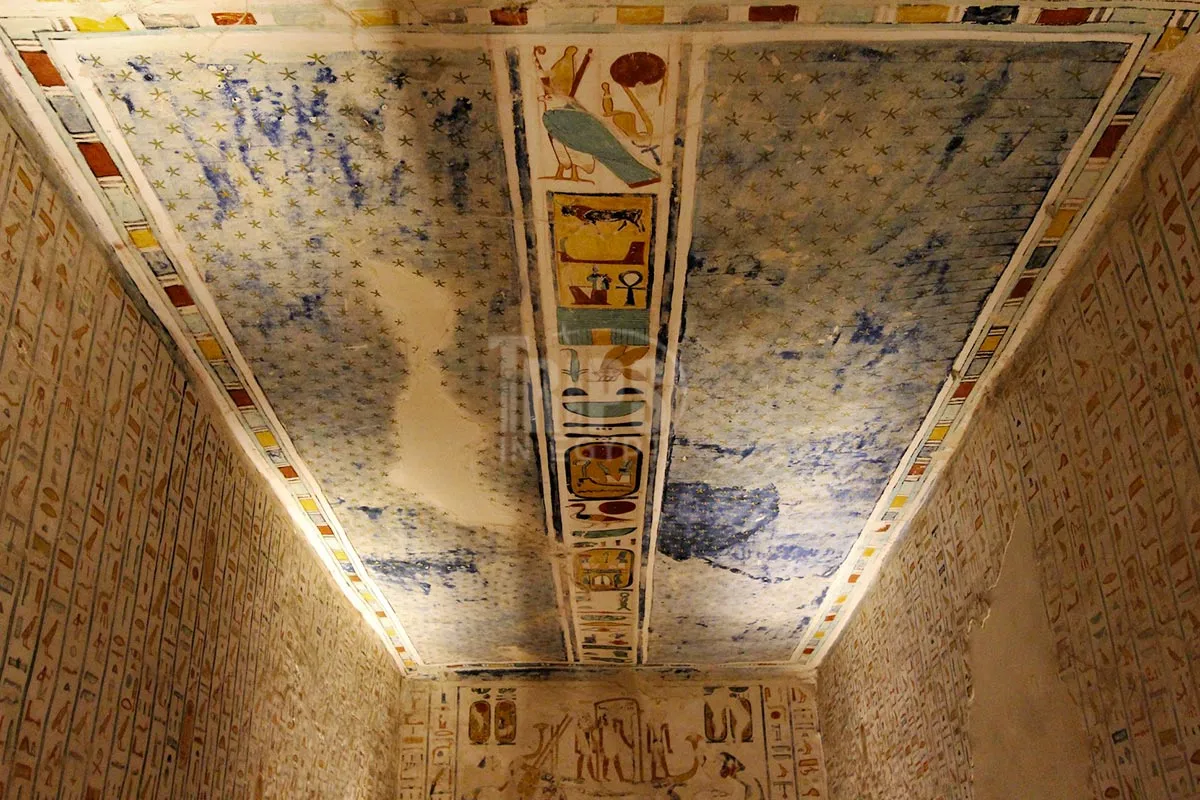
- In the antechamber, you can see on the walls "The Book of the Dead” which means to be reborn, and the ceiling of stars is decorated with the castigates of the King.
- The scenes which decorate the coffin belong to the Book of the Earth and describe the sun’s nightly tragic tree.
- The Anubis all around the coffins assures protection for the King.
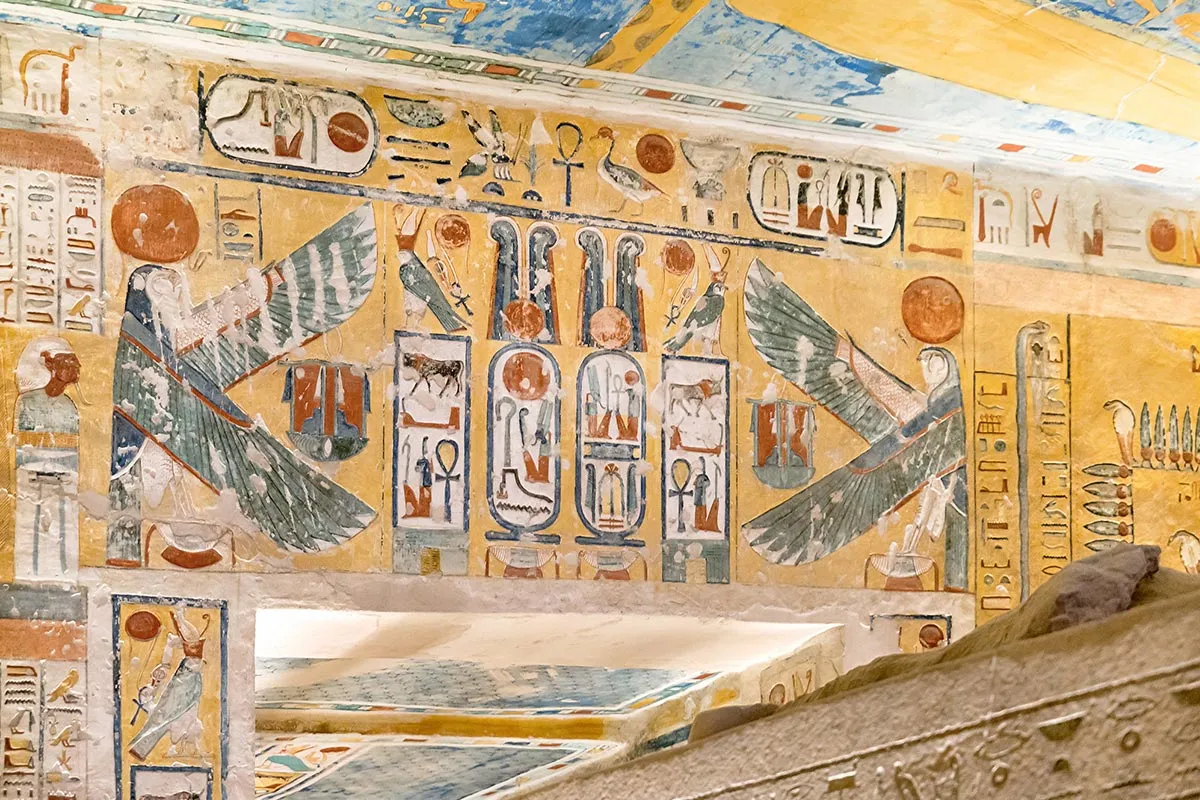
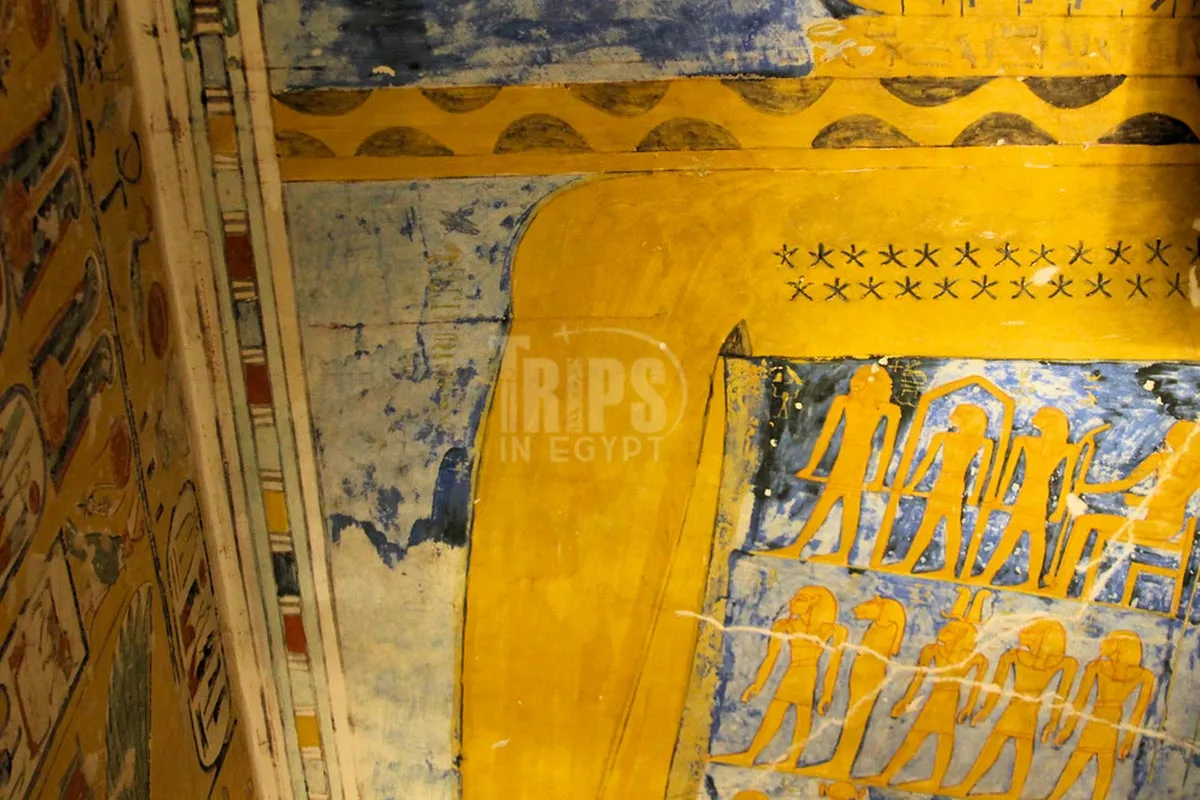
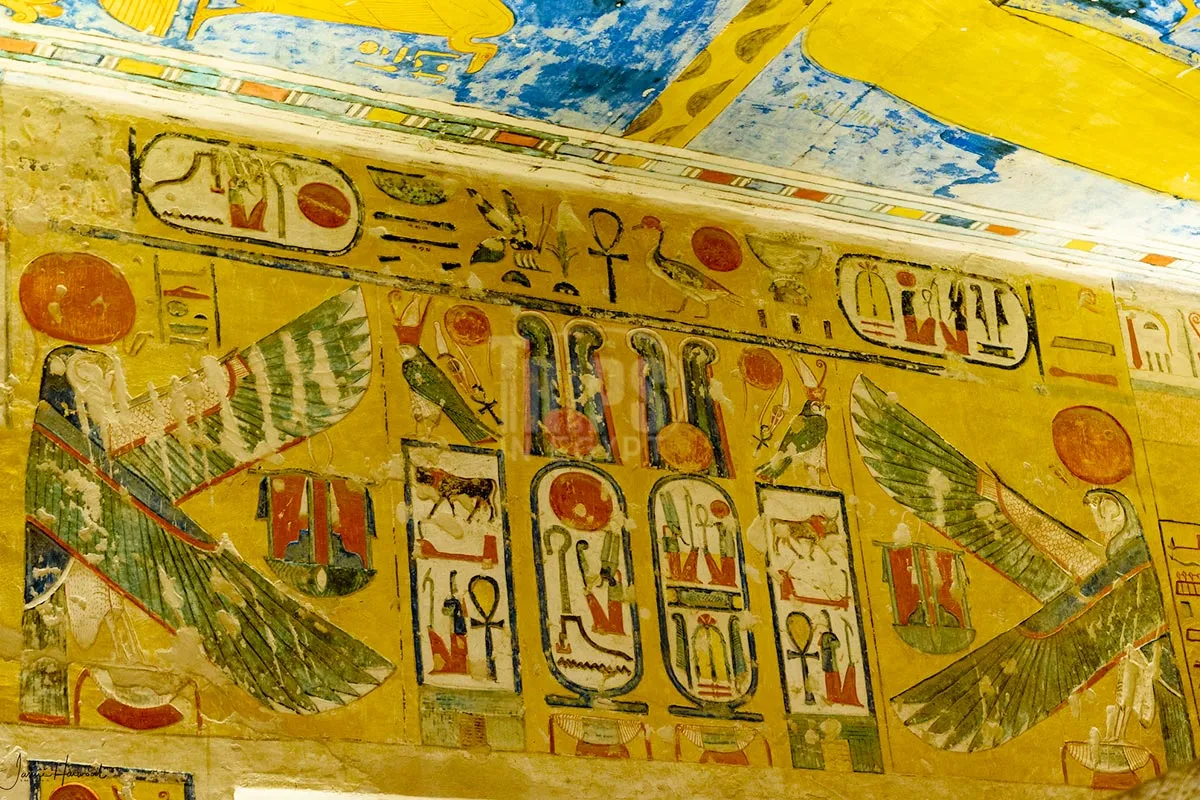
- On the ceiling, there are two large figures of the Goddess of the sky nut, in this frame, it represents the Book of the nut as a part of the book of the night.
- The God of air and sunlight Shu lifts the Goodness above the earth.
- The Book of the Nut covers texts and representations of the cycles of the stars, the movement of the moon, the sun, the planets, and sundials.
- In the part of the Book, it describes the nightly journey of the sun as it passes through the body of the Goodness.
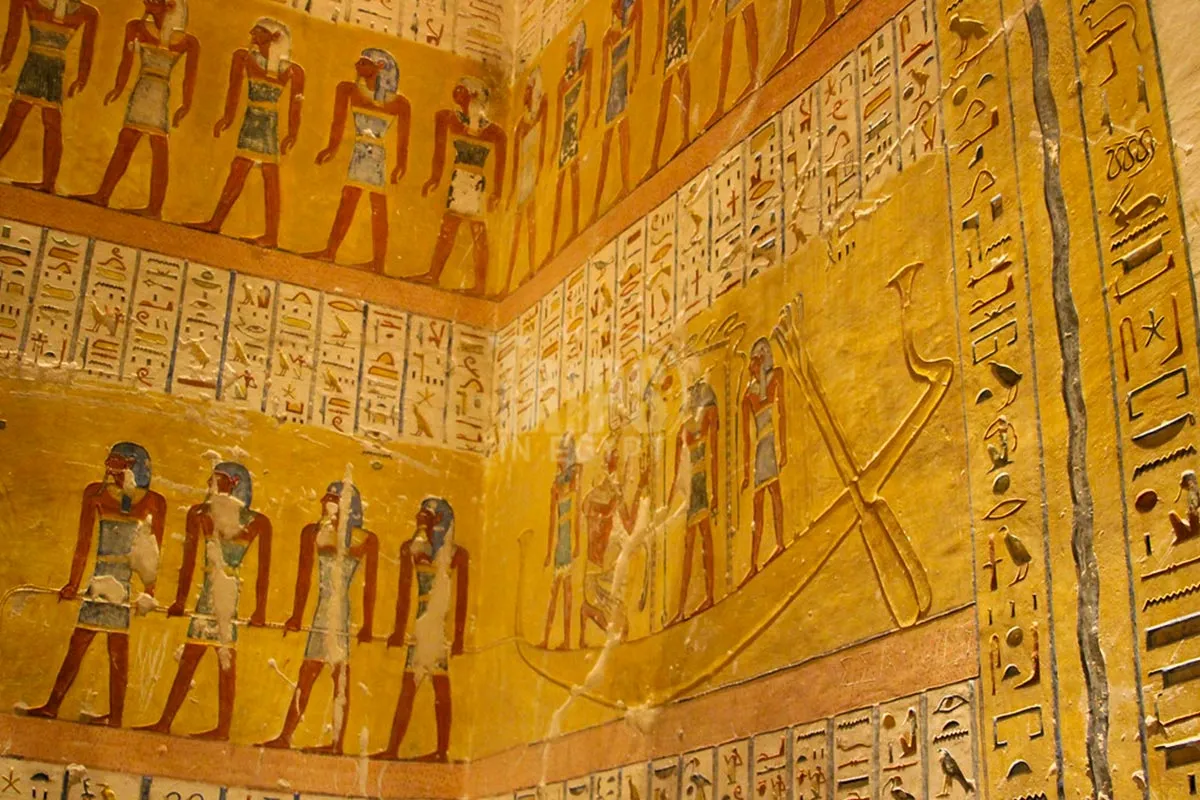
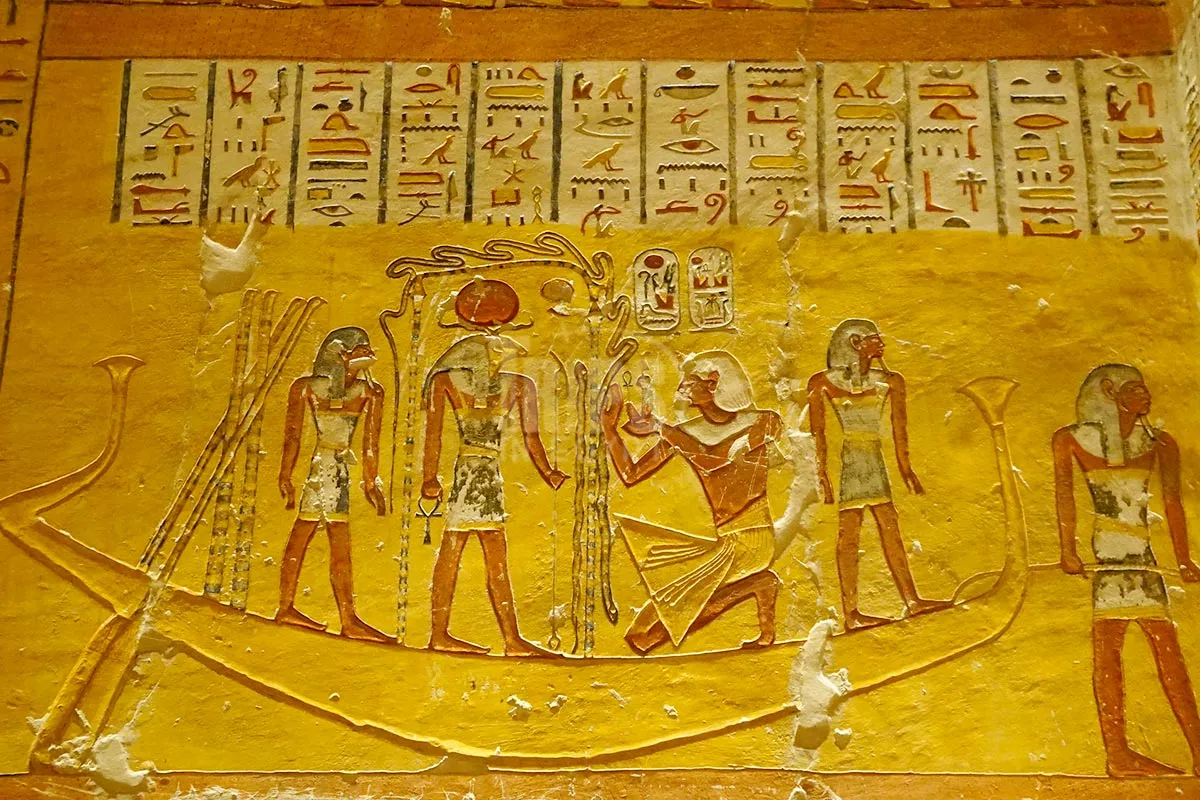
- In the Burial Chamber which is also called the Chamber of Gold, the dominant color is yellow. This color represents the eternal flesh of the Gods.
- On the walls, you can see the second third, and fourth hour of the night from the book of gates. In the second hour atom, the creator of the world wakes up the latent forces symbolized by the body lying down, and the tired ones while the enemies of the light have their hands tied behind their backs.
Tomb of Ramses IV Gallery
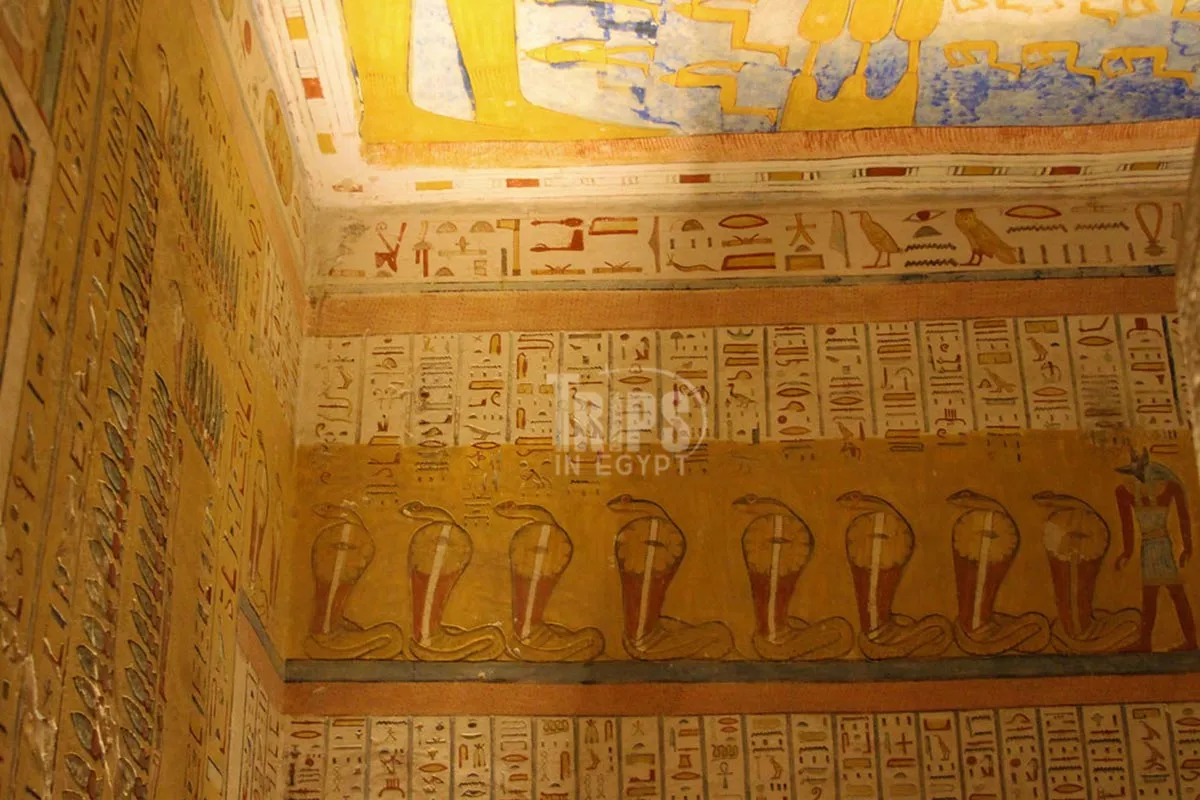
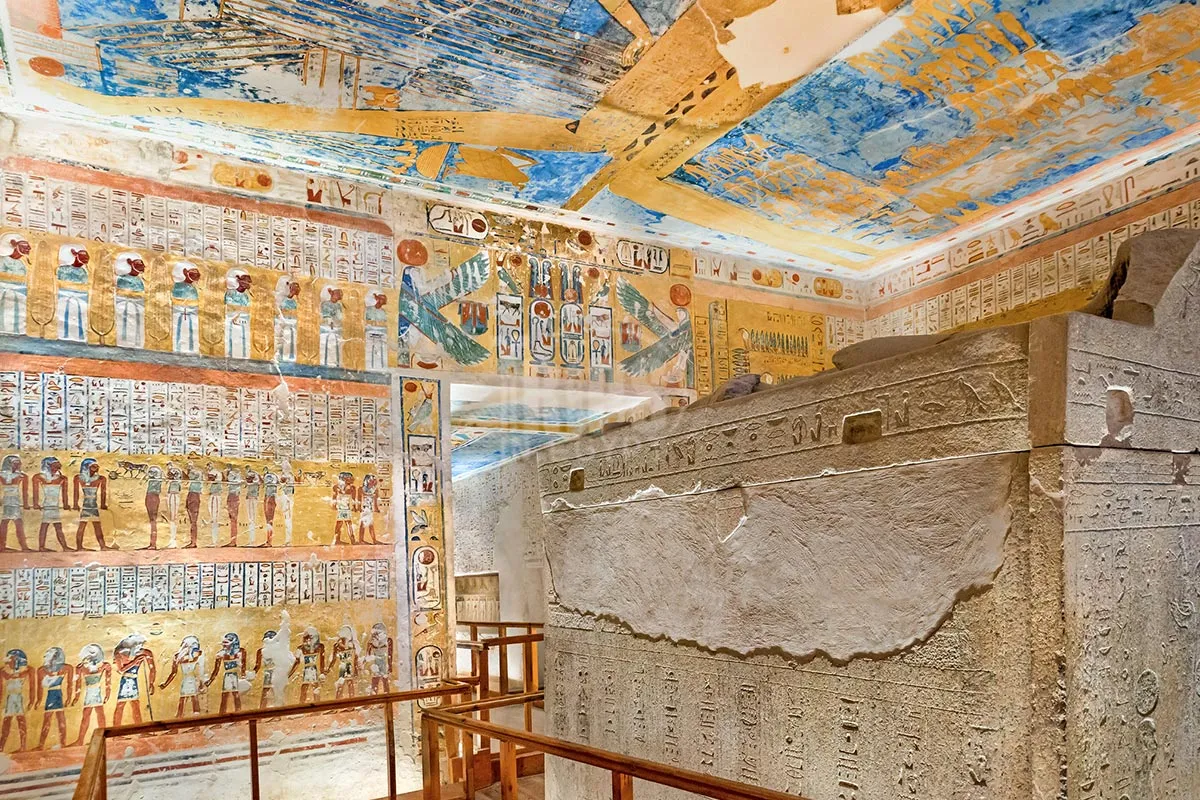
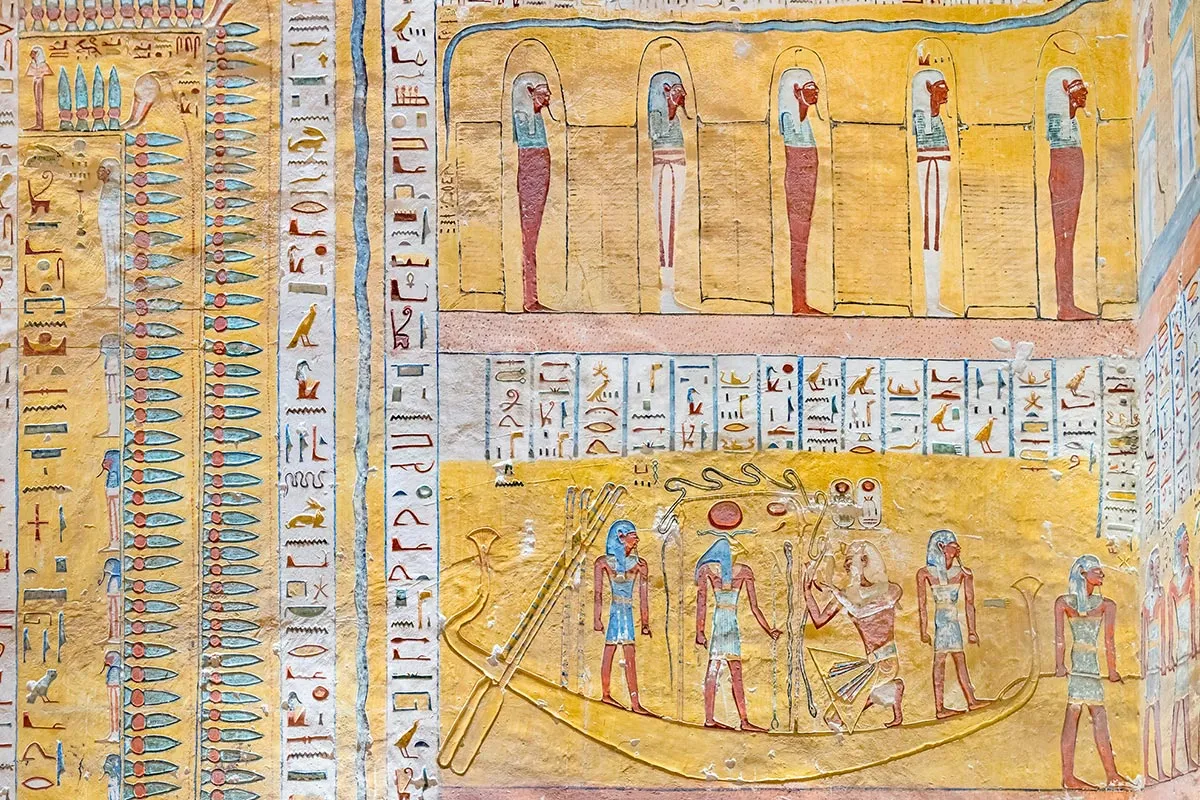
Conclusion
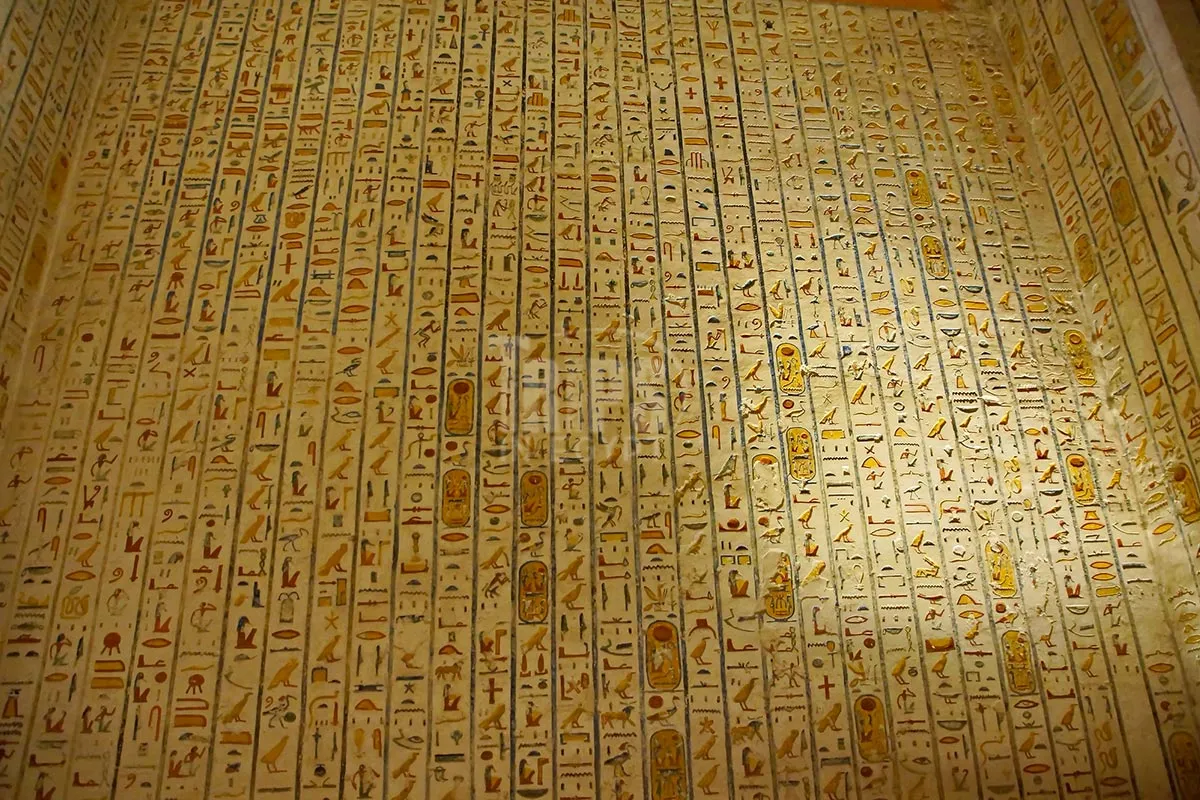
To summarize, the tomb of Ramses IV in the Valley of the Kings is remarkable evidence of New Kingdom architecture, which shows the high level of skill of the Ancient Egyptian civilization. The intricate hieroglyphics found throughout the tomb are a testament to the attention to detail and grandeur of the pharaoh’s final resting place. The tomb serves as a reminder of the glory of one of the world’s oldest civilizations, and it is a must-see for anyone interested in history, glory, and archaeology. Through this tomb, we can gain insight into the majesty of Ancient Egypt and the culture that produced it.
For more details contact us directly to arrange your tour to the Valley of the Kings as it contains unbelievable stories of the Pharaoh and the most famous kings of ancient Egypt. Trips In Egypt will make your dream come true by arranging unforgettable tours in Egypt by exploring Upper Egypt on a Nile cruise to witness the Glory, creativity, and power of such civilization.

5 Days Cairo And Hurghada Trip
Amazing 4 Nights Cairo and Hurghada Trip Itinerary 5 Days Cairo and Hurghada trip wil...
- Duration 5 Days / 4 Nights
- Location Cairo & Hurghada
- Type Historical & Recreational Tour
From$690/per person
View Tour
6 Days Cairo, Alexandria & Faiyum Tour
Unforgettable Cairo, Alexandria & Faiyum Adventure in Six Days 6 Days Cairo, Alex...
- Duration 6 Days / 5 Nights
- Location Cairo - Alexandria - Fayum
- Type Historical Tour
From$720/per person
View Tour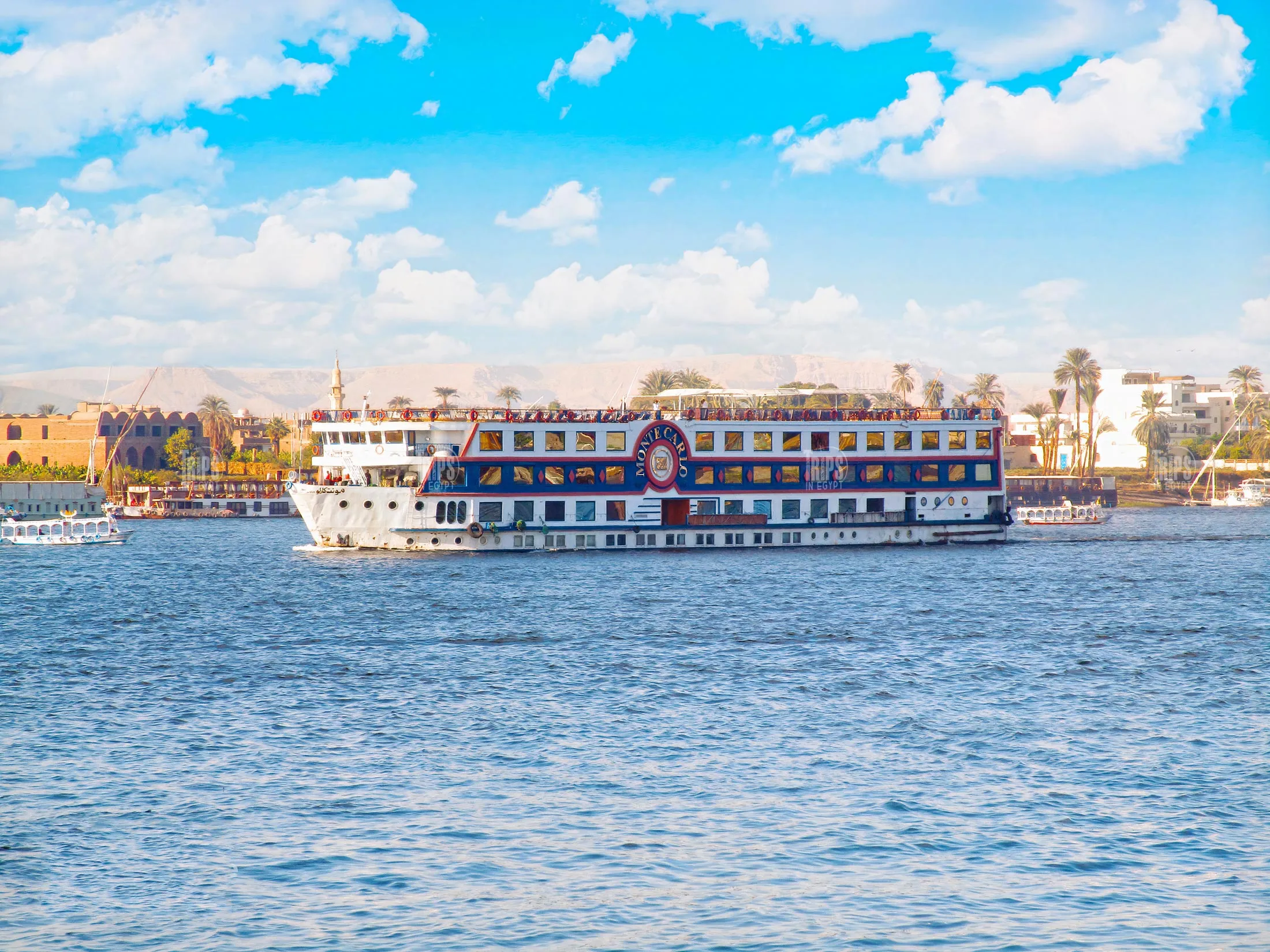
10 Days Cairo, Faiyum & Nile Cruise Holiday
Breathtaking 10 Days Journey of A Lifetime in Egypt 10 Days Cairo, Faiyum & Nile...
- Duration 10 Days / 9 Nights
- Location Cairo, Luxor, Aswan & Faiyum
- Type Classic Tour
From$1350/per person
View Tour SOLD OUT
Ultimate 7-Day Egypt Solar Eclipse Experience with Hurghada 2027
Enjoy a 7-Day Egypt Solar Eclipse Tour with Hurghada 2027 6 Nights Egypt Solar Ecli...
- Duration 7 Days / 6 Nights
- Location Cairo / Giza / Luxor / Hurghada
- Type Astronomical Tour
Sold Out
View Details