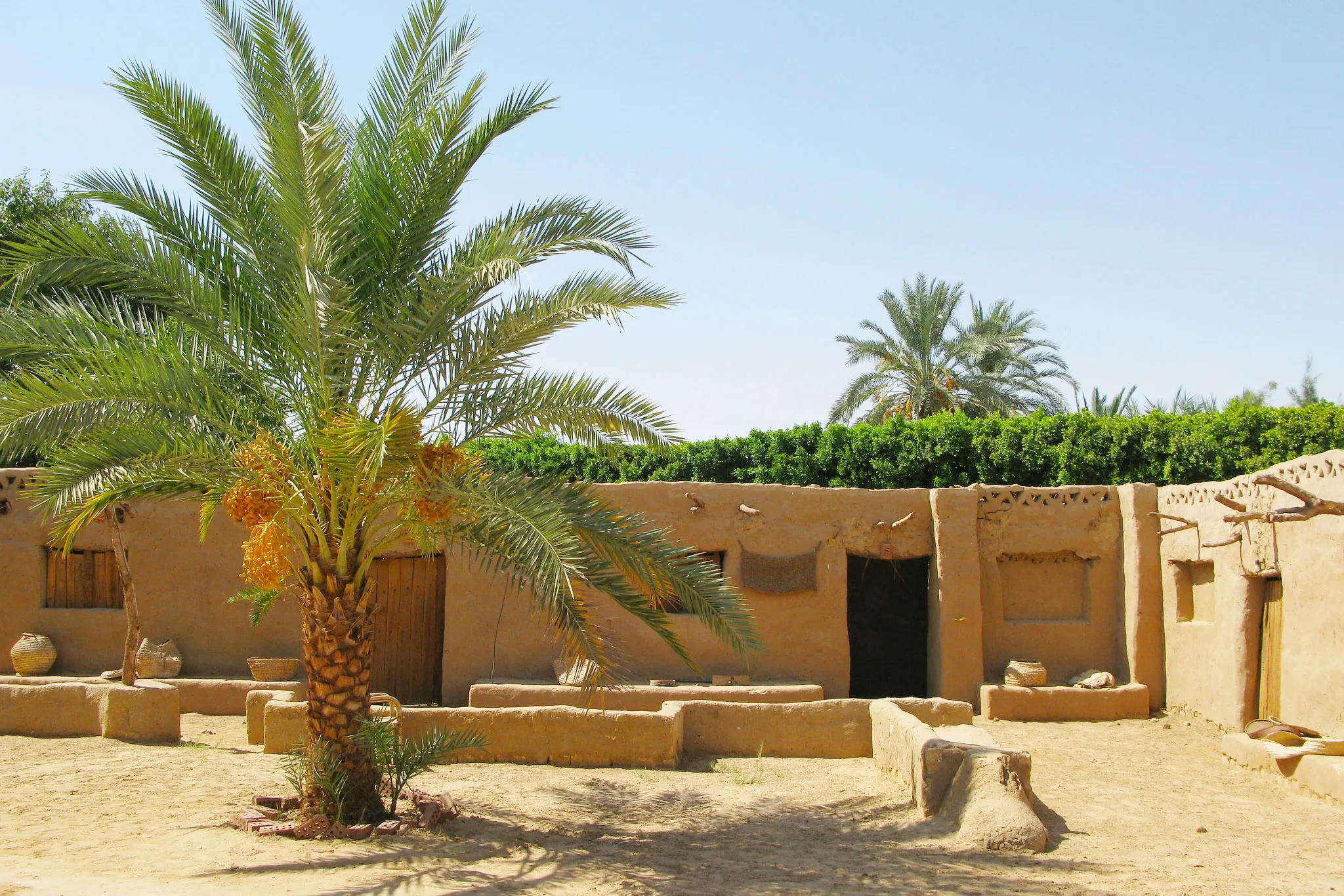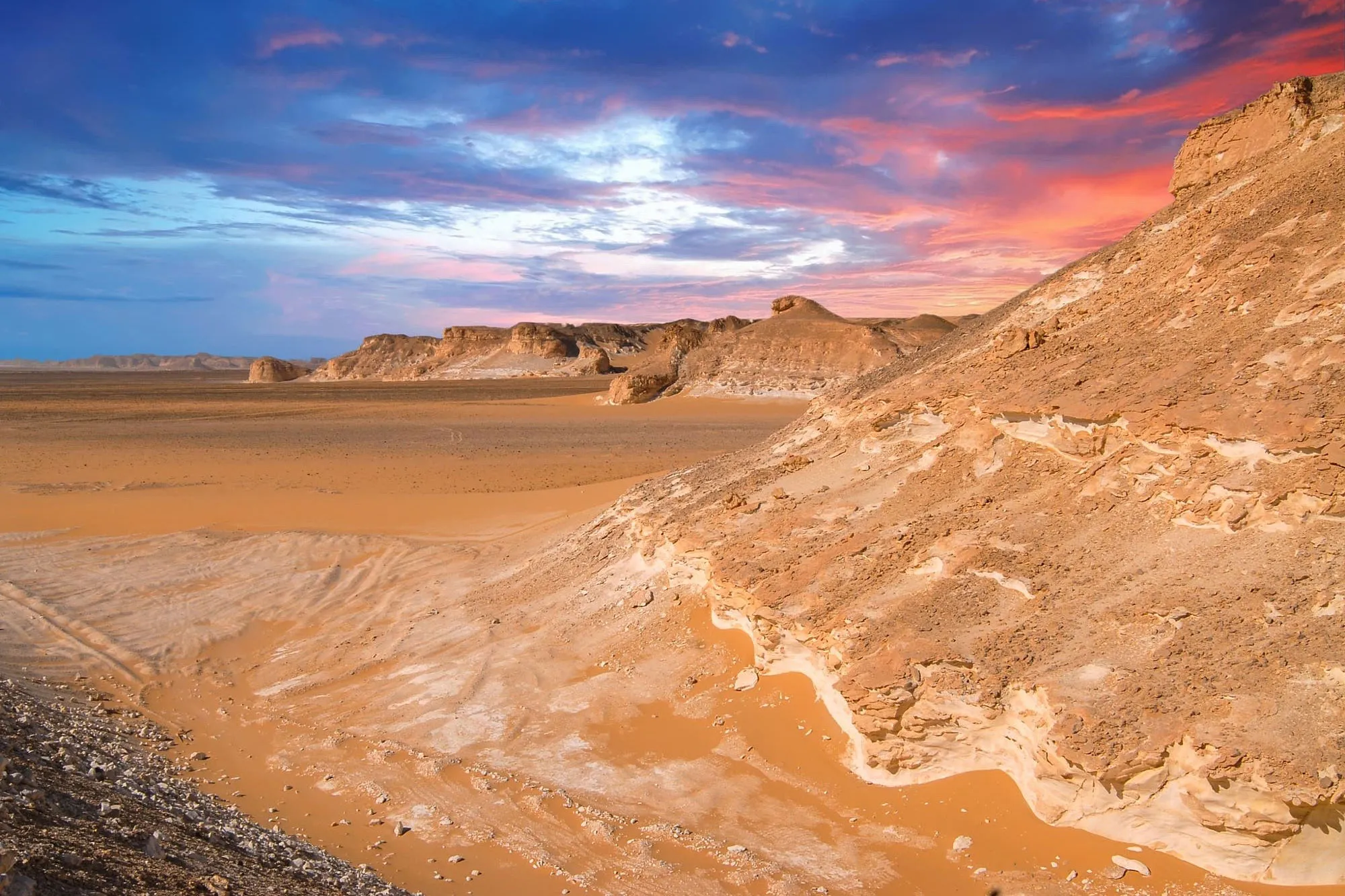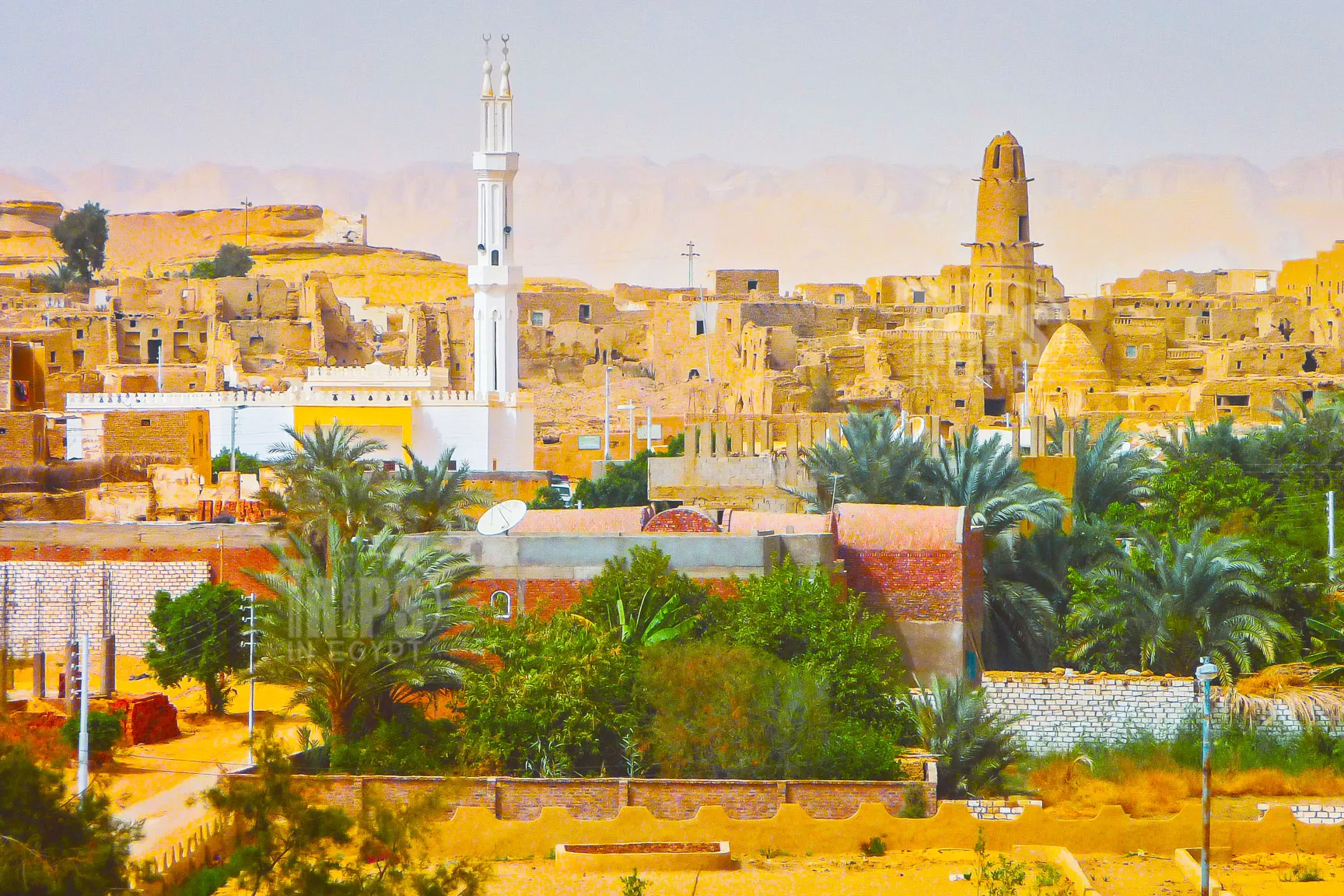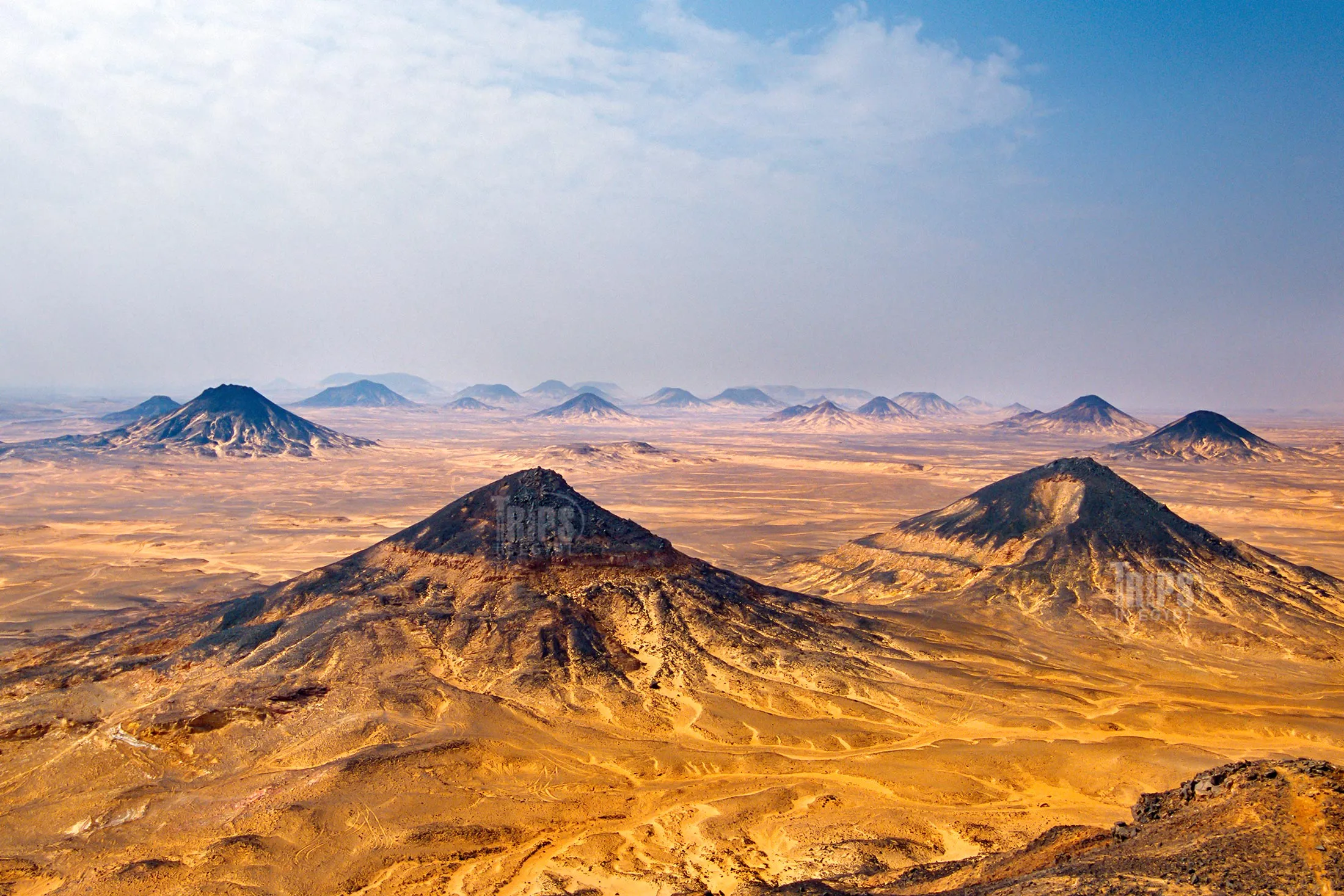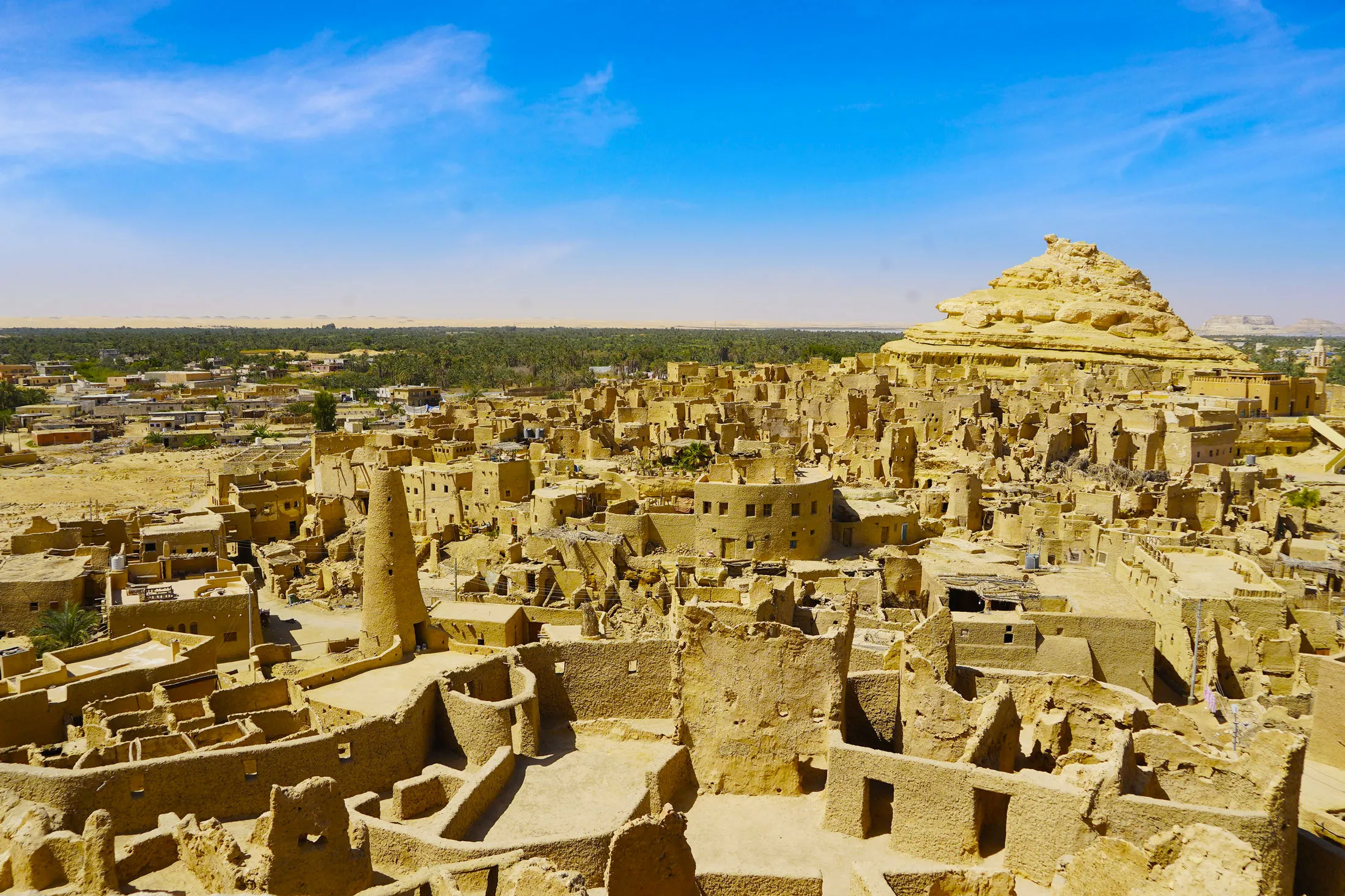




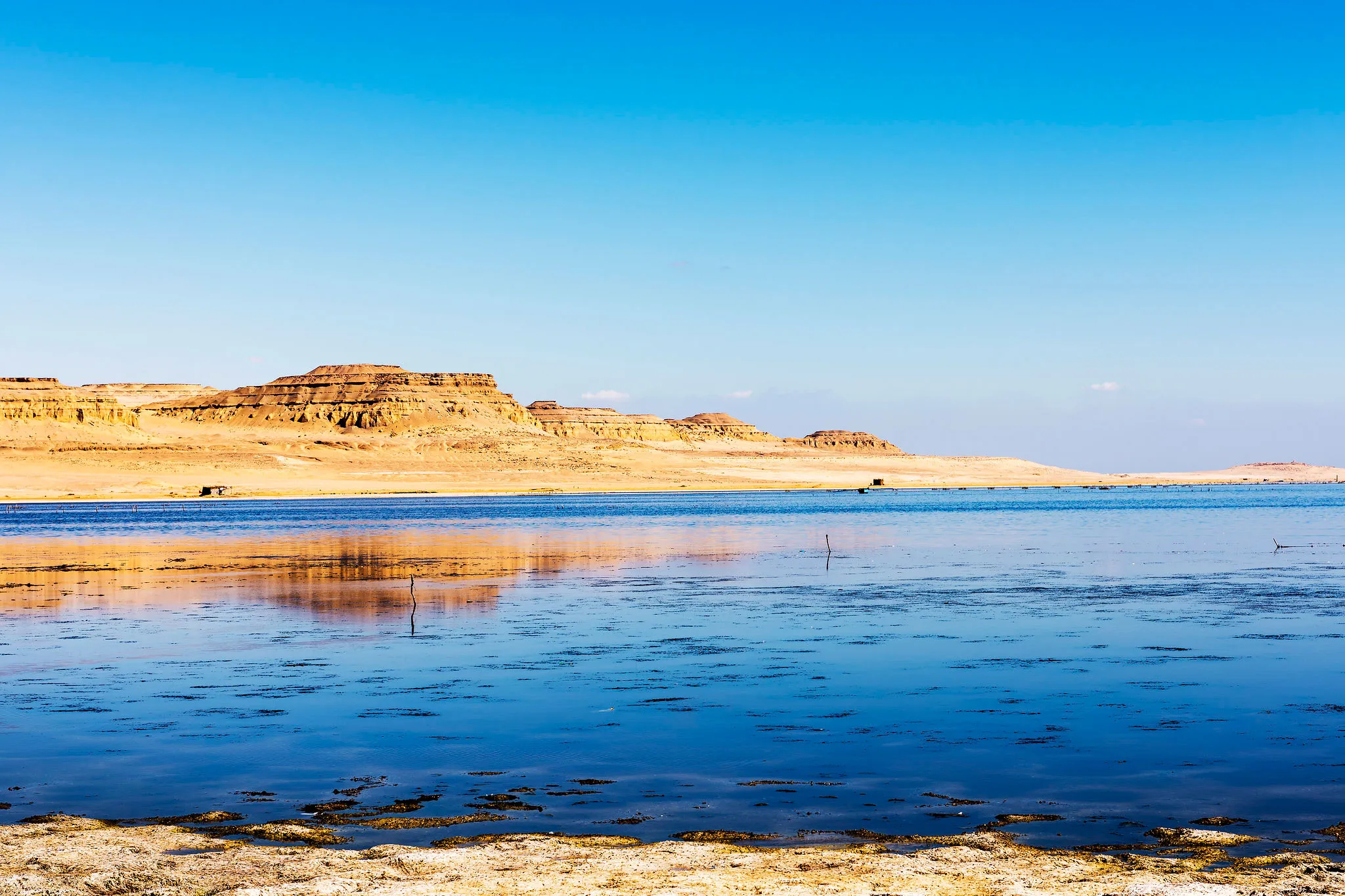
Faiyum oasis is like a fairyland that comes to a life filled with majestic deserts, green massive lands, magical lakes & waterfalls rich with so much history and culture. The mythical beauty of this celestial place will make everyone enter a dream state filled with infinite wonders that feels like the heavens and stars on earth. Within this golden land are a number of incredible tales of glory and wonder showcasing the imagination and blessed nature of the Egyptians across the ages.
This astral land has inspired many people across the world such as the famous writer Paolo Coelho who created "The Alchemist" where the oasis was the setting for a quarter of the entire novel. These giant natural treasures will provide the ultimate sensations of bliss, serenity, and amazement plus offer a clear path leading to the great works of art ever created in existence.
Location & How to Get to the Faiyum Oasis
The Faiyum oasis is a celestial basin found in the western desert just 62 miles (85 km) south of Cairo, 75 km from Giza Pyramids, west of the Nile River, and 105 km from Cairo Airport. The depression area is between 1,270 km2 (490 mi2) and 1,700 km2 (656 mi2).
This dip floor holds fields that are flooded with water by the magical Nile River channel known as the Bahr Yussef then it drains the flood waters into a desert hollow "Faiyum oasis" to the western end of the Nile River Valley.
The Oasis of Faiyum Weather
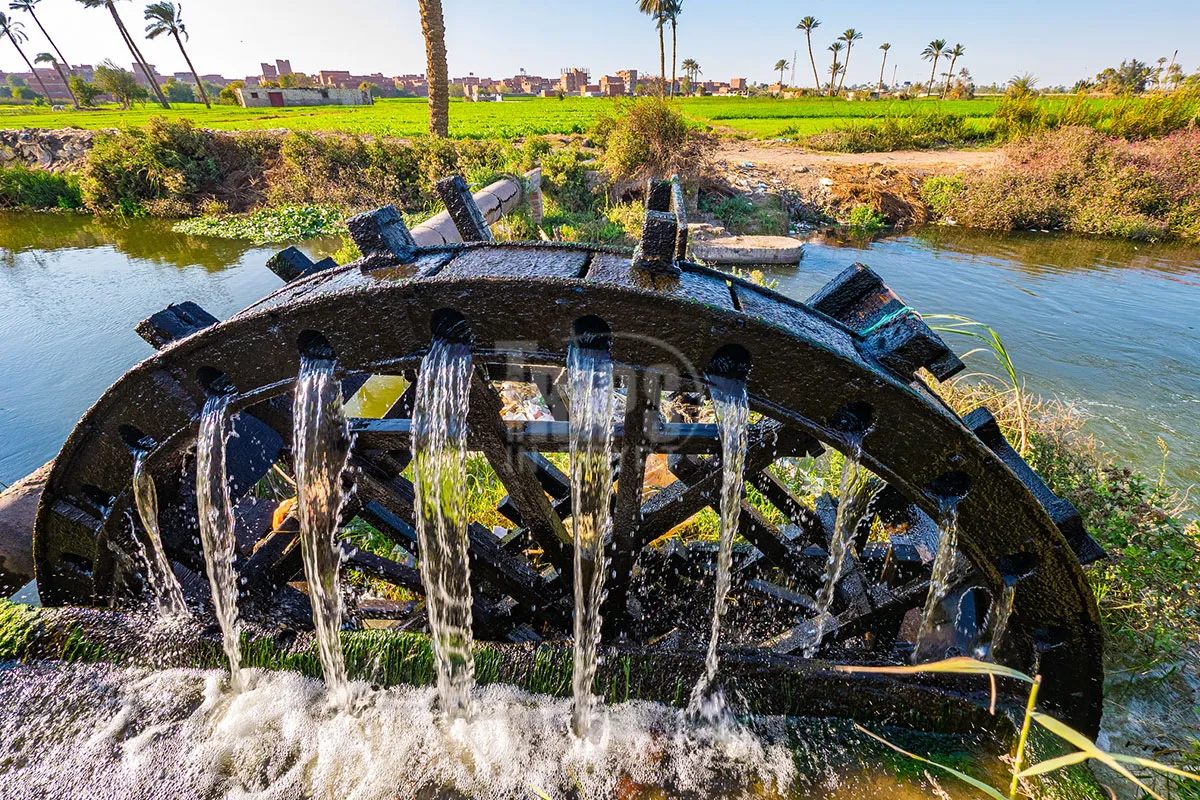
Fayoum has a magical mild climate from October to April with an average temperature of 24-25 °C and summer temperatures over 40°C. There are over 200 water wells and the seven water wheels are known to be a massive attraction in the nearby Wadi Rayyan which is an artificially created expanse of water.
In the modern period from 1903 to 1910 AD many projects of farming cereals and cotton were established. The oasis is filled with cultivated lands of figs, grapes, olives, and Rose trees, and a massive breed of sheep.
History of Faiyum Oasis
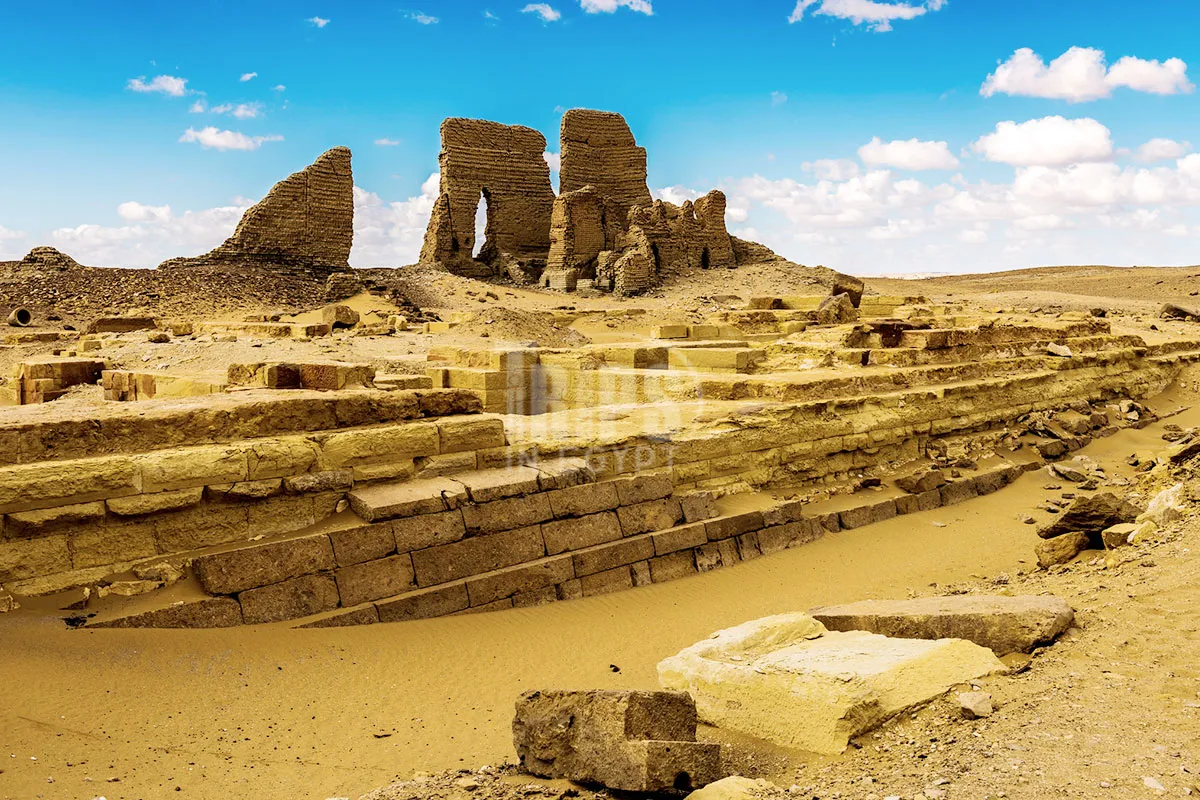
The formation of the Faiyum oasis came in the Miocene era more than 6 million years old when the Nile canyon became an essential arm of the Mediterranean sea leading to Aswan then with time this arm was loaded with silt thus transforming into the Nile Valley which water level overflow into the hollow day land of Faiyum which with time became rich with wildlife.
This huge Lake was recorded for the first time about 3000 BC during the reign of Menes which was loaded from time to time with high flood waters. It was bordered by a number of neolithic settlements and the Crocodilopolis town grew in the southern region where the higher land established a ridge. The kings of the 12th dynasty of an ancient Egyptian pharaoh are known to use the Faiyum lake as a reservoir to store a plethora of flood waters in the dry periods.
The ancient Egyptians know Faiyum as Atef-Pehu "Northern Sycamore" during the 21st nome of ancient Upper Egypt, its own capital was known as "Shedyt". The Greeks called the Faiyum “Crocodilopolis” and rebuilt it by rulers Ptolemy II under the name Arsinoe. This area is known to have the first ever evidence of farming in the history of Egypt and a center for tomb building and a royal pyramid in the 12th dynasty of the Middle Kingdom (2055 BC–1650 BC) and during the Roman period (205 BC – 30 BC).
Faiyum was famous for being the first-ever and most important breadbaskets of the entire Roman world. The people of Faiyum during the first three centuries AD mummified their dead and covered their faces with a wooden portrait. The dry desert environment of the Faiyum oasis helped preserve the mummy. The Faiyum was able to provide the most incredibly rich supply of antique portraits which is able to shed light on the magnificent society of the ancient Egyptians, Romans, Greeks, Libyans, Syrians, and others who lived more than 2000 years ago.
The Faiyum oasis totally abounded in the 1st century AD and holds some of the most magical and best-preserved examples of art dating to the late Roman Empire of Karanis and from the Byzantine plus early Arab Periods. Many great archaeological findings were located in Faiyum such as papyrus fragments showcasing majestic literature and documents written in Greek, Latin, and other Egyptian scripts.
Best Attractions in Faiyum Oasis
The magical oasis of Faiyum is filled with many incredible archaeological ruins of cities and ancient villages dating more than 5000 years across the prehistorical era till the current moment such as the Monastery of the Archangel Gabriel at Naqlun. The incredible mounds found north of Faiyum city marks the marvelous site of Arsinoe & Crocodilopolis. There are many marvelous works of art, culture, and history such as:
1. The Cult of Sobek
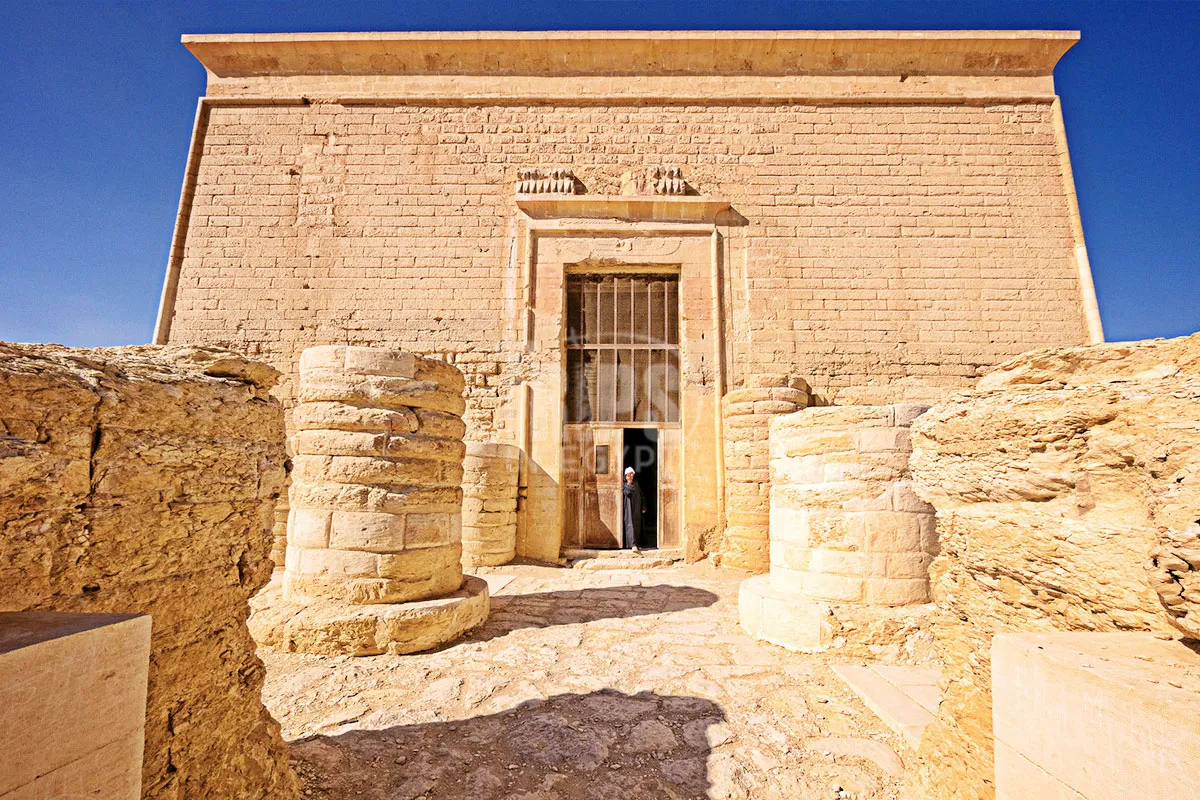
The astral Faiyum oasis was very famous for being the center of the cult of the crocodile god source of the Nile Sobek where many settlements and ancient temples dedicated to the ancient Egyptian deities are the manifestations of powers of nature and all the divinities. All the priests of the god crocodile Sobek had a profound impact on the economical and social life of the ancient Egyptians and were responsible for holding and organizing religious festivals plus purchasing items from all the local producers in the area.
In Roman times, these priests had many privileges which can be seen very clearly across Narmouthis, Bakchias, Tebtunis, Soknopaiou Nesos, and Theadelphia through all the papyri, ostraka, and inscriptions plus detailing many facts about the ancient Egyptian priest's daily life. At the outskirts of the Faiyum oasis are some temples which were operating until the early 3rd and 4th centuries and co-existed with the Christian communities.
2. Bahr Yussef
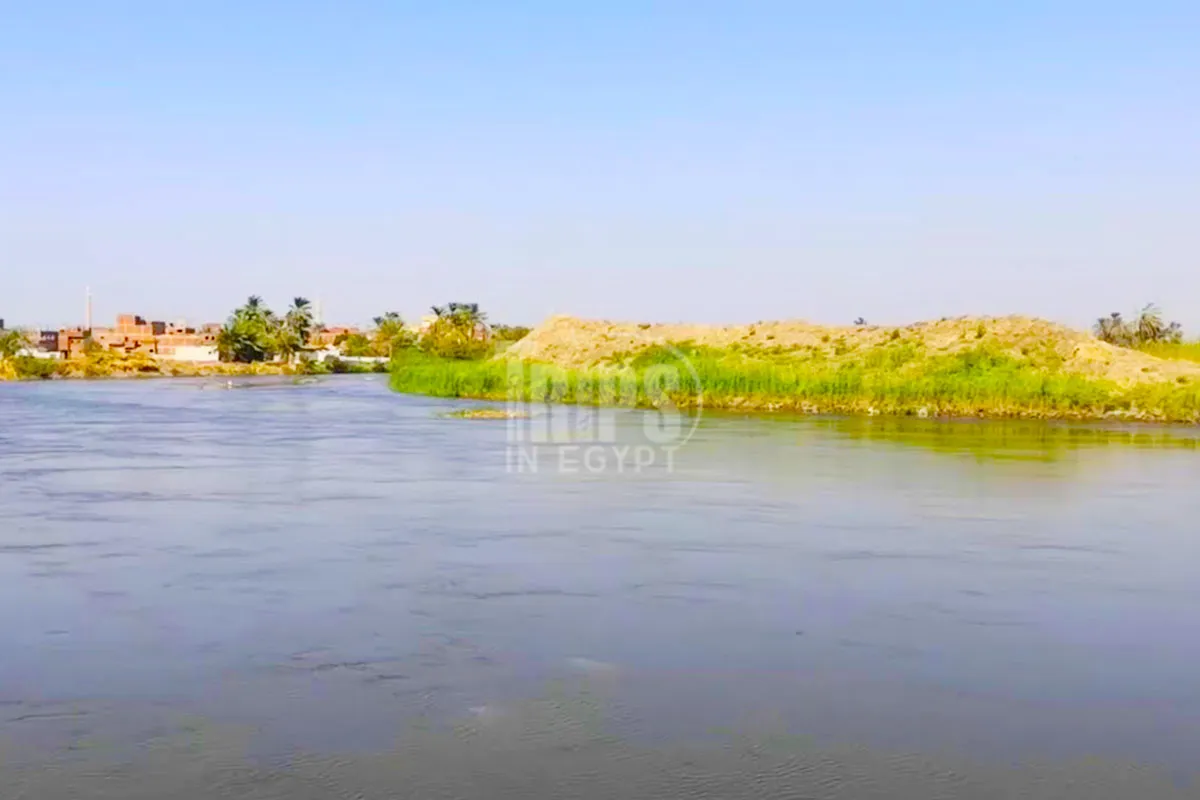
The canal of Bahr Yussef was started by Amenemhat III or his father Senusret III in 2300 BC to regulate the Nile water level during the dry seasons, control the flooding of the Nile River, and have enough water for irrigation. The canal was famous in Biblical times as Joseph’s canal. It was abandoned in 230 BC when the nearest Nile River branch started to get smaller. It has been stated to be an artificial excavation by a number of classic geographers and travelers.
The Bahr Yussef is known to change direction through a very narrow neck of marvelous land between the incredible archaeological attraction of Gurob near Hawara and El Lahun which then branched out in order to create a very rich and blessed agricultural field within the golden Faiyum oasis which then drained in the saltwater of Lake Qarun which is a massive source for fish and tilapia.
All the cultivated lands of Faiyum are made from the fertile Nile mud delivered by Bahr Yussef which is 24 km (15 m) long. There are many canals that irrigate the Fayyum governorate which begins at the start of Bahr Yussef at El Lahun all the way till the end of Faiyum city plus all the drainage water of the annual floods flows in lake Qarun.
3. Monasteries in Faiyum Oasis
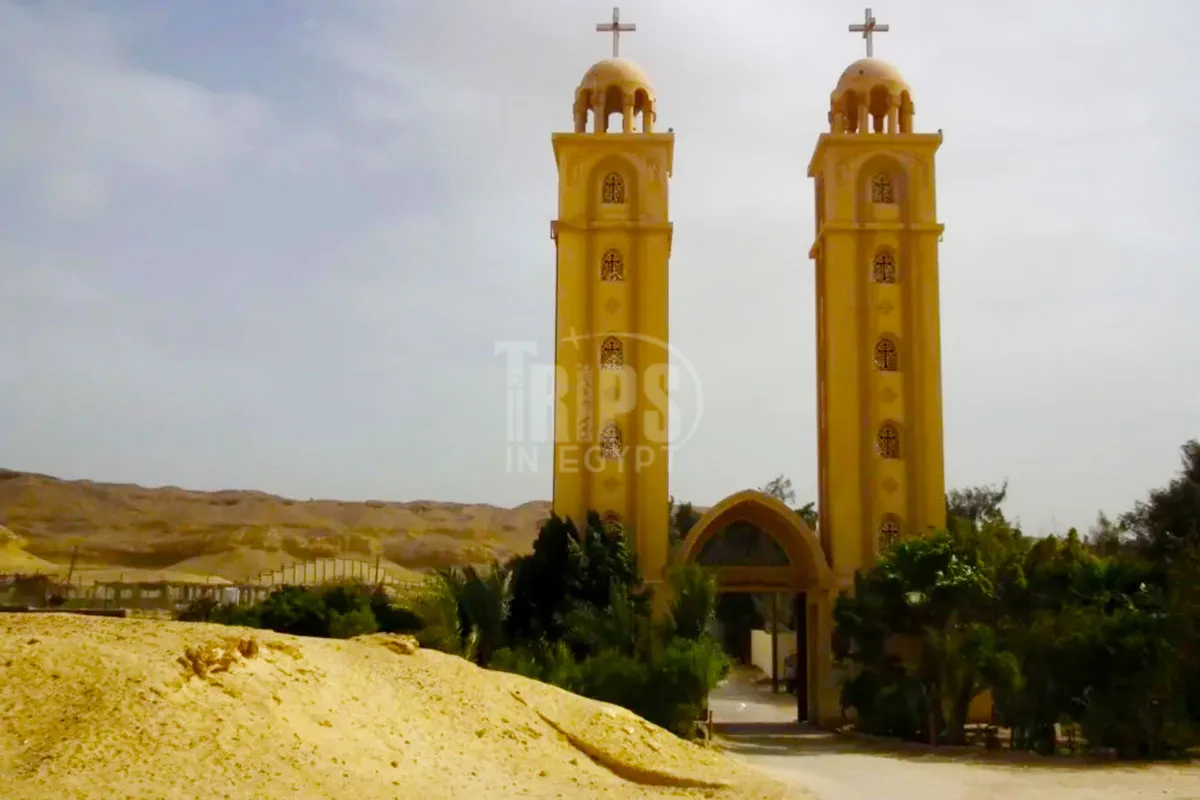
The magical monastery of Saint Anthony (251-356 AD) is one of the most informant monasteries found in this golden country which serves pilgrims and anyone who has specialist interests. On the road to Beni Suef is the marvelous 12th-century Monastery of the virgin "Deir Al Adhra" which is found 6 km outside Faiyum city.
The 7th-century monastery of the angel Gabriel "Deir Malak Ghobrial" is found in the rich cultivated lowlands of the desert. Found 6 km north of the magical attraction of Lahun is the monastery of Deir Hammam which was created in the 6th and 8th centuries. The beautiful Monastery of St George has located 15 km on the southern part of Luhun and offers incredible facts. The enchanting Monastery of St Samuel which is 30 km south of Faiyum oasis will be a very magical sight to behold.
4. Qarun Lake & Tunis Village in Faiyum Oasis
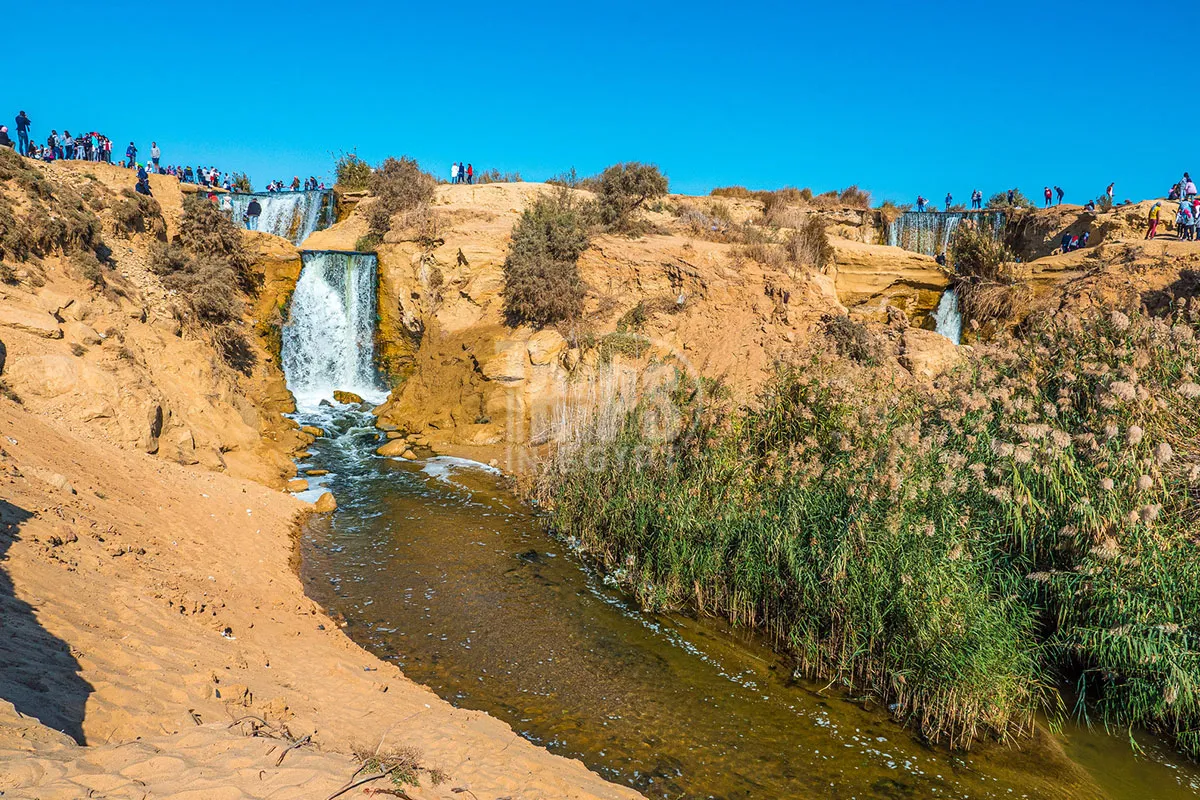
One of the most beautiful places in the Faiyum oasis is the magical Qarun lake which enjoys ideal water level stability due to the Aswan High Dam. It is found 80 km (50 mi) southwest of Cairo, Egypt, and has an area between 1,270 km2 (490 sq mi) and 1,700 km2 (660 sq mi). It is now a protected area that is the source of tilapia and a number of rare fishes. The Qarun Lake was first recorded from about 3000 BC during the reign of Menes (Narmer).
During the middle ages, this legendary lake transformed from a freshwater lake into saltwater with new species. The lake is known to have shrunken to 45 m below the sea level across the last 70,000 years. The ancient Greeks and Romans used to call it Lake Moeris. It is surrounded by a number of houses, fields, and beach resorts that attracts a number of people. It has a massive number of visitors both foreign and domestic as it enjoys a wildlife park, a conservation area with museums filled with monuments & fossils, and efficient infrastructure.
Tunis Village is a modern wonder made in the 60s by Egyptian poets to become a center of art that has many pottery workshops and small art galleries. The village was switched by Swiss potter Evelyn Porret who built a country house in the 1980s Within the village are the Faiyum Art Center and Ibis Cooking School and Restaurant which will provide everyone with the journey of a lifetime.
Things to Do In Faiyum Oasis
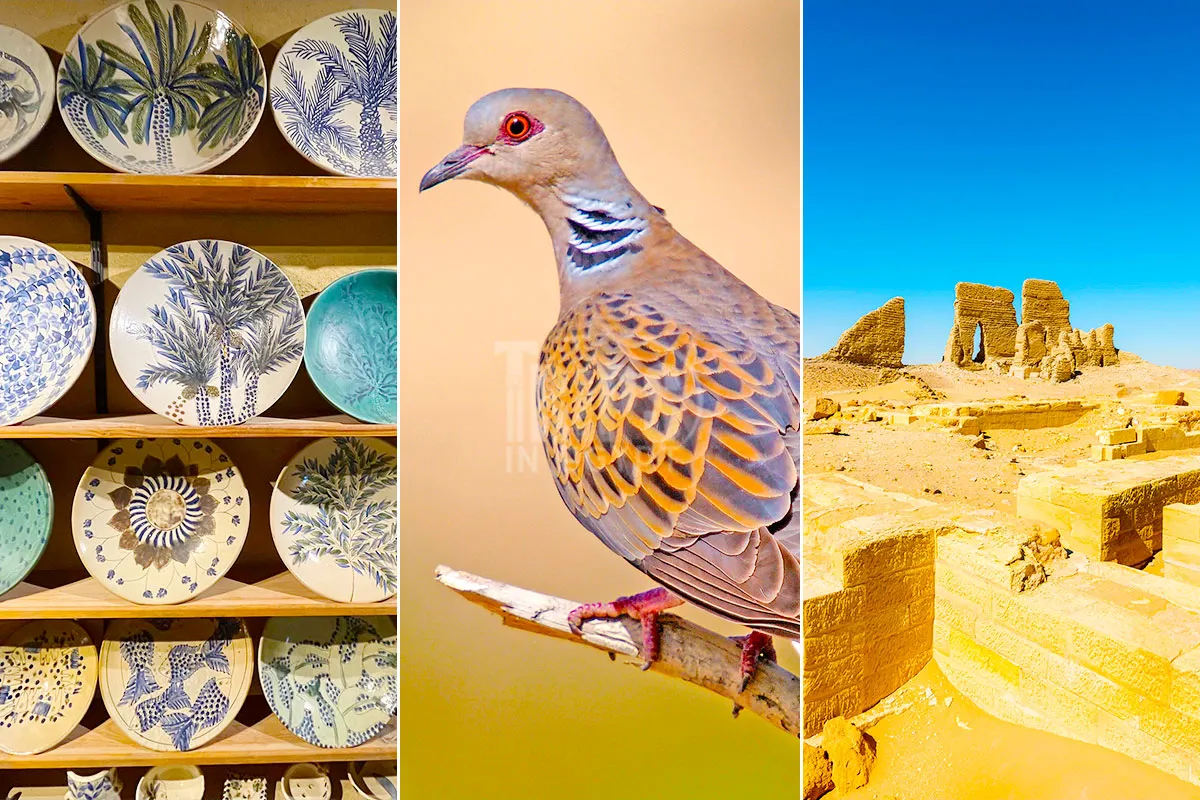
There are many things to do in Faiyum oasis which include bird watching in the winter months, and exploring lake Qaroun, and Wadi El Rayan. Have the most entertaining hiking trip across the wonders of Faiyum which are Wadi El-Hitan, Wadi El-Rayan, Petrified Forest, Gabal El-Mudawara, and Dimet El-Sebaa. Many travelers choose to experience these desert adventures through our 6 Days Cairo, Faiyum & Luxor Tour Package, which offers a professional and seamless way to explore the oasis’s natural wonders alongside the historical treasures of the Nile Valley.
Camping at Wadi El Hitan and Gabal El Medawara. Enjoy the most thrilling sand-boarding trip across the incredible and adrenaline-rushing sand dunes such as Qoussour El Arab. Everyone will have the most fun fishing trip on Lake Qaroun.
Conclusion
Faiyum oasis can be explored through one of our magical Egypt travel packages where everyone will cast their eyes on the natural wonders of this magnificent place that stood the test of time. From there, everyone will have the chance to float on the heavenly Nile River on one of our magnificent Nile cruises that will make every moment feel like true magic. Discover this epic destination and make the most of your time in Egypt.
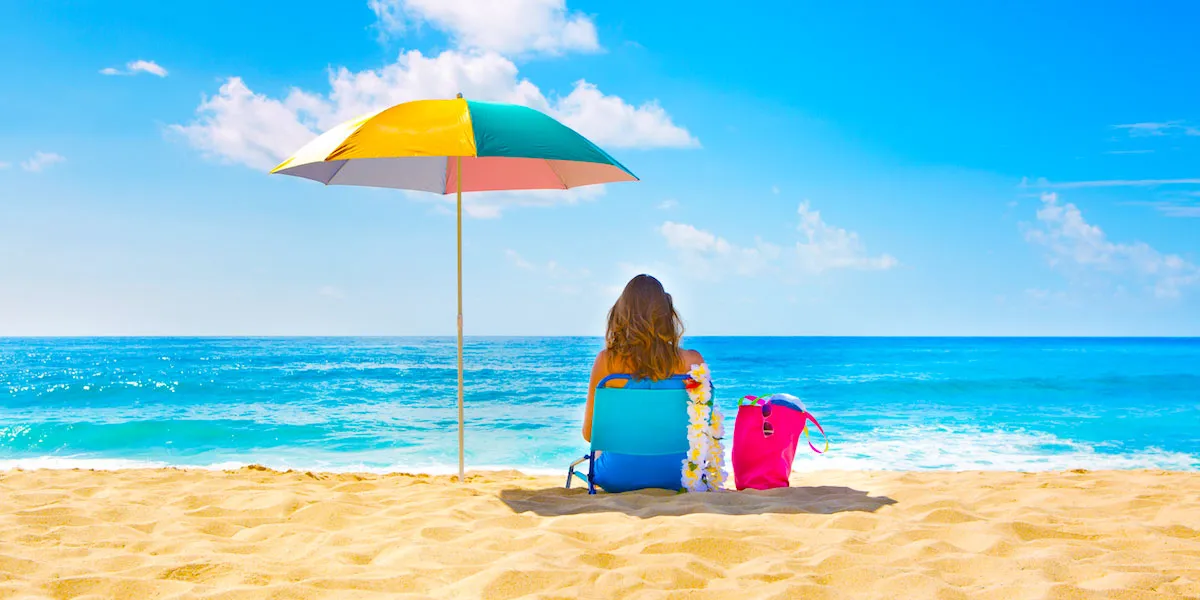
5 Days Cairo And Hurghada Trip
Amazing 4 Nights Cairo and Hurghada Trip Itinerary 5 Days Cairo and Hurghada trip wil...
- Duration 5 Days / 4 Nights
- Location Cairo & Hurghada
- Type Historical & Recreational Tour
From$690/per person
View Tour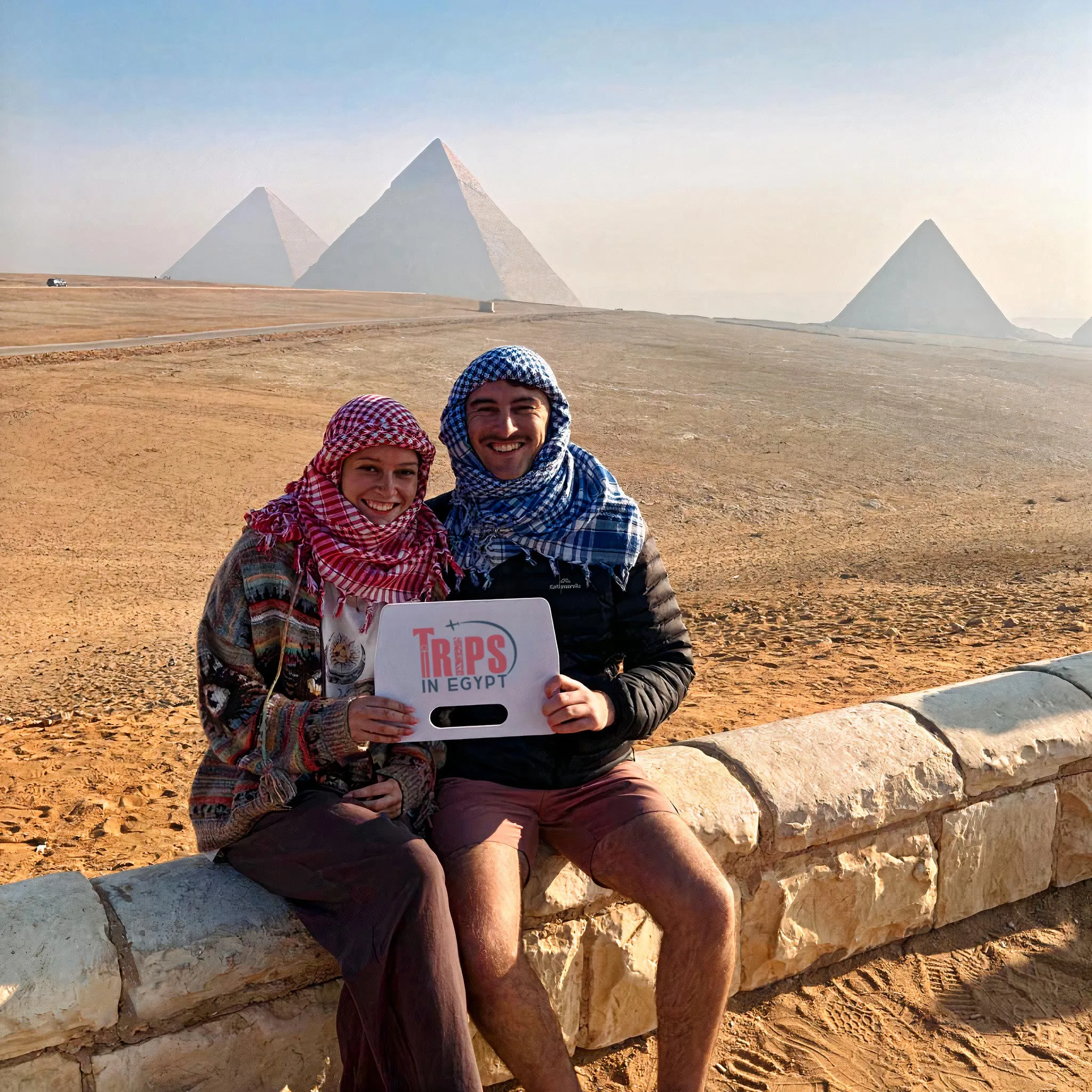
6 Days Cairo, Alexandria & Faiyum Tour
Unforgettable Cairo, Alexandria & Faiyum Adventure in Six Days 6 Days Cairo, Alex...
- Duration 6 Days / 5 Nights
- Location Cairo - Alexandria - Fayum
- Type Historical Tour
From$720/per person
View Tour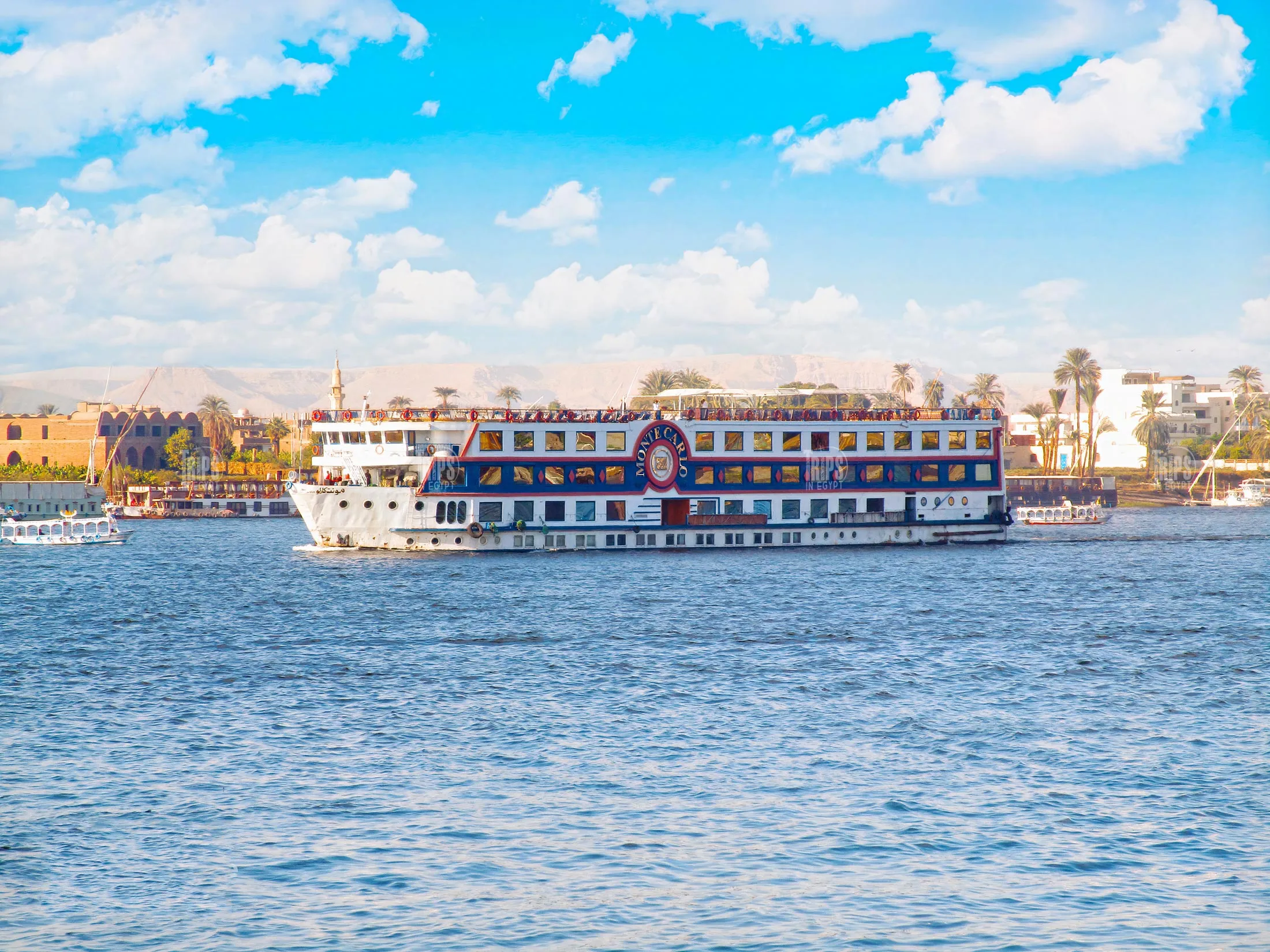
10 Days Cairo, Faiyum & Nile Cruise Holiday
Breathtaking 10 Days Journey of A Lifetime in Egypt 10 Days Cairo, Faiyum & Nile...
- Duration 10 Days / 9 Nights
- Location Cairo, Luxor, Aswan & Faiyum
- Type Classic Tour
From$1350/per person
View Tour SOLD OUT
Ultimate 7-Day Egypt Solar Eclipse Experience with Hurghada 2027
Enjoy a 7-Day Egypt Solar Eclipse Tour with Hurghada 2027 6 Nights Egypt Solar Ecli...
- Duration 7 Days / 6 Nights
- Location Cairo / Giza / Luxor / Hurghada
- Type Astronomical Tour
Sold Out
View Details