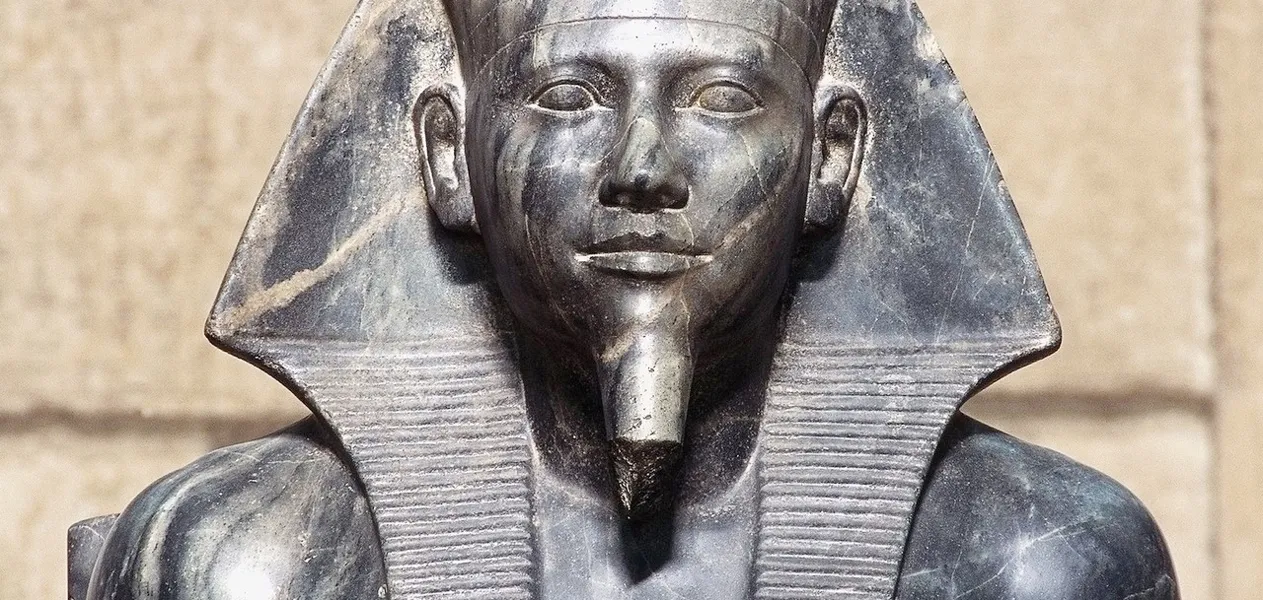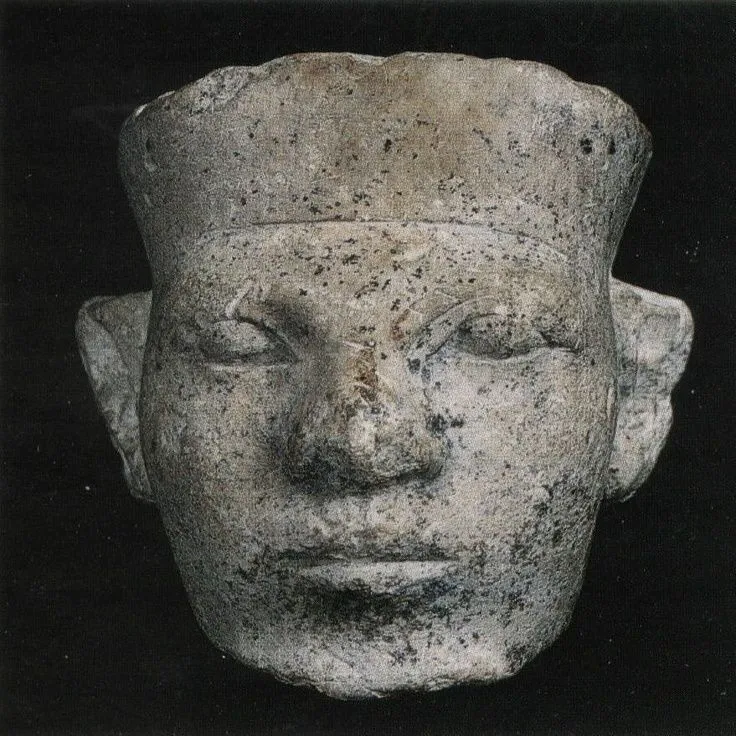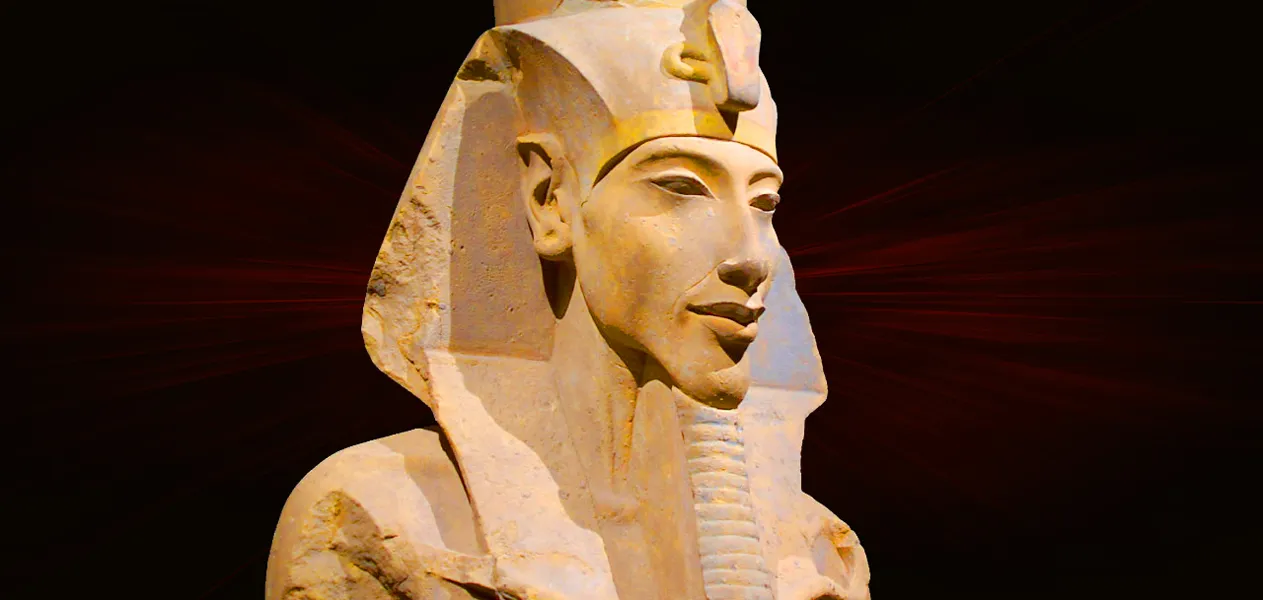




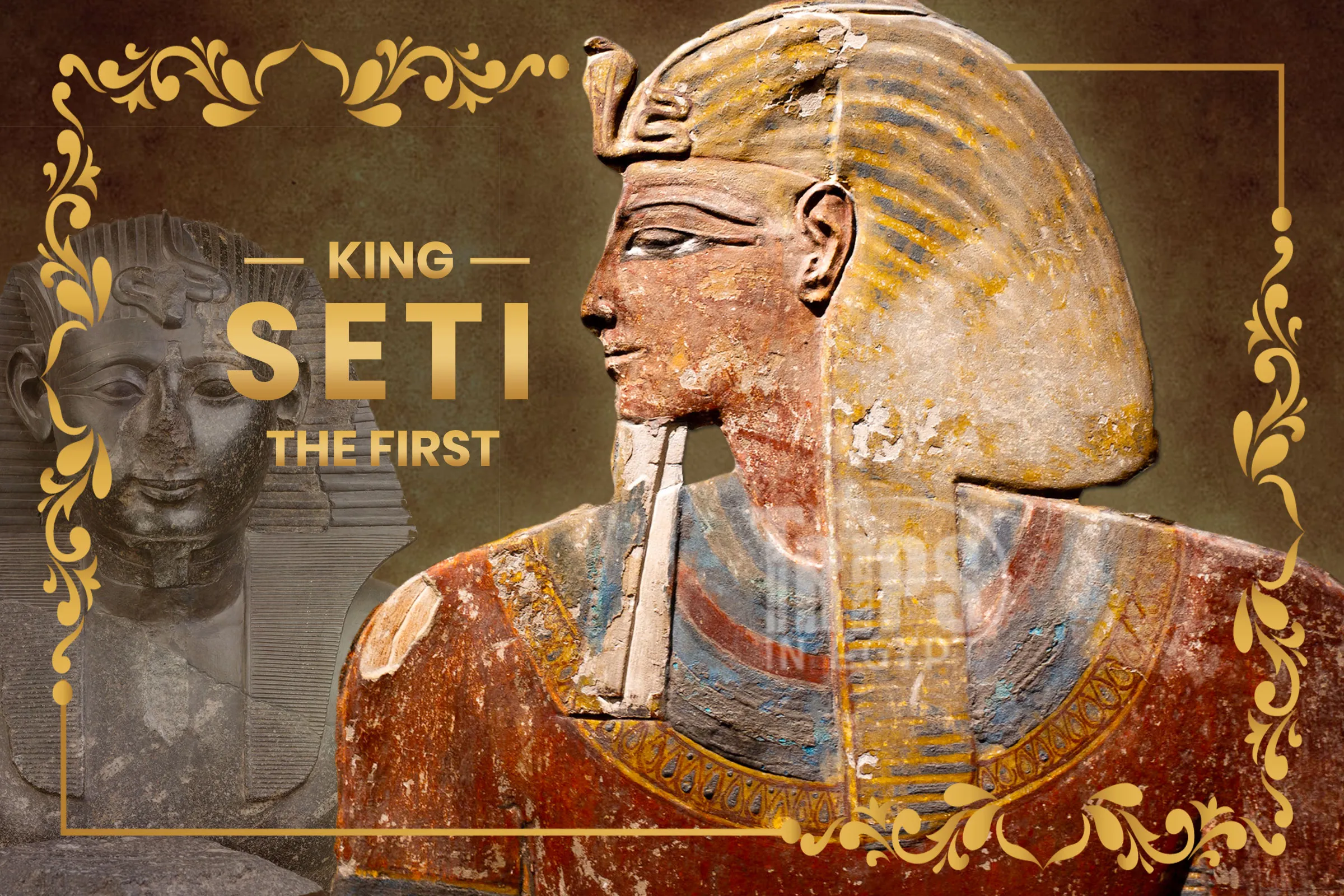
Seti I was the second pharaoh of Egypt's 19th Dynasty, ruling from about 1290 to 1279 BC. The son of Ramesses I and the father of the famous Ramesses II, he restored Egypt's power abroad and built some of the finest temples ever raised on the Nile.
King Seti the First is often overshadowed by his son, yet many Egyptologists consider the art of his reign the most refined of the New Kingdom. This guide covers his names and family, his reign and wars, his greatest monuments, his tomb and mummy, how he died, and how you can visit his monuments today.

Seti I at a Glance
|
Fact |
Detail |
|
Name |
Seti I (Sethi, Sethos), also written King Seti 1 or Seti the First |
|
Throne name |
Menmaatre, "Established is the Justice of Ra" |
|
Dynasty |
19th Dynasty, New Kingdom |
|
Reign |
c. 1290–1279 BC (about 11 years) |
|
Father and mother |
Ramesses I and Queen Sitre |
|
Wife |
Queen Tuya |
|
Children |
Ramesses II, Tia, and probably Henutmire |
|
Successor |
Ramesses II |
|
Tomb |
KV17, Valley of the Kings, Luxor |
|
Mummy |
Found in 1881 in the Deir el-Bahari cache; now in the National Museum of Egyptian Civilization, Cairo |
Interesting Facts About Pharaoh Seti I's Life
-
Seti I came from a military family of the eastern Nile Delta, near Avaris, and served as a vizier and army commander before becoming king.
-
His father, Ramesses I, ruled for less than two years, so Seti effectively built the power of the new Ramesside dynasty.
-
His name honors Set, god of storms, the desert and foreign lands, an unusual choice since Set was also the murderer of Osiris.
-
He fought campaigns in Canaan, Syria, Libya and Nubia, and briefly captured the Syrian city of Kadesh from the Hittites.
-
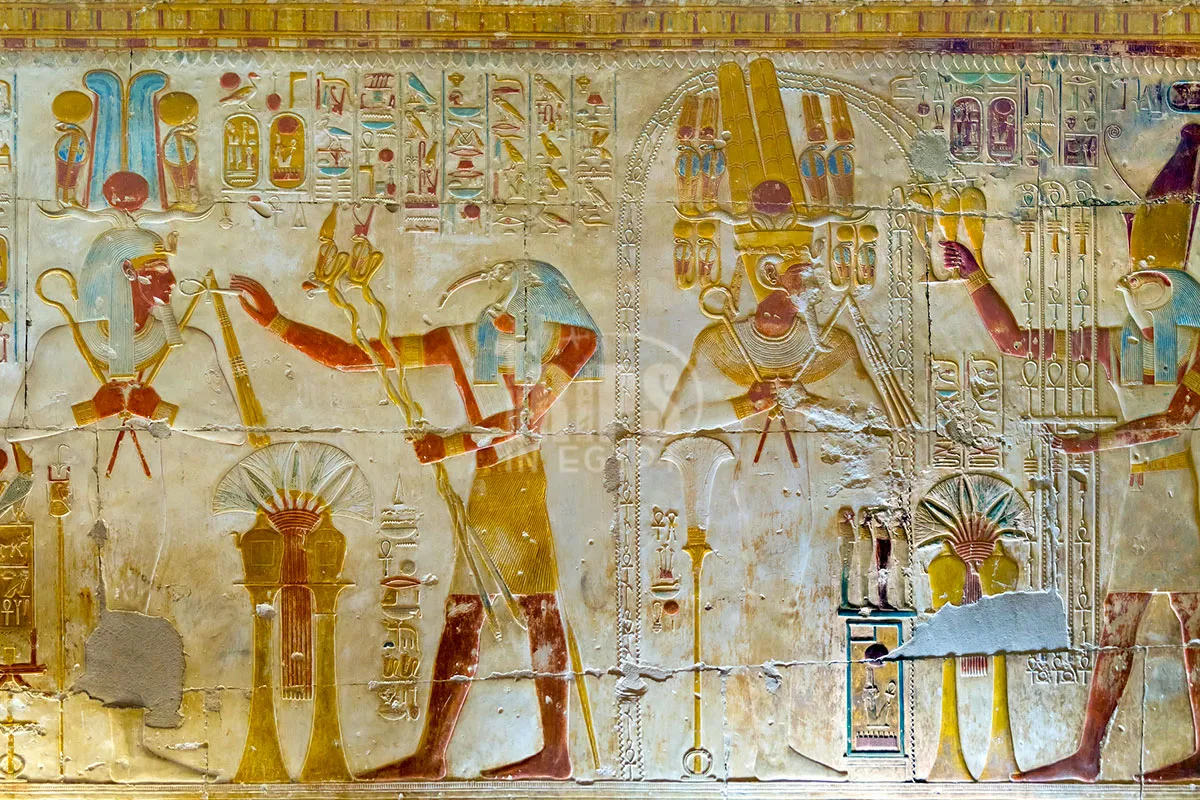
He built the great temple of Abydos, whose wall list of 76 earlier kings is one of the most important sources for Egyptian history.
-
His tomb, KV17, was the first royal tomb decorated in every corridor and chamber.
-
His mummy is one of the best preserved of any pharaoh, and his face is still clearly recognizable.
Titles and Names of King Seti I
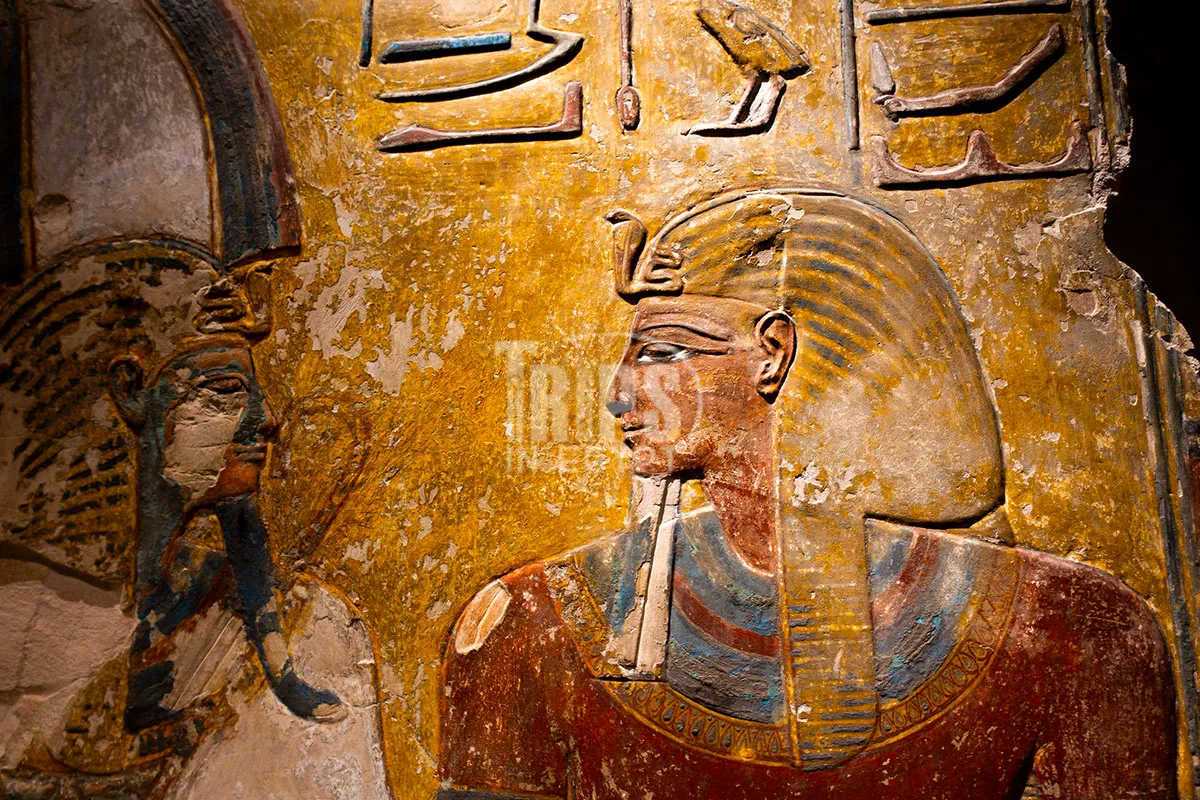
Like all pharaohs, Seti I had five official names. The two most important were his throne name, Menmaatre, "Established is the Justice of Ra", and his birth name, Seti Merenptah, "Man of Set, beloved of Ptah".
The name Seti means "he of Set". In some later monuments, especially near the temple of Osiris at Abydos, his name was written with a figure of Osiris or Isis instead of the god Set, to avoid offending the god of the dead. Greek writers called him Sethos. Searchers today also use spellings such as "Setii", "Seti 1" and "Seti the First".
His other titles included the Horus name Kanakht Khaemwaset Seankhtawy, "Strong Bull, appearing in Thebes, who gives life to the Two Lands". He also used the epithet Wehem-mesut, "Repeater of Births", announcing a new era of renewal after the turmoil of the Amarna period.
Family and Children of Seti I
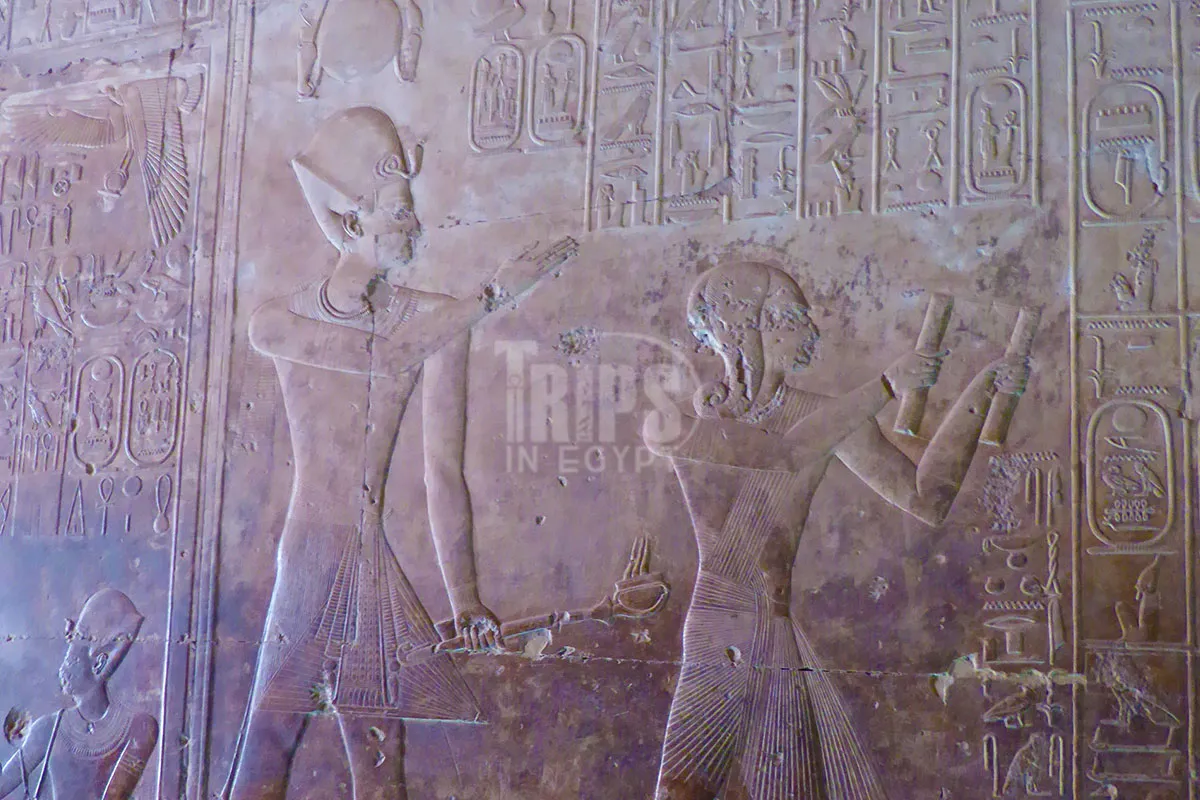
Seti I was the son of Ramesses I, a former army officer and vizier under King Horemheb, and his wife Sitre. Seti married Tuya, the daughter of a chariotry officer named Raia. Their son Ramesses II became one of the most famous pharaohs in history.
Seti and Tuya also had a daughter, Tia, who married an official also named Tia. Another daughter, Henutmire, is often identified as Seti's child, and later became one of Ramesses II's wives.
Ramesses II was named crown prince while still a teenager and accompanied his father on campaign. Some scholars believe father and son ruled together as co-regents in Seti's final years, but many now doubt that a formal co-regency existed.
Reign of Seti I
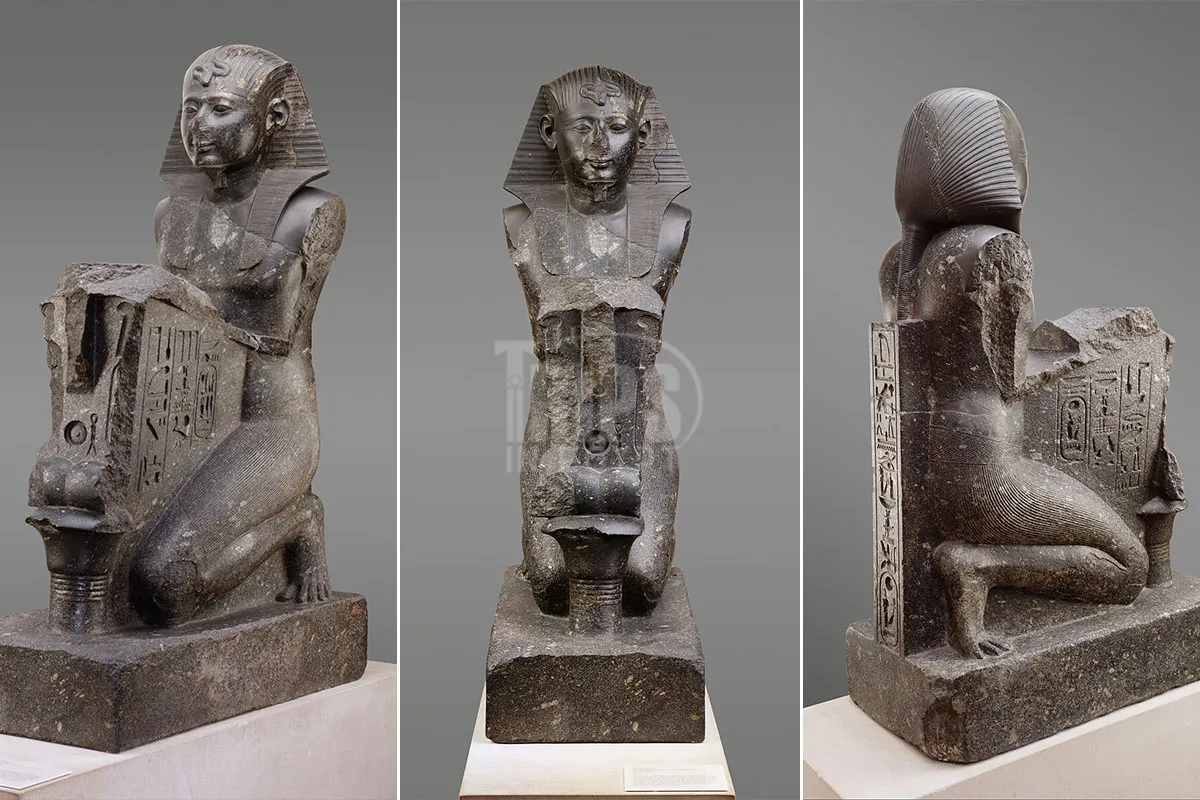
Seti I came to the throne around 1290 BC and died around 1279 BC. Most Egyptologists estimate a reign of about 11 years, though Kenneth Kitchen proposed 15 years. His Year 9 is the highest date known with certainty.
He inherited an Egypt still recovering from the religious revolution of Akhenaten, when traditional temples had been neglected and Egyptian influence in the Levant had weakened. With Horemheb and Ramesses I before him, Seti set out to restore the old gods, rebuild temples and reassert Egypt's power abroad.
Seti governed from Memphis and Thebes, and also built a palace in the eastern Delta near Avaris. His son later expanded this area into the new capital of Pi-Ramesses.
Military Campaigns of Pharaoh Seti I
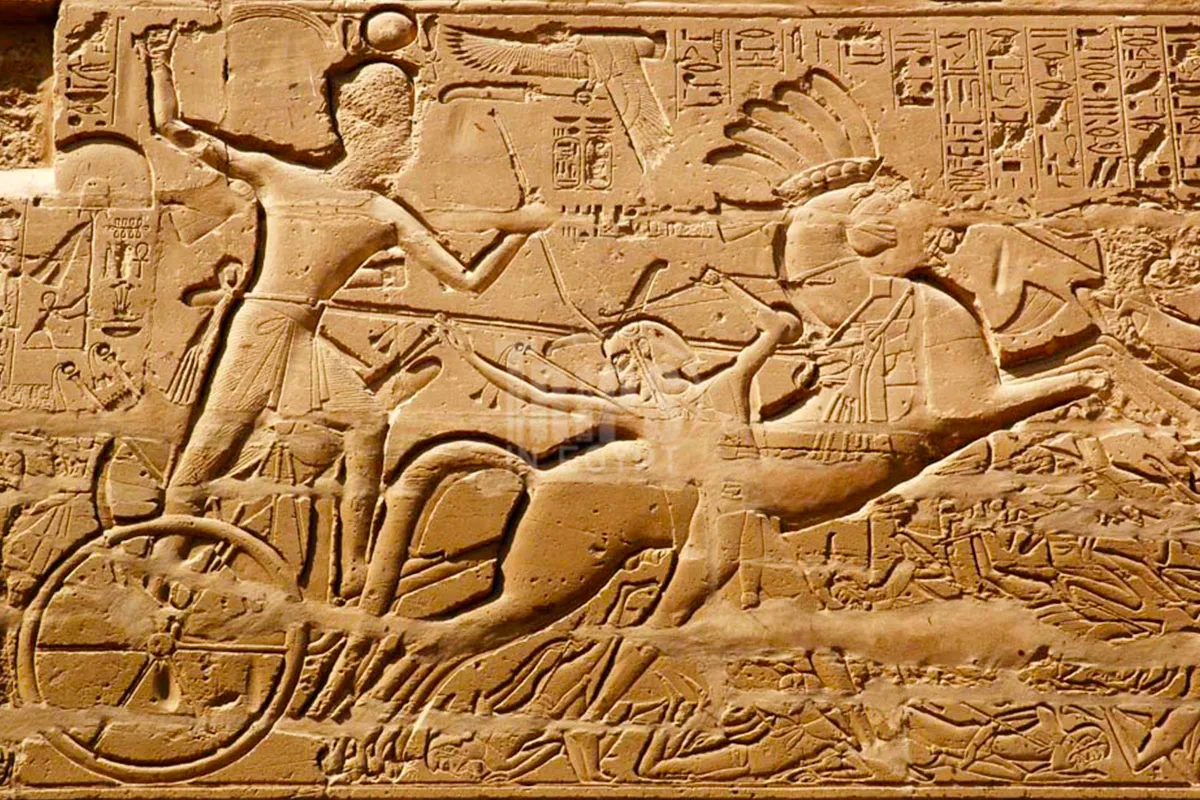
Seti I's campaigns are carved in great detail on the north exterior wall of the Great Hypostyle Hall at Karnak Temple, one of the most important war records of ancient Egypt.
-
Year 1, Canaan: Seti marched out along the Ways of Horus, the fortified military road across northern Sinai with its forts and wells. He defeated the Shasu nomads, retook the towns of Beth-Shan and Yenoam, and received tribute from the princes of Lebanon.
-
Libya: He defeated Libyan tribes threatening the western Delta.
-
Kadesh and Amurru: He fought the Hittites in Syria and captured Kadesh and the region of Amurru, setting up a victory stela at Kadesh. The city soon returned to Hittite control under King Muwatalli II, and his son Ramesses II fought the famous Battle of Kadesh there in his fifth year.
-
Year 8, Nubia: A small revolt in Nubia was crushed by his army.
Achievements of King Seti I
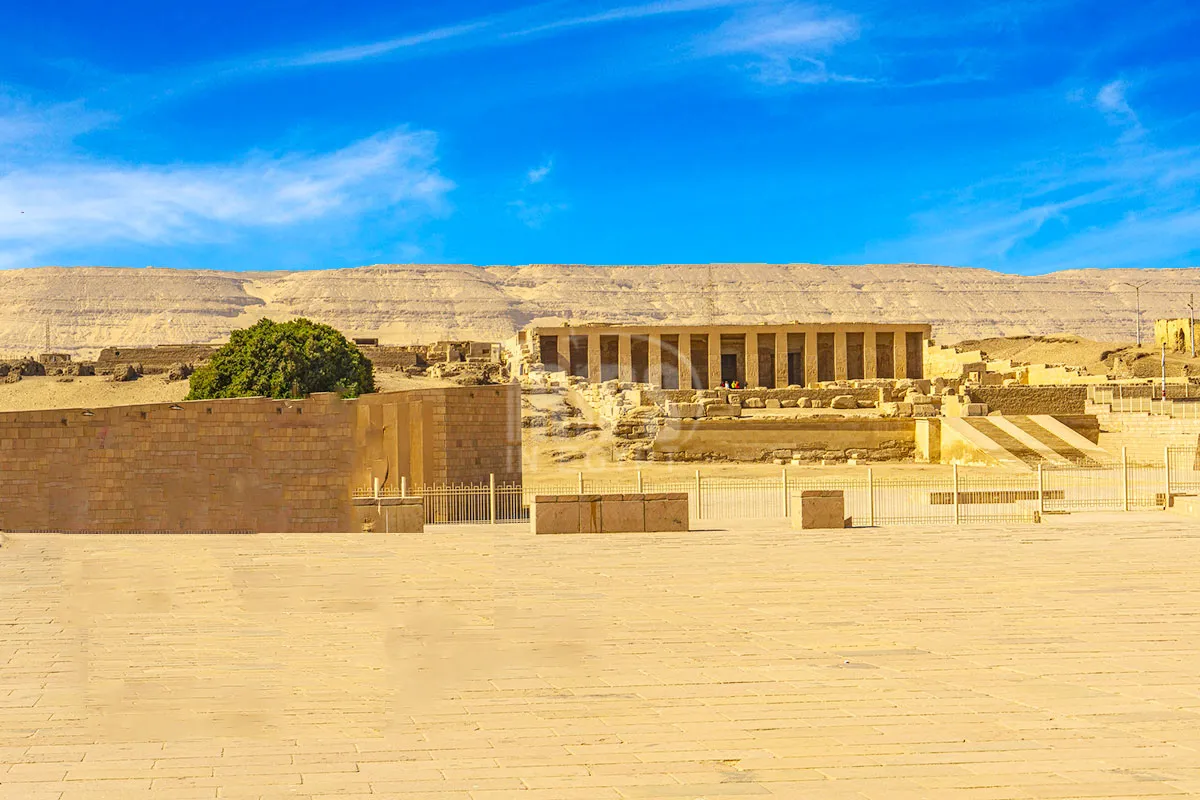
Seti I restored Egypt's prestige after the Amarna period and laid the foundations for the long reign of Ramesses II. He strengthened Egypt's frontiers, reopened trade routes and protected its mines.
To support the gold mines of the Eastern Desert, Seti dug a well and built a small rock-cut temple at Kanais (Wadi Mia), east of Edfu, recording his concern for the miners' water supply. His Nauri Decree, carved in Nubia, protected the estates and workers of his Abydos temple from abuse by officials.
His reign is also remembered for its art. The delicate, elegant reliefs of his temples and tomb are often considered the finest of the New Kingdom.
Famous Constructions During Seti I's Reign
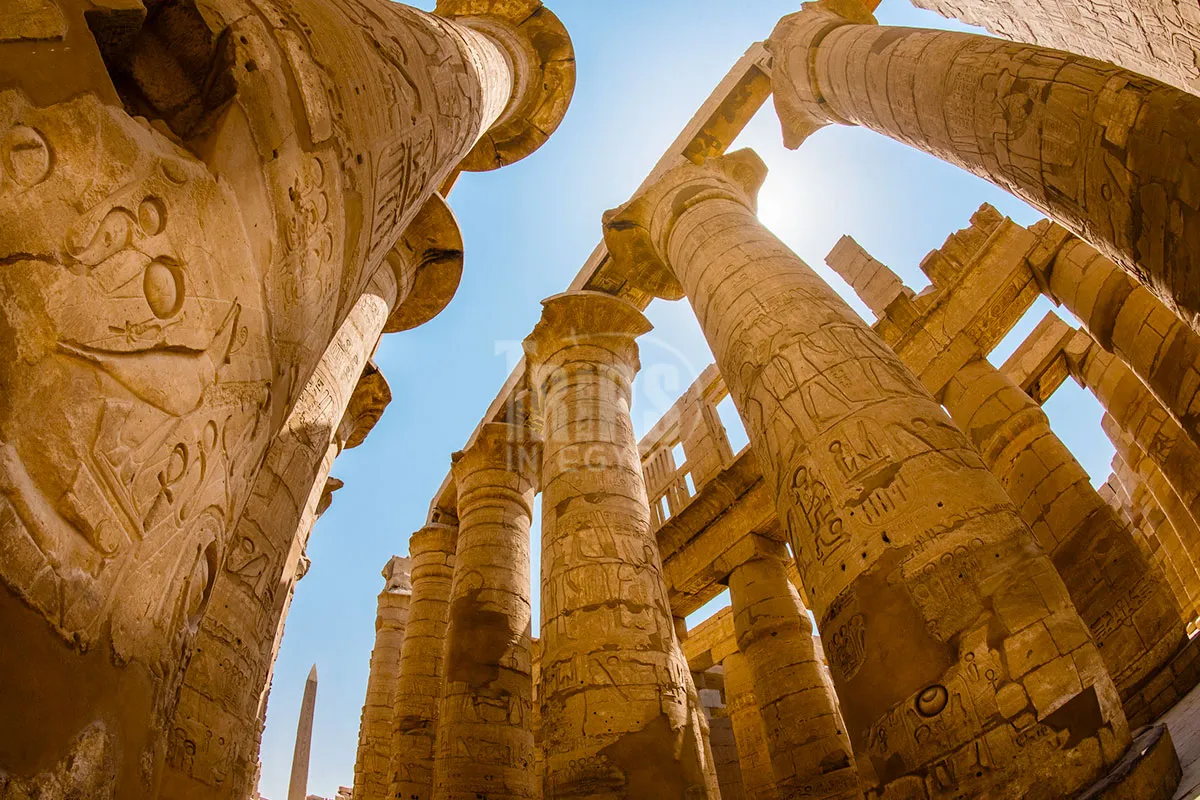
The Temple of Seti I at Abydos
Seti I's greatest monument is his white limestone temple at Abydos, dedicated to Osiris and six other gods: Isis, Horus, Amun-Ra, Ra-Horakhty, Ptah and the deified king himself. It is unusual for having seven chapels side by side, and its painted reliefs are among the most beautiful in Egypt.
In a corridor of the temple, the Abydos King List shows Seti and the young Ramesses honoring 76 earlier kings, from Menes to Seti himself, skipping rulers such as Hatshepsut and Akhenaten. Behind the temple lies the Osireion, a mysterious underground cenotaph built for Osiris and decorated with scenes from the Book of Gates and other funerary texts.
The Great Hypostyle Hall at Karnak
Seti I decorated much of the Great Hypostyle Hall at Karnak, a forest of 134 giant columns, the largest of them about 21 m tall. The northern half of the hall carries his elegant raised reliefs, while Ramesses II completed the southern half in sunk relief.
The Mortuary Temple of Seti I
On the Theban West Bank at Qurna, Seti built his mortuary temple, dedicated to Amun and to the cult of his father Ramesses I. It was completed by Ramesses II. Although partly ruined, its columns and reliefs can still be visited.
The Mummy of Seti I
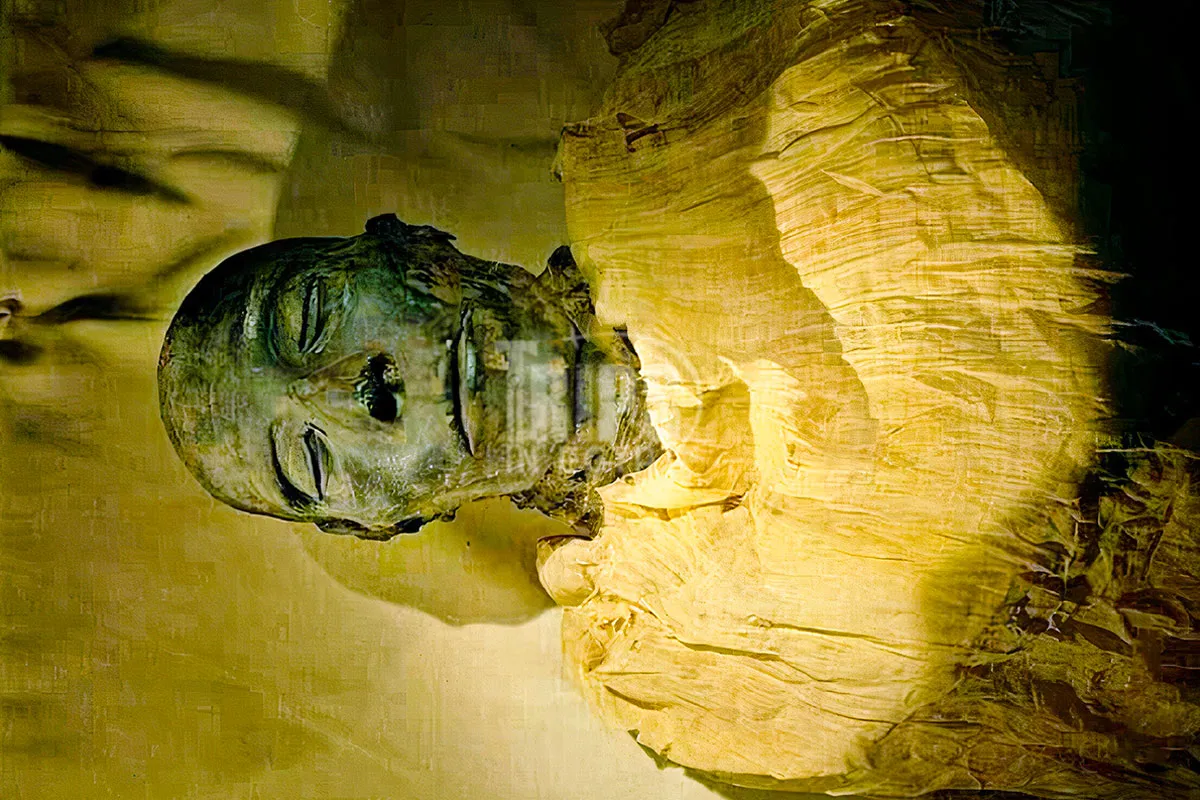
The King Seti 1 mummy is one of the masterpieces of ancient Egyptian embalming. His calm, finely preserved face is among the most lifelike of any pharaoh, and the mummy is often cited as an example of the highest standard of New Kingdom mummification.
Like many royal mummies, Seti's body was moved by priests to protect it from tomb robbers. It was eventually hidden in the royal cache DB320 at Deir el-Bahari, where it was found in 1881. When discovered, the head had been broken off, probably by ancient robbers, and priests had reattached it.
CT scans revealed that his heart had been placed on the right side of his chest rather than the usual left, possibly an embalmer's error or a deliberate choice. Seti stood about 1.7 m tall. In April 2021, his mummy was carried to the National Museum of Egyptian Civilization in the Pharaohs' Golden Parade, and it is now displayed in the museum's Royal Mummies Hall.
How Did Seti I Die?
The exact cause of Seti I's death is unknown. His mummy shows no signs of violence, and the decapitation happened after death, at the hands of robbers. Some researchers have suggested a long illness, possibly involving the heart, but this cannot be confirmed.
Estimates of his age at death have changed over time. Older studies suggested he died around 40, but CT scans suggest he was in his 40s or early 50s. He died around 1279 BC, and was succeeded by Ramesses II, who completed many of his building projects.
Tomb of King Seti I (KV17)
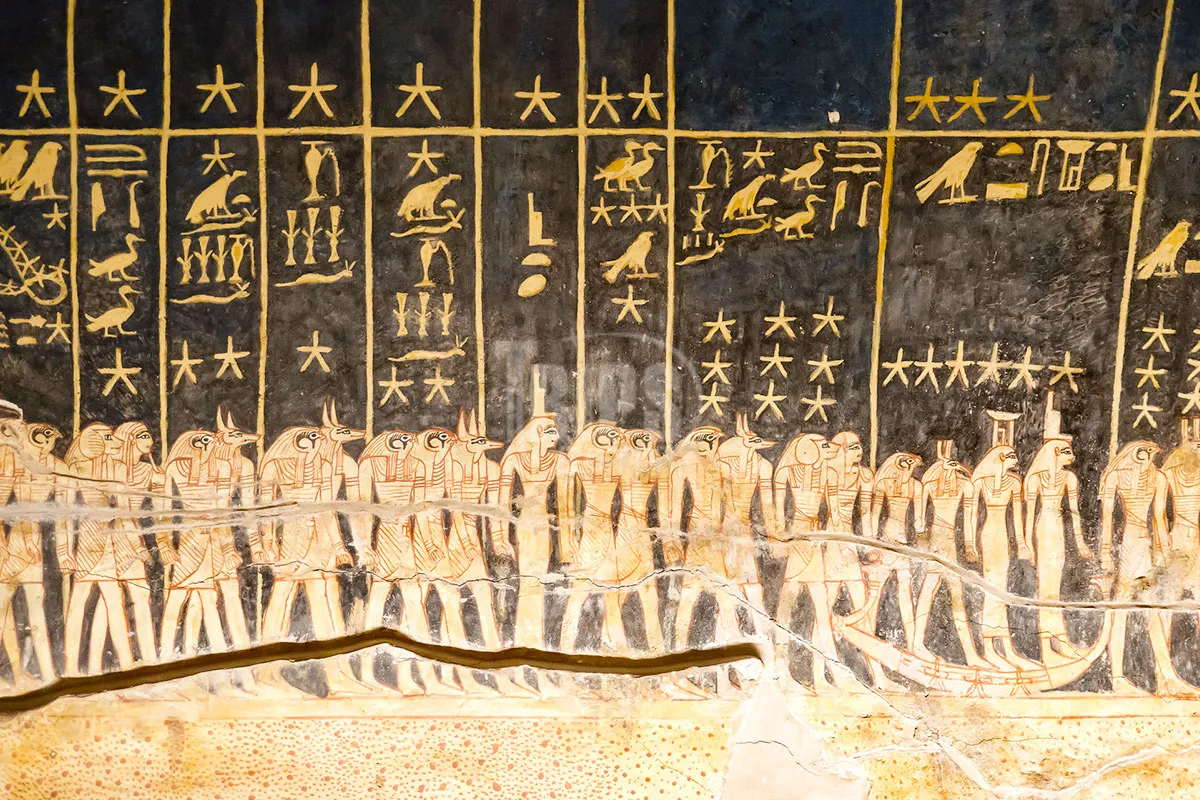
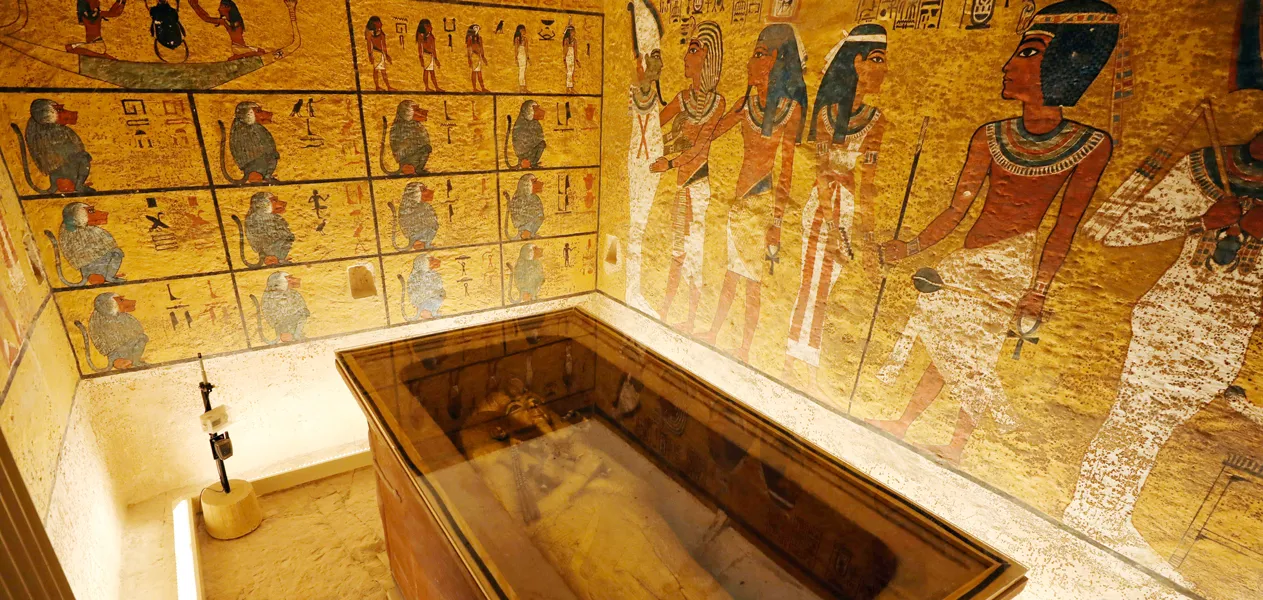
The Italian explorer Giovanni Belzoni discovered Seti I's tomb, KV17, in the Valley of the Kings in October 1817. It is sometimes called "Belzoni's Tomb". At 136 m, it is the longest and deepest royal tomb of the New Kingdom, and the first to be decorated from entrance to burial chamber.
Its vivid painted reliefs include scenes from the Book of Gates, the Amduat, and Seti being welcomed by Hathor. The vaulted ceiling of the burial chamber shows an astronomical map of the stars.
Behind the burial chamber, a mysterious tunnel cuts deep into the rock. Excavations finished in the 2010s showed that it runs about 174 m, but it never led to another chamber.
Belzoni removed Seti's beautiful calcite (alabaster) sarcophagus, carved with scenes from the Book of Gates and originally inlaid with blue pigment. The British Museum declined to buy it, and in 1824 the architect Sir John Soane purchased it for £2,000. It remains in Sir John Soane's Museum in London.
Visiting Seti I's Monuments Today
You can follow Seti I's legacy across Egypt. In Luxor, his reliefs line the Great Hypostyle Hall at Karnak, his mortuary temple stands at Qurna, and his tomb, KV17, can usually be entered in the Valley of the Kings with a special additional ticket. North of Luxor, his temple at Abydos is one of the most beautiful in the country. Karnak and the Valley of the Kings are also standard stops on most Nile river cruises between Luxor and Aswan.
|
Tour |
Highlights |
Price |
|
Seti I's temple, the King List and the Osireion |
From $70 |
|
|
Valley of the Kings, Hatshepsut Temple and the Colossi of Memnon |
From $60 |
In Cairo, you can see Seti's mummy in the Royal Mummies Hall of the National Museum of Egyptian Civilization.
Conclusion
Seti I was the bridge between the turmoil of the Amarna age and the glory of Ramesses the Great. In about 11 years, he restored Egypt's armies, its temples and its pride, and left behind art of unmatched refinement.
Standing in his temple at Abydos, surrounded by reliefs as fresh as the day they were carved, you meet a king who wanted Egypt to be born again.
Ready to walk in the footsteps of Seti I? Discover Abydos, Karnak and the Valley of the Kings on one of our Egypt tour packages, guided by expert Egyptologists.

5 Days Cairo And Hurghada Trip
Amazing 4 Nights Cairo and Hurghada Trip Itinerary 5 Days Cairo and Hurghada trip wil...
- Duration 5 Days / 4 Nights
- Location Cairo & Hurghada
- Type Historical & Recreational Tour
From$690/per person
View Tour
6 Days Cairo, Alexandria & Faiyum Tour
Unforgettable Cairo, Alexandria & Faiyum Adventure in Six Days 6 Days Cairo, Alex...
- Duration 6 Days / 5 Nights
- Location Cairo - Alexandria - Fayum
- Type Historical Tour
From$720/per person
View Tour
10 Days Cairo, Faiyum & Nile Cruise Holiday
Breathtaking 10 Days Journey of A Lifetime in Egypt 10 Days Cairo, Faiyum & Nile...
- Duration 10 Days / 9 Nights
- Location Cairo, Luxor, Aswan & Faiyum
- Type Classic Tour
From$1350/per person
View Tour SOLD OUT
Ultimate 7-Day Egypt Solar Eclipse Experience with Hurghada 2027
Enjoy a 7-Day Egypt Solar Eclipse Tour with Hurghada 2027 6 Nights Egypt Solar Ecli...
- Duration 7 Days / 6 Nights
- Location Cairo / Giza / Luxor / Hurghada
- Type Astronomical Tour
Sold Out
View Details