



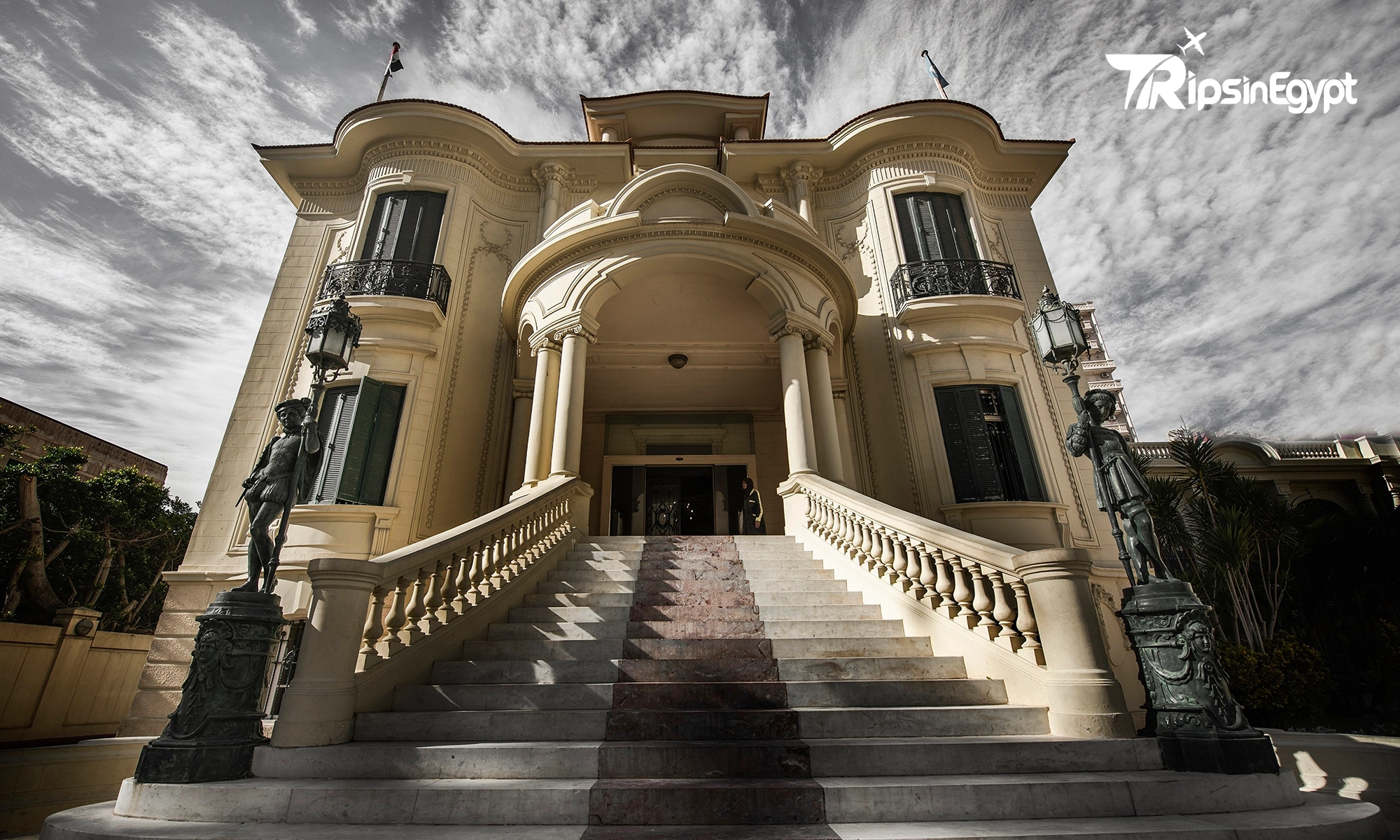
The Royal Jewelry Museum in Alexandria holds the crowns, necklaces, medals and personal treasures of the Muhammad Ali dynasty, the royal family that ruled Egypt from 1805 to 1952. It is set in an elegant palace built for a princess, where painted ceilings and glowing glass windows frame thousands of diamonds, emeralds and rubies. Walking through its halls feels like stepping into the private world of Egypt's last kings and queens.
This guide covers the museum at a glance, the history of the palace, its architecture, the highlights of the collection ruler by ruler, ticket prices and opening hours, and the best ways to combine it with other sights. Here are all things you need to know about the Royal Jewelry Museum in Alexandria:

The Royal Jewelry Museum Full Facts
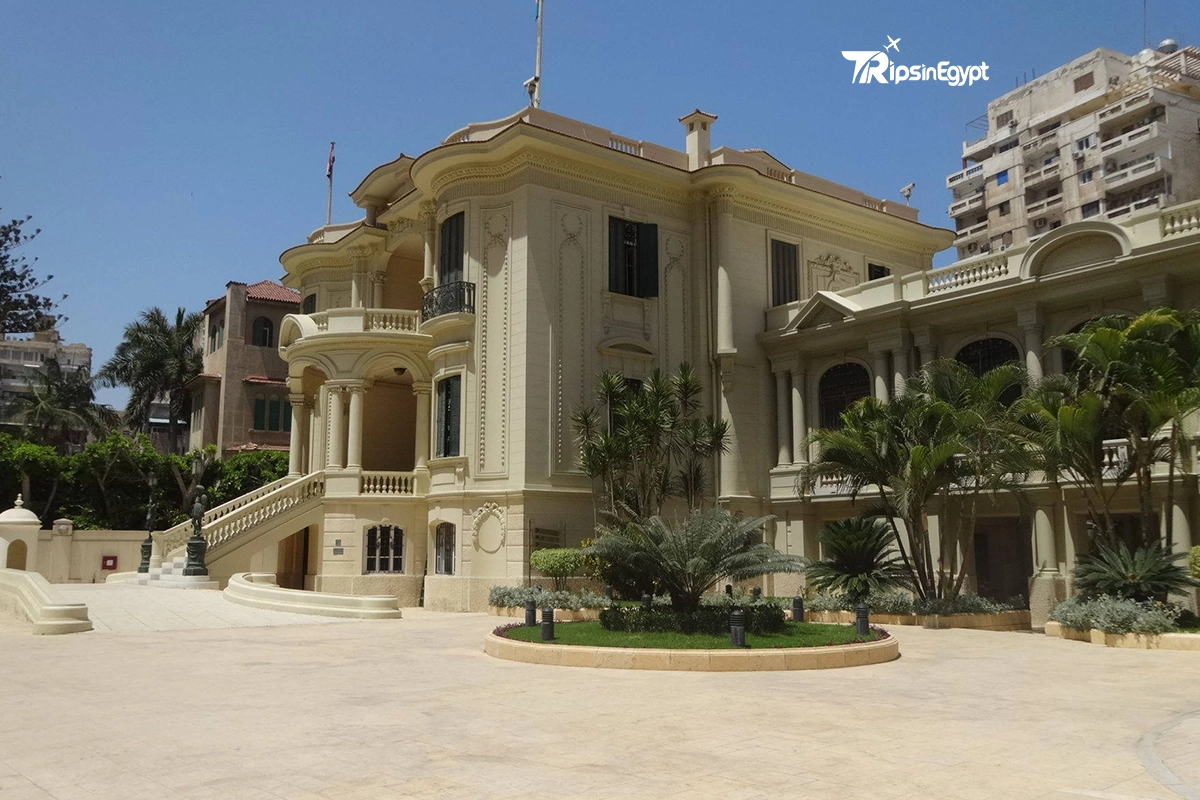
The museum lies in Zizinia, a quiet residential district in the east of the city, between the seafront districts of Gleem and San Stefano. It is roughly 7 km east of Raml Station and a short walk from the Corniche.
| Royal Jewelry Museum facts | Details |
|---|---|
| Address | 27 Ahmed Yehia Pasha Street, Zizinia, Alexandria |
| Building | Palace of Princess Fatma Al-Zahraa, 1919 to 1923 |
| Opened as a museum | October 1986, reopened April 2010 |
| Collection | About 11,500 pieces |
| Interior area | About 4,185 m2, plus gardens |
| Opening hours | 9 am to 5 pm daily, last ticket at 4 pm |
| Foreign tickets | EGP 220 adult, EGP 110 student |
| Visit length | 1 to 2 hours |
Do not let the quiet street fool you. Behind the gates and gardens lies one of the richest collections of royal jewelry in the Middle East.
The Palace of Princess Fatma Al-Zahraa: History of the Museum
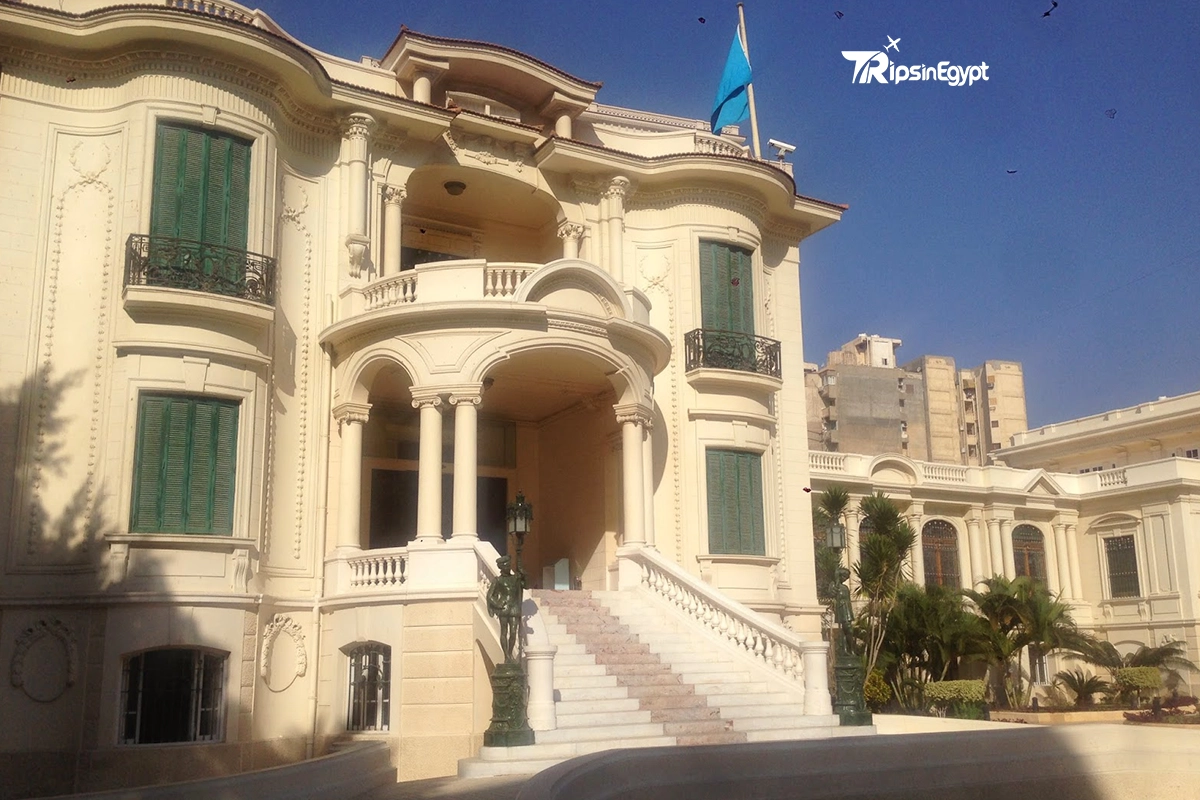
The palace was begun in 1919 by Zeinab Fahmy, a wealthy aristocrat, for her daughter, Princess Fatma Al-Zahraa, the daughter of Prince Ali Haidar. Zeinab completed the western wing before her death. The young princess then added the eastern wing and linked the two with a corridor, finishing the palace in 1923.
The design is often credited to the Italian architect Antonio Lasciac, who built several palaces for the Egyptian elite, though one source credits Zeinab's brother, Ali Fahmy, with a share in the design.
Princess Fatma used the palace as a summer residence until the revolution of July 1952, which ended the monarchy. She was allowed to stay on after the royal properties were confiscated, and according to most accounts, she handed the palace to the state in 1964. Sources disagree on what happened next, with some saying she moved to Cairo and others to France.
After years of government use, a decree in 1986 turned the palace into a museum, and it opened in October 1986 to display the jewelry of the former royal family. It was renovated again in 1994. In late 2004, the Supreme Council of Antiquities closed it for a full restoration, which included modern security and display cases, and the museum reopened in April 2010.
A Palace Worth Seeing: Architecture and Decor
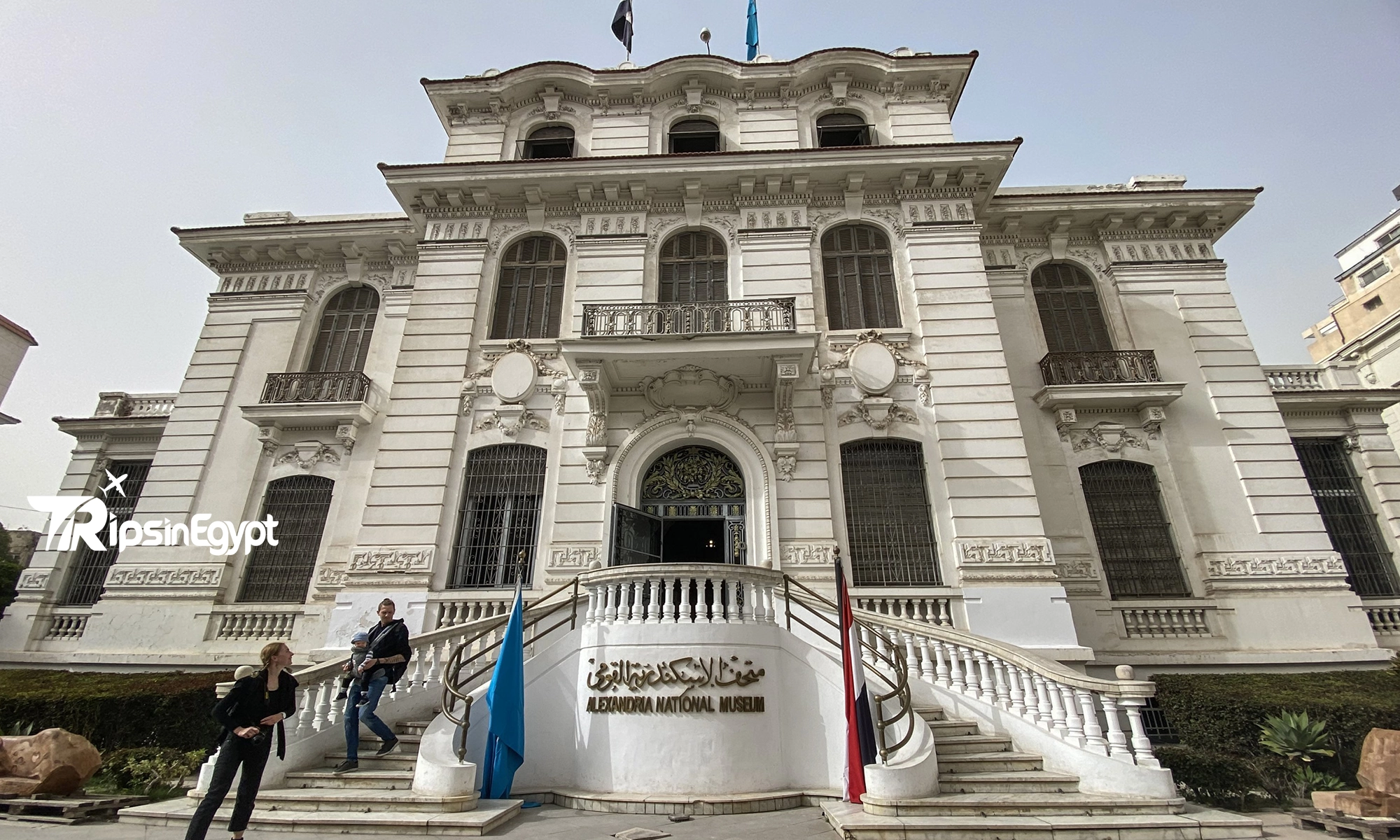
Many visitors say the building is as impressive as the jewels. The white facade is European in style, with Renaissance and Baroque touches, while the interior blends European design with Islamic decoration.
The palace has two wings, eastern and western, each with a basement and two floors, joined by the corridor that Princess Fatma added. The rooms are arranged as around ten display halls.
Look out for these details as you walk through:
- Painted ceilings. Many ceilings are covered with oil paintings and gilding, showing figures, flowers and scenes in soft colors.
- Glass windows. The windows are filled with lead-inlaid glass in the European style, showing historical and romantic scenes that glow in the afternoon sun.
- Wood and mosaics. Fine imported wooden floors, carved doors and colorful mosaics add warmth to the grand halls.
- The gardens. The palace sits in a small garden of ornamental trees, lit with colored lights at night.
Lift your eyes from the cases now and then. Some of the finest art in the museum is above your head.
Highlights of the Collection, Ruler by Ruler
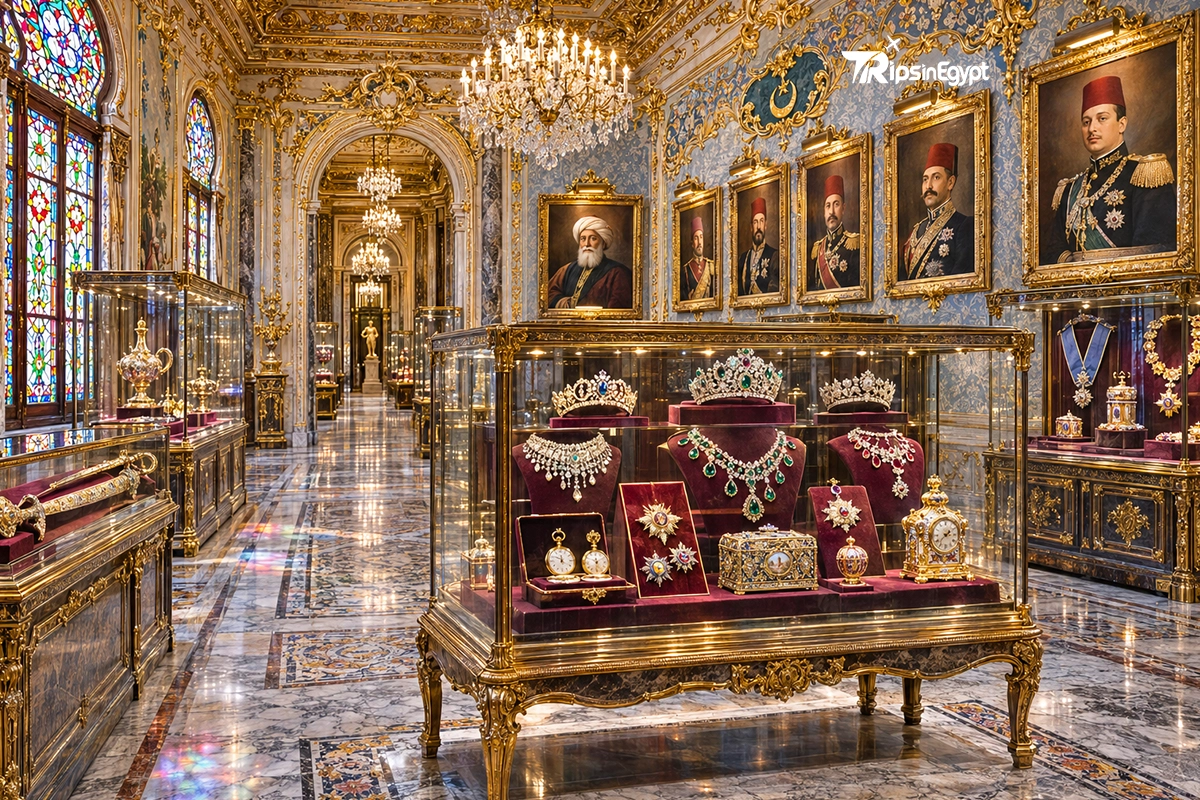
The collection spans more than 150 years of royal history, from Muhammad Ali Pasha, who founded the dynasty in 1805, to King Farouk, the last ruling king. It includes jewelry, medals, watches, cups, tableware and personal belongings, many made by the greatest jewelers of Europe.
The dynasty's story explains the style of the pieces. Muhammad Ali, an Albanian-born officer of the Ottoman army, took power in 1805 and set out to modernize Egypt. His grandson Khedive Ismail rebuilt Cairo on European lines and opened the Suez Canal in 1869, and later rulers ordered their jewels from Paris, London and Vienna. The result is a collection that mixes Ottoman taste with the fashions of the European courts.
Most labels are in Arabic and English, and the pieces are arranged roughly by owner, so it helps to know the family tree before you start. The table below lists the main owners and what to look for.
| Royal owner | Highlights to look for |
|---|---|
| Muhammad Ali Pasha (ruled 1805 to 1848) | A gold collar inlaid with diamonds and emeralds, and a gold box bearing his name |
| Khedive Said (1854 to 1863) | Sashes, gold watches, medals and gold necklaces |
| Khedive Ismail (1863 to 1879) | Gold watches and a gold handle studded with diamonds |
| King Fuad I (1917 to 1936) | Gold medals and decorations |
| Queen Shwikar, Fuad's first wife | A platinum crown set with diamonds and pearls |
| Queen Nazli, Fuad's second wife | Necklaces and jewelry sets |
| King Farouk (1936 to 1952) | A gold chess set and gold cups set with precious stones |
| Queen Farida, Farouk's first wife | A platinum flower crown set with diamonds and her wedding jewelry box |
| Princess Fawzia, Farouk's sister | Platinum medals set with diamonds |
Other pieces worth finding include golden binoculars encrusted with diamonds, rubies and emeralds, and a plate of precious stones said to have been a gift from the Tsar of Russia. There are also a platinum baby rattle, gold cups belonging to Prince Muhammad Ali Tawfiq, and the possessions of the princesses of the family.
Seeing these treasures brings the royal palaces of Cairo to life. The family's grand residence on Roda Island can be visited on our Manial Palace tour, and the dynasty's founder lies in the Muhammad Ali Mosque inside the Citadel of Salah El Din. Ancient Egyptians were master goldsmiths too, as our guide to ancient Egyptian art shows. You can see their jewelry in the Egyptian Museum in Tahrir Square, and the treasures of King Tutankhamun are now displayed in the Grand Egyptian Museum near the pyramids.
Planning Your Visit: Tickets, Hours and Rules
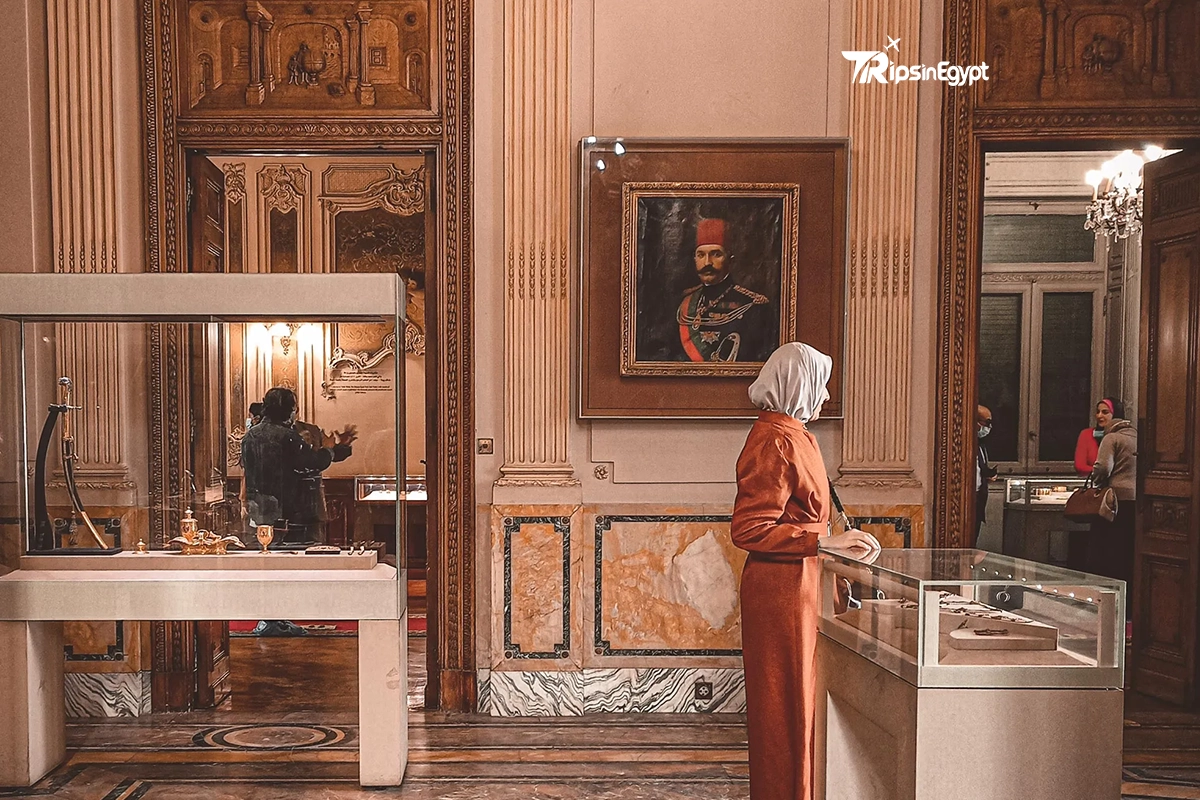
Opening hours. The museum is open every day from 9 am to 5 pm, and the ticket window closes at 4 pm. During Ramadan, hours change to 9 am to 3 pm, with the last ticket at 2 pm.
Ticket prices. According to the official Ministry of Tourism and Antiquities website:
| Visitor | Ticket price |
|---|---|
| Foreign adult | EGP 220 |
| Foreign student (with ID) | EGP 110 |
| Egyptian adult | EGP 30 |
| Egyptian student | EGP 10 |
Children under 6 enter free. Tickets are sold at the entrance, and card payment is not always available, so bring some Egyptian pounds in cash. Prices change from time to time, so check before you go.
Photography. Personal photography with phones and cameras is generally allowed, but flash, tripods and monopods are not. The glass cases reflect a lot of light, so shoot at an angle for the best results. Commercial filming needs a separate permit.
How long to stay. Allow 1 to 2 hours. Jewelry lovers and fans of royal history can easily spend longer reading the labels and studying the decor.
Getting there. A taxi or ride app from downtown takes about 20 to 30 minutes, depending on traffic along the Corniche. The Raml tram, which has a stop in Zizinia, is closed while the line is rebuilt, so a car is the simplest choice for now.
Tips. Weekday mornings are the quietest time to visit, while Fridays and Egyptian school holidays bring more local families. Start in the western wing, the older part of the palace, then cross the corridor to the eastern wing. Dress modestly, wear comfortable shoes for the marble floors, and visit in spring or autumn for the best weather, as explained in our guide to the best time to visit Alexandria. For safety advice, read is it safe to travel to Alexandria.
Combine the Museum With Alexandria's Other Sights
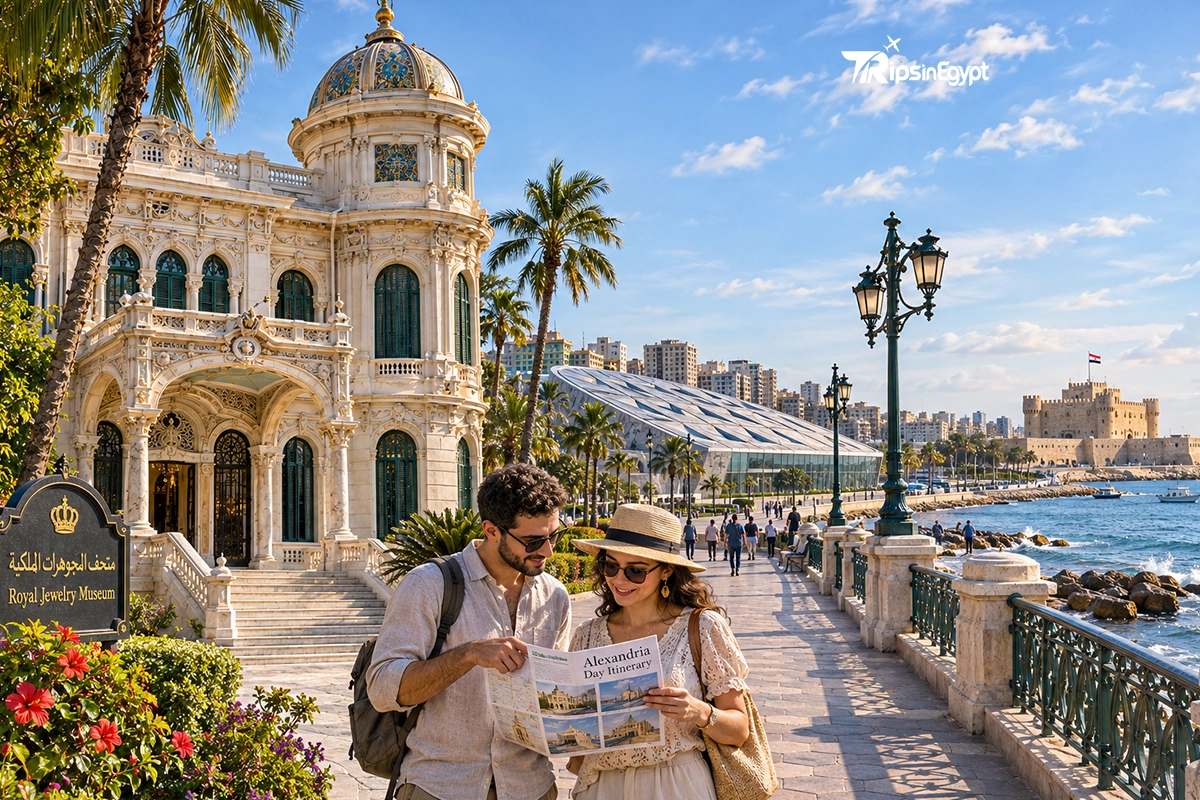
The Royal Jewelry Museum fits easily into a full day in the city. Because it lies in the east, a good plan is to start here in the morning and work west along the seafront.
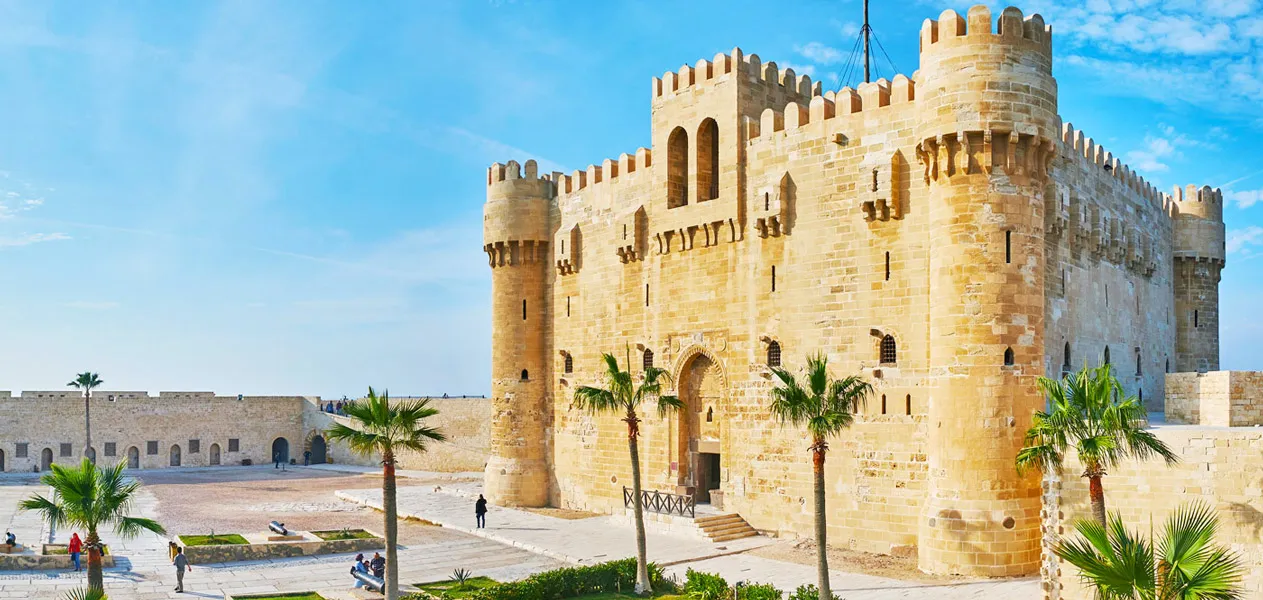
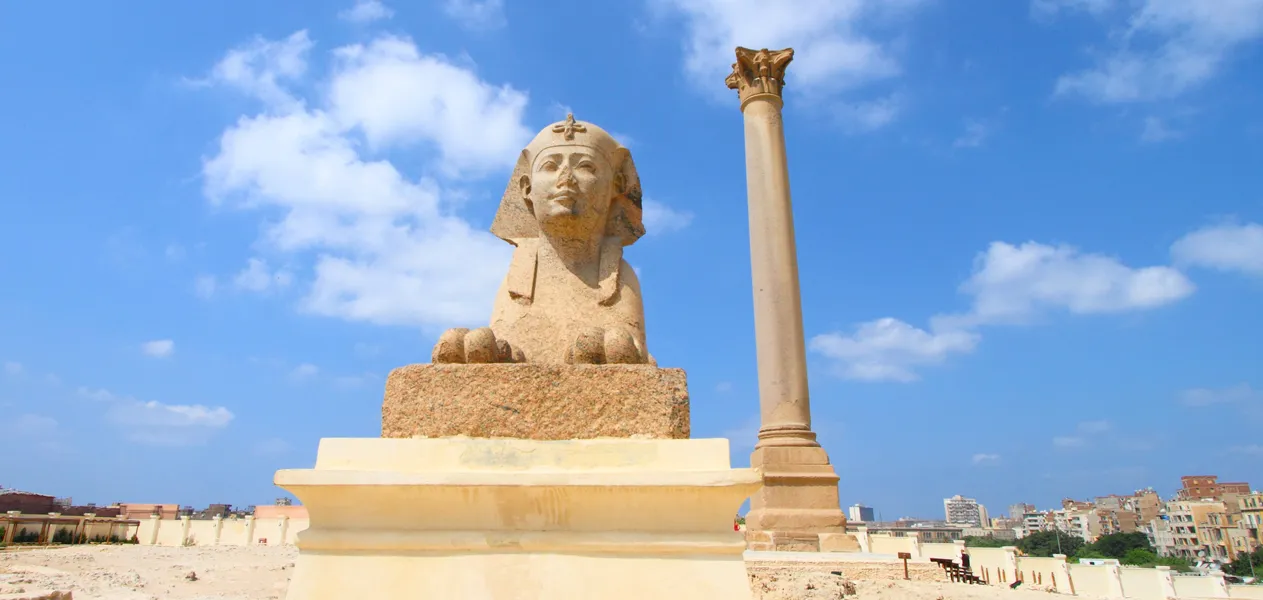
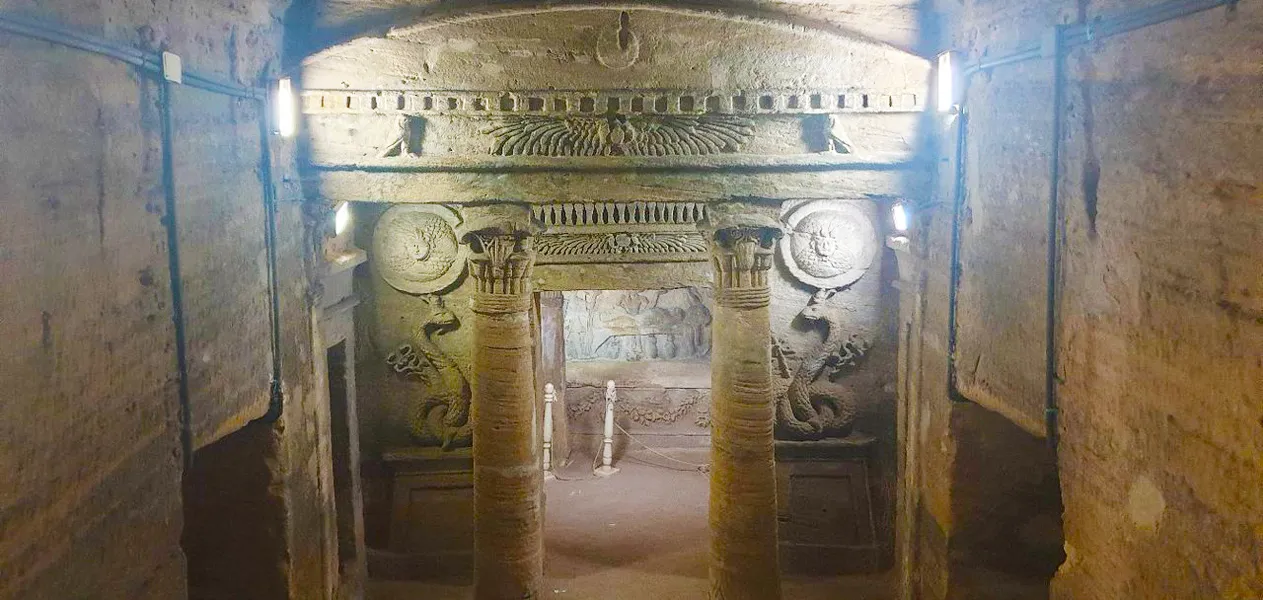
A classic one-day route. After the museum, drive west along the Corniche to the Bibliotheca Alexandrina, then continue to the Citadel of Qaitbay for lunch with sea views. In the afternoon, visit Pompey's Pillar and the Catacombs of Kom el-Shoqafa, which reveal the city's Roman past.
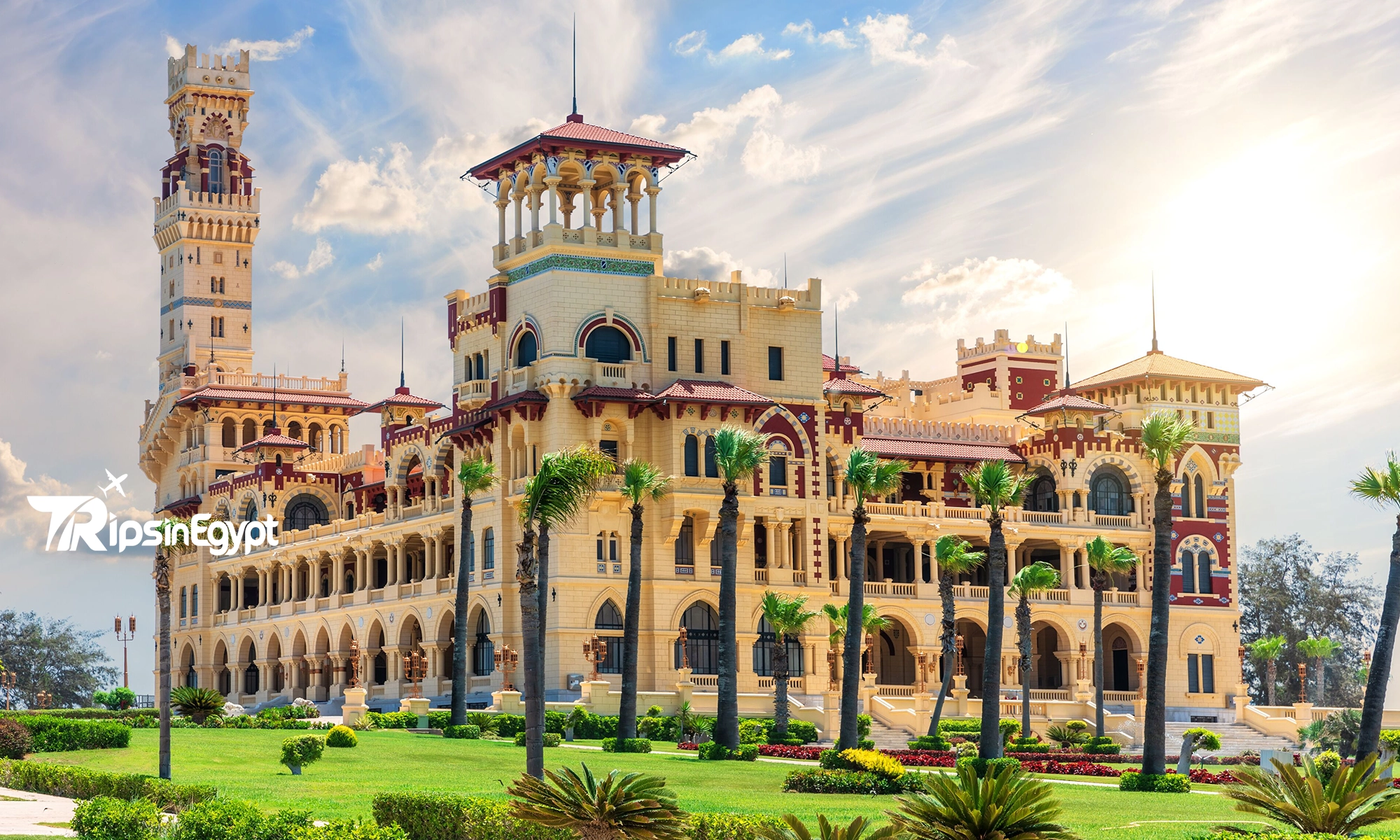
A royal-themed day. Pair the museum with the gardens of Montaza Palace, the summer residence of the same royal family, about 10 km farther east along the coast.
For more ideas, see our list of Alexandria tourist attractions, our guide to the best things to do in Alexandria, and our complete Alexandria travel guide. Other collections worth seeing are listed in our guide to the museums of Egypt.
Visit Egypt's Royal Treasures With Trips In Egypt
Behind the quiet walls of Zizinia, the golden age of Egypt's royal family still sparkles in every crown and jewel. We can take you there with an expert guide on our Alexandria and Royal Jewelry Museum tour from Cairo, or on a shore trip such as our tour of Alexandria's sights from Alexandria Port. Spend longer with our 4 days Cairo and Alexandria holiday, which also takes in the capital, scan our Egypt tour packages, or design your own trip with our tailor-made tours.

5 Days Cairo And Hurghada Trip
Amazing 4 Nights Cairo and Hurghada Trip Itinerary 5 Days Cairo and Hurghada trip wil...
- Duration 5 Days / 4 Nights
- Location Cairo & Hurghada
- Type Historical & Recreational Tour
From$690/per person
View Tour
6 Days Cairo, Alexandria & Faiyum Tour
Unforgettable Cairo, Alexandria & Faiyum Adventure in Six Days 6 Days Cairo, Alex...
- Duration 6 Days / 5 Nights
- Location Cairo - Alexandria - Fayum
- Type Historical Tour
From$720/per person
View Tour
10 Days Cairo, Faiyum & Nile Cruise Holiday
Breathtaking 10 Days Journey of A Lifetime in Egypt 10 Days Cairo, Faiyum & Nile...
- Duration 10 Days / 9 Nights
- Location Cairo, Luxor, Aswan & Faiyum
- Type Classic Tour
From$1350/per person
View Tour SOLD OUT
Ultimate 7-Day Egypt Solar Eclipse Experience with Hurghada 2027
Enjoy a 7-Day Egypt Solar Eclipse Tour with Hurghada 2027 6 Nights Egypt Solar Ecli...
- Duration 7 Days / 6 Nights
- Location Cairo / Giza / Luxor / Hurghada
- Type Astronomical Tour
Sold Out
View Details