



Cairo's Easter Delight: A 4-Day Tour
Enjoy an unforgettable adventure during the Easter season with our meticulous itinerary that was designed by Trips In Egypt team to spend four delightful days in city of Cairo. Discover the captivating allure of this vibrant city as you immerse yourself in its rich history, awe-inspiring landmarks, and vibrant cultural traditions. Our professional tour guides will be your companions, unveiling the secrets of ancient wonders such as the Giza Pyramids, the enigmatic Sphinx, and the magnificent Egyptian Museum. After finishing your exploration, retreat to exceptional accommodations that seamlessly blend comfort and elegance, offering a serene haven amidst the bustling city. Join Trips In Egypt on this remarkable journey, where every moment will be filled with wonder, cultural immersion, and cherished memories.
Tour Highlights
Inclusions and Exclusions
- 3 nights' accommodation at a 5-star hotel in Cairo.
- Dinner Cruise.
- The assistance of our personnel during your stay and excursions.
- All transfers are by modern air-conditioned vehicles.
- The service of meet and assist at all your destinations.
- Expert Egyptologist guide.
- All your visits include entrance fees.
- All taxes and services.
- International airfare.
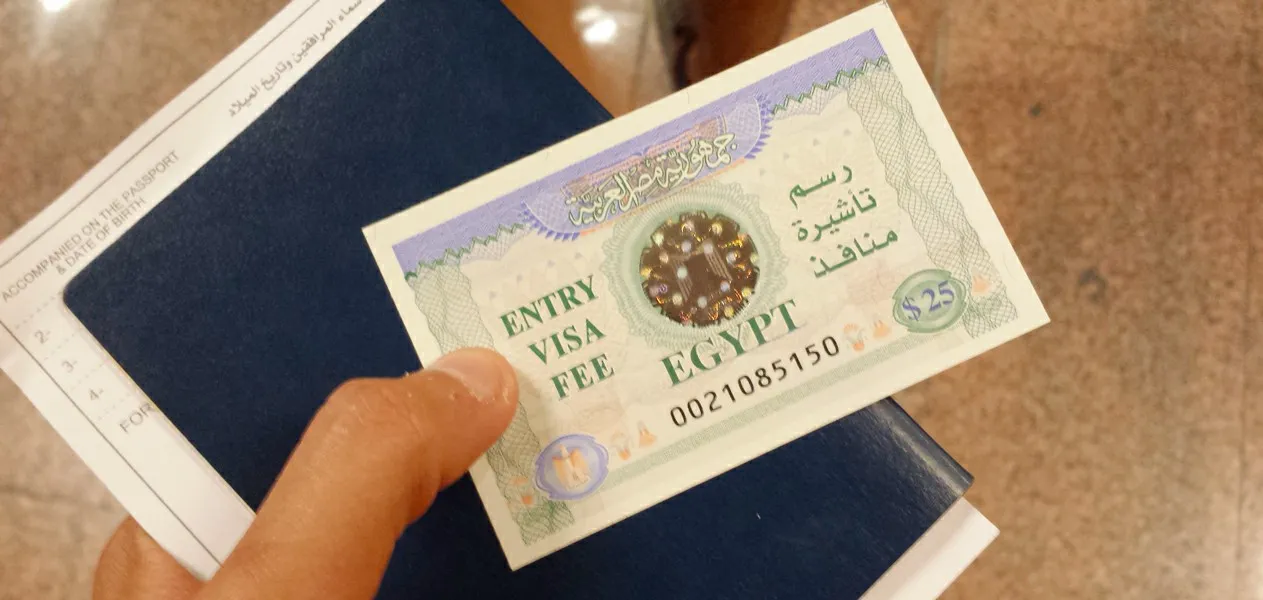
- Egypt entry visa.
- Any extras not mentioned in the itinerary.
- Tipping.
Tour Itinerary
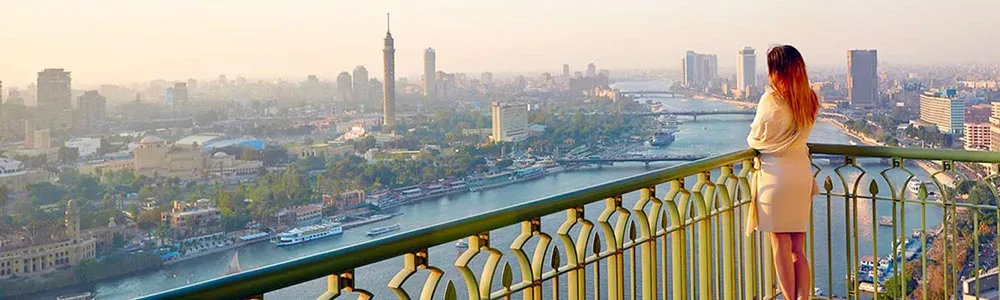
Upon your arrival at Cairo International Airport, our representative will welcome you at the entrance and assist you with all the necessary formalities, then you will be transferred to your 5-star hotel to check in and relax.
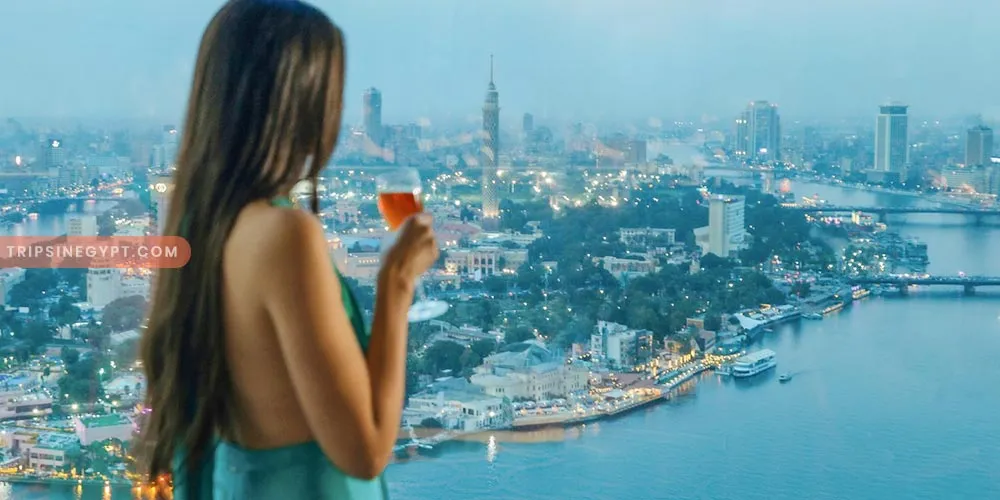
Dinner Cruise
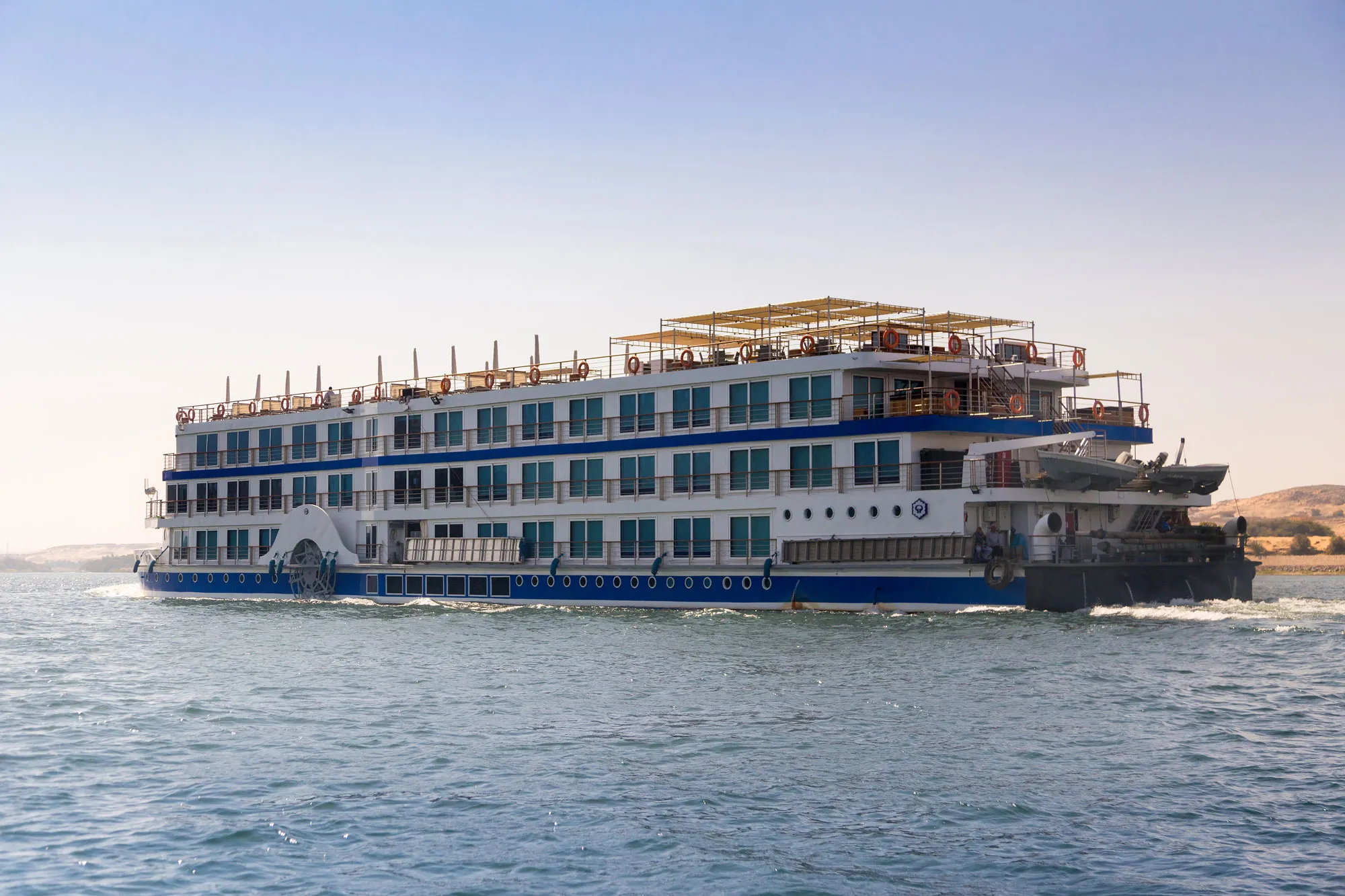
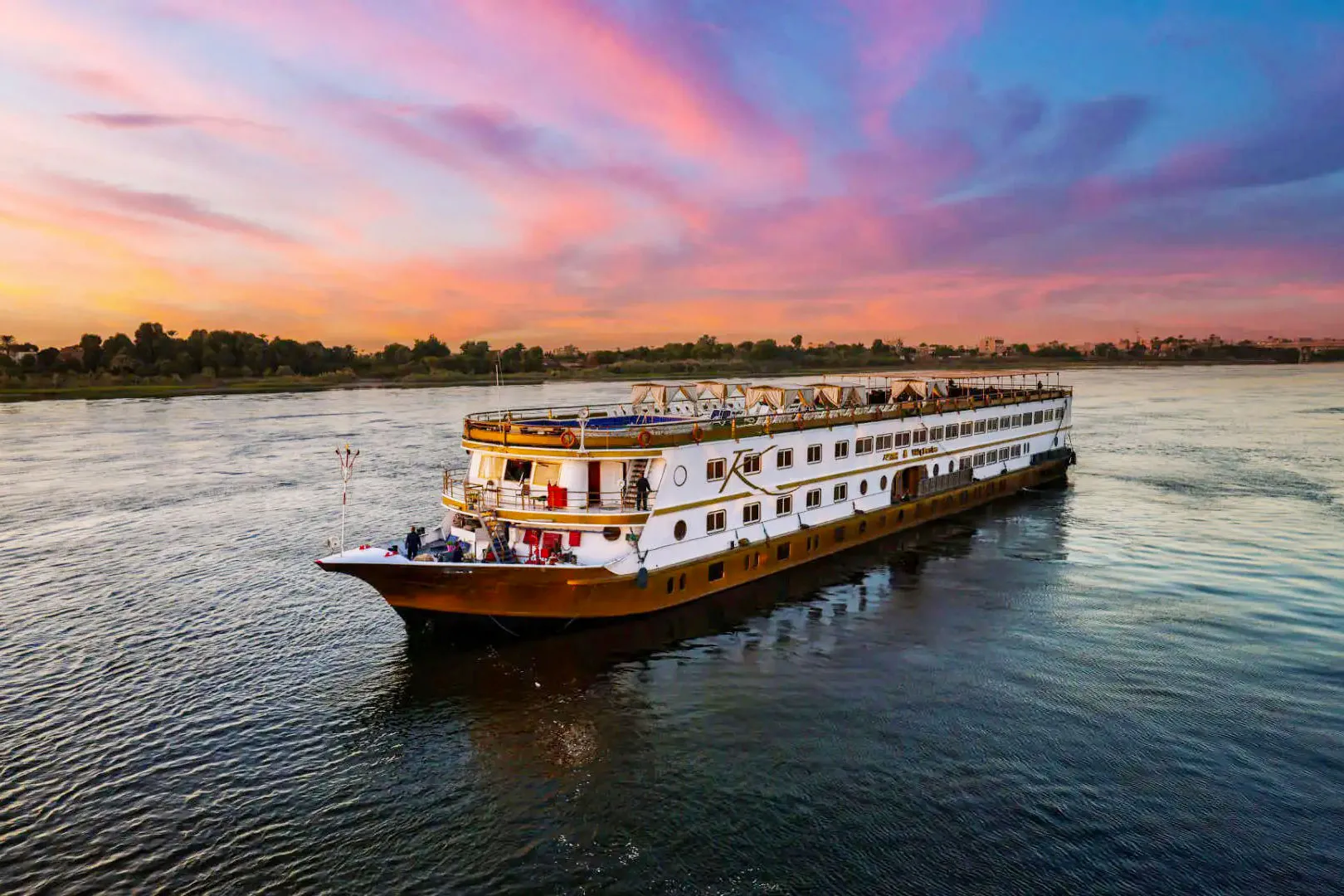
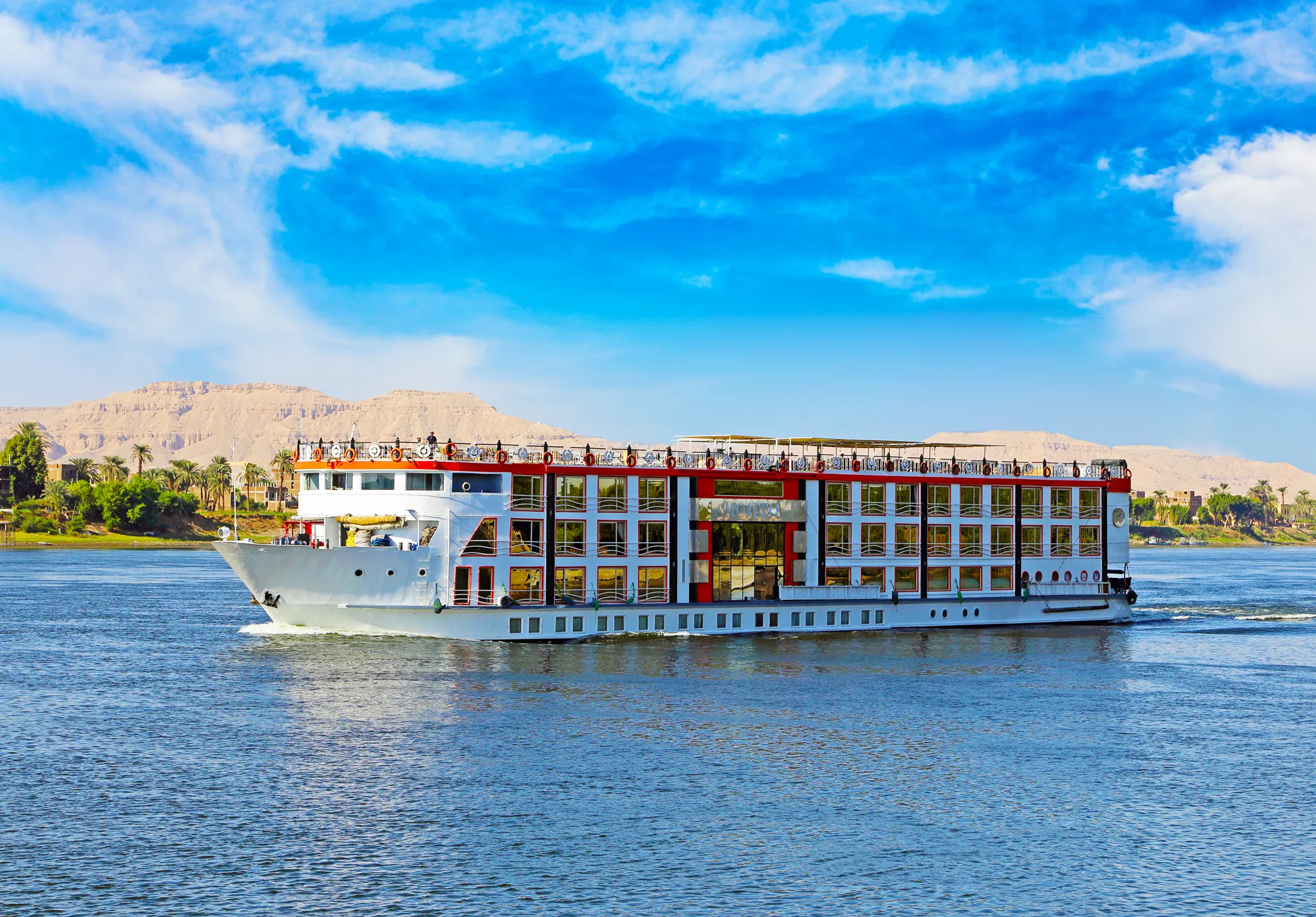
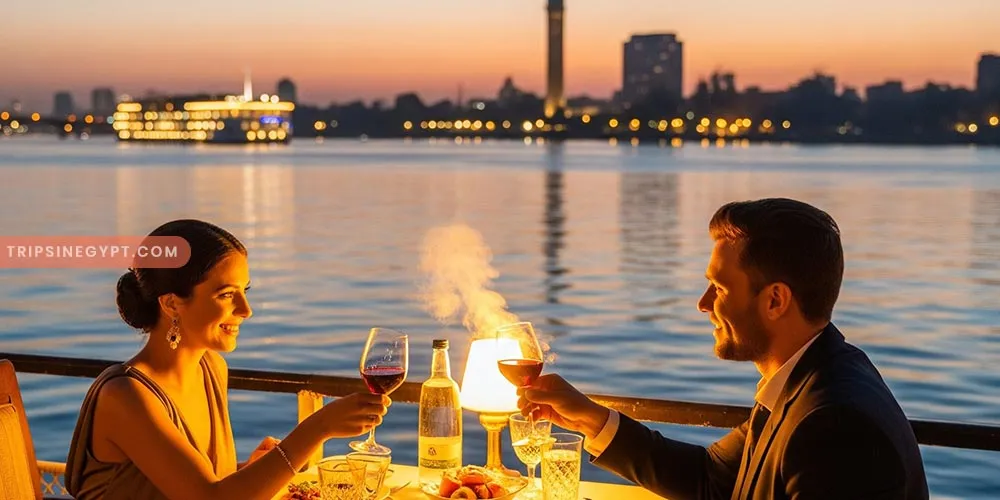
In the evening, get ready to enjoy a journey where delectable cuisine, breathtaking views, and a gentle sea breeze combine to create an unforgettable dining experience on a delightful dinner cruise in Cairo.
Overnight
After the dinner cruise, you will be transferred back to your hotel for an overnight stay.
- Meals: Dinner
- Overnight: Cairo Hotel
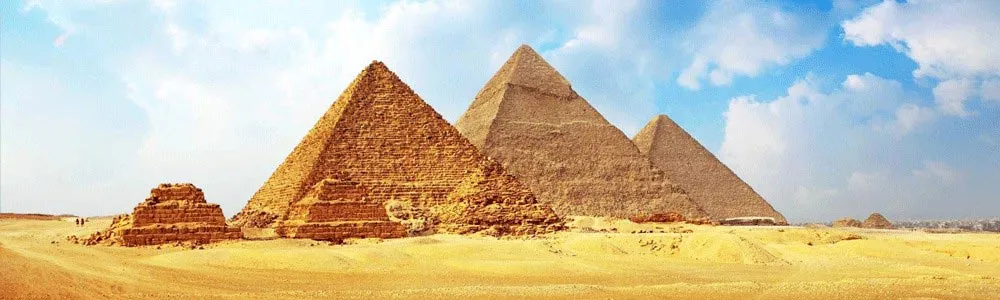
After having your breakfast at your hotel, join your tour guide to visit one of the seven wonders of the World as Easter in Egypt brings delightful weather with clear blue skies, gentle breezes, and warm temperatures, creating the perfect atmosphere for joyous celebrations. Start your second day in Egypt by visiting:
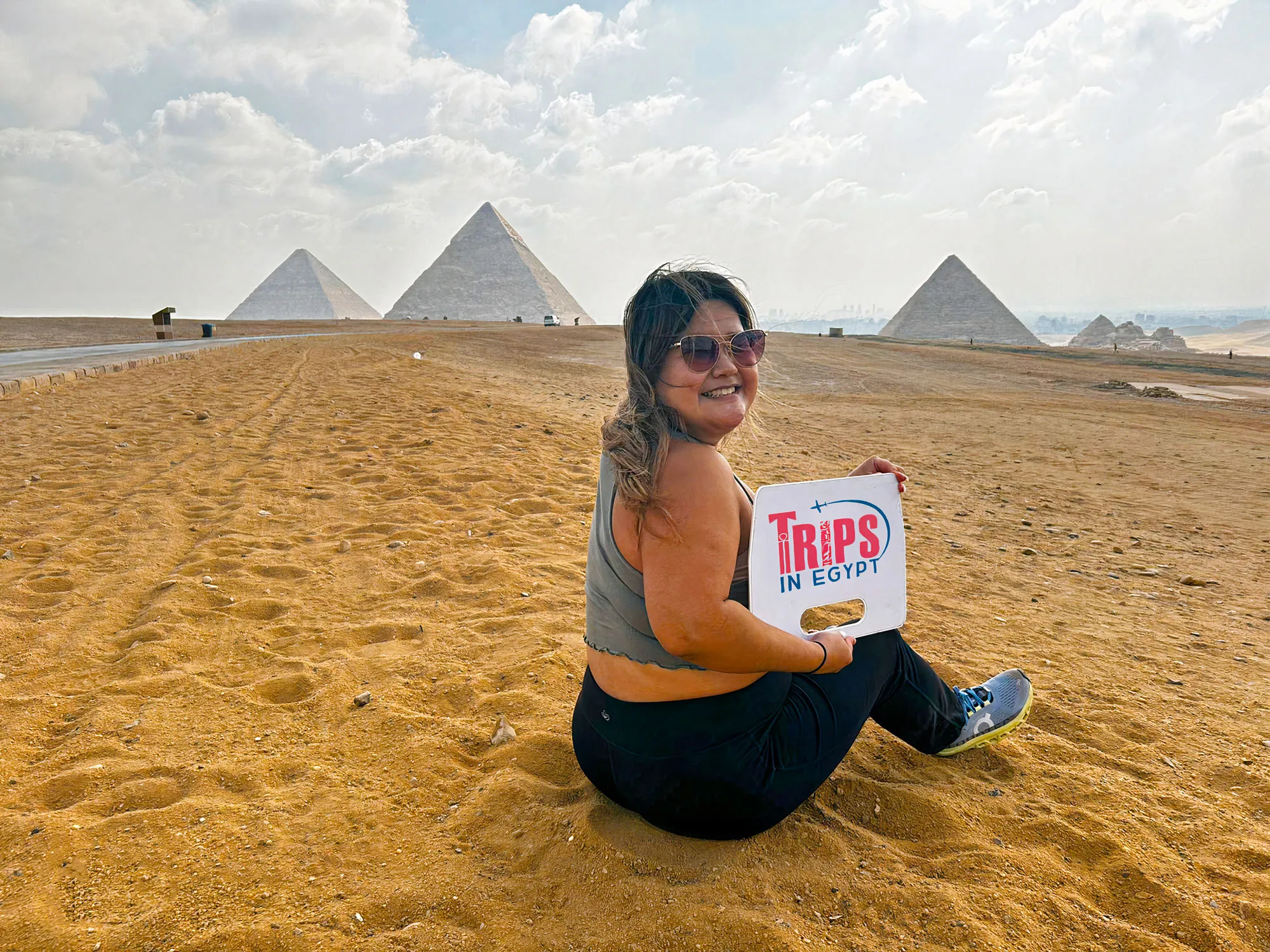
The Giza Pyramids Complex
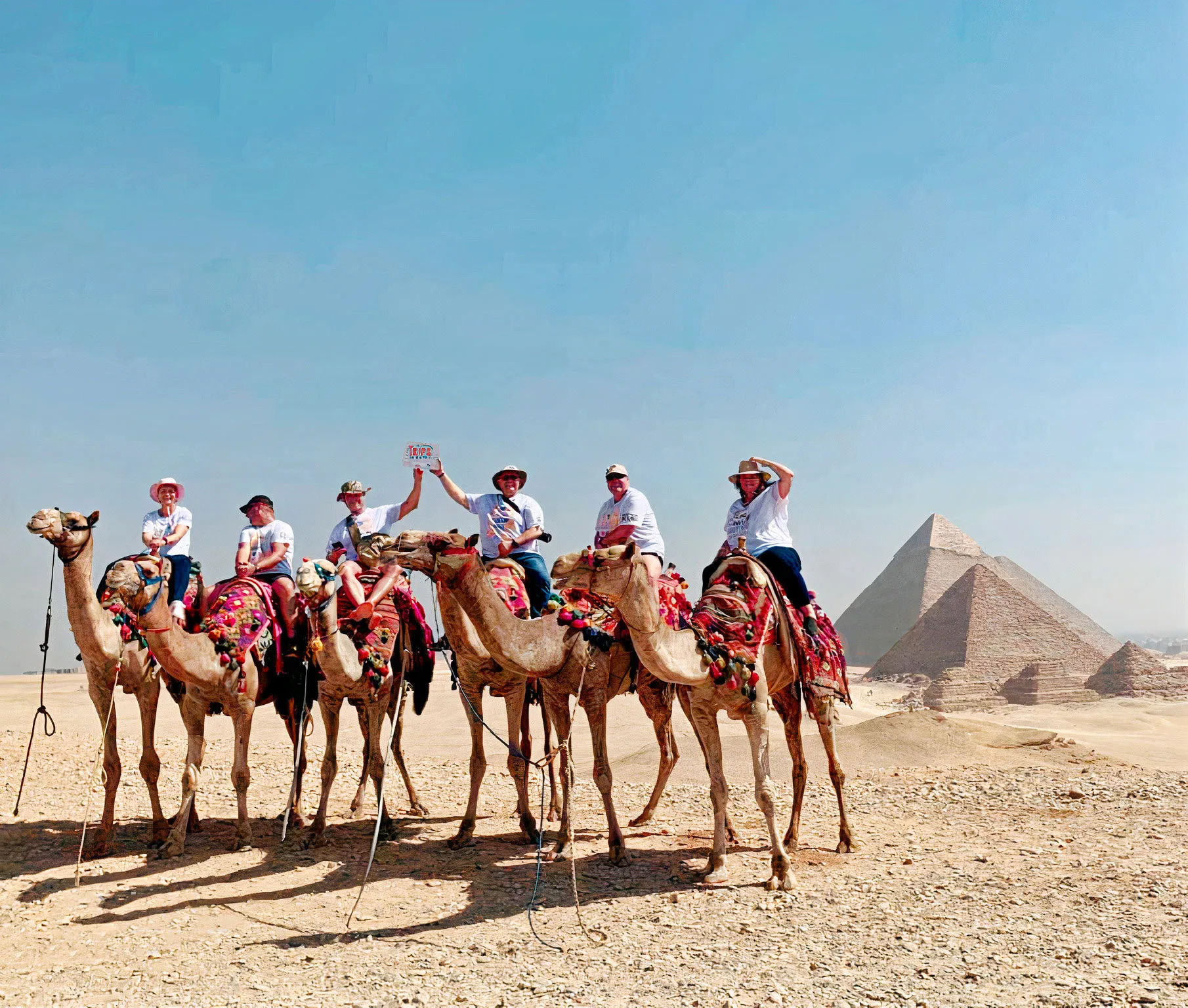
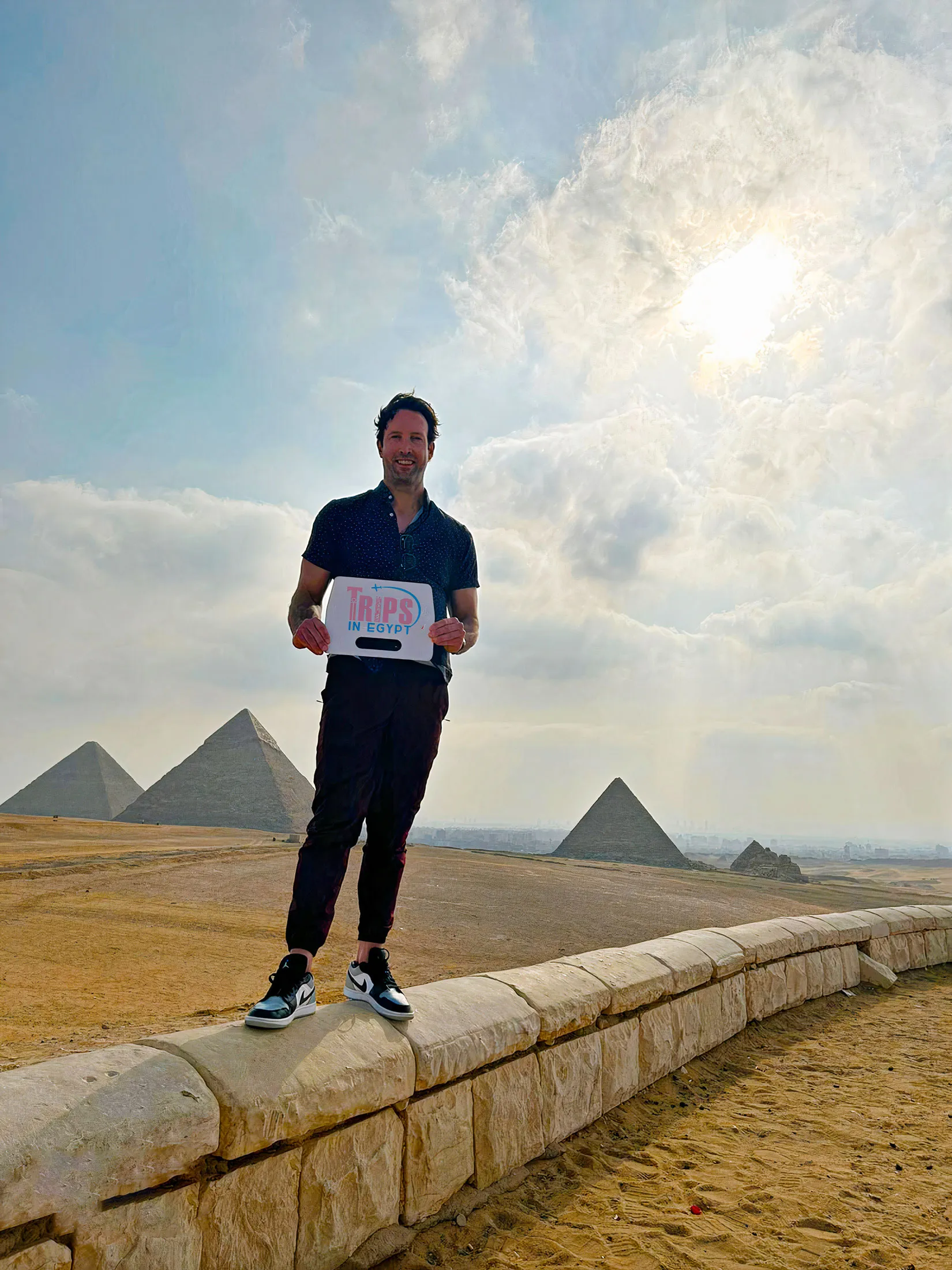
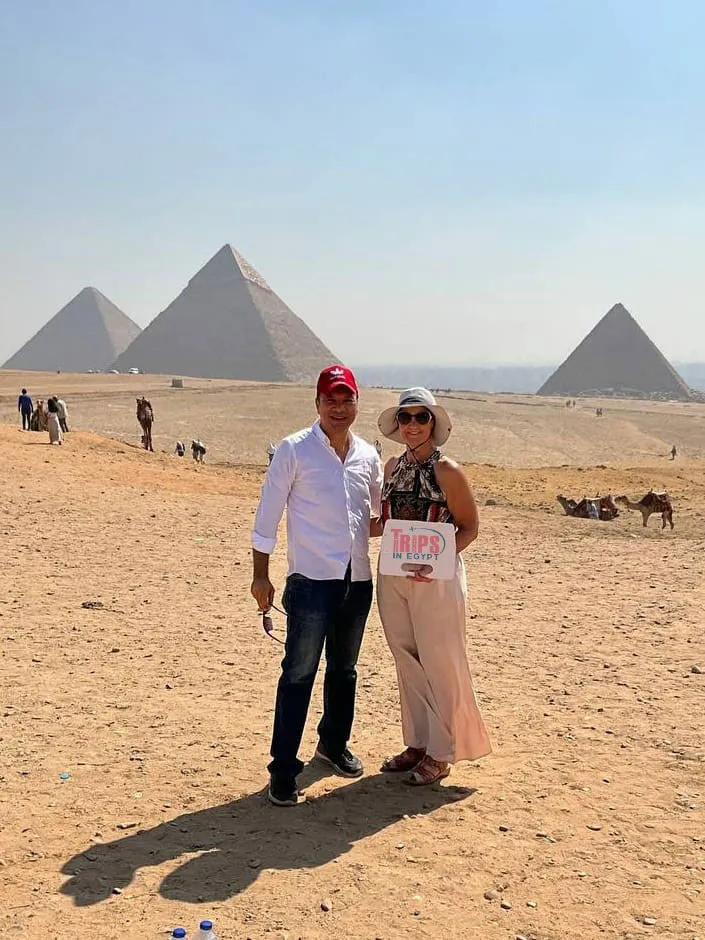
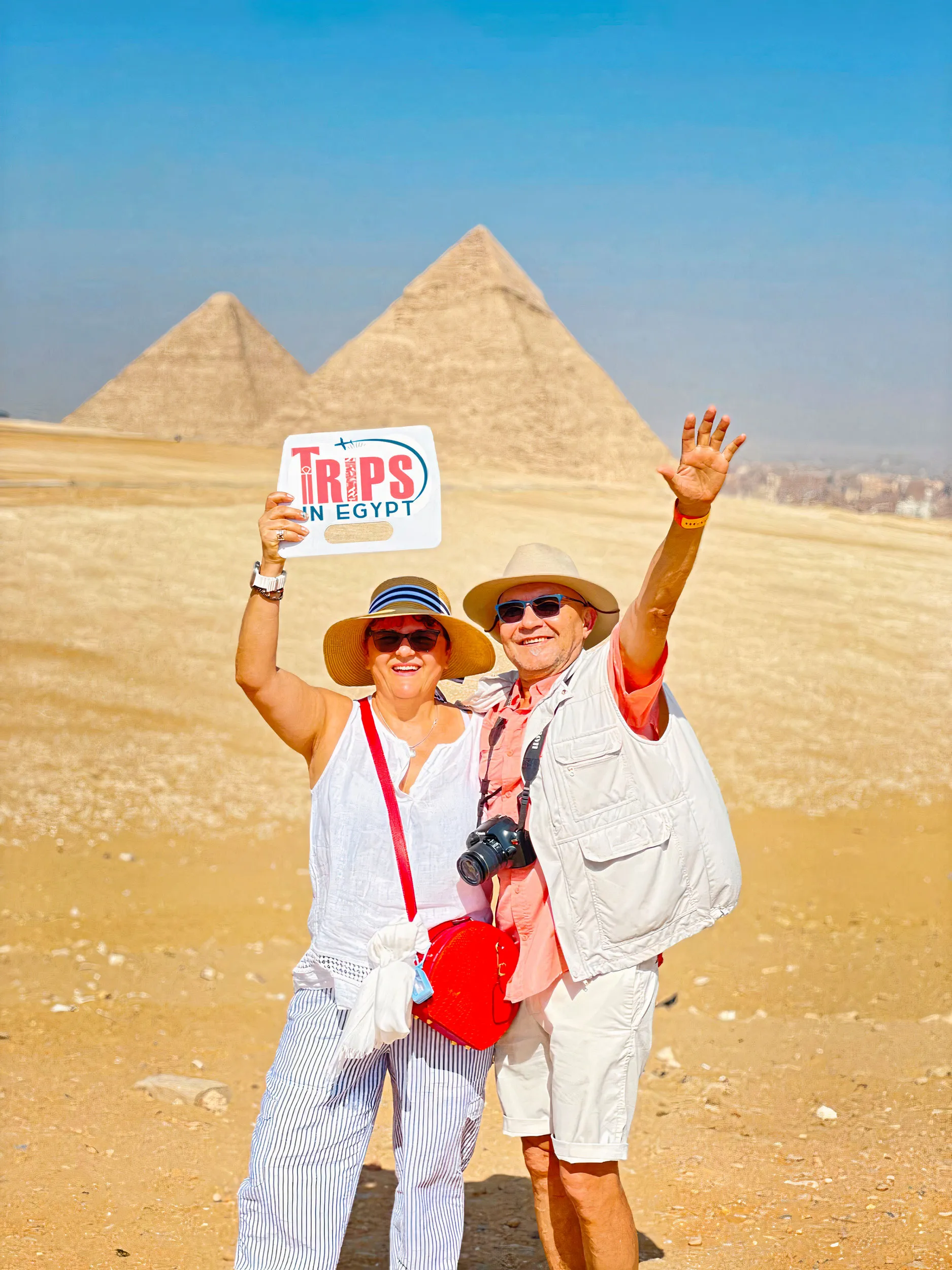
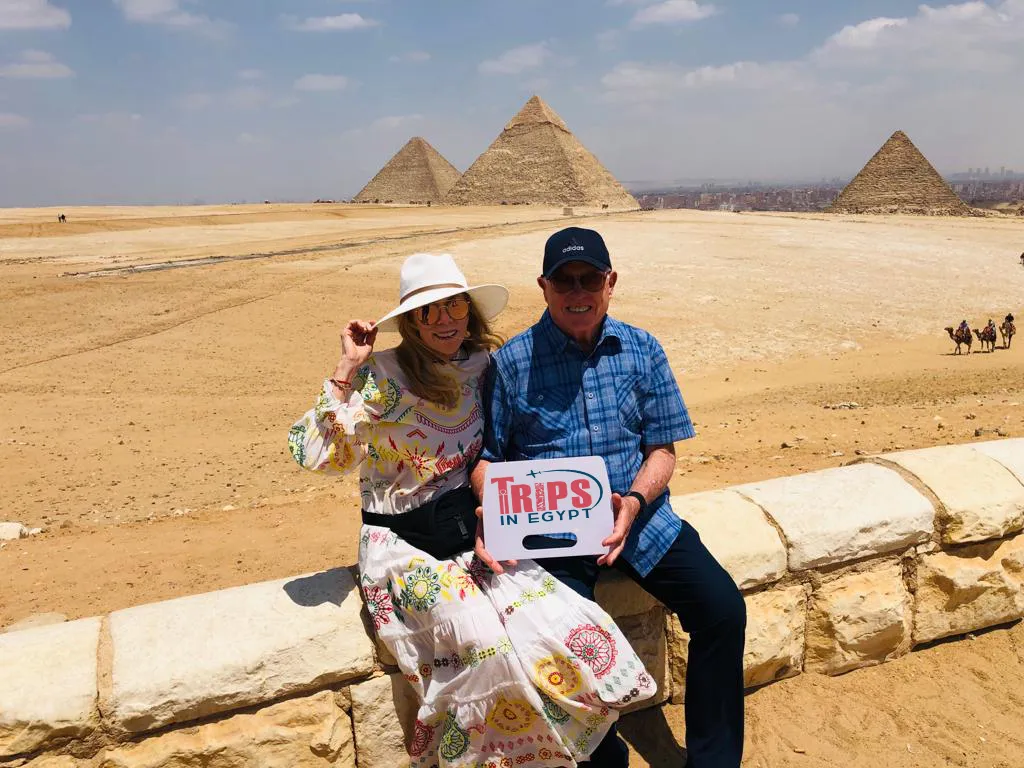
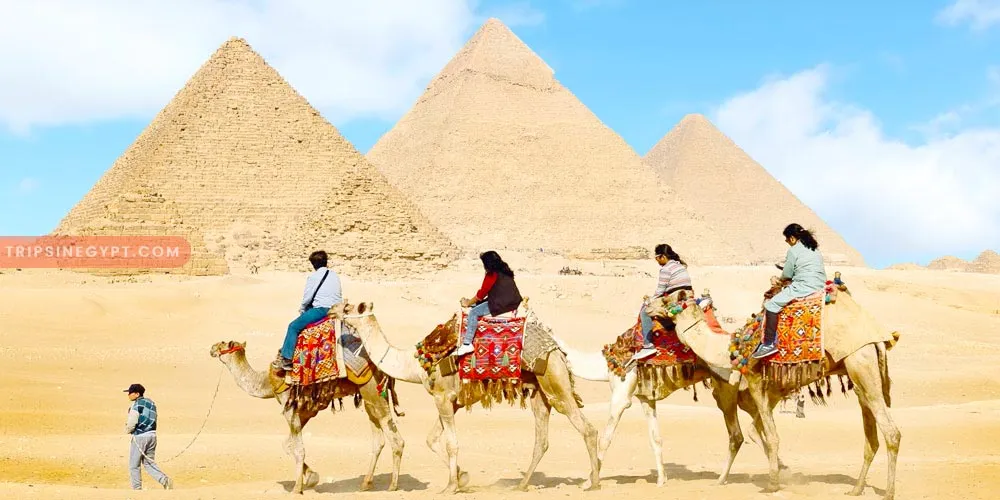
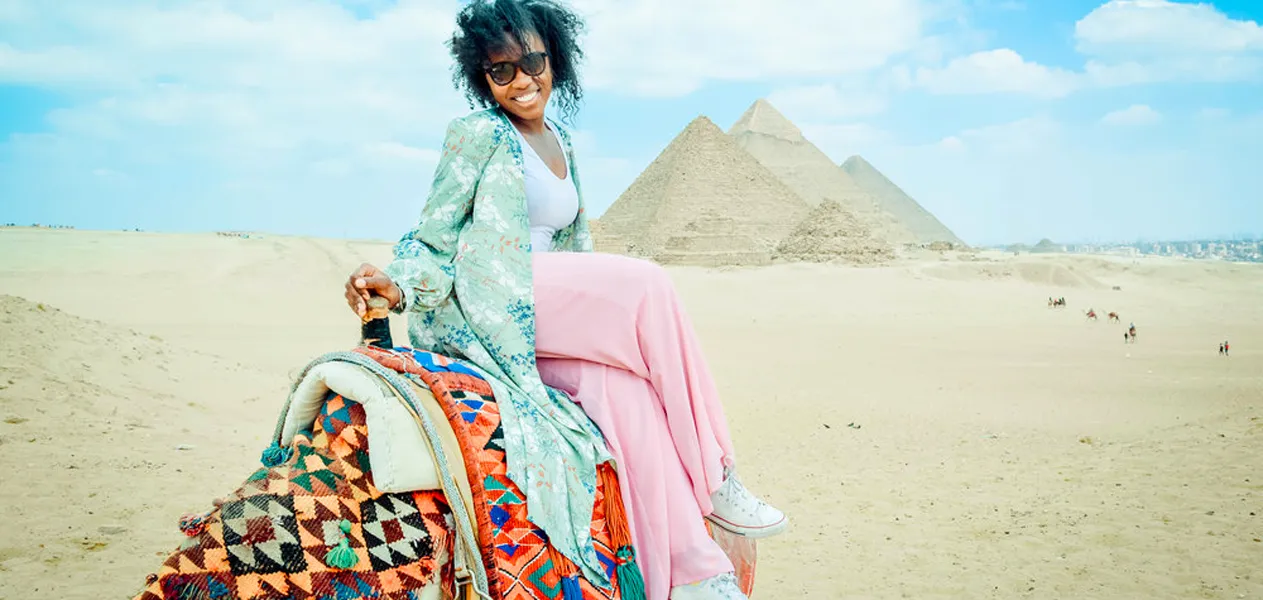
The Giza Pyramid Complex comprises three iconic pyramids, Khufu, Khafre, and Menkaure, as monumental tombs for ancient Egyptian pharaohs. These architectural marvels not only showcase the remarkable engineering skills of the ancient Egyptians but also hold immense historical and cultural significance, providing insights into the civilization's beliefs, rituals, and artistry.
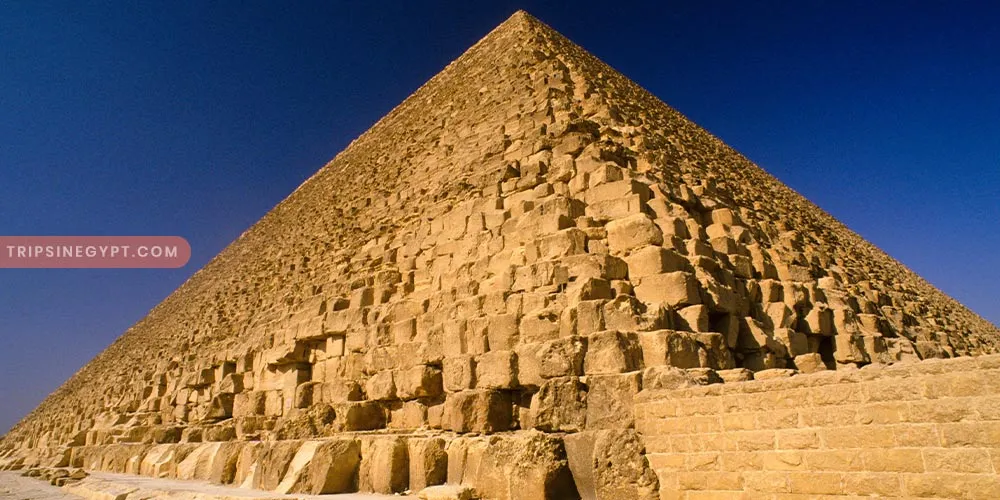
The Great Pyramid
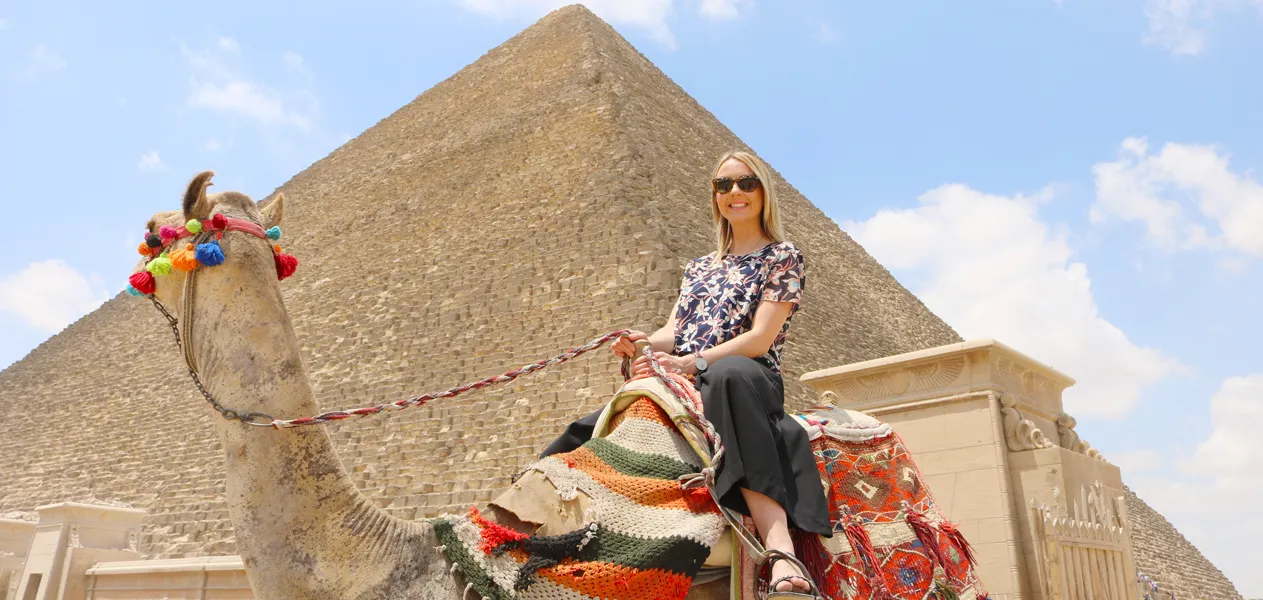
The ancient Egyptians built the Great Pyramid of Giza in 2570 BC to demonstrate their amazing abilities in architecture and engineering. The Pyramid's huge scale and accurate design show how powerful the pharaoh was and how much they valued the afterlife in their culture, making it a famous representation of ancient Egyptian civilization.
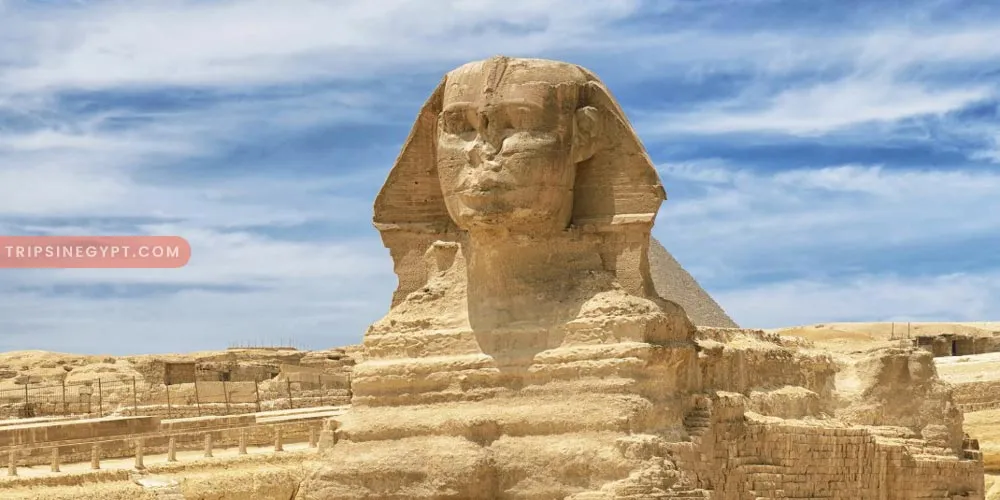
The Great Sphinx
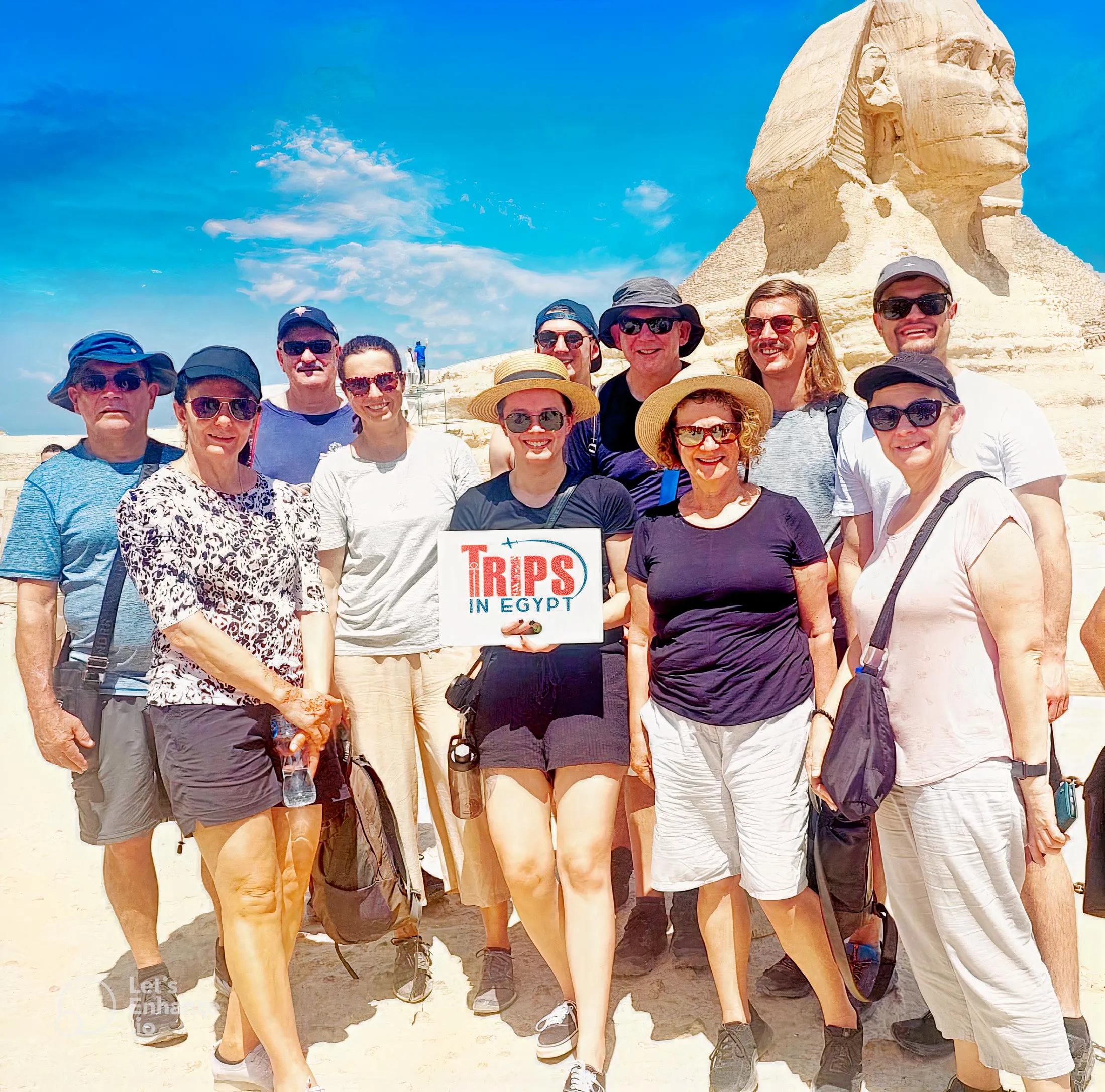
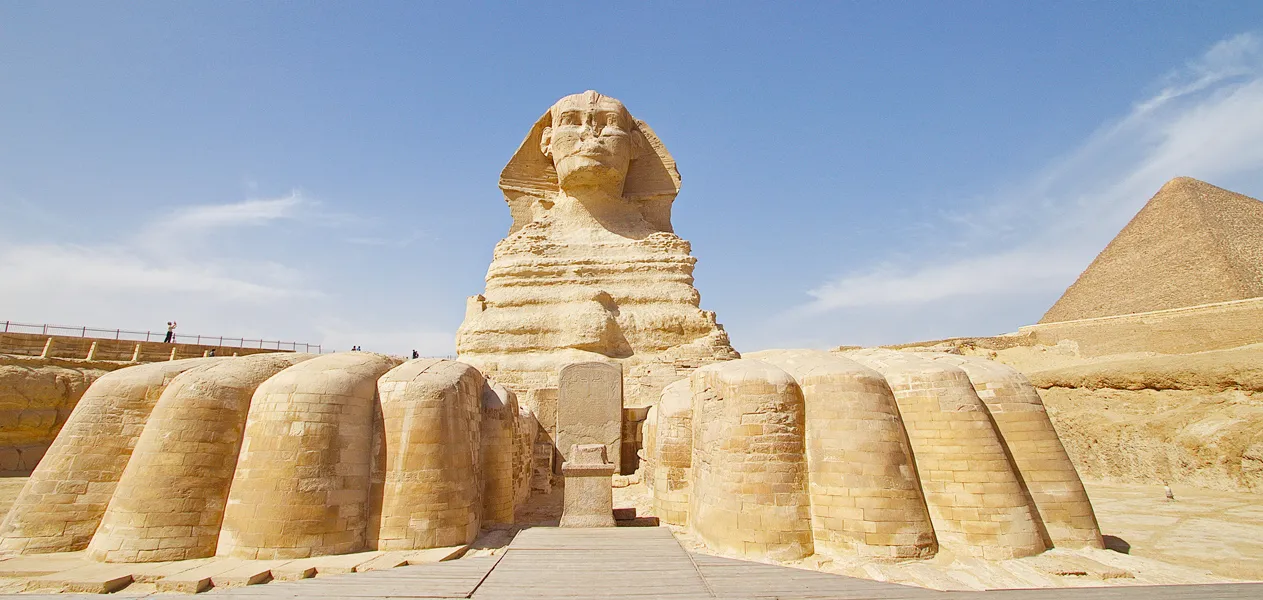
The Great Sphinx of Giza is a monumental statue that was built during the reign of Pharaoh Khafre around 2500 BC. This massive structure represents a mythical creature with the body of a lion and the head of a human, possibly symbolizing royal power. The Great Sphinx has captivated visitors with its mysterious allure for thousands of years.
The Valley Temple
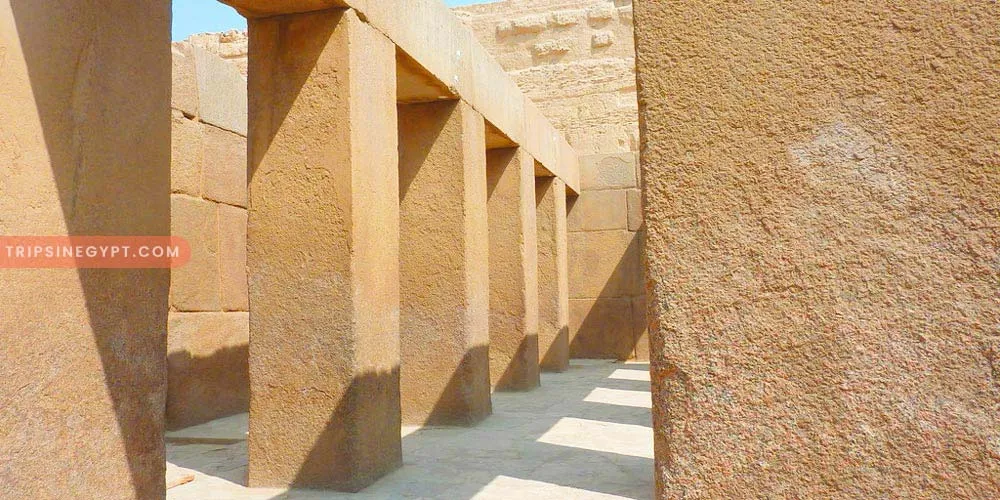
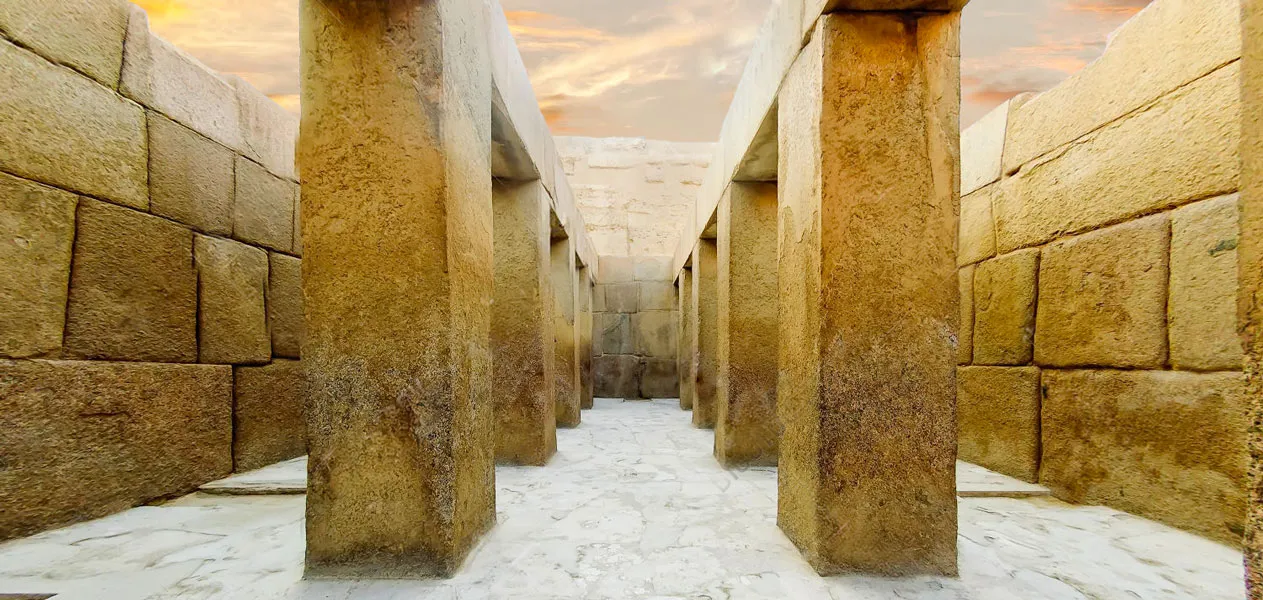
The Valley Temple is an ancient structure situated next to the Great Sphinx in the Giza Pyramids Complex. The Valley was constructed during the Old Kingdom period, specifically around 2500 BC during the region of King Khafre. The primary purpose of the Valley Temple was to serve as a mortuary temple and a place of ritual purification for the pharaohs of the Fourth Dynasty, including Pharaoh Khafre.
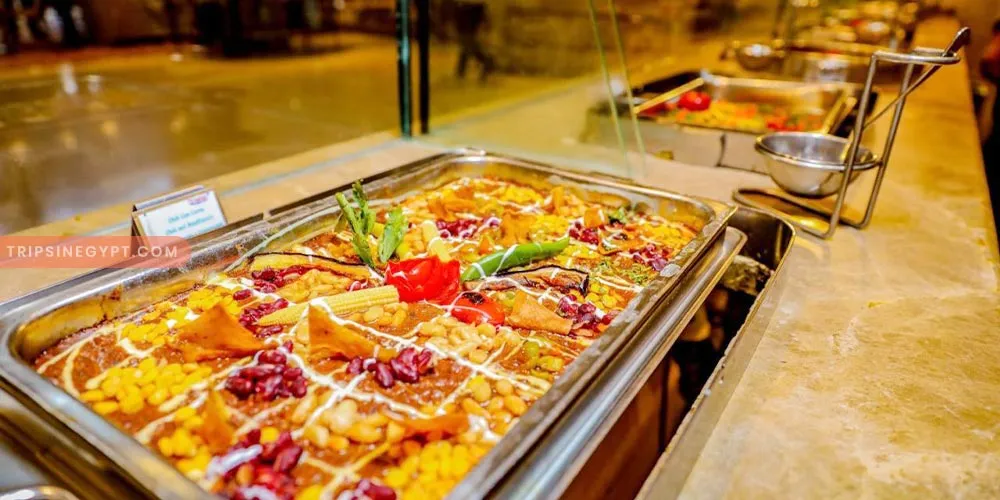
Lunch Meal
Lunch will be served at a restaurant with views of the Pyramids or the Nile before continuing the visit:
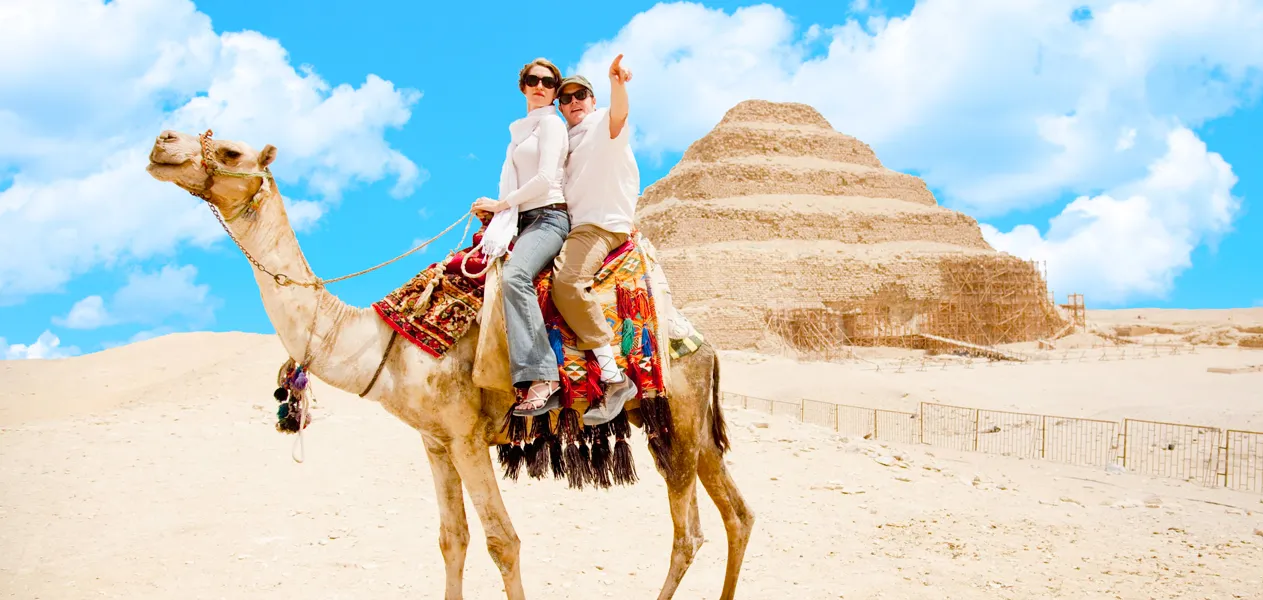
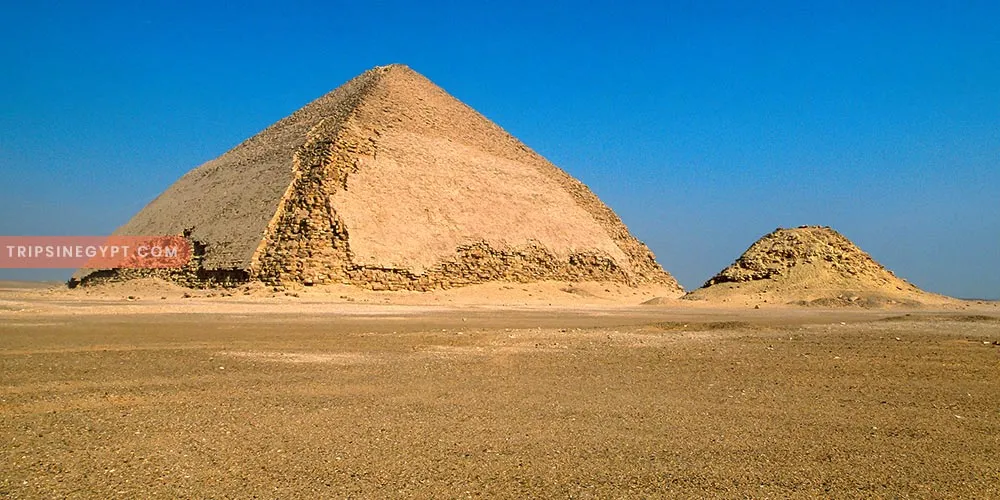
The Bent Pyramid
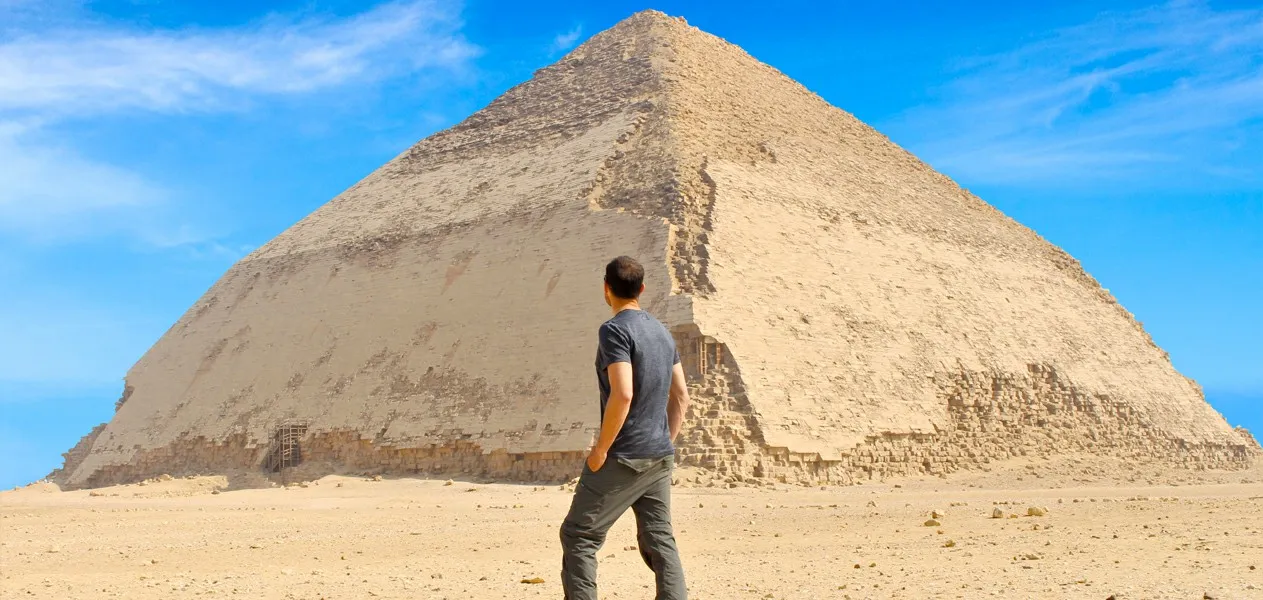
The Bent Pyramid was constructed during the Old Kingdom period of ancient Egypt around 2600 BC. The Pyramid has a unique architectural design, characterized by a change in inclination halfway through its construction, resulting in a distinct bent shape.
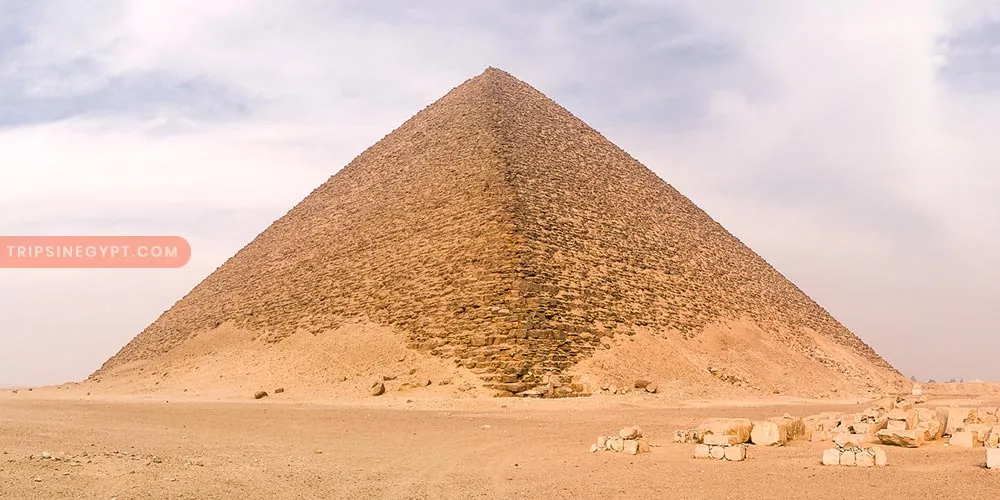
The Red Pyramid
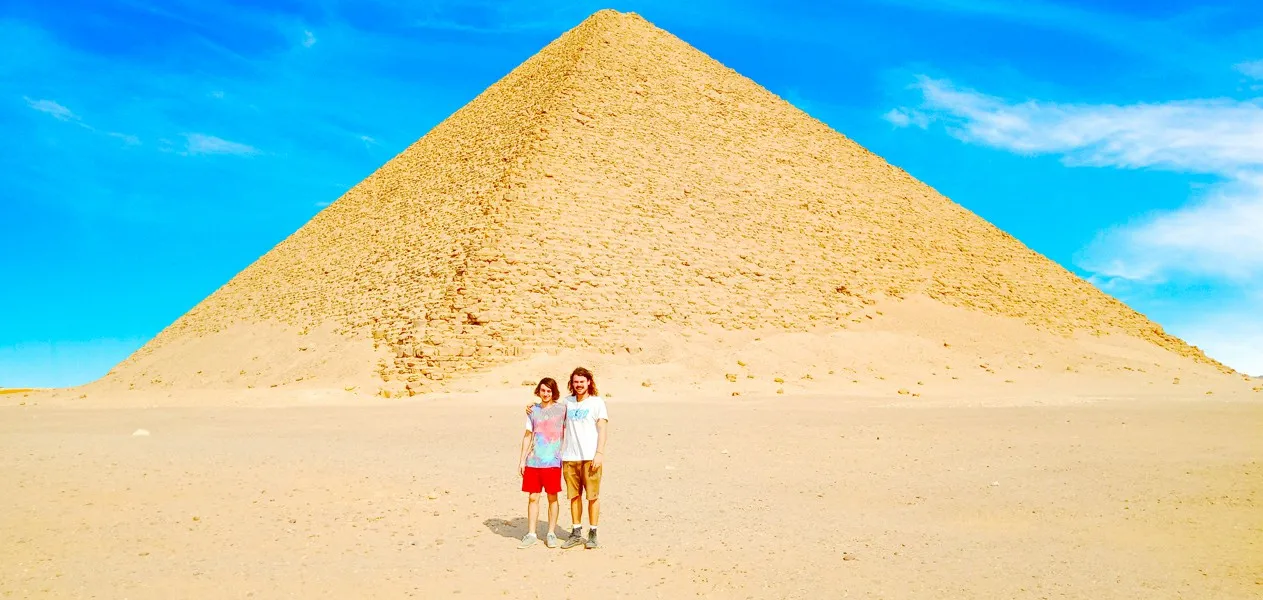
The Red Pyramid is the first true smooth-sided pyramid in Egypt, earning its name from the reddish hue of its limestone construction. The Red Pyramid stands as a significant milestone in pyramid development, showcasing advancements in architectural techniques that would later be perfected in the construction of the Great Pyramids of Giza.
Overnight
Then, you will be transferred to your hotel in Cairo for an overnight stay.
- Meals: Breakfast Lunch
- Overnight: Cairo Hotel
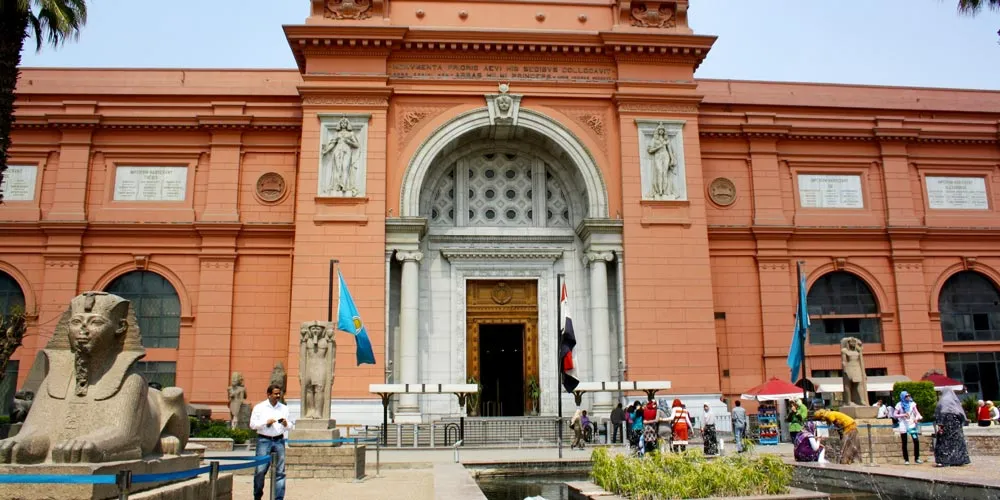
Easter in Egypt blesses travelers with idyllic weather, so get ready to visit Old Cairo’s tourist attractions after having your breakfast at your hotel. Join your tour guide to visit the following:
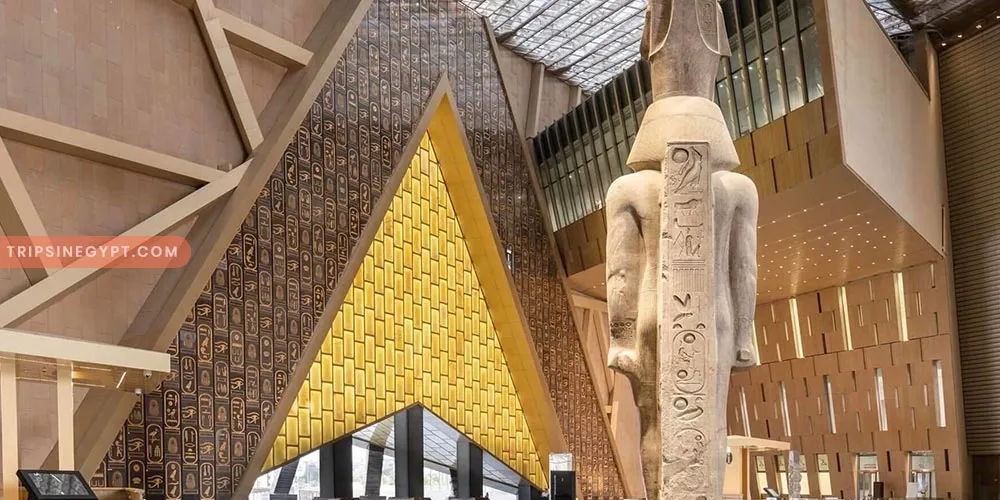
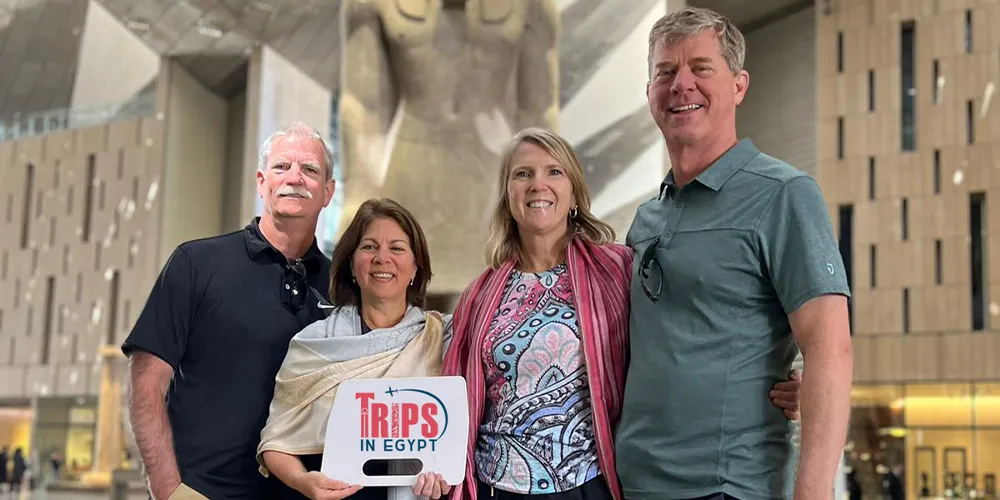
The Grand Egyptian Museum
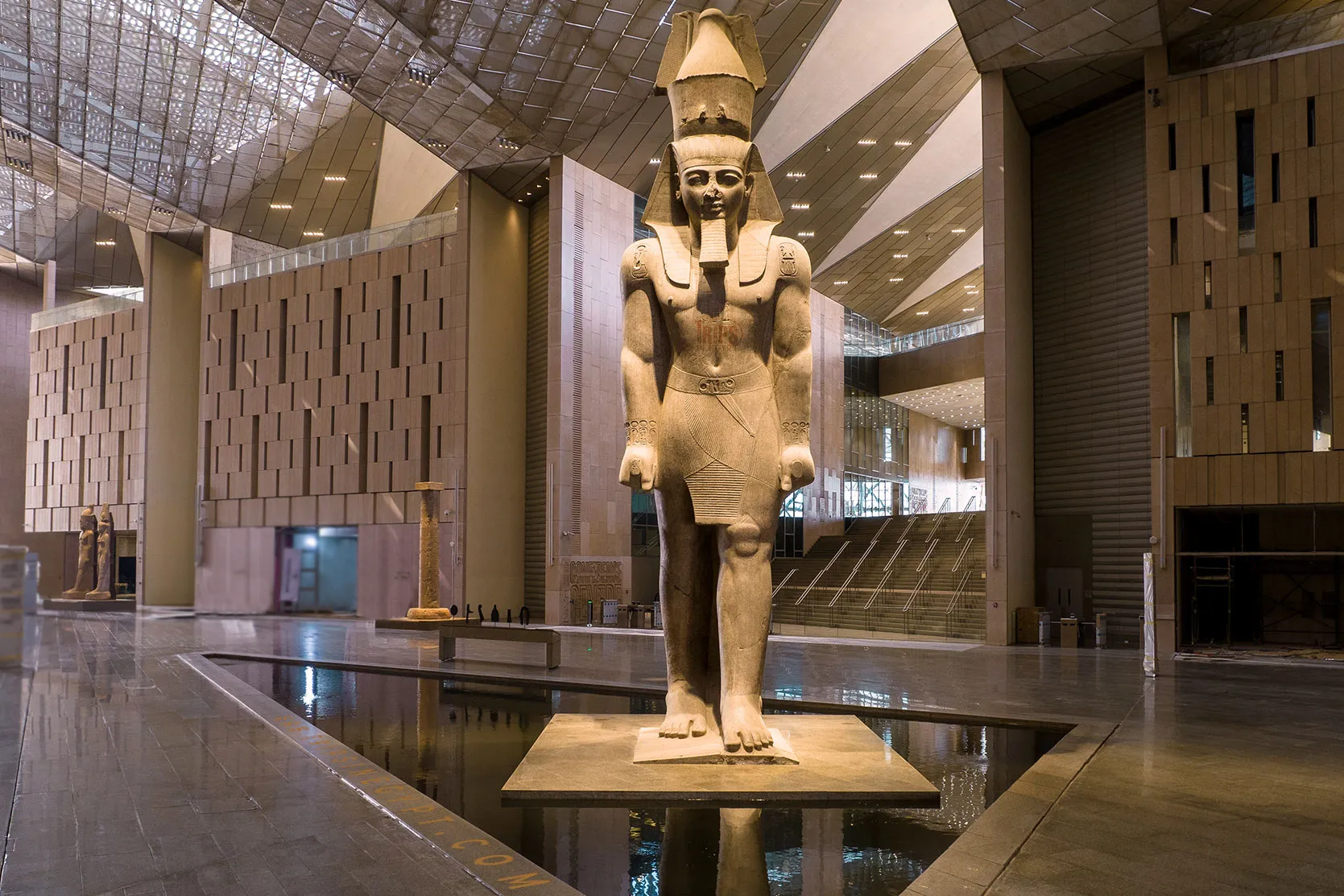
A visit to the Grand Egyptian Museum is a captivating adventure that showcases the ancient wonders of Egypt, such as Tutankhamun's treasures. The museum's modern design and interactive displays create a unique experience for history lovers and travelers from all over the world.
The Egyptian Museum
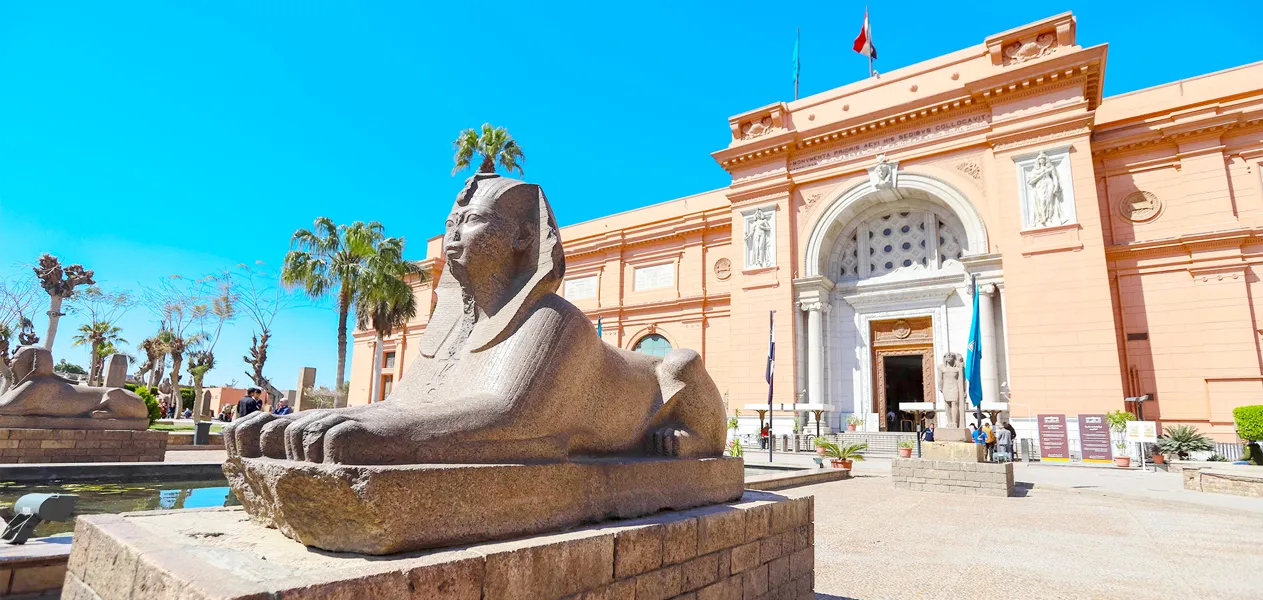
Visiting the Egyptian Museum during Easter is an extraordinary experience. As you step inside, you will be greeted by the awe-inspiring collection of ancient artifacts that showcase the remarkable history of Egypt. The festive atmosphere adds an extra layer of excitement, as locals and tourists alike come together to celebrate the holiday amidst the wonders of Egypt's ancient past.
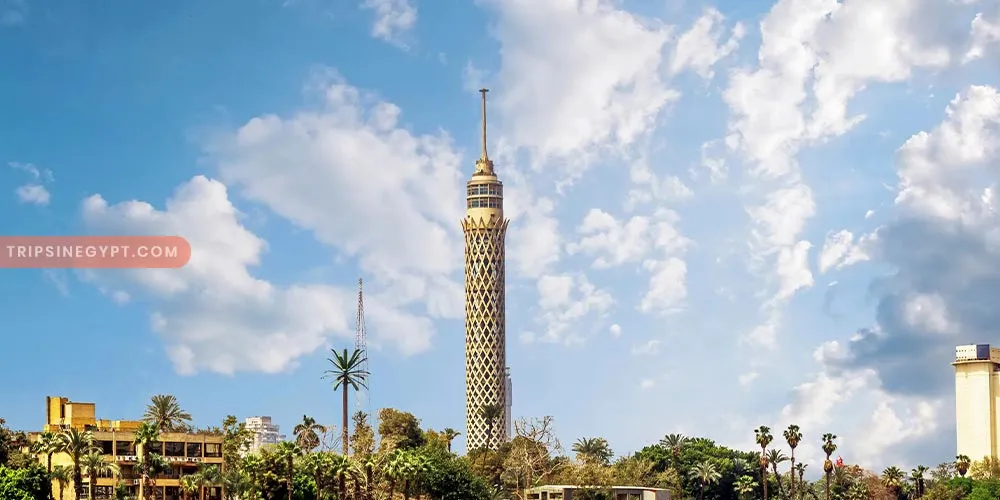
Cairo Tower
As you step into the Cairo Tower, you are immediately captivated by its elegant design and towering presence against the city skyline. The panoramic views from the observation deck offer a breathtaking sight, with the Nile River flowing gracefully below and the bustling streets of Cairo stretching out in all directions.
Lunch Meal
A lunch at Cairo Tower promises not only a gastronomic adventure but also an unforgettable rendezvous with the city's rich history and enchanting beauty.
Then move with your tour guide to visit:
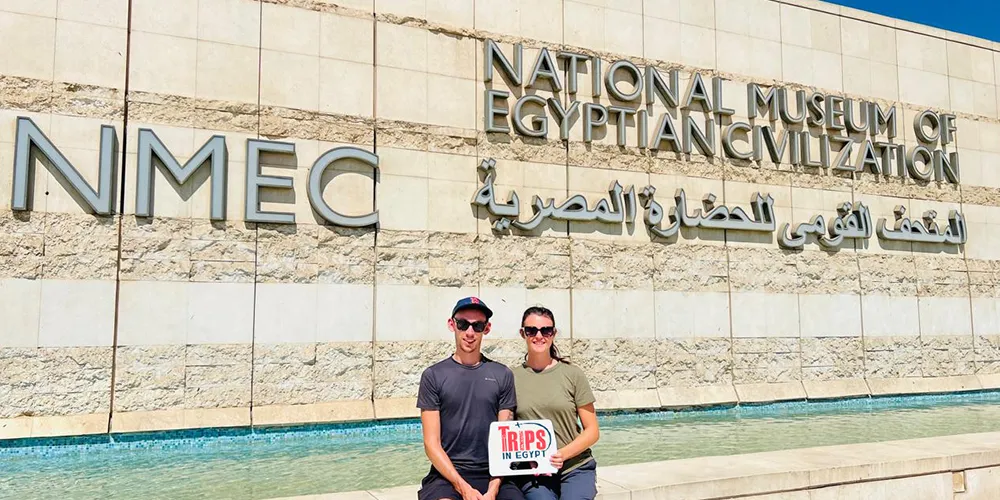
The National Museum of Egyptian Civilization
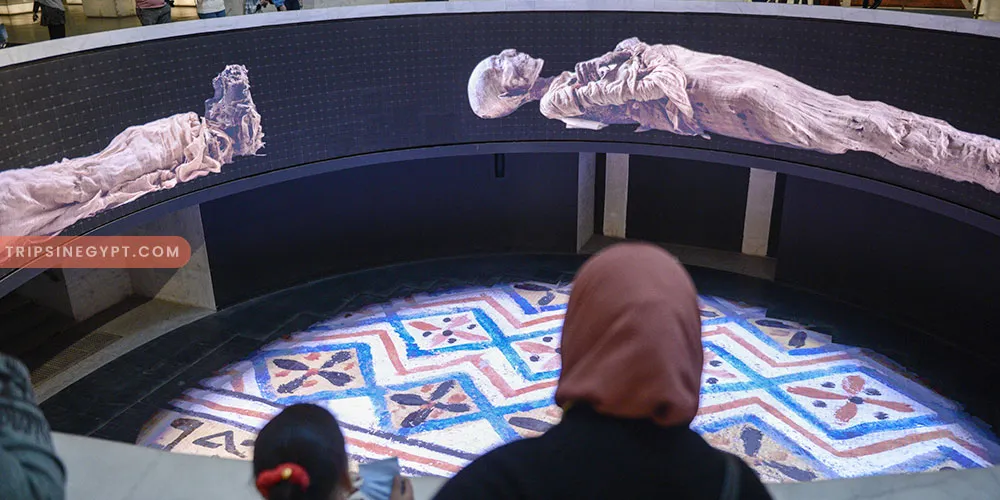
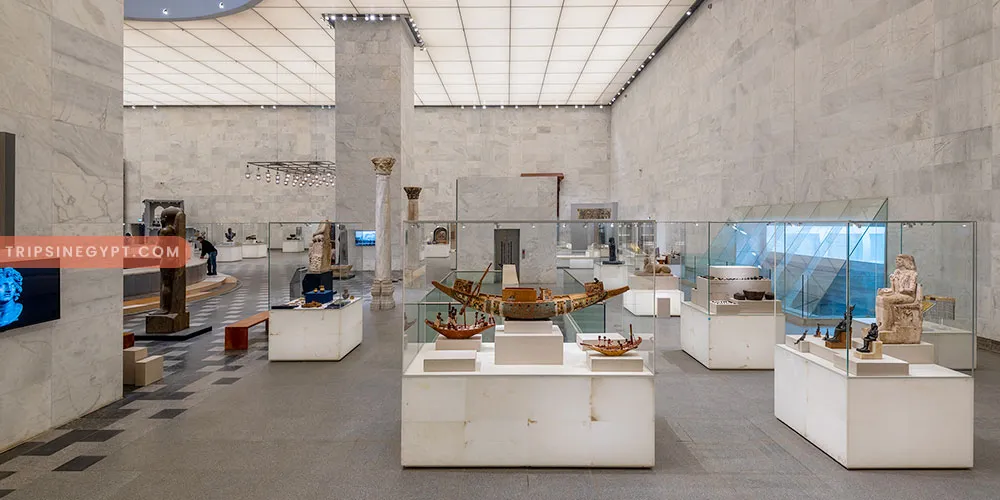
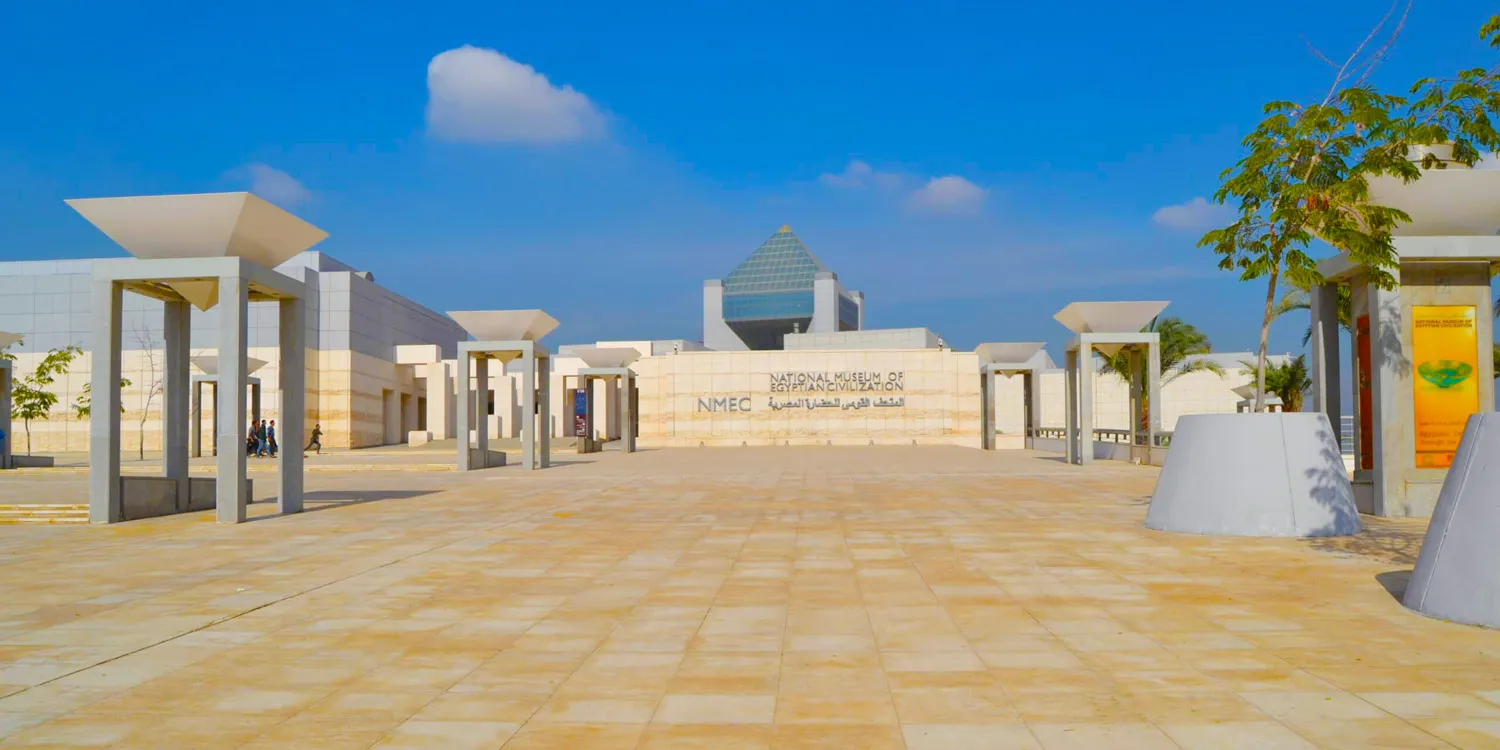
The National Museum of Egyptian Civilization (NMEC) features a vast collection of artifacts, including statues, jewelry, papyrus scrolls, and mummies. NMEC provides a comprehensive narrative through its immersive exhibits, interactive displays, and multimedia presentations, allowing visitors to delve deep into the fascinating world of ancient Egypt.
The Coptic Museum
A visit to the Coptic Museum is a captivating journey into the rich cultural heritage of Egypt. Step inside this architectural gem which has the largest collection of Coptic artifacts in the world and discover a treasure trove of ancient artifacts, manuscripts, and textiles that showcase the vibrant history of Coptic Christianity.
Overnight
We will drive you to your hotel in Cairo for an overnight stay.
- Meals: Breakfast Lunch
- Overnight: Cairo Hotel

Enjoy your breakfast at the hotel before checking out, then you will be transferred to Cairo International Airport to end your four delightful Easter tour in Egypt by finalizing your departure formalities.
- Meals: Breakfast
What we Provide in Your Tour
- Comfort Triumph Plaza or Barcelo Or Pyramids Park Resort or similar.
- Premium Steigenberger Pyramids/ Concorde El-Salam/ Movenpick Media City / Tulip Golden Plaza / Hilton Pyramids Golf - Helnan Dreamland Hotel - or similar
- Elite Hyatt Regency / Triumph Elite or Hilton Conrad / Hilton Heliopolis or similar.
- Majesty St. Regis Cairo / Nile Rits / Four Seasons Nile Plaza / Marriott Mena House
- Expertise: Professional tour guides with extensive knowledge of Egypt’s history, culture, and attractions.
- Licensed Guides: All guides are officially certified and licensed by the Egyptian Ministry of Tourism.
- We Speak Your Language: Professional guides are available in English, Spanish, French, German, and other major languages.
- Personalized Service: Friendly and attentive assistance tailored to travelers' interests, preferences, and travel style.
- 3x Breakfast
- 2x Lunch
- 1x Dinner
- Comfortable: Modern, air-conditioned vehicles ensure a safe and comfortable journey throughout Egypt.
- Convenient: Door-to-door transportation with professional drivers and well-maintained vehicles.
- Reliable: Punctual and comfortable transfers designed to make your travel experience seamless.
- Safe: Professional drivers and quality vehicles provide a secure and worry-free journey.
- Premium: Travel in comfort with clean, modern, and fully equipped transportation services.
Why Choose This 4-Day Easter Tour?
- Enjoy Cairo’s best temperatures with clear blue skies and gentle breezes, making it the perfect time for sightseeing.
- See all the major landmarks of Cairo and Dahshur efficiently in just four delightful days.
- Discover the hidden secrets of the Giza Pyramids with the help of our private expert Egyptologists.
- Experience a fully flexible, tailor-made journey with 5-star accommodations and private luxury transfers.