



Enjoy 4 Days Egypt Affordable Trip in Cairo
4 days Egypt affordable tour in Cairo will allow you to discover the secrets of Cairo in just 4 days and will show you the best attractions of this wonder Capital. You can witness some of the most amazing attractions of Egypt that fit your budget while enjoying the best. The travel agency of "Trips in Egypt" will make your stay in Egypt a tour to be remembered for a lifetime as our travel agency offers modern vehicles, comfortable hotels, and professional Egyptologists to enjoy the most of your tour affordably.
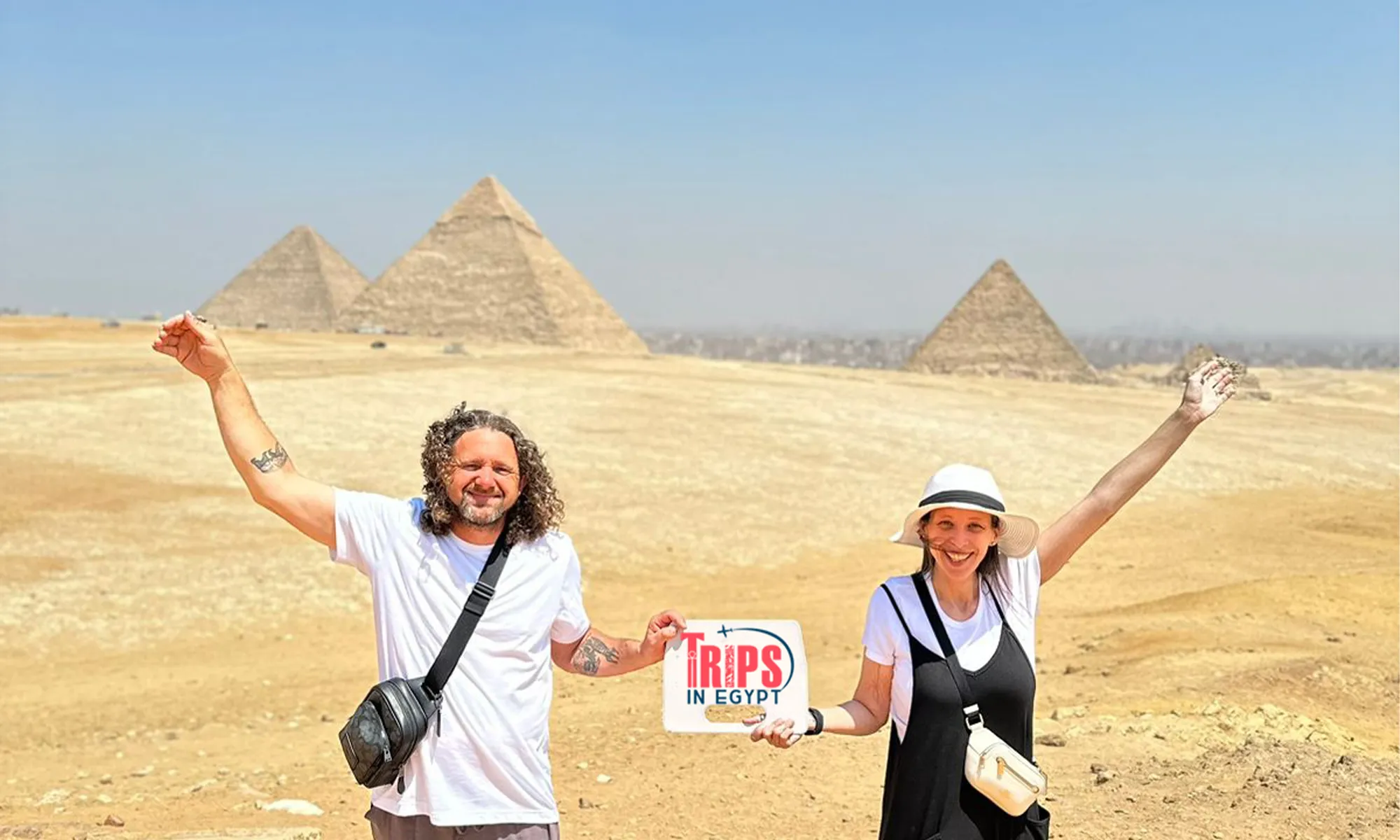
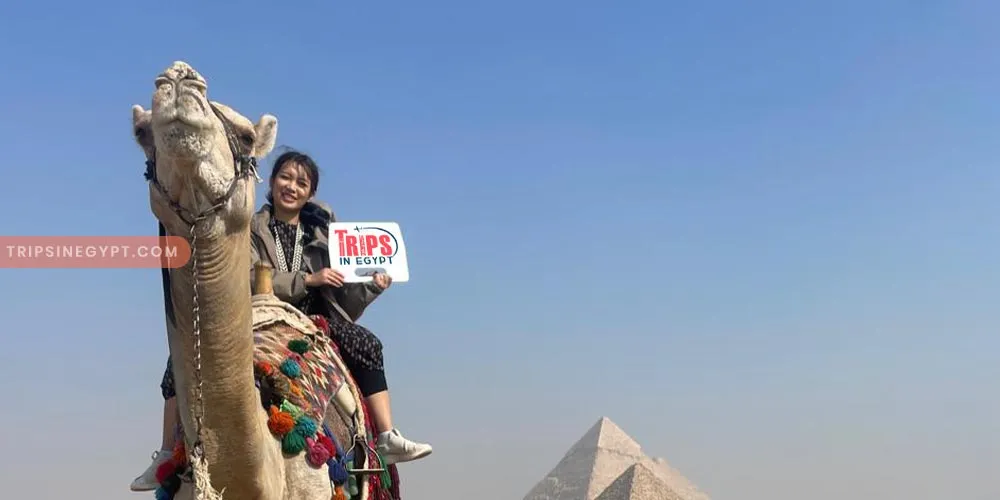
Just get ready to experience the civilization and culture of Giza and Cairo by exploring the incredible Giza Pyramids, the Great Sphinx, the Valley Temple, Old Cairo, and the Egyptian Museum where you can witness the artifacts of the ancient kings and Queens. This isn’t just a tour, it’s a journey through time, a chance to walk in the footsteps of pharaohs and uncover the secrets of a civilization that has captivated the world for millennia. Don’t just dream about Egypt experience it! Let Trips in Egypt create memories that will last a lifetime. Our 4 days Egypt budget trip to Cairo awaits. Book now and let the wonders of Cairo take your breath away!
Tour Highlights
Inclusions and Exclusions
- 3 Nights’ Accommodation at a 4* / 5* Hotel in Cairo (Based on Your Preference).
- Assistance of Our Personnel During Your Stay and Excursions.
- All Transfers by Modern Air-conditioned Deluxe Vehicle.
- The Service of Meet and Assist at All Your Destinations.
- Breakfast and Lunch Are Provided During the Tour.
- Multilingual Expert Egyptologist Guide.
- Water and Soda on Board the Vehicle During the Day Tours.
- All Your Visits Include Entrance Fees.
- All Taxes and Services.
- International Airfare.
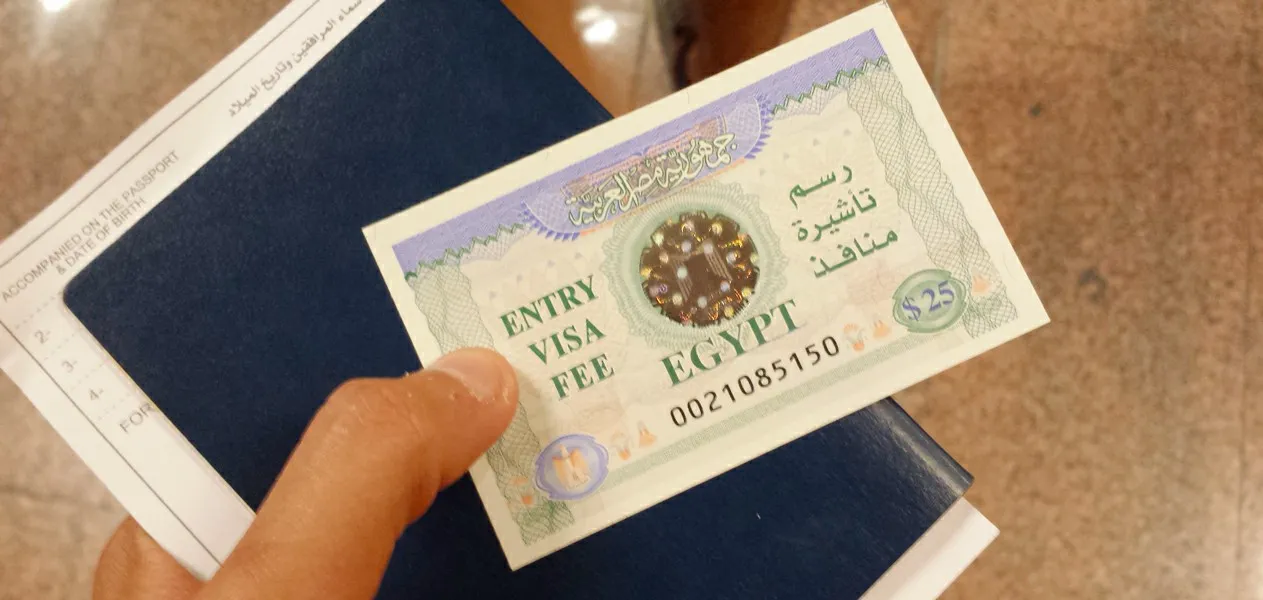
- Egypt Entry Visa.
- Any Extras Not Mentioned in the Itinerary.
- Tipping.
Tour Itinerary
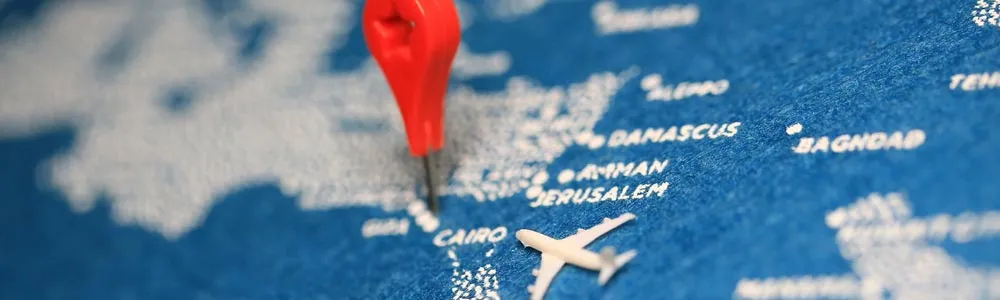
As soon as you land at Cairo International Airport, you will find our representative ready to help you with all the formalities, and once you are done, your driver will take you by a private modern vehicle to your hotel in Cairo, where you can check in and begin enjoying your stay in Egypt.
Overnight
overnight at your hotel in Cairo.
- Overnight: Cairo Hotel
Once you finish your tasty breakfast at your hotel, you will be transferred by a modern vehicle and join your tour guide from your hotel to explore one of the seven wonders of the world:
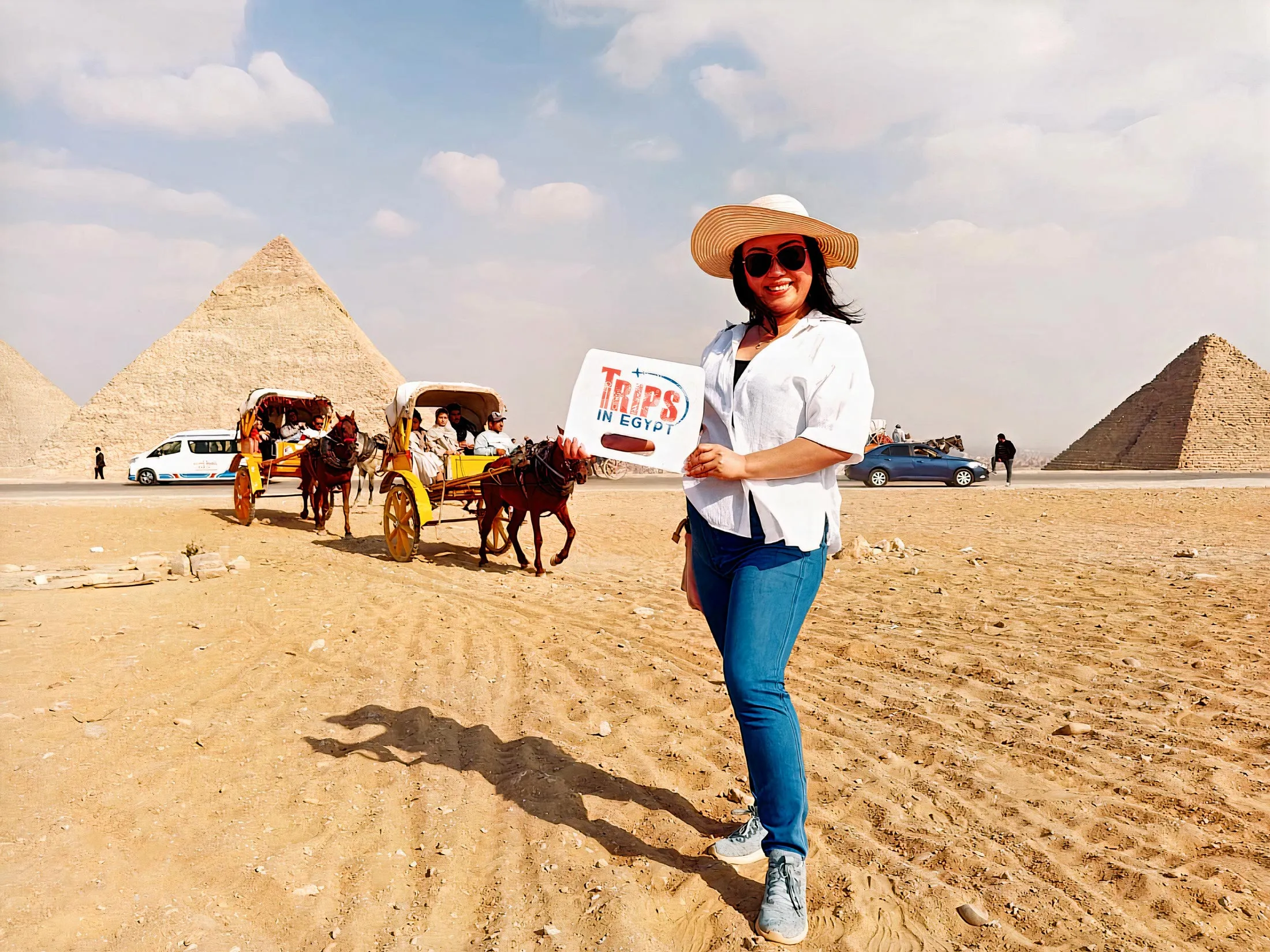
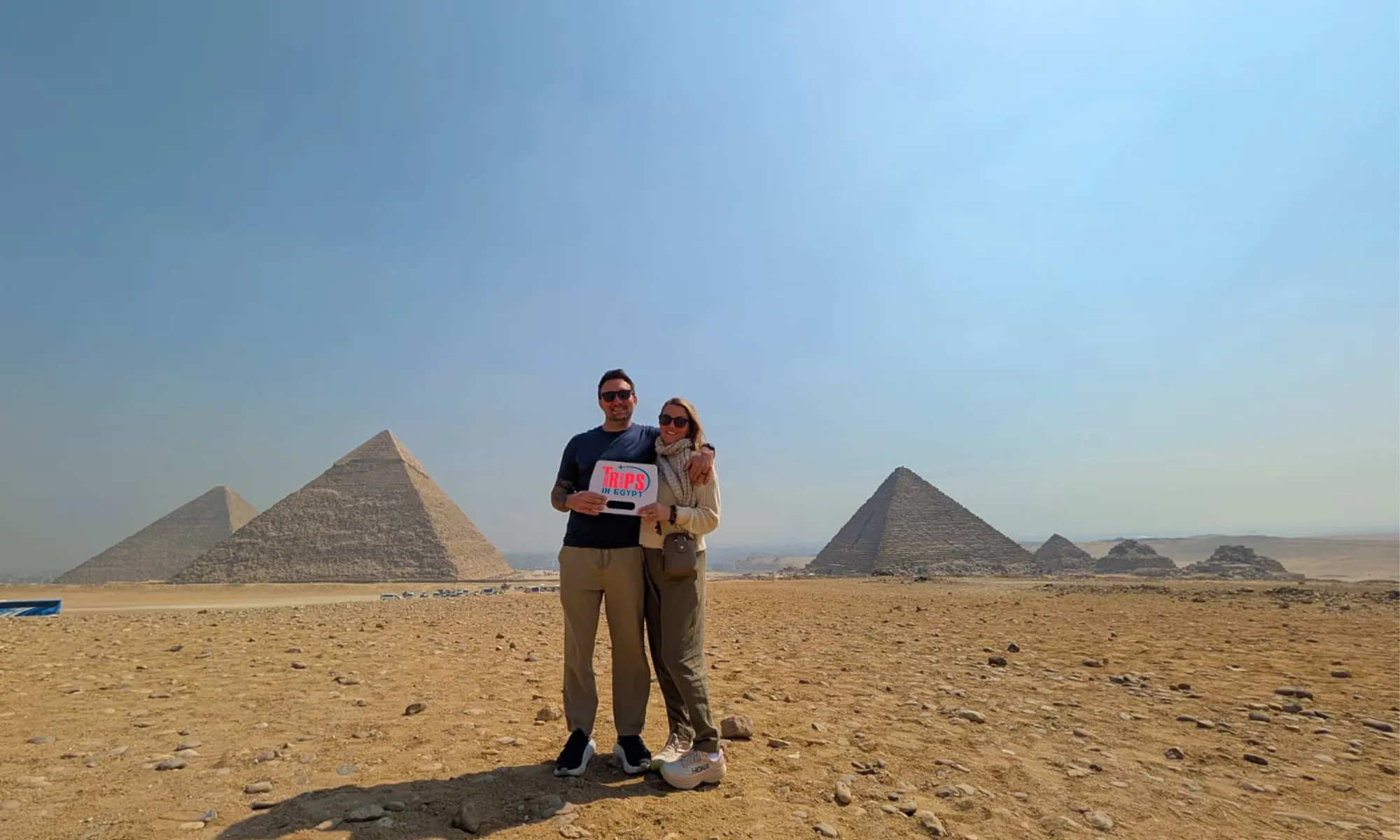
Giza Pyramids Complex
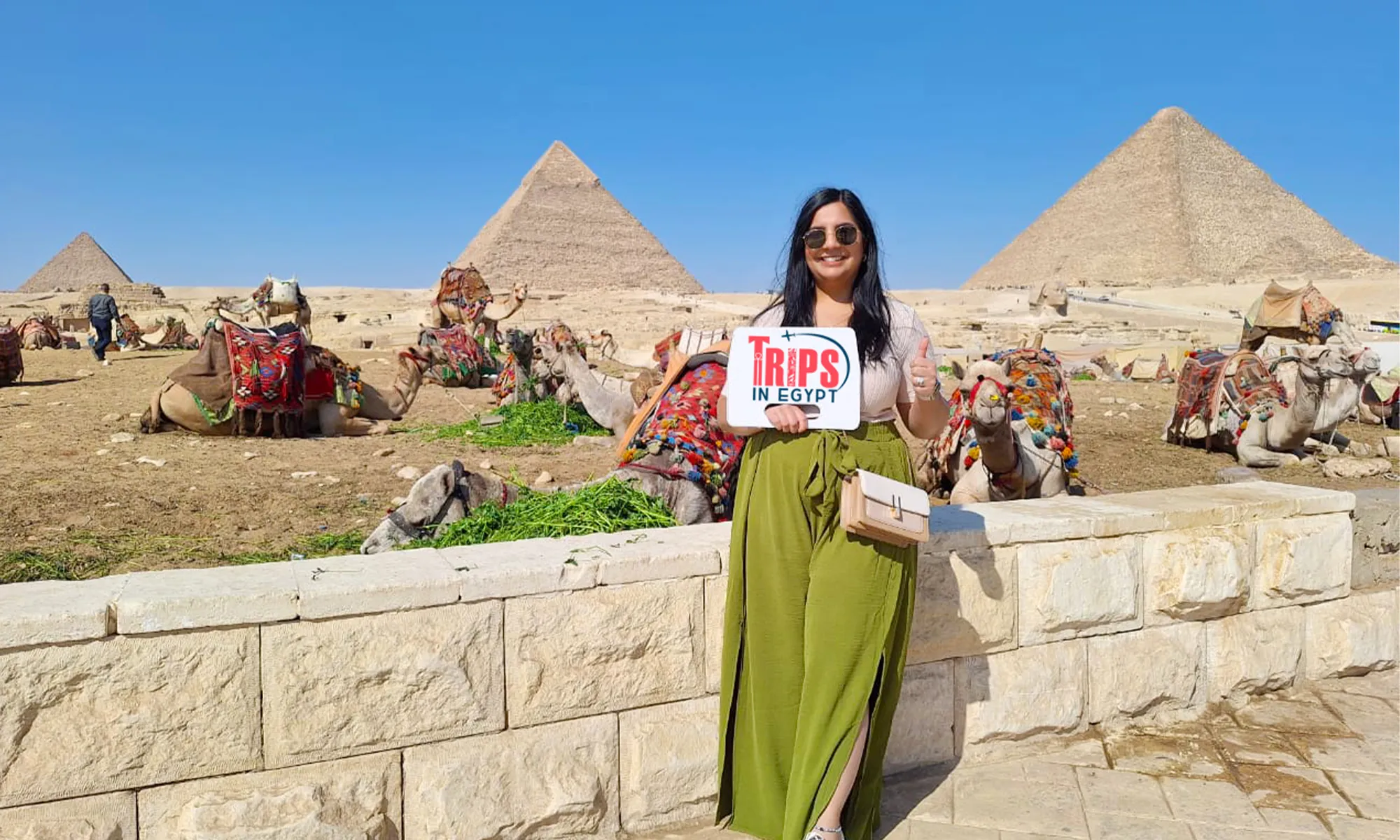
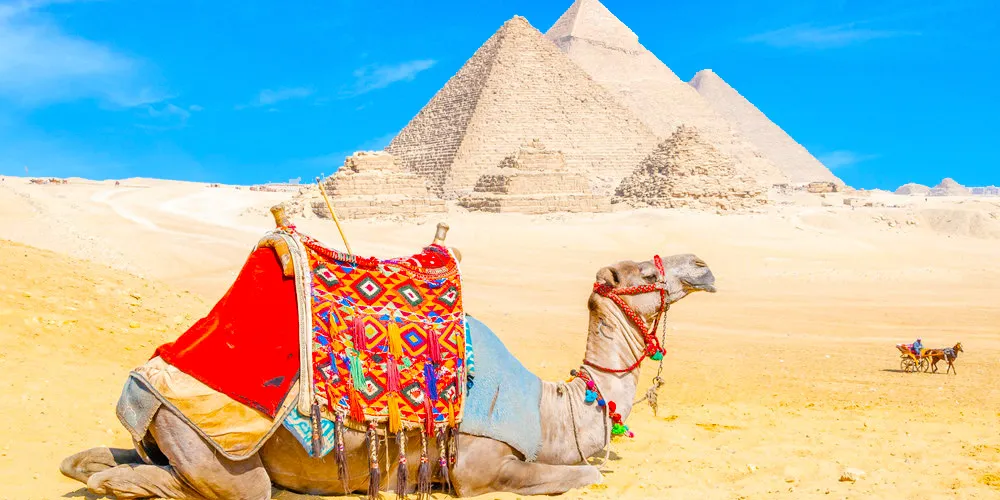
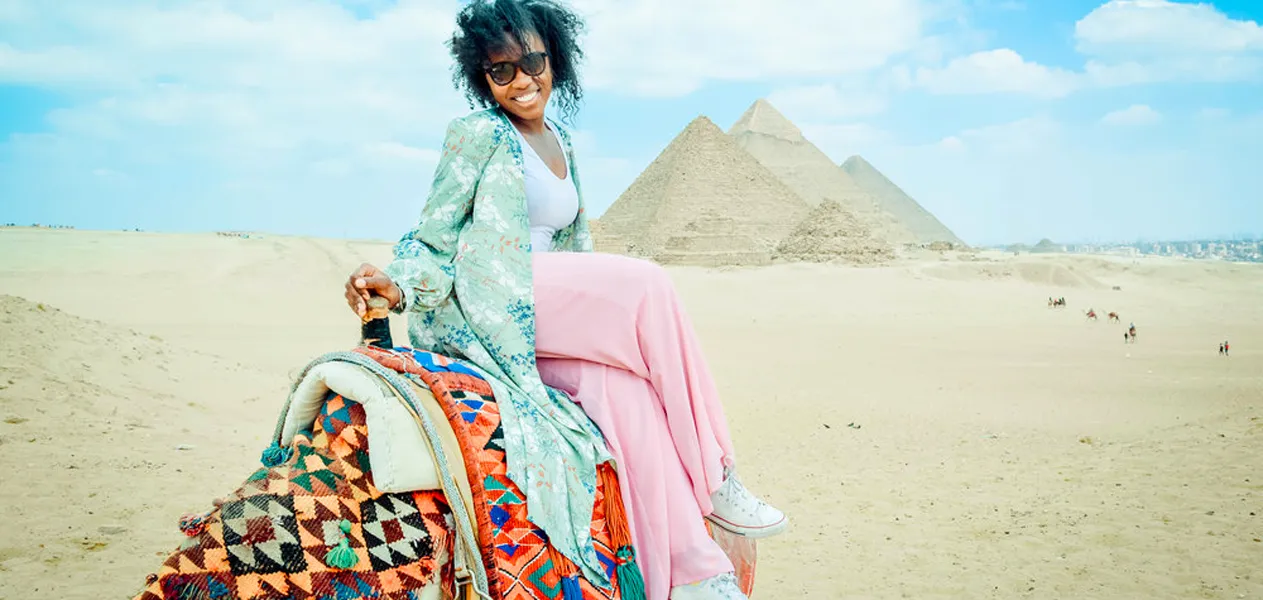
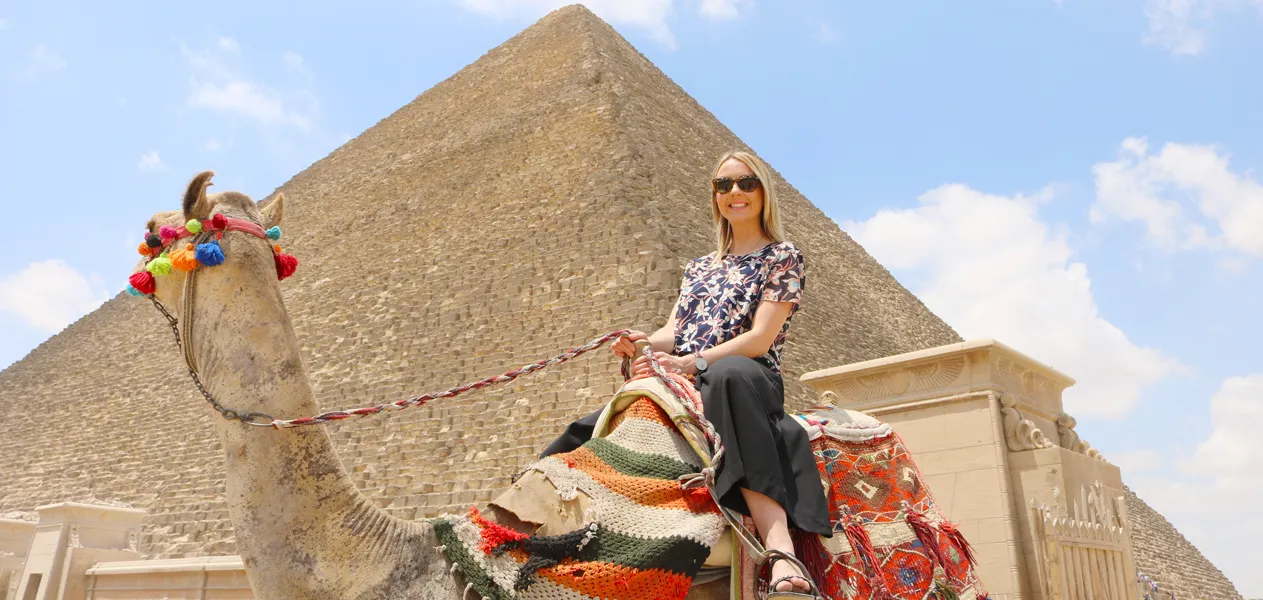
The Giza Pyramid Complex is a wonder of artistry that demonstrates the glory of the ancient Egyptians, which was one of the most iconic monuments of their time. These pyramids have survived for thousands of years, and they defy nature. No other monuments can match the grandeur of the Giza Pyramid Complex, as they are the epitome of human achievement. You will explore the creativity of the pharaohs who ruled over the land of the Nile River.
The Great Pyramid of Giza
The Great Pyramid of Giza was built by the ancient Egyptian king Khufu and was the tallest human-made structure in the world for more than three millennia, until the construction of the Eiffel Tower in France in 1889. The pyramid is made of over two million blocks of stone, some of which weigh up to 80 tons and were transported from hundreds of miles away. The Great Pyramid has a complex system of chambers and passages inside, some of which are still unexplored, and its descending corridor leads to unfinished hidden chambers while an ascending corridor branches off to a passage that connects to the Chamber of the Queen.
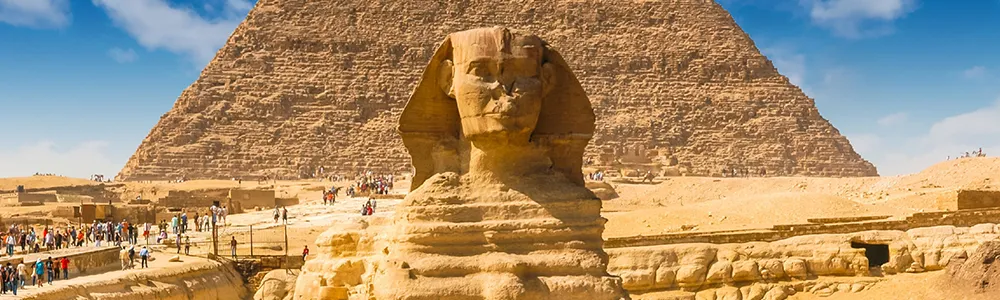
The Great Sphinx
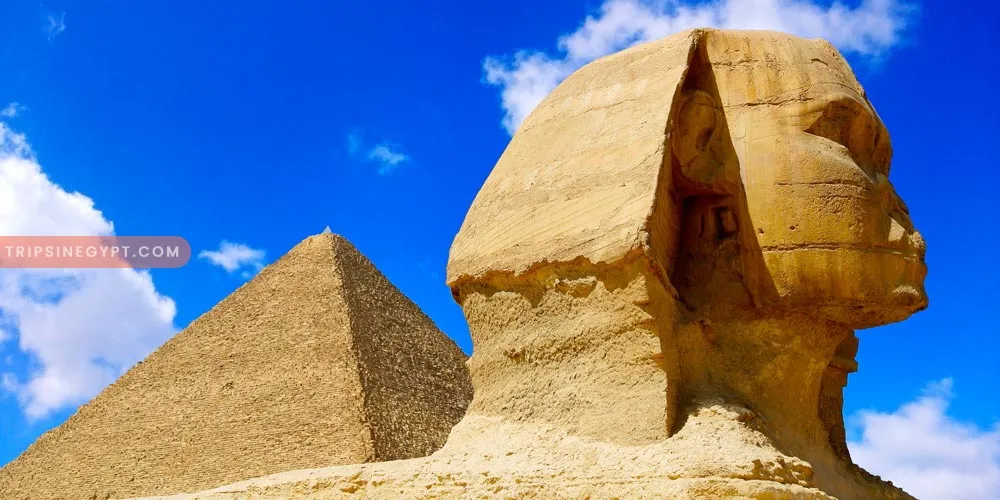
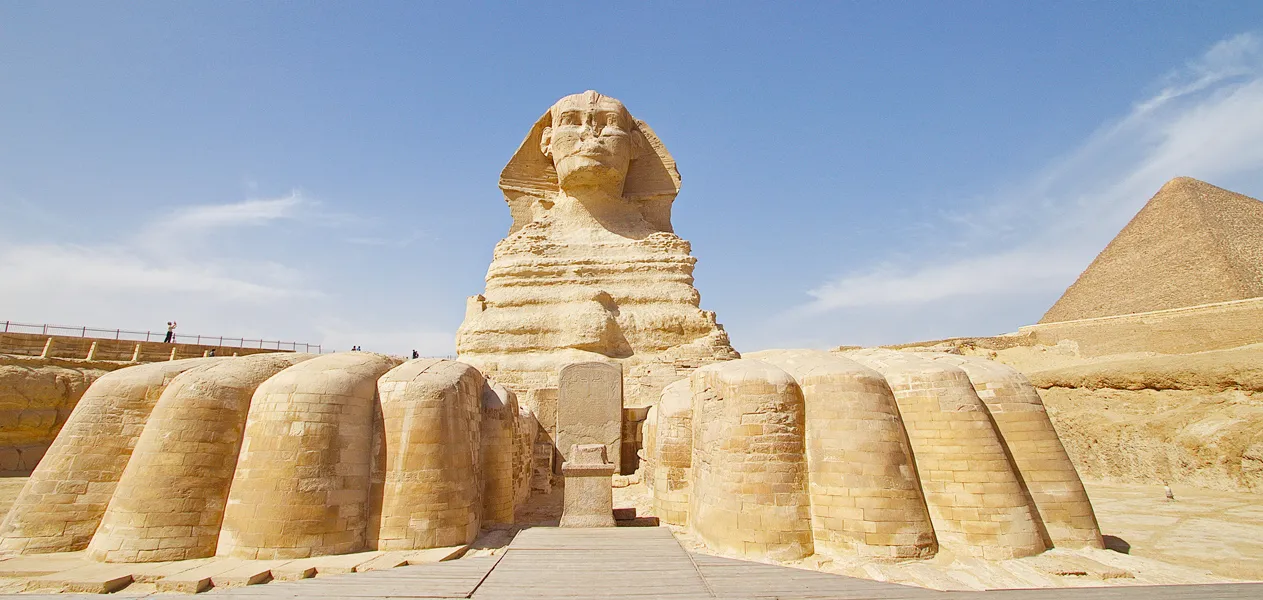
The Great Sphinx is aligned from west to east, and it faces the rising sun and guards the pyramids of Giza, which were the burial places of the ancient pharaohs. The Great Sphinx of Giza is about 73 meters long and 20 meters high, and it is believed that the statue was built during the 4th dynasty in 2500 BC by King Khafre, whose face is carved on the statue. The sphinx symbolized power and protection in ancient Egyptian belief in ancient Egyptian mythology, as it symbolizes power and protection. The purpose and meaning of the Great Sphinx remain a mystery as there is no written evidence from the time of its construction.
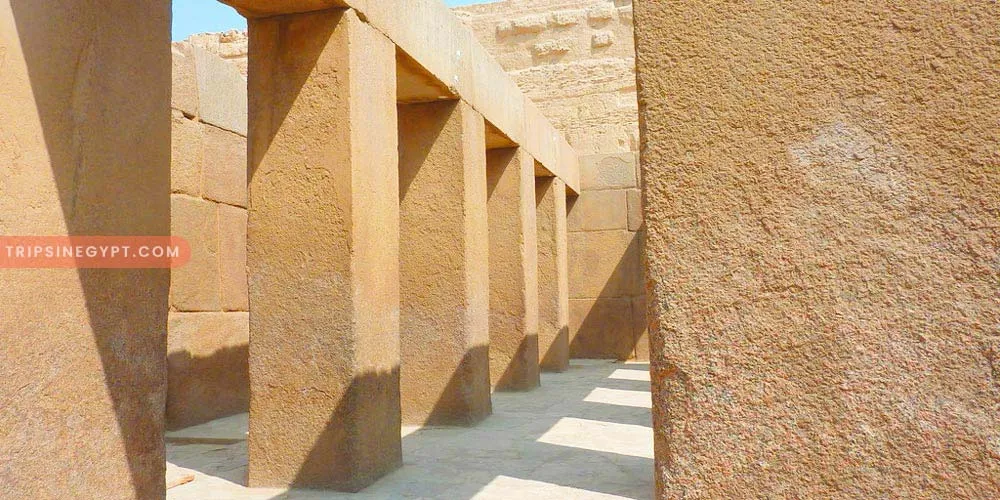
The Valley Temple
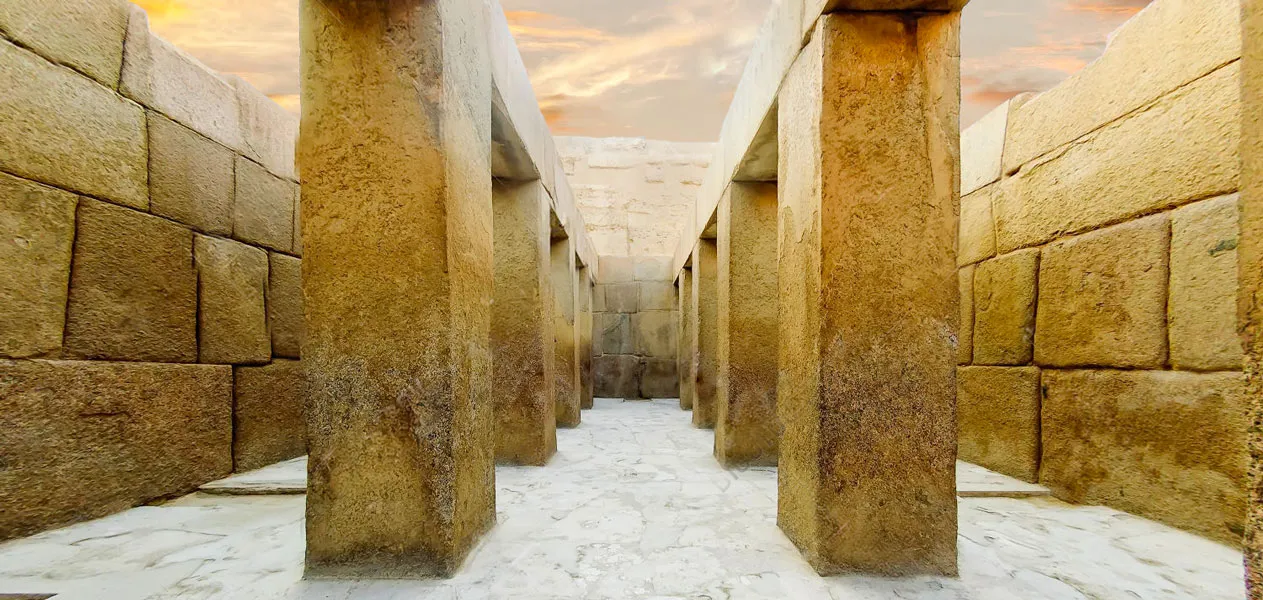
The Valley Temple of Khafre was built as a sacred site for the rituals of mummification of King Khafre and his family. The Valley Temple is situated next to the pyramid which Khafre built during his rule in the fourth dynasty. The Valley Temple of Khafre demonstrates the greatness of the fourth dynasty in the history of Egypt. The temple is also linked to the Great Sphinx by a causeway which is a magnificent monument of the legacy of Khafre.
Lunch Meal
You will then have your tasty lunch at a pyramids / Nile view restaurant, and after that, you will head to visit:
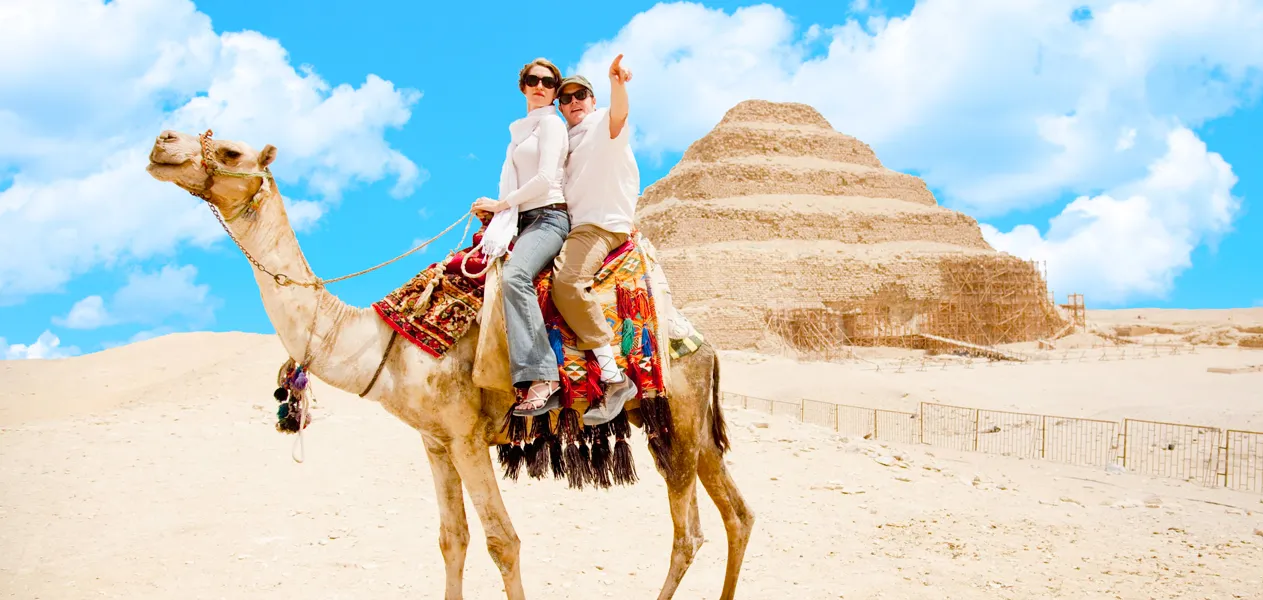
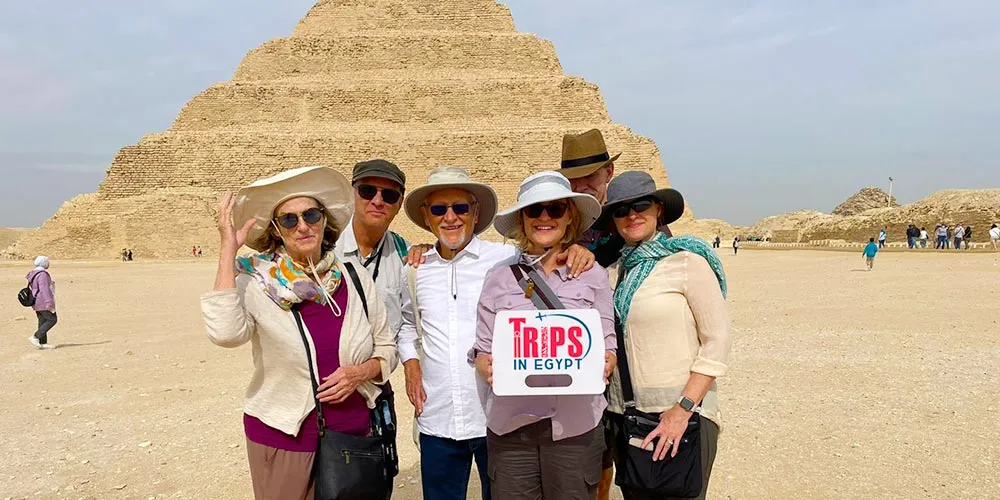
Saqqara Step Pyramid
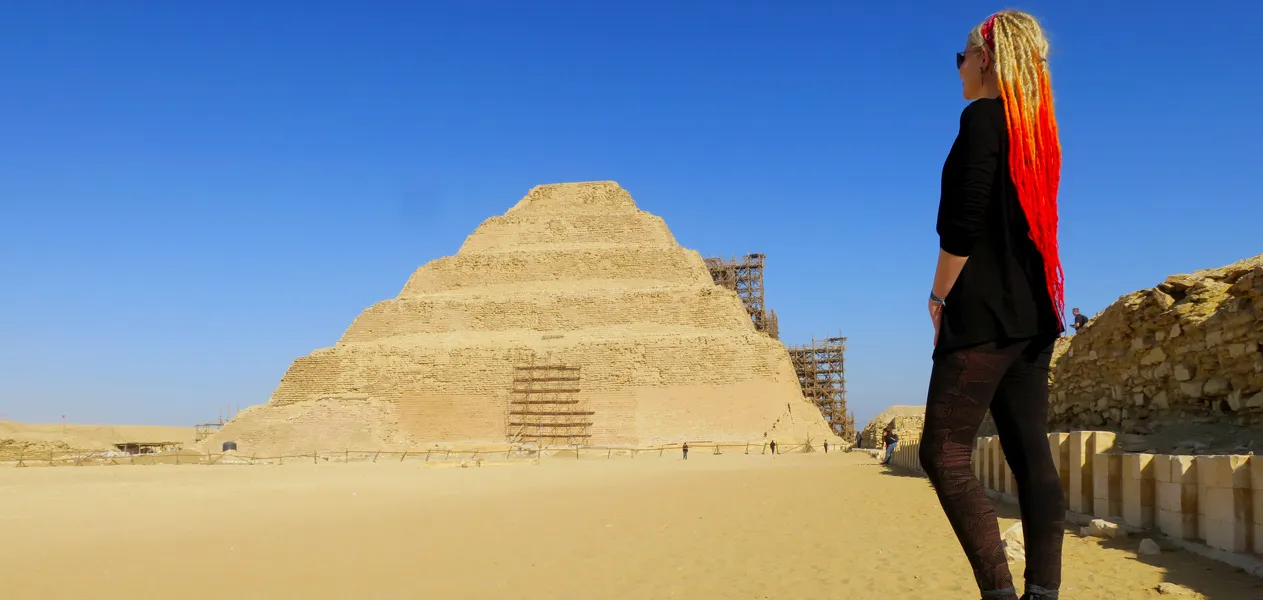
Saqqara Step Pyramid is a wonderful achievement of ancient Egyptian architecture. it was designed by the brilliant Imhotep as a sacred site for King Djoser. The pyramid is the first of its kind, and it is the earliest example of a colossal stone building in Egypt. The complex contains temples, shrines, courtyards, statues, and underground chambers, and most of them have the T-shaped temple, the Heb Sed court, the serdab, and the south tomb, which may have been used for the burial of the ka (Spirit) of the King.
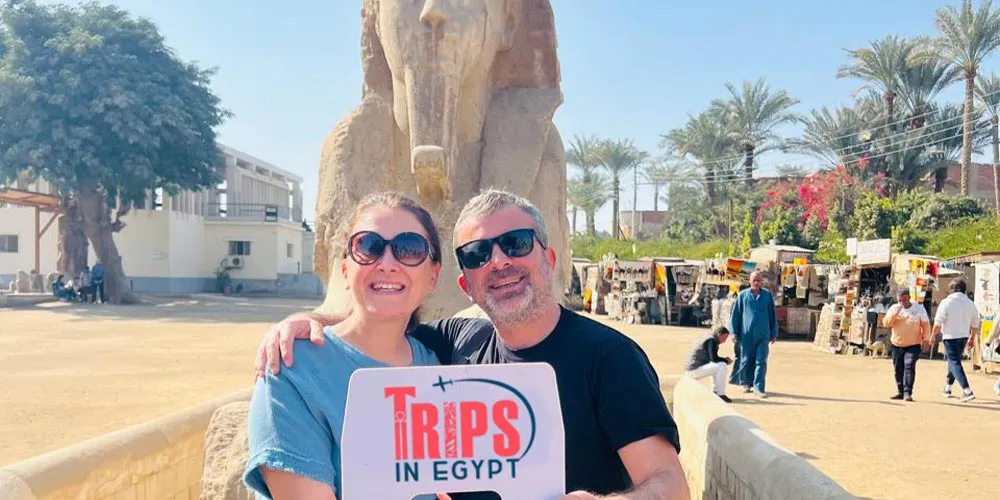
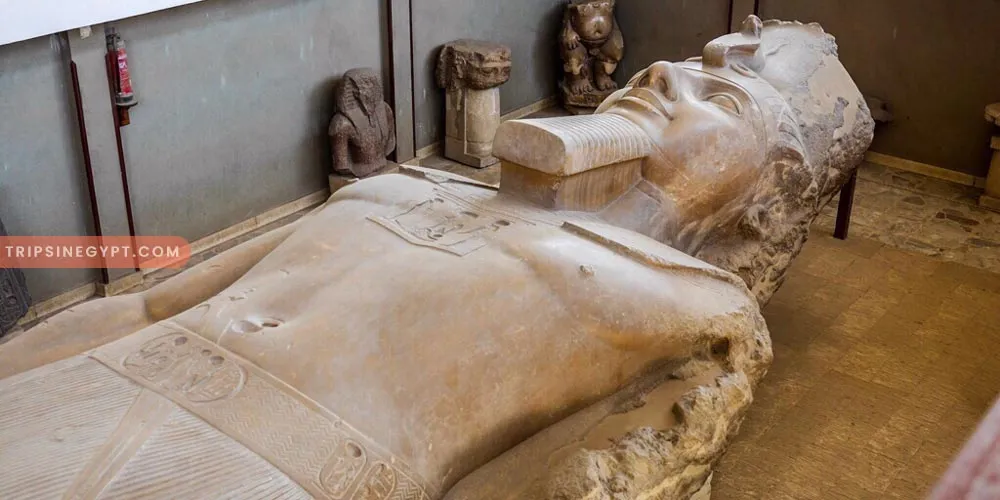
Memphis City
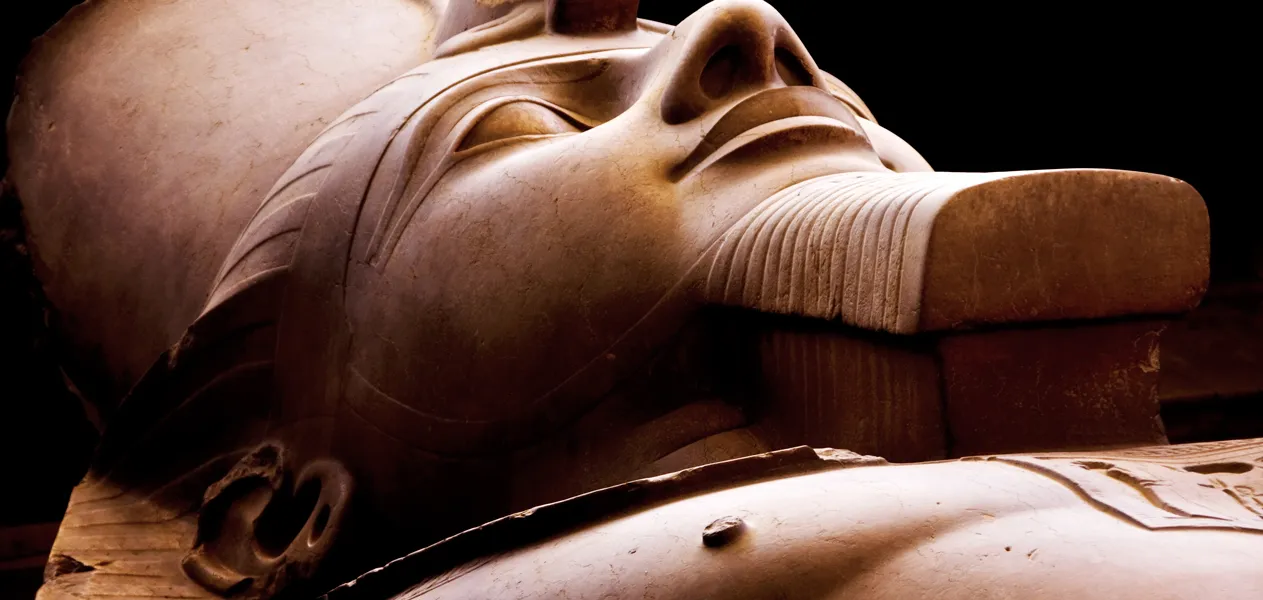
The Ancient City of Memphis was founded by King Menes around 2925 BC and was the first capital of Egypt. Memphis was the center of political and religious power in Egypt and the whole world during the Early Dynastic Period and the Old Kingdom. Ptah was the god of Memphis, “the creator of the universe,” and the god of craftsmen, and his beautiful temple was one of the most important structures in the city. Today, visitors can explore the ruins of this once-great city, including the colossal statue of Ramses II and the alabaster sphinx. Memphis remained an important city throughout ancient Egyptian history until it lost its economic and religious significance in late antiquity.
Overnight
After enjoying your day, you will be transferred to your hotel for an overnight stay.
- Meals: Breakfast Lunch
- Overnight: Cairo Hotel
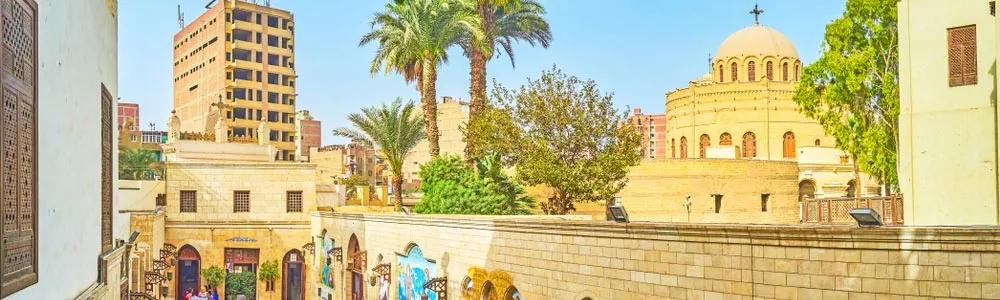
Continue your third day to Cairo, where you will enjoy a delicious breakfast at your hotel before heading to explore the City of Thousand Minarets and discover some of its most amazing attractions, starting with:
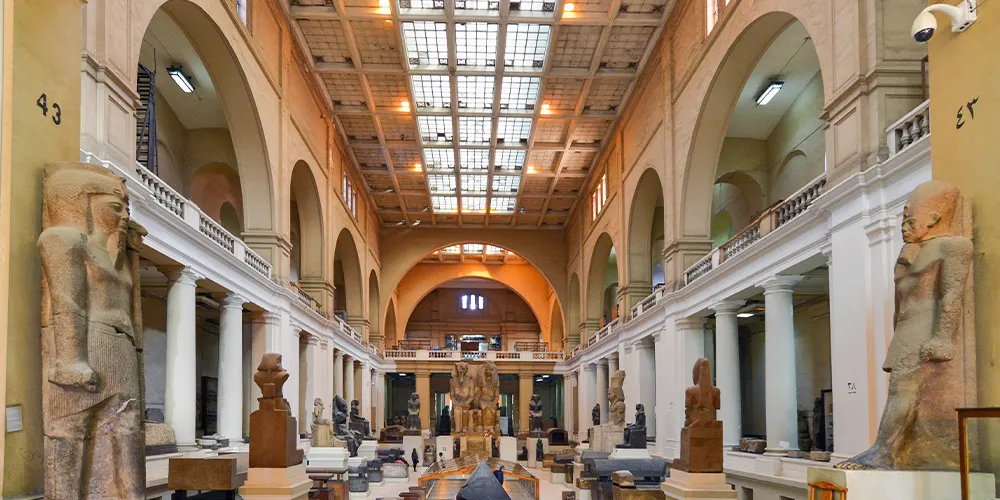
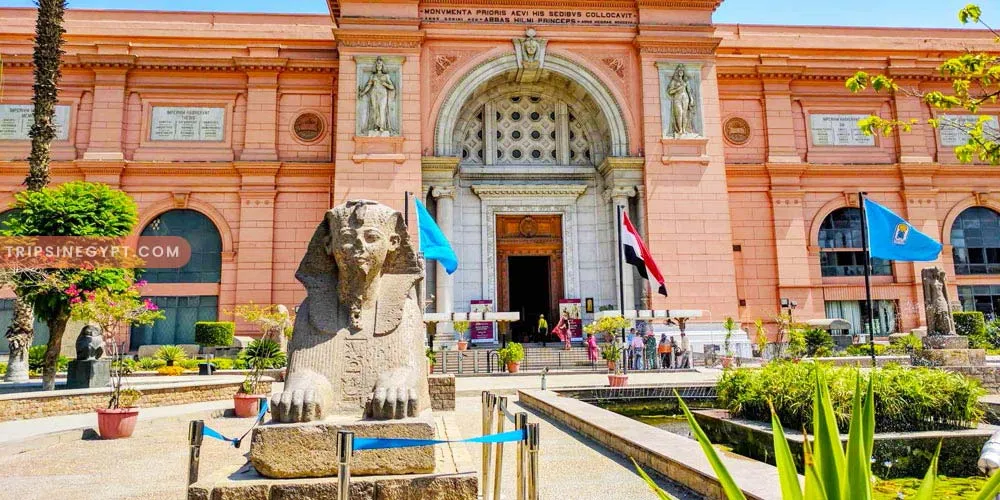
The Egyptian Museum
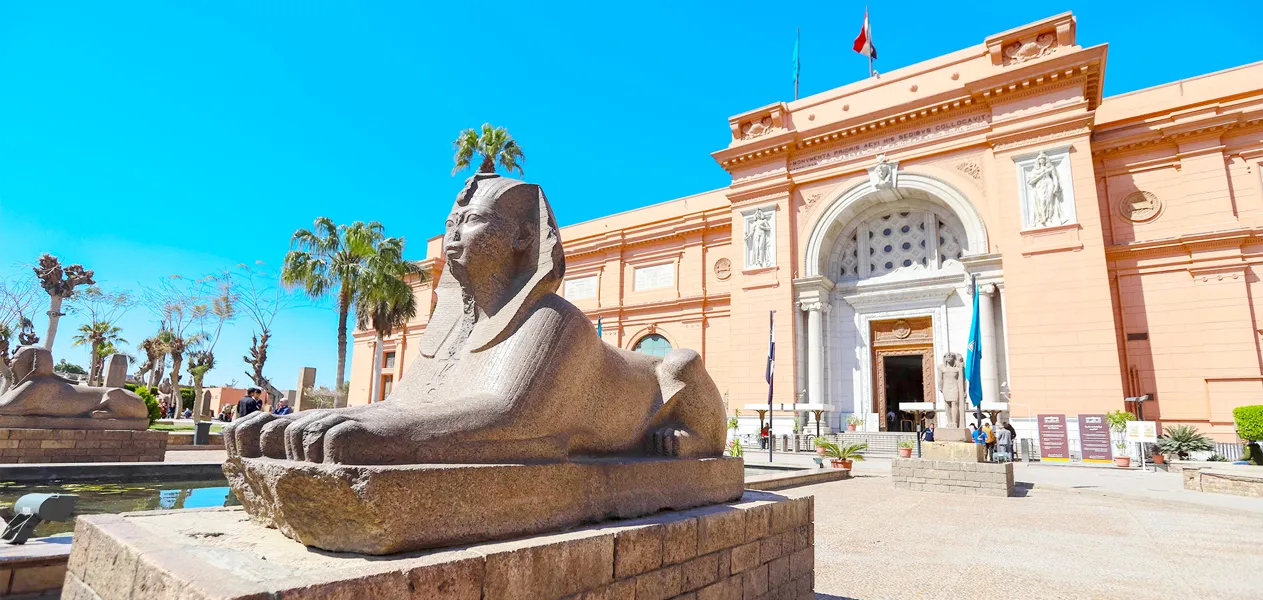
The Egyptian Museum, established in 1901, is the oldest archaeological museum in the Middle East to demonstrate the artifacts and monuments that tell the story of this ancient civilization. The Museum is the oldest archaeological museum in the Middle East, and it contains over 150,000 items from the Predynastic Period to the Graeco-Roman Era. The museum is one of the most popular tourist attractions in Egypt and a historical site to visit.
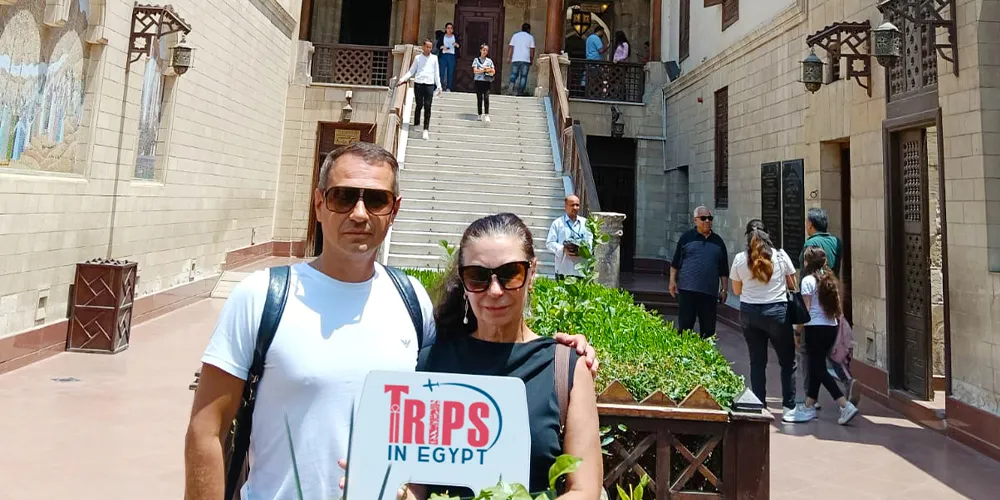
The Hanging Church
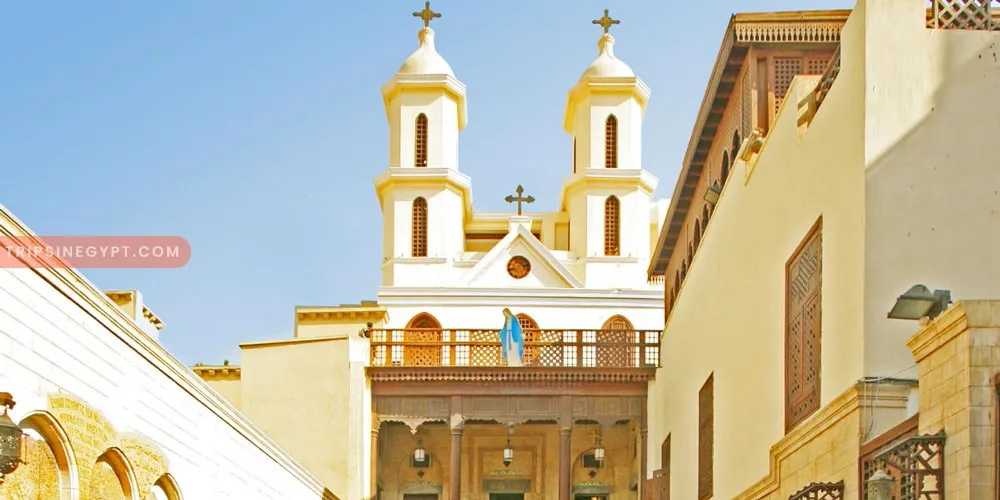
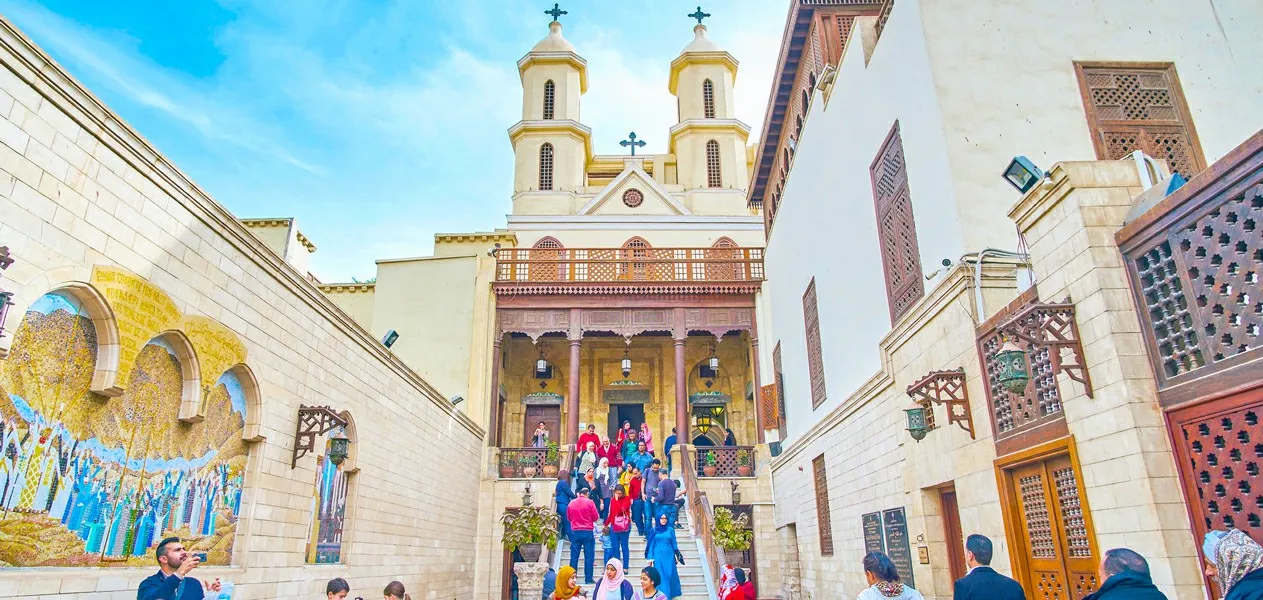
The Hanging Church is one of the most breathtaking sights in Cairo, it is also known as the Saint Virgin Mary’s Coptic Orthodox Church. This beautiful church is one of the oldest churches in Egypt, as it dates back to the 7th century or earlier. The Church was called the Hanging Church because it was built over the gatehouse of a Roman fortress, which is now buried under the ground. The two pillars of the Roman gatehouse used to be seen under the church, but now the pillars are hidden.
Lunch Meal
You will have your delicious lunch at a local restaurant before visiting:
Khan El-Khalili Bazaar
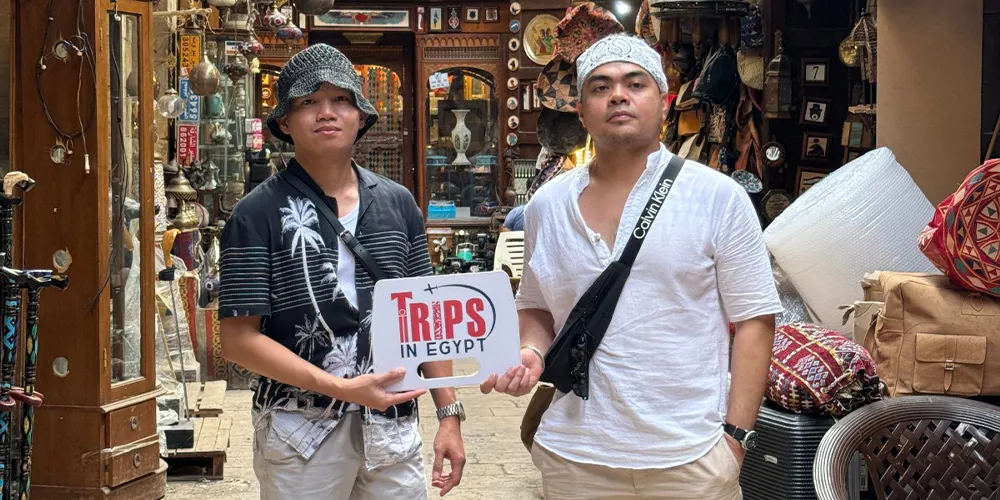
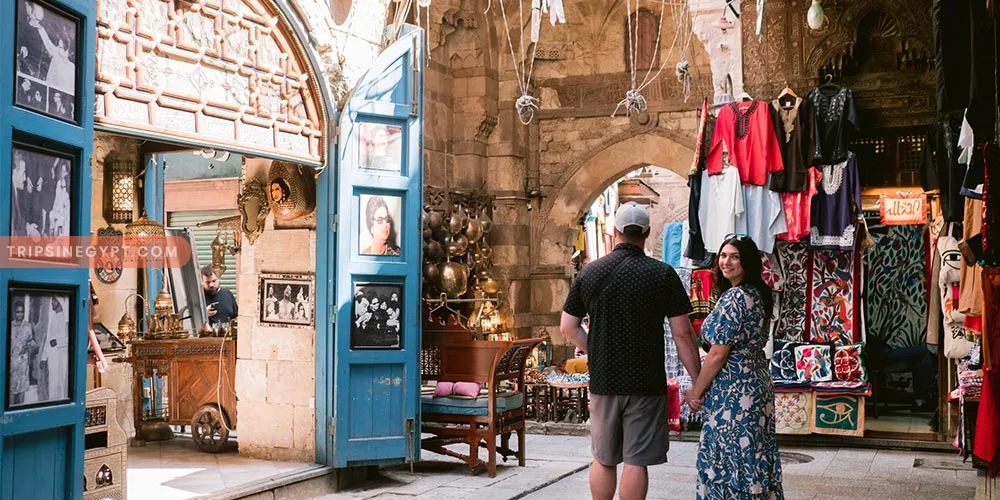
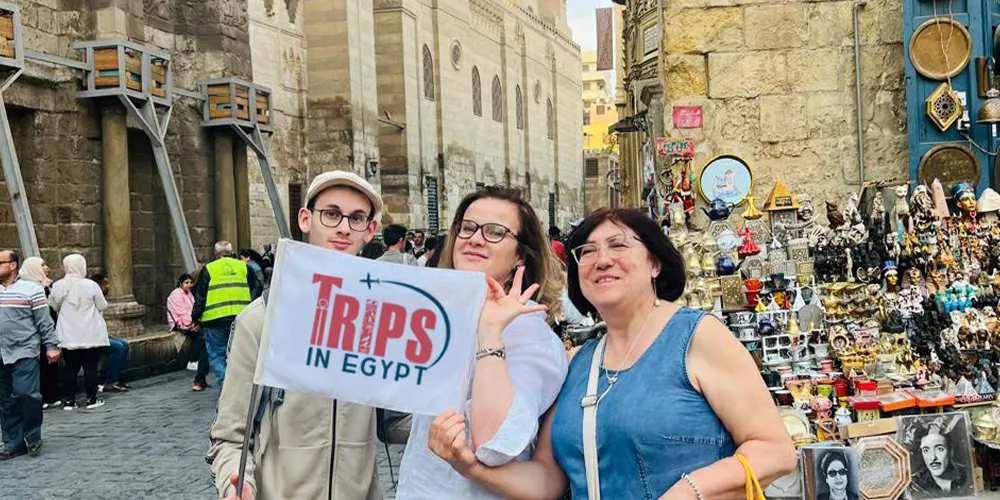
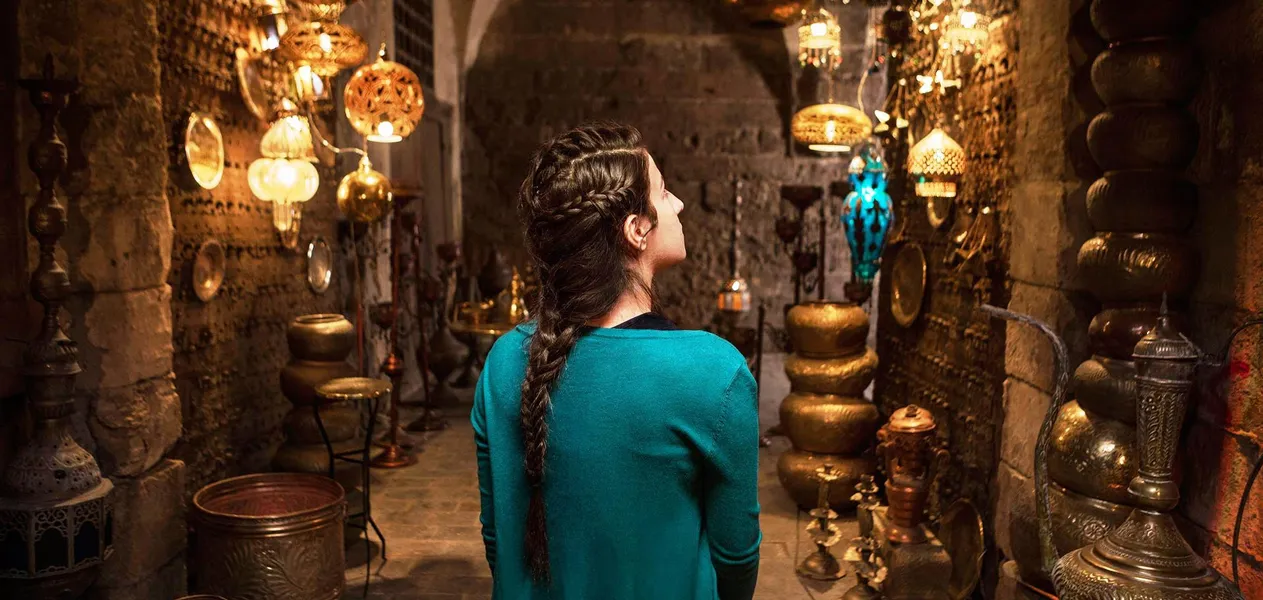
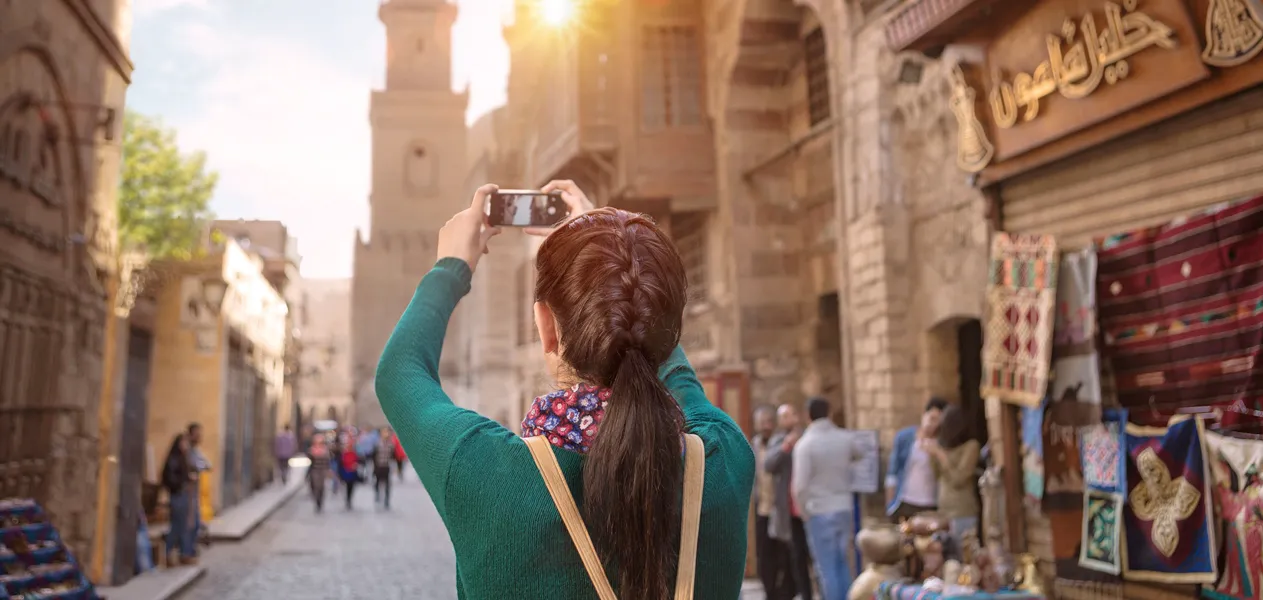
Khan El Khalili market is located in the center of Old Cairo. it is a huge mix of old and new, and you can enjoy it from amazing Islamic buildings that are hundreds of years old to low-cost Ramadan lanterns that were made in Egypt, often featuring iconic Egyptian symbols such as Mo Salah. This amazing place is for tourists, however, most of the customers of Khan El Khalili are Egyptians, so the market is lively at any time of the day or night, and in any season.
Al-Muizz Street
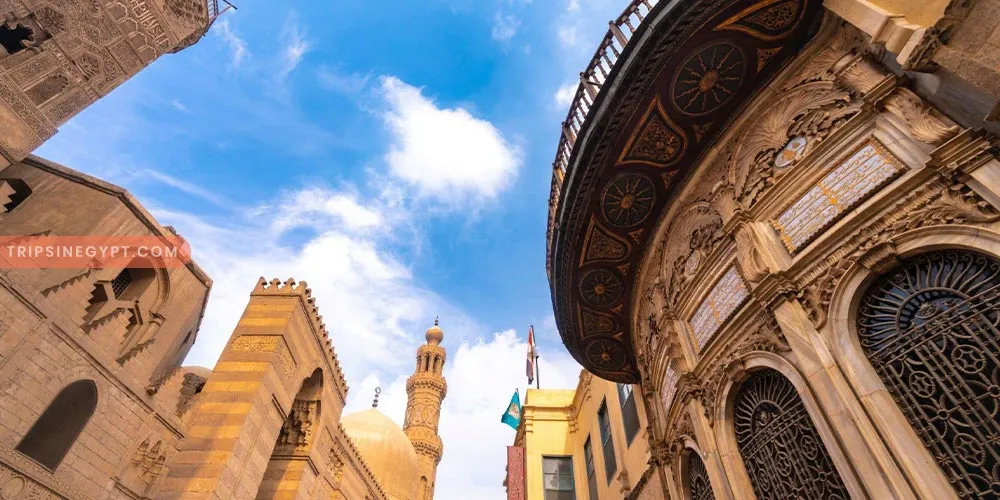
Al-Muizz Street stretches from the southern gate of Bab Zuweila to the northern gate of Bab Al-Futuh, this street is an important attraction for the Islamic civilization of Egypt. There are many monuments to witness in this historical place, as well as thousands of artisans who produce goods for sale in Khan Al-Khalili. No trip to Cairo will be complete without walking this street and exploring the ancient shops of Khan Al-Khalili.
Overnight
Then you will be transferred to your hotel for an overnight stay in Cairo.
- Meals: Breakfast Lunch
- Overnight: Cairo Hotel

After having your delicious breakfast at the hotel, we will pack your bags and take you to Cairo International Airport, where you will catch your flight and head back to your home.
- Meals: Breakfast
What we Provide in Your Tour
- Comfort Triumph Plaza or Barcelo Or Pyramids Park Resort or similar.
- Premium Steigenberger Pyramids/ Concorde El-Salam/ Movenpick Media City / Tulip Golden Plaza / Hilton Pyramids Golf - Helnan Dreamland Hotel - or similar
- Elite Hyatt Regency / Triumph Elite or Hilton Conrad / Hilton Heliopolis or similar.
- Majesty St. Regis Cairo / Nile Rits / Four Seasons Nile Plaza / Marriott Mena House
- Expertise: Professional tour guides with extensive knowledge of Egypt’s history, culture, and attractions.
- Licensed Guides: All guides are officially certified and licensed by the Egyptian Ministry of Tourism.
- We Speak Your Language: Professional guides are available in English, Spanish, French, German, and other major languages.
- Personalized Service: Friendly and attentive assistance tailored to travelers' interests, preferences, and travel style.
- 3x Breakfast
- 2x Lunch
- Comfortable: Modern, air-conditioned vehicles ensure a safe and comfortable journey throughout Egypt.
- Convenient: Door-to-door transportation with professional drivers and well-maintained vehicles.
- Reliable: Punctual and comfortable transfers designed to make your travel experience seamless.
- Safe: Professional drivers and quality vehicles provide a secure and worry-free journey.
- Premium: Travel in comfort with clean, modern, and fully equipped transportation services.
Why Choose This 4 Days Affordable Tour Around Cairo Wonders?
- Enjoy a perfectly priced 4-day itinerary that covers all of Cairo’s major historical landmarks, including the Giza Pyramids and Old Cairo, without breaking your budget.
- Stay in high-quality 4 or 5 star hotels (based on your preference) ensuring maximum comfort and relaxation after your daily exploration of Cairo
Tour Prices
Included Accommodation Options:
Triumph Plaza or Barcelo Or Pyramids Park Resort or similar.
Ibrotel or Aracan or similar
Basma or Citymax or similar.
Mercure Hurghada or similar
MS/ Royal Beau Rivage- M/S Royal Signature - M/S Esmeralda - M/S Royale Elite - M/S Nile Style or similar based on availability.