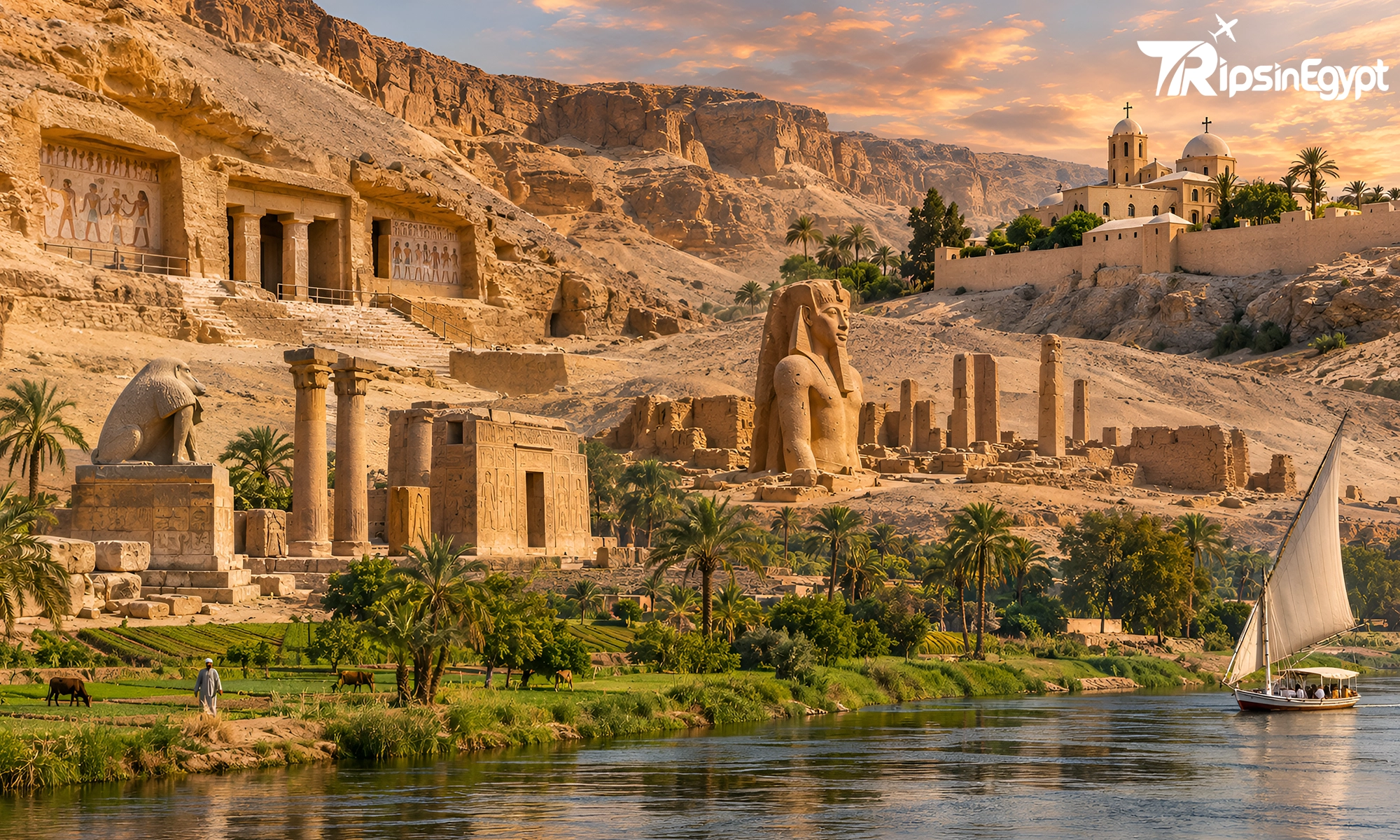




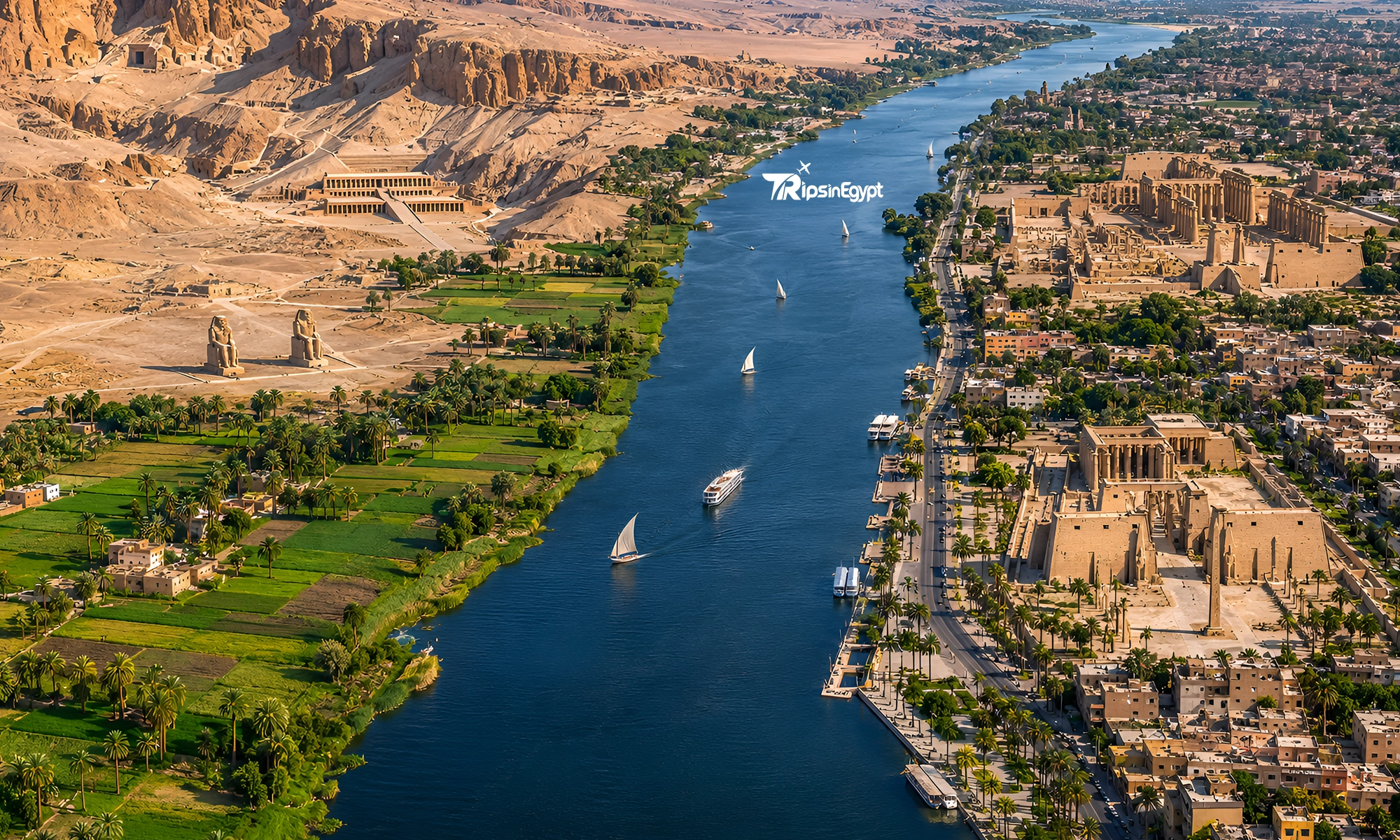
Look at any map of Luxor and one thing stands out before anything else: the Nile cuts the city in two. On the east side lie the hotels, the souq and the great temples of Karnak and Luxor. On the west side, green fields of sugarcane give way to bare limestone hills, and those hills hide the tombs of the pharaohs. For more than 3,000 years, this river has divided the city of the living from the city of the dead.
This guide reads the Luxor map for you: how the city is laid out, where each main attraction sits on both banks, how far apart they are, how to cross the Nile and how to link it all into a sensible route. Here are all things you need to know about the Luxor Egypt map:

Discover Where Luxor Is on the Map of Egypt
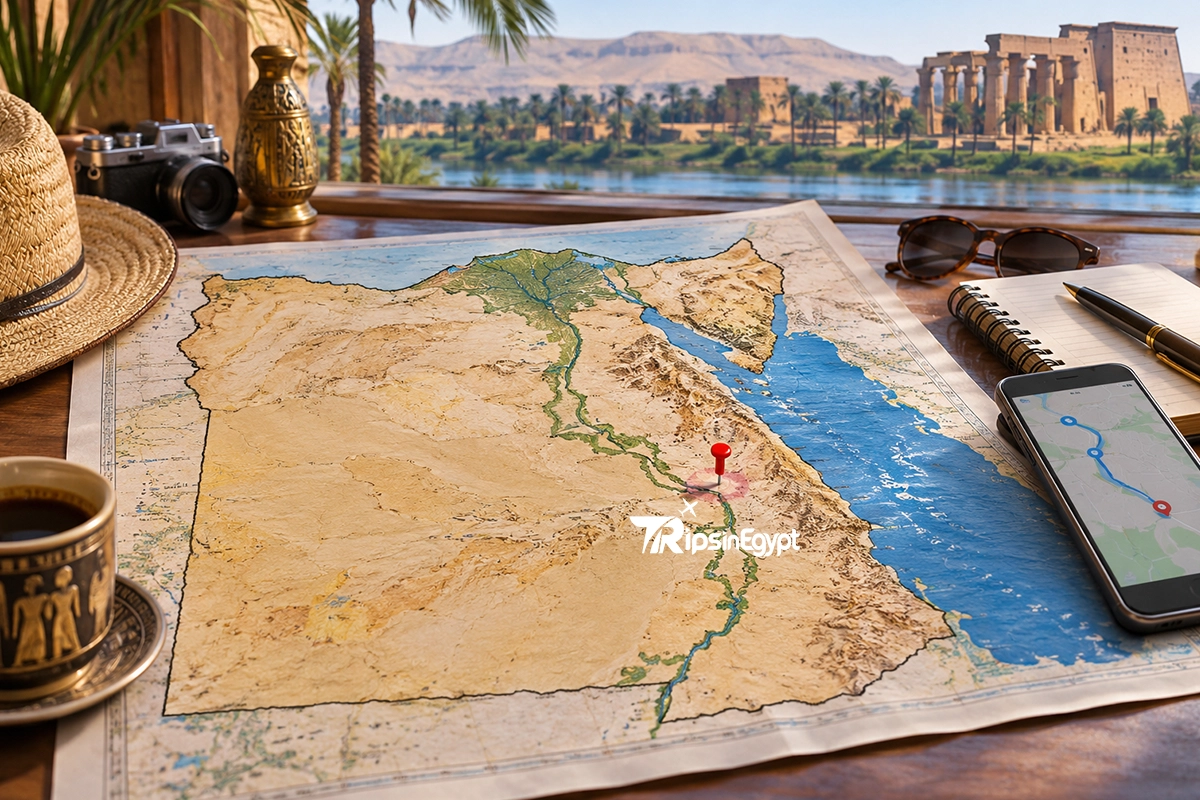
Luxor stands on the Nile in Upper Egypt, about 650 km south of Cairo by road and about 220 km north of Aswan. The flight from Cairo takes about an hour, and Luxor International Airport sits only about 6 km east of the city center.
The modern city covers part of ancient Thebes, which the Egyptians called Waset. It was the capital of Egypt for much of the New Kingdom, from about 1550 to 1070 BC, and the main cult center of the god Amun-Ra. UNESCO listed the whole area as "Ancient Thebes with its Necropolis" in 1979. The name Luxor comes from the Arabic al-Uqsur, meaning "the palaces."
The layout follows the sun. The ancient Egyptians linked the east, where the sun rises, with life, and the west, where it sets, with the afterlife. So the living city grew on the East Bank, while the kings were buried in the western hills.
Luxor East Bank Map: The City of the Living
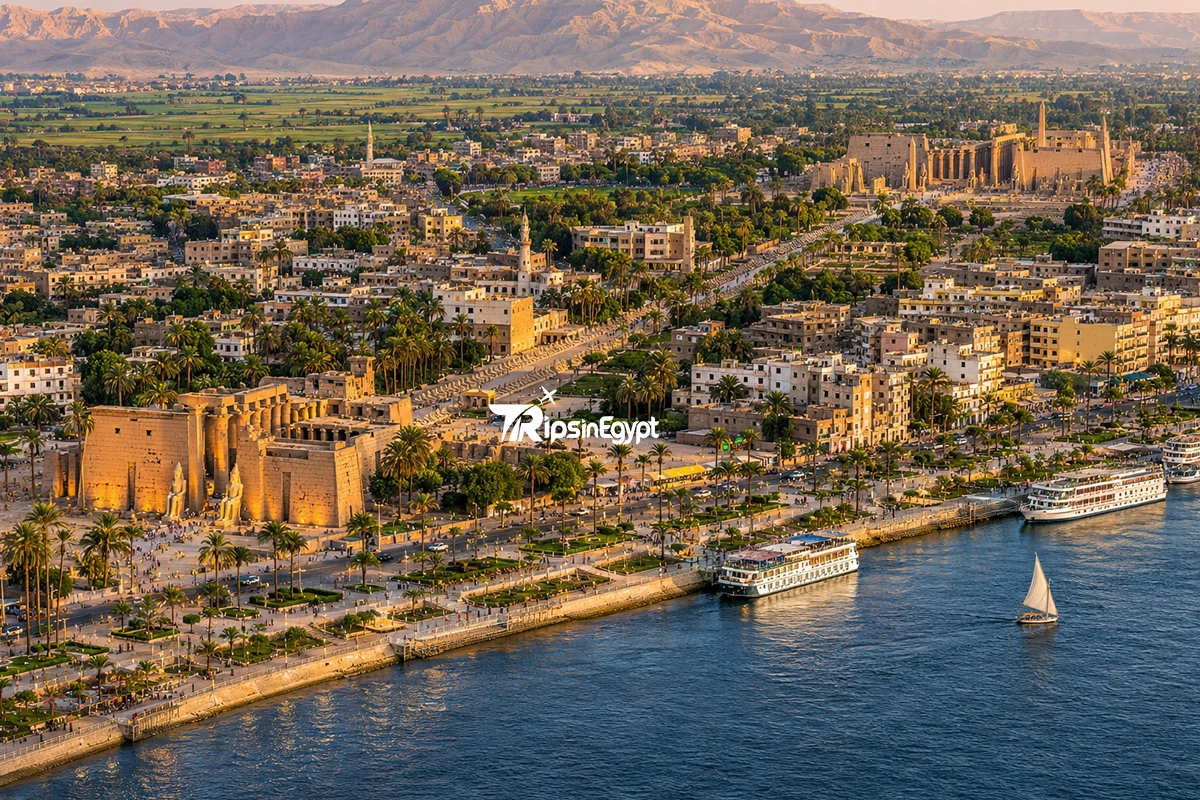
The East Bank is easy to read on a map, because almost everything sits on one north to south line along the river. The Corniche, Luxor's riverside promenade, runs its whole length, lined with hotels and cruise boats.
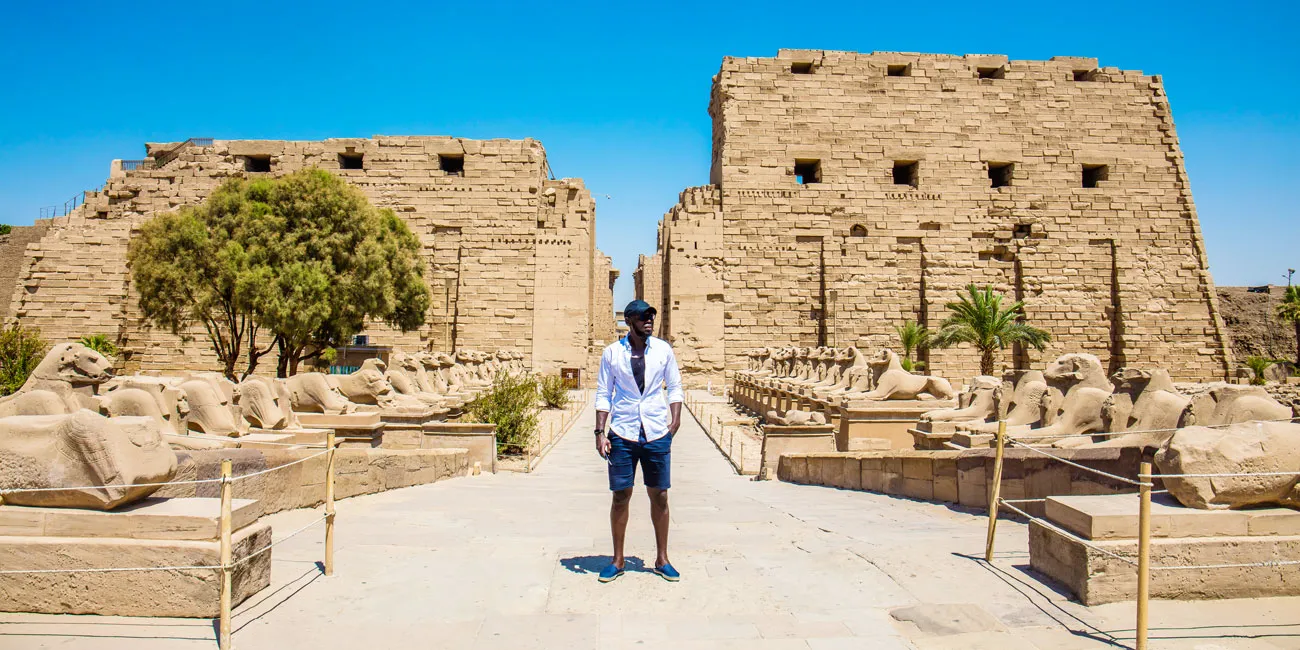
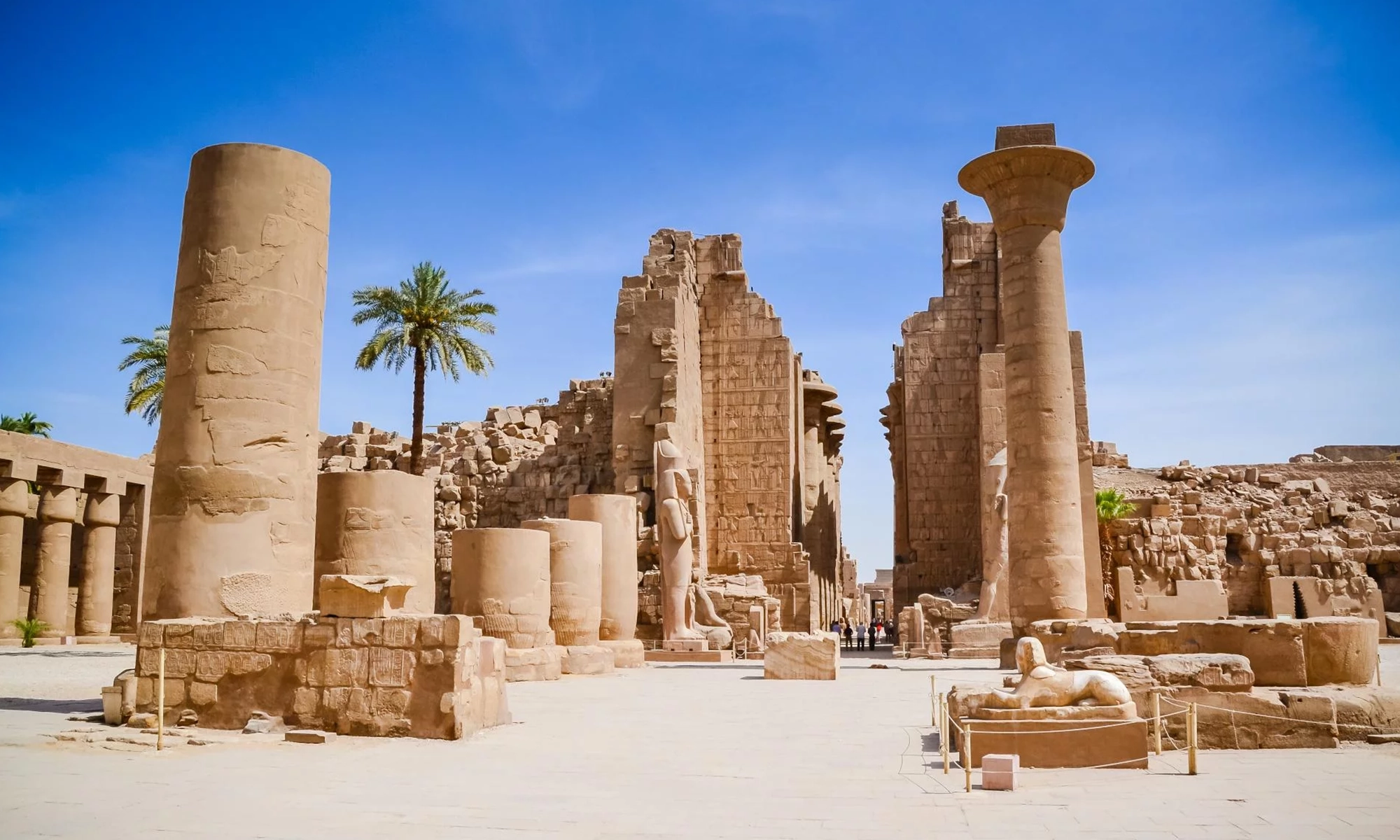
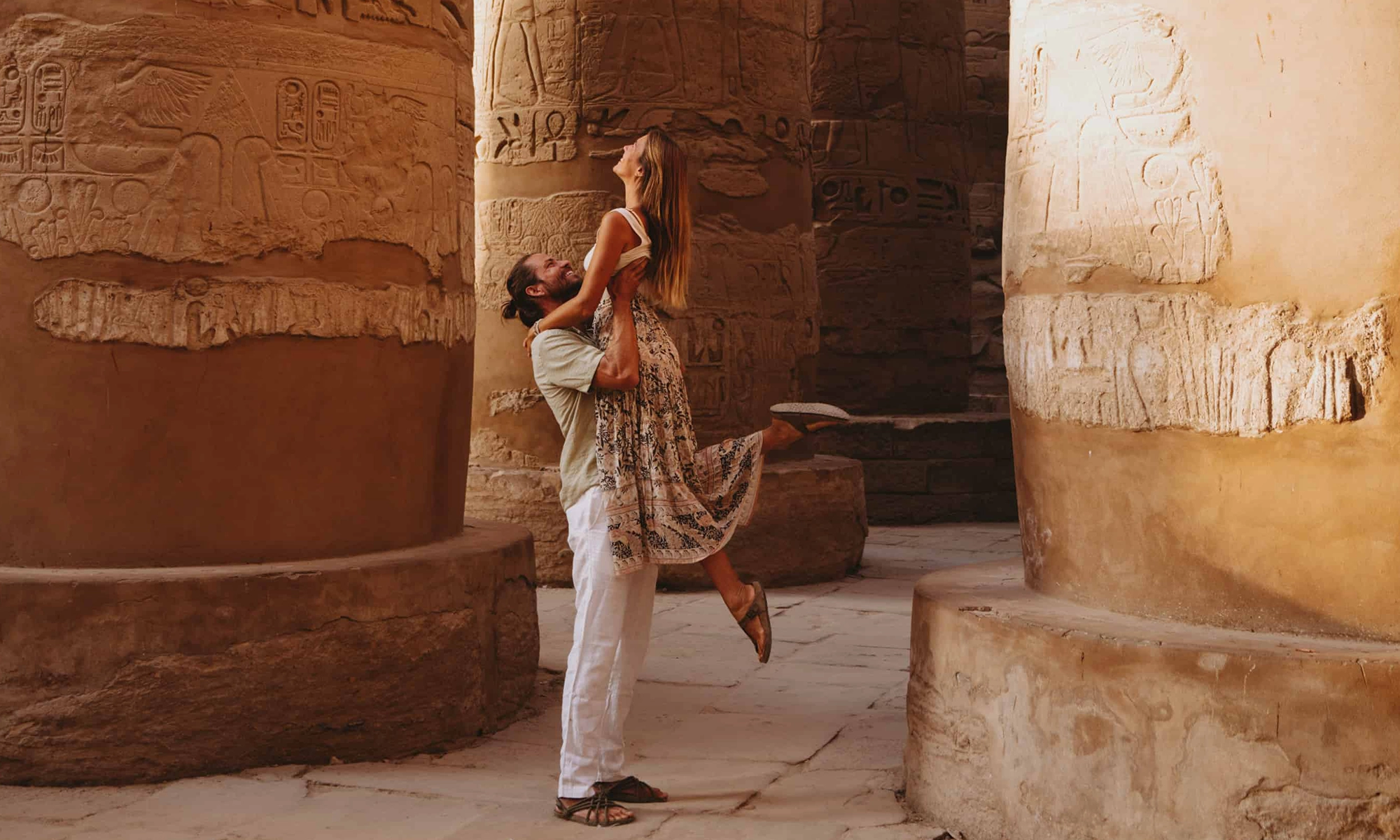
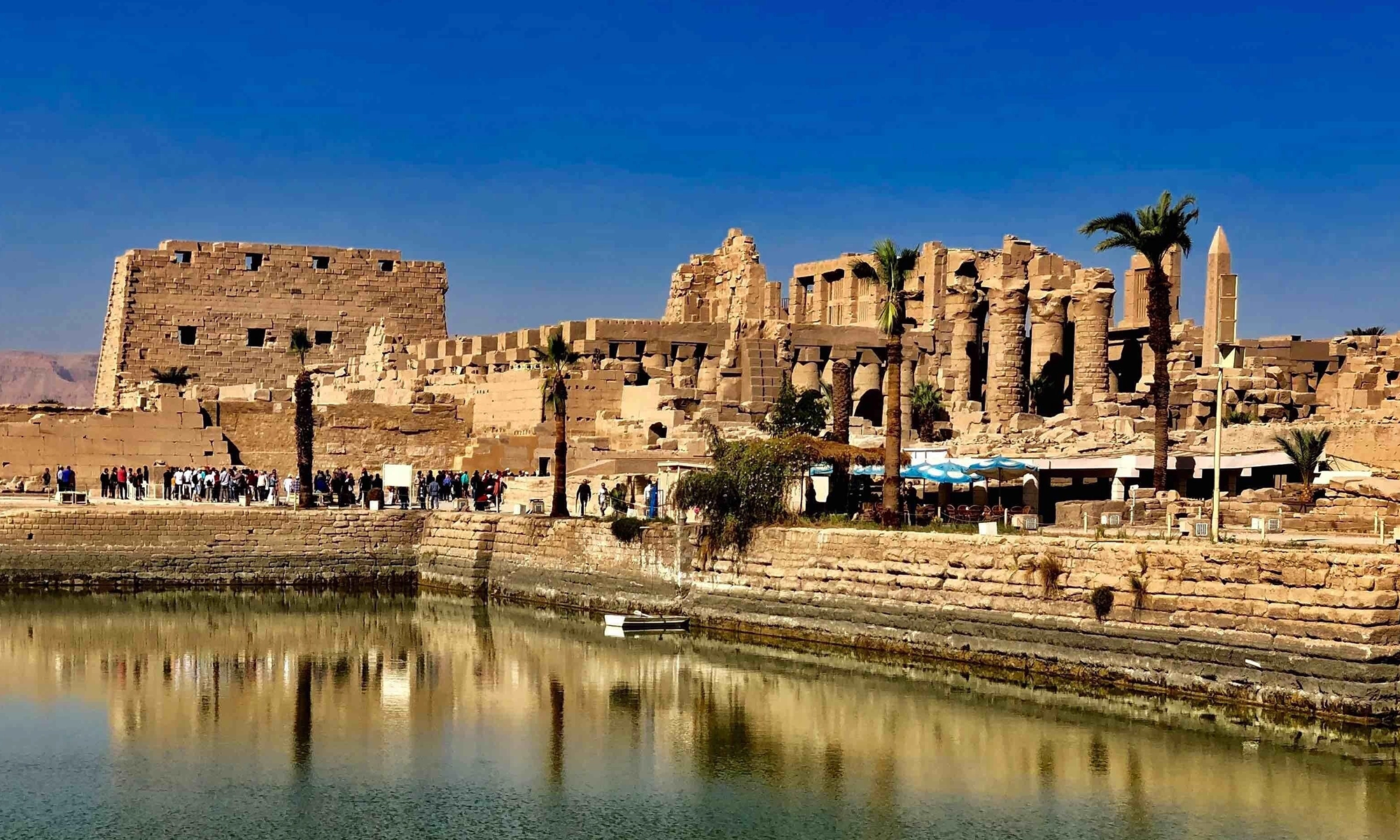
Karnak Temple sits at the northern end of the city, about 3 km north of Luxor Temple. It is one of the largest religious complexes ever built, enlarged by pharaoh after pharaoh for around 2,000 years. Its highlight is the Great Hypostyle Hall, with 134 giant columns, along with the obelisks of Hatshepsut and Thutmose I and a sacred lake. Plan at least two to three hours here.
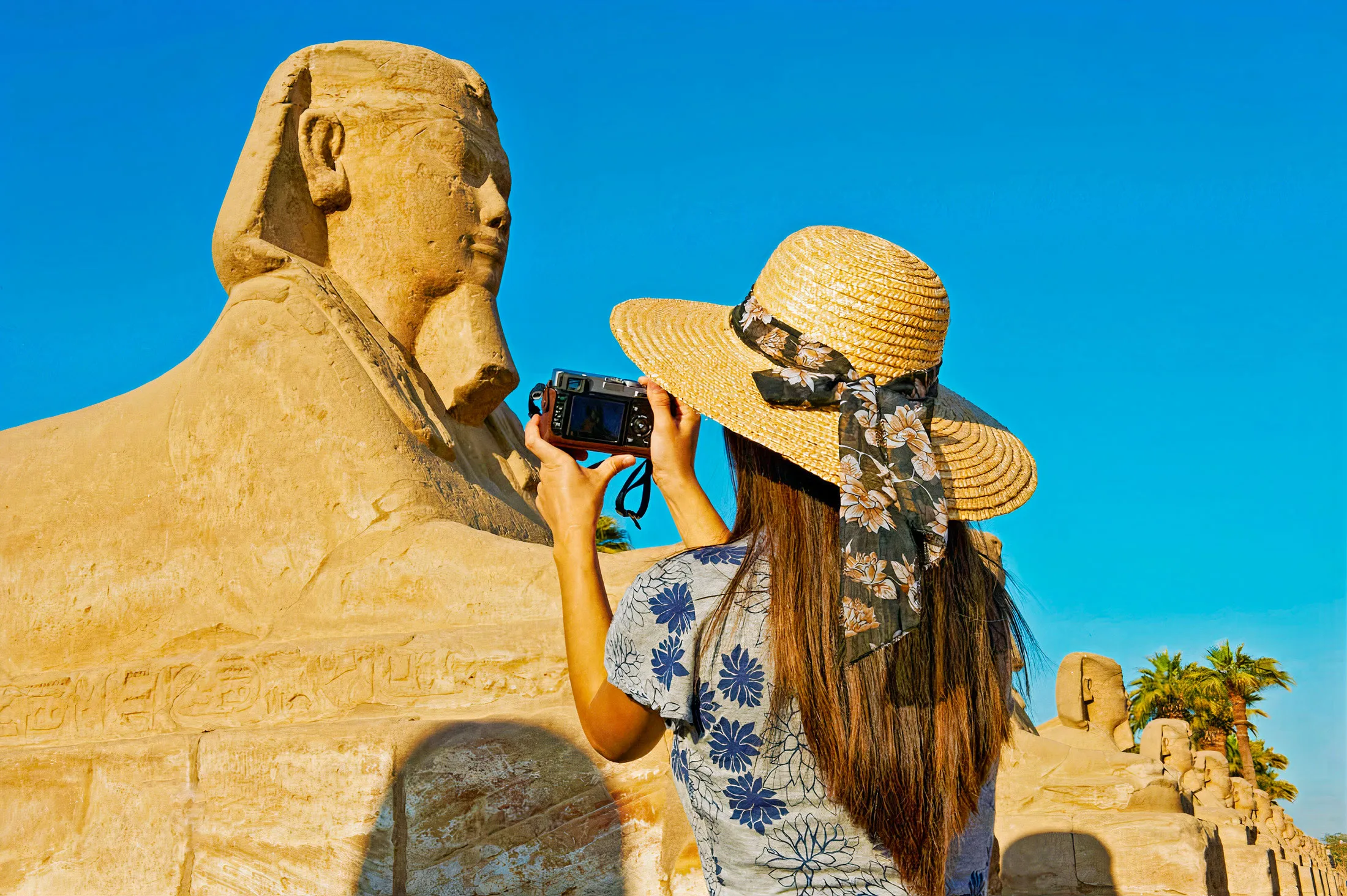
The Avenue of Sphinxes runs about 2.7 km south from Karnak to Luxor Temple. It was the route of the Opet Festival, when the statue of Amun was carried between the two temples each year, and today you can walk restored sections of it.
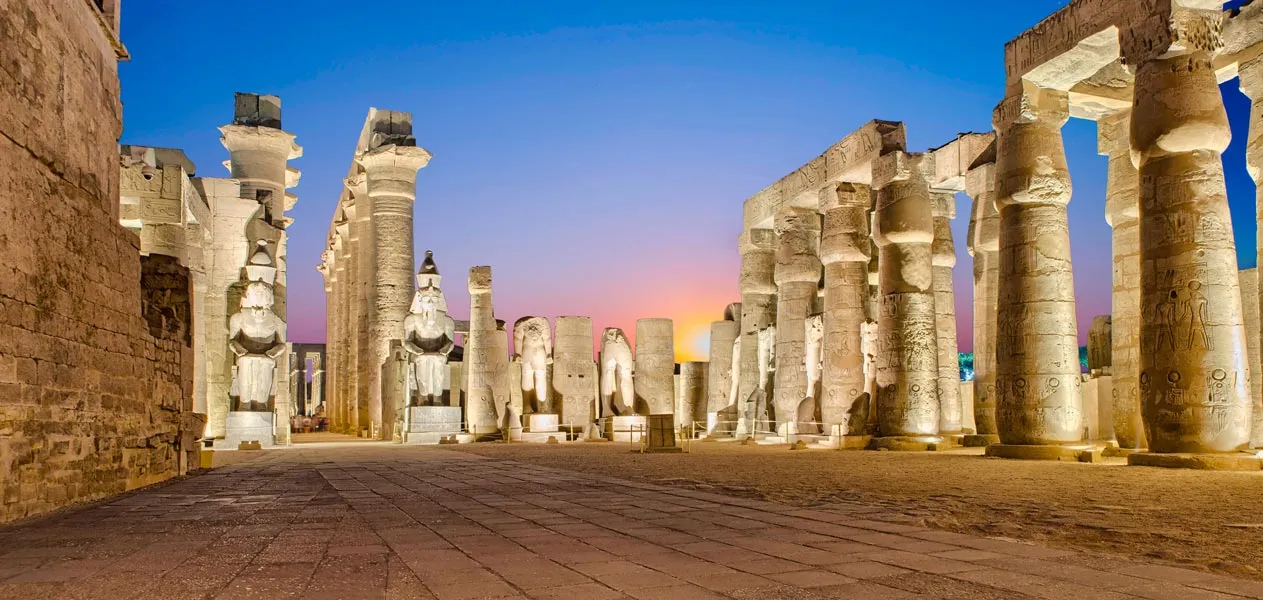
Luxor Temple stands in the heart of the modern town, right by the Corniche and the main ferry landing. Built mainly by Amenhotep III and Ramesses II, it keeps one of its two obelisks; the other stands in the Place de la Concorde in Paris. Its floodlit columns make it the best site to save for after dark.
Between the two temples on the Corniche, the Luxor Museum holds a small but excellent collection of statues from Thebes. A short walk south of it, the Mummification Museum explains the process behind the tombs you will see across the river, and our Luxor Museum and Mummification Museum tour covers both.
Upriver, south of the center, lies Banana Island, a quiet stop for a felucca ride at sunset. To see the whole East Bank with a guide in one day, take our Luxor East Bank day trip.
Luxor West Bank Map: The City of the Dead
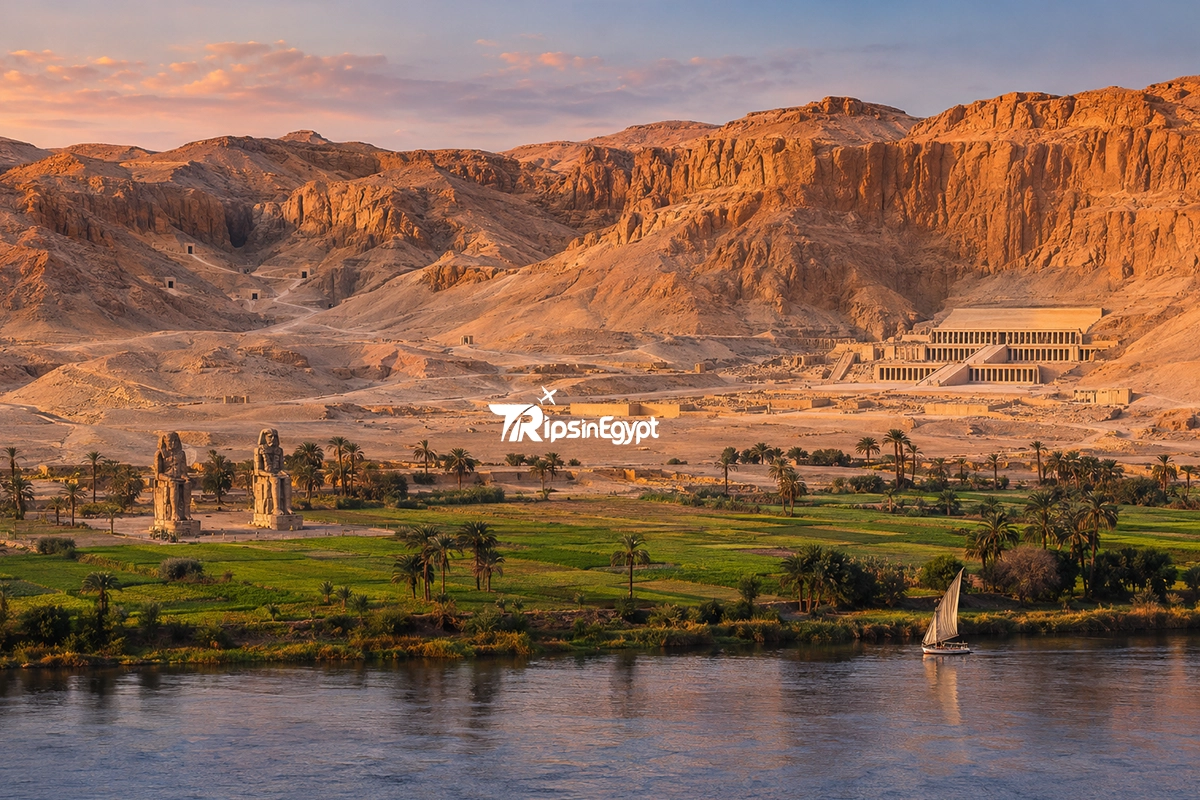
The West Bank feels like a different world. Past the ferry landing and the villages, the road crosses about 3 km of farmland before reaching the desert edge, where the monuments stand in a long arc at the foot of the Theban Hills. The peak of al-Qurn, shaped like a natural pyramid, rises over them all.
The easiest way to read this side of the map is from south to north, the way the main road runs:
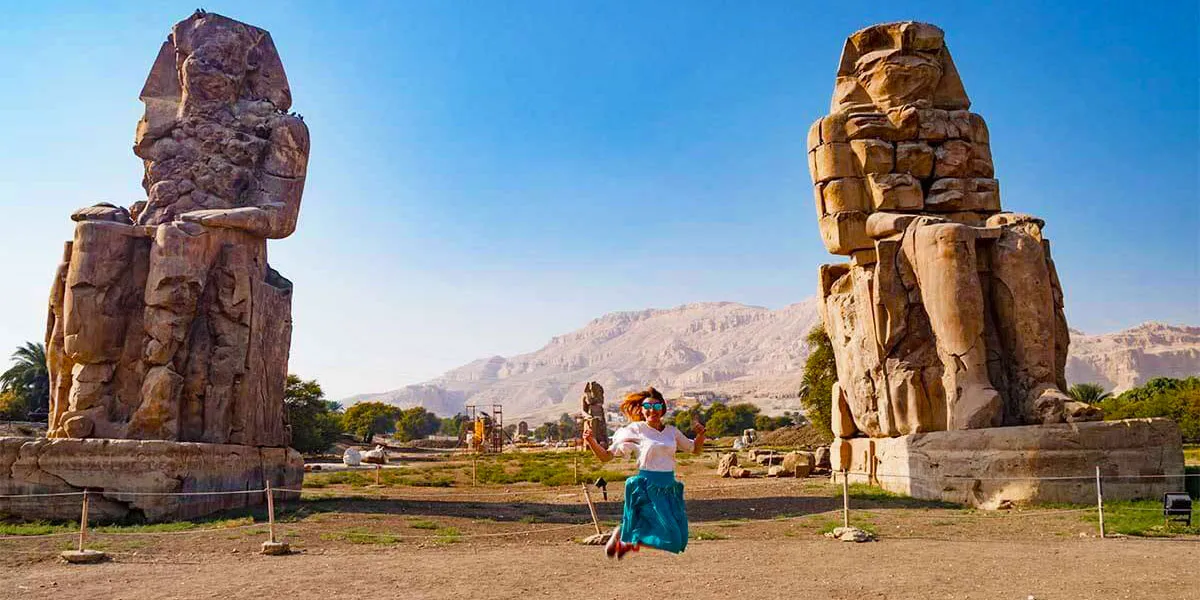
- Colossi of Memnon: the first sight you meet, right on the road. These two seated statues of Amenhotep III, each about 18 meters high, once guarded his mortuary temple. The Colossi of Memnon are free to view from the roadside.
- Medinet Habu: about 1.5 km southwest of the Colossi, the mortuary temple of Ramesses III has some of the brightest painted reliefs in Luxor, including his wars against the Sea Peoples.
- Valley of the Queens: at the southern end of the hills, with around 80 tombs of queens and royal children. The highlight is the tomb of Queen Nefertari, often called the most beautiful tomb in Egypt.
- Deir el-Medina: tucked in a small valley between the Queens and the Nobles, this was the village of the craftsmen who cut and painted the royal tombs.
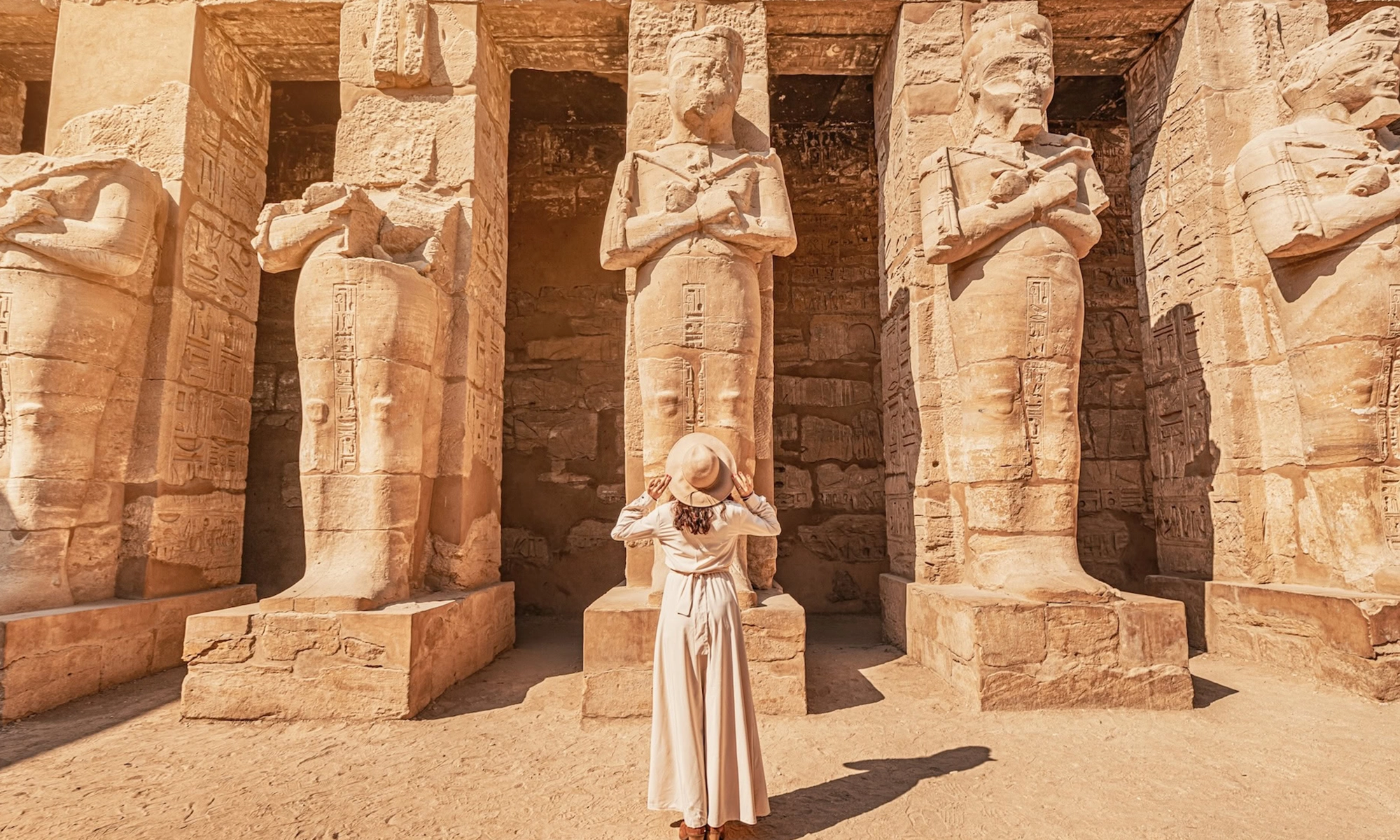
- Ramesseum: on the edge of the fields, the mortuary temple of Ramesses II, with a fallen colossus that once stood about 17 meters high.
- Tombs of the Nobles: on the hillside of Sheikh Abd el-Qurna, the Valley of the Nobles holds tombs of officials, with scenes of daily life.
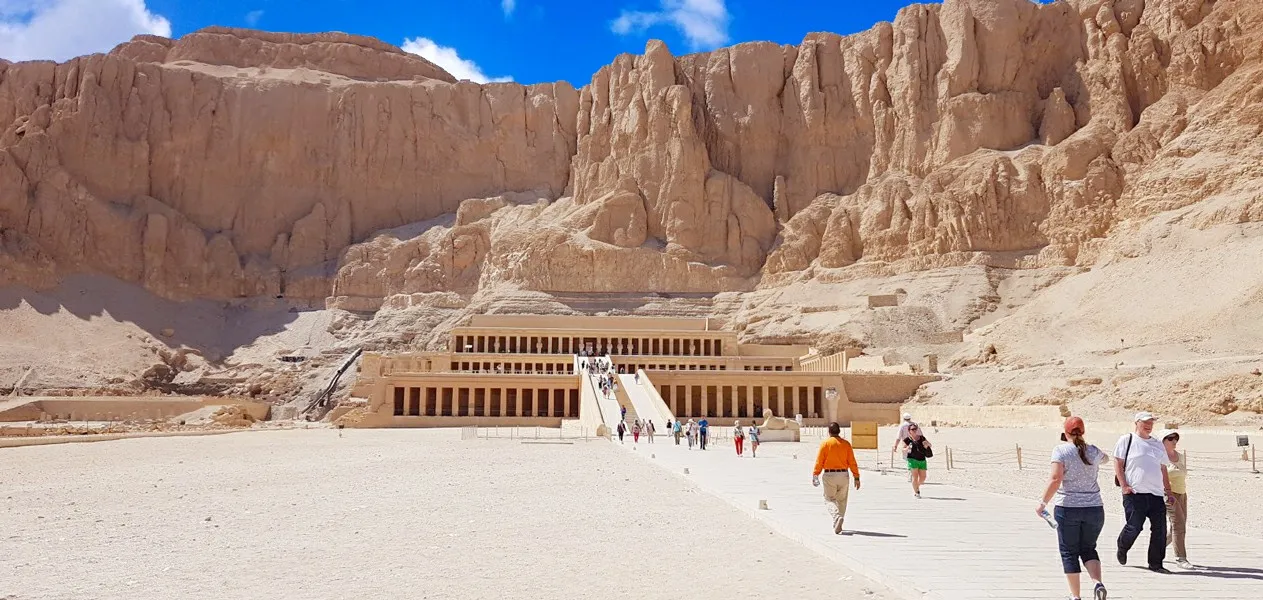
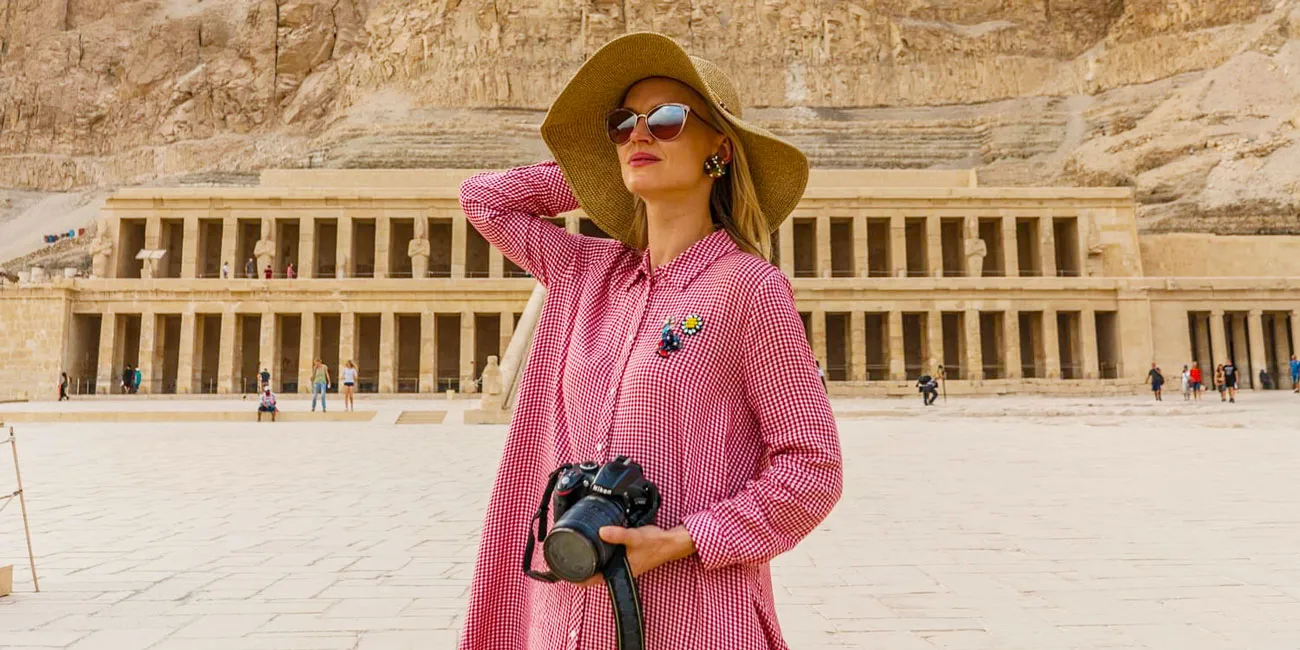
- Deir el-Bahari: in a bay of cliffs further north, the terraced Temple of Hatshepsut shares the site with the older temple of Mentuhotep II.
- Dra Abu el-Naga and Carter's House: on the road to the valley, older royal burials and the house where Howard Carter lived while searching for Tutankhamun.
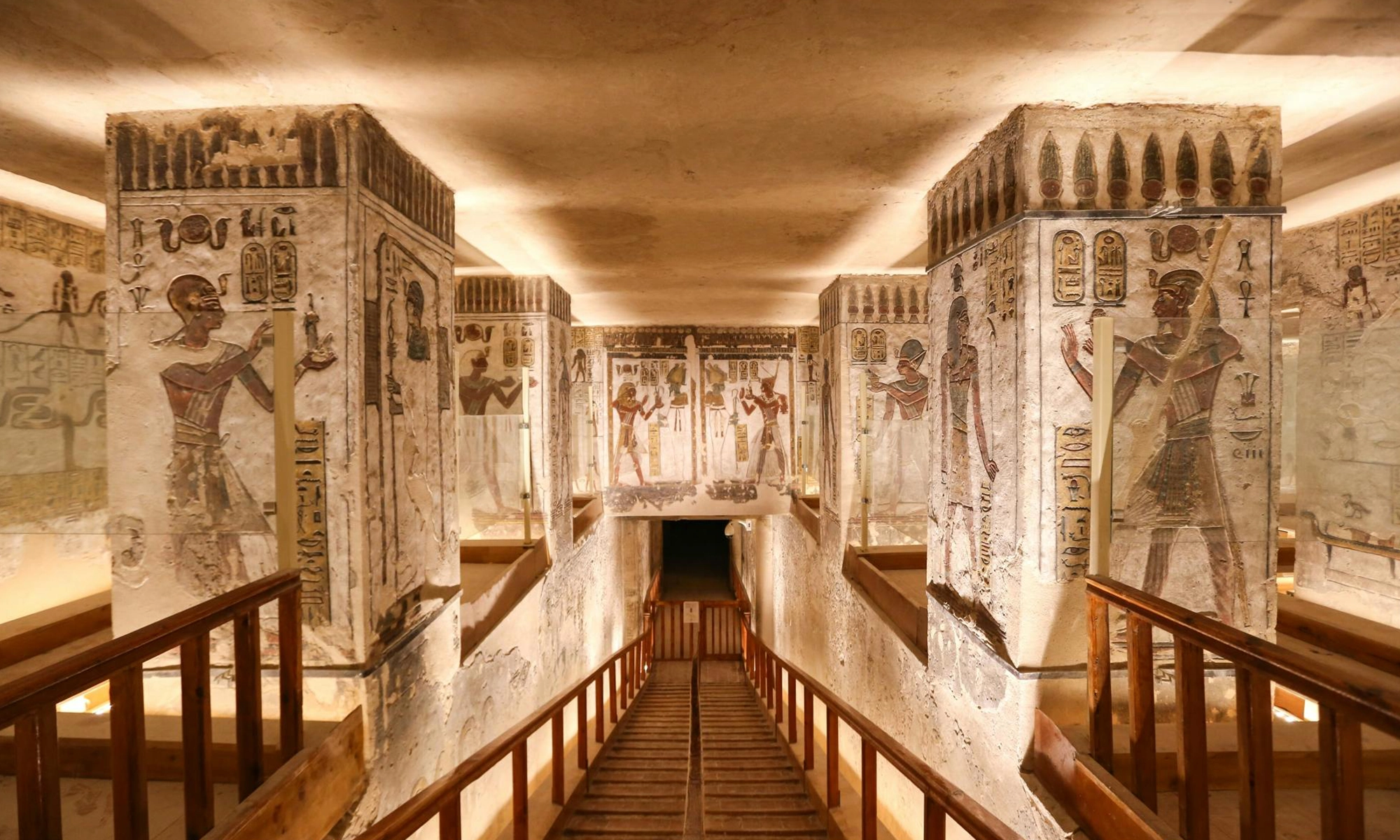
- Valley of the Kings: behind the cliffs, about 10 km from the ferry landing, the royal valley holds more than 60 tombs of New Kingdom pharaohs.
The Valley of the Kings is the reason most visitors cross the river. The standard ticket covers three tombs from those open that day, while the tomb of Tutankhamun, found in 1922, and the tomb of Seti I need their own tickets. A small electric train carries visitors from the visitor center to the tombs.
There is no shortcut over the hills: hiking across from Deir el-Bahari to the valley is no longer allowed. Our Luxor West Bank day tour handles the driving between sites with a private guide.
Main Attractions in Luxor at a Glance
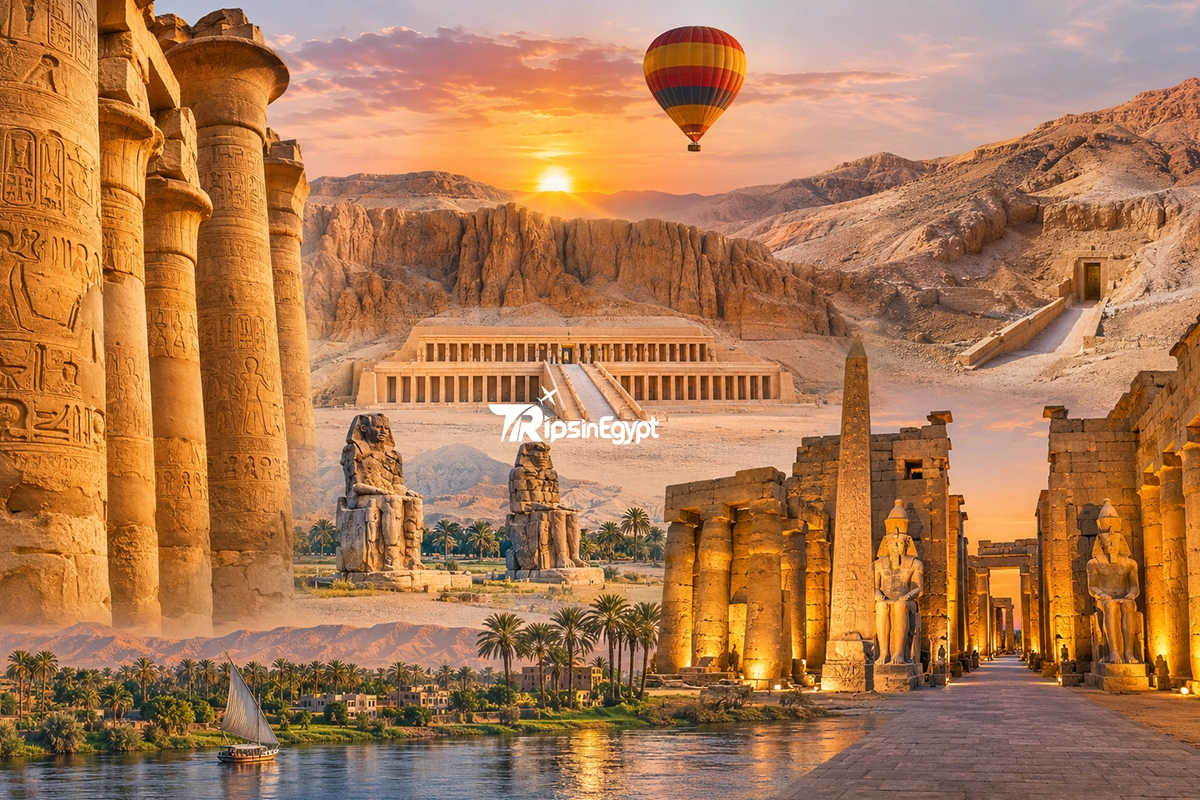
The table below puts the main attractions in Luxor side by side, with foreign adult ticket prices in Egyptian pounds, which can change at short notice.
| Attraction | Bank | Location | Ticket (EGP) | Time needed |
|---|---|---|---|---|
| Karnak Temple | East | North of the center, about 3 km from Luxor Temple | 600 | 2 to 3 hours |
| Luxor Temple | East | Town center, by the ferry landing | 500 | 1 to 1.5 hours |
| Luxor Museum | East | On the Corniche, between the temples | 400 | 1 to 1.5 hours |
| Colossi of Memnon | West | About 3 km inland from the ferry | Free | 15 minutes |
| Medinet Habu | West | About 1.5 km southwest of the Colossi | 220 | 1 to 1.5 hours |
| Valley of the Queens | West | Southern end of the hills | 220 (Nefertari 2,500) | 1 hour |
| Temple of Hatshepsut | West | Deir el-Bahari, below the cliffs | 440 | 1 hour |
| Valley of the Kings | West | About 10 km from the ferry | 750 (Tutankhamun 700, Seti I 2,000) | 2 to 3 hours |
Most sites open from 6 am to 5 pm, while Luxor Temple stays open until about 8 pm. Major ticket offices take cards, but carry some cash for smaller sites and tips.
If you plan to see almost everything, the Luxor Pass covers nearly every site for five days. The standard pass costs USD 130 and the premium pass, which adds the tombs of Nefertari and Seti I, costs USD 250. For a two or three-day visit, single tickets usually work out cheaper.
How to Cross Between the East and West Bank
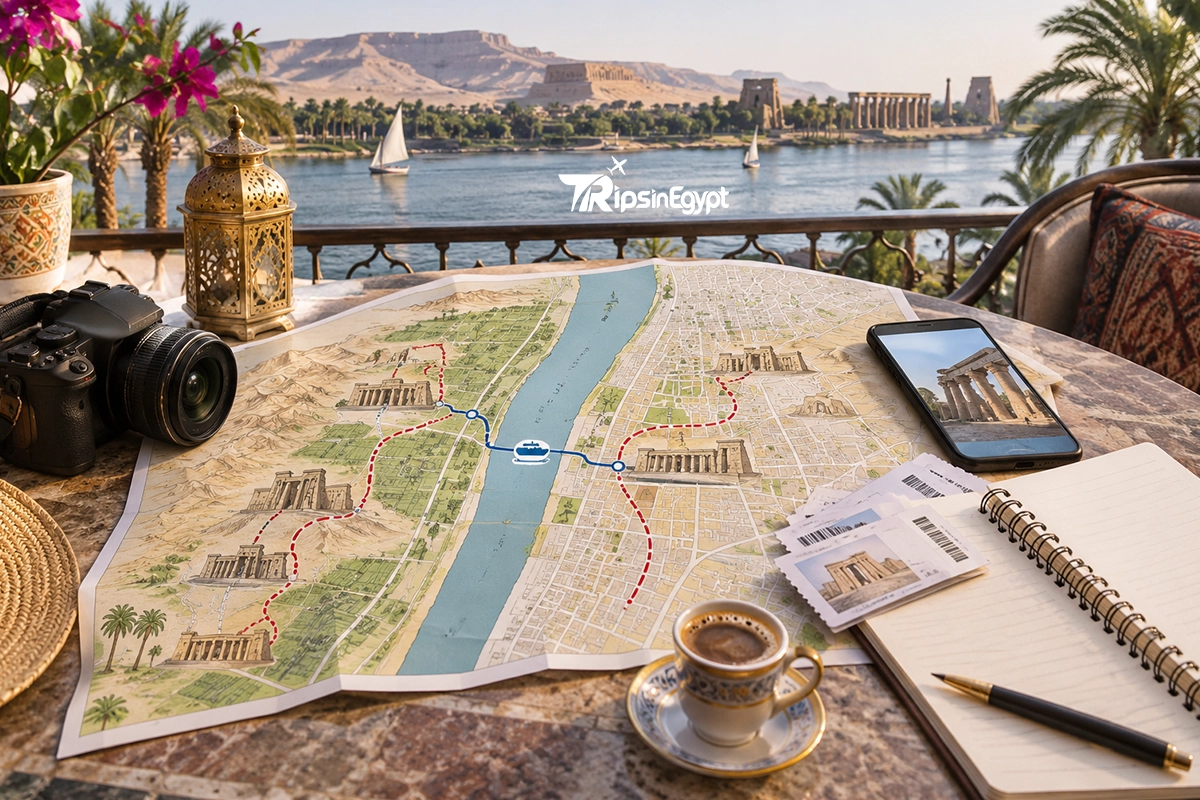
Central Luxor has no bridge, so crossing the Nile is part of every West Bank day:
- Public ferry: the cheapest crossing, leaving from a landing near Luxor Temple when it fills up. The ride takes under 10 minutes and costs a few Egyptian pounds.
- Private motorboat: boats wait along the Corniche and leave right away for a small negotiated fare.
- Felucca: the slowest and most charming way across, best kept for the late afternoon, when the light turns gold over the western hills.
- By road: the old Luxor Bridge crosses the Nile south of the city, which makes for a long detour. The newer North Luxor Axis bridge to the north is a more direct road route to the Valley of the Kings.
On the West Bank, taxis and tuk-tuks wait at the landing, but the distances and the heat make a car with a driver the easiest choice.
There is also a crossing above it all. A Luxor hot air balloon ride lifts off from the West Bank before sunrise and shows the whole map at once, from the green fields and the river to the tombs below.
How to Plan Your Route Around the Luxor Map
With the map in mind, the easiest plan is one bank per day. Start each day early, since the West Bank can pass 40°C by midday in summer, and sites are quietest just after opening. Our guide to the best time to visit Luxor explains the seasons in detail.
Day one, West Bank. Take a sunrise balloon, then go straight to the Valley of the Kings before the crowds arrive. Continue to the Temple of Hatshepsut, stop at the Colossi of Memnon on the way back, and finish at Medinet Habu if you still have energy.
Day two, East Bank. Visit Karnak in the cool of the morning, rest over lunch, see the Luxor Museum in the afternoon, then walk part of the Avenue of Sphinxes to Luxor Temple for sunset and its lights.
Day three, beyond the main map. Return to the West Bank for the Valley of the Queens, Deir el-Medina, the Tombs of the Nobles and the Ramesseum. Or head out of town: Dendera lies about 60 km north and Abydos further on, both covered by our Dendera and Abydos tour from Luxor, while the Temple of Esna is about 55 km south.
If you only have one day, combine the Valley of the Kings, the Temple of Hatshepsut and Karnak. Our Luxor in 48 hours plan and the full list of things to do in Luxor help you fill any extra time.
Explore Every Corner of the Luxor Map With Trips In Egypt
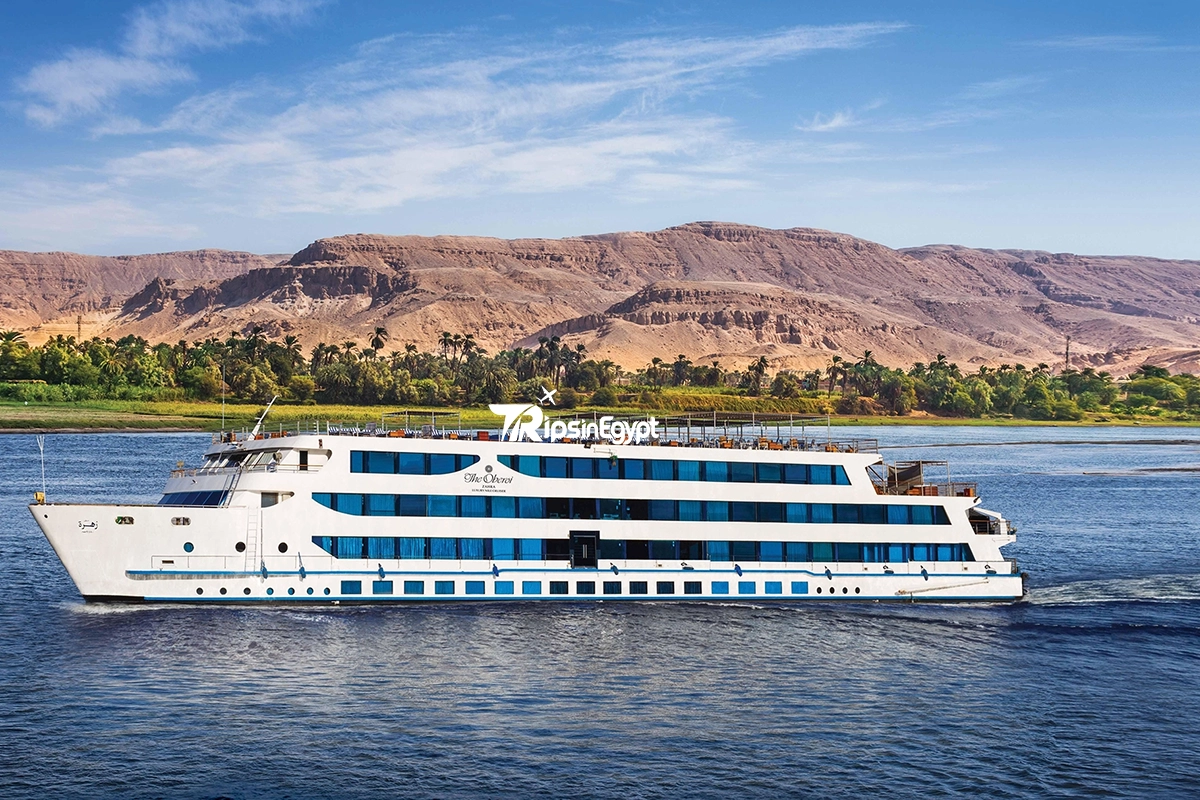
A map shows where the temples lie, but the golden light of Thebes is something no map can capture. We arrange the crossings, the tickets, the balloon and the driver, so you can spend your time looking rather than planning. Add Luxor to one of our Egypt trip packages, sail between the temples on our Nile river cruises, or design your own route with our tailor-made tours. Book us now or contact our operation department today.

5 Days Cairo And Hurghada Trip
Amazing 4 Nights Cairo and Hurghada Trip Itinerary 5 Days Cairo and Hurghada trip wil...
- Duration 5 Days / 4 Nights
- Location Cairo & Hurghada
- Type Historical & Recreational Tour
From$690/per person
View Tour
6 Days Cairo, Alexandria & Faiyum Tour
Unforgettable Cairo, Alexandria & Faiyum Adventure in Six Days 6 Days Cairo, Alex...
- Duration 6 Days / 5 Nights
- Location Cairo - Alexandria - Fayum
- Type Historical Tour
From$720/per person
View Tour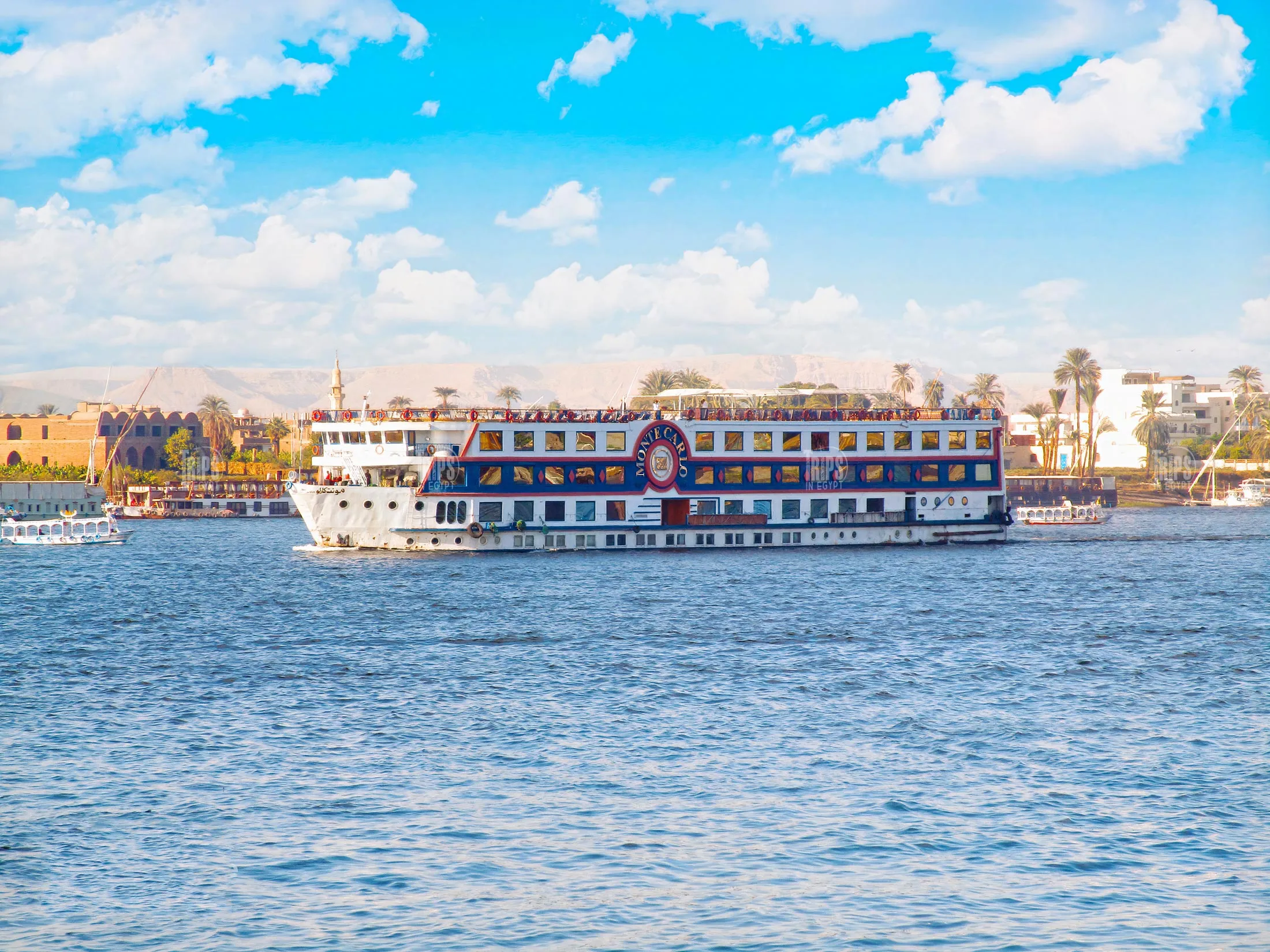
10 Days Cairo, Faiyum & Nile Cruise Holiday
Breathtaking 10 Days Journey of A Lifetime in Egypt 10 Days Cairo, Faiyum & Nile...
- Duration 10 Days / 9 Nights
- Location Cairo, Luxor, Aswan & Faiyum
- Type Classic Tour
From$1350/per person
View Tour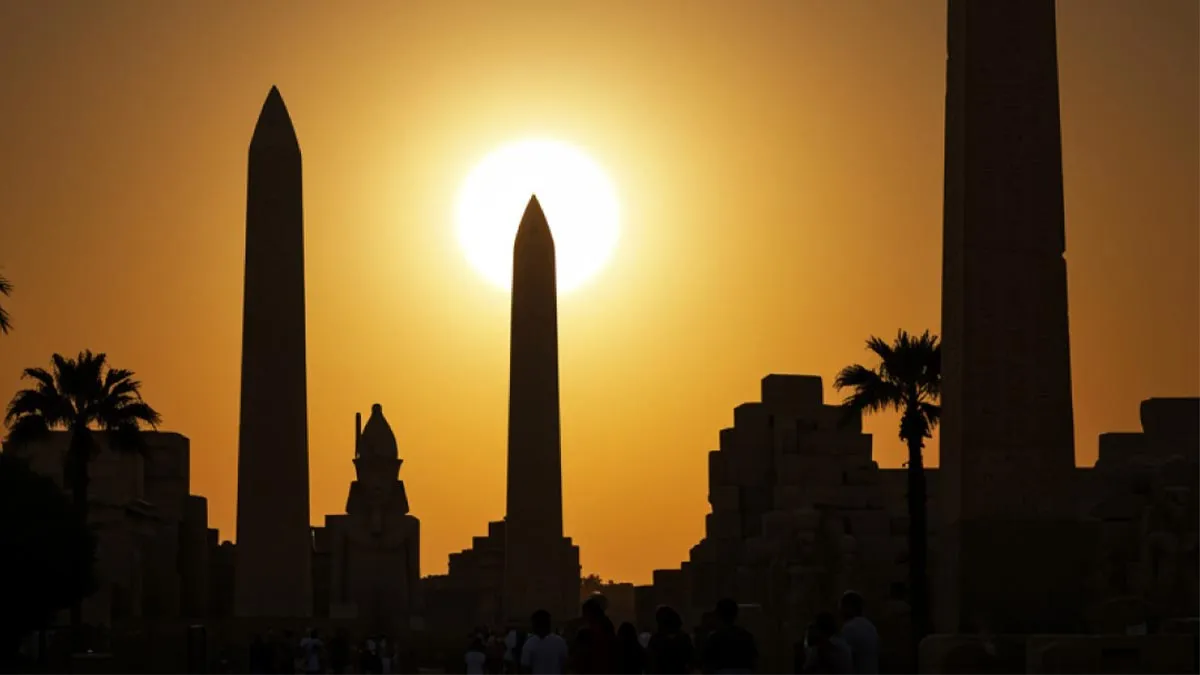 SOLD OUT
Ultimate 7-Day Egypt Solar Eclipse Experience with Hurghada 2027
Enjoy a 7-Day Egypt Solar Eclipse Tour with Hurghada 2027 6 Nights Egypt Solar Ecli...
- Duration 7 Days / 6 Nights
- Location Cairo / Giza / Luxor / Hurghada
- Type Astronomical Tour
Sold Out
View Details