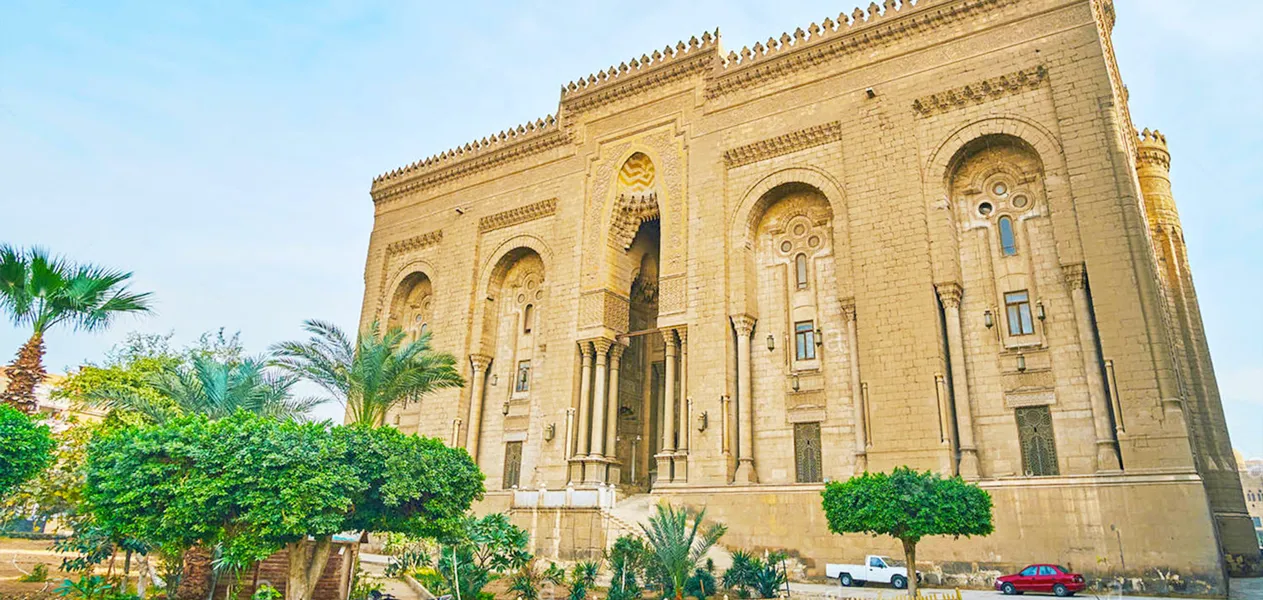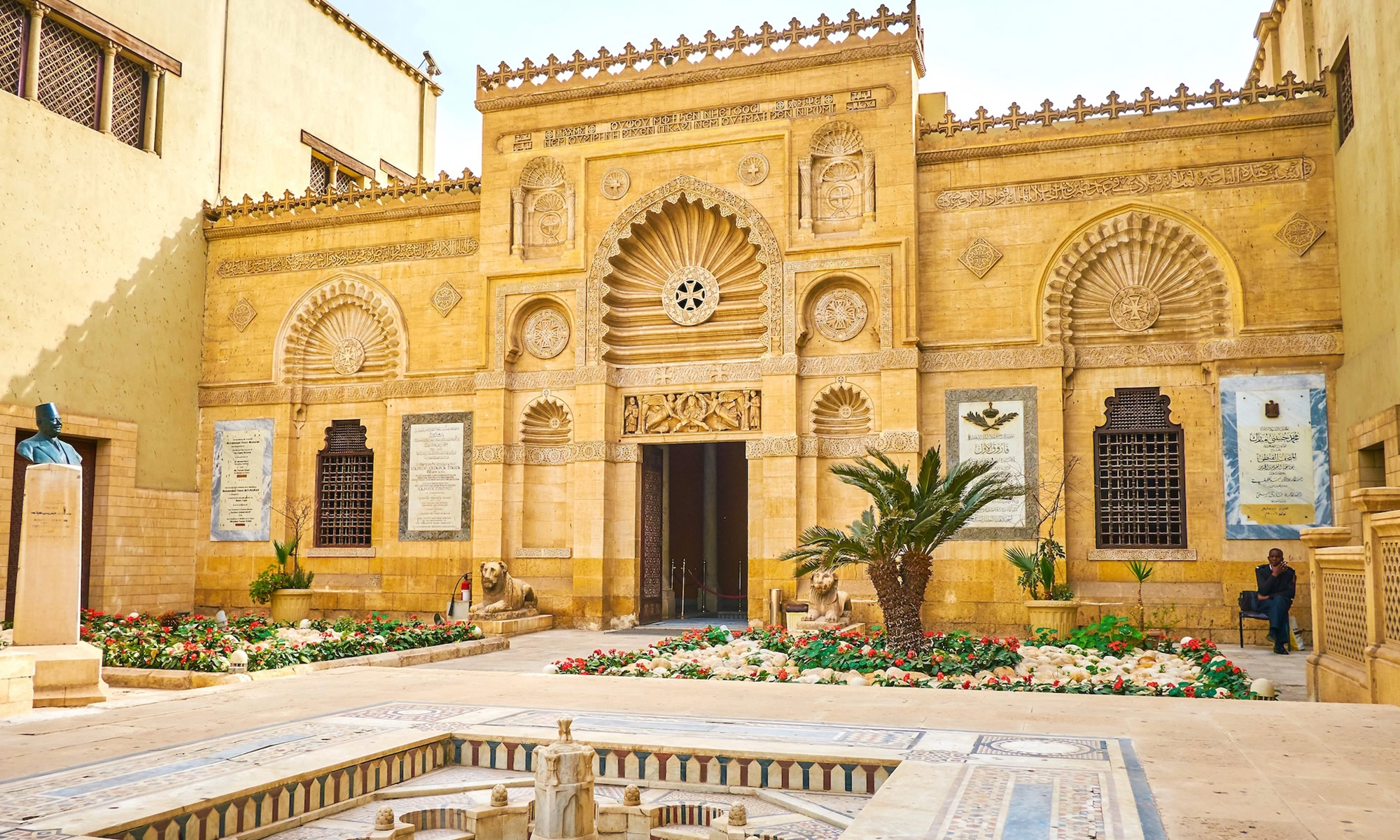




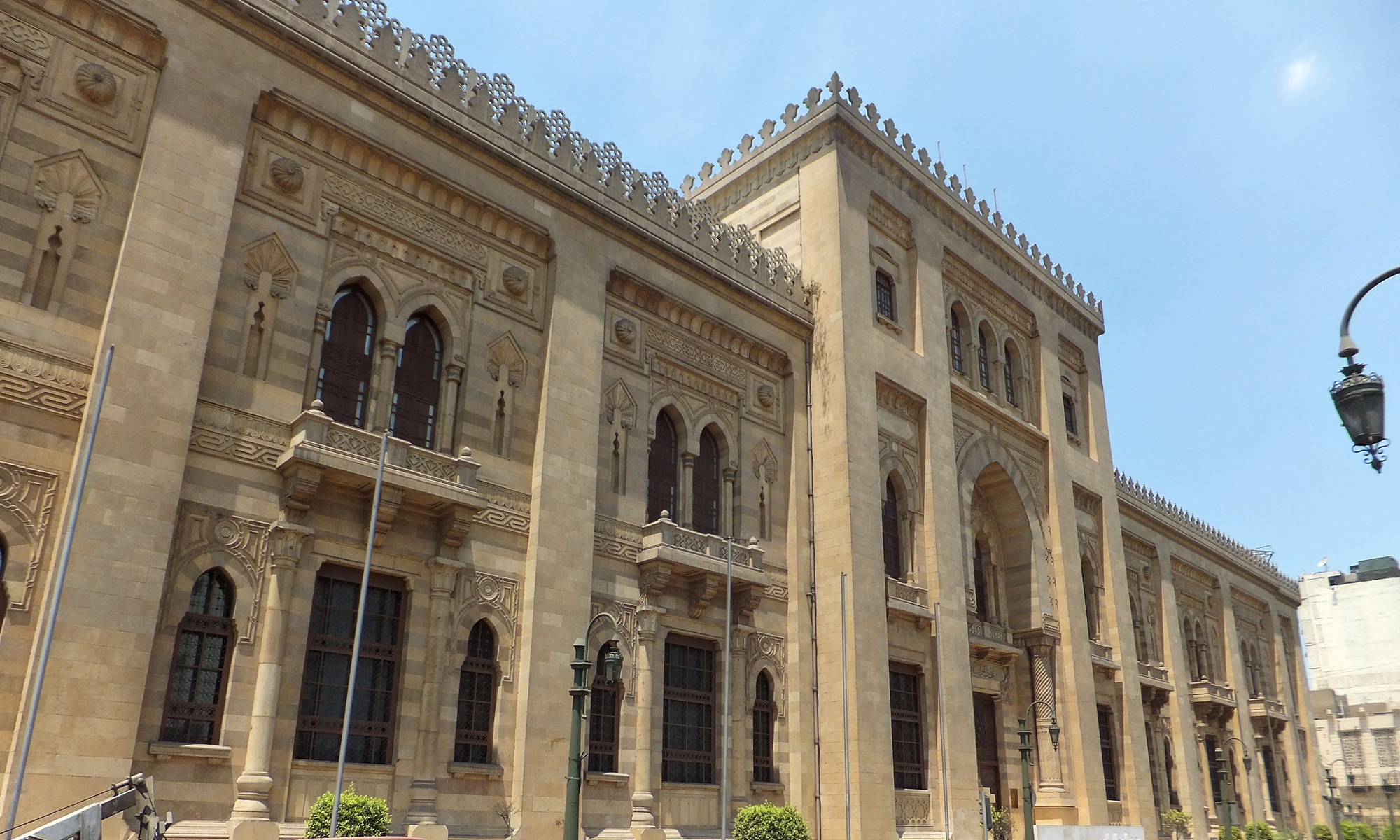
On a busy square at the edge of old Cairo, a carved stone facade hides more than a thousand years of Islamic craft and history. The Museum of Islamic Art holds over 100,000 objects made between the 7th and 19th centuries, from Umayyad bronze and Fatimid lusterware to Mamluk glass lamps and Ottoman tiles. It is often described as the largest museum of its kind in the world.
Every lamp and every page here was made for daily life, for prayer or for science, and that is what makes the collection feel close and human. This guide covers the museum's history, how the collections are arranged, ten objects to look for, where the museum is and how to reach it, tickets and opening hours, and how to pair it with the monuments around it. Here are all things you need to know about the Museum of Islamic Art in Cairo:

The Grand History of the Museum of Islamic Art
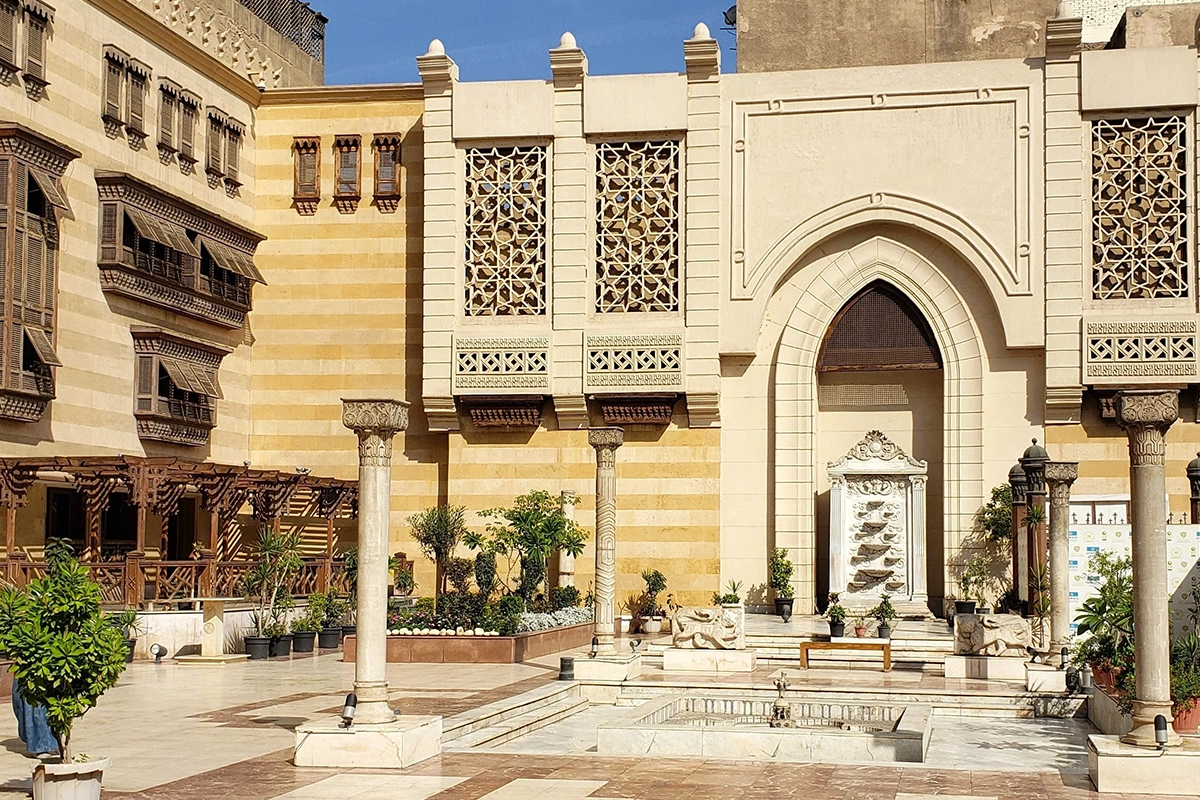
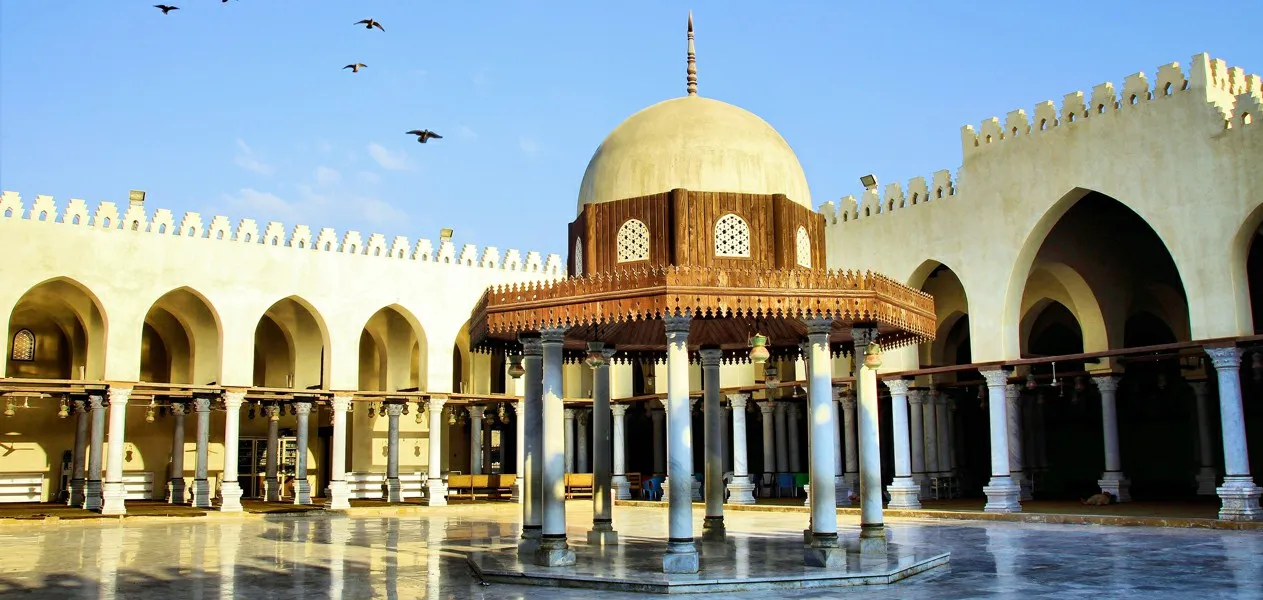
The museum began as a rescue mission. In 1881, the new Comité de Conservation des Monuments de l'Art Arabe started gathering lamps, doors, pulpits and inscriptions from Cairo's crumbling mosques and houses. The first pieces were stored in the arcade of the Mosque of al-Hakim, near Bab al-Futuh, and the collection became known as the Museum of Arab Art.
Under the Austro-Hungarian architect and scholar Max Herz, who took charge in 1887, the collection outgrew its home. A new building at Bab al-Khalq was completed in 1902 and opened in 1903, in the reign of Khedive Abbas Helmy II. Designed in the Neo-Mamluk style, it shared its walls with the Khedivial Library, which held the national book collection upstairs.
The building closed in 2003 for a long renovation and reopened in 2010 with new lighting and display cases. On 24 January 2014, a car bomb aimed at the Cairo Security Directorate across the street shattered the facade and destroyed many cases inside. Many objects were broken or damaged, and restoration, supported by the UAE, UNESCO and several European governments, took three years. The museum reopened on 18 January 2017, and its repaired facade is now as fine as it was a century ago.
How the Collections Are Arranged: From the Umayyads to the Ottomans
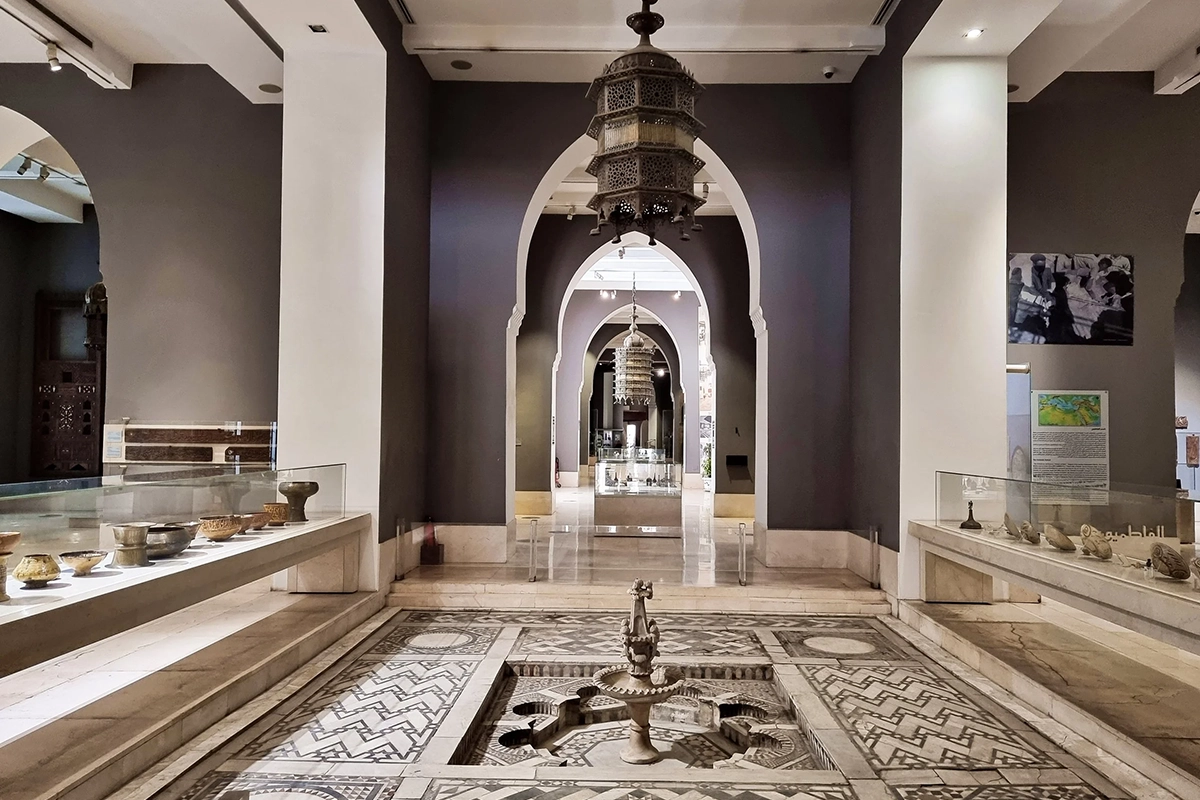
About 4,500 of the museum's objects are on display, in 25 halls on the ground floor. The halls are split into two wings. The right wing follows Islamic history by dynasty, so you can watch styles change as you walk. The left wing is arranged by theme: science and astronomy, calligraphy, coins, weapons, textiles, carpets, ceramics and stone.
| Dynasty | Period | What to look for |
|---|---|---|
| Umayyad | 661 to 750 | Early bronzes, coins and carved stone from the decades after the Mosque of Amr ibn al-As was founded |
| Abbasid and Tulunid | 750 to 905 | Carved wood in the beveled style of Samarra, also seen at the Mosque of Ibn Tulun |
| Fatimid | 909 to 1171 | Lusterware ceramics, rock crystal and carved wooden panels |
| Ayyubid | 1171 to 1250 | Inlaid metalwork and ceramics from the age of Salah El-Din |
| Mamluk | 1250 to 1517 | Enameled glass lamps, brass inlaid with silver, Quran stands |
| Ottoman | 1517 to 1805 | Iznik tiles, carpets, wooden furniture |
The objects come from Egypt, Syria, Iraq, Iran, Turkey, North Africa and Andalusia, but the Cairo pieces stand out. Many still carry the names of sultans whose mosques you can visit within a short drive. Our guide to Islamic sites in Egypt puts them on a map, and our overview of Egypt's museums shows where the earlier chapters are kept, from pharaonic to Coptic.
Ten Objects Not to Miss at the Museum of Islamic Art
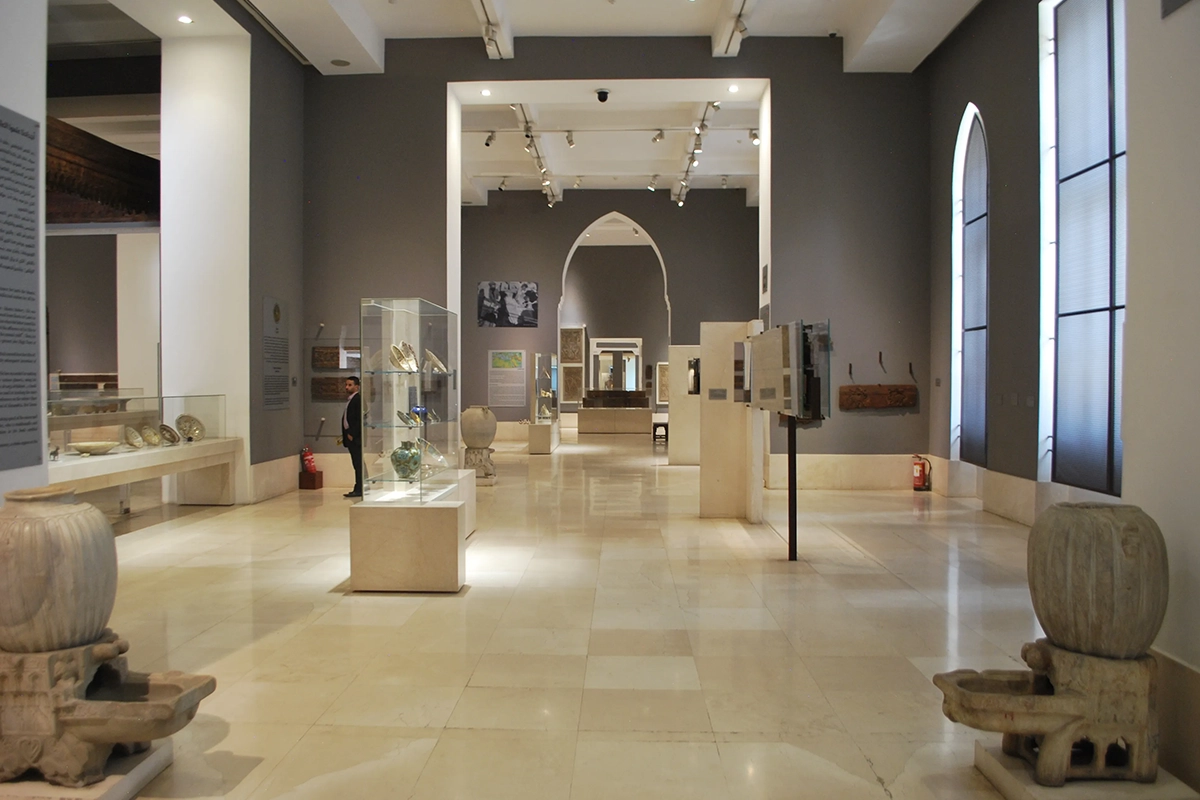
The museum is large, so it helps to arrive with a short list. These ten pieces give a good sense of the whole collection:
- The ewer of Marwan II. A bronze water jug with a crowing rooster for a spout, linked to the last Umayyad caliph, who died in Egypt in 750.
- An early Islamic gold dinar. The coin room holds Umayyad dinars from the late 7th century, among the first coins struck with only Arabic words and no images.
- The Mamluk key to the Kaaba. A key inlaid with gold and silver, inscribed with the name of a 14th-century Mamluk sultan.
- A gold textile with the oldest Kufic inscription. It is a fragment of tiraz, the inscribed cloth that caliphs gave as gifts of honor.
- Fatimid lusterware. Ceramic plates and bowls painted with birds, dancers and musicians, glazed to shine like metal.
- The wooden mihrab of Sayyida Ruqayya. This 12th-century Fatimid prayer niche is covered in carved geometric stars.
- Mamluk glass mosque lamps. These enameled lamps carry Quranic verses and sultans' names, some from the Sultan Hassan Mosque.
- Astrolabes and scientific instruments. Brass astrolabes and globes used to find prayer times and the direction of Mecca.
- Medical manuscripts. These include an illustrated treatise on simple medicines, a reminder of how far Arab physicians advanced pharmacy.
- Ottoman Iznik tiles and Persian carpets. Cobalt, turquoise and tomato-red tiles hang near silk and wool carpets from Iran and Turkey.
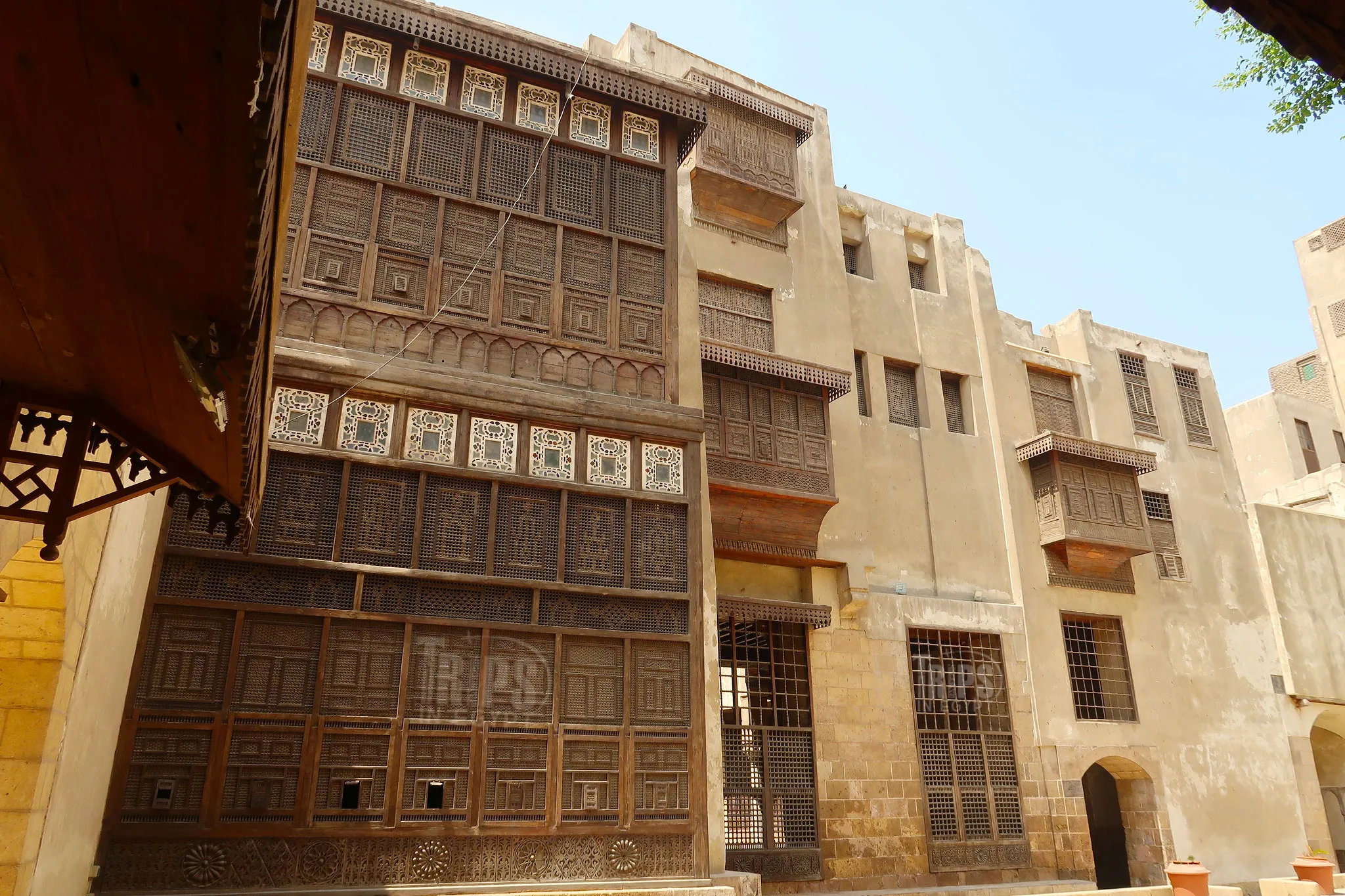
Look up as you walk, too. Doors, ceiling panels and window grilles saved from old Cairo houses are fixed in place throughout the halls, so the building itself feels like a collection.
Where Is the Museum of Islamic Art Located and How to Get There
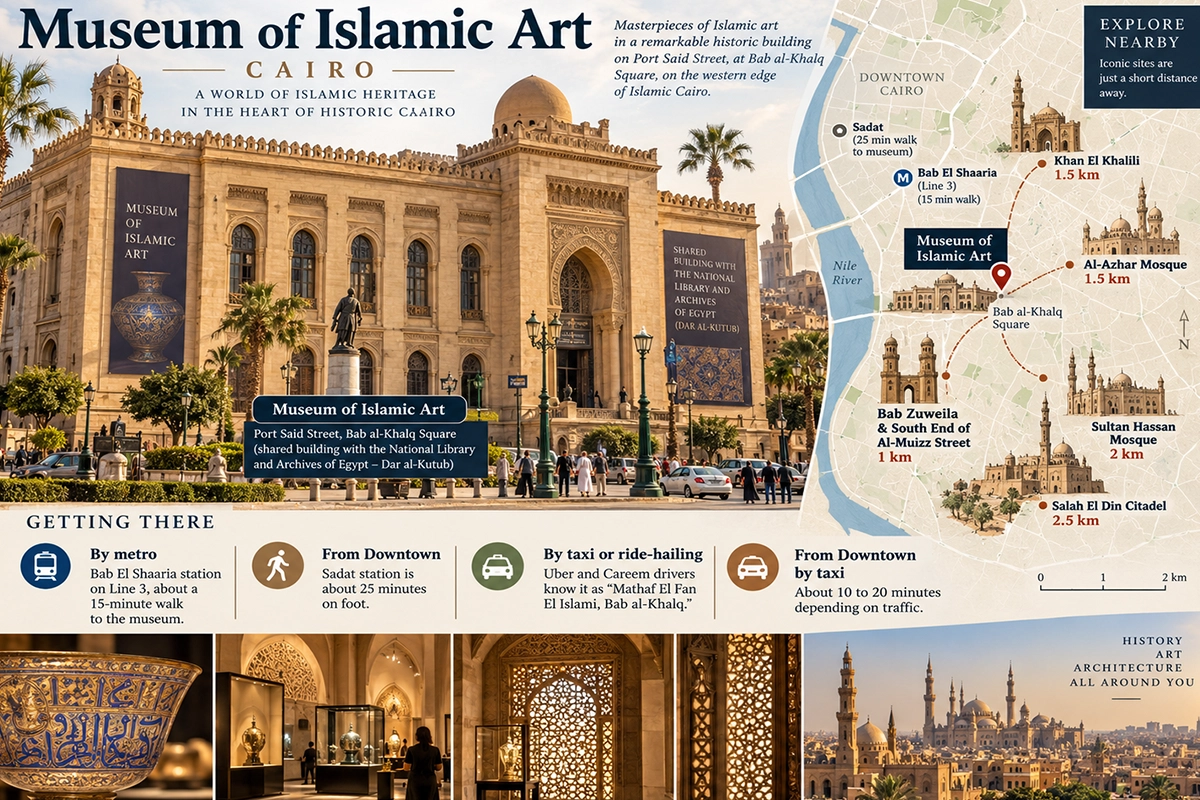
The museum stands on Port Said Street at Bab al-Khalq Square, on the western edge of historic Islamic Cairo. It shares the building with the National Library and Archives of Egypt, known as Dar al-Kutub, and faces the Cairo Security Directorate.
By metro: The nearest station is Bab El Shaaria on Line 3, about a 15-minute walk away. From Downtown, Sadat station is about 25 minutes on foot.
By taxi or ride-hailing: Uber and Careem drivers know it as "Mathaf El Fan El Islami, Bab al-Khalq". From Downtown, the trip takes about 10 to 20 minutes depending on traffic. Our Cairo travel tips explain how to use both.
The museum is close to several of Cairo's great Islamic monuments:
| From the museum to | Approximate distance |
|---|---|
| Bab Zuweila and the south end of Al-Muizz Street | 1 km |
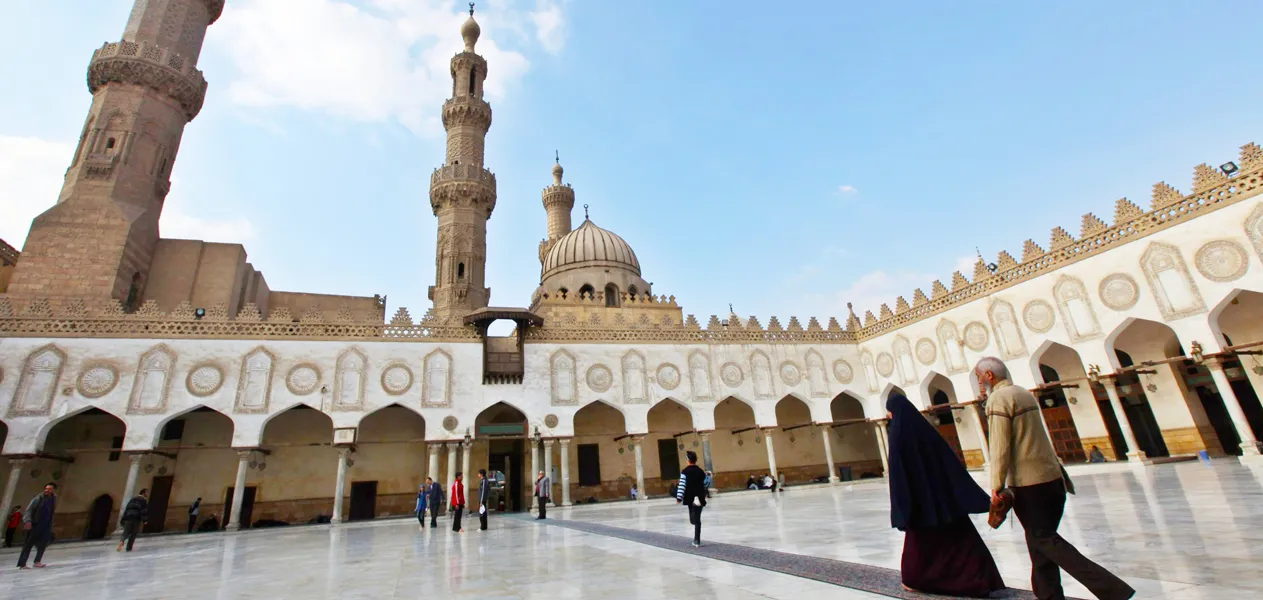
| Al-Azhar Mosque | 1.5 km |
| Khan El Khalili | 1.5 km |
| Sultan Hassan Mosque | 2 km |
| Salah El Din Citadel | 2.5 km |
Museum of Islamic Art Tickets, Opening Hours and Tips
These are the official ticket prices from Egypt's Ministry of Tourism and Antiquities:
| Ticket | Price |
|---|---|
| Foreign adult | EGP 340 |
| Foreign student with valid ID | EGP 170 |
| Egyptian adult | EGP 20 |
| Egyptian student | EGP 10 |
Opening hours: The museum opens every day from 9 am to 5 pm, and the ticket window closes at 4 pm. During Ramadan, the hours change to 9 am to 3 pm, with the last ticket at 2 pm. Most state museums now prefer payment by card, so bring a Visa or Mastercard.
Photography: Phone photos without flash are free. Professional cameras and tripods need a permit.
Accessibility: The museum has a ramped entrance, an elevator and accessible toilets.
Time needed: Plan on two to three hours for the highlights. If you are short on time, an hour in the Mamluk and science galleries covers the best pieces.
Large bags go to the cloakroom at the entrance. Galleries are air-conditioned, which makes the museum a good midday break from the heat of Islamic Cairo's streets. Weekday mornings are the quietest time to visit, and the museum rarely sees the crowds of the Egyptian Museum.
A Half-Day in Islamic Cairo Starting at the Museum
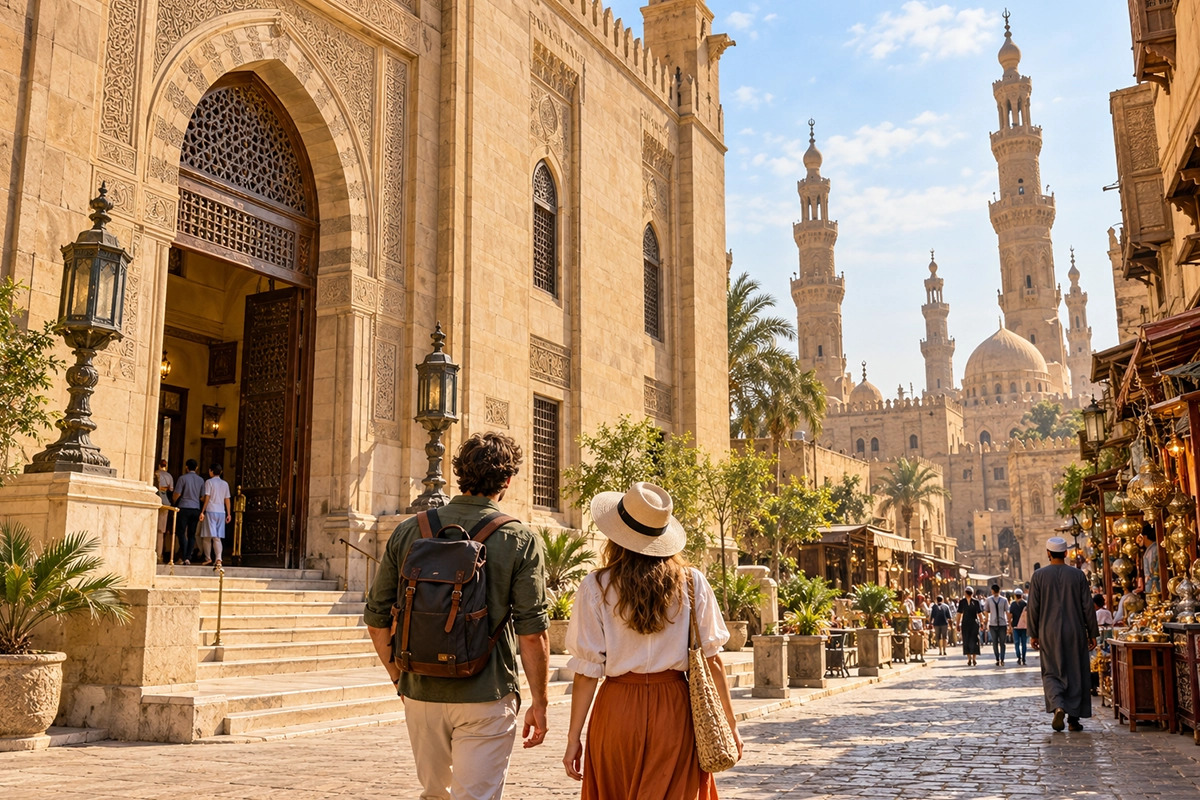
The museum makes the most sense as the first stop on a walk, since you will recognize its lamps, mihrabs, and inscriptions in the real buildings an hour later. A simple half-day looks like this:
- 9:00 am: Two hours in the Museum of Islamic Art.
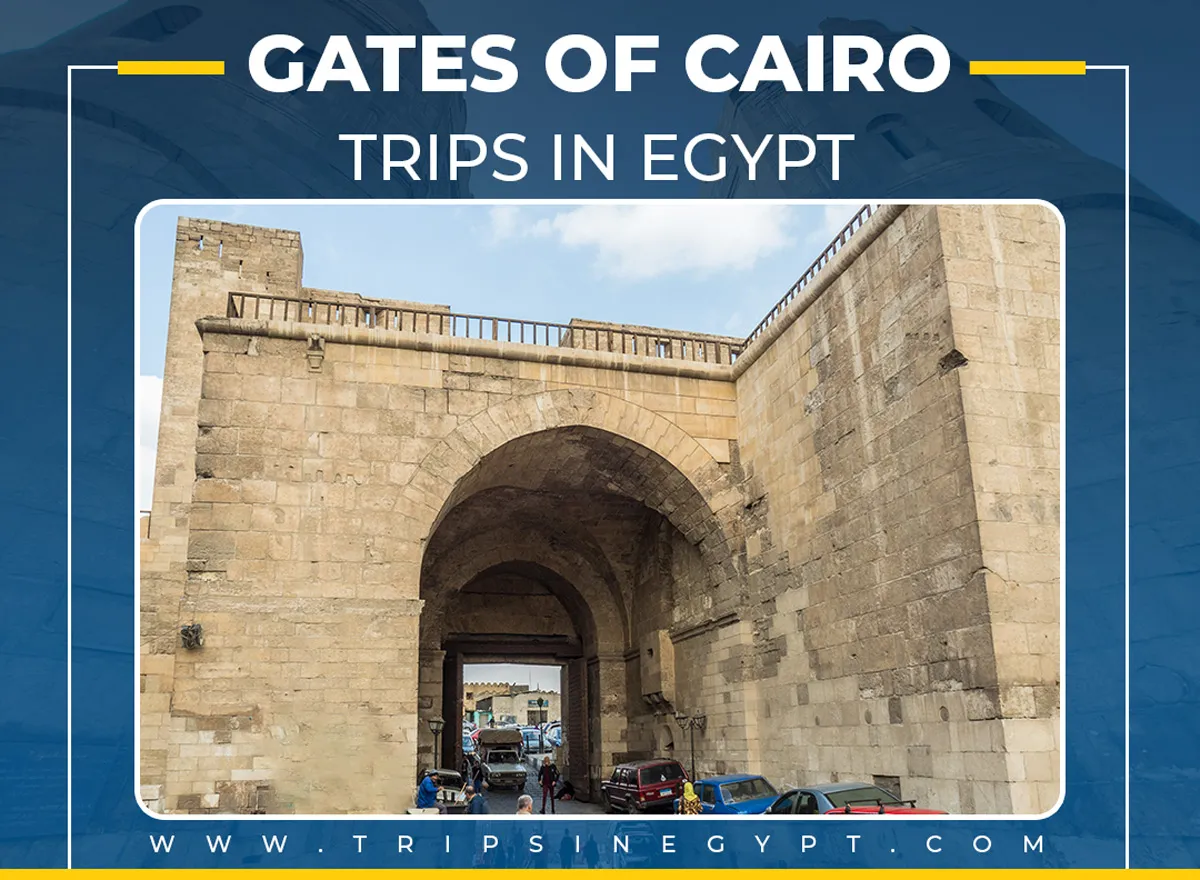
- 11:00 am: Walk east to Bab Zuweila, the 11th-century Fatimid gate, and climb its minarets for views over the rooftops.
- 12:00 pm: Head north along Al-Muizz Street, past the Qalawun complex and Fatimid mosques.
- 1:30 pm: Lunch near Al-Azhar Mosque, then wander through Khan El Khalili.
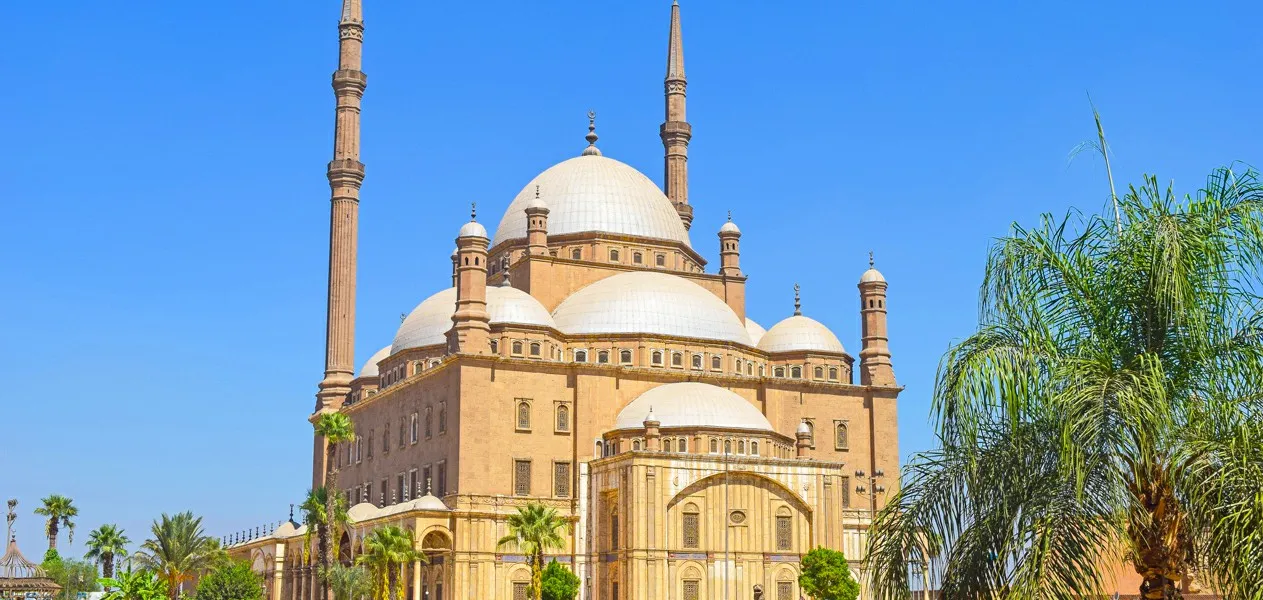
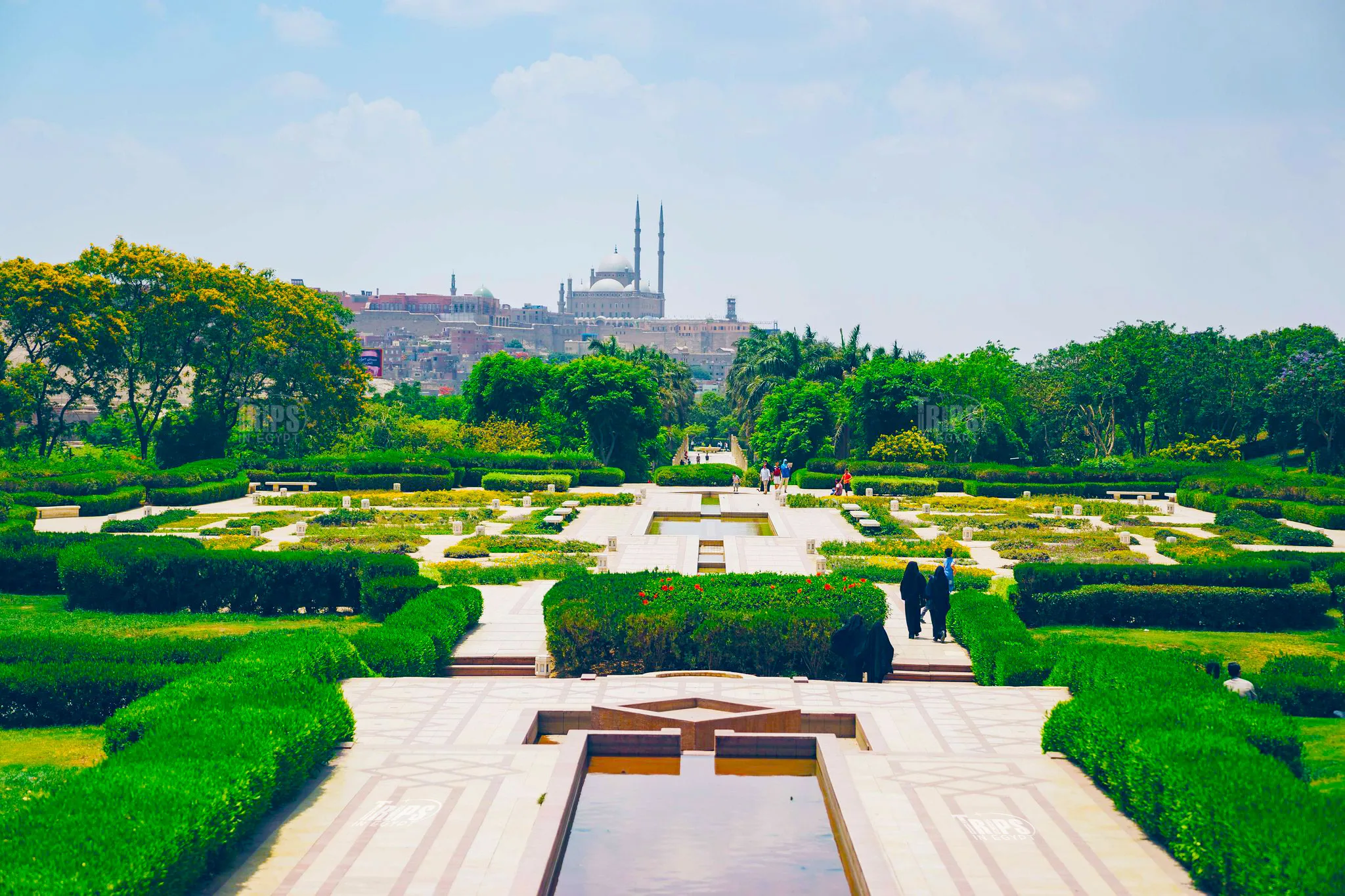
On a second day, explore the southern half of Islamic Cairo. Start at the Citadel, which our article on why the Cairo Citadel is worth the trip covers in detail, and the Muhammad Ali Mosque, then walk down to Sultan Hassan and the Al-Rifai Mosque. End the day with sunset at Al Azhar Park. If you have an evening free, the Tanoura dance show at Wekalet El Ghoury, from USD 35, brings Sufi whirling to a Mamluk caravanserai.
For a guided walk, our Al Muizz and Khan El Khalili Day Tour and our Cairo day tour to El Muizz Street and Al Azhar Park both start from USD 45, and a guide can add the museum on request. You can also pair Islamic Cairo with Giza on the Pyramids, Museum and Khan El Khalili Trip from USD 95, or browse all our Cairo day tours. Our Cairo travel guide and the list of things to do in Cairo help you plan the rest of the trip.
Explore Golden Islamic Cairo With Trips In Egypt
The Museum of Islamic Art turns the lamps, doors and books of old Cairo into a story you can follow, and the city of a thousand minarets waits right outside its door. Give it a morning, and the mosques you visit afterward will look very different. Witness all our Egypt tour packages to find trips that include Islamic Cairo, or ask us to plan a tailor-made tour around the sights you love.

5 Days Cairo And Hurghada Trip
Amazing 4 Nights Cairo and Hurghada Trip Itinerary 5 Days Cairo and Hurghada trip wil...
- Duration 5 Days / 4 Nights
- Location Cairo & Hurghada
- Type Historical & Recreational Tour
From$690/per person
View Tour
6 Days Cairo, Alexandria & Faiyum Tour
Unforgettable Cairo, Alexandria & Faiyum Adventure in Six Days 6 Days Cairo, Alex...
- Duration 6 Days / 5 Nights
- Location Cairo - Alexandria - Fayum
- Type Historical Tour
From$720/per person
View Tour
10 Days Cairo, Faiyum & Nile Cruise Holiday
Breathtaking 10 Days Journey of A Lifetime in Egypt 10 Days Cairo, Faiyum & Nile...
- Duration 10 Days / 9 Nights
- Location Cairo, Luxor, Aswan & Faiyum
- Type Classic Tour
From$1350/per person
View Tour SOLD OUT
Ultimate 7-Day Egypt Solar Eclipse Experience with Hurghada 2027
Enjoy a 7-Day Egypt Solar Eclipse Tour with Hurghada 2027 6 Nights Egypt Solar Ecli...
- Duration 7 Days / 6 Nights
- Location Cairo / Giza / Luxor / Hurghada
- Type Astronomical Tour
Sold Out
View Details