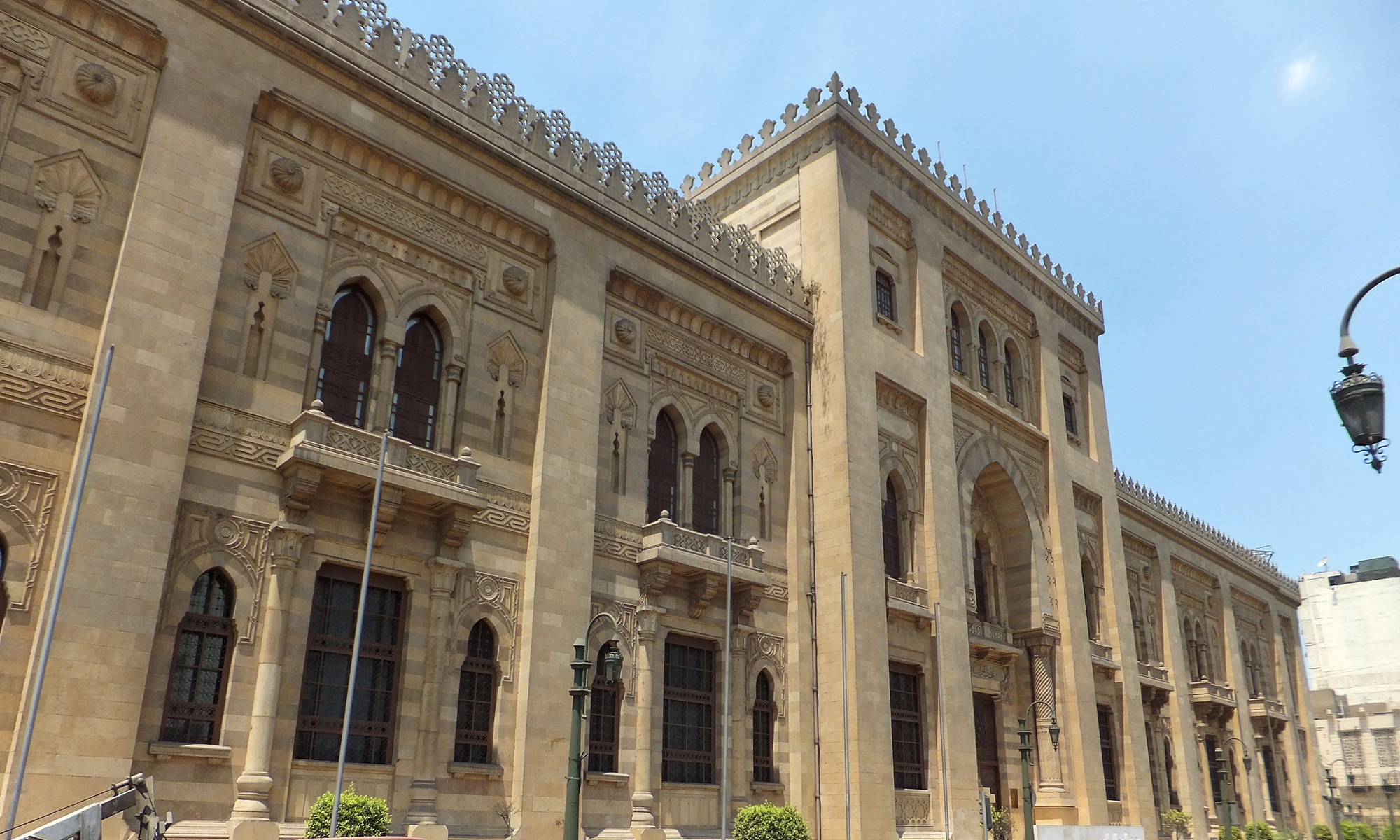




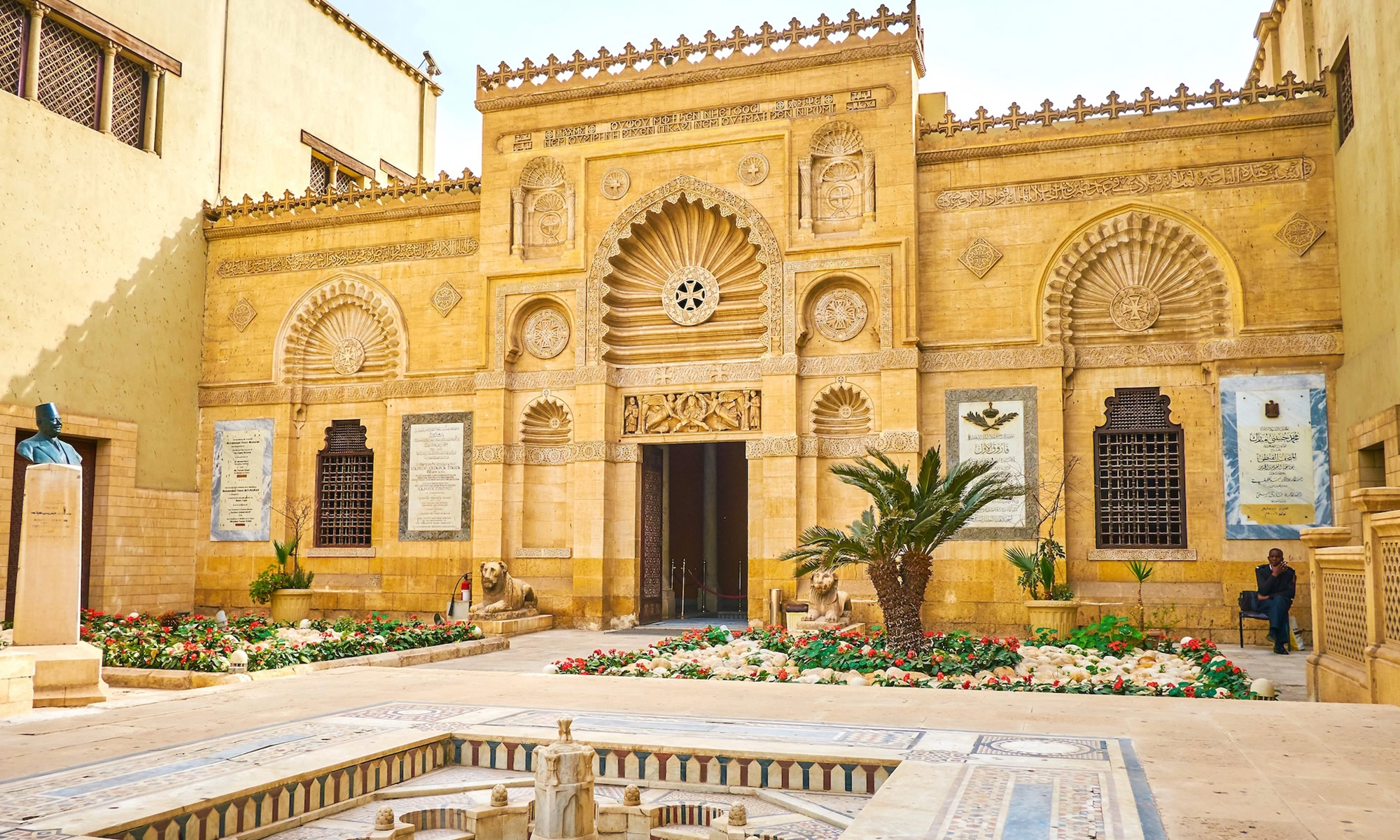
Behind the round Roman towers of Old Cairo stands a museum that tells the story ancient Egypt's temples leave out: what came next. The Coptic Museum holds about 16,000 objects made by Egypt's Christians, from carved limestone and painted monastery walls to silk-fine textiles and some of the oldest Christian books ever found. It opened in 1910 and remains the largest collection of Coptic art in the world.
Walking its galleries, you can watch the ankh of the pharaohs turn slowly into the Christian cross. This guide covers the museum's history, the art and manuscripts you should not miss, tickets and opening hours, and how to fit it into a walk through Coptic Cairo. Here are all things you need to know about the Coptic Museum in Cairo:

A Short History of the Coptic Museum in Old Cairo
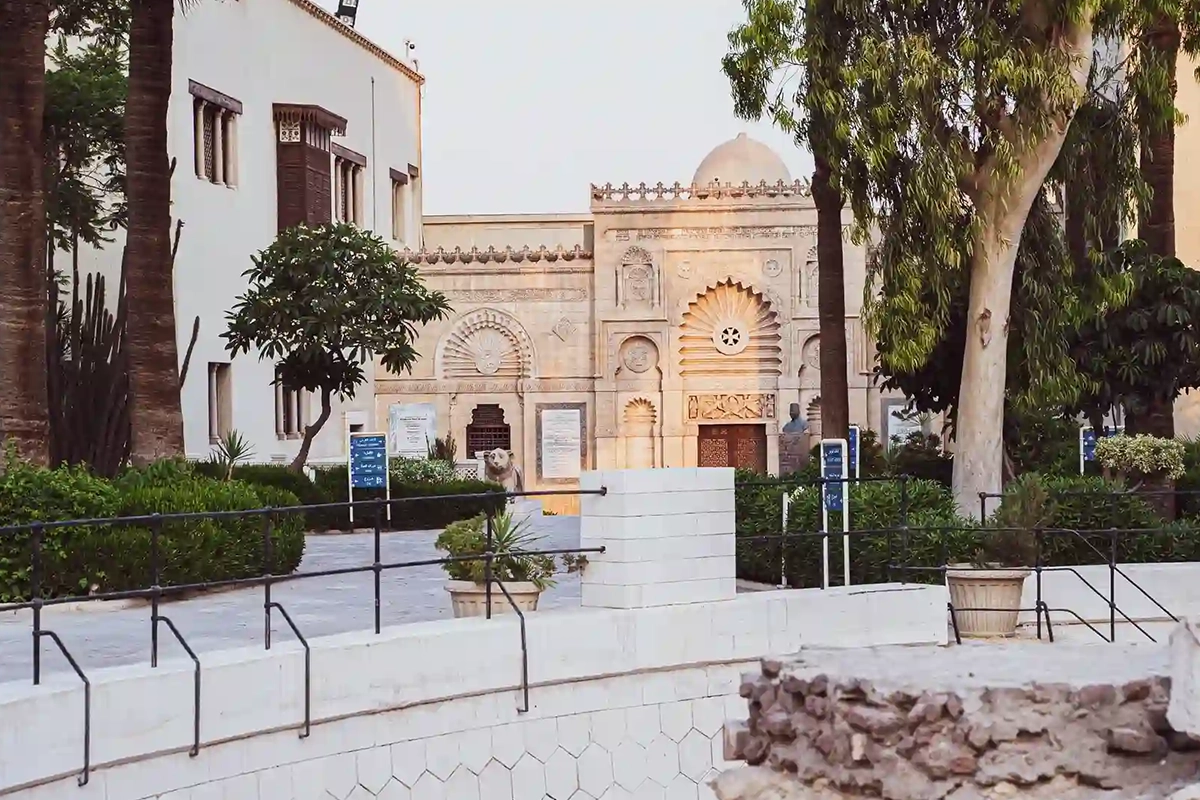
The word Copt comes from the Greek Aigyptios, simply meaning "Egyptian". Christianity reached Egypt early, and by the 4th century the country was full of churches and monasteries. Many Copts believe the faith took root even earlier, in the places where the Holy Family rested during their flight to Egypt. Egypt's Church split from Rome and Constantinople after the Council of Chalcedon in 451, and it has kept its own language, liturgy and art ever since.
By the late 19th century, much of that heritage was being lost. Old churches were rebuilt, and carved doors, screens and ceilings were thrown away or sold to collectors. Marcus Simaika Pasha, a Coptic notable and member of the committee that cared for Cairo's monuments, began collecting these pieces with support from Pope Cyril V. His museum opened on 14 March 1910, on land owned by the Church inside the Babylon Fortress.
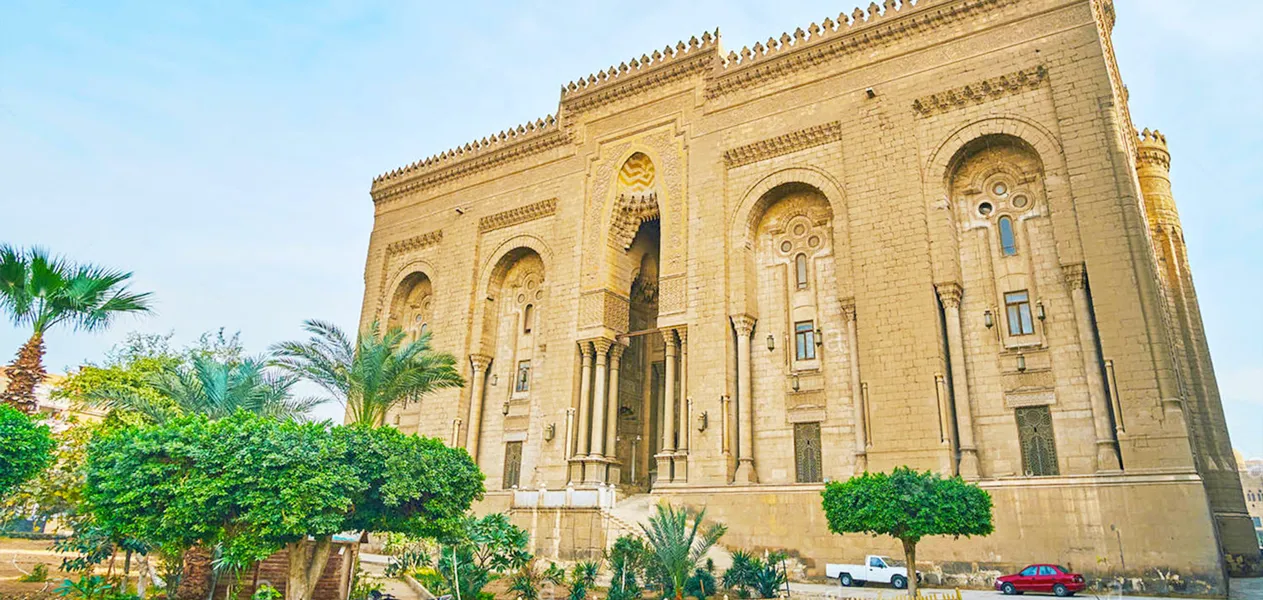
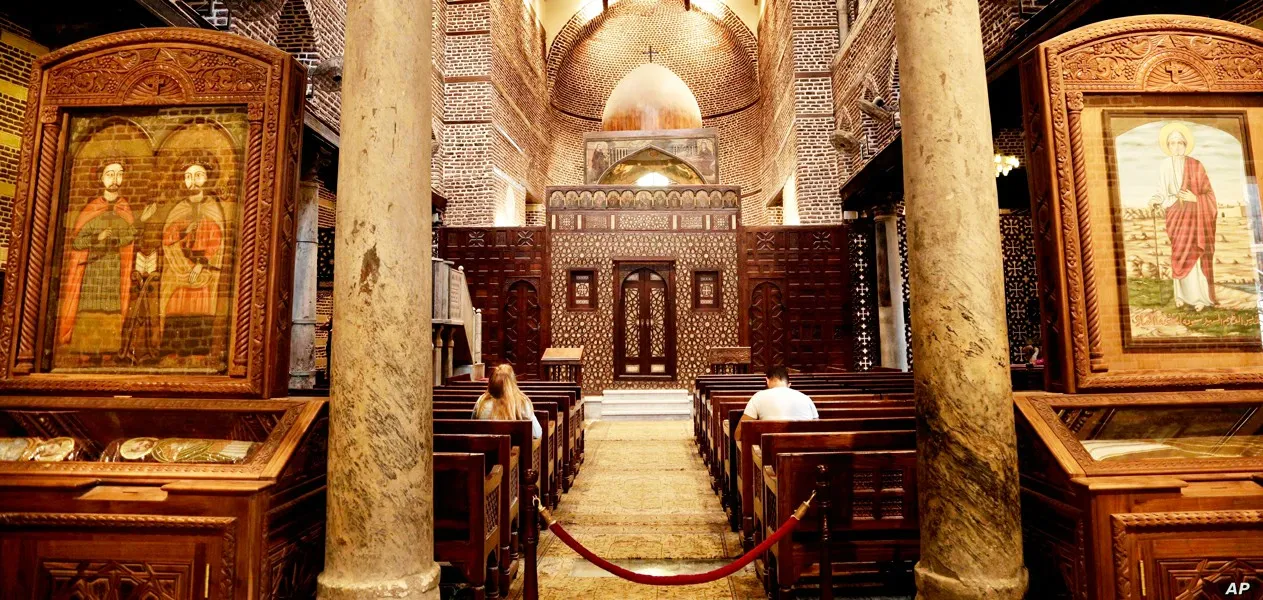
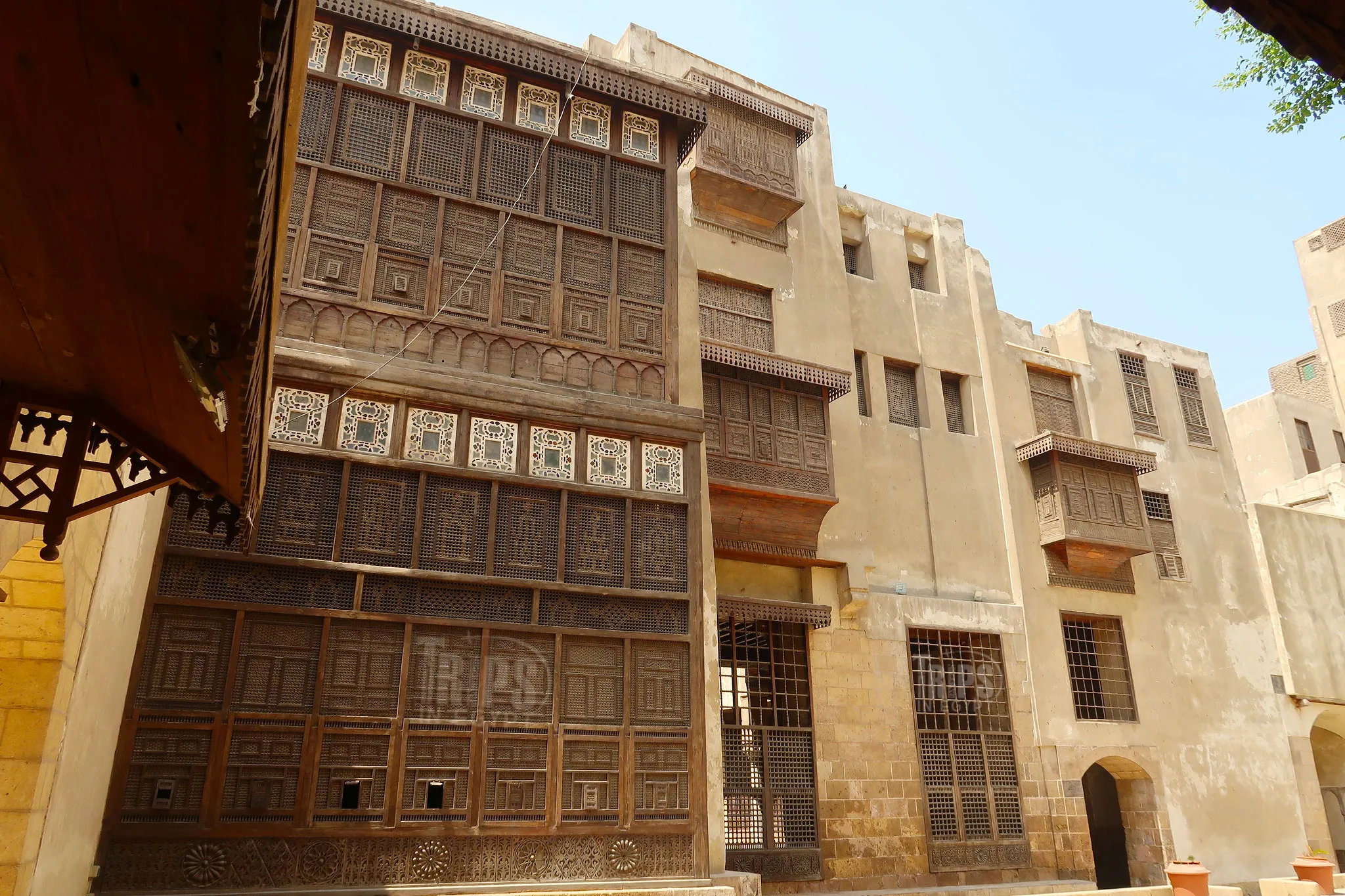
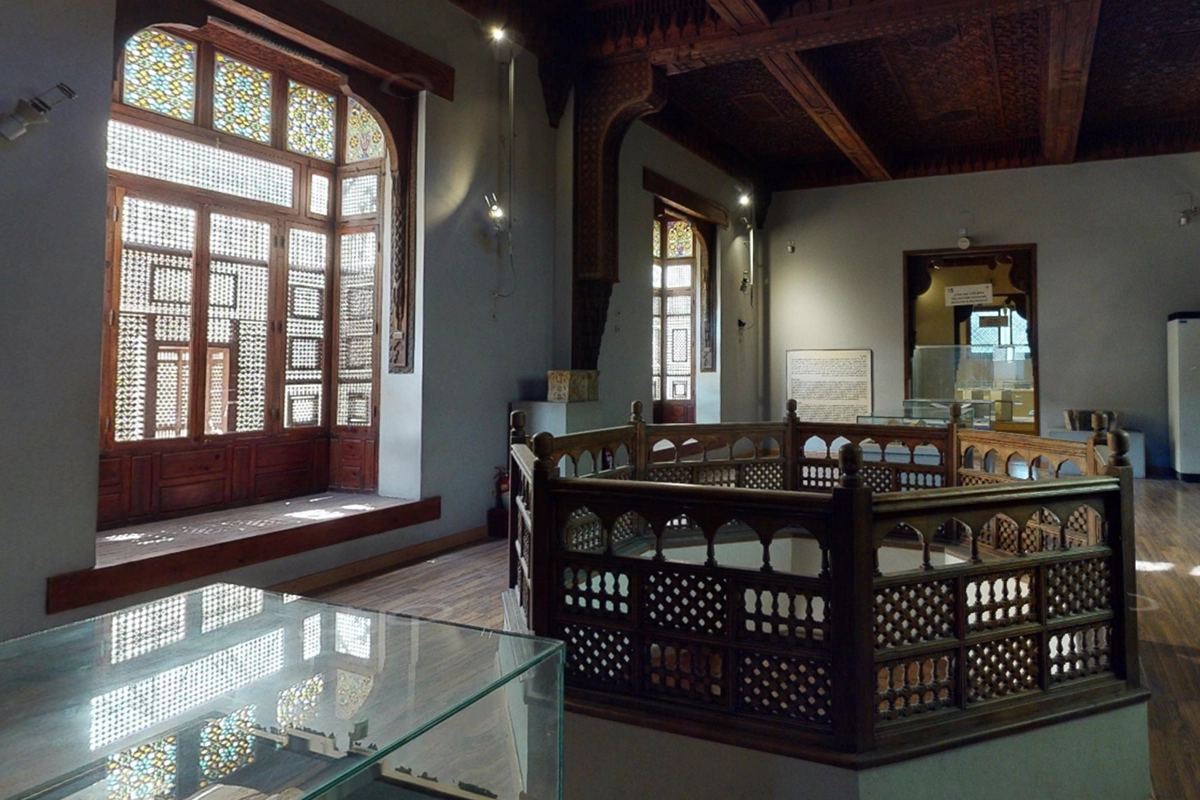
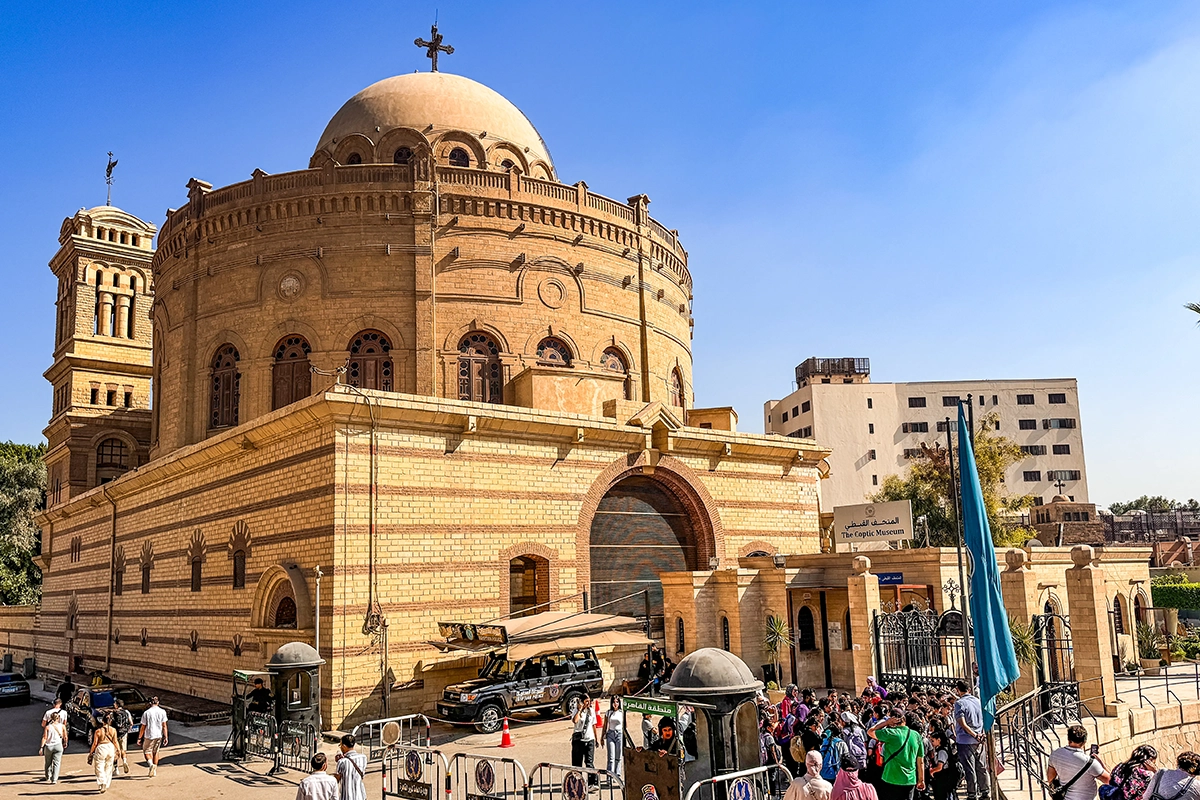
The state took over the museum in 1931, and a new wing was added in 1947. After the 1992 earthquake damaged the building, a long restoration followed, and the museum reopened in 2006 with modern lighting and display cases. The facade copies the Fatimid Al-Aqmar Mosque, while the old wing keeps the carved wooden ceilings, mashrabiya screens and marble fountains Simaika saved from Cairo's old houses and churches.
Christian Art Inside the Coptic Museum Galleries
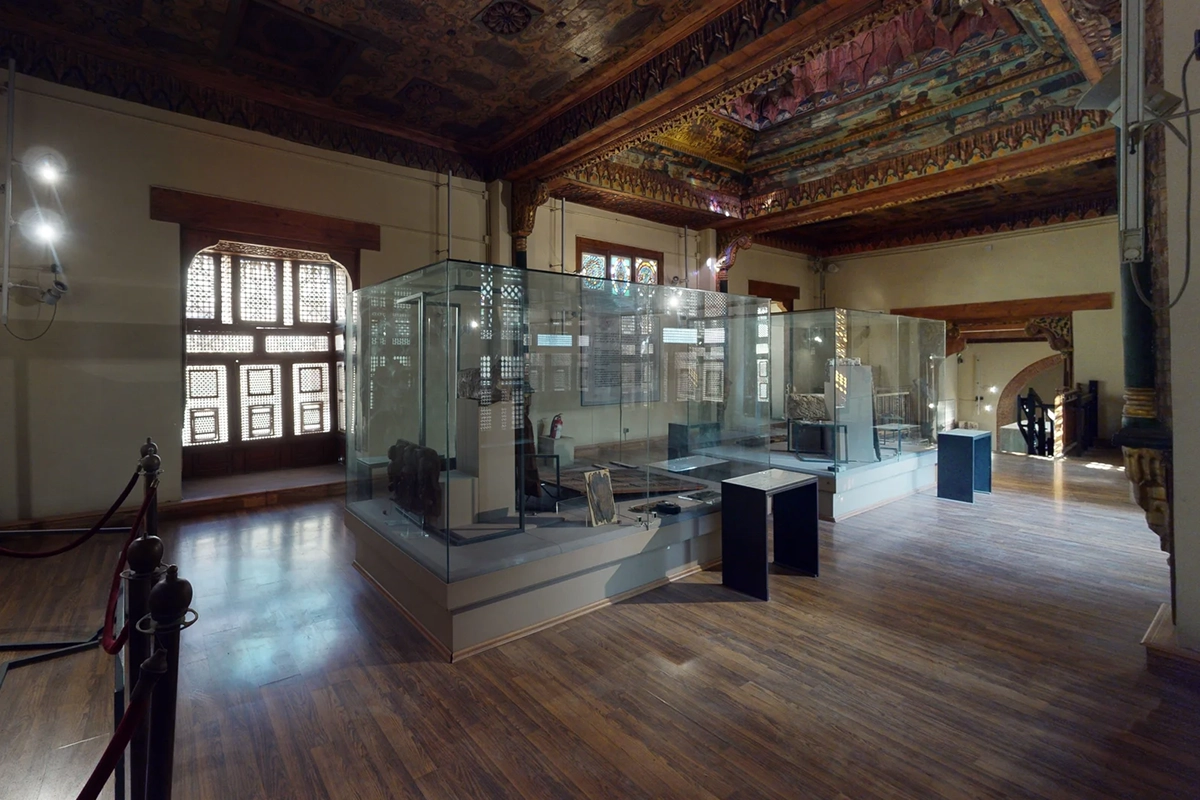
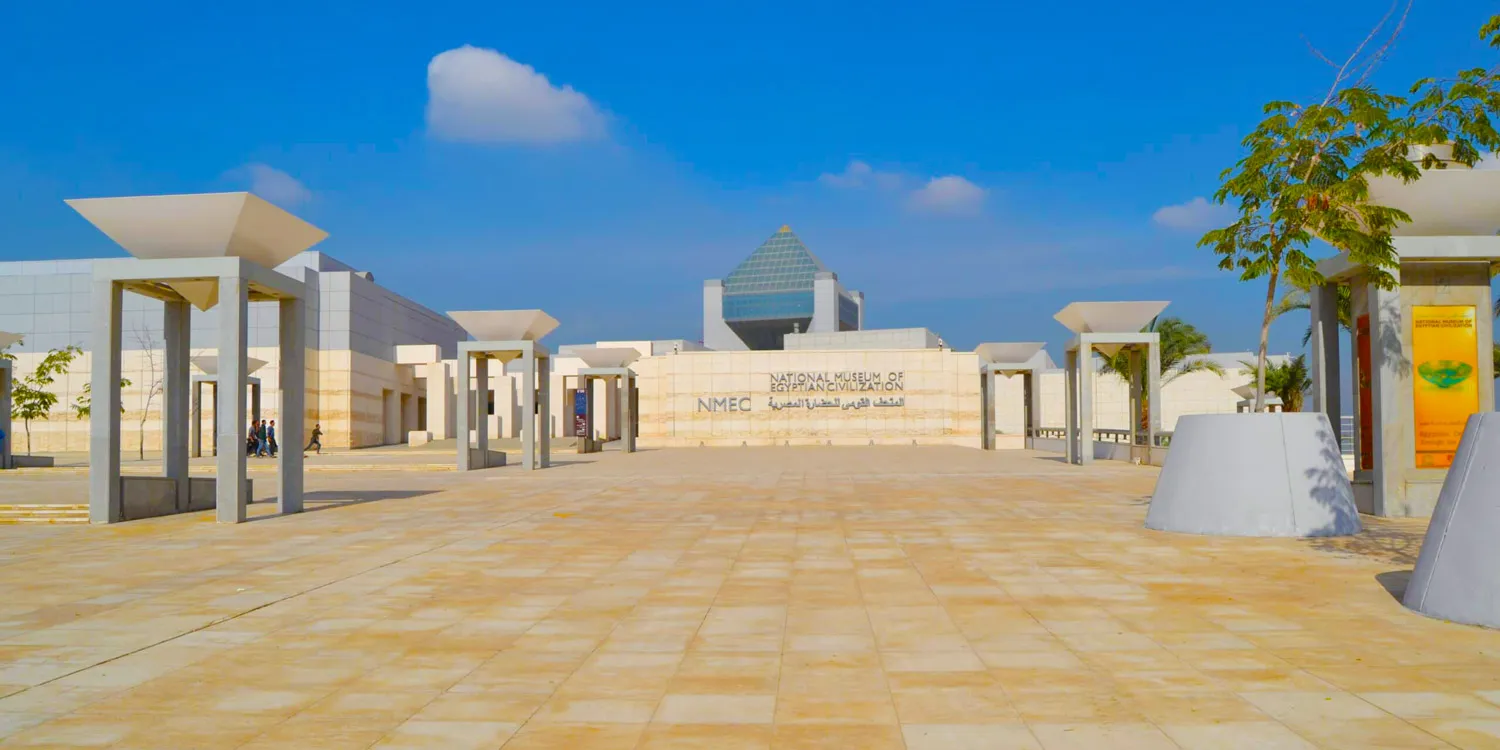
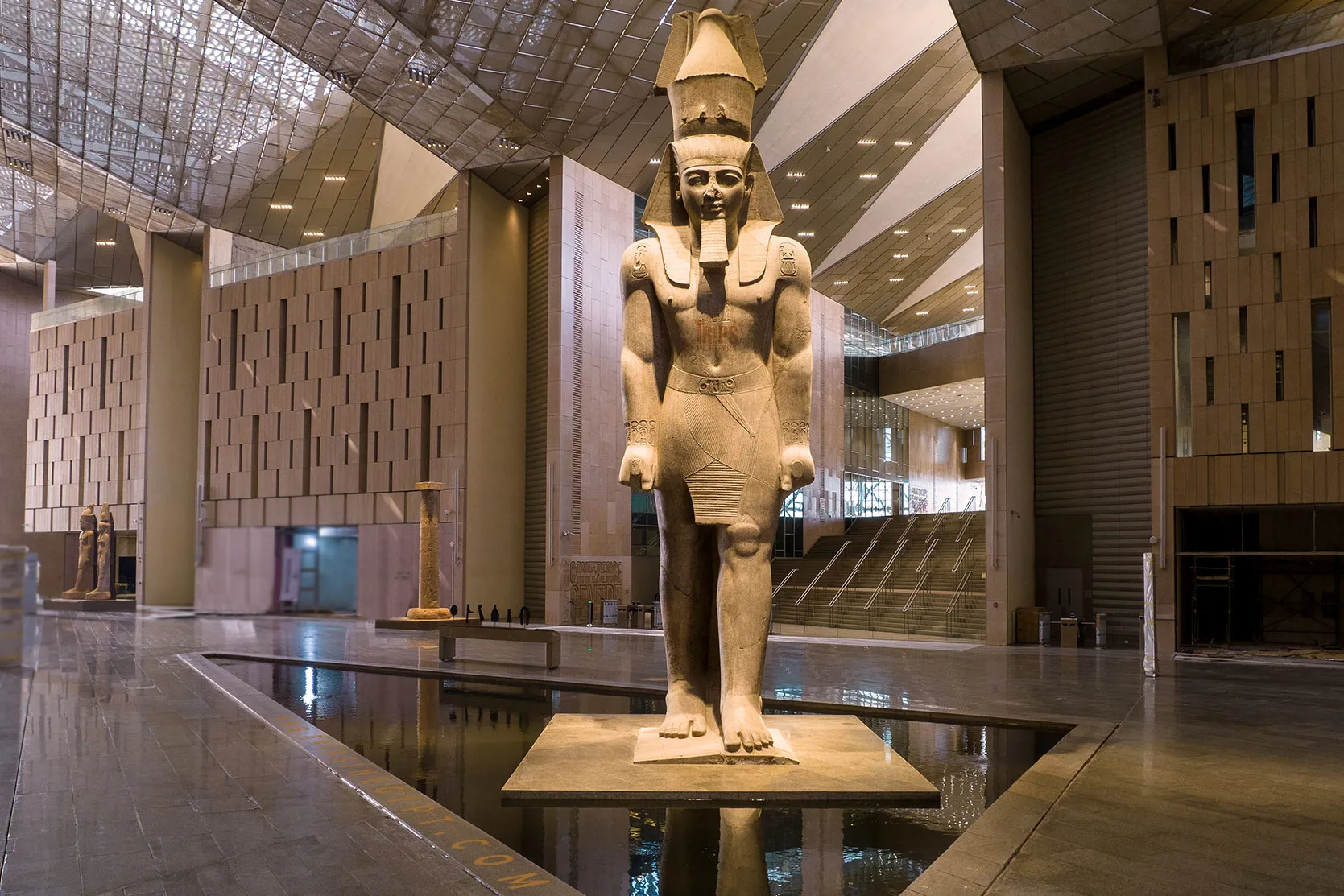
The galleries are arranged partly by material and partly by place of origin. Coptic art borrows freely from three worlds: pharaonic Egypt, the Greek and Roman Mediterranean, and later the Islamic art of Cairo. That mix is what makes it worth seeing, even if you have already spent days in the Egyptian Museum or the Grand Egyptian Museum. Our overview of Egypt's museums shows how each collection picks up a different chapter.
Stone sculpture. The ground floor opens with limestone reliefs from Ahnas, the ancient Herakleopolis in Middle Egypt. Dating from about the 4th and 5th centuries, they show Greek myths such as Leda and the swan and Dionysus, carved by artists who were already living in a Christian world. Nearby stands the stone pulpit from the Monastery of Apa Jeremias at Saqqara, carved in the 6th century and one of the oldest surviving pulpits in Egypt.
Wall paintings. The most famous painting comes from the Monastery of Apa Apollo at Bawit, near Assiut. Its apse shows Christ enthroned in majesty above the Virgin Mary and the apostles, painted around the 6th or 7th century. The flat colors and large, open eyes of the figures are a direct ancestor of the icons you will see upstairs.
Woodwork. Carved sycamore and cedar doors, screens and lintels fill several rooms, some from churches that still stand a few meters away. Look for the inlaid ivory and bone in the altar screens, a technique Coptic carpenters shared with their Muslim neighbors.
Textiles. The museum has one of the world's best collections of Coptic weaving, from about the 3rd to the 12th century. Small tapestry panels of wool and linen show dancers, hares, fish, vines and saints, often in colors that still look fresh. Many were found in graves, sewn onto tunics or shrouds.
Icons and metalwork. The upper floor holds icons from the 17th to 19th centuries, many painted by the 18th-century masters Ibrahim al-Nasikh and Yuhanna al-Armani. Glass cases nearby display bronze incense burners, crosses, keys and liturgical vessels. The ankh-shaped crosses here show how naturally Egyptians carried an old symbol into a new faith, a link explored in our guide to ancient Egyptian art.
Coptic Manuscripts: Nag Hammadi Codices and the Oldest Psalter
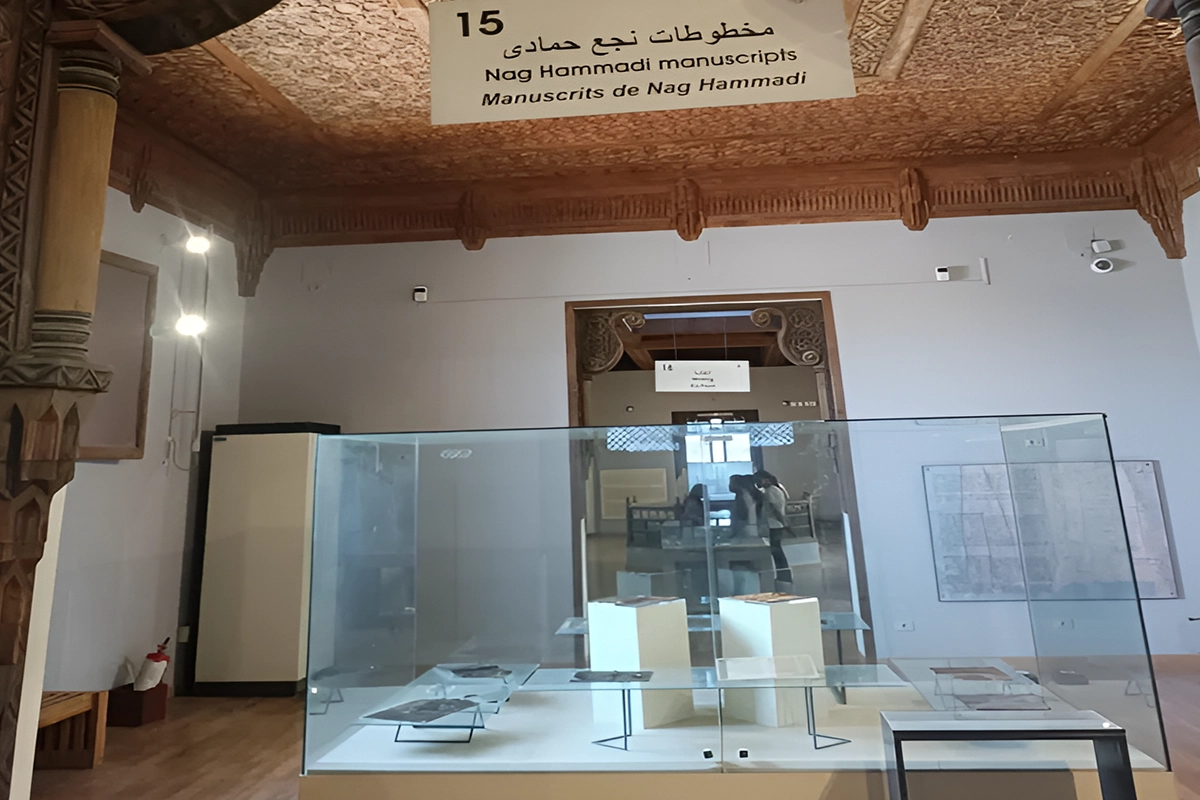
The manuscript room is small, but scholars travel across the world to study what it holds.
The Nag Hammadi codices were found in December 1945, when a farmer named Muhammad Ali al-Samman dug up a sealed jar near Nag Hammadi in Upper Egypt. Inside were 13 leather-bound papyrus books from the 4th century, containing 52 texts in Coptic. Among them is the Gospel of Thomas, a collection of sayings attributed to Jesus that was otherwise known only in fragments. Most of the collection is kept at the Coptic Museum, with selected pages on display.
The second treasure is the Psalms codex from al-Mudil, often called the oldest complete book of Psalms in Coptic. Archaeologists found it in 1984 in a simple grave at al-Mudil in Middle Egypt, placed under the head of a young girl as a pillow. It is about 1,600 years old and still has its leather binding.
Other cases hold Gospel books, liturgical texts and letters in Coptic, Greek and Arabic. Together they show how the Coptic language, the last stage of the language of the pharaohs written in Greek letters, carried on in the Church after Arabic replaced it in daily life. It is still heard today in Coptic services at Christmas and Easter, as our guides to Easter traditions in Egypt and Christmas customs in Egypt describe.
Coptic Museum Tickets, Opening Hours and Getting There
Ticket prices are set by Egypt's Ministry of Tourism and Antiquities. These are the current official figures:
| Ticket | Price |
|---|---|
| Foreign adult | EGP 280 |
| Foreign student with valid ID | EGP 140 |
| Egyptian adult | EGP 20 |
| Egyptian student | EGP 10 |
| Children under 6 | Free |
Opening hours: The museum opens daily from 9 am to 5 pm, and the ticket window closes at 4 pm. During Ramadan, it opens from 9 am to 3 pm, with the last ticket at 2 pm. Bring a Visa or Mastercard, since most state museums now prefer card payment.
Photography: Personal photos with a phone are allowed without an extra fee, but flash is not. Professional cameras and filming need a separate permit.
Getting there: The museum sits beside Mar Girgis station on Metro Line 1, a short ride south from Sadat station in Downtown Cairo. The station exit faces the Roman towers, and the museum entrance is a few steps to the right. A taxi or Uber from Downtown takes about 20 to 30 minutes; ask for "El Mathaf El Qibti" or "Mar Girgis". Our Cairo travel tips explain how to use the metro.
Security checks at the gate are quick, but large bags may need to be left at the entrance. Modest clothing, with shoulders and knees covered, is a good idea, since you will likely visit active churches afterward.
A 90-Minute Route and the Coptic Cairo Walk Around It
Ninety minutes is enough to see the highlights without rushing. A simple route looks like this:
- Fifteen minutes in the garden and the Ahnas reliefs, to see where Coptic art began.
- Twenty minutes with the Bawit painting, the Saqqara pulpit and the wooden screens.
- Twenty minutes in the textile rooms upstairs.
- Twenty minutes in the manuscript room for the Nag Hammadi codices and the Psalter.
- Fifteen minutes for the icons and metalwork on your way out.
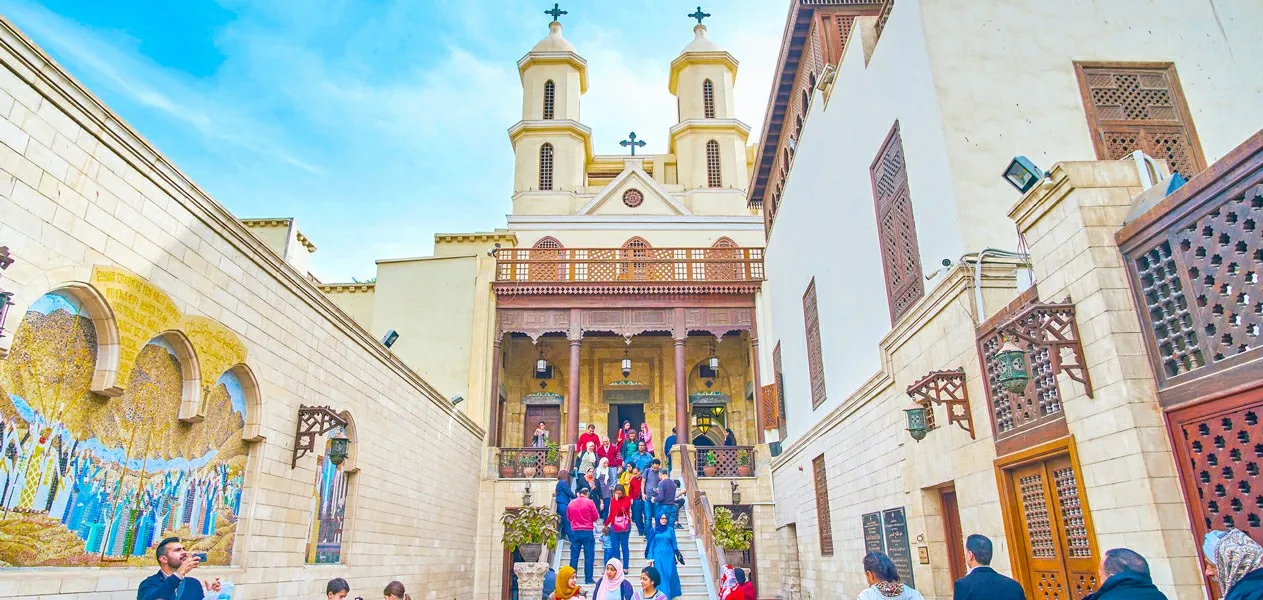
The museum is only the start of the area known as Coptic Cairo, sometimes called the Religious Complex. Within a ten-minute walk are some of the oldest places of worship in Cairo:
- The Hanging Church, built above the gatehouse of the Roman fortress, which gives it its name.
- Abu Serga Church, with the crypt where tradition says the Holy Family stayed.
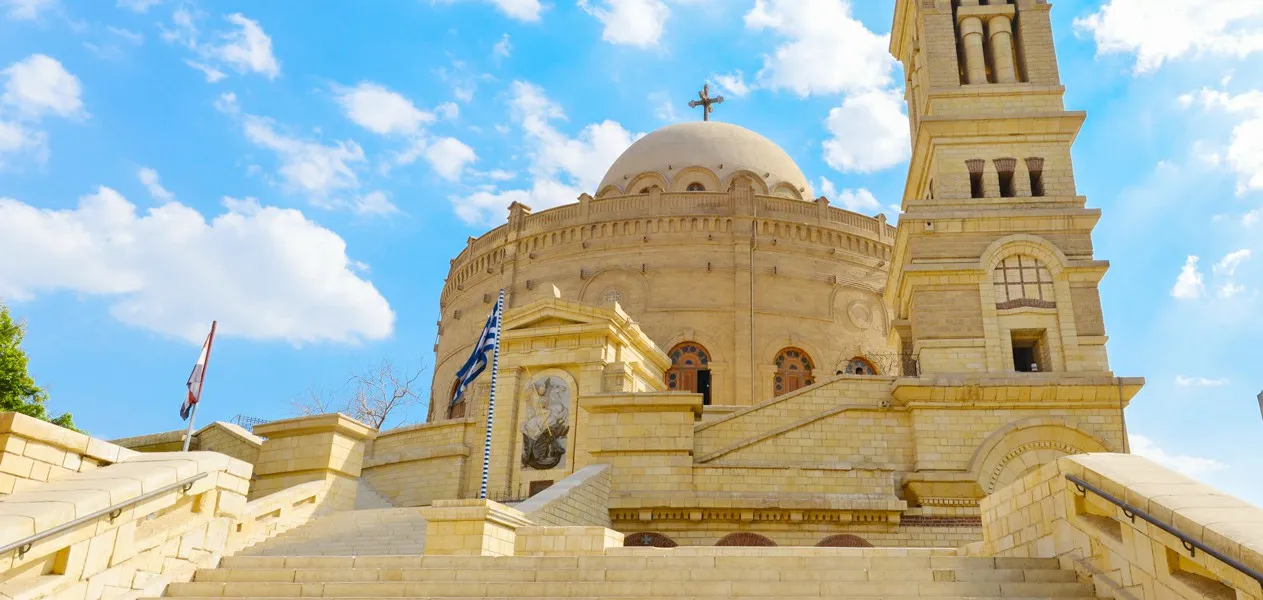
- St. George Church, the Greek Orthodox round church built on one of the Roman towers.
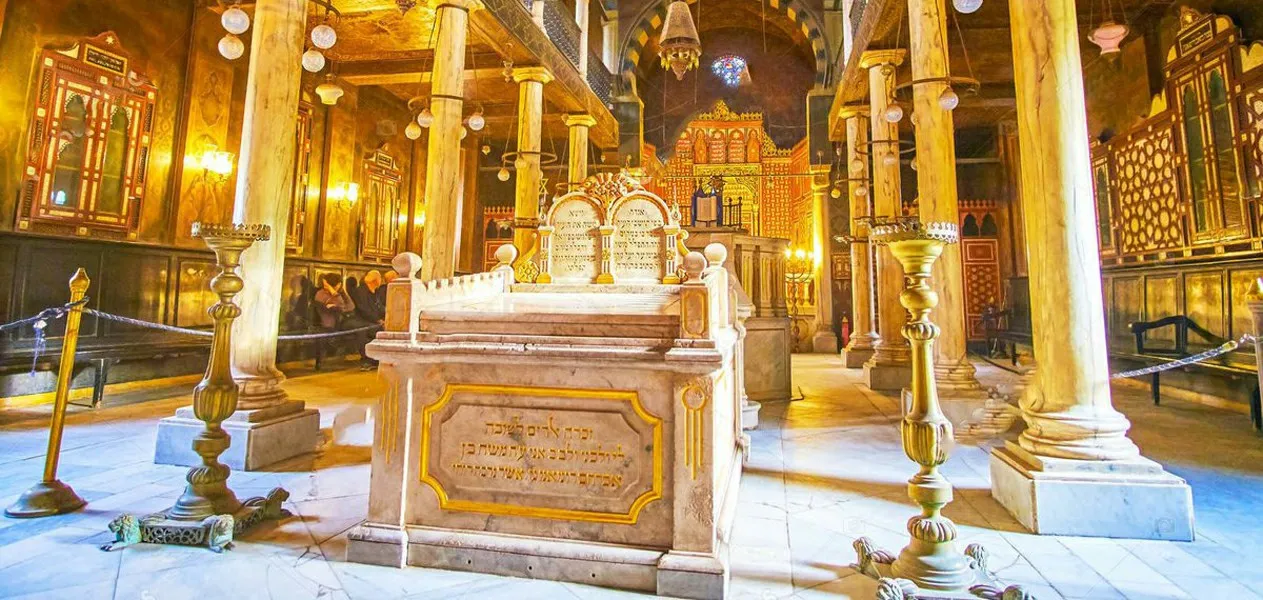
- Ben Ezra Synagogue, where the famous Cairo Geniza documents were found.
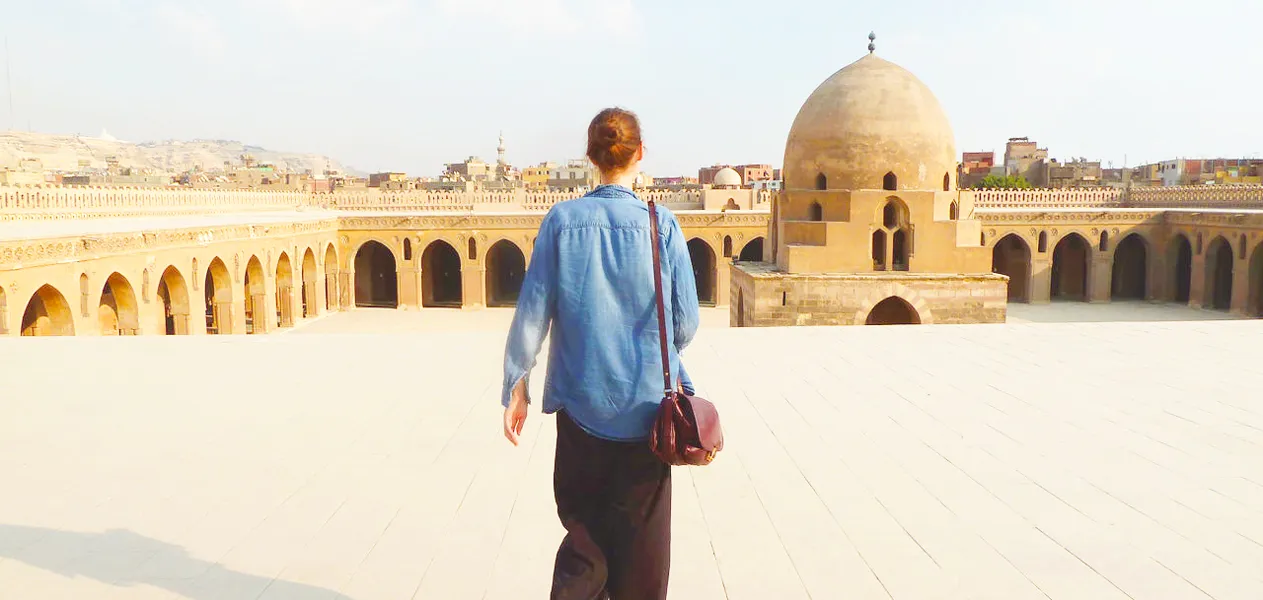
- Amr ibn al-As Mosque, first built in 642 as the first mosque in Egypt.
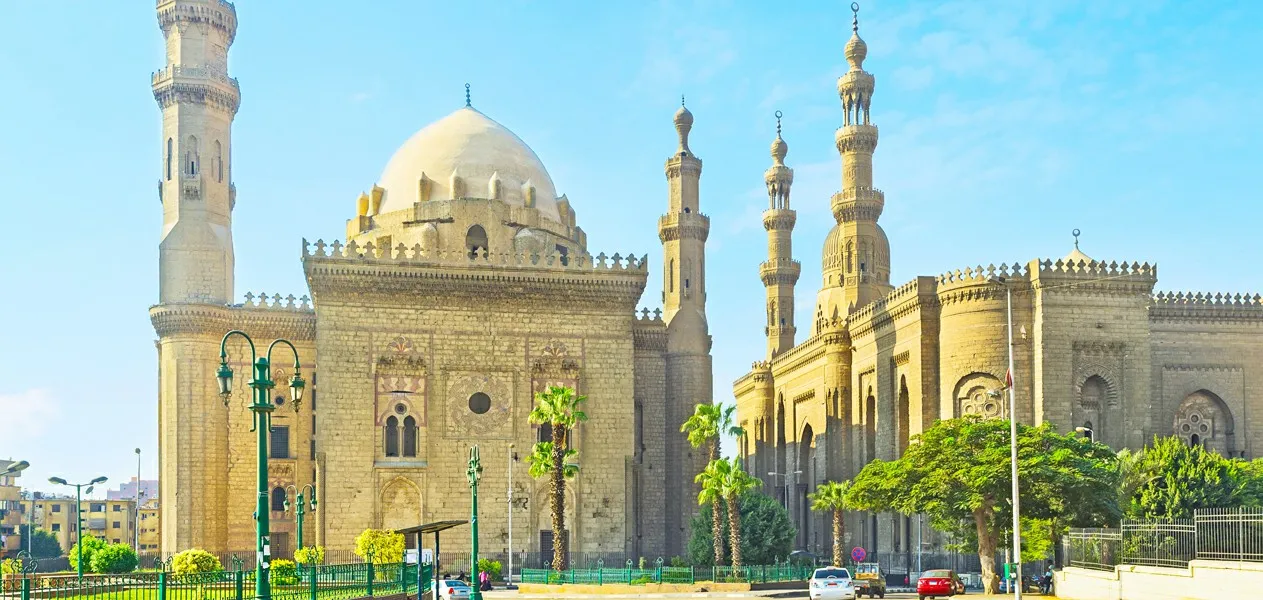
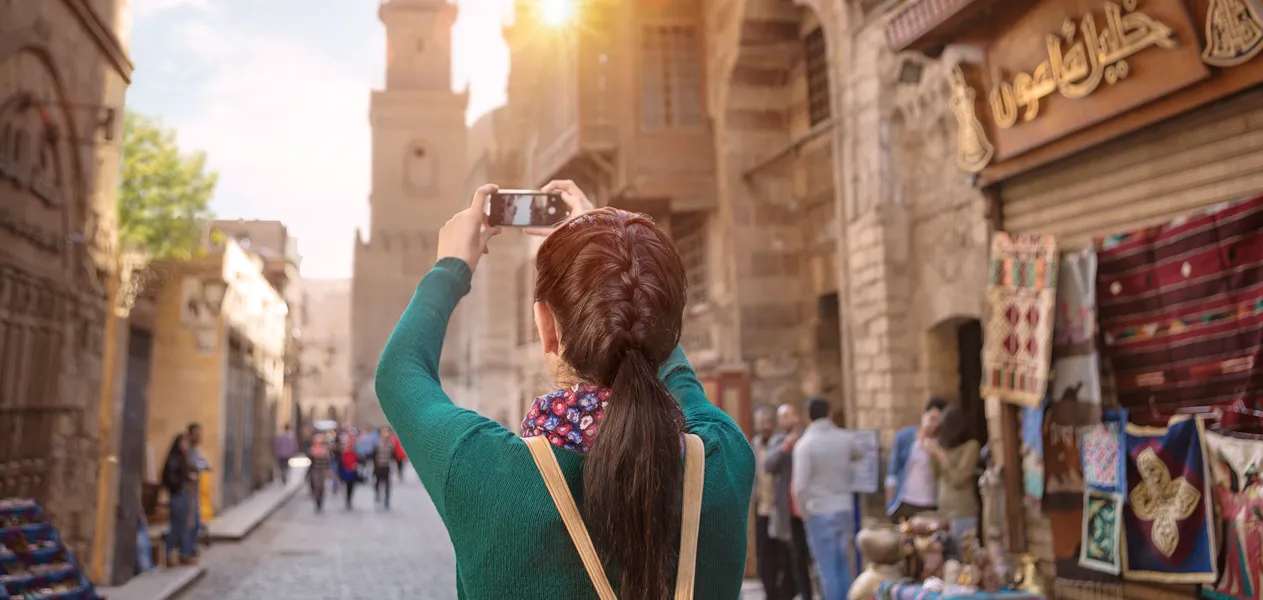
Together, the three faiths share a few narrow lanes, and few places in Egypt show so clearly how the country's history was layered rather than replaced. Our page on St. Virgin Mary Church adds more Coptic sites in the city, while our list of Islamic sites in Egypt continues the story after 642, and our Cairo travel guide helps you plan the rest of your stay.
If you want to go further, Egypt's oldest monasteries are within reach of Cairo. The St Anthony Monastery near the Red Sea and the Monastery of Saint Catherine in Sinai both appear in the stories told by the museum's icons. You can reach Saint Catherine on our overnight trip to Mount Sinai from Cairo.
For a guided visit, our Cairo city tour to the Egyptian Museum, Citadel and Old Cairo from USD 50 covers Coptic Cairo in one day. Travelers who come for the holidays can choose the 4 Days in Cairo Christmas Holiday from USD 485 or the 4 Days in Cairo Easter Tour from USD 480.
Discover Coptic Cairo With Our Fun Trips In Egypt
The Coptic Museum fills the quiet gap between the last pharaohs and the first mosques of Cairo, and its gentle-faced saints and frayed old books stay with you long after you leave. Add it to your Cairo days, and you will see a side of Egypt most travelers miss. Discover all our Egypt tour packages to find trips that include Old Cairo, or let us build a tailor-made tour around Egypt's Christian heritage.

5 Days Cairo And Hurghada Trip
Amazing 4 Nights Cairo and Hurghada Trip Itinerary 5 Days Cairo and Hurghada trip wil...
- Duration 5 Days / 4 Nights
- Location Cairo & Hurghada
- Type Historical & Recreational Tour
From$690/per person
View Tour
6 Days Cairo, Alexandria & Faiyum Tour
Unforgettable Cairo, Alexandria & Faiyum Adventure in Six Days 6 Days Cairo, Alex...
- Duration 6 Days / 5 Nights
- Location Cairo - Alexandria - Fayum
- Type Historical Tour
From$720/per person
View Tour
10 Days Cairo, Faiyum & Nile Cruise Holiday
Breathtaking 10 Days Journey of A Lifetime in Egypt 10 Days Cairo, Faiyum & Nile...
- Duration 10 Days / 9 Nights
- Location Cairo, Luxor, Aswan & Faiyum
- Type Classic Tour
From$1350/per person
View Tour SOLD OUT
Ultimate 7-Day Egypt Solar Eclipse Experience with Hurghada 2027
Enjoy a 7-Day Egypt Solar Eclipse Tour with Hurghada 2027 6 Nights Egypt Solar Ecli...
- Duration 7 Days / 6 Nights
- Location Cairo / Giza / Luxor / Hurghada
- Type Astronomical Tour
Sold Out
View Details