



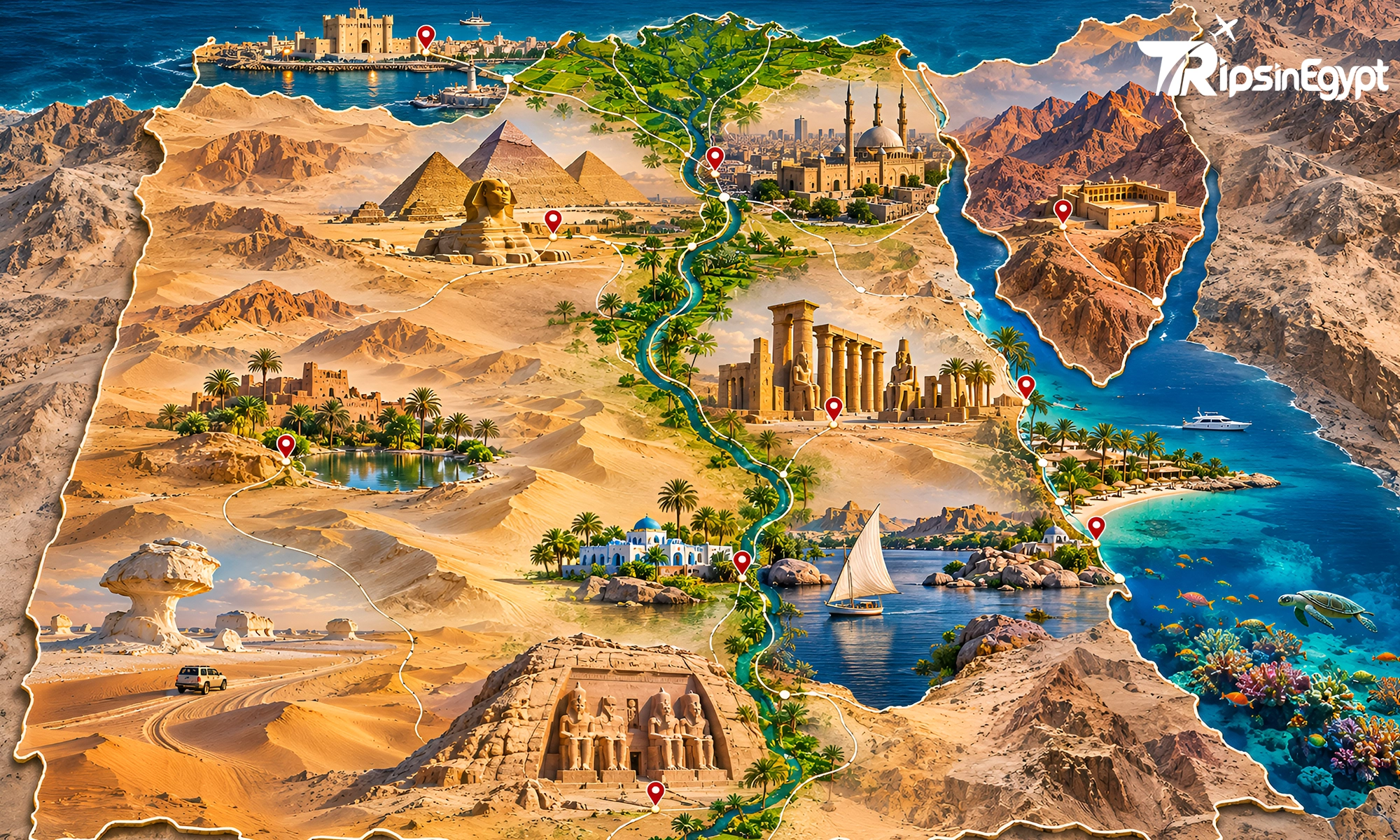
Look at a satellite map of Egypt and you will see a single green ribbon cutting through a sea of sand. That ribbon is the Nile, and for five thousand years almost everything that mattered in Egypt happened within sight of it. Around this river, and along two seas and a vast desert, lie the attractions that bring travelers here.
This guide reads the Egypt tourist attractions map region by region. It covers Cairo and Giza, the Nile Valley, the Red Sea coast, South Sinai, Alexandria and the Western Desert, then the distances between them and the routes that link them best. Here are all things you need to know about Egypt's best places by region:

How to Read Egypt's Tourist Map
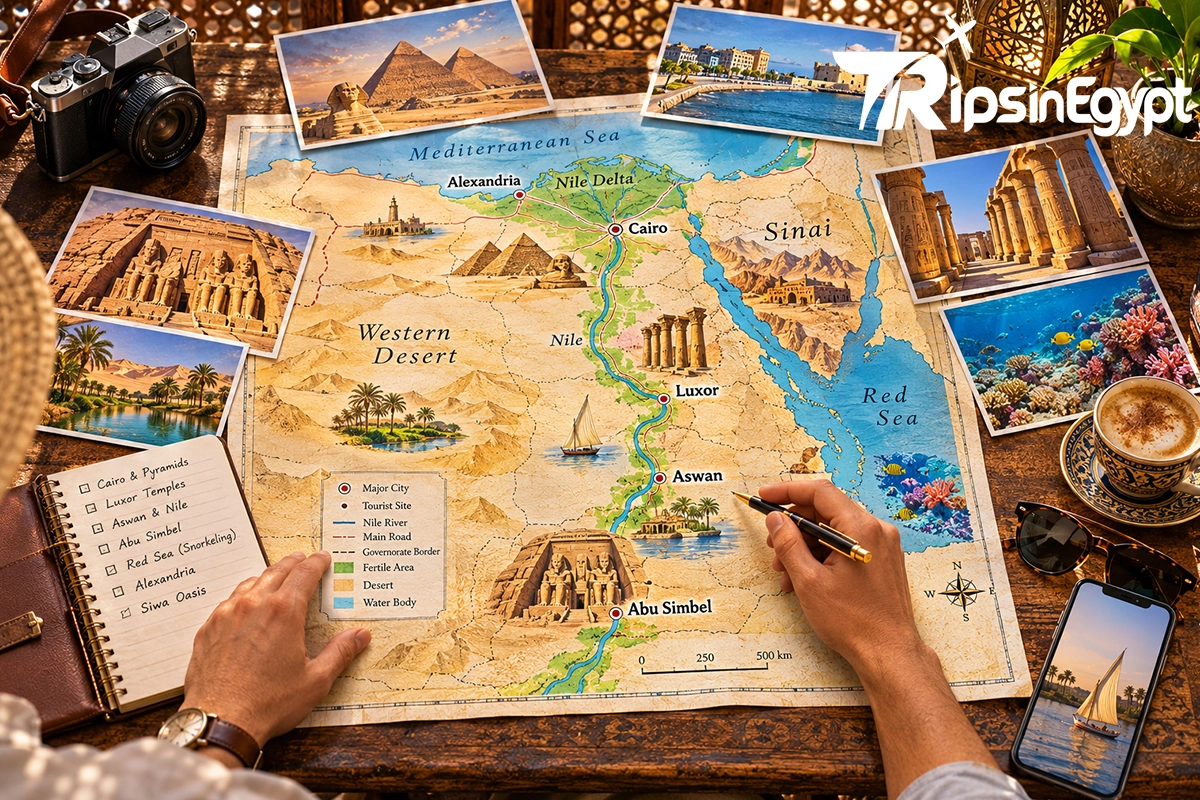
Egypt covers just over one million square kilometers, yet roughly 95 percent of its people live on a narrow strip along the Nile and in the Delta. The map has a clear logic once you know it. The Nile runs south to north through the middle, the Mediterranean lies along the top, the Red Sea along the east, the Sinai Peninsula in the northeast and the Western Desert covers about two-thirds of the country.
One detail confuses many first-time visitors. Upper Egypt is the south, around Luxor and Aswan, and Lower Egypt is the north, around Cairo and the Delta, because the names follow the flow of the river.
| Region | Main base | Best known for | Suggested stay |
|---|---|---|---|
| Cairo and Giza | Cairo | Pyramids, museums, Islamic and Coptic Cairo | 2 to 4 days |
| Nile Valley | Luxor and Aswan | Temples, tombs, Nile cruises | 4 to 7 days |
| Red Sea coast | Hurghada, Marsa Alam | Beaches, reefs, diving | 3 to 7 days |
| South Sinai | Sharm El Sheikh, Dahab | Diving, Mount Sinai | 3 to 5 days |
| Mediterranean | Alexandria | Greco-Roman history, the sea | 1 to 2 days |
| Western Desert | Bahariya, Siwa | White Desert, oases | 2 to 5 days |
Our full list of Egypt tourist attractions covers individual sites in more depth.
Cairo and Giza: Where Most Journeys Begin
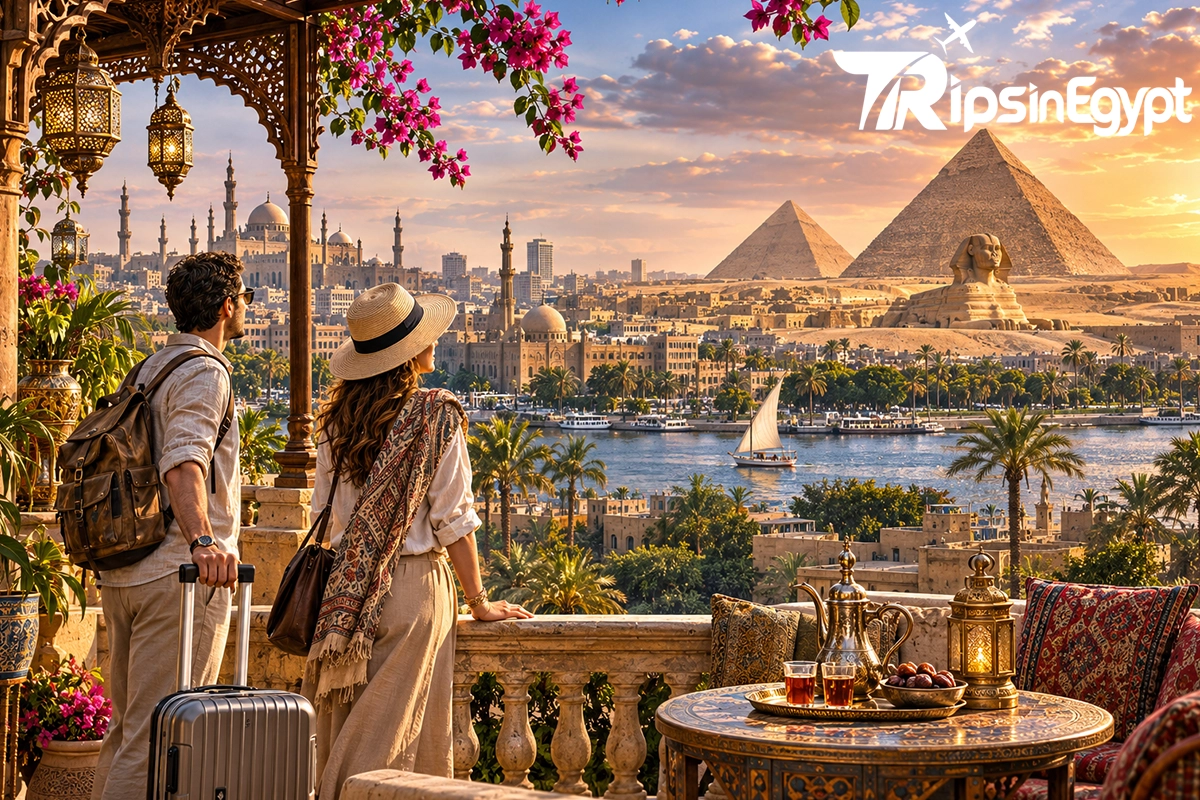
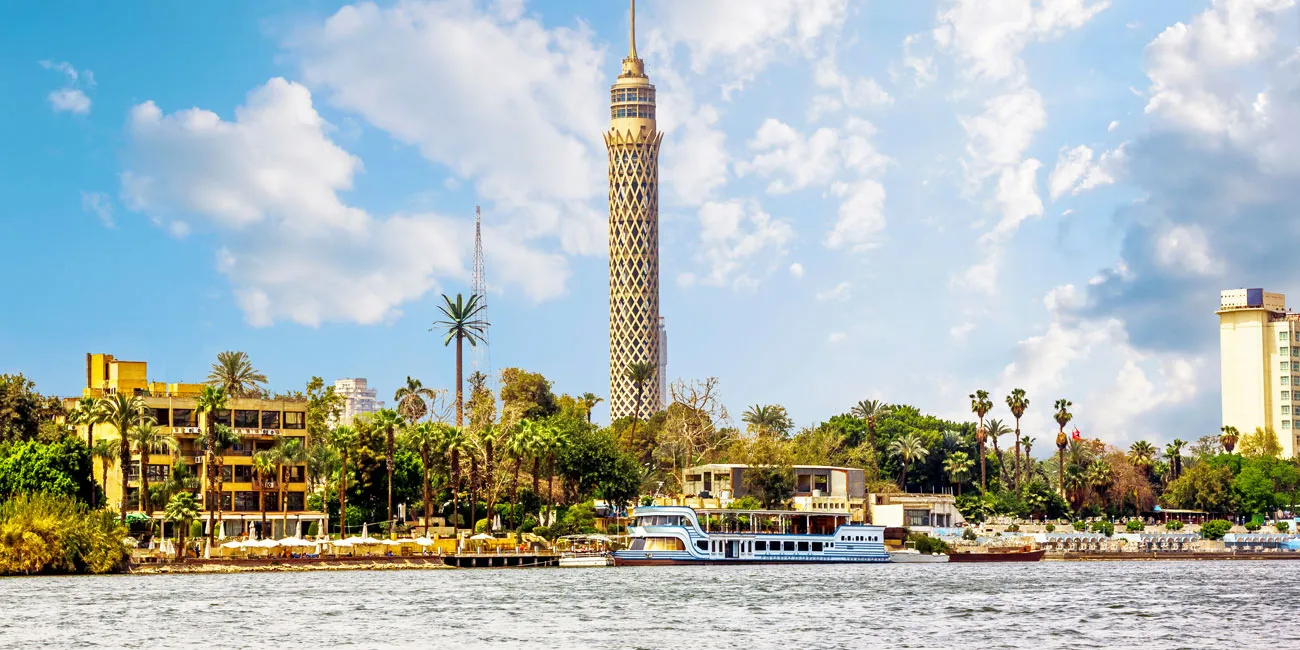
Cairo sits where the Nile Valley opens into the Delta, and almost every first trip to Egypt starts here. The metropolitan area is home to more than 20 million people, and its main sights fall into a few clear zones.
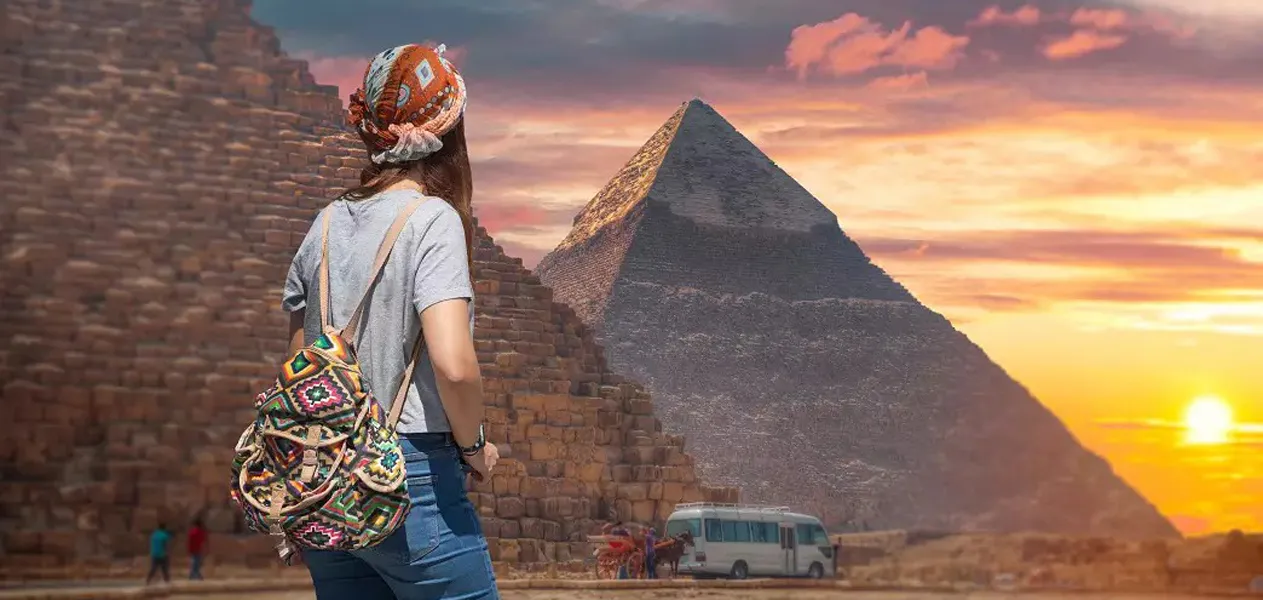
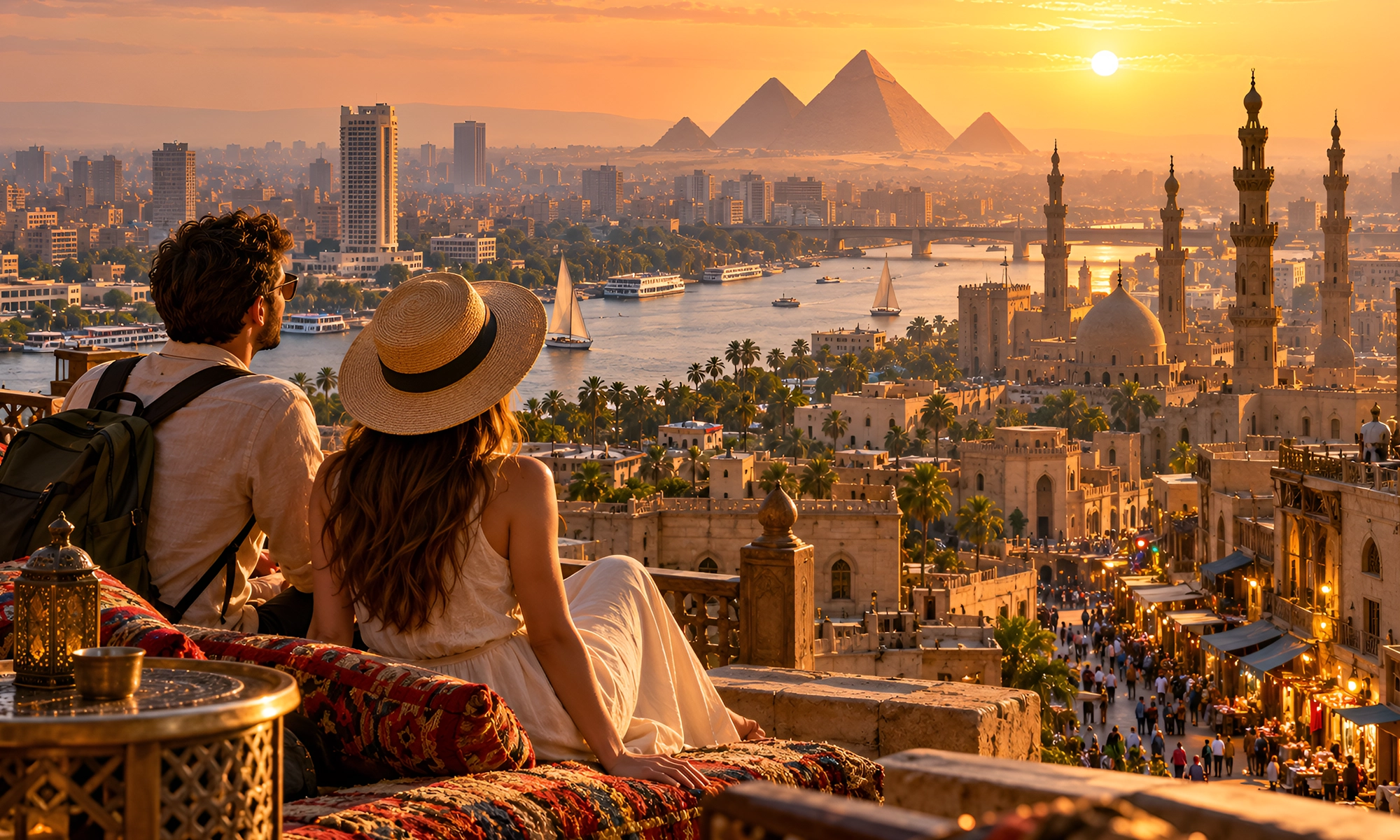
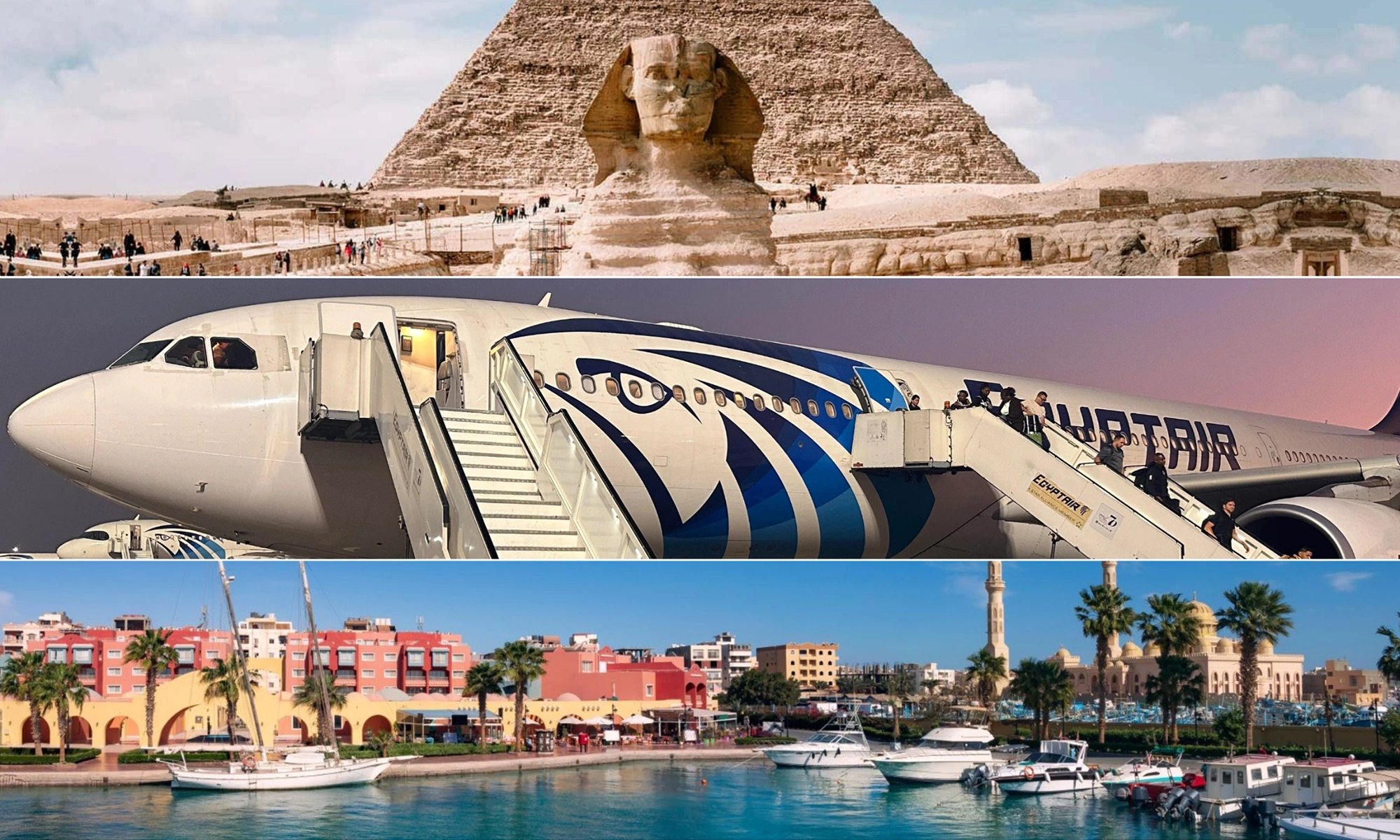
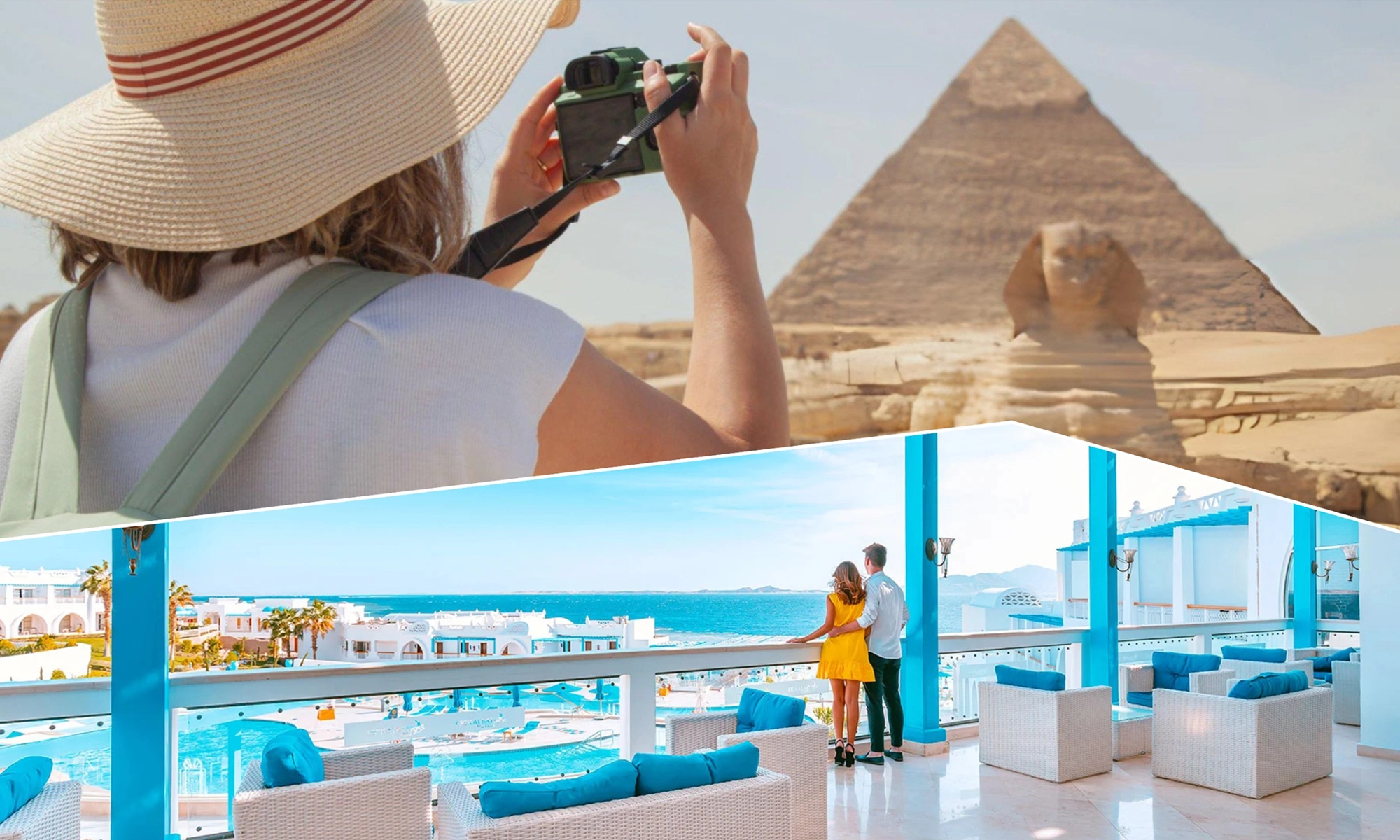
Giza, about 18 km west of central Cairo, holds the Giza Pyramids, the Great Sphinx and the Grand Egyptian Museum, which now displays the complete Tutankhamun collection about 2 km from the plateau. South of Giza, a half-day loop takes in Saqqara, with Djoser's Step Pyramid, the ruins of Memphis and the Bent and Red Pyramids at Dahshur.
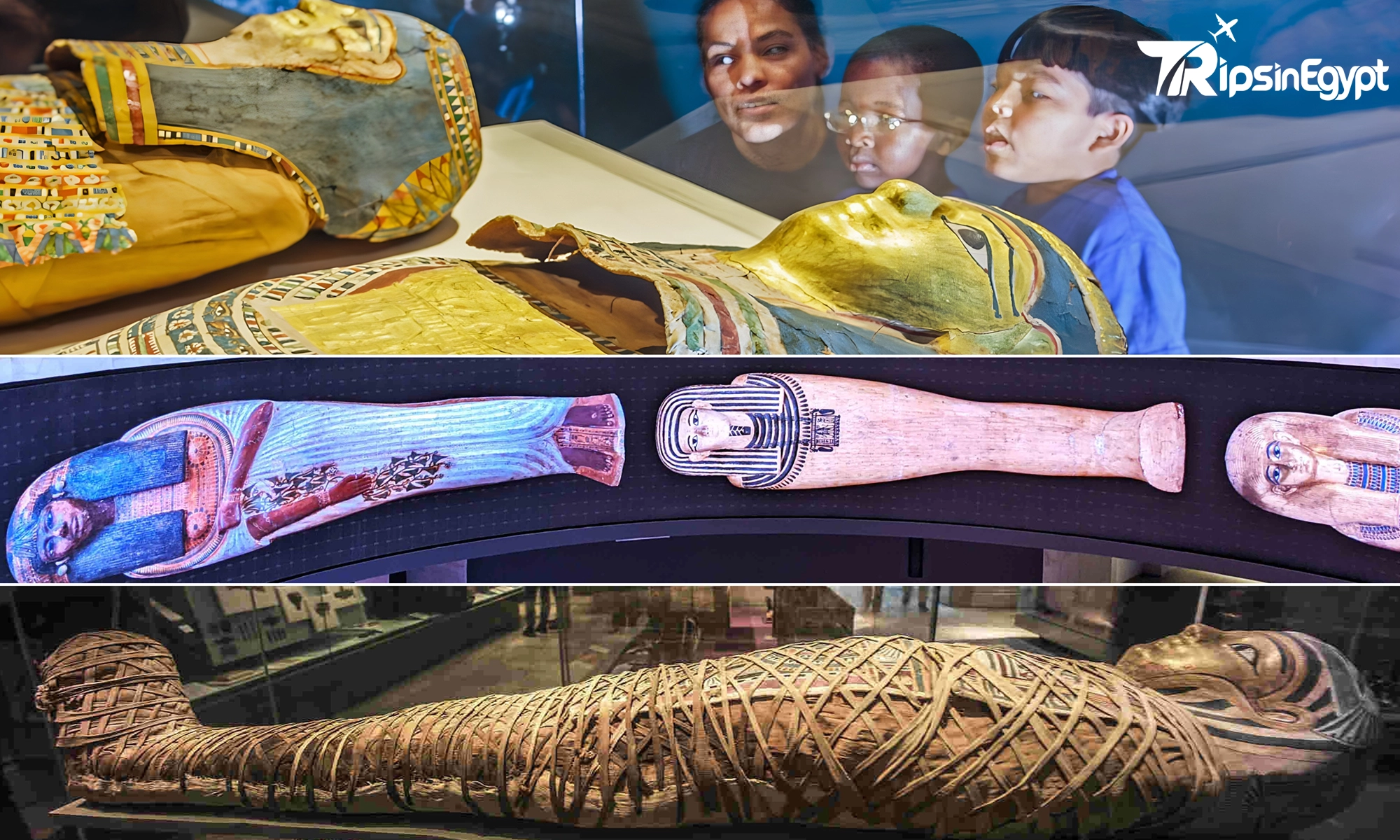
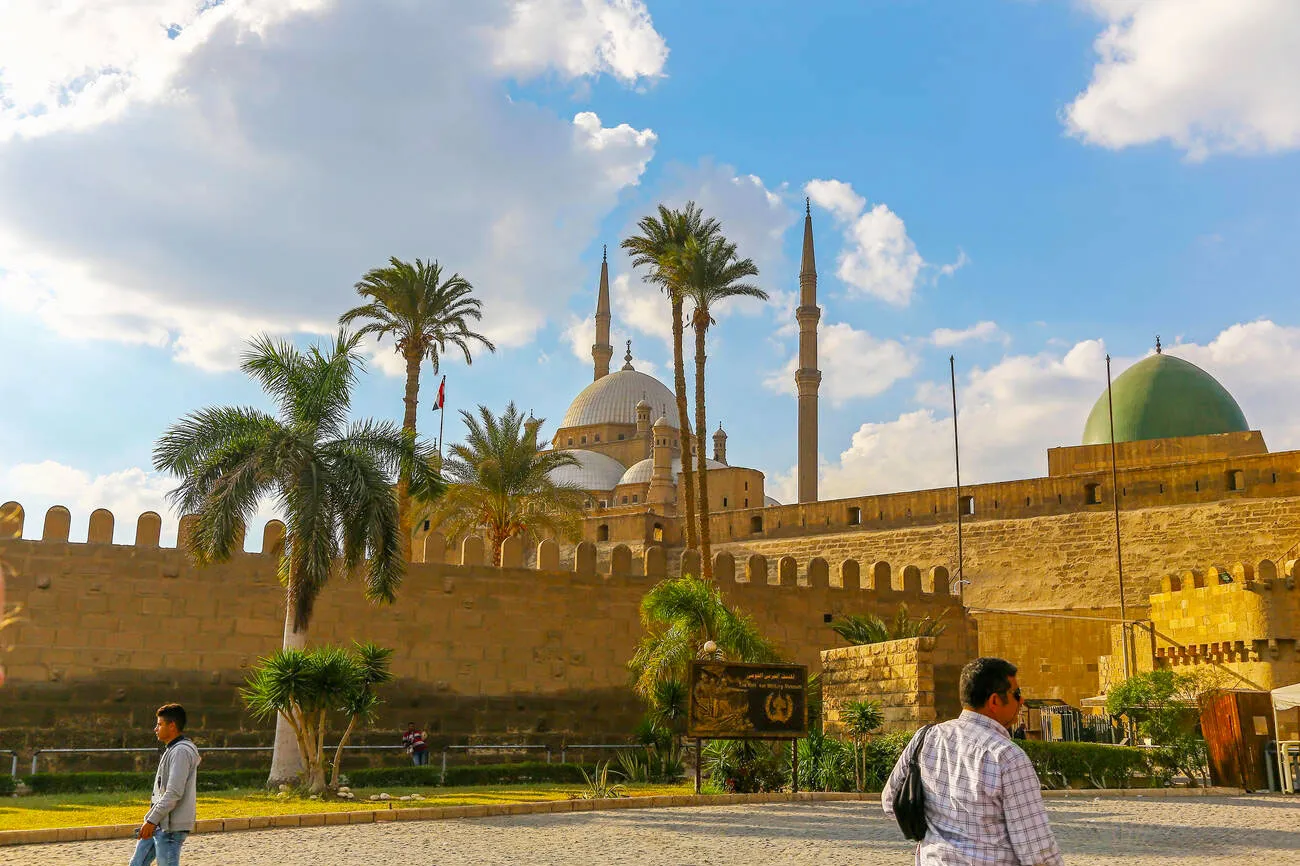
Inside the city, Downtown holds the Egyptian Museum on Tahrir Square, Old Cairo holds the Coptic Museum and the Hanging Church, and Islamic Cairo holds the Citadel, Al-Muizz Street and the Khan El Khalili bazaar. The Egyptian Museum still holds tens of thousands of pharaonic objects, while the National Museum of Egyptian Civilization in Fustat shows 22 royal mummies in a dark underground hall. On a ridge above the old city, the Salah El Din Citadel has guarded Cairo since the 12th century and gives the best views over its minarets. In Old Cairo, the Hanging Church sits on top of a Roman gatehouse, a few minutes' walk from the Coptic Museum and Ben Ezra Synagogue.
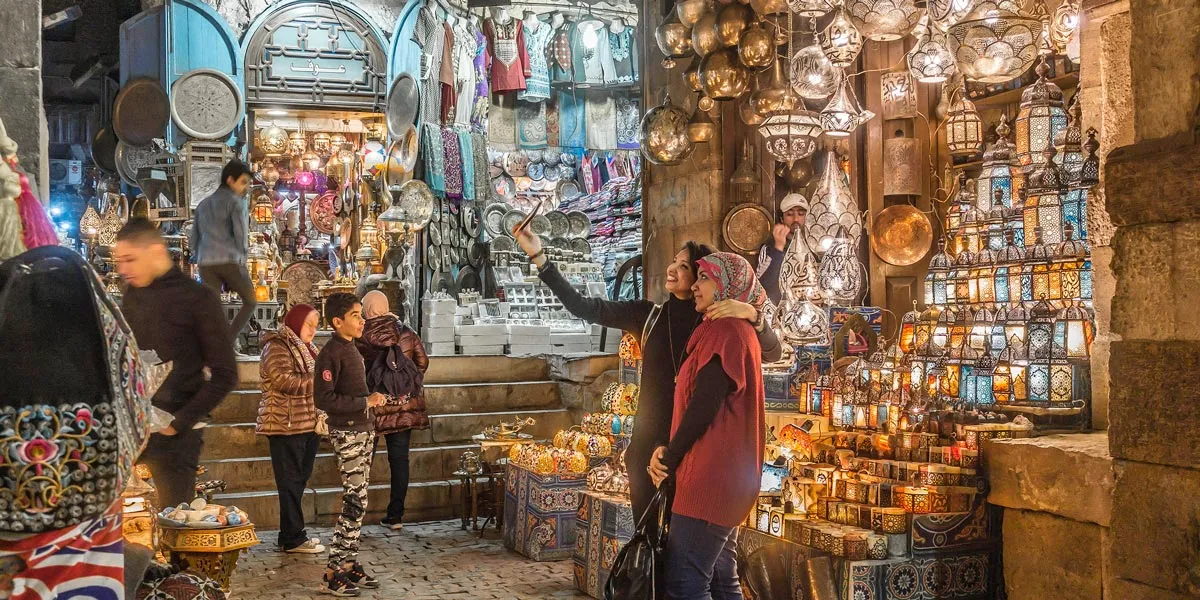
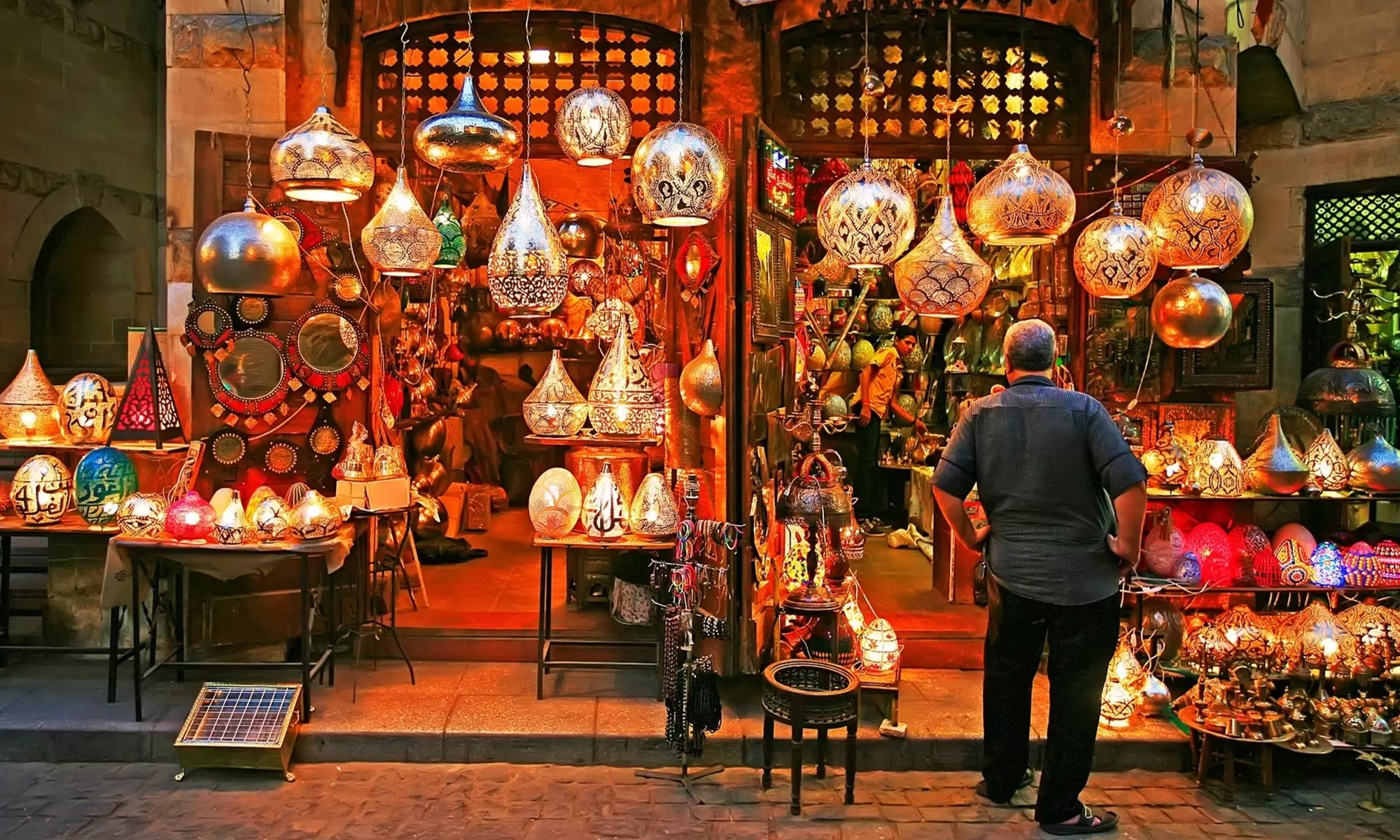
At the end of the day, most visitors drift toward Khan El Khalili, the bazaar that has traded spices, brass and silver since the 14th century. Allow at least two full days for Cairo and Giza, or four if you love museums. Our Cairo tourist attractions page lists every major site in the capital.
The Nile Valley: Luxor, Aswan and Abu Simbel
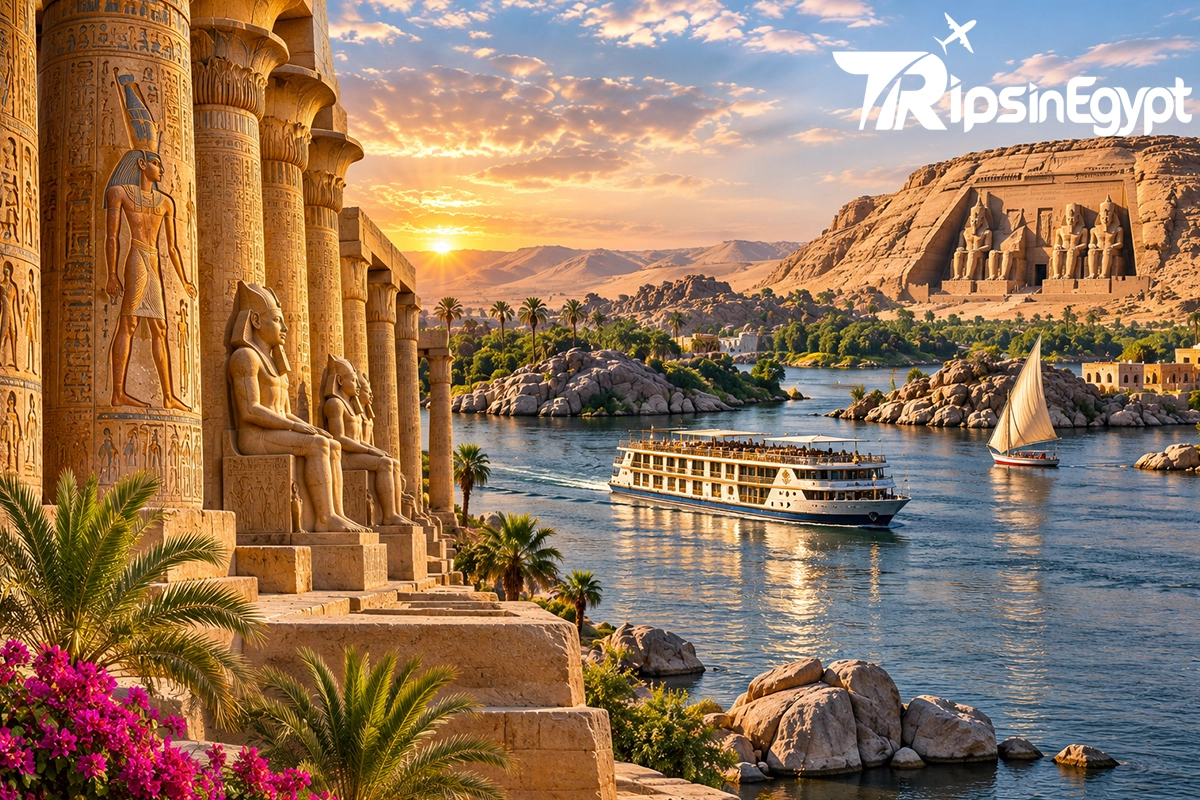
If Cairo is Egypt's front door, the Nile Valley is its treasure room. The stretch between Luxor and Aswan, about 230 km long, holds most of Egypt's great temples and royal tombs.
Luxor, about 650 km south of Cairo, is ancient Thebes. The East Bank holds Karnak Temple and Luxor Temple, while the West Bank holds the Valley of the Kings, the Valley of the Queens, the Temple of Hatshepsut and the Colossi of Memnon. Two days is the minimum, and three is better.
Luxor Temple stands in the middle of the modern town and is linked to Karnak by the 2.7 km Avenue of Sphinxes, reopened to visitors in 2021. Go at sunset, when the floodlights come on and the crowds thin out. On the West Bank, early starts matter, since the Valley of the Kings opens at 6 am and the heat builds quickly from late morning.
North of Luxor, two temples deserve a day of their own. The Temple of Dendera, about 60 km away, is famous for its painted ceilings and the zodiac of Hathor. Further north, the Temple of Seti I at Abydos holds the King List, a carved roll call of the pharaohs who ruled before Seti.
Between Luxor and Aswan, the river passes the Temple of Khnum at Esna, the Temple of Edfu, the best-preserved temple in Egypt, and the double temple of Kom Ombo, dedicated to Sobek and Horus and set right on the riverbank. Most travelers see them from a Nile cruise, which usually runs three or four nights between the two cities.
Aswan is calmer and greener, with granite islands, felucca sails and Nubian villages. Its highlights are Philae Temple, the High Dam and the Unfinished Obelisk. About 280 km further south, close to the Sudanese border, stand the two temples of Abu Simbel, carved for Ramesses II and moved block by block in the 1960s to escape Lake Nasser. The drive from Aswan takes about 3.5 hours each way, or about 45 minutes by air. Twice a year, around 22 February and 22 October, the rising sun reaches the inner sanctuary during the Abu Simbel Sun Festival, one of the most memorable events on the Egypt calendar.
The Red Sea Coast and South Sinai
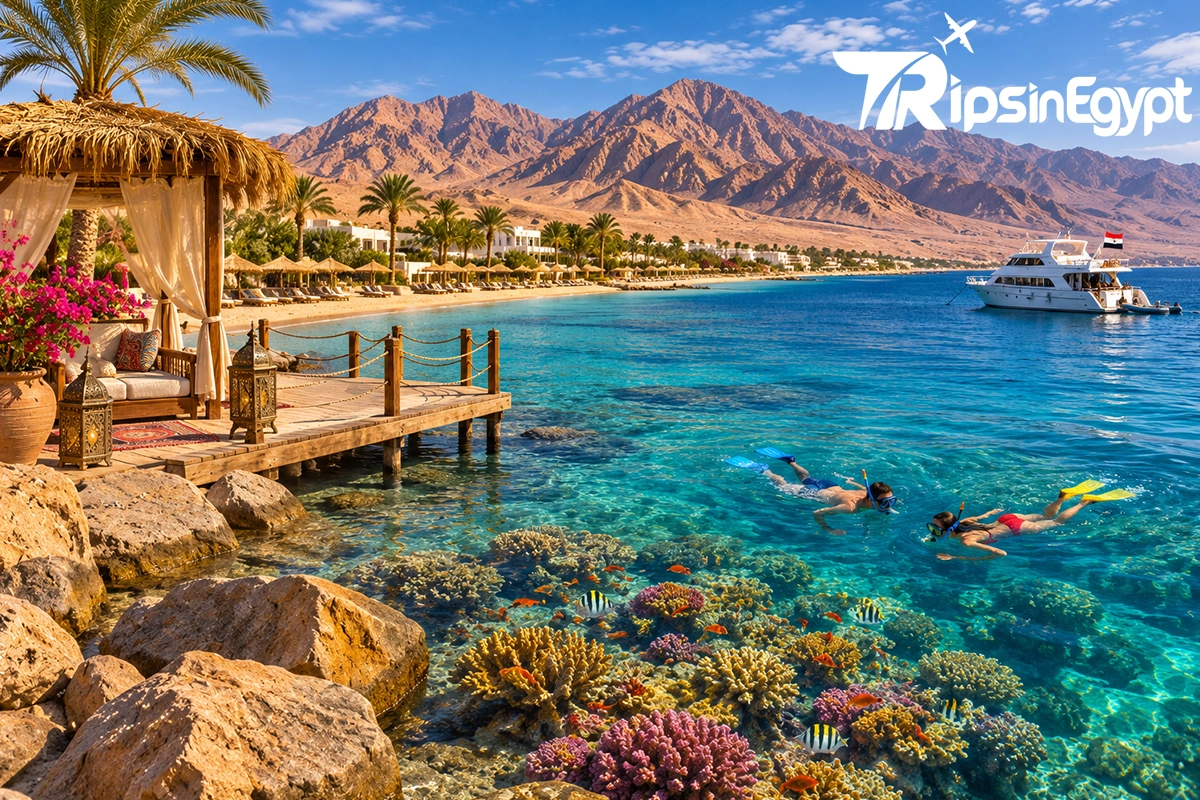
East of the Nile, the Eastern Desert ends at the Red Sea, and the map changes from temples to coral reefs. Egypt's two beach regions sit on either side of the Gulf of Suez.
The Red Sea coast runs south from El Gouna. Hurghada is the largest resort, with boat trips to Giftun Island, and El Gouna, about 25 km to the north, is its upscale neighbor of lagoons and marinas. Further south come Safaga and El Quseir, then Marsa Alam, about 270 km south of Hurghada, where green turtles feed in the bay of Abu Dabbab. Hurghada is also only about four hours by road from Luxor, which makes it easy to pair beaches with temples. Our Hurghada travel guide covers the town in detail, and our Hurghada excursions include snorkeling trips, desert quad rides and day trips to Luxor.
South Sinai lies across the gulf. Sharm El Sheikh sits at the southern tip, beside Ras Mohammed National Park, one of the most famous dive areas in the Red Sea. Our Ras Mohammed tour from Sharm El Sheikh visits its reefs by boat. Dahab, about 90 km north, is a relaxed town known for the Blue Hole and shore diving. Inland, Mount Sinai rises to 2,285 m above the 6th-century Saint Catherine's Monastery, and most visitors climb it overnight to watch the sunrise. The monastery, built under Emperor Justinian, is one of the oldest working Christian monasteries in the world and a UNESCO World Heritage Site. Our Sinai attractions page covers the rest of the peninsula, from the Colored Canyon to Nuweiba. Travel advisories usually warn against North Sinai, but the South Sinai resorts are widely visited.
Alexandria, the Oases and the Western Desert
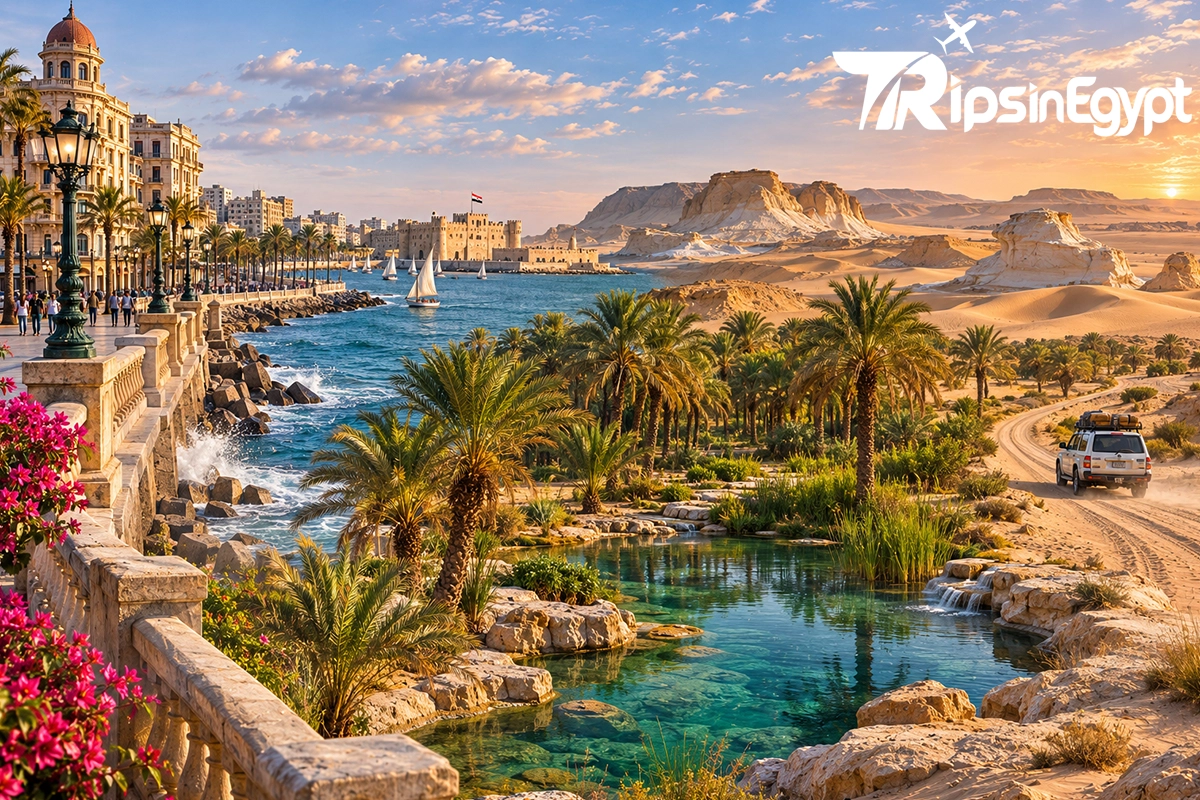
Away from the river and the reefs, two quieter regions reward travelers with more time.
Alexandria, about 220 km northwest of Cairo, was founded by Alexander the Great in 331 BC and became the capital of the Ptolemies. Today you will find the modern Bibliotheca Alexandrina, opened in 2002 near the site of the ancient library, and the 15th-century Qaitbay Citadel, built on the ruins of the Pharos lighthouse. Inland stand Pompey's Pillar, a granite column about 27 m tall, and the Catacombs of Kom El Shoqafa, where Egyptian and Roman styles mix in tombs cut deep into the rock. The Corniche, a seafront road of about 15 km, links the city's beaches and fish restaurants. It works well as a day trip from Cairo, about 2.5 to 3 hours each way by train or car.
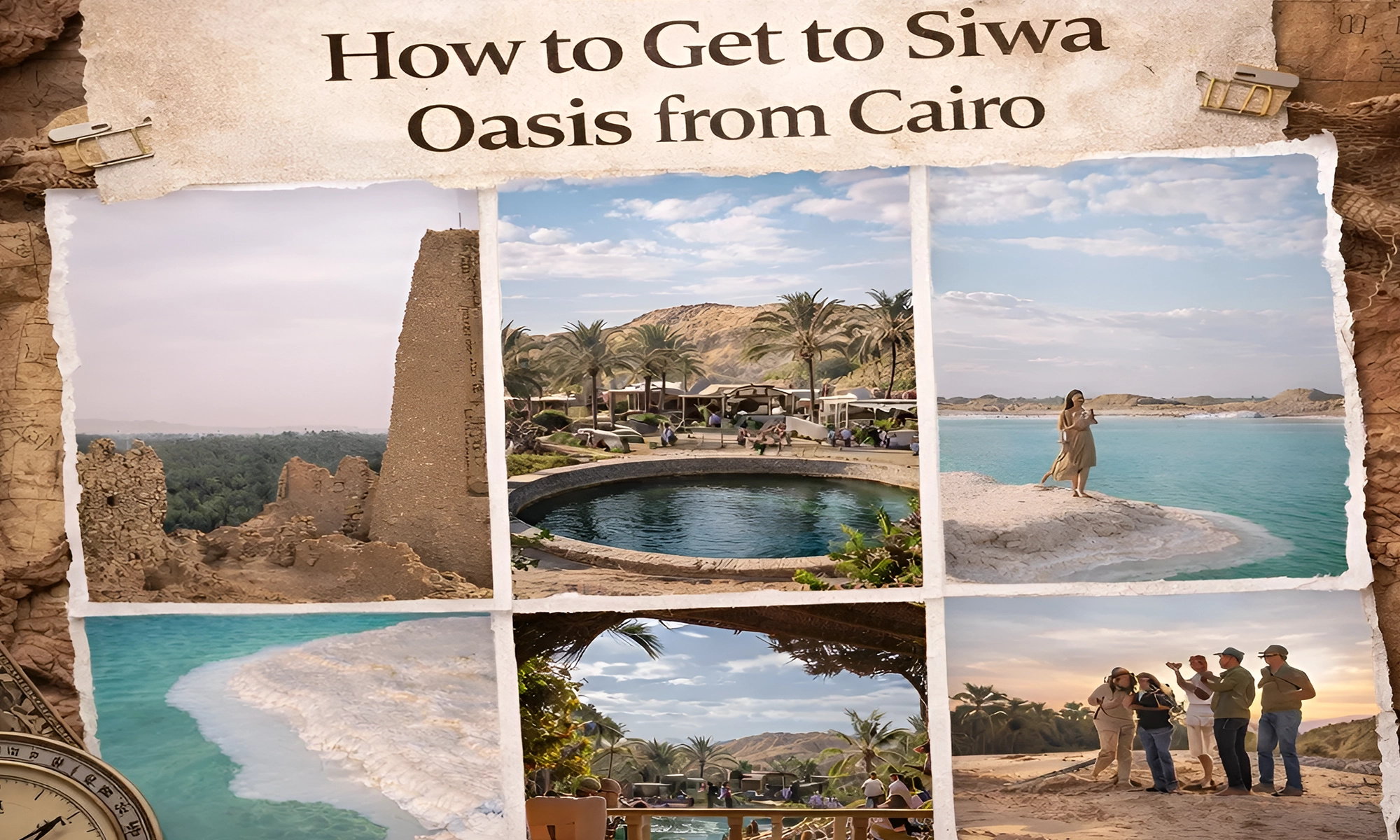
The Western Desert covers about two-thirds of Egypt and holds five main oases. Bahariya, about 370 km southwest of Cairo, is the gateway to the White Desert, where chalk formations rise from the sand like frozen sculptures. On the way, the volcanic hills of the Black Desert and the quartz ridge of Crystal Mountain make good stops. Our page on Egypt's deserts explains what each area offers. Siwa Oasis, near the Libyan border, has salt lakes, palm groves and the Temple of the Oracle of Amun, which Alexander visited in 331 BC. It lies about 750 km from Cairo by road, so most people visit on a multi-day trip.
Closer to the capital, about 100 km southwest, Fayoum holds Lake Qarun and Wadi El Hitan, the Valley of the Whales, a UNESCO site since 2005 where the fossil skeletons of ancient whales lie in the open desert. The waterfalls of Wadi El Rayan and the pottery village of Tunis are close by, and our Fayoum attractions page has more. Our overnight safari to Bahariya and the White Desert is the easiest way to sleep under the desert stars.
Distances and How to Link the Regions
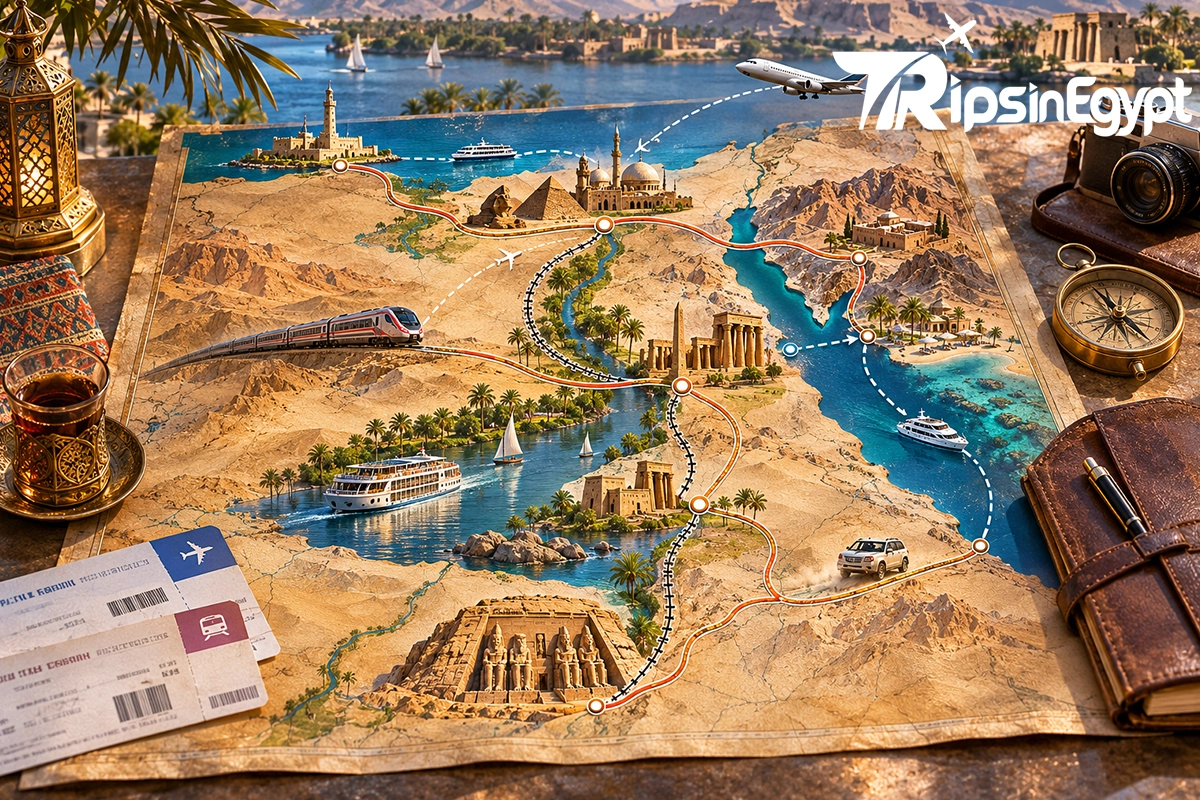
Egypt is larger than it looks, and the distances shape every itinerary. These are approximate road distances and travel times.
| Route | Distance | By road | By air |
|---|---|---|---|
| Cairo to Alexandria | 220 km | 2.5 to 3 hours | Not needed |
| Cairo to Luxor | About 650 km | 9 to 10 hours | About 1 hour |
| Cairo to Aswan | About 900 km | 12 to 13 hours | About 1.5 hours |
| Cairo to Hurghada | About 460 km | 5 to 6 hours | About 1 hour |
| Cairo to Sharm El Sheikh | About 500 km | 6 to 7 hours | About 1 hour |
| Luxor to Aswan | 230 km | 3 to 4 hours | Not needed |
| Hurghada to Luxor | About 290 km | About 4 hours | Not needed |
| Aswan to Abu Simbel | About 280 km | About 3.5 hours | About 45 minutes |
Domestic flights save the most time on long routes, while sleeper trains link Cairo with Luxor and Aswan overnight. Between Luxor and Aswan, a Nile cruise turns the transfer into part of the holiday.
One week: Cairo and Giza for three days, then fly to Luxor or Aswan for a three or four-night Nile cruise. Our 7-day Egypt itinerary follows this route.
Ten days to two weeks: Add a beach region after the cruise. Hurghada pairs best with Luxor, and Sharm El Sheikh is a one-hour flight from Cairo. Our 10-day Cairo, Aswan, Luxor and Hurghada itinerary covers four regions without rushing.
The season matters as much as the route. October to April is pleasant in the Nile Valley, while the Red Sea is good for most of the year, as our guide to the best time to visit Egypt explains.
Explore Every Region of Egypt With Trips In Egypt
From the pyramids of Giza to the reefs of the Red Sea and the silence of the White Desert, every region of Egypt shows a different face of the same eternal land. The map is only the start. The real journey begins when you choose which of these places to see first. Take a look at our Egypt tour packages to find a route that links your favorite regions, or let us build a tailor-made tour around your dates and interests.

5 Days Cairo And Hurghada Trip
Amazing 4 Nights Cairo and Hurghada Trip Itinerary 5 Days Cairo and Hurghada trip wil...
- Duration 5 Days / 4 Nights
- Location Cairo & Hurghada
- Type Historical & Recreational Tour
From$690/per person
View Tour
6 Days Cairo, Alexandria & Faiyum Tour
Unforgettable Cairo, Alexandria & Faiyum Adventure in Six Days 6 Days Cairo, Alex...
- Duration 6 Days / 5 Nights
- Location Cairo - Alexandria - Fayum
- Type Historical Tour
From$720/per person
View Tour
10 Days Cairo, Faiyum & Nile Cruise Holiday
Breathtaking 10 Days Journey of A Lifetime in Egypt 10 Days Cairo, Faiyum & Nile...
- Duration 10 Days / 9 Nights
- Location Cairo, Luxor, Aswan & Faiyum
- Type Classic Tour
From$1350/per person
View Tour SOLD OUT
Ultimate 7-Day Egypt Solar Eclipse Experience with Hurghada 2027
Enjoy a 7-Day Egypt Solar Eclipse Tour with Hurghada 2027 6 Nights Egypt Solar Ecli...
- Duration 7 Days / 6 Nights
- Location Cairo / Giza / Luxor / Hurghada
- Type Astronomical Tour
Sold Out
View Details